

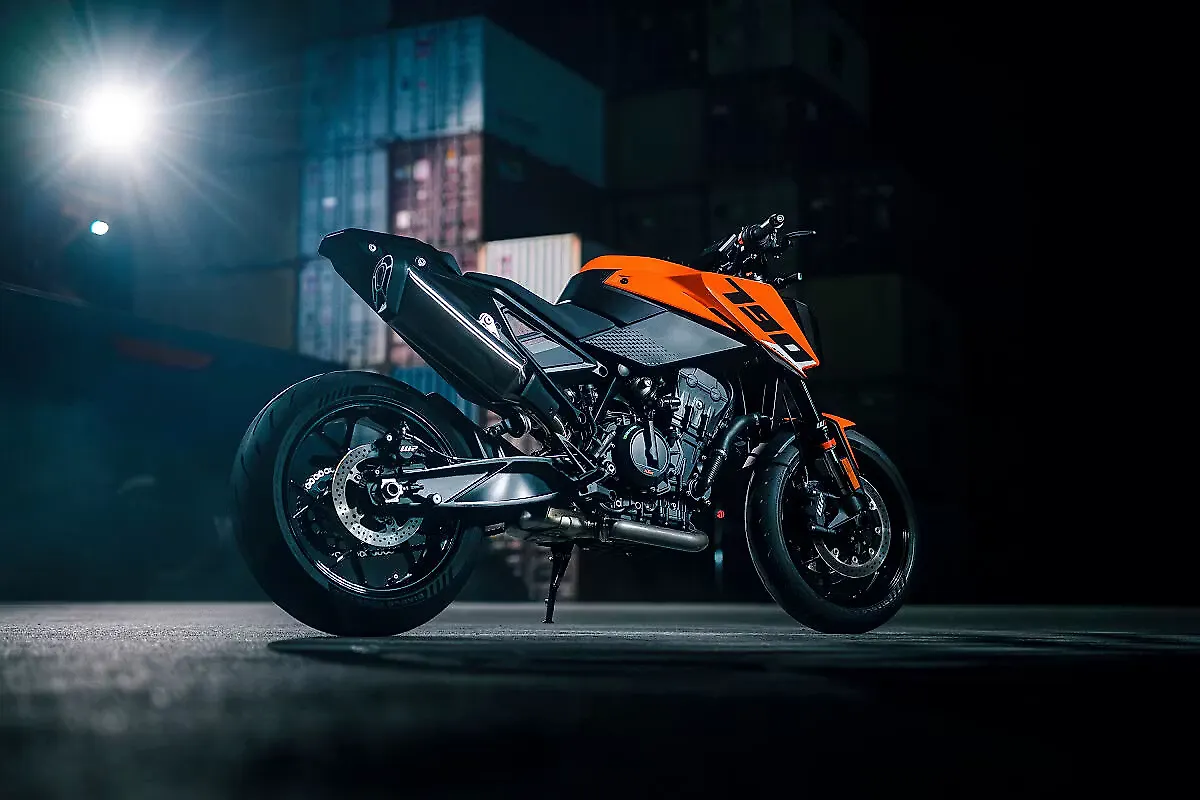
WP Suspension has long been responsible for the forks and shocks found on KTM, Husqvarna and GasGas motorcycles, but the Austrian manufacturer is now taking the brand into an entirely new area. KTM has confirmed that WP is developing its own braking systems, marking a significant shift in the company’s strategy to bring more critical chassis components under one roof.
The move is aimed at giving KTM greater control over the development of its motorcycles. Rather than relying on third-party brake suppliers, the company can now engineer its suspension and braking systems together, allowing faster development cycles and tighter integration between the two. The first production motorcycles to receive the new hardware are the KTM 390 Duke, followed by the recently launched 790 Duke.
The project has reportedly been years in the making. KTM established a dedicated research and development centre in Barcelona, Spain, where it quietly spent five years designing its own brake calipers and master cylinders. To accelerate the programme, the company recruited experienced engineers from established brake manufacturers, many with more than two decades of expertise in brake system development.
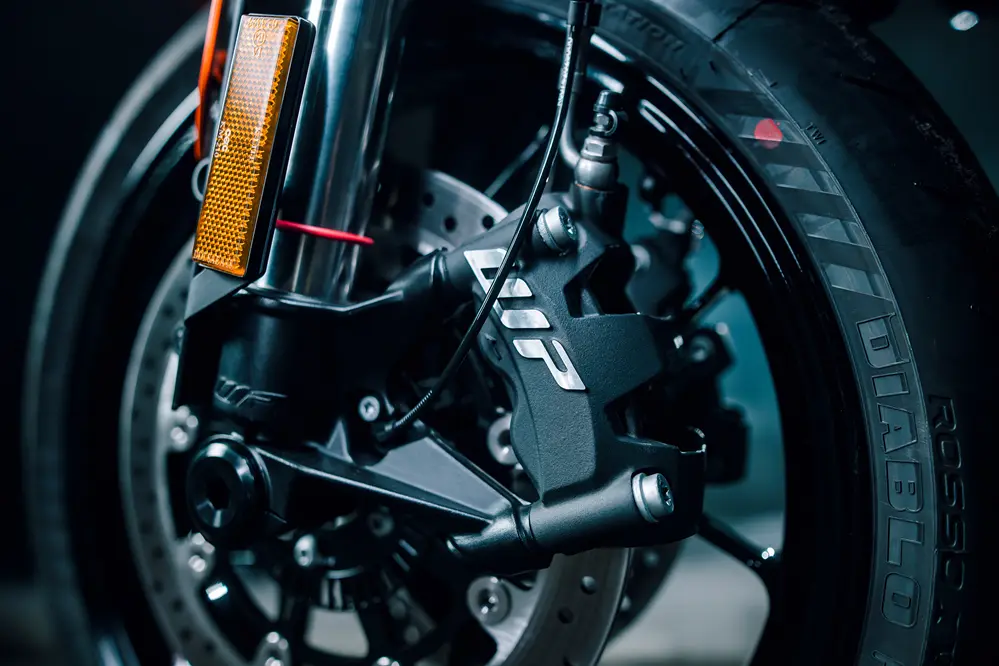
WP is no stranger to chassis technology. Acquired by KTM’s former parent company, Pierer Mobility, now operating as Bajaj Mobility AG, in the late 1990s, the brand has since become the suspension supplier for KTM, Husqvarna, GasGas and even KTM’s MotoGP programme. Expanding into braking systems represents the next logical step in creating a fully integrated chassis package developed entirely in-house.
Manufacturing of the new brake components is expected to take place in India, reflecting KTM’s increasingly close relationship with Bajaj following its takeover of the Pierer Group. Producing the systems in India is likely to help reduce manufacturing costs while supporting large-scale global production.
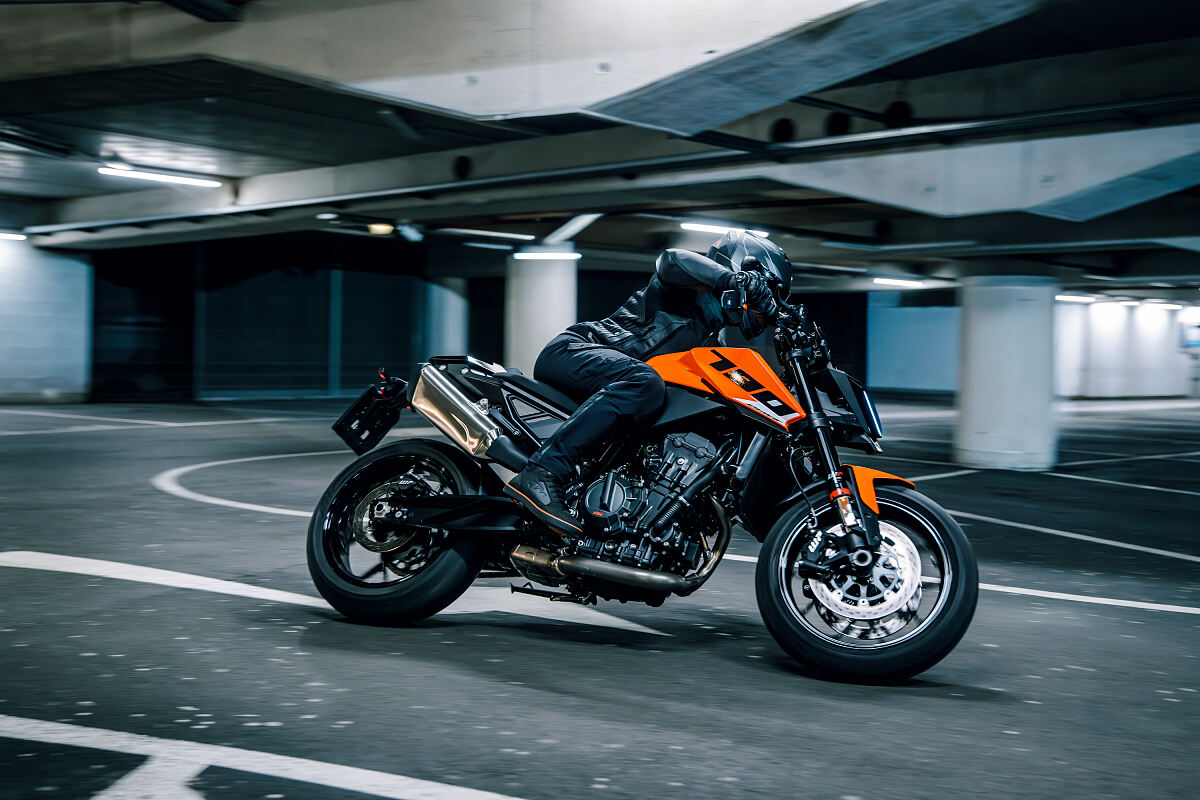
For KTM, the significance of the move extends beyond simply introducing another brake brand. Bringing braking technology in-house allows the company to optimise suspension, chassis and braking performance as a complete package, rather than developing each component independently. It also reduces reliance on external suppliers, giving KTM greater flexibility over future product development and helping it respond more quickly to changing market demands.
If the first-generation WP braking systems perform as intended, KTM could eventually equip much of its future motorcycle range with fully in-house chassis components, a strategy that few mainstream motorcycle manufacturers currently employ.