

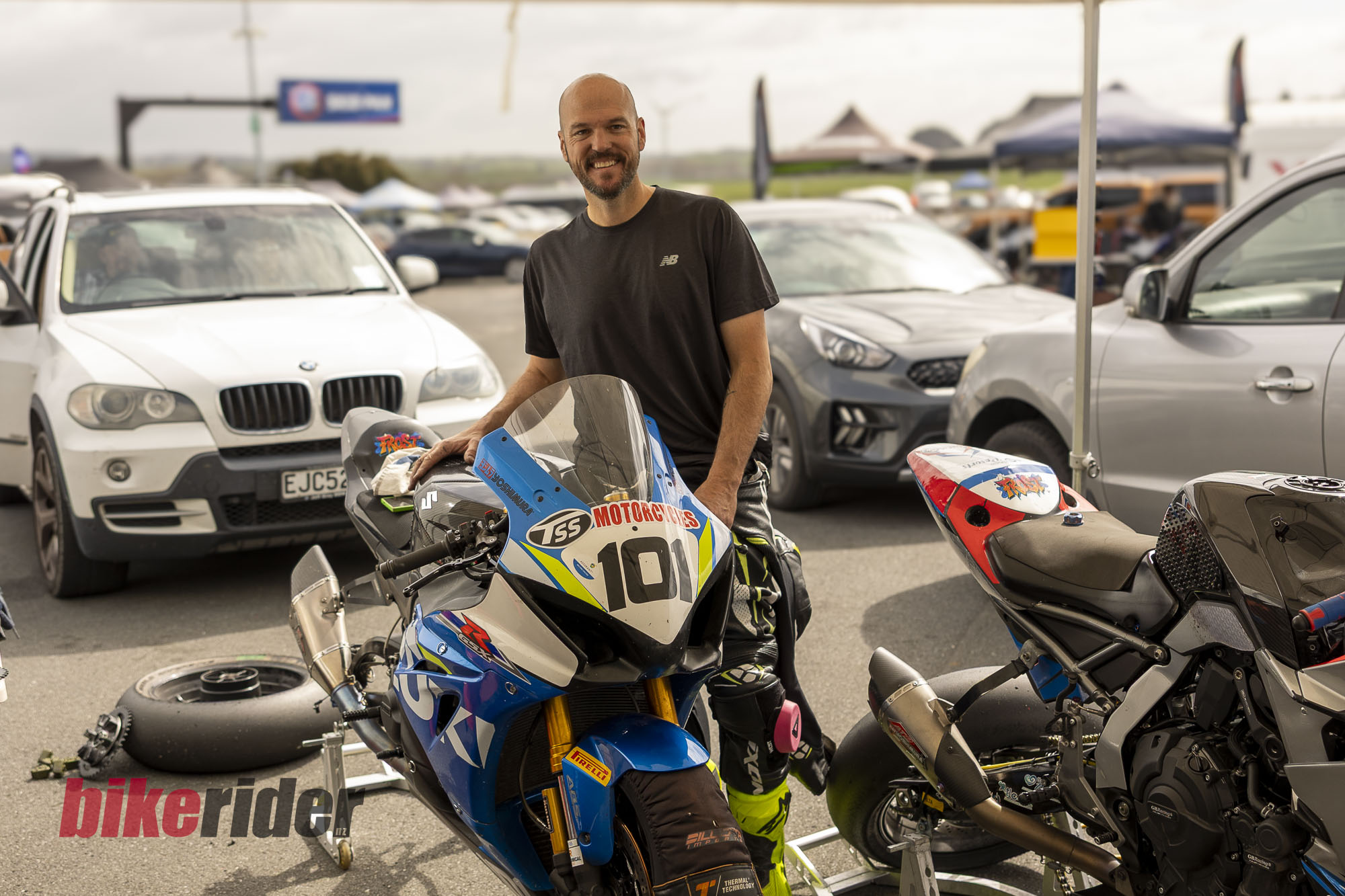
- Former NZ Superbike champion Sloan Frost is turning his attention to coaching the next generation
- Nine-year-old James Drought impressed on the world stage at the Ohvale Guangzhou Super Cup
- Frost is back racing a Suzuki GSX-R1000 and wants to show Superbike racing doesn’t need an unlimited budget
Former NZ Superbike champion Sloan Frost is back on a race bike, but these days some of his biggest satisfaction comes from helping the next generation. Fresh back from coaching nine-year-old James Drought in China, Frost talks junior racing, his own comeback and why he believes there’s plenty of life left in Superbikes.
Photography: ASP & BRM
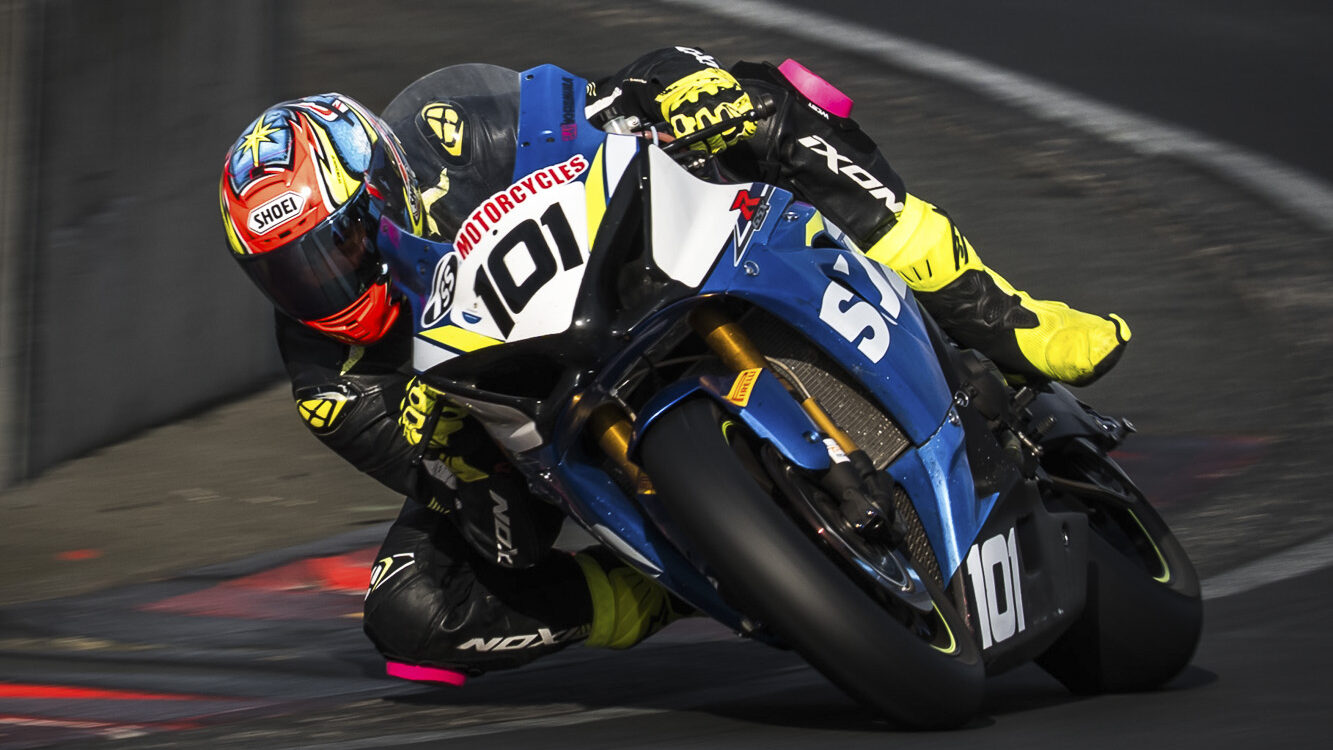
Former New Zealand Superbike champion Sloan Frost is back on a race bike, but these days some of his biggest satisfaction is coming from helping the next generation. Fresh back from China, where he helped nine-year-old James Drought take on some of the world’s best young racers, Sloan sat down with BRM at Hampton Downs to talk junior development, coaching, his own racing comeback and why he still believes there’s plenty of life left in Superbike racing.
Sloan Frost needs little introduction to followers of New Zealand road racing.
A former national Superbike champion and one of the country’s most experienced racers, Frost has spent plenty of time at the sharp end of New Zealand racing. These days, however, his involvement in the sport is increasingly extending beyond his own results.
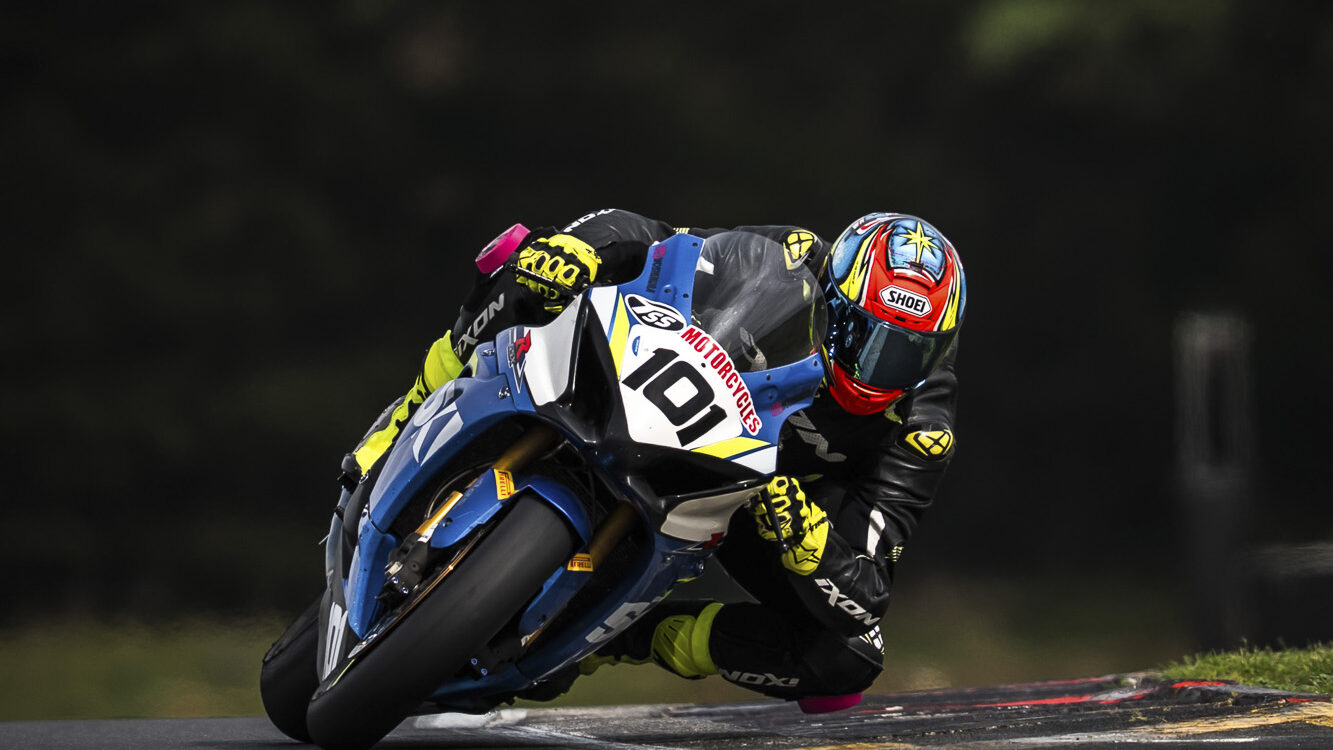
BRM caught up with Sloan at the opening round of the Auckland Motorcycle Club Championship at Hampton Downs, where he was back racing a Suzuki GSX-R1000. There’s a bigger story behind that bike – and we’ll be following its development in BRM – but another of Sloan’s recent projects has involved a considerably smaller motorcycle and a considerably younger rider.
MORE ARTICLES
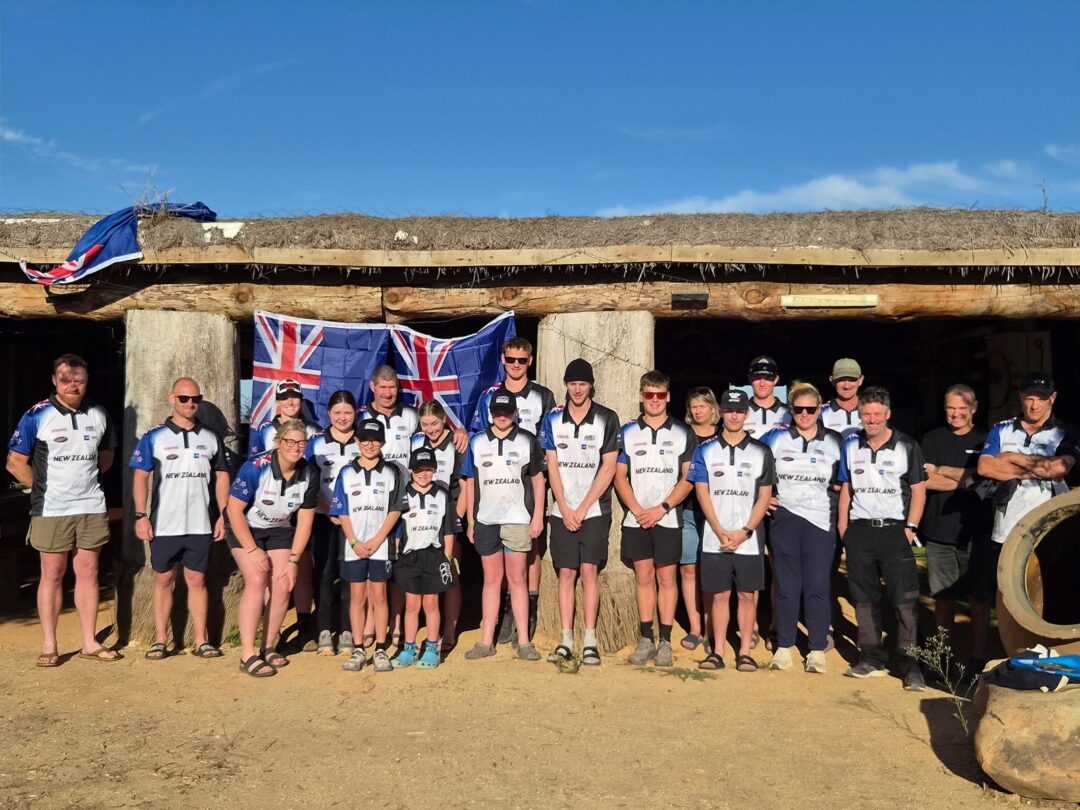
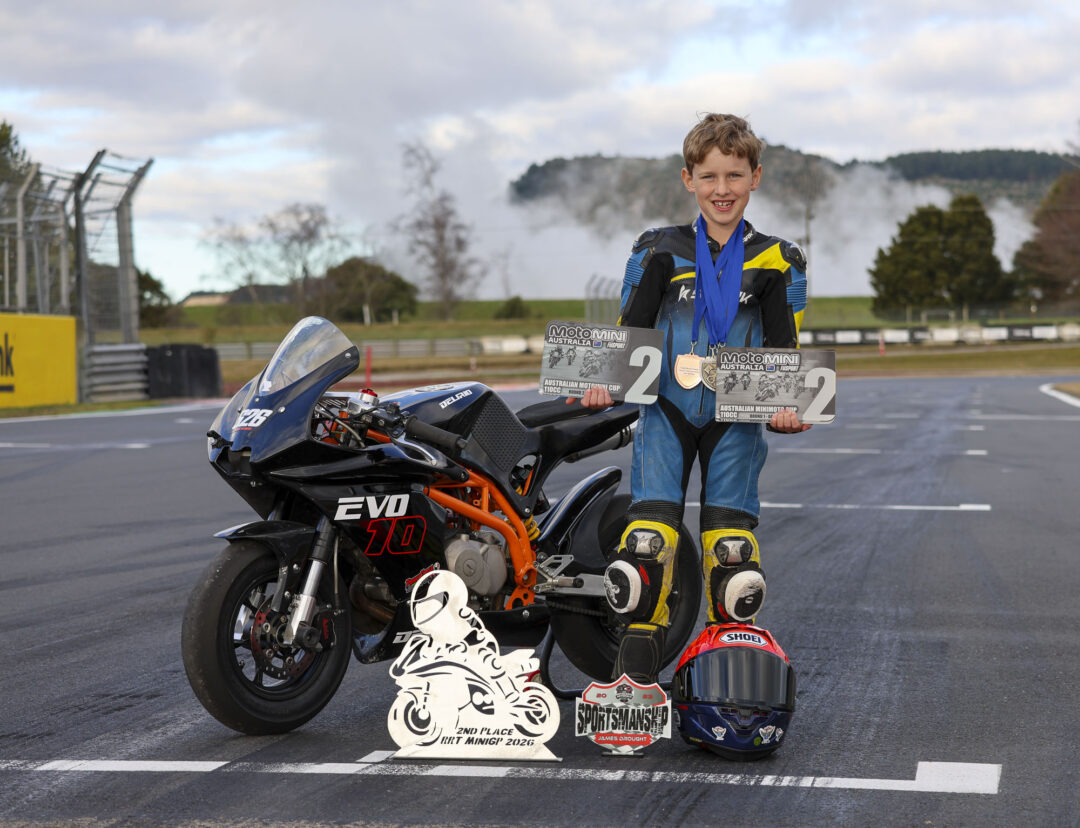
Frost recently travelled to China with nine-year-old Taupō racer James Drought for the 2026 Ohvale Guangzhou Super Cup, effectively taking on the role of coach and mentor as the young Kiwi stepped onto the international stage.
James had earned his place after an impressive season racing Ohvale MiniGP machinery in Australia, including a clean sweep of all four races at the third round of the Australian MotoMini 110 Cup.
The Guangzhou event itself brought together more than 100 young riders from 33 countries and regions at the Guangzhou Conghua International Circuit, all competing on controlled-specification Ohvale machinery. For Frost, it provided a fascinating look at where junior road racing can lead – and what New Zealand needs to do to develop more riders like James.
BRM: How did you become involved with James and end up going to China with him?
SLOAN: I’d got to know James and his family through the MiniGP racing here, and I encouraged them to go over to Australia. I’ve helped them get established over there and introduced them to Wayne Maxwell, who has helped them with the MiniGP side of things and getting a bike to race.
James has been going really well in Australia. He’d been getting firsts and seconds and then, at the round just before China, he won. Off the back of all that he was selected to go to the Super Cup in China.
They basically invited me to go with them and asked if I’d like to come and help. Absolutely. Even without them helping me get there, I probably would have gone anyway.
BRM: It sounds as though the scale of the event surprised you?
SLOAN: It was really impressive. What Ohvale is putting back into the sport is incredible. Their bikes aren’t cheap, but when you see what they’re investing into junior racing you start to understand some of that.
There were brand-new bikes everywhere. The bike in our pit had basically just been started – it had zero on the hour meter. Everyone was getting the same sort of opportunity.
For these kids, it’s essentially a world-level event. That’s a huge thing when you’re nine years old.
BRM: James also had to adapt to a different motorcycle?
That was probably one of the hardest things for him. He was used to racing the 110 automatic bike and the manual class in China was originally supposed to be more of a training class rather than the race class.
So he’d only had a couple of weekends learning the manual bike before going over there and suddenly he was racing one.
“You’ve got all this information in your head that you could give him, but you can’t overload him.”
That made it pretty tough. If he’d been in the class that better matched what he’d been racing in Australia, I honestly think he could have done exceptionally well.
BRM: What was it like coaching a nine-year-old at an event of that scale?
SLOAN: That was probably the most interesting part for me. You’ve got to learn what makes a nine-year-old racer tick. You’ve got all this information in your head that you could give him, but you can’t overload him. You’ve got to work out what information is actually going to help and how to communicate it.
Then there’s the pressure. For a kid to handle that sort of pressure at what is essentially a world-level event is huge. You’re trying to calm his nerves while he’s dealing with all sorts of things he’s never experienced before.
He’d never really done media stuff, for example, so suddenly he’s doing interviews and we’ve got to help prepare him for that as well.
And then the heat was immense. There was a lot going on.
BRM: Did being there as somebody other than a parent help?
SLOAN: Definitely. His parents are naturally going to feel the stress because it’s their son out there. I’m not feeling that same parental stress, so I could remain at a fairly even level and help keep James calm.
That worked really nicely. He did exceptionally well.
BRM: How did the racing unfold?
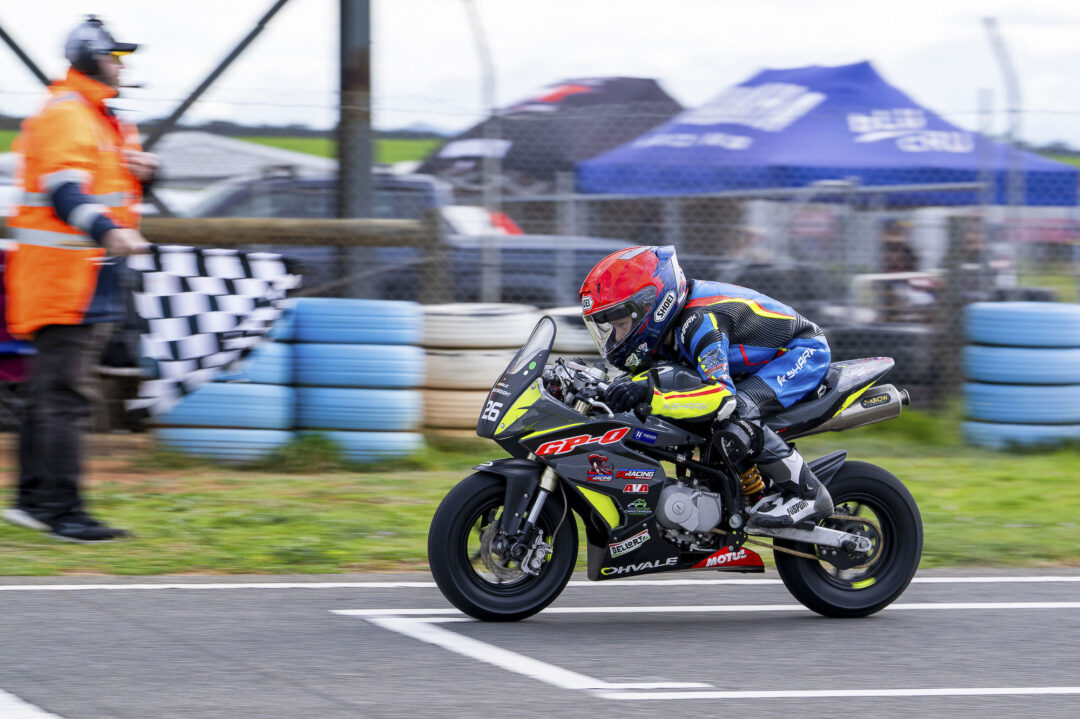
SLOAN: There were about 30 kids in his class and he had to qualify in the top 25 initially. He qualified around 18th. Then through the two races he had to finish high enough to qualify for the Super Final, and he made it through.
Before the Super Final we had a chat. Again, you can’t overload a nine-year-old with information, so we concentrated on just three things. One was getting his lap right from the start, and another was braking later in one particular area. Just three simple things to focus on. And straight away he did exactly what we’d talked about.
He started making passes and worked his way up to 15th, into the points in the Super Final. I was really proud of him.
BRM: Does James’ performance suggest New Zealand has the young talent to compete internationally?
SLOAN: Absolutely. We’ve got a few kids around that sort of pace. My nephew Felix is a little younger, but he’s showing similar potential, and there are some other kids coming through as well.
Having one kid go overseas and do well helps everybody because suddenly the others can see what’s possible. Felix is now going to do the final round of the Ohvale series and MiniGP in Australia, and I’m going over to help him and James again.
James has a chance of winning the Australian championship, which would be fantastic.
BRM: Are MiniGP classes becoming essential for developing young NZ road racers?
SLOAN: Absolutely. You look around at all of us older guys racing and there hasn’t been a really strong, consistent junior development pathway coming through.
We’ve had things that have worked really well at different times, but not enough happening right down at the very young end. That’s where these bikes are so important.
We need to get them onto kart tracks and make it easier for young kids to get involved. There are people working on changing the rules and everybody is positive about it, but our rules weren’t really structured around this sort of racing, so it takes time.
There are still some handbrakes there, but you can see the direction it’s going. For New Zealand road racing, I think it’s really important.
FROST GETS BACK ON A SUPERBIKE
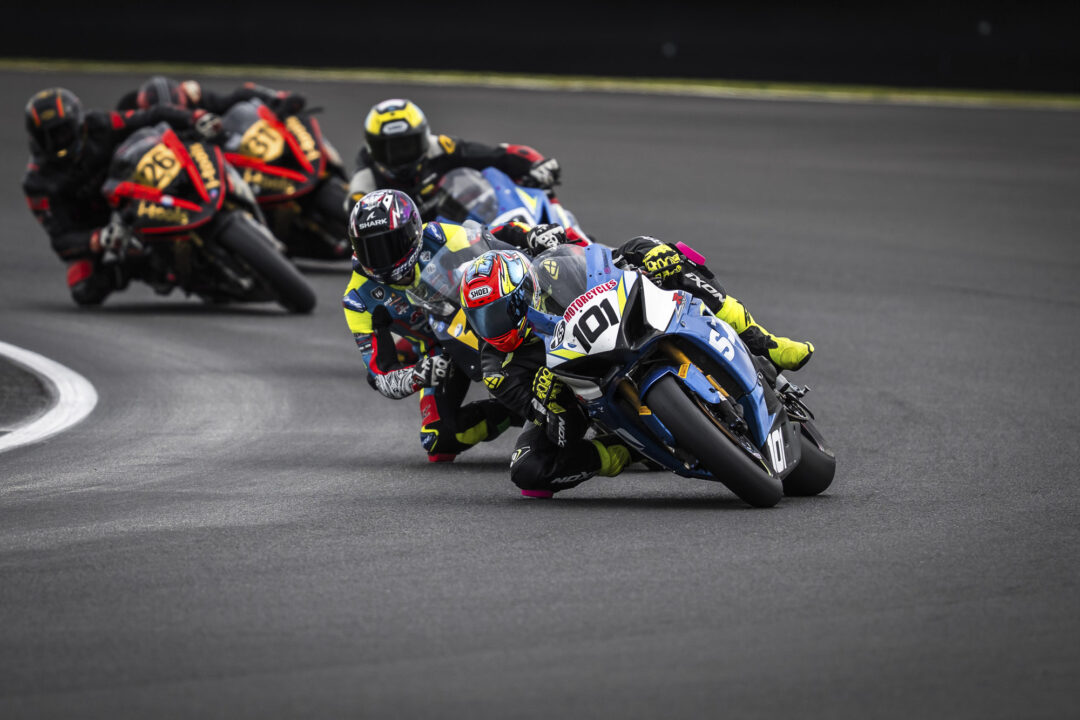
BRM: Meanwhile, you’re back racing yourself. Why?
SLOAN: I’ve had such a good relationship with Suzuki and we’ve done a lot with them over the years.
The GSX-R1000 is still such a good bike, but you don’t see many of them at the track anymore. People are buying these really expensive Superbikes, whereas the Suzuki is a really strong starting point. There are heaps of spare parts around and they’re relatively cheap to operate.
With the new GSX-R1000 coming, the idea is to document the process of building one into a race bike and look at what you actually need to spend money on to go fast – and, importantly, what you can forget about.
The by-product is that we’ll end up with a Superbike.
BRM: So this isn’t about building an unlimited-budget GSX-R?
SLOAN: No. I’m pretty cheap! That’s really the point. It’s about giving people an insight into how you can do it, where it’s worth spending money and where it isn’t. For me, there isn’t actually that much involved. It’s no different from setting up a 600 or another sportsbike. You fit the race parts you need – rearsets and the usual race modifications – and you’ve got a bike with plenty of horsepower.
“It’s sad seeing how small the Superbike class has become.”
You’re not necessarily going to go straight out and beat Mitch Rees, but you could certainly have a bike capable of being competitive at club meetings and events like the Suzuki Series.
BRM: You’ve also been talking about parity within the Superbike rules?
SLOAN: Yeah. The rules are basically the same whether you buy a very expensive Ducati or BMW or a much cheaper Suzuki. Some bikes come standard with things like forged wheels, so I’ve spoken to Motorcycling New Zealand about whether there could be concessions that allow another bike to use equivalent equipment.
It’s not about giving Suzuki more than anybody else. It’s about trying to create parity.
Some bikes have advantages straight out of the showroom simply because of what they come fitted with. If there are sensible concessions available, it means somebody can start with a less expensive motorcycle and potentially build it to be competitive with anything else on the grid.
I think that approach could help other manufacturers as well.
BRM: Is that partly about trying to get more Superbikes back onto NZ grids?
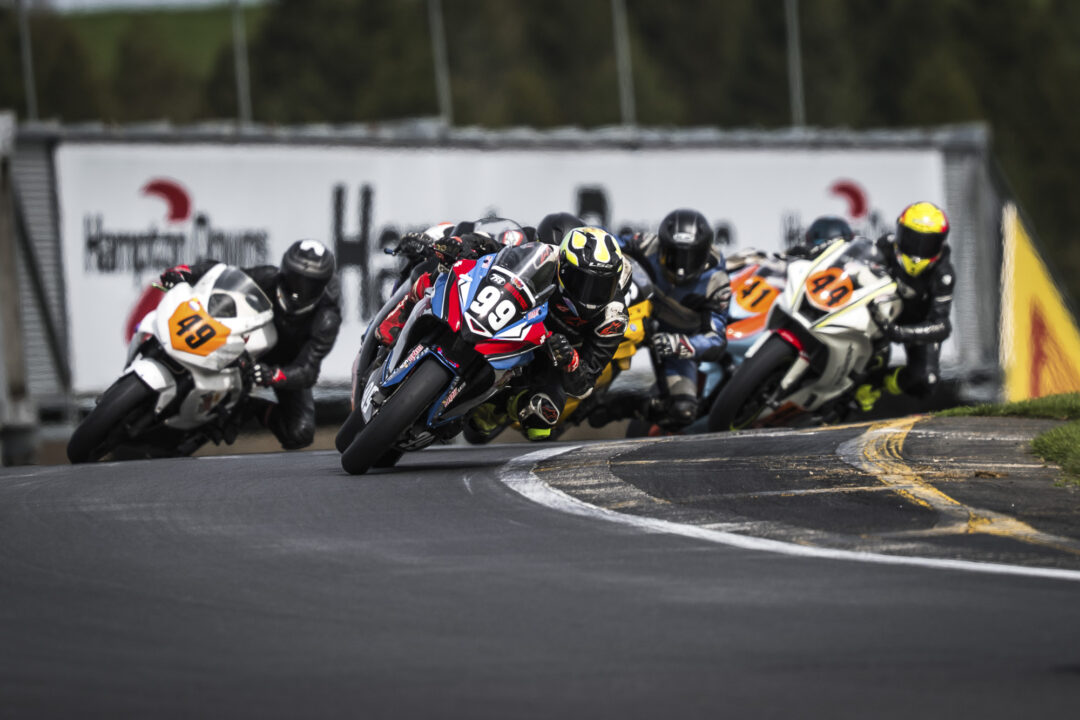
SLOAN: Definitely. It’s sad seeing how small the Superbike class has become. You hear conversations about whether we’ll even have Superbikes one day, and I don’t want to see the big bikes disappear.
If doing something like this encourages another person to build a Superbike and come racing, then that’s a positive. That’s what I’m interested in now – trying to help the sport.
“You look at guys who are older than me who are still incredibly fast and you think, well, maybe I’ve got another 15 years of this!”
BRM: Is your own racing also tied into helping your son Nixon progress?
SLOAN: That’s part of it. I’m really enjoying what Nixon is doing and looking towards the future. He can continue developing over the next year or two and eventually there’ll be this Superbike sitting there that he can progress onto.
I can play the development role with the bike and hopefully make that transition easier for him. And, to be fair, it also gives me an excuse to go riding!
BRM: So how does it feel to be racing again?
SLOAN: Good. I’m still figuring things out and playing around with tyres and setup, but it’s nice being out there again. You look at guys who are older than me who are still incredibly fast and you think, well, maybe I’ve got another 15 years of this!

THE JAMES DROUGHT STORY
Nine-year-old James Drought is one of New Zealand’s most promising young road racers and has been building his experience through MiniGP competition on both sides of the Tasman.
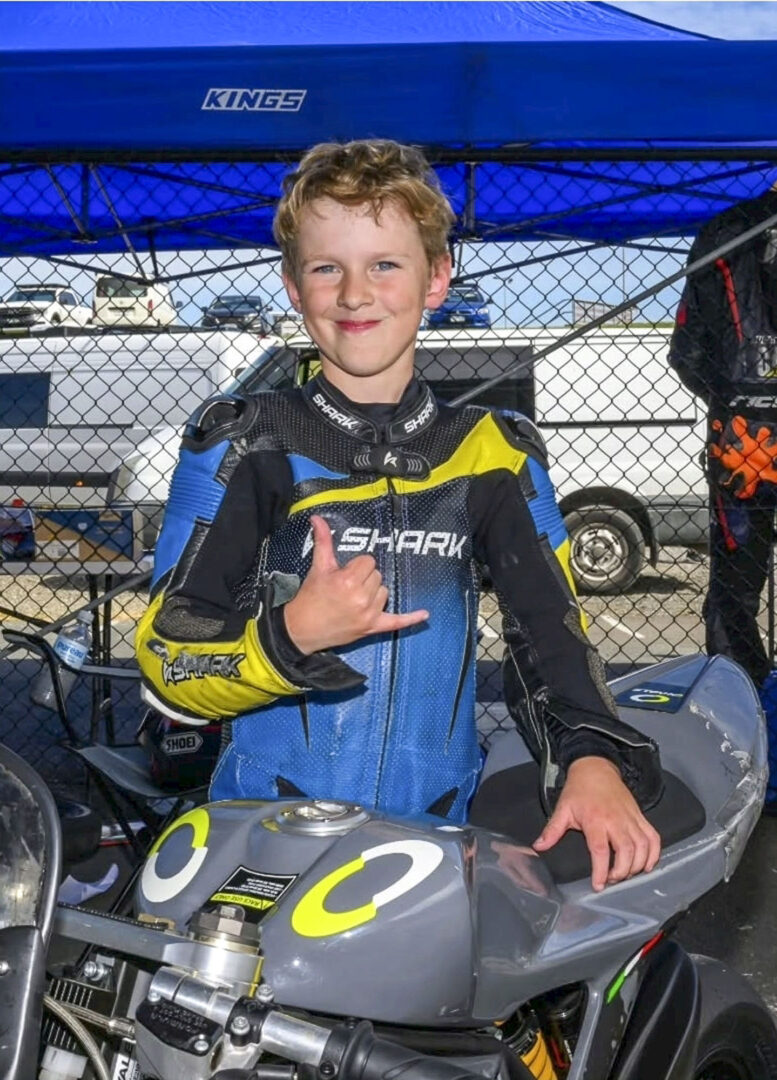
After finishing runner-up in New Zealand’s Pirelli MiniGP series in 2025, the Taupō youngster stepped up to the Australian MotoMini 110 Cup in 2026, scoring consecutive second-place results before winning all four races at the third round at Monarto.
That form helped earn him selection for the Ohvale Guangzhou Super Cup in China, where he represented New Zealand against young racers from around the world.
The next target is the remainder of the Australian series, where Drought remains firmly in championship contention.
WHAT IS THE OHVALE GUANGZHOU SUPER CUP?
The Ohvale Guangzhou Super Cup is an international junior motorcycle racing event held at the Guangzhou Conghua International Circuit in China.
Now in its second year, the 2026 event attracted more than 100 young riders representing 33 countries and regions across five continents.
The concept uses controlled-specification Ohvale MiniGP machinery to give young riders an opportunity to compete on comparable equipment, while the wider programme combines racing with training, cultural activities and international exchange.
More than simply another junior race meeting, events such as the Guangzhou Super Cup form part of a growing MiniGP pathway designed to give young riders experience of structured circuit racing long before they’re old enough to compete on conventional full-size race bikes.
Read our recent interview with James HERE.