


Honda may be preparing to bring its V3-powered motorcycle closer to production, but ZXMoto founder Zhang Xue is looking even further outside the conventional engine configurations with a new five-cylinder V-type motor.
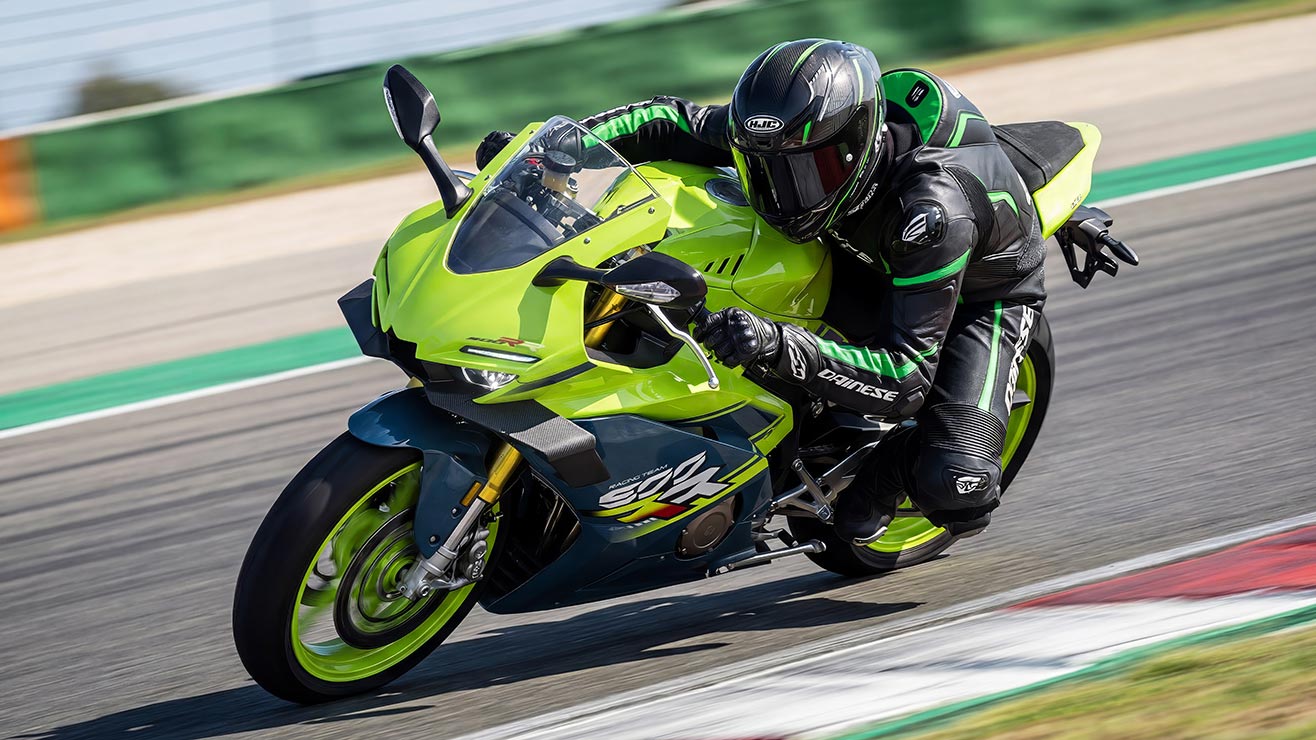
Zhang Xue has confirmed via social media that he is working on a V5 engine of around 1,000cc, with the eventual goal of using it in a high-performance production motorcycle. Before that happens, however, Xue reportedly wants to take the engine racing, with 2028 being targeted for its competitive debut.
Details about the project remain limited at this stage. Xue has not confirmed the engine’s power output, dimensions or even the name of the motorcycle it could eventually power. Some reports from China have suggested a displacement of around 1,100cc and more than 210bhp, although these figures remain unconfirmed.
What is confirmed is that the V5 project is being publicly discussed by Xue. Given what ZXMoto has already achieved with its three-cylinder platform, the idea is not quite as far-fetched as it might initially sound.
Honda Has Already Put V3 Engines in the Spotlight
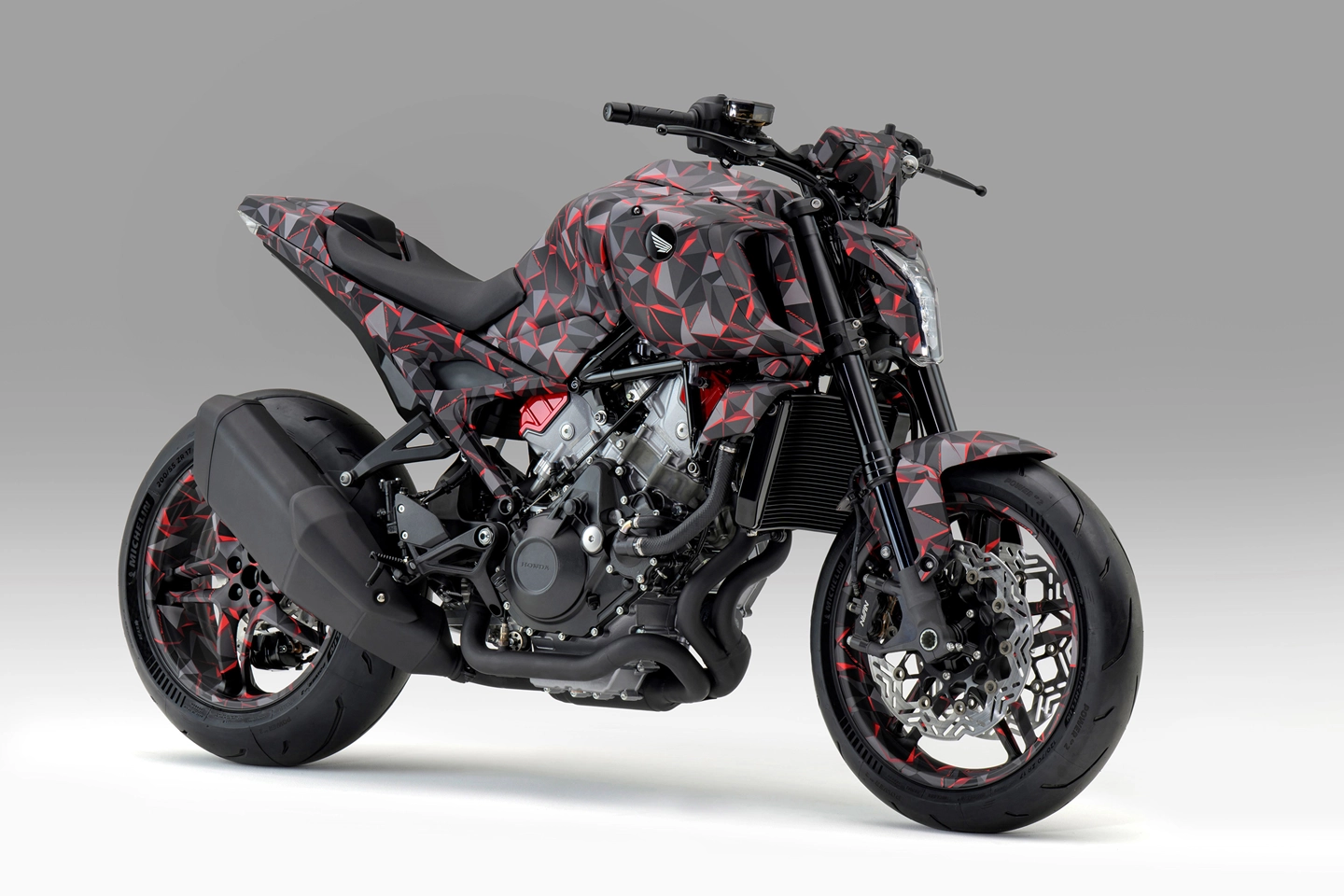
The project also comes at an interesting time for Honda, which has been developing its own unconventional V-type engine. The Honda V3R 900 E-Compressor first appeared as a concept at EICMA in 2024, featuring a 75-degree V3 layout combined with an electrically driven compressor.
MORE ARTICLES
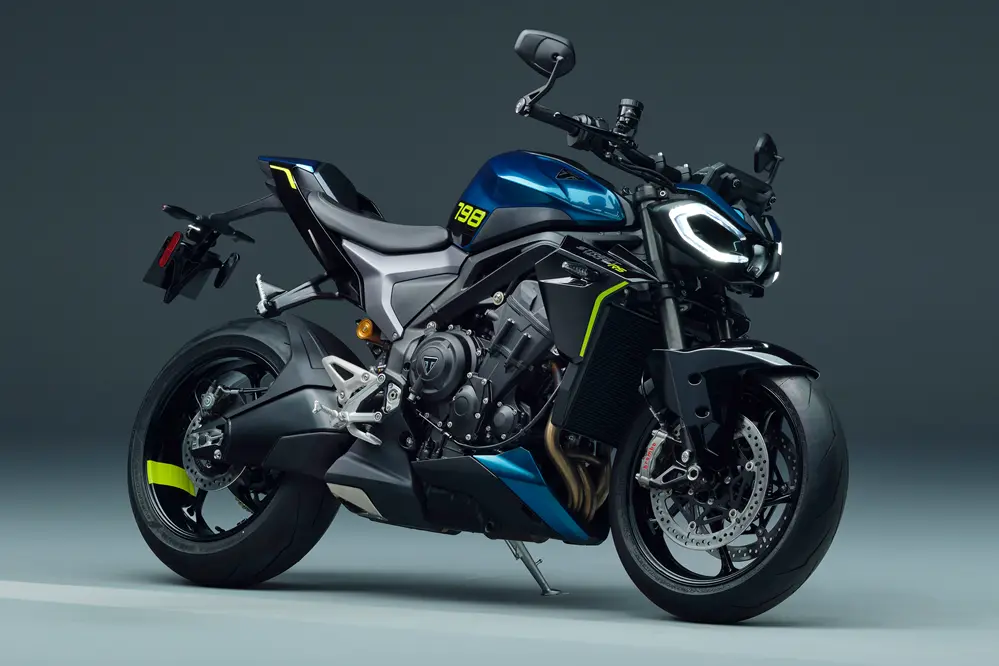
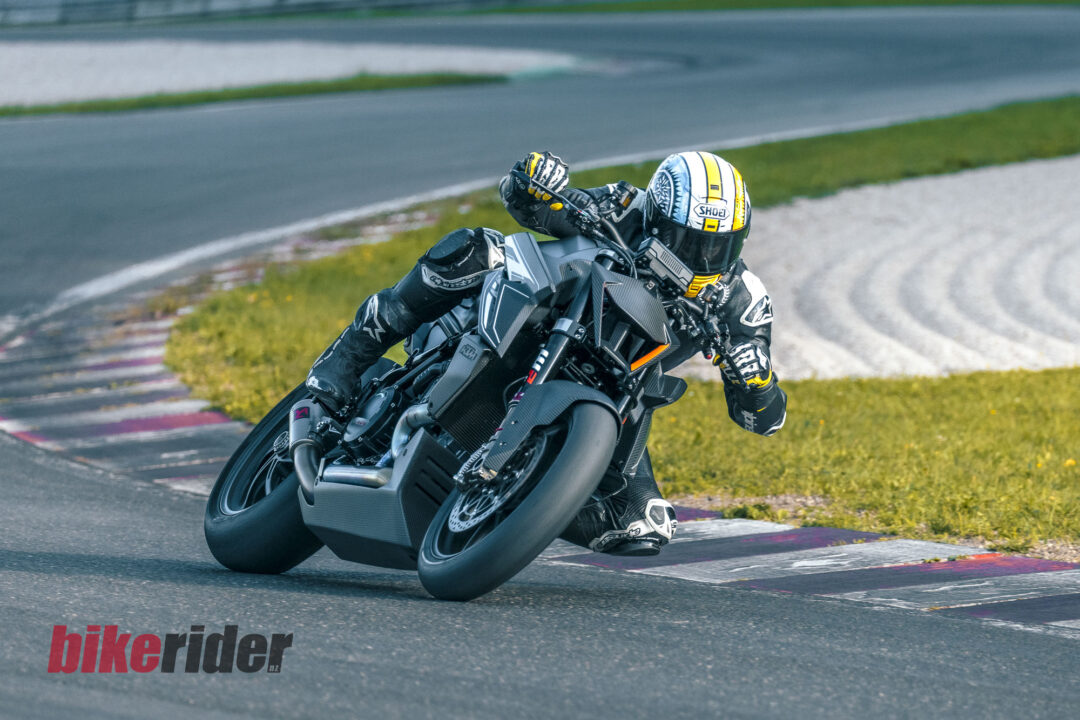
A year later, Honda revealed more information about the engine and the motorcycle it is intended to power, now officially referring to it as the V3R 900 E-Compressor Prototype.
There is, of course, no obvious need for a V5 engine simply to produce more power. Modern four-cylinder engines can comfortably exceed 200bhp, while V4 engines have established themselves as high-performance options on both the road and racetrack. Ducati has made the V4 a defining part of its superbike range, while BMW and Kawasaki continue to extract substantial performance from four-cylinder engines.
That makes five cylinders an unusual route to higher performance, but outright power may not be the only reason for choosing the configuration. An additional cylinder gives Zhang Xue more scope to experiment with firing intervals, power delivery, vibration characteristics and engine packaging. The trade-off is added complexity. A V5 requires more components and a more complicated crankshaft, while cooling, intake, exhaust and valvegear systems also need to be carefully engineered around the configuration.
For now, however, the V5 remains firmly a development project rather than a production motorcycle. If the project progresses as planned, its first major test could come on the racetrack in 2028, before any potential road-going version becomes a reality.