

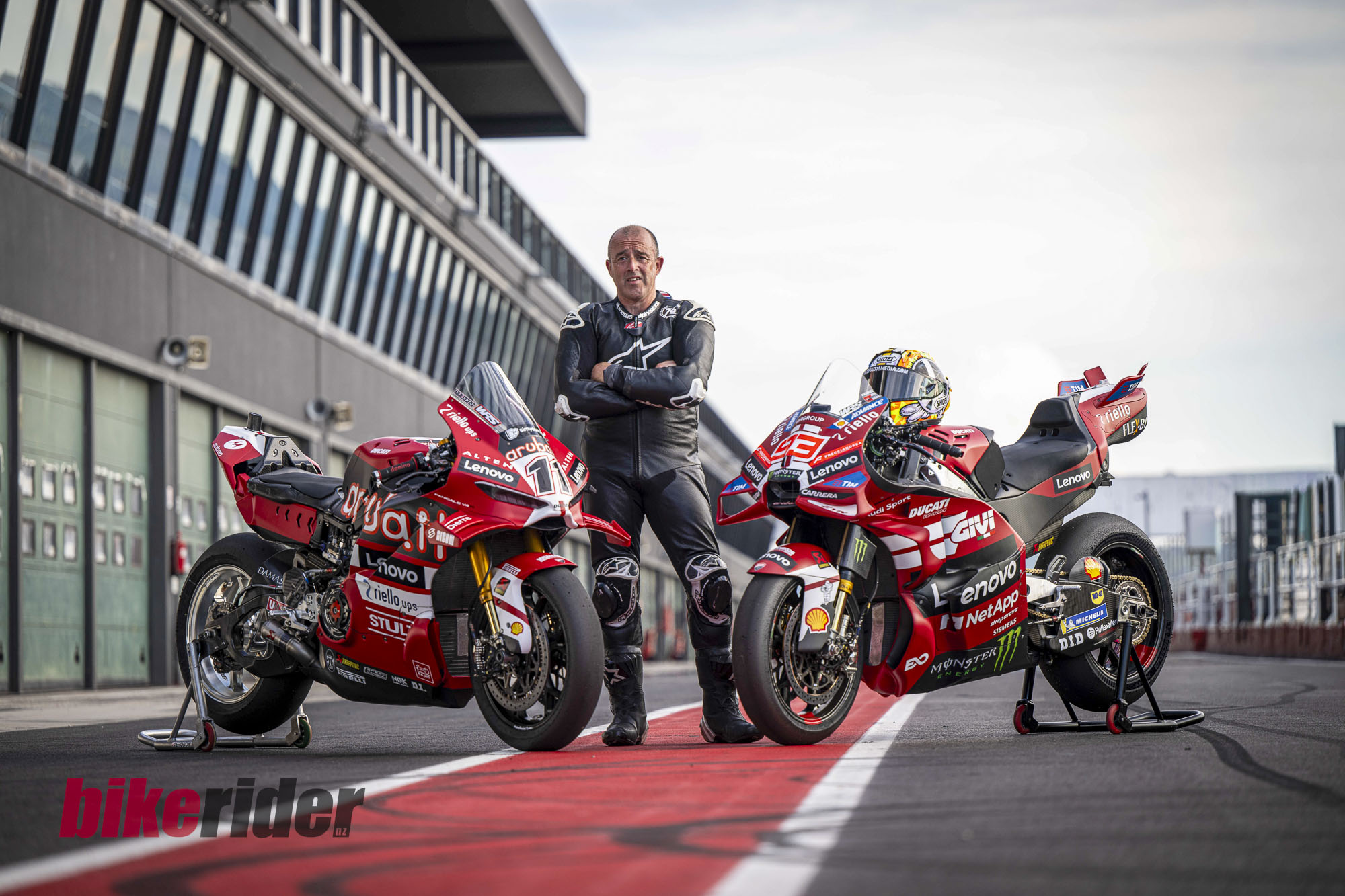
- BRM contributor Adam Child gets the extraordinarily rare opportunity to ride Marc Márquez’s factory Ducati GP26 MotoGP machine.
- Close to 300hp, less than 160kg and a seamless gearbox deliver acceleration unlike anything he has experienced before.
- Before the GP26, there’s the small matter of riding Nicolò Bulega’s 235bhp-plus factory WorldSBK Ducati V4 R.
Adam Child has raced at the Isle of Man TT and North West 200, but nothing prepared him for the opportunity to ride Nicolò Bulega’s factory WorldSBK Ducati V4 R and Marc Márquez’s near-300hp Ducati GP26 MotoGP bike at Misano.
It feels strange arriving at World Ducati Week on the Sunday, just as the festivities are winding down. The crowds at the Misano World Circuit on Italy’s scorching Adriatic coast are beginning to ebb away and the teams are packing up after a busy weekend. For most, Ducati’s sun-soaked 100th anniversary fiesta is over.
For me and a select group of Ducati customers, however, it is only just beginning. While everyone else is coming down from the excitement, we are buzzing with anticipation, because we are counting down to a once-in-a-lifetime ride on the two machines that are leading the world in both MotoGP and WorldSBK.
“At any point, we can be stood down; told we are either physically or mentally unsuitable to ride.”
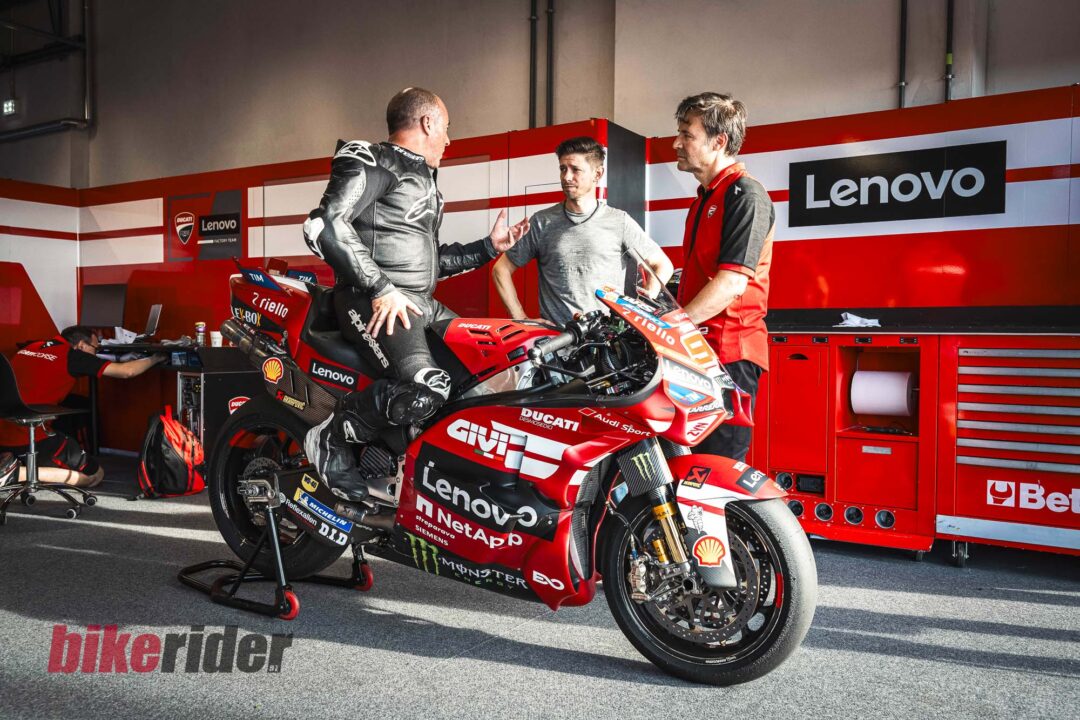
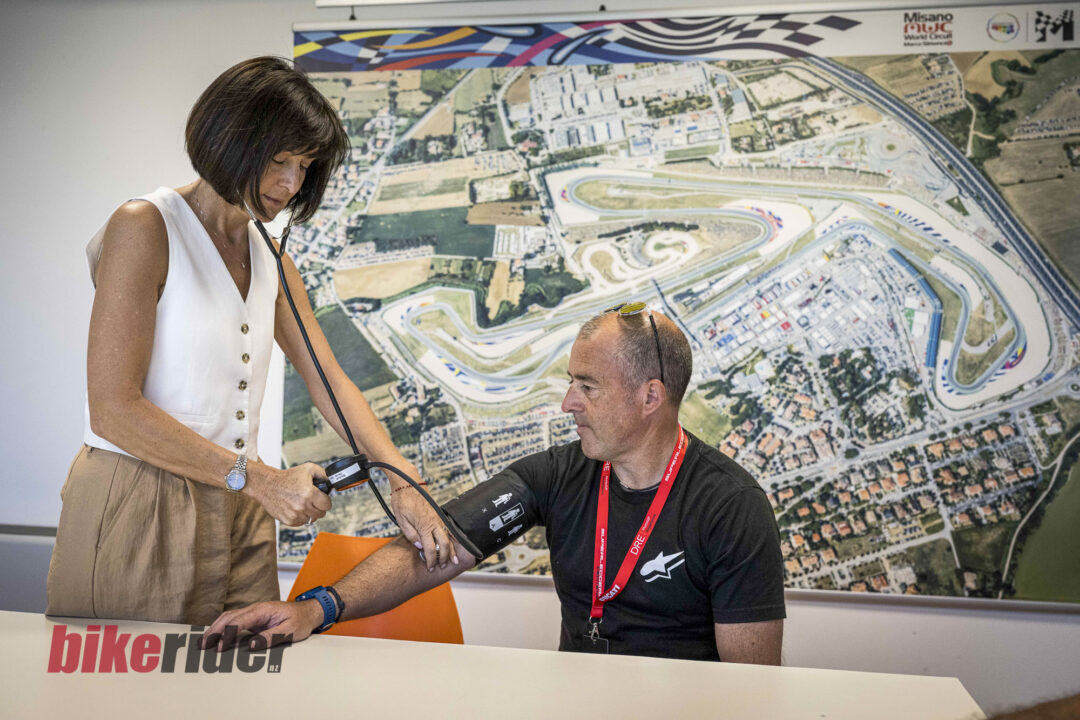
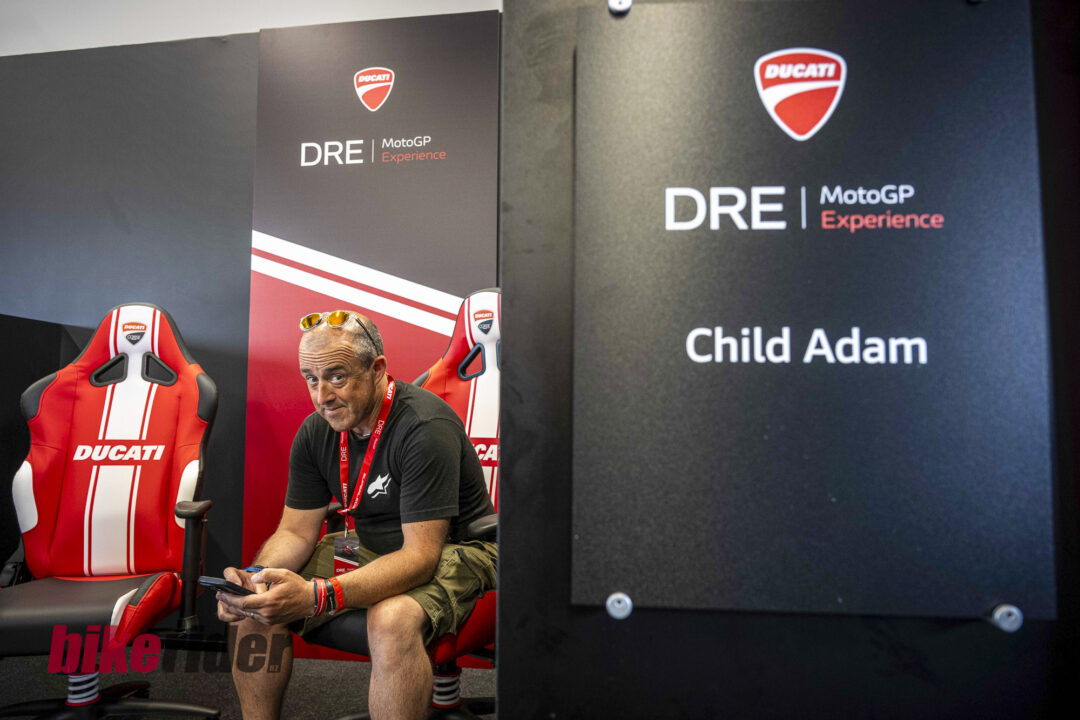
First, we need to sign on, introduce ourselves to the Ducati Corse team, attend a technical briefing, and work through no fewer than 27 pages of paperwork. Before anyone gets anywhere near Nicolò Bulega’s V4 R all-conquering superbike, let alone Marc Márquez’s 300 horsepower GP26, we still have to pass medical examinations, complete simulator sessions and final assessments. At any point, we can be stood down; told we are either physically or mentally unsuitable to ride. Even in the shade, the 36 degrees of heat in the paddock is as relentless as the ratcheting tension.
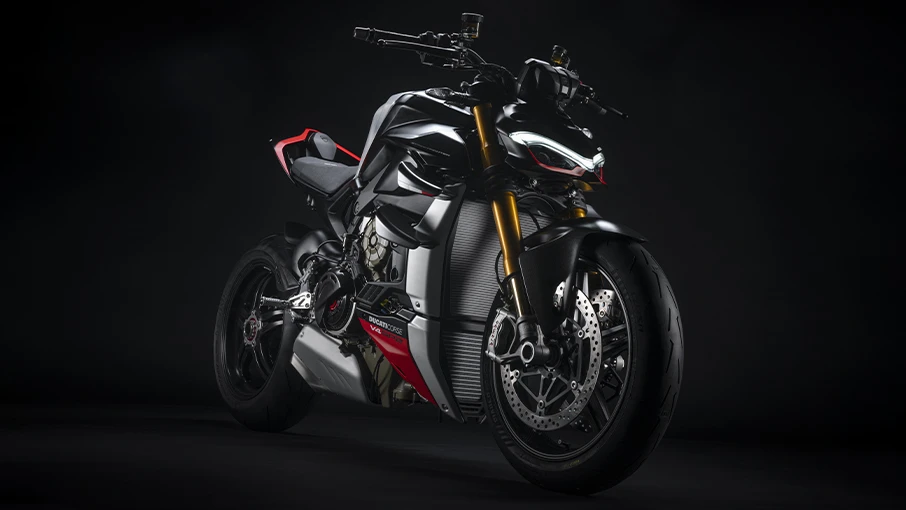
We stay calm by joking and chatting. It’s brilliant talking to red-blooded Ducatisti like Benjamin Lisle and Mark Brackley. Both own dream garage collections and both have purchased the absolutely stunning Superleggera V4 Centenario. Like me, they know the next few hours will be a defining moment in their riding careers.
MORE ARTICLES
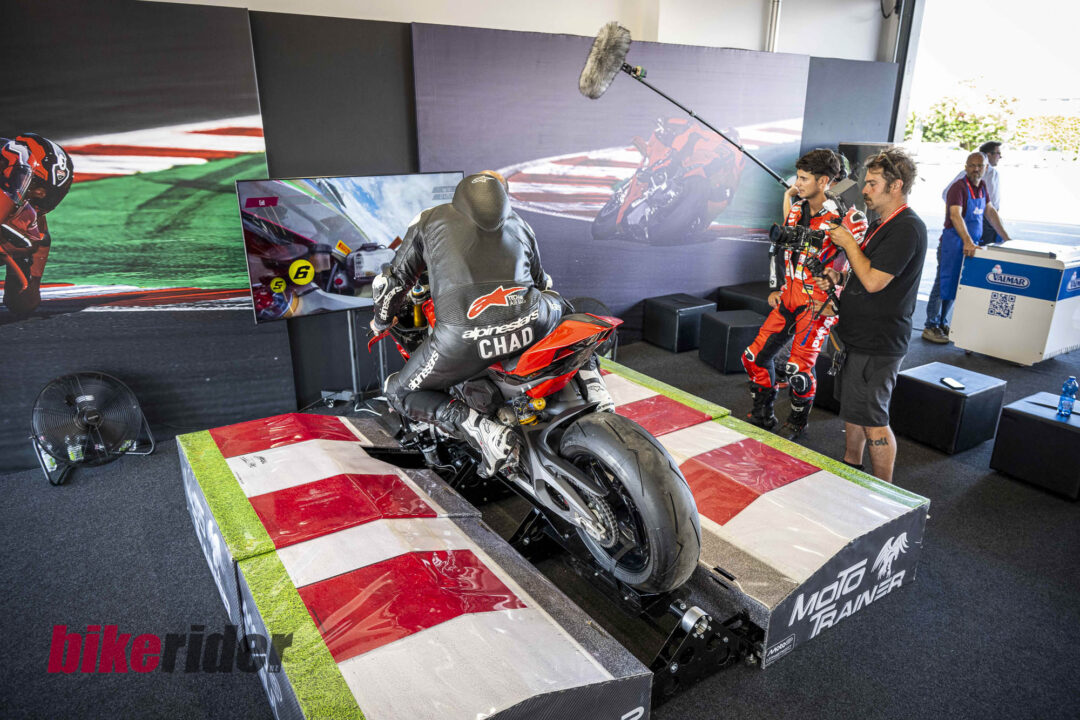
By lunchtime, I’ve passed every test. Then it’s my turn to sit down with my DRE Academy instructor and recap the circuit, review the gear changes, and spend more time on the simulator making sure I understand the race shift pattern. I’m reminded that neither bike has neutral between first and second; instead, it’s down for first (and all the way to top gear).
Finally, it’s into leathers. I head out onto the track for a few familiarisation laps aboard a Panigale V4 S street bike, complete with a full race exhaust and Pirelli racing slicks. With close to 230 horsepower and weighing just 181.4kg, it’s blisteringly fast and endlessly rewarding but, as I roll back into the pit lane, one thought keeps running through my mind: this is only the starter course.
Riding the Aruba.it Racing Desmosedici V4 R
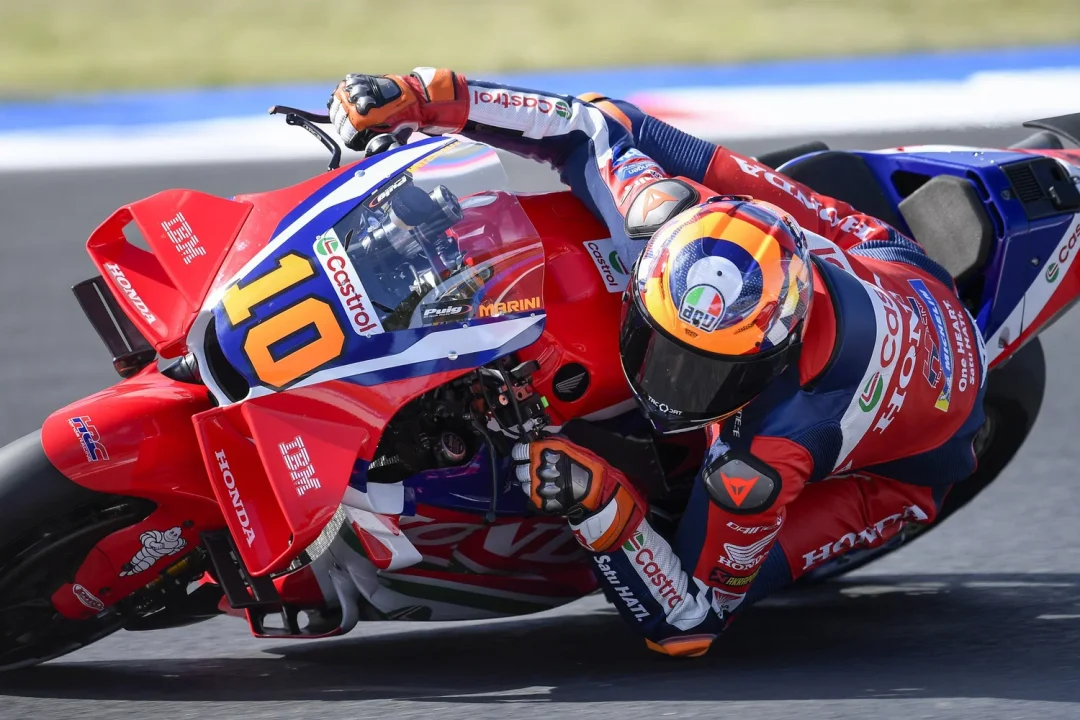
With the shadows lengthening, an Aruba.it technician beckons me towards Nicolò Bulega’s V4 R. I paid full attention during the briefing the night before but, as I walk over to the bike, I can’t remember anyone mentioning there would be two levers on the left handlebar. The clutch lever sits unusually high and almost upright. Then I notice that there is a rear brake lever where the clutch would normally be.
The 998cc Desmosedici Stradale V4 barks into life. It sounds sharper and harsher than the race-kitted V4 S. I run through everything in my head one last time. Race shift. First gear is down. Second is down. Third, fourth, fifth and sixth are all down as well. To come back through the gears, it’s one lift after another. Once you’re in first gear, you have to lift the gear lever and press the separate neutral lever.
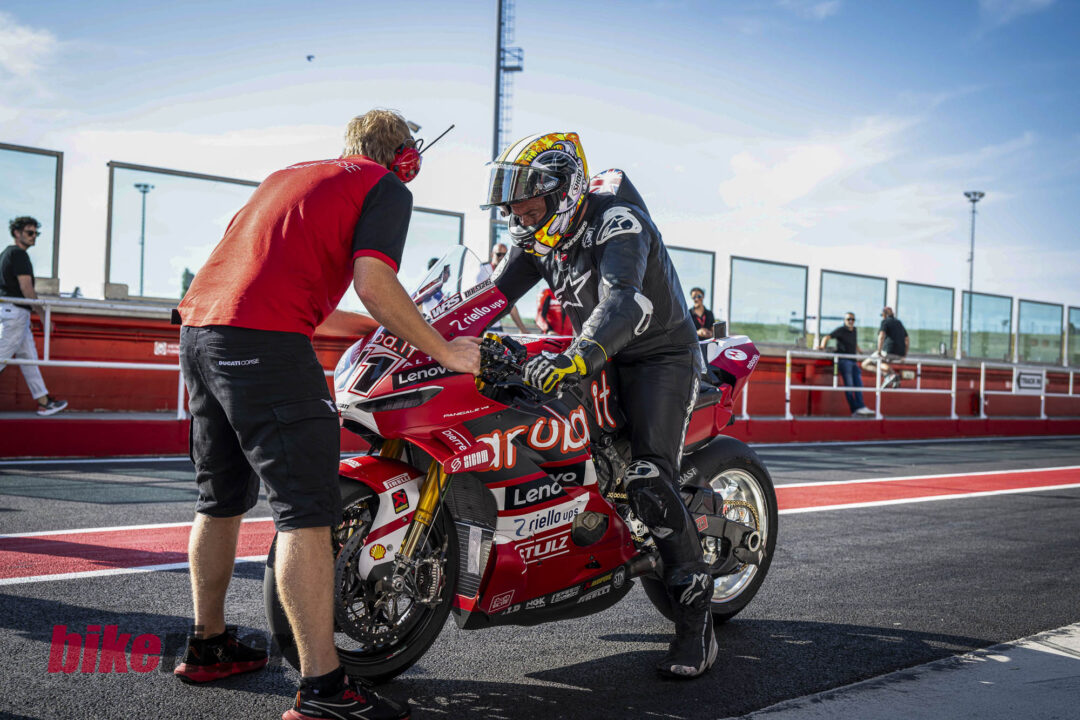
I click down into first, squeeze that almost-vertical clutch lever, ease it out, feed in a few revs, and the bike begins to roll.
The bike feels familiar. Thankfully, the dash looks reassuringly Panigale, albeit stripped back to deliver no more information than the rider needs. The tank shape and the seat are pure Panigale, too, but the handlebars are much wider than I expected. The seat is broad too, but comfortable and extremely grippy.
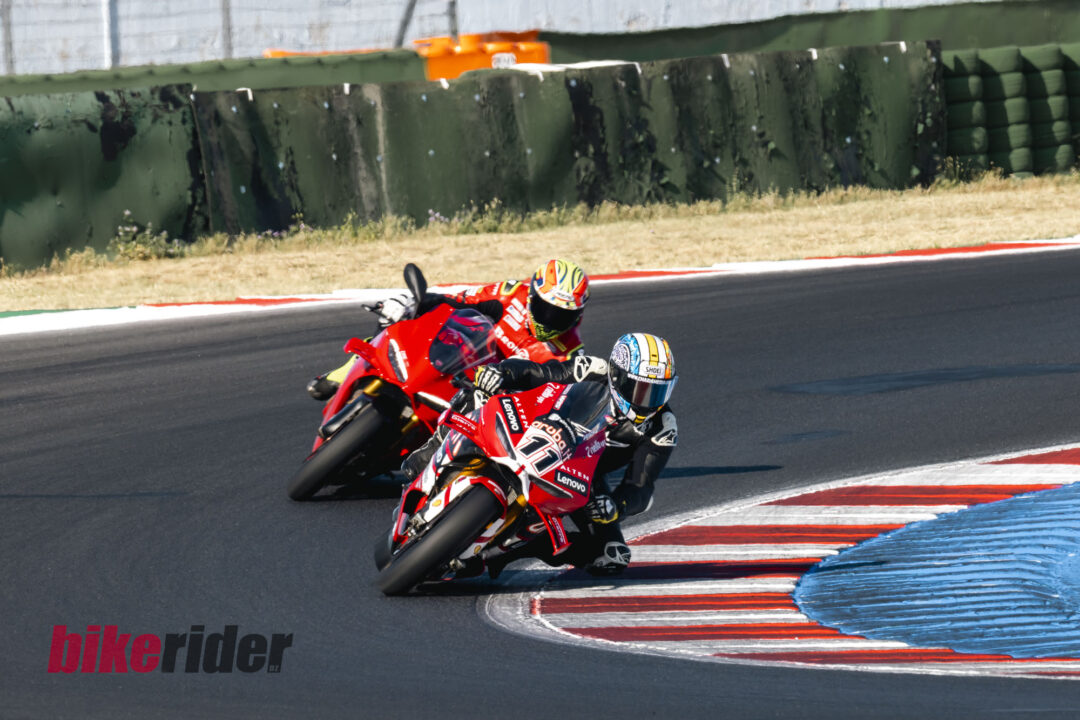
I’m following former MotoGP rider Karel Abraham, who is seriously quick and taking no prisoners. He uses a huge amount of kerb on most turns, picks his bike up and gets hard on the throttle on the exit. Several yards behind, the bike that, as I write, remains unbeaten in WorldSBK after 24 races, feels planted and reassuring. Its rider, however, fails to light the shift lights in second gear. I don’t hit them in third, either. I’m into fourth, but don’t even dare grab fifth.
With over 235 bhp at the rear slick and, at 168kg, not much more bulk than a typical 250, the acceleration is initially overwhelming. Brain and body are struggling to adjust. I tip into a fourth-gear right-hander, which should be taken in fifth, use plenty of kerb, get back on the throttle and drive out of the corner. Still no fifth gear. Still not brave enough.
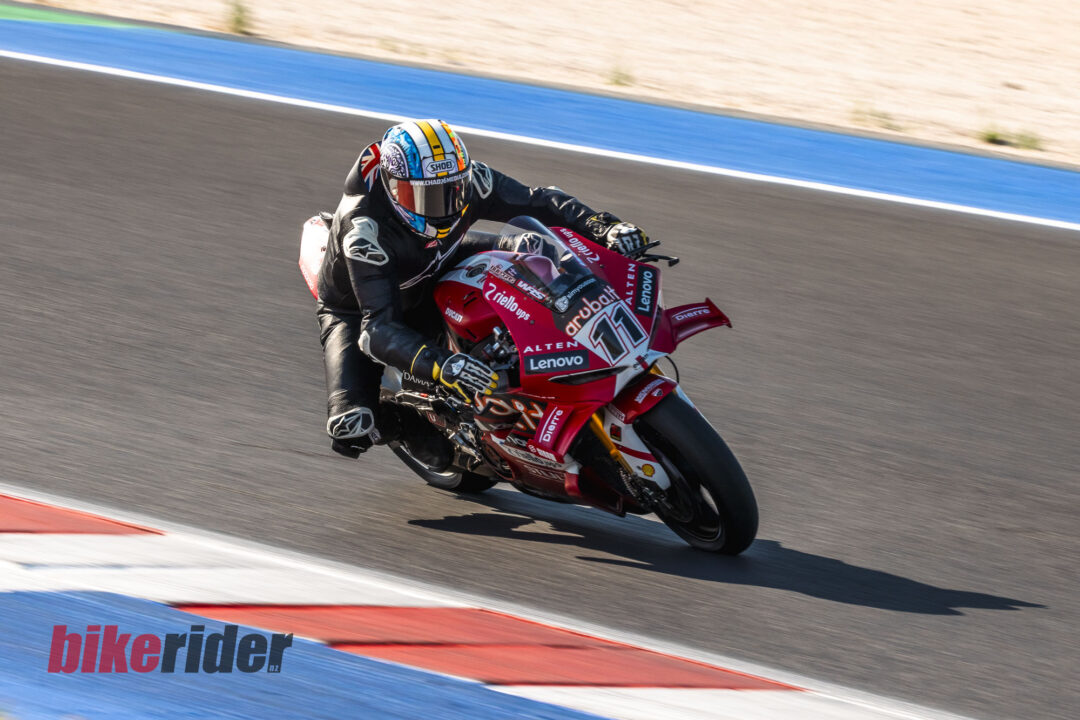
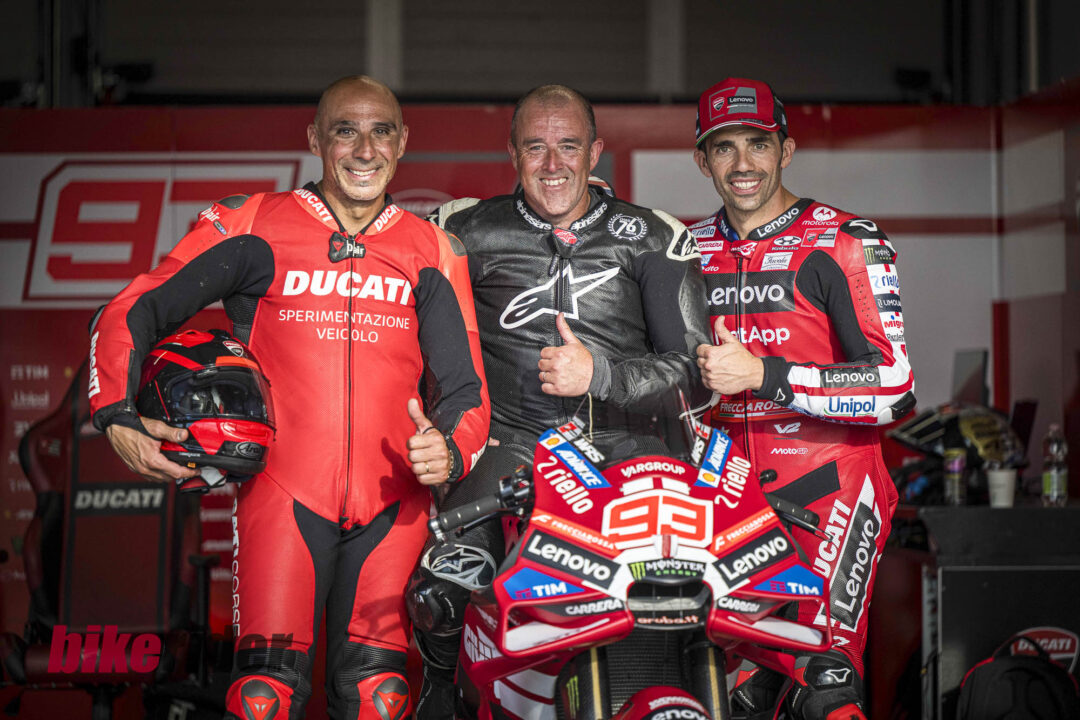
Across the start-finish straight. Two-time MotoGP world champion and Ducati legend Casey Stoner, as well as Bulega himself, are hanging over the pit wall, so now I have to front up. Abraham is upping the pace every lap, which helps, and I keep seeing him glance over his shoulder to make sure I’m still there.
I can’t help but smile. I’m not hanging on and praying anymore. I’m starting to understand the bike: that its magic isn’t just at the top of the rev range. It’s the way it delivers its power, the immense grip it finds and how it stampedes out of corners – and I’m absolutely loving it.
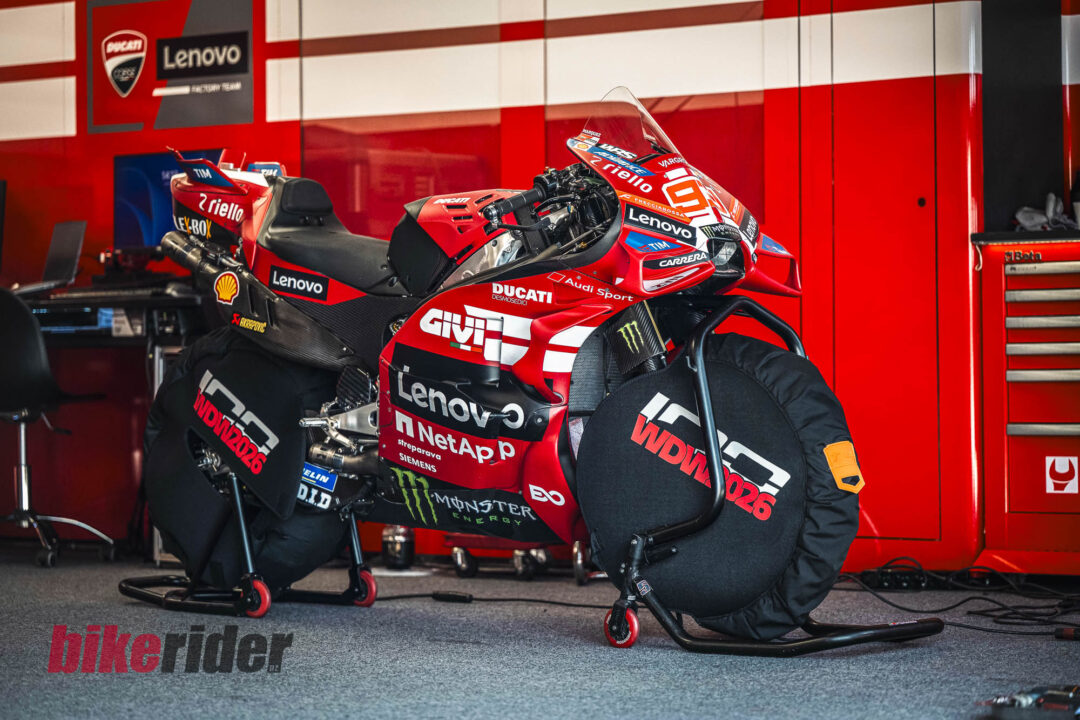
Living the dream: riding the GP26
Like so many of us, all I’ve ever wanted for much of my life is to ride and race bikes. Now, hanging out of my leathers with my pulse still banging off the rev limiter, I’m trying to manage the enormity of a fast-approaching ultimate.
“The factory V4 R makes 240 horsepower and now we’re going up to 300 horsepower. From a rev ceiling of 14,000rpm to 15,000 rpm, we’re escalating to 20,000 rpm.”
I’ve sat on the start line of the North West 200 road race and competed at the Isle of Man TT, but this is on another level entirely. Mainly, I’m trying not to look too much like a gibbering bundle of nerves. I haven’t a clue what the GP26 is going to be like. It’s a pure prototype without compromise, built for the fastest rider on the planet.
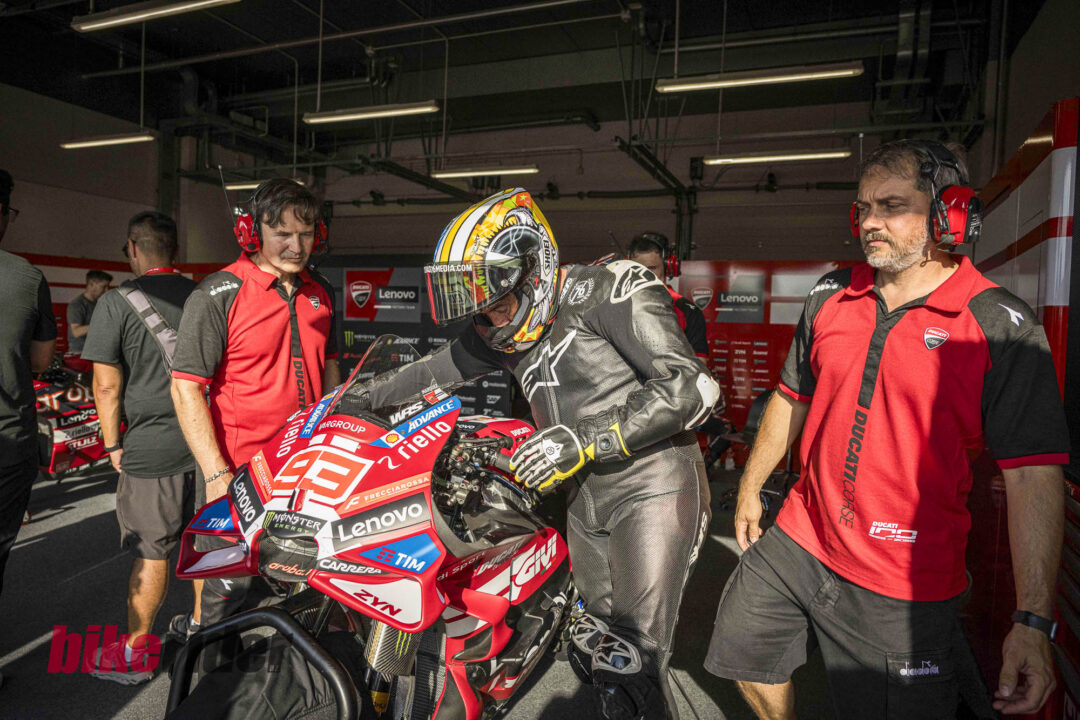
The factory V4 R makes 240 horsepower and now we’re going up to 300 horsepower. From a rev ceiling of 14,000rpm to 15,000 rpm, we’re escalating to 20,000 rpm. The rev limiter is set slightly lower than it would be for factory riders Márquez and Francesco Bagnaia, and we’re running steel discs instead of carbons, but in most other respects the setup is the same.
The unsilenced MotoGP bike is fired up, spitting fury into the air. I jump on (without kicking any of the aero carbon) and quickly adjust the brake lever using the span adjuster on the left bar so it sits slightly closer. Hopefully, Marc won’t mind.
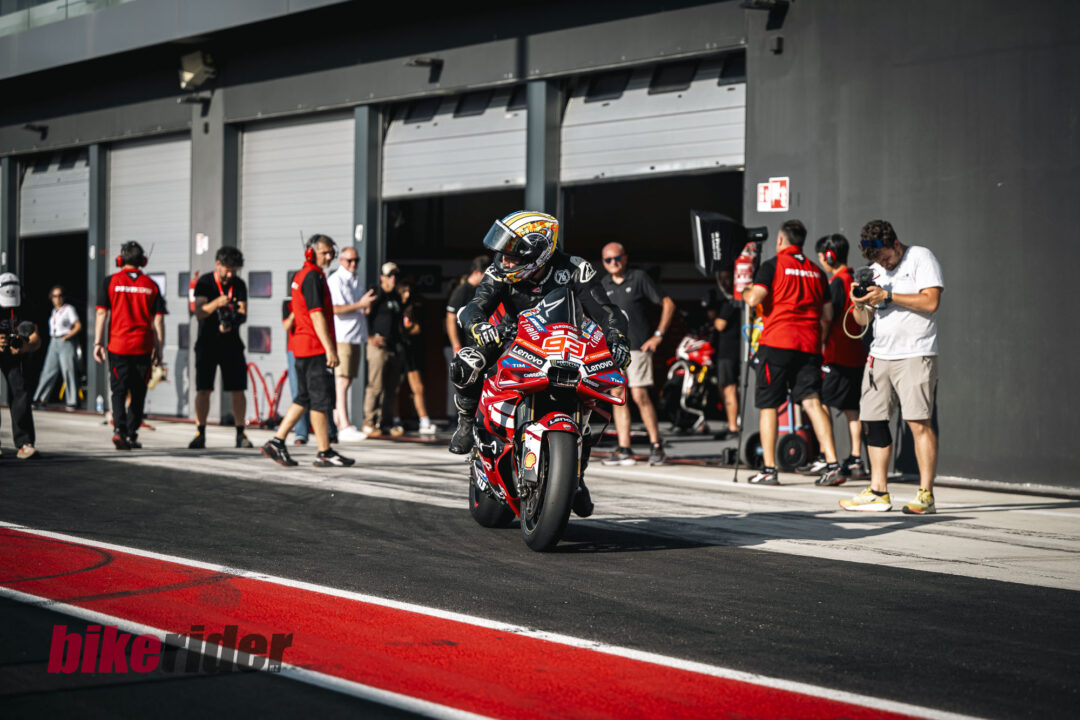
The dash looks similar to Bulega’s but beyond that everything is wildly different. There are more buttons crammed onto the bars and far more systems working in the background. It doesn’t feel like any Ducati I’ve ridden before. In fact, it doesn’t feel like any motorbike I’ve ridden at all. Thankfully, there is a conventional clutch, and the team has taken off the thumb-operated rear brake and ride height device lever.
The handlebars are high and wide for a race bike, although still not as wide as Bulega’s bike’s. The seat is surprisingly broad and extremely grippy. The shape of the fuel tank semi-locks you into position to keep you secure when the brakes are trying to throw you into next week.
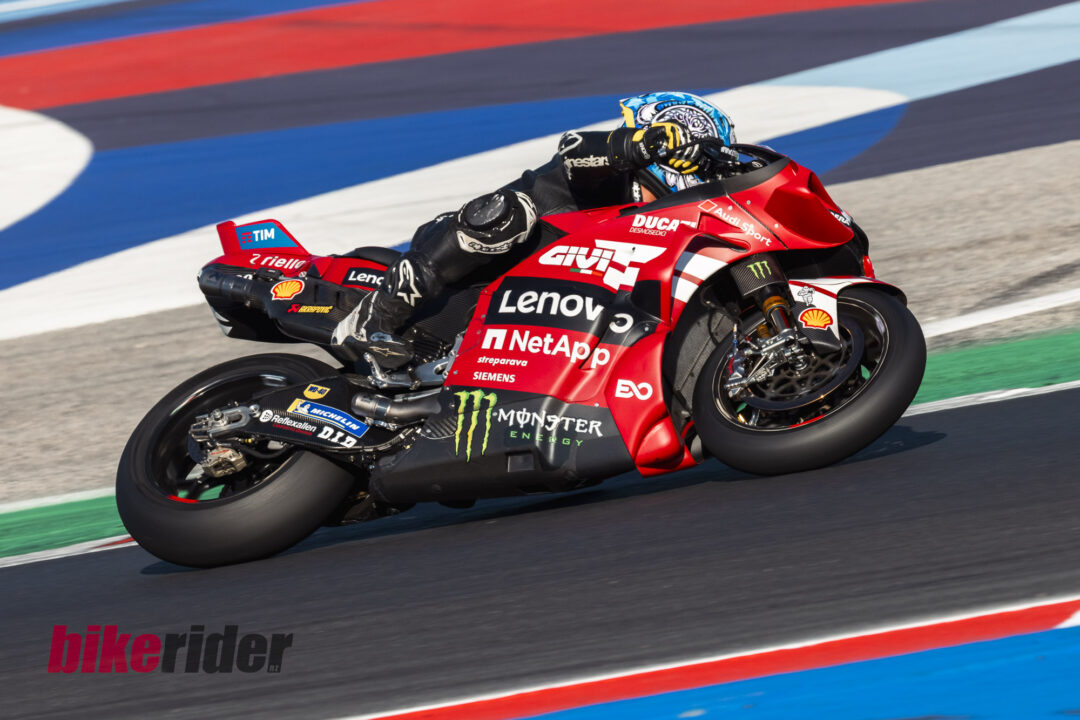
This time I’m following Ducati Corse test rider and regular wildcard in MotoGP, Michele Pirro. He’s on a V4 R, but even on a road-based bike he’s capable of lapping just a few seconds off a competitive WorldSBK time.
There’s no time to learn the bike at my own pace. Pirro is setting a strong rhythm from the start to ensure I keep my tyres up to temperature and the engine within its operating range. Too slow is as bad as too fast.
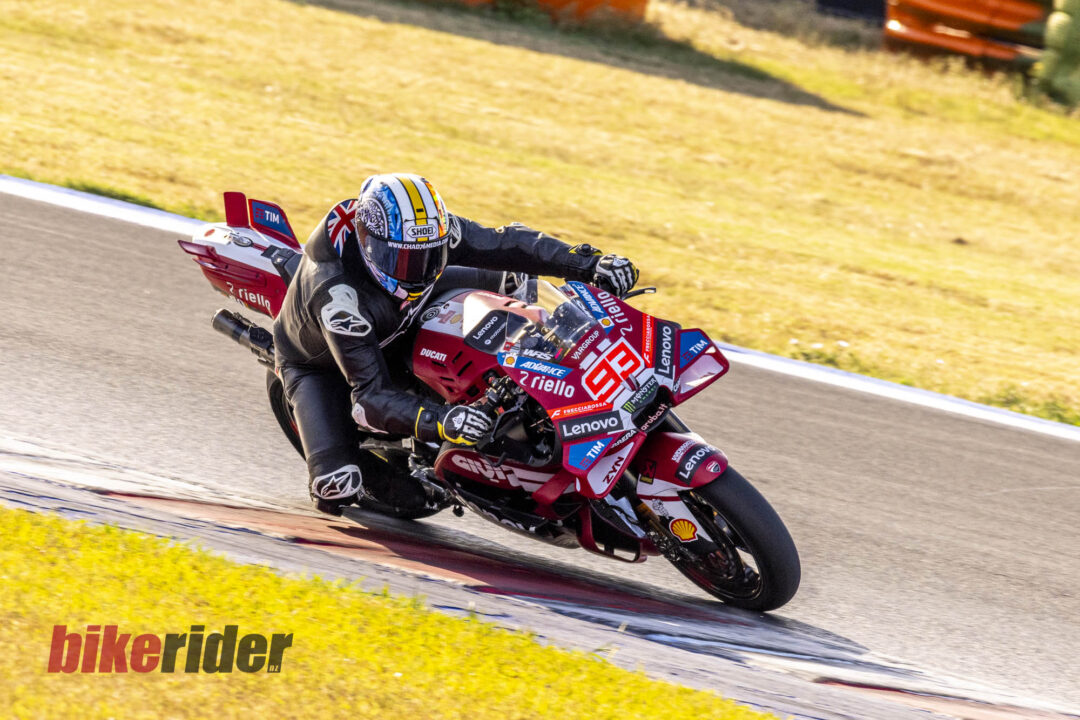
The first real opportunity to unleash at least some of those close to 300 horses comes on the exit of Turn 6 onto the long back straight. I rev the Desmosedici hard, but it doesn’t squat or react in any way. Instead, it accelerates in one continuous surge, its seamless gearbox compounding the sense of infinite and uninterrupted drive.
Once again, though, I haven’t seen the shift lights. They should illuminate at around 18,000 rpm, and although the engine sounds as violent as it does busy, I’m probably only reaching 15,000 rpm.
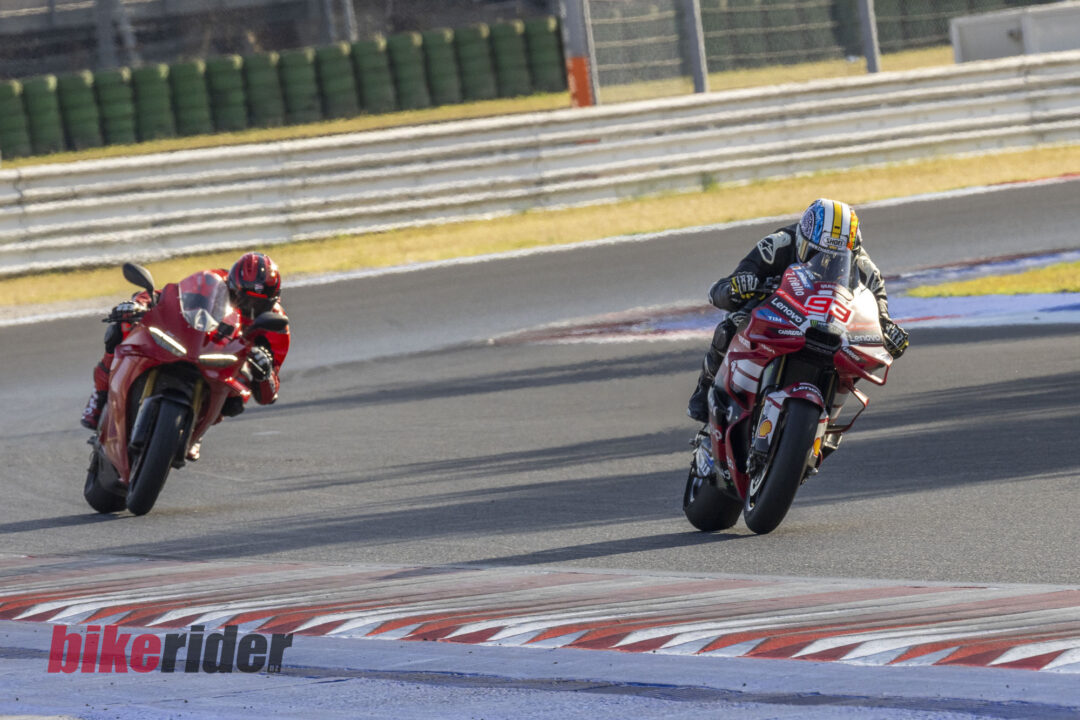
Coming into the Turn 10 hairpin before the fastest part of the circuit, I decide I have to illuminate those bloody lights. I can’t return to the pits without even using all the revs. So it’s second gear out of the corner, then I stand the GP26 almost upright and twist the throttle fully open…
“There’s a shift light! Third gear. Another shift light! This is something completely different, even to the factory V4 R which until 30 minutes ago was the most explosively quick motorcycle in my universe.”
There’s a shift light! Third gear. Another shift light! This is something completely different, even to the factory V4 R which until 30 minutes ago was the most explosively quick motorcycle in my universe. Now there is no gap between the gears; no break in acceleration. Instead, there’s an enormous wave of indescribable force and traction that picks you up and dumps you into the next braking zone.
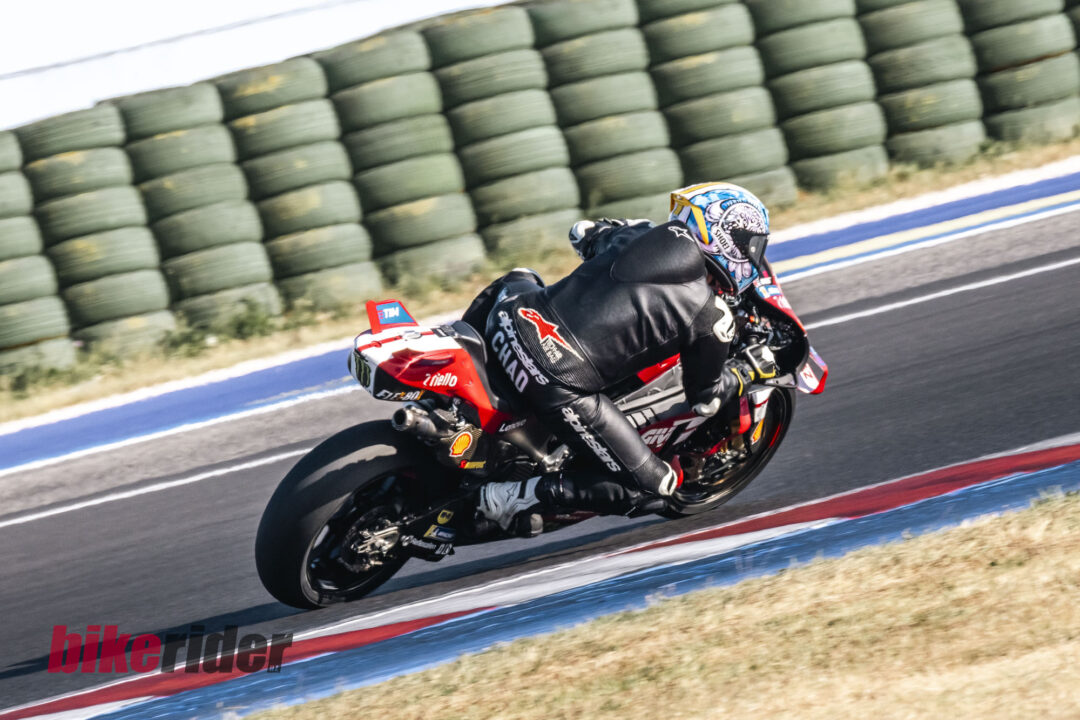
The acceleration in fourth gear feels as savage as it does in first. There’s so much efficiency, and so much force and torque and traction, I don’t know what to do with it. Pirro is ahead of me on the V4 R, and the GP26 carries so much speed on to the straight that I feel like I could pass him on either side of the track. Just as we’re about to swallow a MotoGP star whole, he brakes later, because he knows exactly what he’s doing and I very clearly do not. But the point is made.
“Bikes with up to 300 bhp and weighing less than 160 kg should be hellishly difficult to ride but, amazingly, the GP26 doesn’t feel nervous or wild at my pace.”
Bikes with up to 300 bhp and weighing less than 160 kg should be hellishly difficult to ride but, amazingly, the GP26 doesn’t feel nervous or wild at my pace. The front brake lever is incredibly light – a one-finger operation with forensic feel – and even under heavy braking the bike doesn’t dive dramatically onto the forks or lift the rear wheel and become unstable. I can feel what the Pirelli tyres are doing. The motorcycle is communicating with me in a way few can, even though I’m riding nowhere near the level for which it was designed.
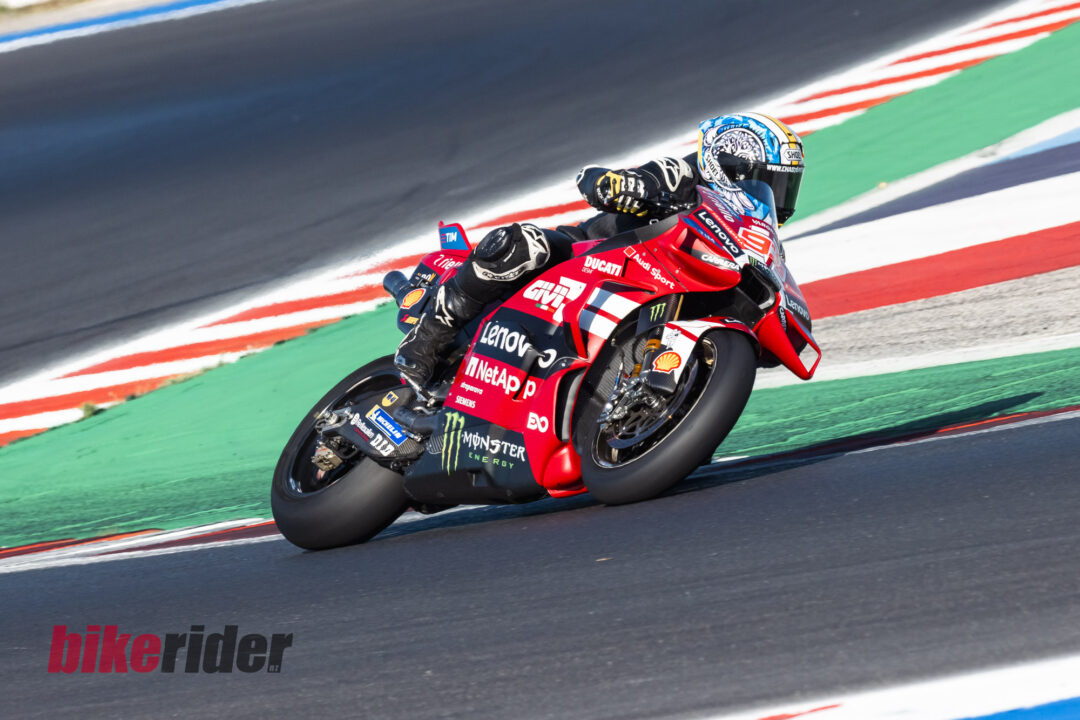
I can’t, however, overstate its relentless thrust. Bulega’s V4 R staggered me with its drive, but on the straights there was still time to process what was happening. The GP26 cuts those straights in half. It’s second gear-third gear-fourth gear-end of the straight-brake. That’s how quickly it happens.
After five laps, I’m finally starting to adapt and recalibrate. The first three or four laps were about survival, a blend of panic and concentration, but now I can finally look around and take it all in. At my pace it’s about focusing on keeping heat in the brakes and tyres, brushing a knee on the historic track, then standing the bike up and unleashing all manner of carnage.
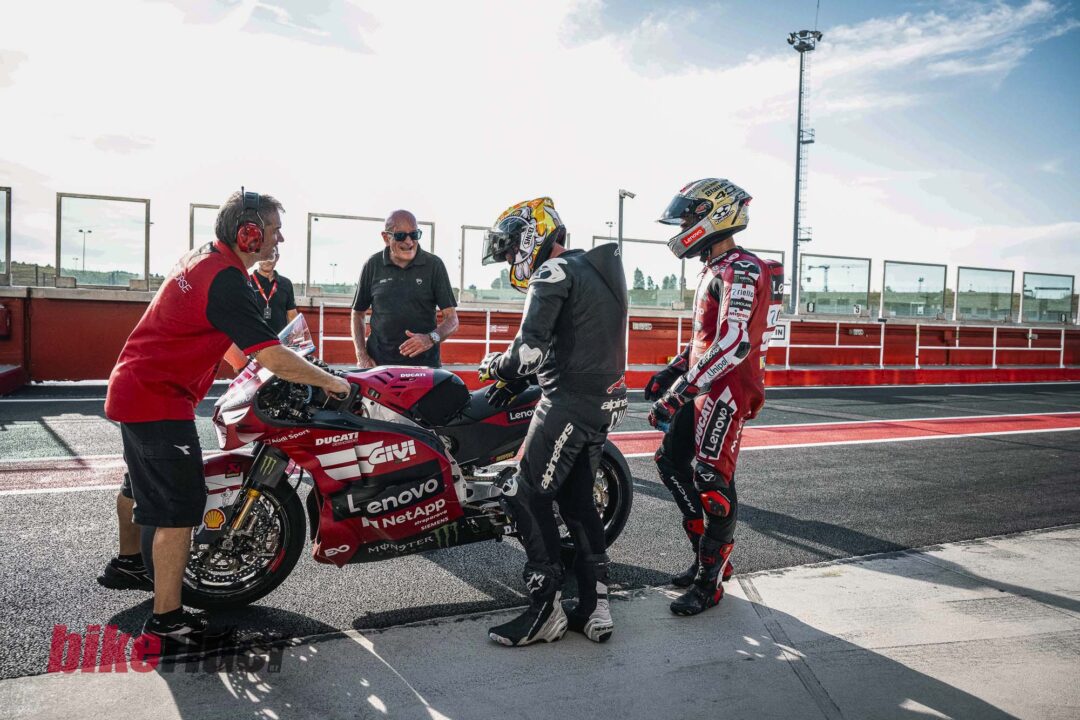
Back in the pits, I’m emotional (again) and full of new respect for MotoGP riders. Riding the GP26 gave a glimpse of what it must feel like to race one of these machines. The power, drive and sheer volume of information coming through the bike are unlike anything I’ve experienced before. To do what these riders do for 20 or 30 laps around Mugello or Jerez in 40-degree heat is impossible for me to comprehend.
But what said it all was watching Ducati customers Mark and Ben come into the pits after completing their laps on the GP26. Both are successful and articulate human beings who’ve experienced great things in their lives. But here in Misano they were near speechless – a mix of exhaustion, sweat and head-shaking wonderment. Me too.
Thank you
I feel incredibly privileged to have been given this opportunity, and I’m hugely grateful to Ducati Corse, the Ducati Lenovo and DRE teams and all at Ducati for their support and for trusting me with such special machines.