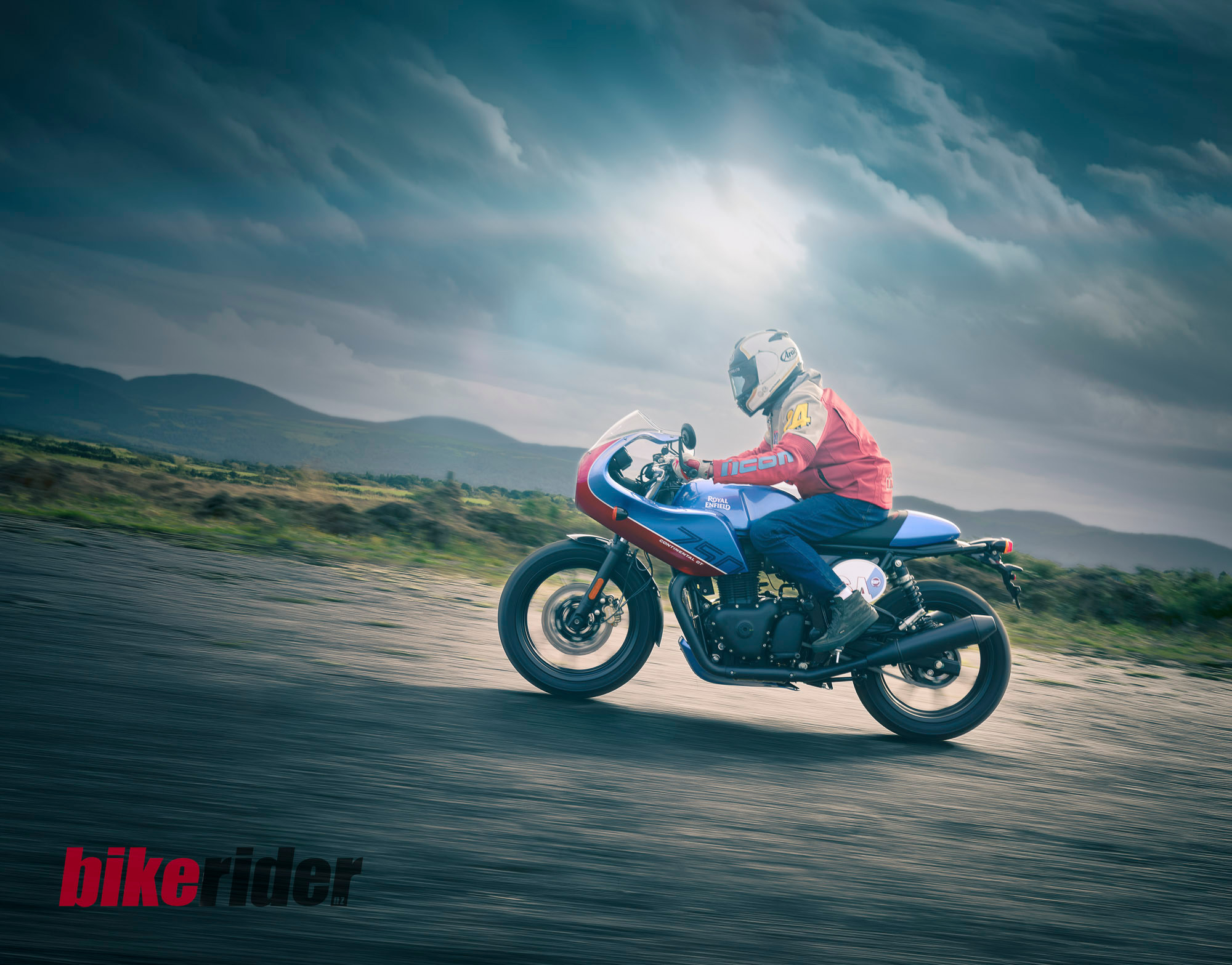


Royal Enfield’s iconic café racer gets a bigger 743cc parallel twin, uprated brakes and a choice of faired or unfaired styling. And it’s set to become the most powerful production Enfield yet.
Royal Enfield has used EICMA 2026 to unveil the new Continental GT 750, taking its hugely popular café racer into a new era with more performance, improved components and some rather tasty styling.
And while the Himalayan 750 might have been the headline act at Royal Enfield’s Milan presentation, we reckon the Continental deserves plenty of attention too.
After all, the existing GT 650 has always been one of those motorcycles that’s more about the experience than outright performance. It’s stylish, entertaining on a twisty road and has just enough old-school character to make you feel like you’re riding something special.
Now Royal Enfield has given it a bigger engine and what promises to be a more capable chassis, while retaining much of what made the original so appealing.
And the manufacturer says the new GT 750 will be its highest-performance production motorcycle to date.
MORE ARTICLES

Three things to know
- The Continental GT 750 uses an uprated version of Royal Enfield’s new 743cc parallel-twin engine.
- Both faired and unfaired models have been revealed, with different riding positions and styling.
- Twin front brake discs, a new hybrid twin-pod instrument display and upgraded components bring the café racer up to date.
A bigger twin with more performance
At the heart of the Continental GT 750 is the same new 743cc air/oil-cooled parallel-twin engine platform introduced with the Himalayan 750.
However, Royal Enfield says that the Continental receives an uprated version of the motor, set to make it the most powerful production motorcycle the company has built.
Exactly how much more powerful remains a mystery.
The Himalayan produces a claimed 55 PS (40.5 kW, approximately 54.3 hp) and 63 Nm of torque, but Royal Enfield hasn’t yet released corresponding figures for the Continental GT.
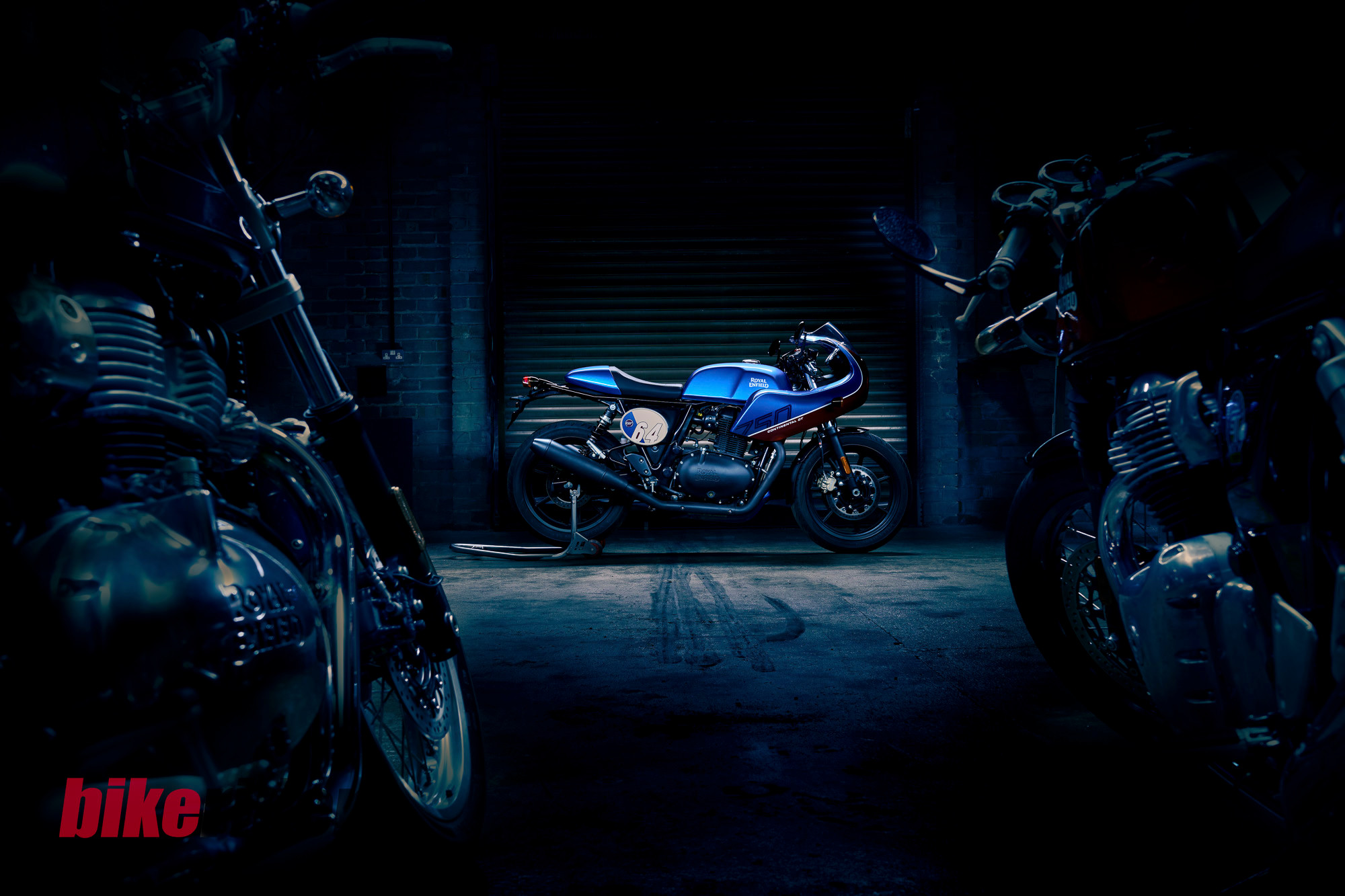
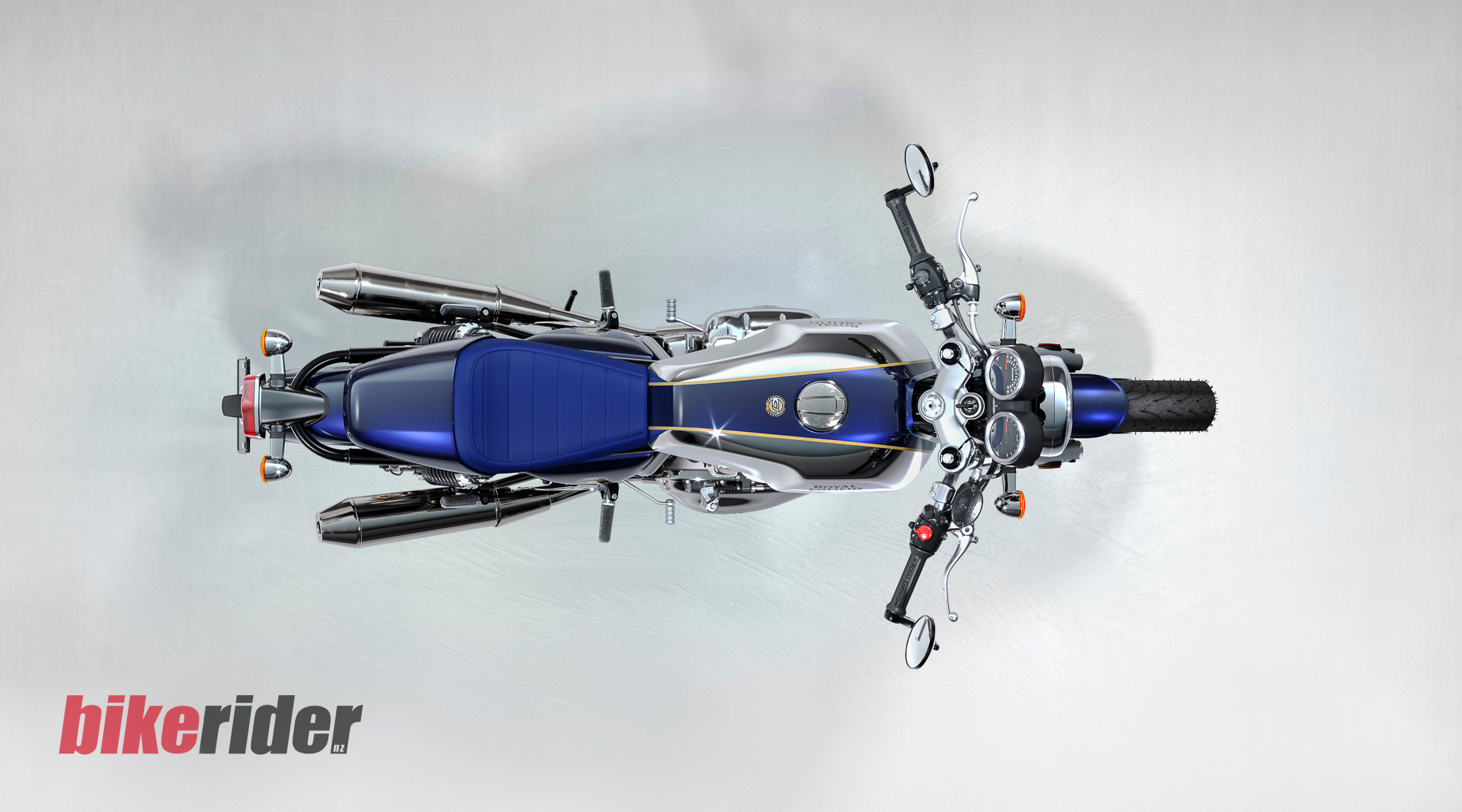
What we do know is that the GT retains the traditional twin-exhaust arrangement, with a separate silencer running down either side of the motorcycle.
Close-up photographs of the Continental suggest a conventional cable-operated throttle system; its full electronic specification remains to be confirmed.
That fits rather nicely with the GT’s analogue-style character rather than loading it with unnecessary electronic complexity.
Personally, I think that’s a good thing. Part of the appeal of the Continental has always been the connection between rider and machine, rather than having several layers of electronics deciding what happens when you twist the throttle.
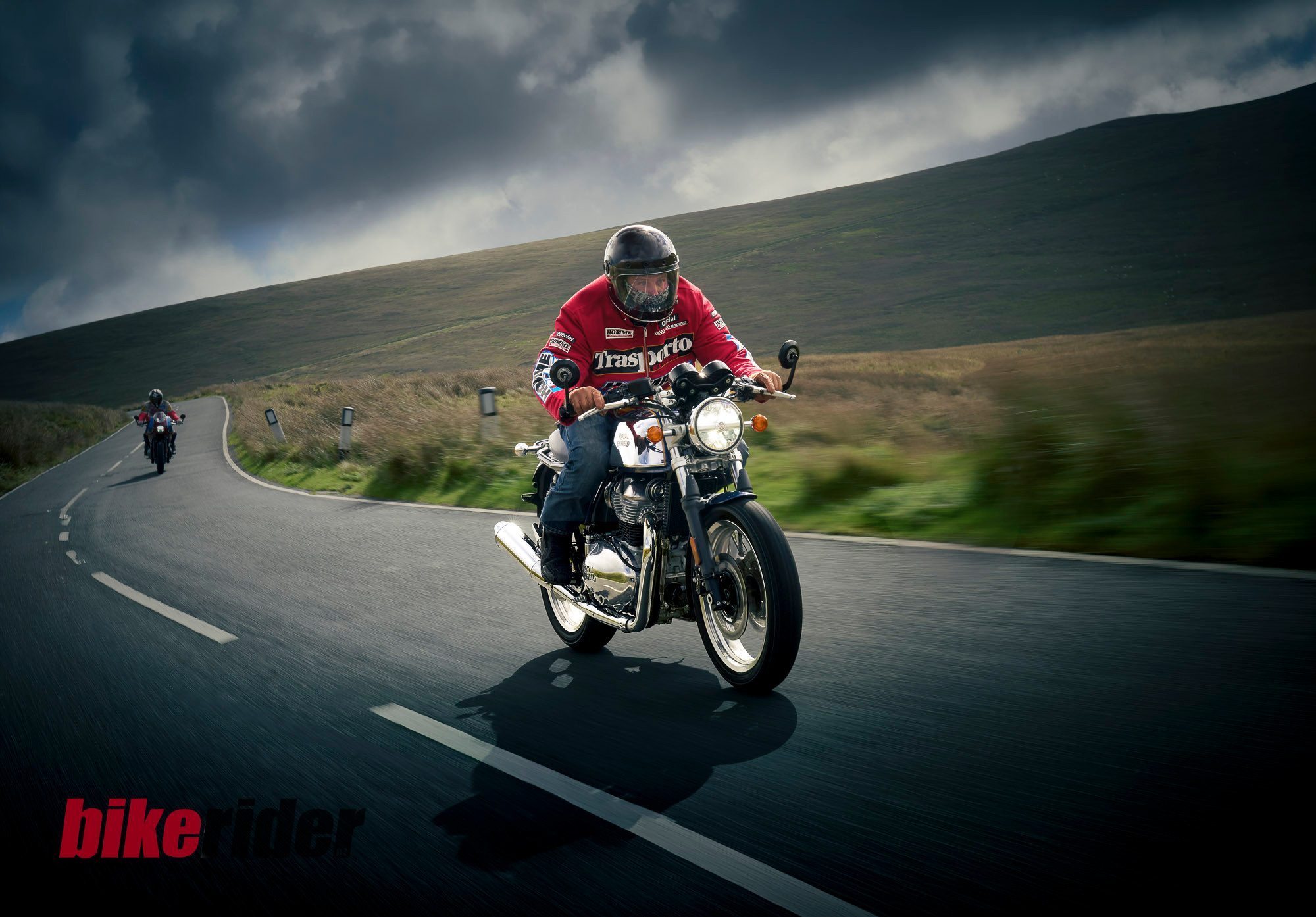
The existing 648cc engine is a lovely, flexible unit, but it’s fair to say that a little more performance wouldn’t go amiss, particularly when you’re riding enthusiastically on New Zealand’s open roads.
If the new motor can deliver a useful increase in midrange torque without losing that smooth, easygoing character, it could be a very appealing combination.
Two versions, two different personalities
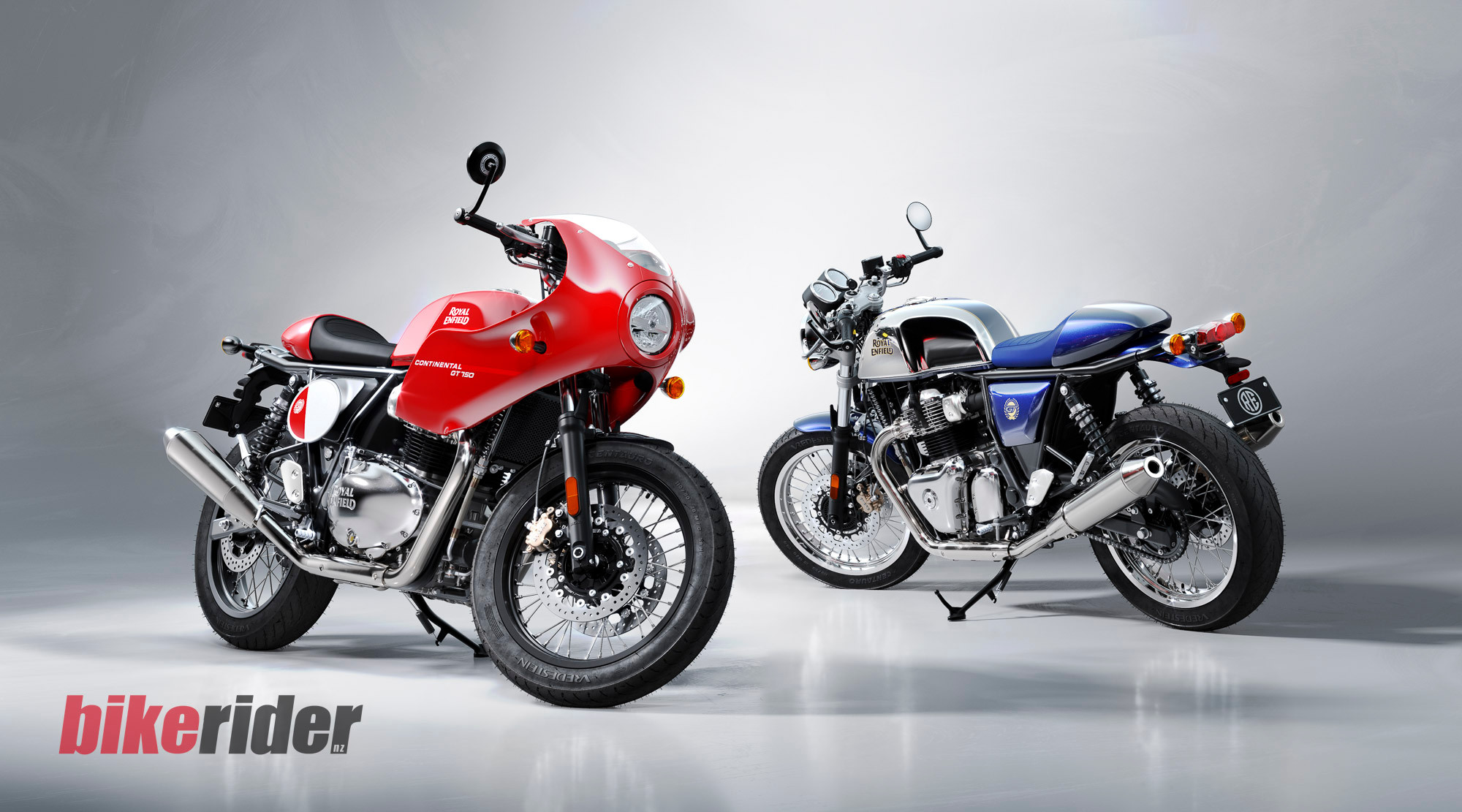
One of the more interesting developments is Royal Enfield’s decision to offer the GT 750 in both faired and unfaired versions.
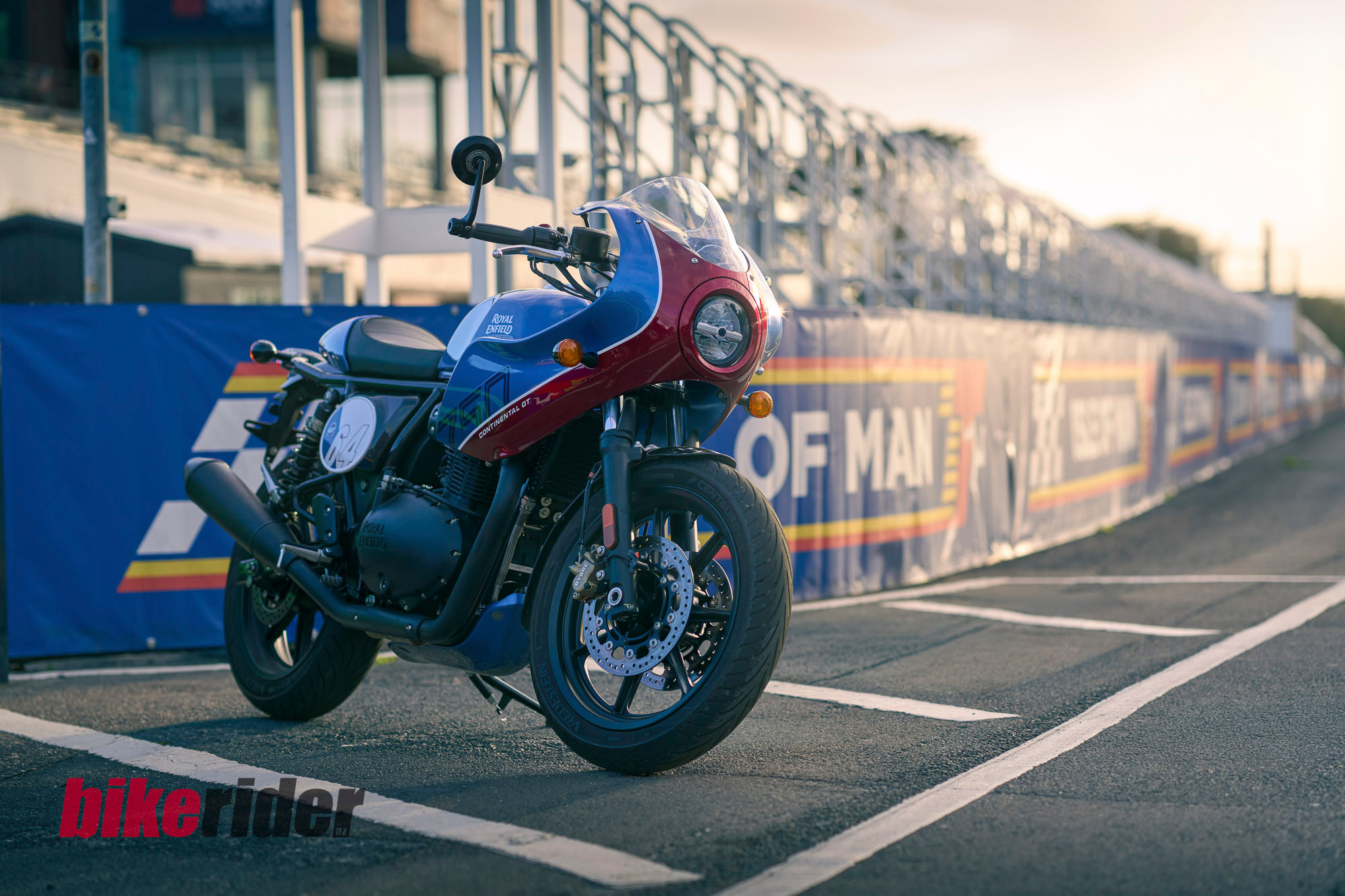
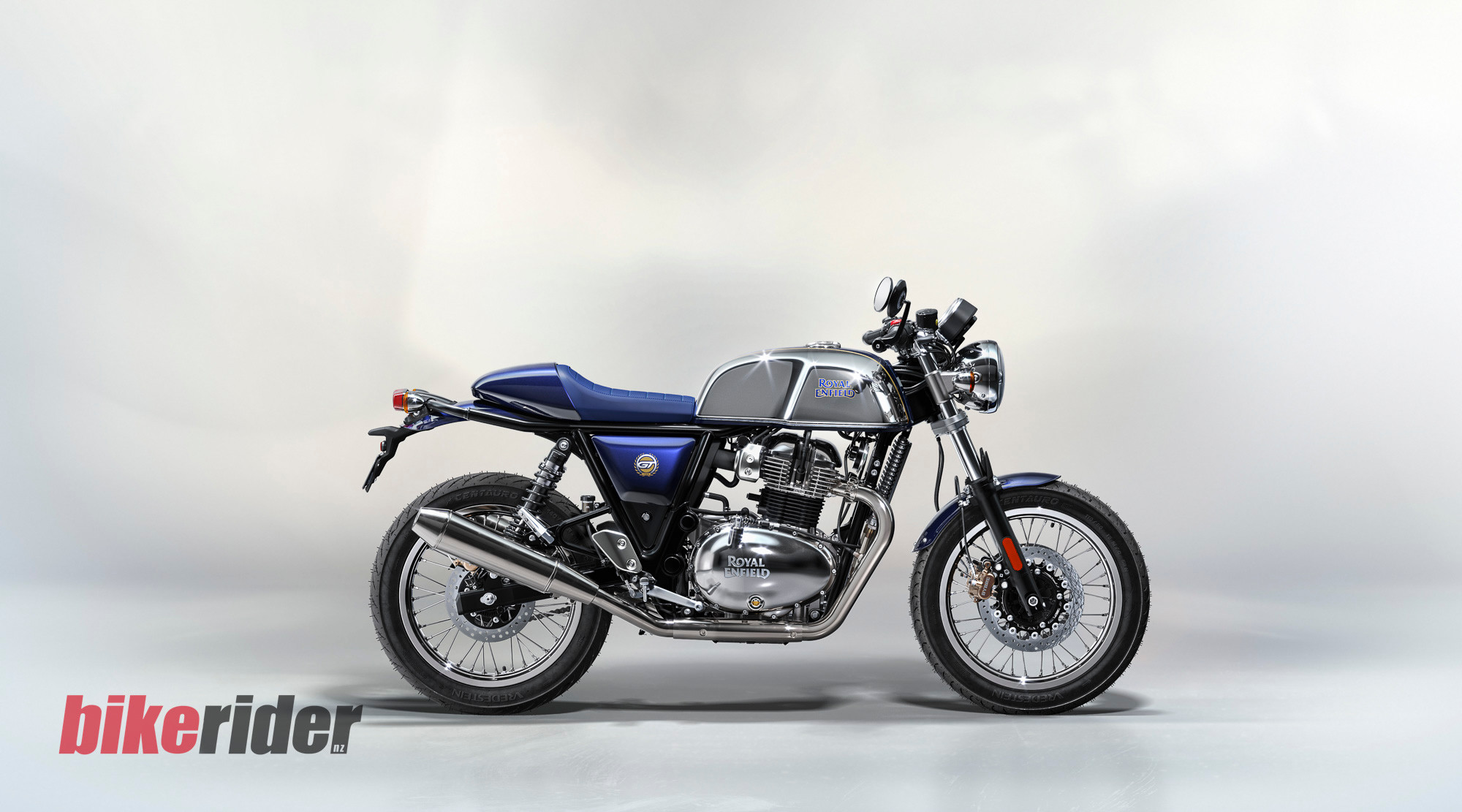
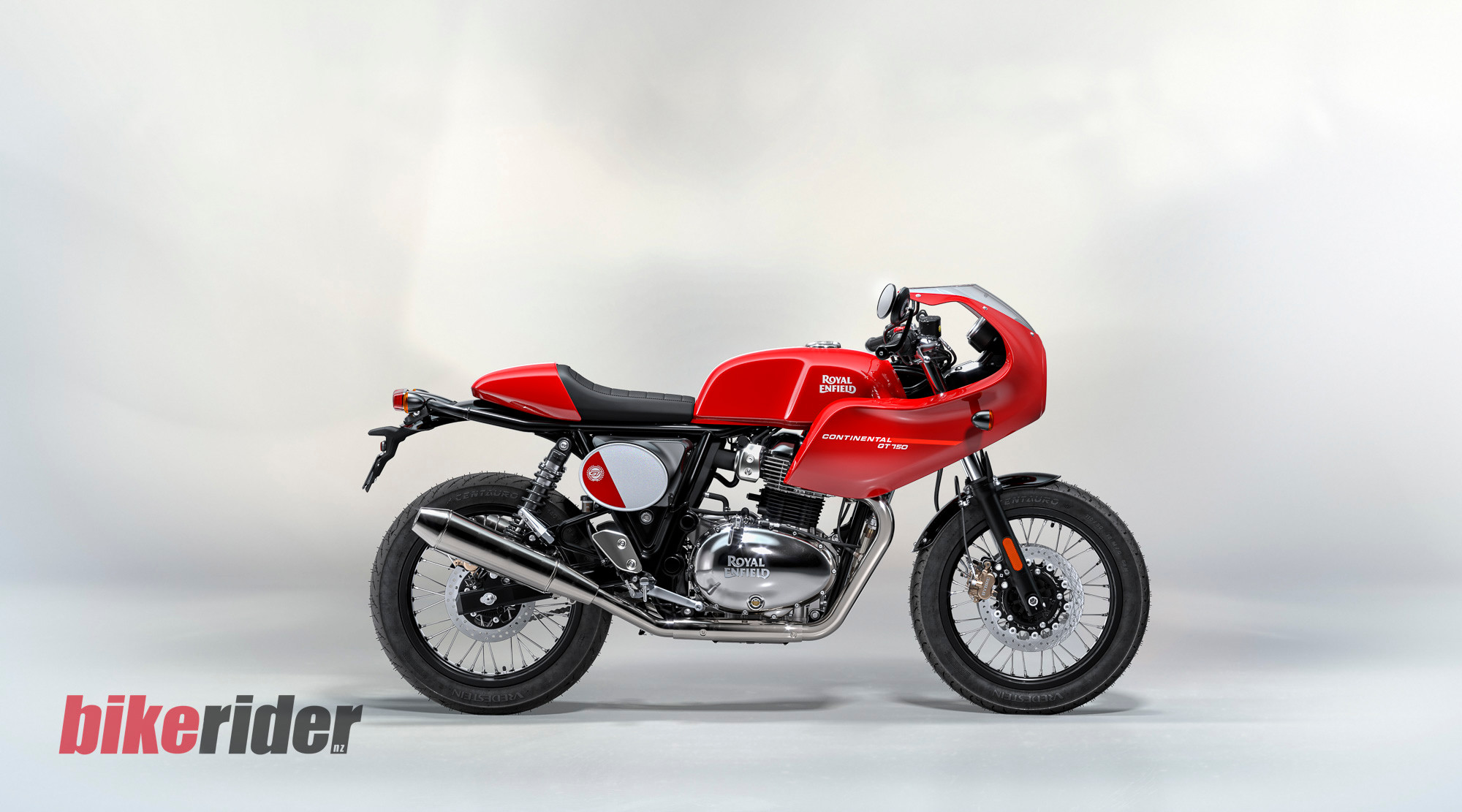
The unfaired model stays closest to the existing Continental GT formula, with a traditional round headlight, sculpted fuel tank and classic café racer silhouette.
It’s the sort of motorcycle that looks just right parked outside your favourite café, particularly with the chrome detailing and wire-spoked wheels.
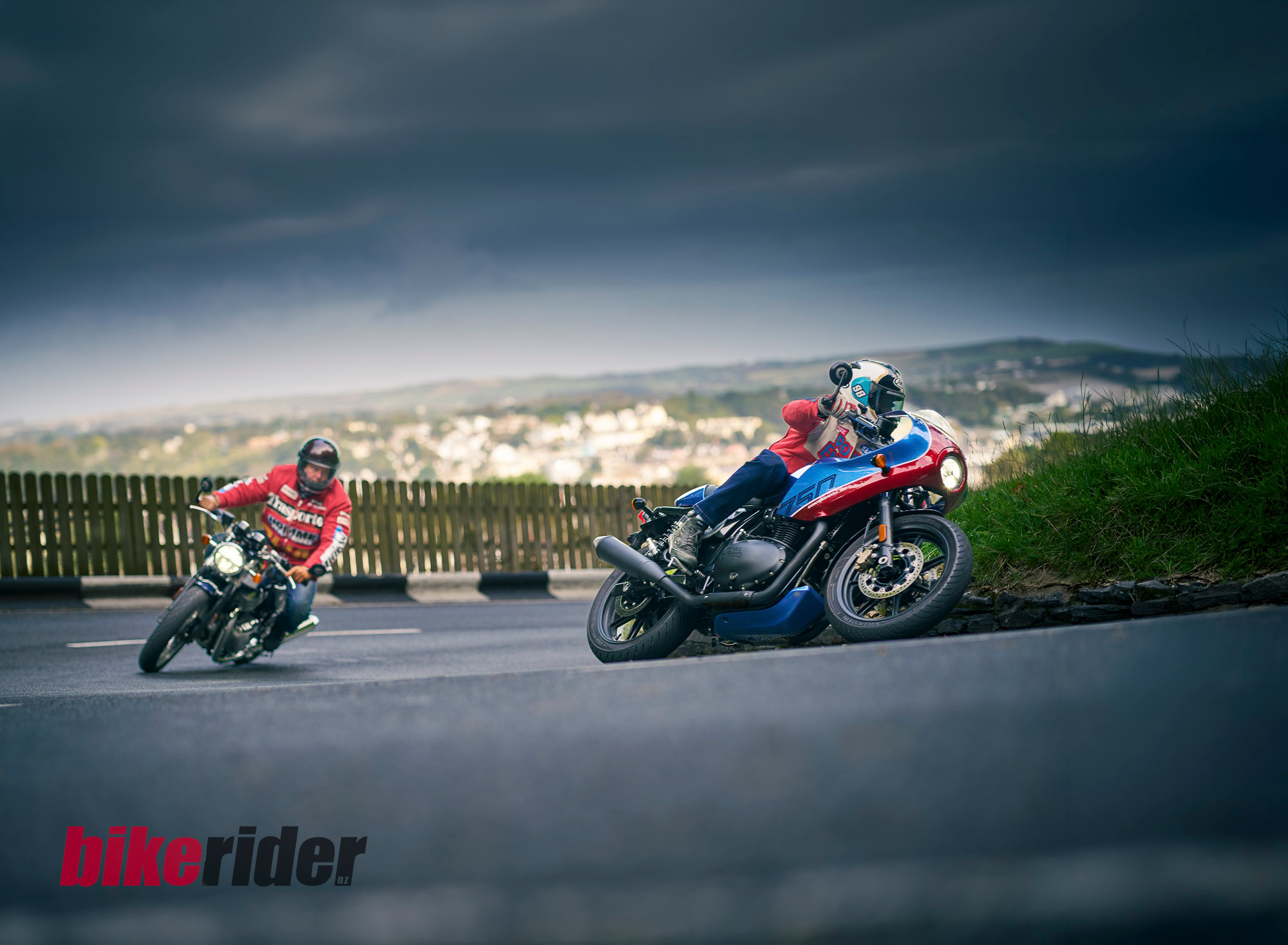
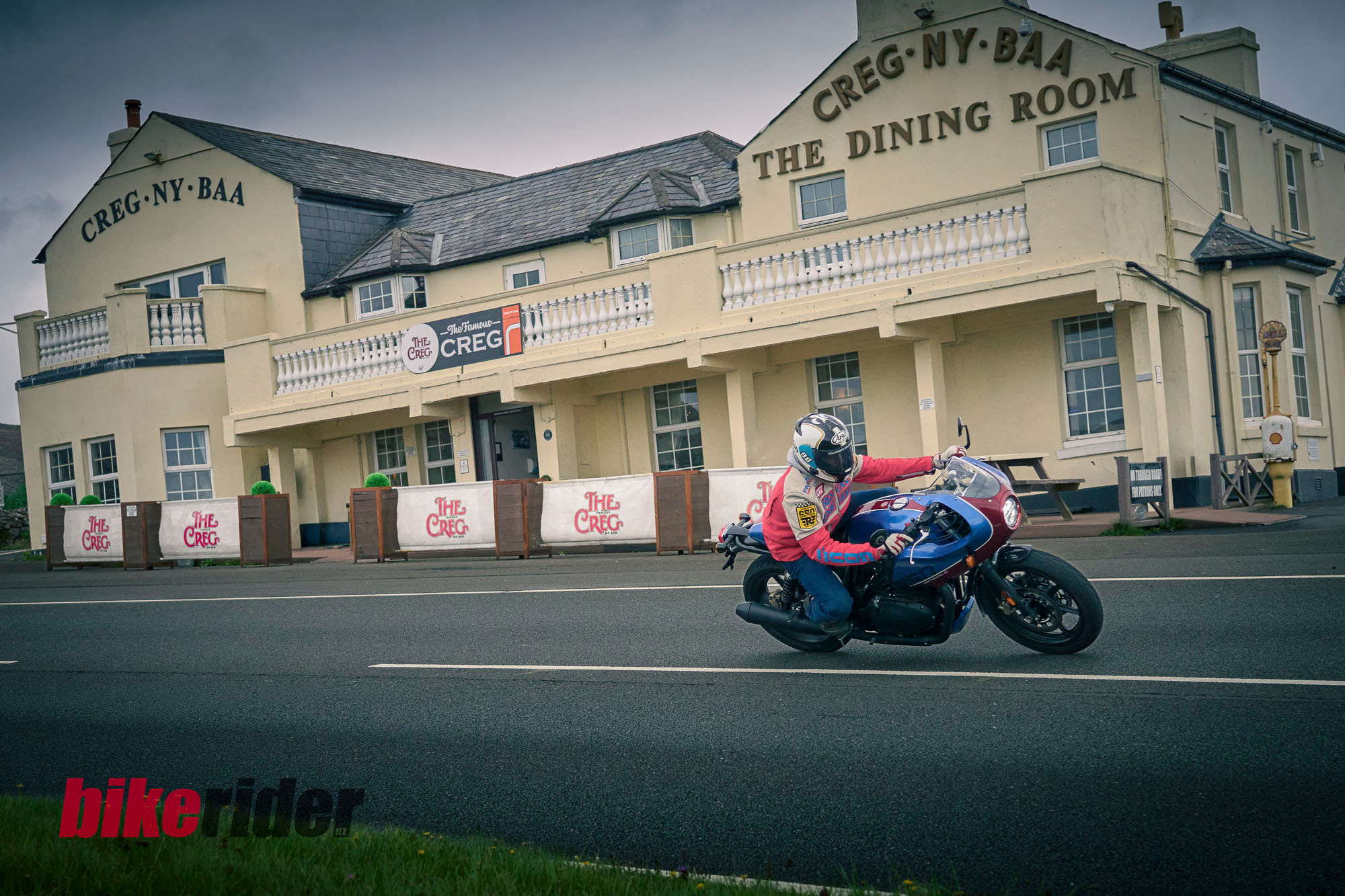
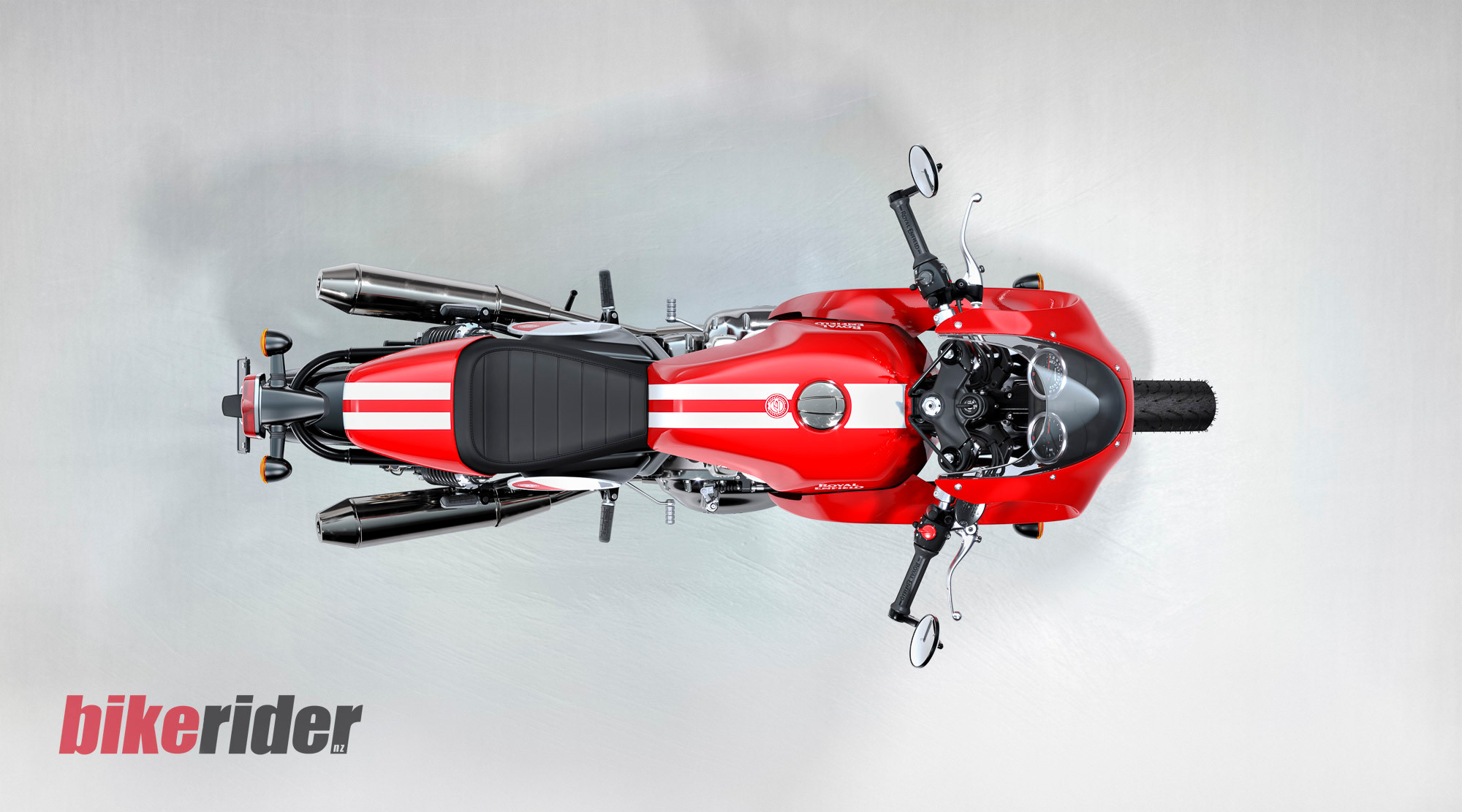
The faired version takes a more sporting approach.
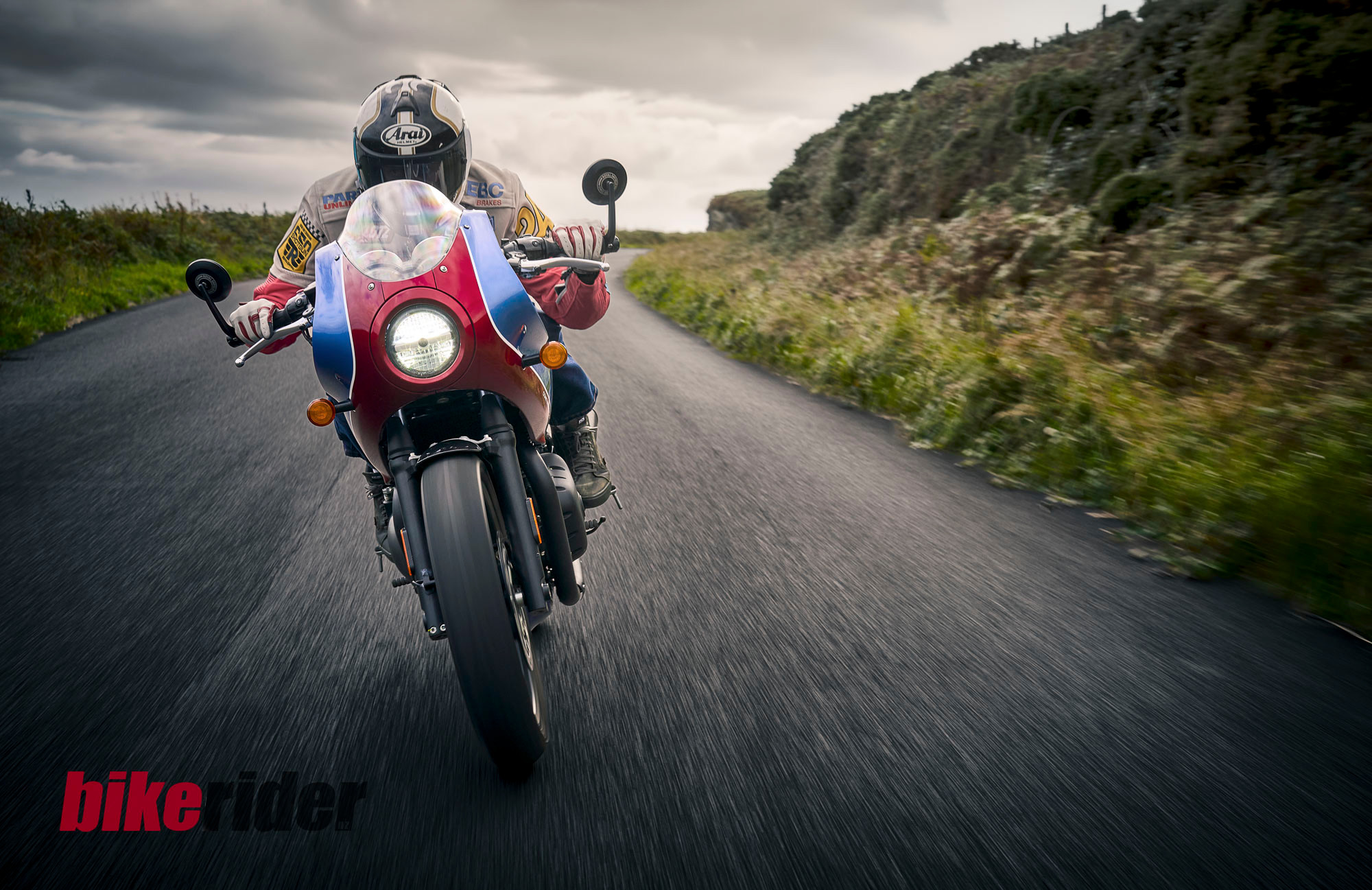
A compact front fairing gives it the appearance of a classic endurance racer, while lower-mounted handlebars create a more committed riding position.
It’s a subtle but important distinction. Rather than simply offering different paint schemes, Royal Enfield is giving riders a choice between something relatively relaxed and a more focused café racer.
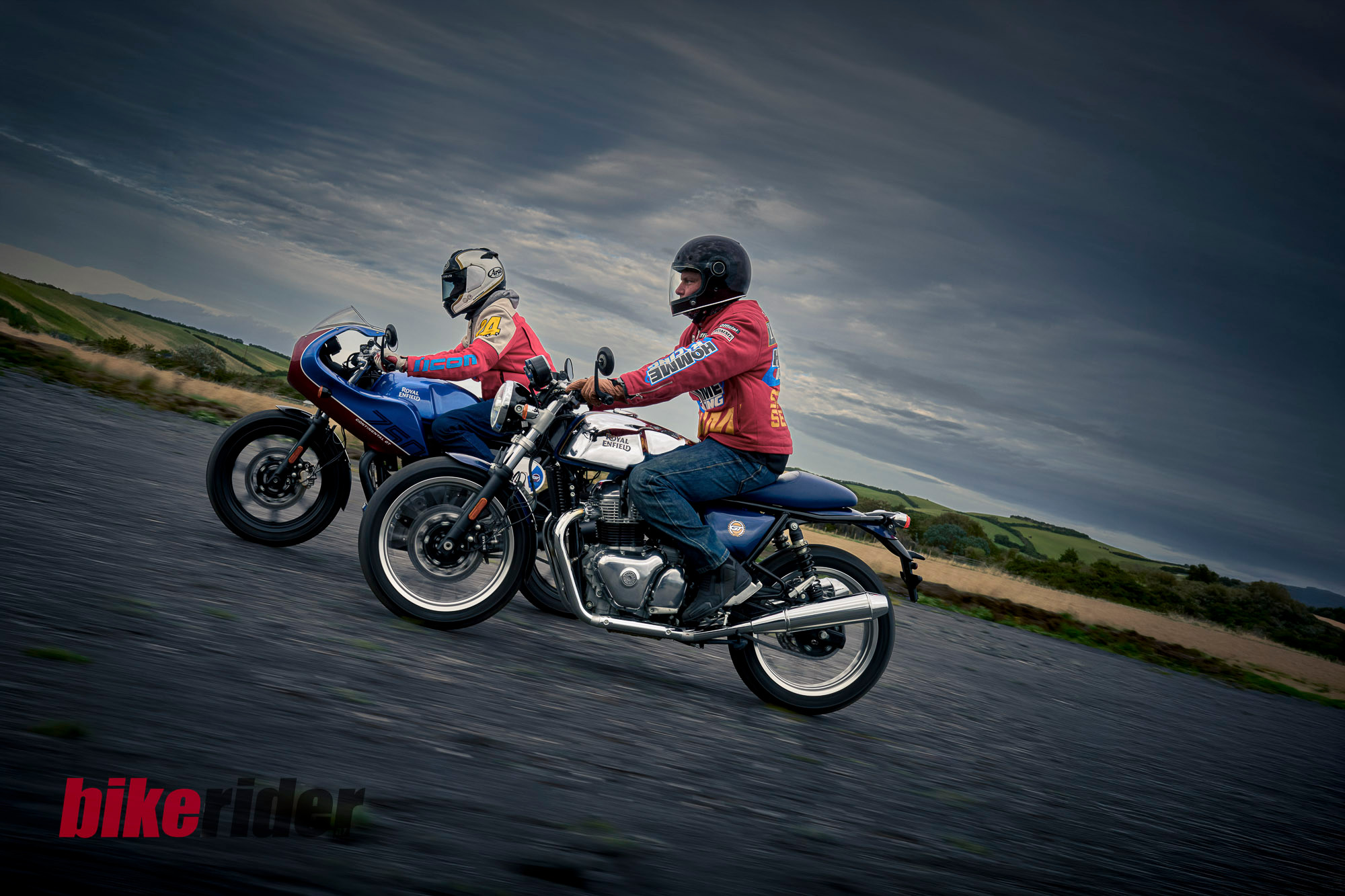
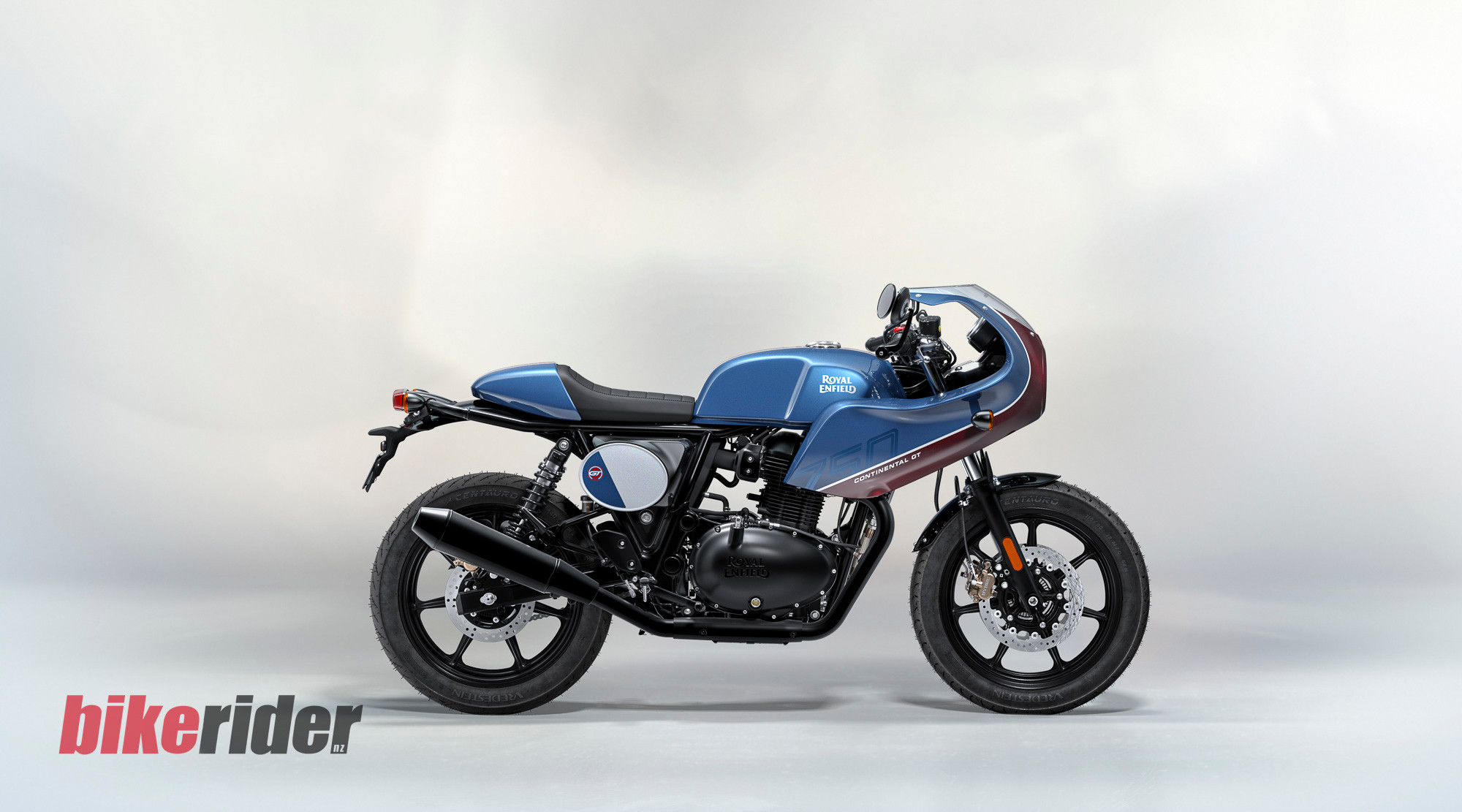
Three colour schemes were displayed at EICMA: Red Line, TT Blue and Master Clean.
The faired models in Red Line and TT Blue have a particularly strong retro-racing appearance, while the unfaired Master Clean version offers a more traditional look.
And while all three look pretty smart, there’s something about a faired café racer with twin exhausts that I find especially appealing.
Better brakes and upgraded components
One area where the new Continental appears to have received a worthwhile upgrade is braking.
The current Continental GT 650 uses a single front disc, which does a reasonable job but isn’t exactly overflowing with stopping power.
The new 750 features twin front brake discs, a welcome change for a motorcycle that’s expected to offer more performance.
The supplied photographs also show conventional telescopic forks and twin rear shock absorbers, retaining the traditional layout.
The frame appears closely related to the existing Continental GT design, although the extent of any changes to accommodate the larger engine has yet to be detailed.
Royal Enfield says the new model represents a significant improvement in component specification and material quality, although complete suspension and chassis specifications haven’t yet been announced.
Depending on the version, the motorcycles displayed feature either wire-spoked wheels or cast alloys.
The TT Blue version is particularly interesting because its alloy wheels offer the prospect of tubeless tyres, a practical advantage over traditional tube-type wire wheels. The final tyre specification remains to be confirmed.
Modern instruments, old-school appeal
While Royal Enfield has resisted the temptation to turn the Continental GT into a high-tech sportsbike, there is one particularly interesting development in the cockpit.
The new model is described as featuring a hybrid twin-pod TFT instrument arrangement.
Rather than replacing the classic twin-dial appearance with a large rectangular screen, Royal Enfield has integrated digital information into a traditional-looking instrument layout.
It’s a clever way of introducing modern functionality without spoiling the appearance.
And that’s really what this new motorcycle seems to be about.
There’s no indication that Royal Enfield is trying to compete directly with modern middleweight sportsbikes. Instead, it’s improving the Continental’s performance and equipment while retaining the mechanical simplicity and traditional character that make it appealing in the first place.
For many riders, that’s probably exactly the right approach.
What about the Continental GT 650?
Royal Enfield hasn’t confirmed whether the new 750 will replace the existing Continental GT 650 or be sold alongside it.
That will be interesting, particularly for New Zealand, where the company’s 650 twins have proved popular thanks to their combination of accessible performance, attractive styling and competitive pricing.
The GT 750 promises to take things a step further, but much will depend on what it costs.
For learner riders, engine capacity matters too. At the stated 743cc, the GT 750 exceeds New Zealand’s current 660cc LAMS capacity ceiling, so it would not qualify under the current scheme.
New Zealand pricing and availability
New Zealand pricing and an arrival date for the Continental GT 750 have yet to be confirmed.
In fact, unlike the Himalayan 750, which already has announced European introductory prices, the Continental’s international pricing and full production specifications remain under wraps.
That leaves some important questions unanswered, particularly regarding power output, weight and how the new model will be positioned alongside the existing GT 650.
But based on what we’ve seen so far, this could be a very interesting motorcycle.
The Continental GT has always been one of the more attractive machines in Royal Enfield’s range, and the prospect of more performance, better brakes and two distinct styling options makes the 750 particularly appealing.
If Royal Enfield can deliver all that without sacrificing the character or value that’s made the 650 such a success, we reckon the new Continental GT 750 could be worth waiting for.

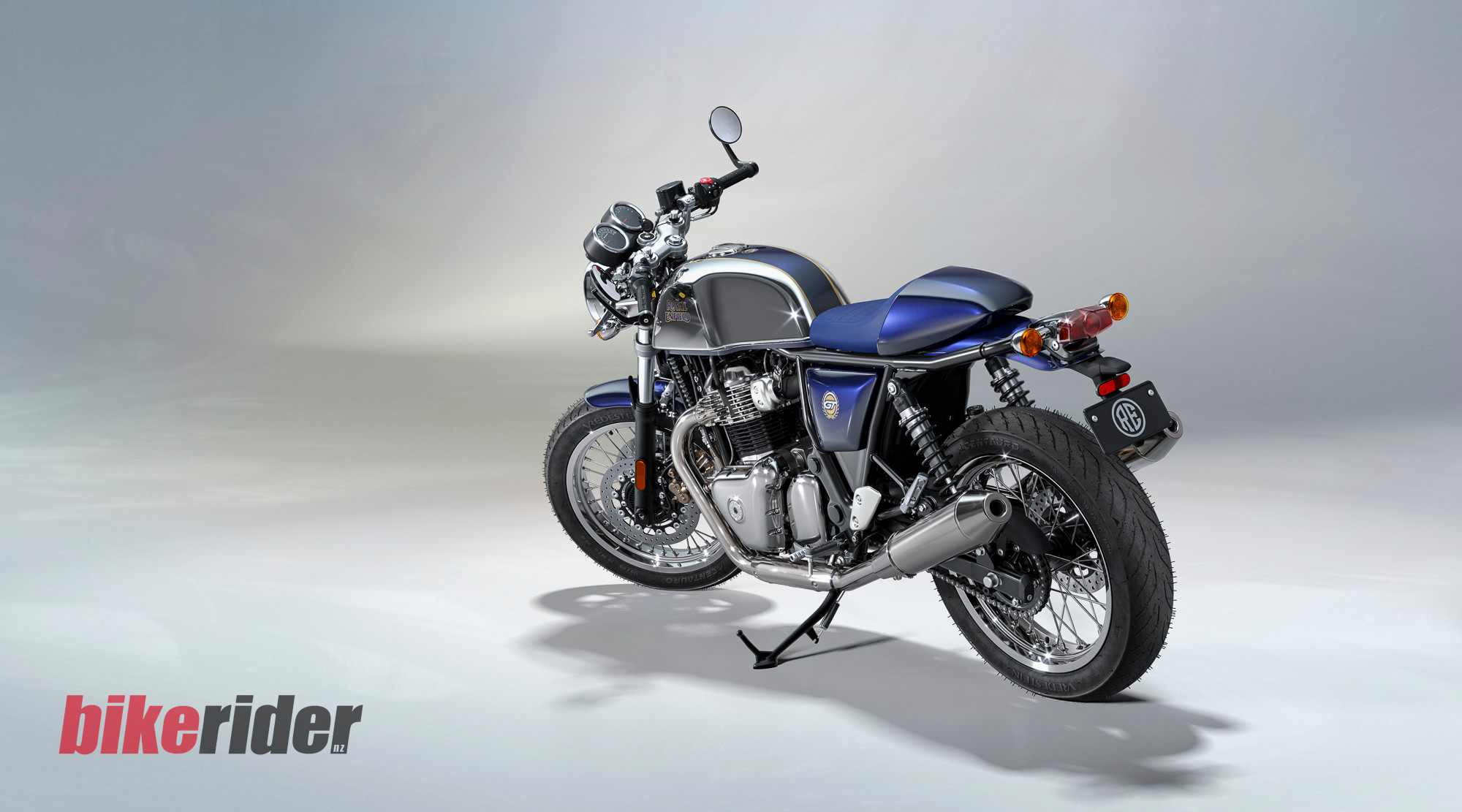
Continental GT 750 photo gallery