




- Could reduce costs and make way for more models
- Now uses a centrifugal clutch system
- Semi-automatic transmission has been made simpler than before
Newly published patent filings suggest Yamaha is working to further simplify its Y-AMT automated transmission system, a move that could reduce costs and allow the technology to be used across a wider range of models.
Yamaha introduced Y-AMT (Yamaha Automated Manual Transmission) in 2025, joining a growing list of alternative gearbox systems from manufacturers including KTM, BMW and Honda. Rather than replacing conventional manuals outright, Yamaha positioned Y-AMT as an option designed to give riders more choice, particularly those interested in reduced clutch workload without moving to a fully automatic setup.
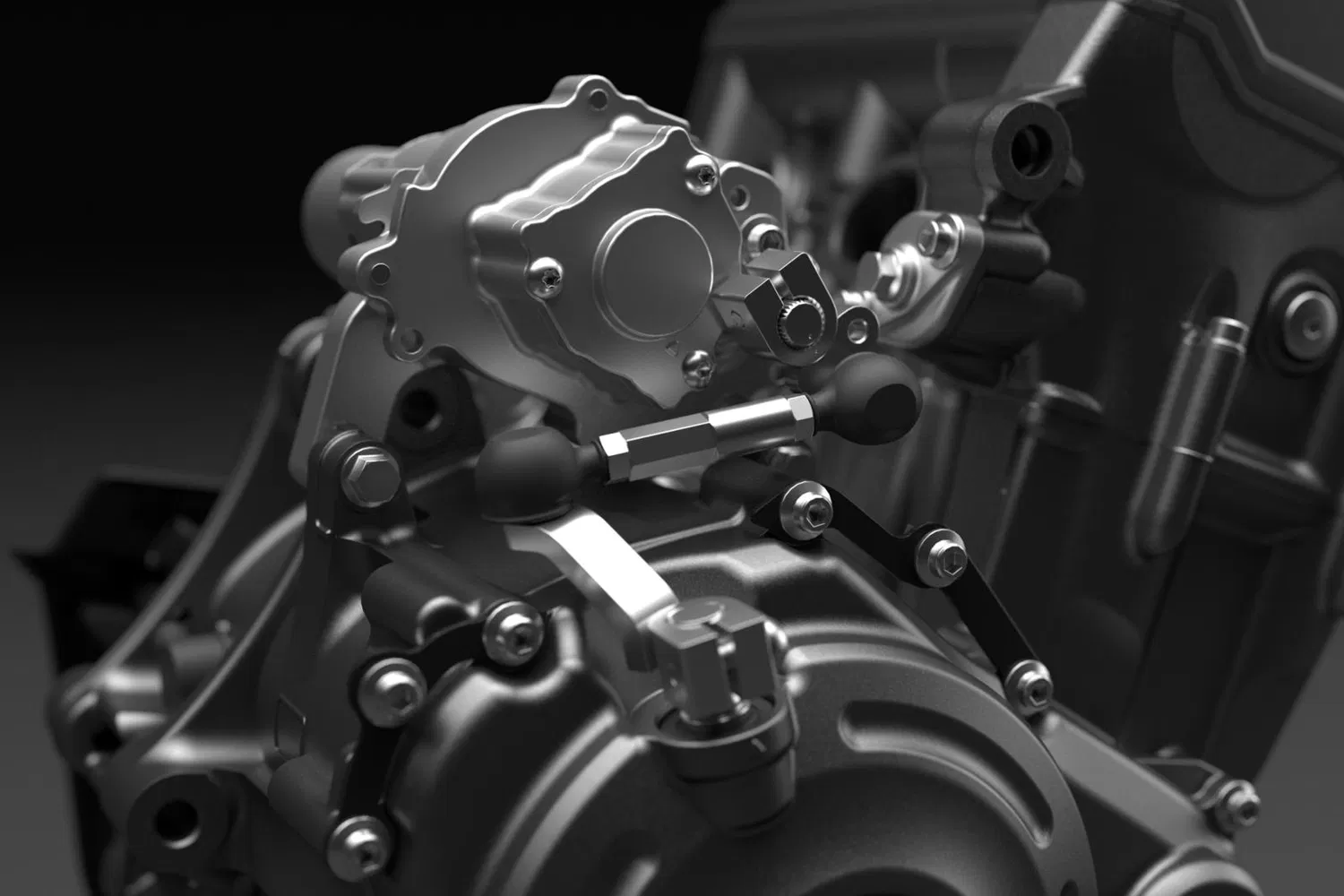
In its current form, Y-AMT is already relatively straightforward. Two actuators control clutch operation and gear selection, while a quickshifter manages shifts while the bike is in motion. According to the newly uncovered patent drawings, however, Yamaha is looking to simplify the system further while retaining a conventional manual gearbox. The proposed changes focus primarily on how the clutch is operated.
The patents outline a redesigned setup that removes one of the actuators entirely. Instead, a single actuator would be responsible for both clutch engagement and gear shifting. As with the existing Y-AMT, the system remains externally mounted, which helps reduce manufacturing complexity and cost. However, unlike the current arrangement, the single-actuator design cannot simultaneously disengage the clutch and change gears.
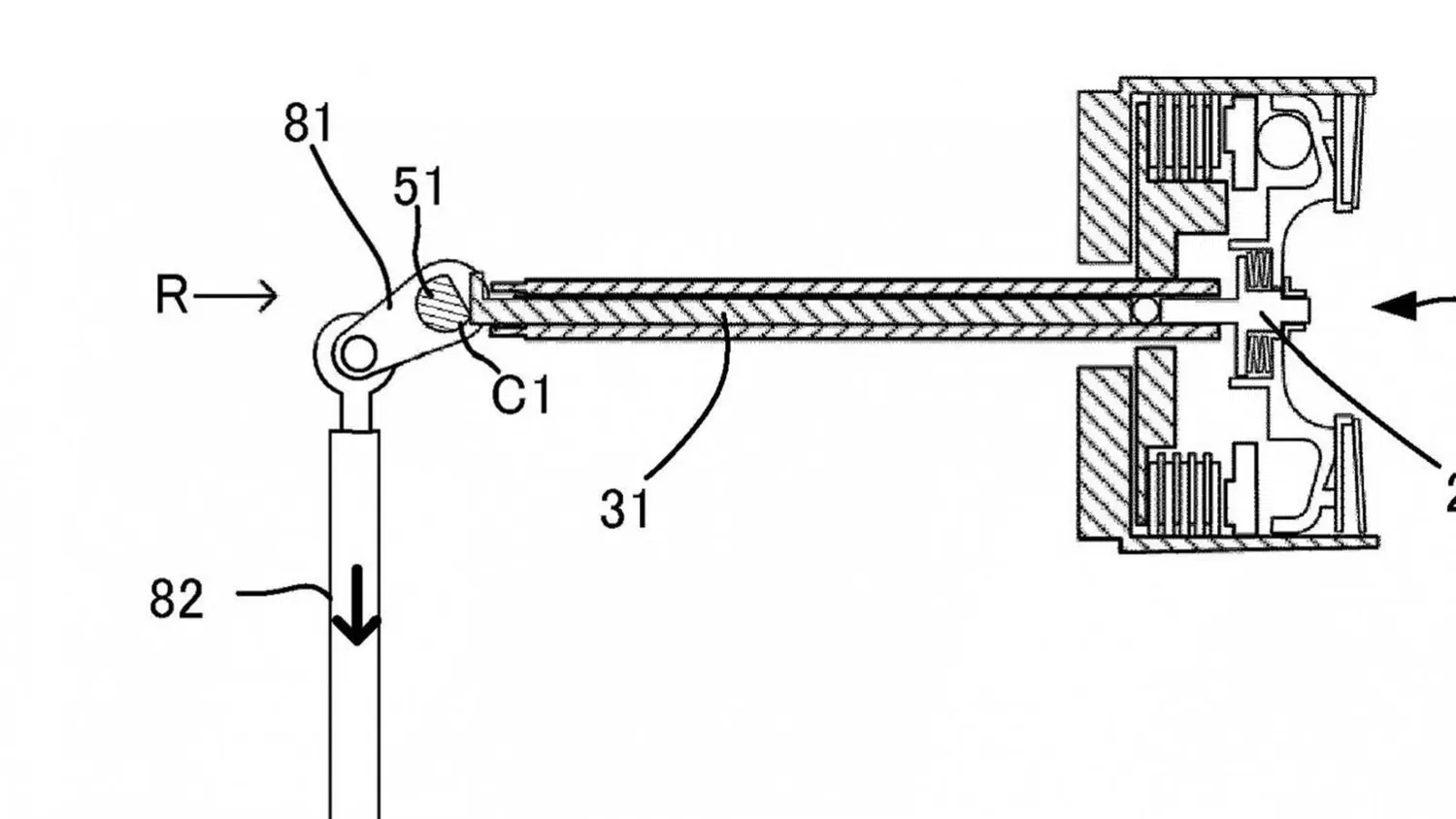
To address this limitation, Yamaha has turned to a centrifugal clutch system. This allows the motorcycle to pull away from a standstill and come to a stop without stalling, with the clutch automatically disengaging at low speeds and re-engaging once the engine reaches a predetermined rpm. By handling these low-speed clutch functions mechanically, the actuator is freed to manage gear changes more efficiently.
Beyond reducing the number of components, the simplified design results in a smaller and lighter package with fewer moving parts. That, in turn, should make the system easier to install across a broader range of models, potentially paving the way for Y-AMT to appear on smaller-capacity motorcycles in the future.