


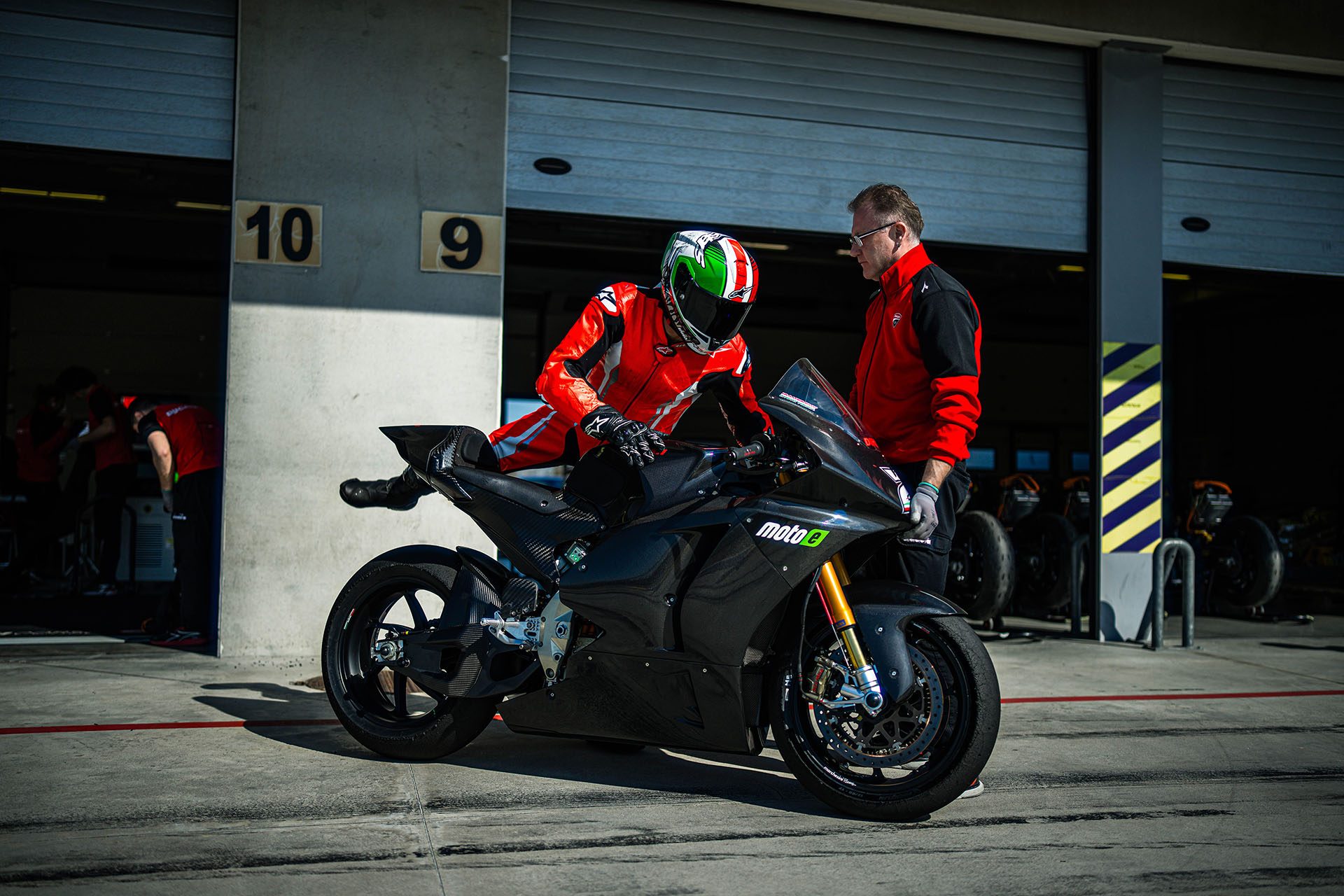
Ducati has filed a new patent for an electric motorcycle drivetrain, and while it looks deeply technical, it actually answers a much bigger question: how serious Ducati is about building a proper street-focused EV.
At first glance, this isn’t a token effort. The layout shows a transversely mounted electric motor spinning up to around 18,500rpm, paired with a multi-stage gear reduction system and a chain final drive. In simple terms, it’s designed to behave much like a traditional combustion motorcycle, just electrified.
The real innovation, though, lies in how it is tackling one of the biggest EV challenges: packaging. Electric motorcycles tend to get wide. Batteries and motors take up space, which affects lean angle, ergonomics, and overall feel. Ducati’s patent focuses heavily on solving that by keeping the bike as narrow as possible.
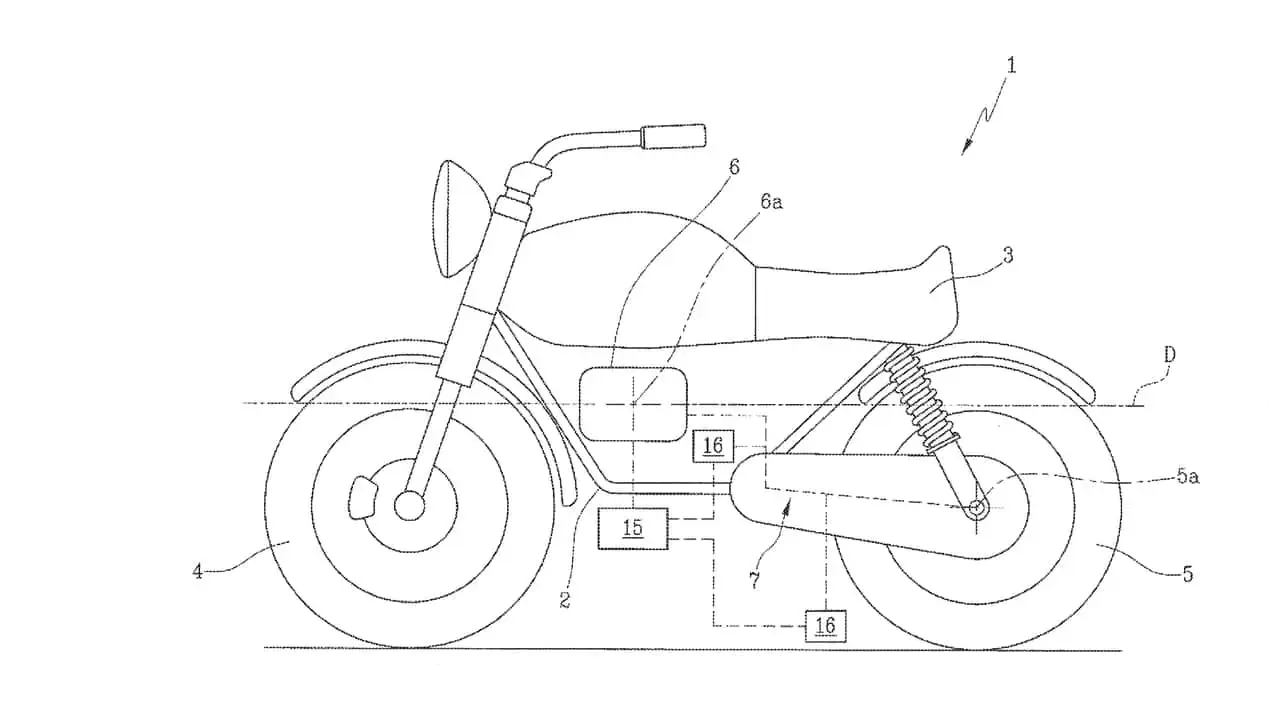
The key move is relocating the motor’s position sensor. Normally, this sits directly on the motor shaft, helping control torque delivery and efficiency through techniques like Field-Oriented Control. But that setup adds width.
Ducati’s workaround is clever, they move the sensor to the transmission, mounting it on a gearbox shaft instead. The system then calculates rotor position indirectly using known gear ratios. It’s a more complex solution, but it allows the motor itself to stay compact, helping keep the bike slim and properly proportioned.
There’s a trade-off, of course. Reading position through the gearbox introduces potential inaccuracies due to gear lash and mechanical tolerances. But this is where Ducati leans into software and engineering to compensate, something the brand has a strong track record with.
MORE ARTICLES
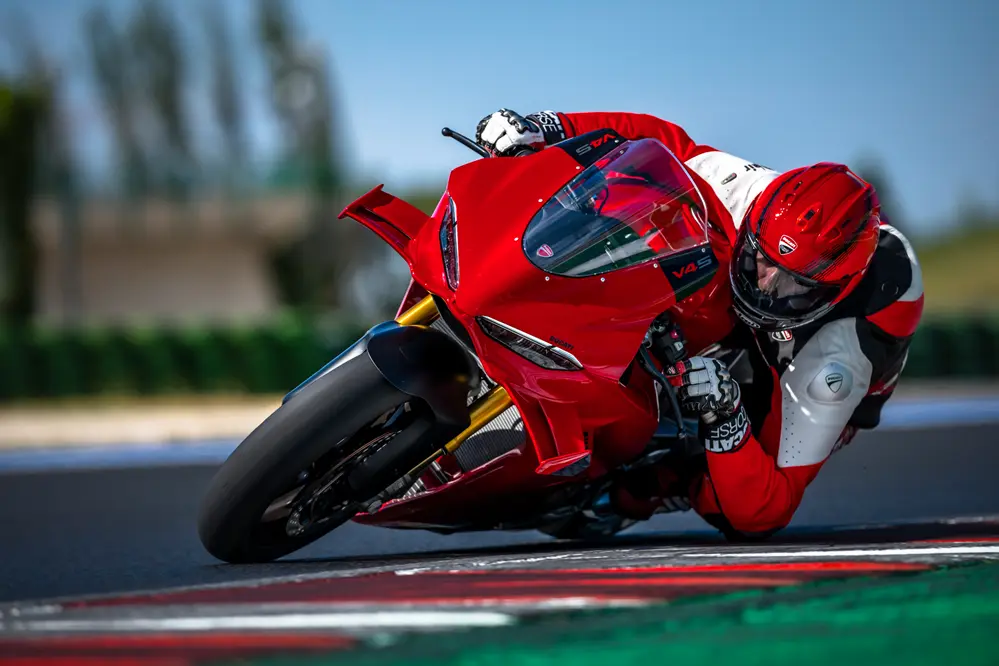
The gearbox itself also reflects this packaging-first approach. Instead of spreading components across a wide layout, it stacks gears across multiple planes, effectively building the transmission taller rather than wider. All of these points to a clear philosophy: Ducati isn’t reinventing the motorcycle layout for electric. It’s adapting its existing formula, mid-mounted motor, geared transmission, chain drive into an EV format.
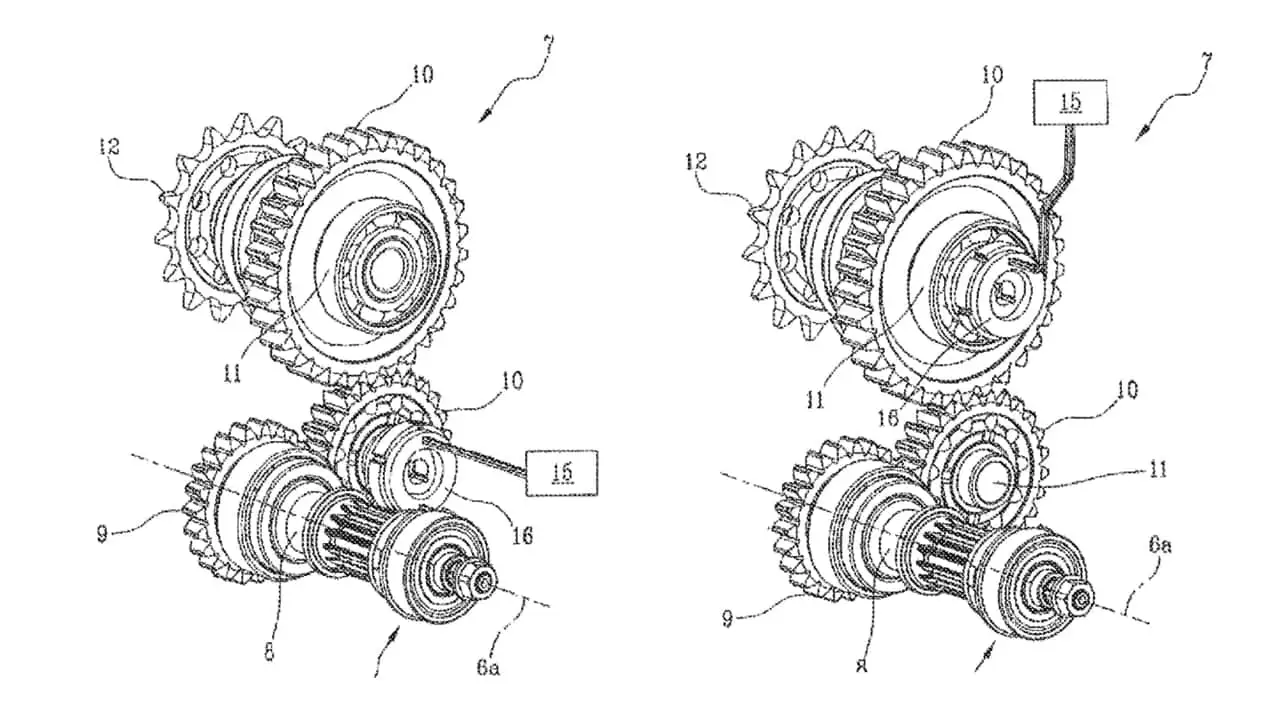
That approach closely mirrors what we’ve already seen in the Ducati V21L used in MotoE World Championship. Those bikes are engineered like race machines first, and electric vehicles second, focused on performance, feel, and rider engagement.
So, does this patent confirm a Ducati electric street bike is imminent? Not quite. Patents solve engineering problems, not product timelines. But what it clearly shows is intent.