


Suzuki has refreshed its popular GSX-8S for the 2027 model year with three new colour options, giving the middleweight naked bike a visual update while leaving its proven mechanical package unchanged.
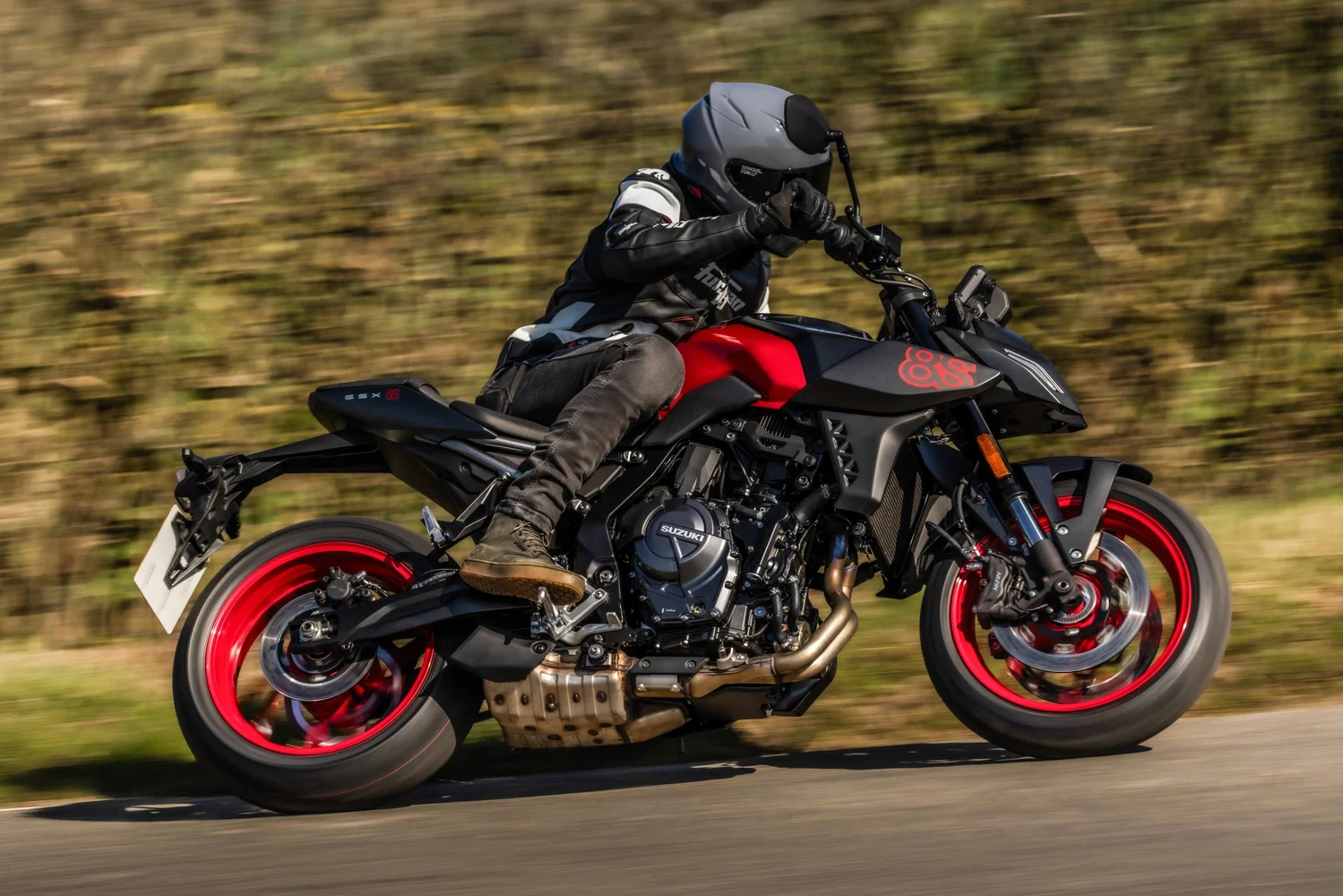
Leading the new line-up is an updated take on Suzuki’s iconic Metallic Triton Blue finish. The revised colour scheme pairs blue radiator shrouds and a matching headlight cowl with a Glass Sparkle Black fuel tank and seat unit, while grey wheels are complemented by a matching grey bolt-on subframe for a more cohesive appearance.
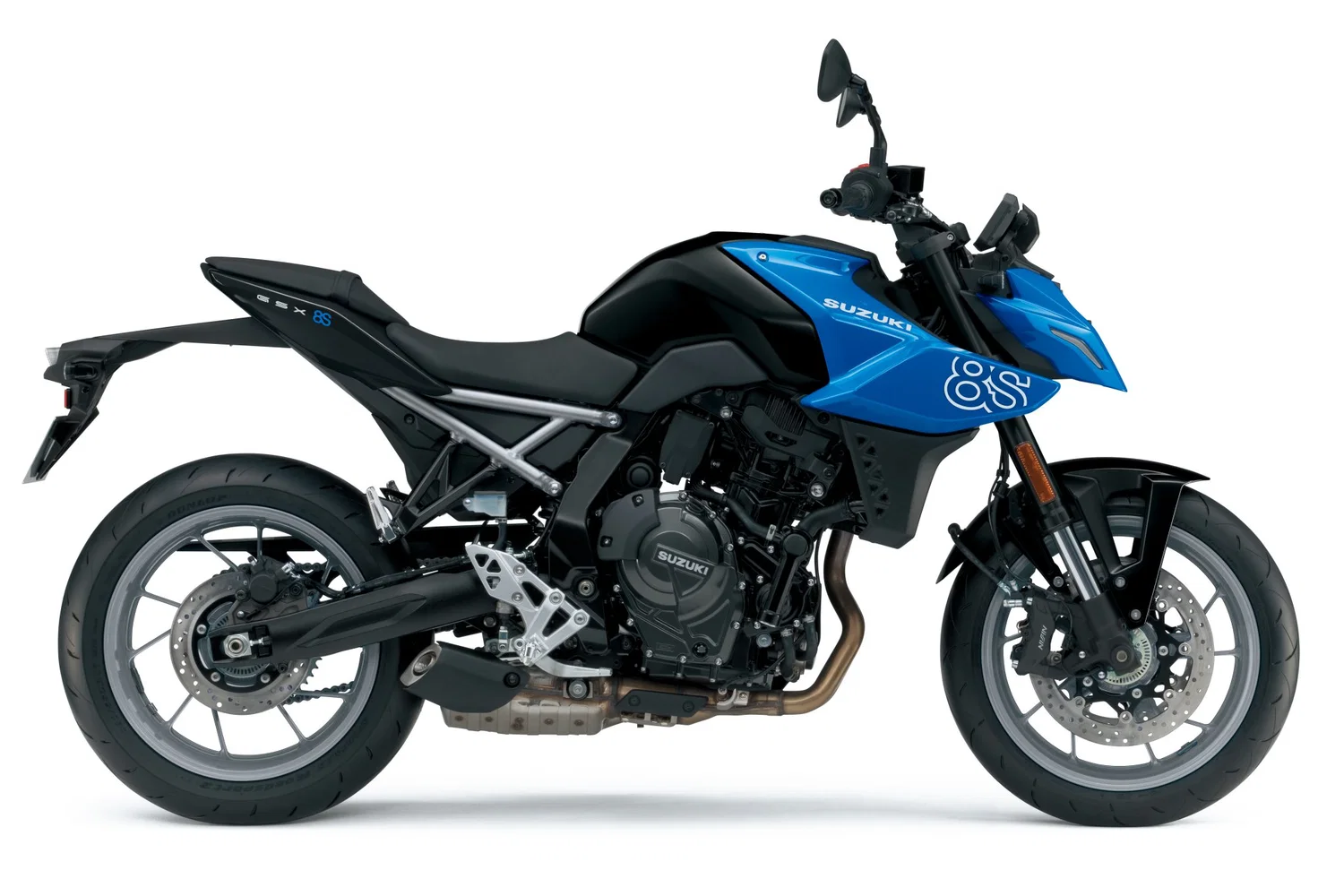
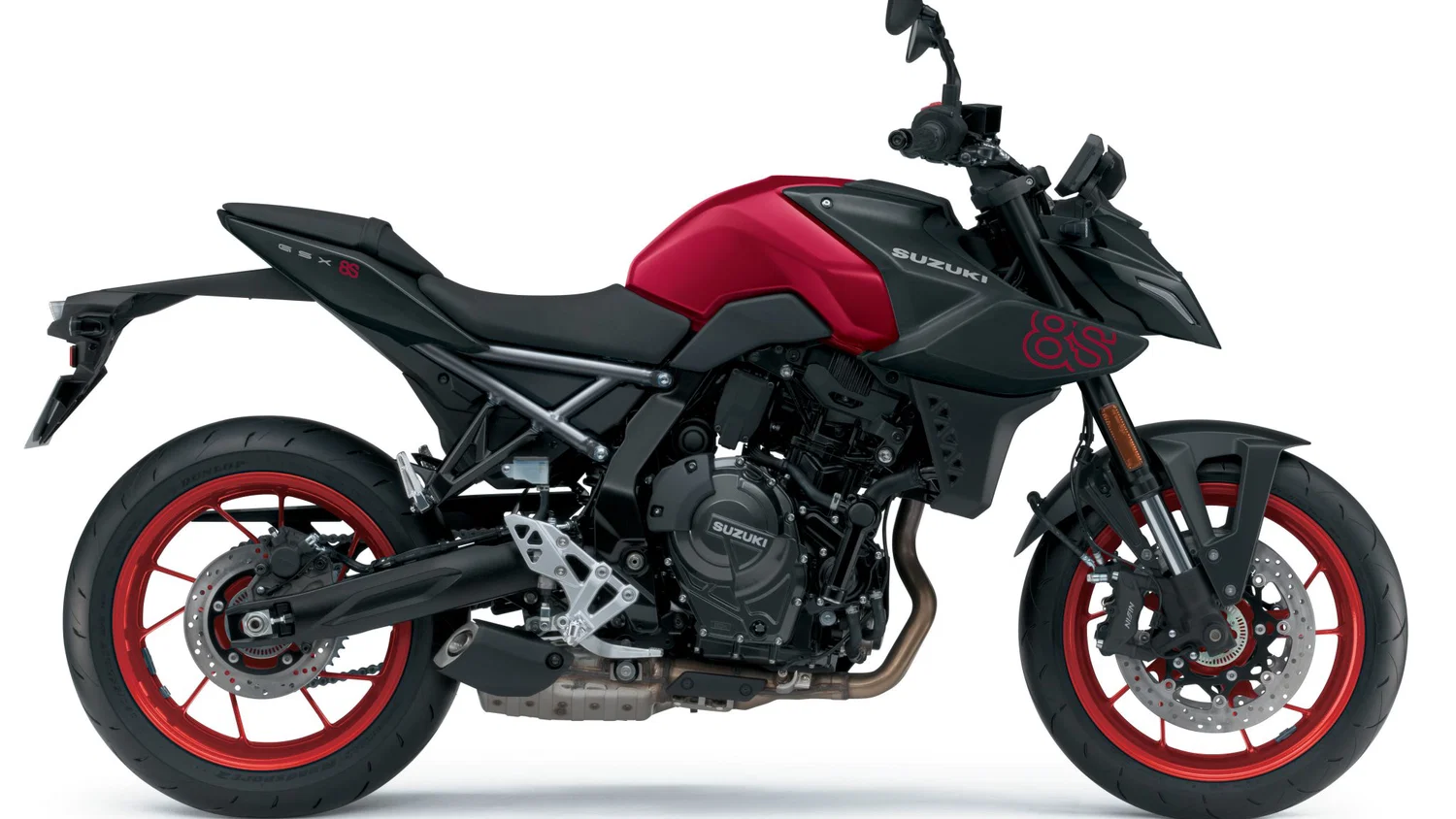
Riders looking for a stealthier look can opt for the new Glass Sparkle Black finish, which combines gloss black bodywork with Metallic Matt Black accents. The black theme extends to the wheels, creating a clean, understated design that highlights the GSX-8S’s sharp styling. Completing the trio is a bold Candy Daring Red option. The vibrant paint scheme features a red fuel tank, matching wheels and decals, while the radiator shrouds, headlight cowl and seat unit are finished in matt black to provide a striking contrast.
Beneath the new paintwork, the GSX-8S continues to be powered by Suzuki’s 776cc parallel-twin engine, which also underpins the GSX-8R sportsbike and the recently introduced GSX-8T and GSX-8TT retro-inspired models. The engine has earned praise for its broad spread of torque and everyday usability since making its debut.
The electronics package remains unchanged, with the GSX-8S continuing to offer three selectable riding modes, three traction control settings and a bi-directional quickshifter as standard. A full-colour TFT display provides rider information, while all-LED lighting, including the indicators, completes the standard equipment list.
Since its introduction in 2023, the GSX-8S has established itself as one of Suzuki’s most successful middleweight motorcycles. Its platform has since expanded into a diverse family of models, ranging from the fully faired GSX-8R to the retro-styled GSX-8T and GSX-8TT, giving Suzuki a strong presence across multiple segments without the need for major mechanical changes.