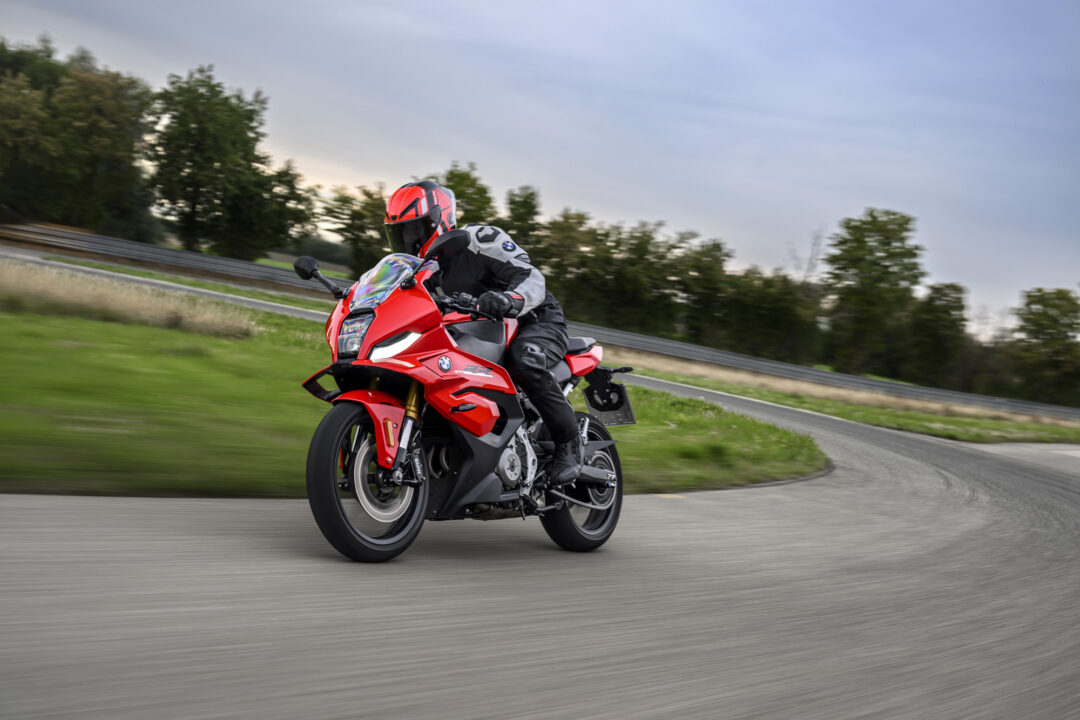


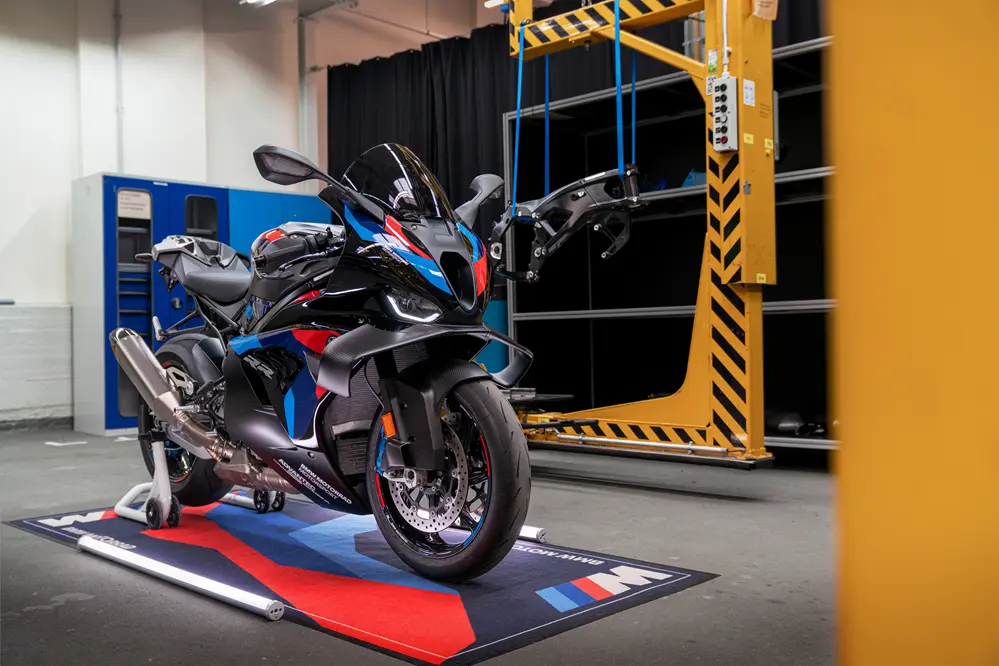
BMW Motorrad has unveiled the 2027 M1000RR, introducing a comprehensive chassis overhaul aimed at improving on-track performance under the latest World Superbike (WSBK) homologation regulations.
The new model marks the fourth evolution of the M1000RR since it debuted in 2021. While previous updates focused on aerodynamics and Euro5+ compliance, the 2027 version shifts its attention to handling, rider feedback and chassis performance.
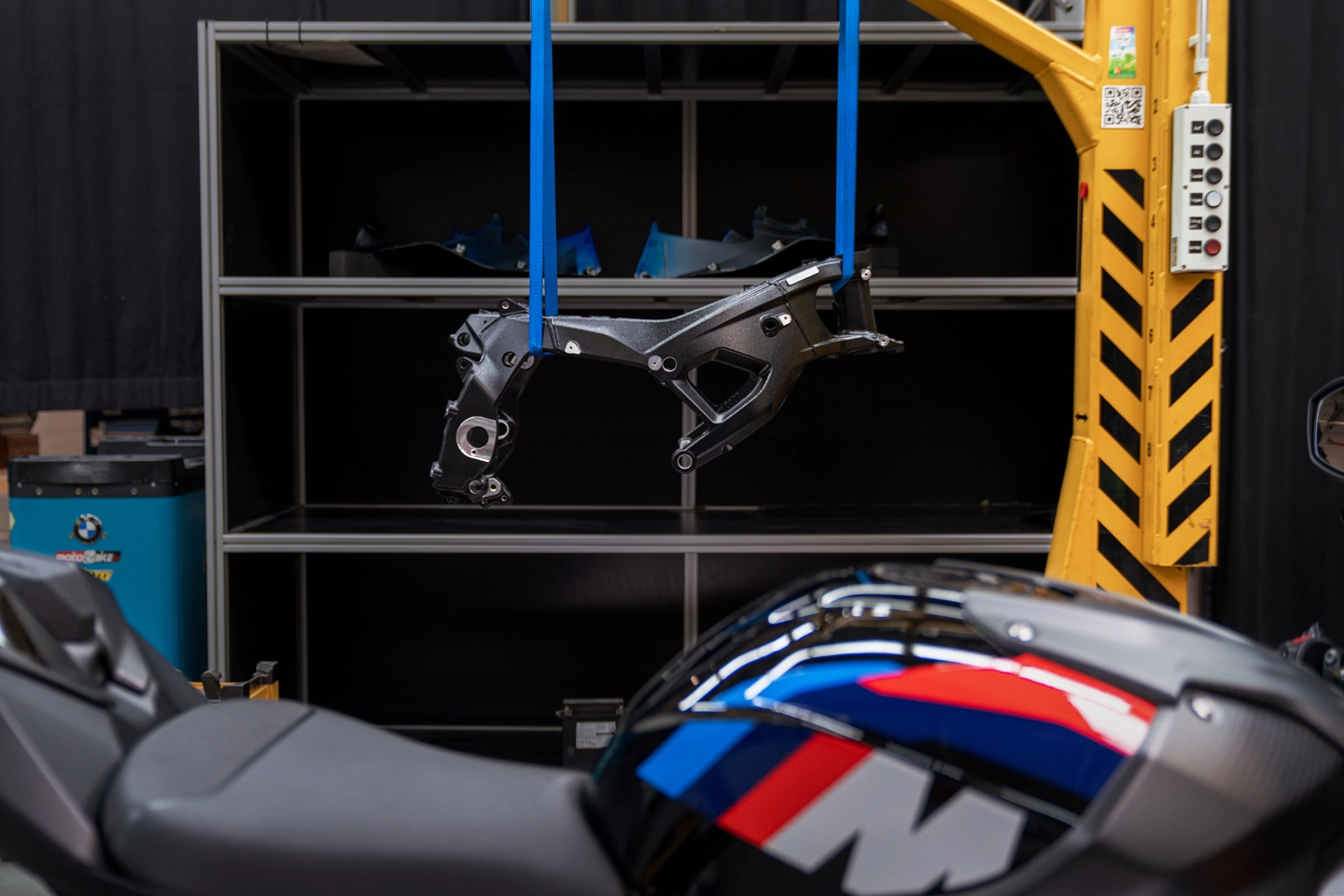
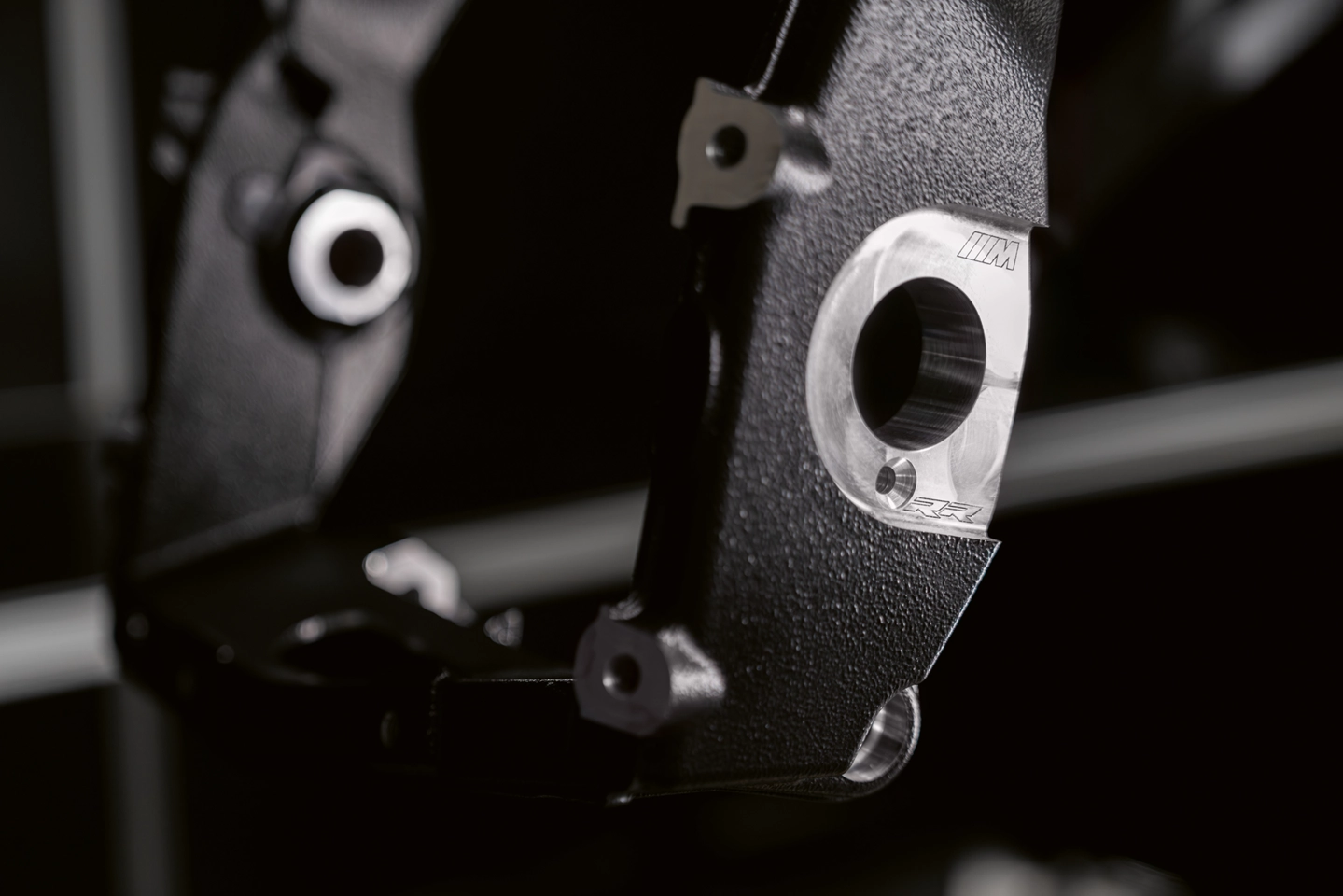
At the heart of the update is BMW’s new third-generation M Motorsport Frame. Constructed from cast and welded aluminium sections, the redesigned frame retains a familiar layout but features significantly thinner walls, reducing its weight by 1.3kg. BMW says the revised flex characteristics improve grip and front-end feedback, while a reshaped opening above the engine mounts reflects changes made to optimise chassis rigidity.
Despite the lighter frame, the overall weight is expected to remain close to that of the outgoing model. That’s because BMW has replaced the standard M Carbon wheels with M Forged alloy wheels, which are heavier but more cost-effective. The carbon wheels are now available only as part of the optional M Track Package. The M Track Package also bundles BMW’s maintenance-free M Endurance Chain, along with a selection of carbon fibre and billet aluminium components for riders seeking maximum track performance.
The M1000RR has undergone regular updates since its launch, receiving a major aerodynamic redesign in 2023 before gaining Euro5+ compliance and a power increase to a claimed 214.6bhp in 2025. With the latest revision, BMW’s focus is firmly on improving the bike’s dynamic performance as it prepares for the next chapter of World Superbike competition.
While full technical specifications and pricing are yet to be announced, the 2027 M1000RR is expected to continue BMW’s push at the sharp end of the superbike segment with a stronger emphasis on chassis development rather than outright engine changes.