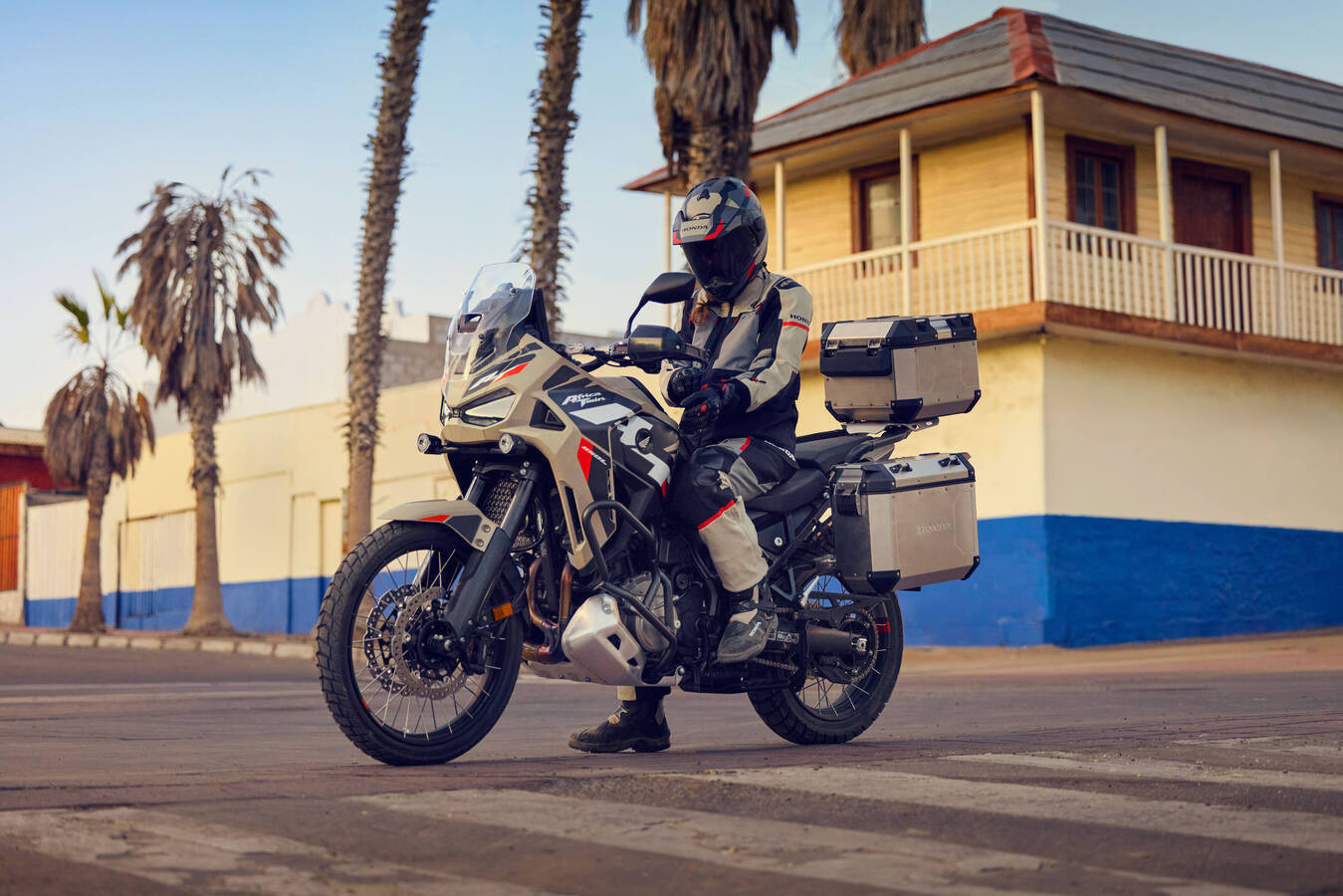


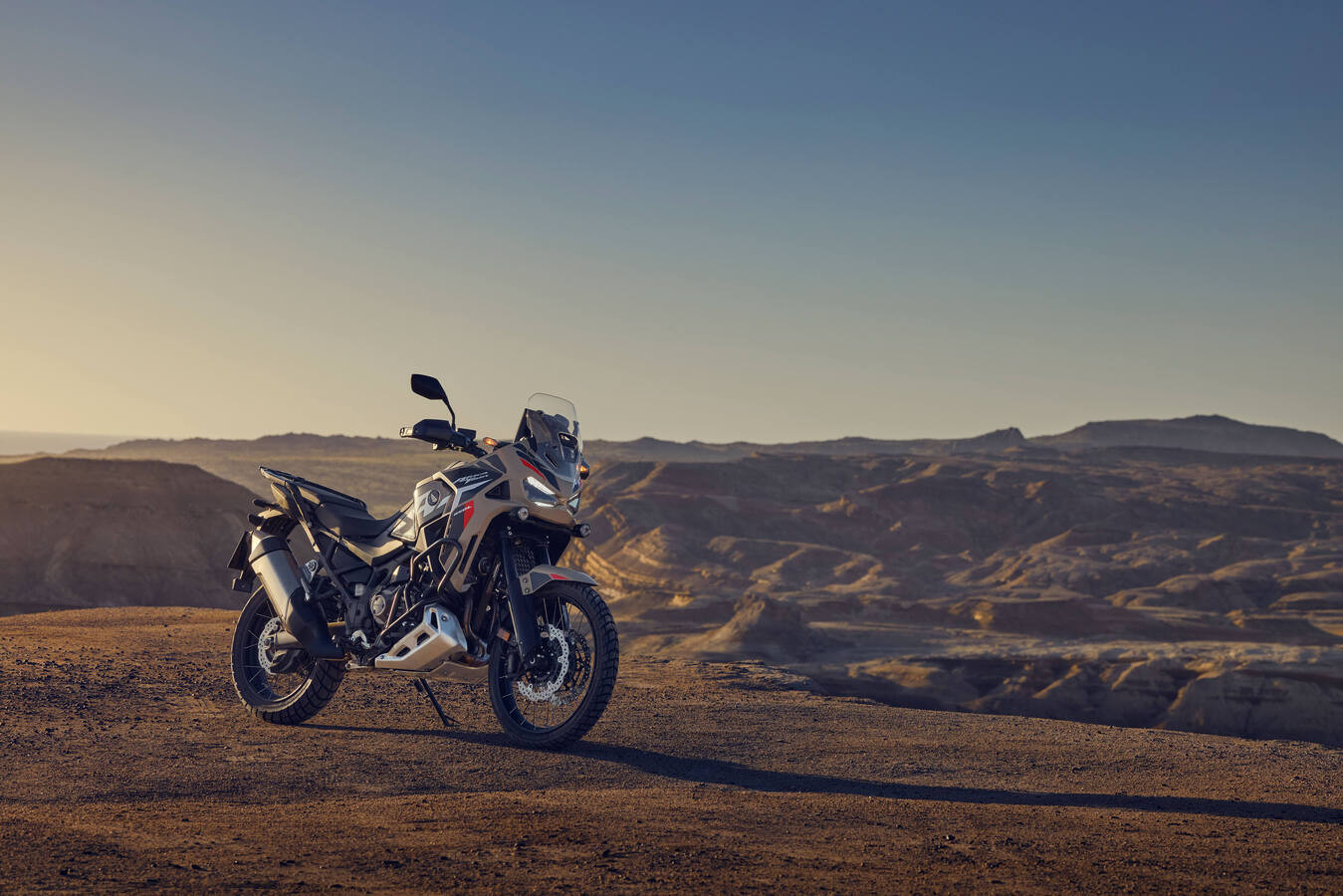
Honda has given its Africa Twin range one of its biggest makeovers in years, introducing a larger engine, new chassis, significantly revised electronics and a more off-road-focused Enduro Sports model. And the new generation is heading to New Zealand.
- New 1,131cc parallel twin produces a claimed 87.5kW and 119Nm.
- The new Enduro Sports brings longer-travel suspension, 260mm ground clearance and a 9kg weight saving against the standard model.
- Adventure Sports gains a new DCT-only SENSING RIDE version with radar-assisted rider-support technology.
Honda certainly hasn’t been sitting on its hands when it comes to the Africa Twin. For 2027, the Japanese manufacturer has given its flagship adventure bike a comprehensive overhaul, and this is considerably more than a new set of graphics and a few electronic tweaks.
The changes start with an increase in engine capacity, continue through a redesigned chassis and revised riding position, and extend to an entirely new model aimed at riders who prefer dirt to tarmac.
There’s also a new radar-equipped version of the Adventure Sports, bringing a level of rider-assistance technology we’ve become more accustomed to seeing on high-end touring motorcycles. For Kiwi adventure riders, there’s plenty to get excited about.
2027 Africa Twin range
| Model / item | Key details |
|---|---|
| Standard Africa Twin | 1,131cc; manual/DCT; electronically adjustable Showa suspension |
| Africa Twin Enduro Sports | 228kg manual; 260mm ground clearance; 240/230mm suspension travel |
| Africa Twin Adventure Sports | Long-distance, road-focused configuration |
| Adventure Sports SENSING RIDE | DCT-only; radar-assisted rider aids and eCBS |
Bigger Engine, More Power
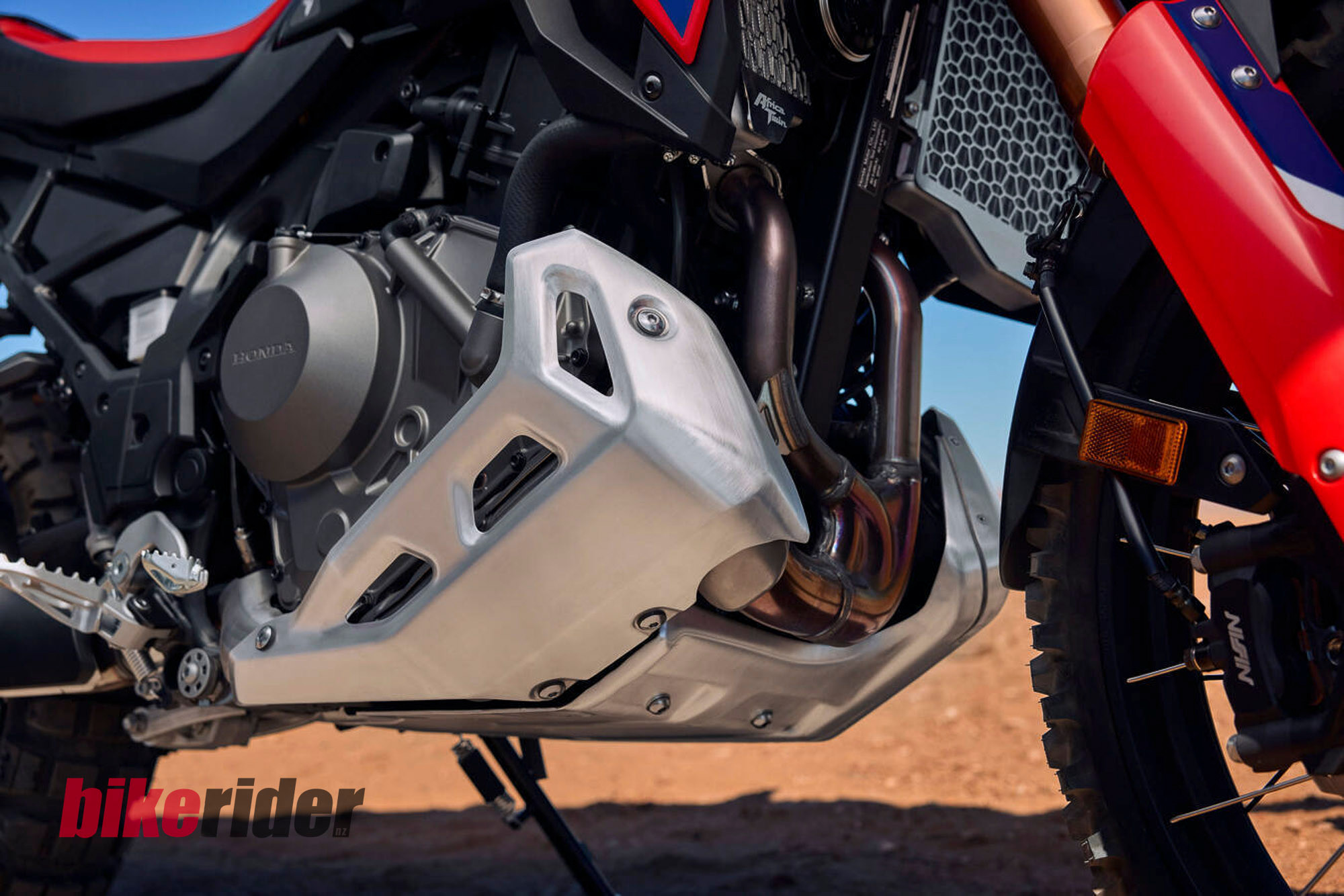
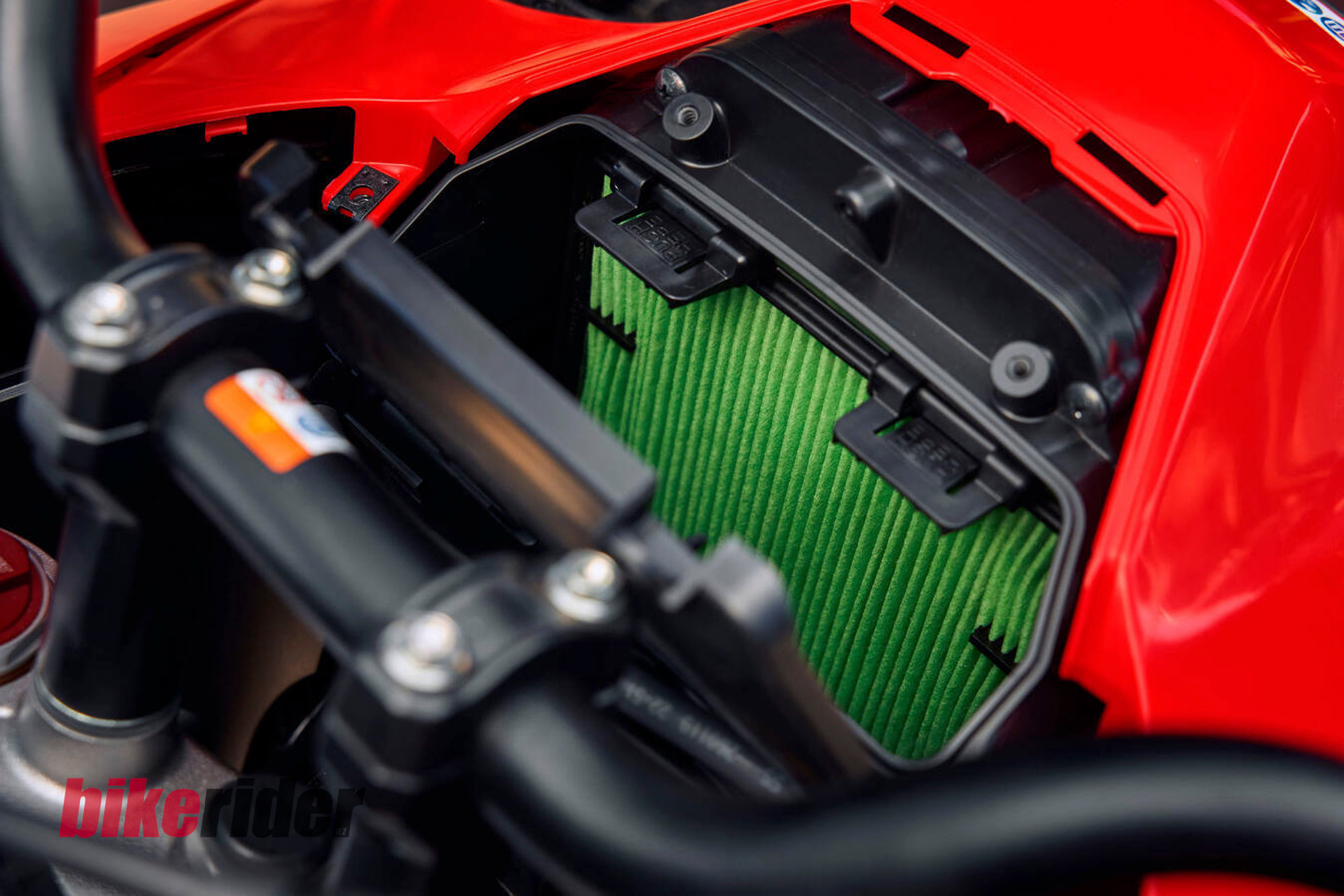
The familiar parallel twin has grown from 1,084cc to 1,131cc, earning the Africa Twin a new CRF1150L designation.
Peak power has increased from 75kW to 87.5kW, a healthy 16.5 per cent improvement, while maximum torque rises from 112Nm to 119Nm. Honda has achieved this with a larger bore, revised cylinder head, higher compression ratio, improved breathing and numerous internal changes.
MORE ARTICLES

Just as importantly, Honda claims the updated engine offers stronger mid-range performance, something that should make a difference when overtaking, climbing steep terrain or carrying a pillion and luggage.
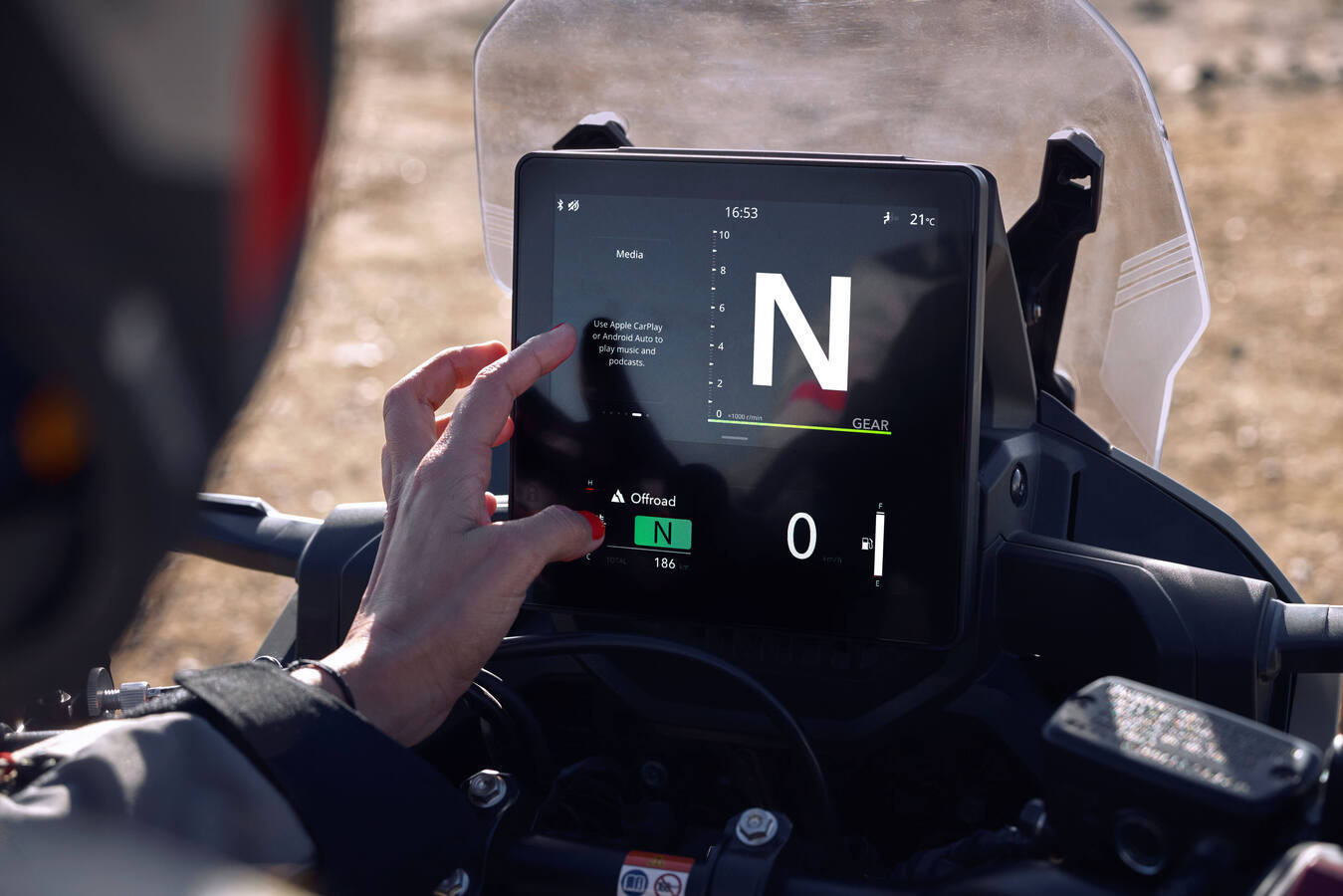
Both six-speed manual and Dual Clutch Transmission (DCT) options continue. The electronic package has also received attention, with six riding modes now available: Sport, Touring, Urban, Rain, Offroad and Offroad+. Riders can customise the settings within each mode.
For Kiwi adventure riders, there’s plenty to get excited about.
A New Chassis and Updated Electronics
Honda has revised the steel frame and aluminium swingarm, shaving a combined 1.4kg from the chassis components compared with the previous generation. A new fuel arrangement, including a sub-tank beneath the seat, helps lower the centre of gravity.
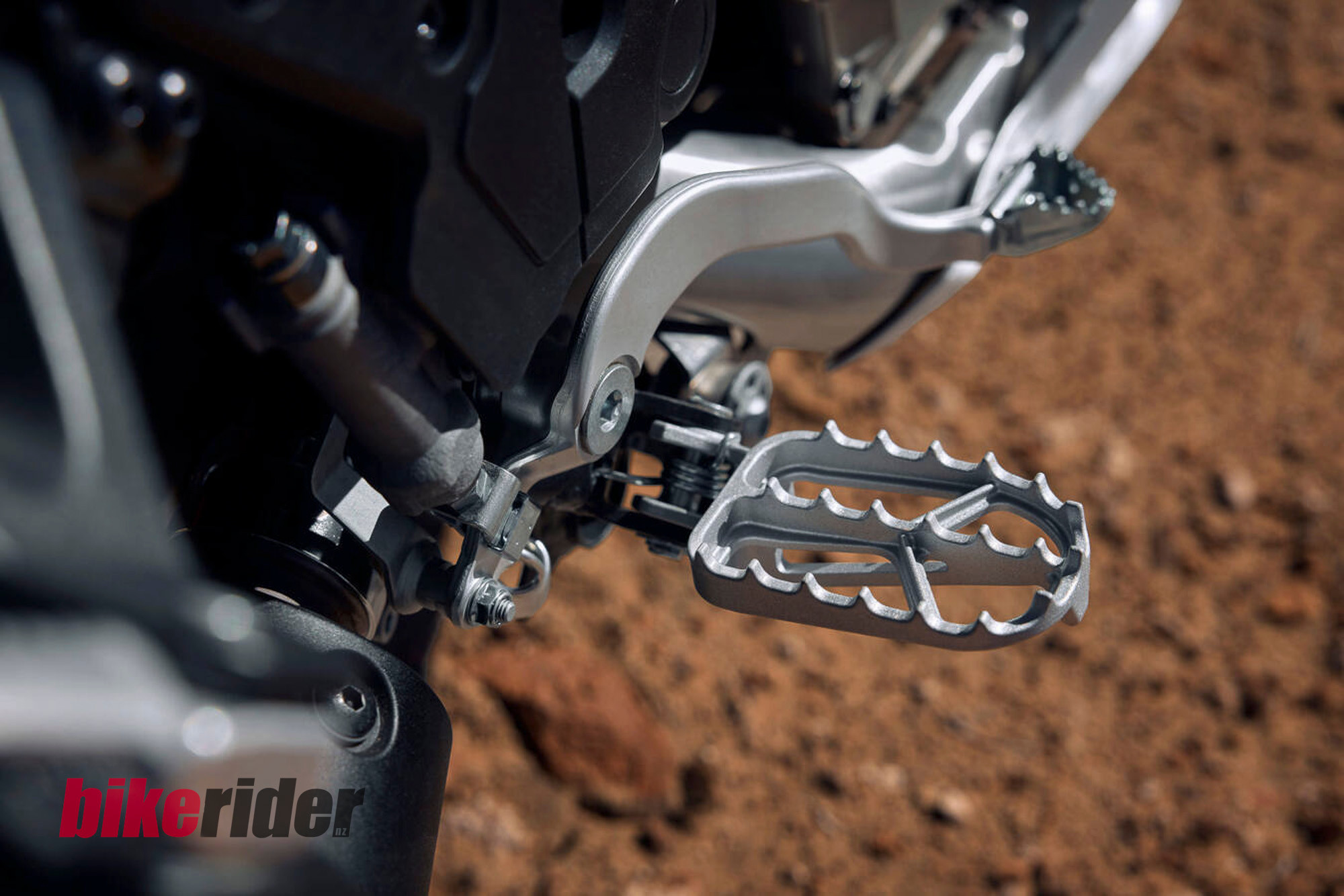
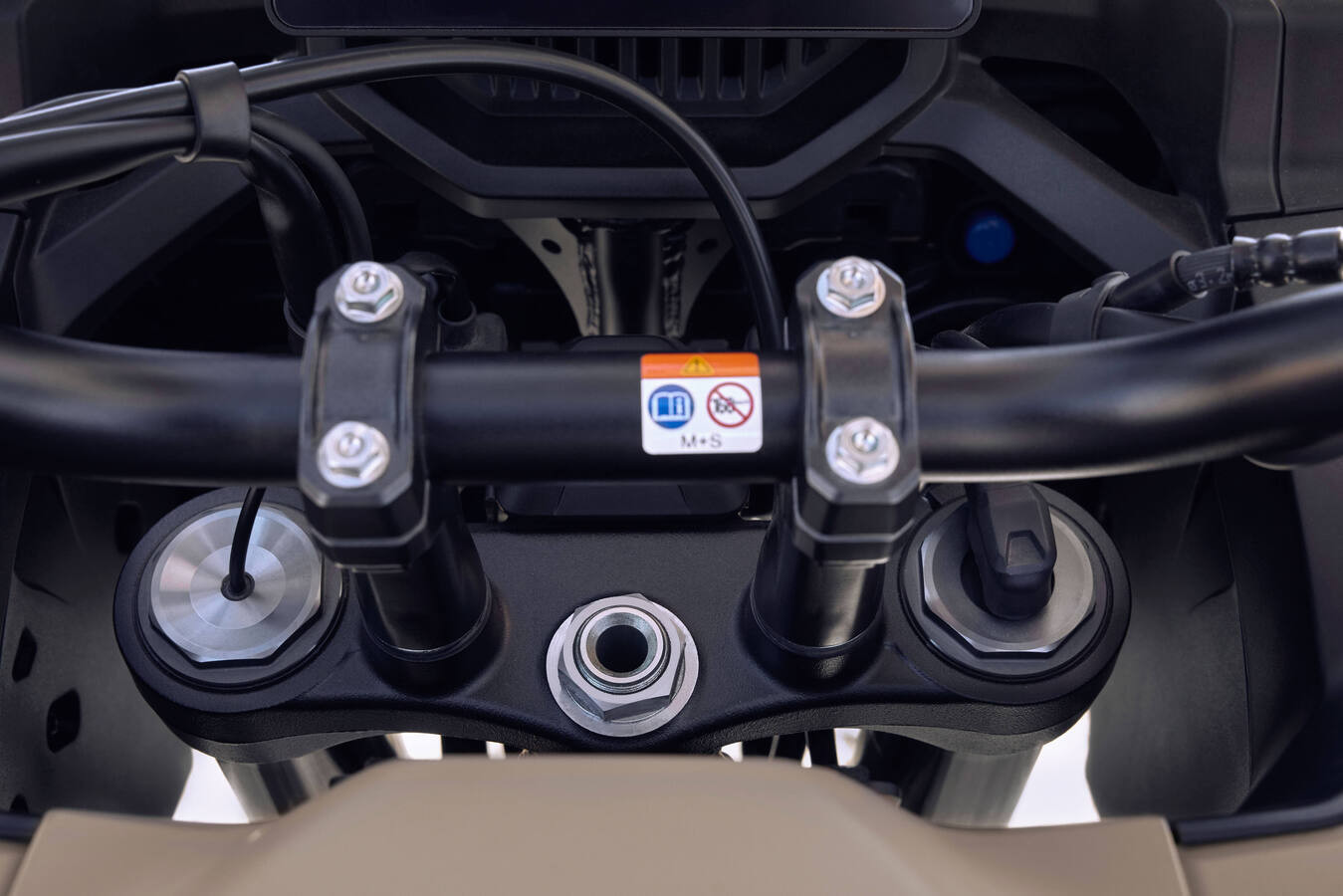
The standard Africa Twin now receives Showa’s electronically controlled EERA suspension, incorporating Honda Skyhook Control to continuously adjust damping. The riding position has changed too, with narrower handlebars positioned higher and further forward, while the footpegs move slightly inward and rearward.
Up front there’s new styling, LED lighting and an electrically adjustable windscreen. Honda has also introduced a new 7-inch TFT touchscreen accompanied by a 5.7-inch information display. Wireless Apple CarPlay and Android Auto connectivity are included, along with redesigned backlit switchgear.
It’s a significant equipment upgrade for a motorcycle that already had a fairly comprehensive electronics package.
Enduro Sports: For Riders Who Prefer the Dirt
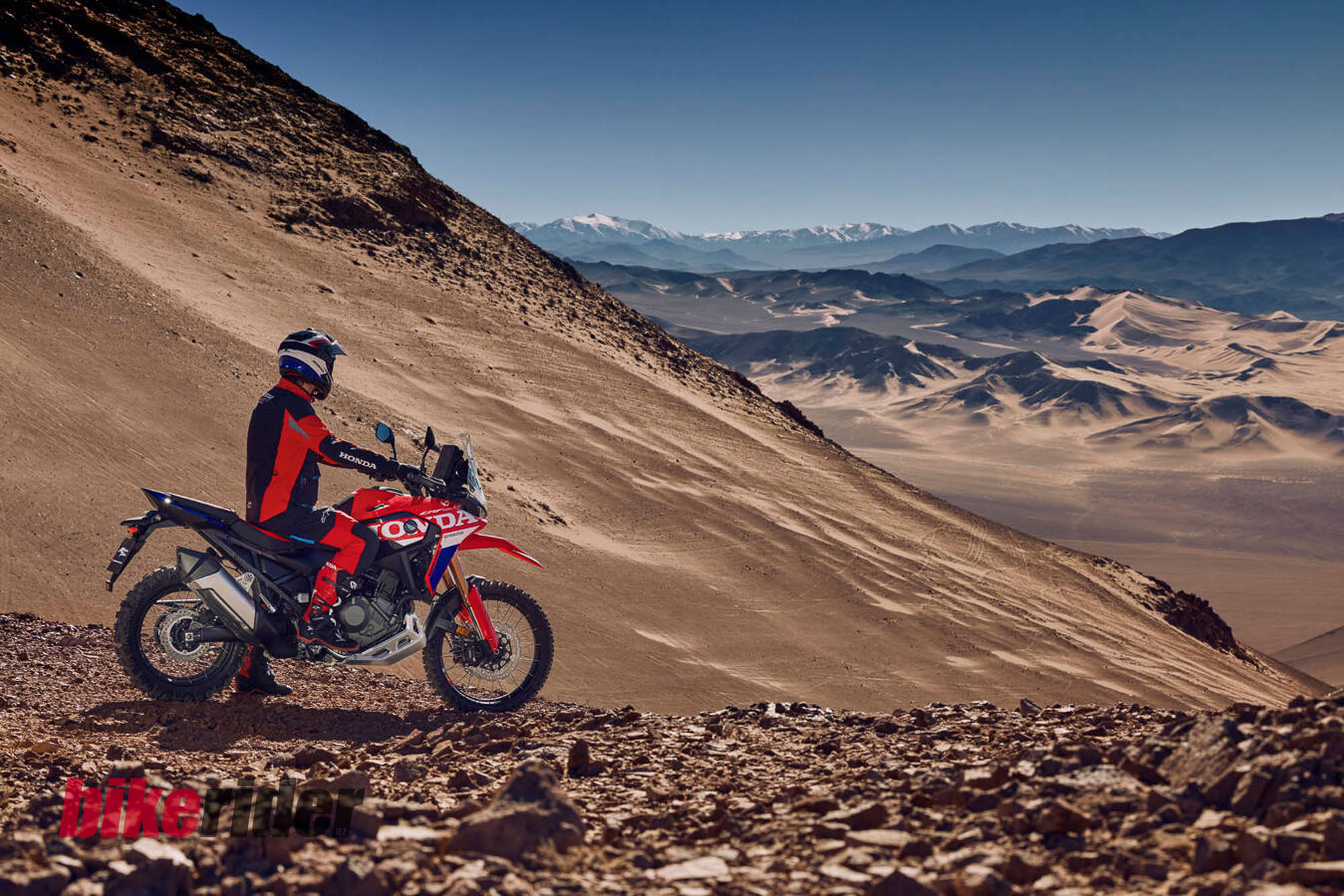
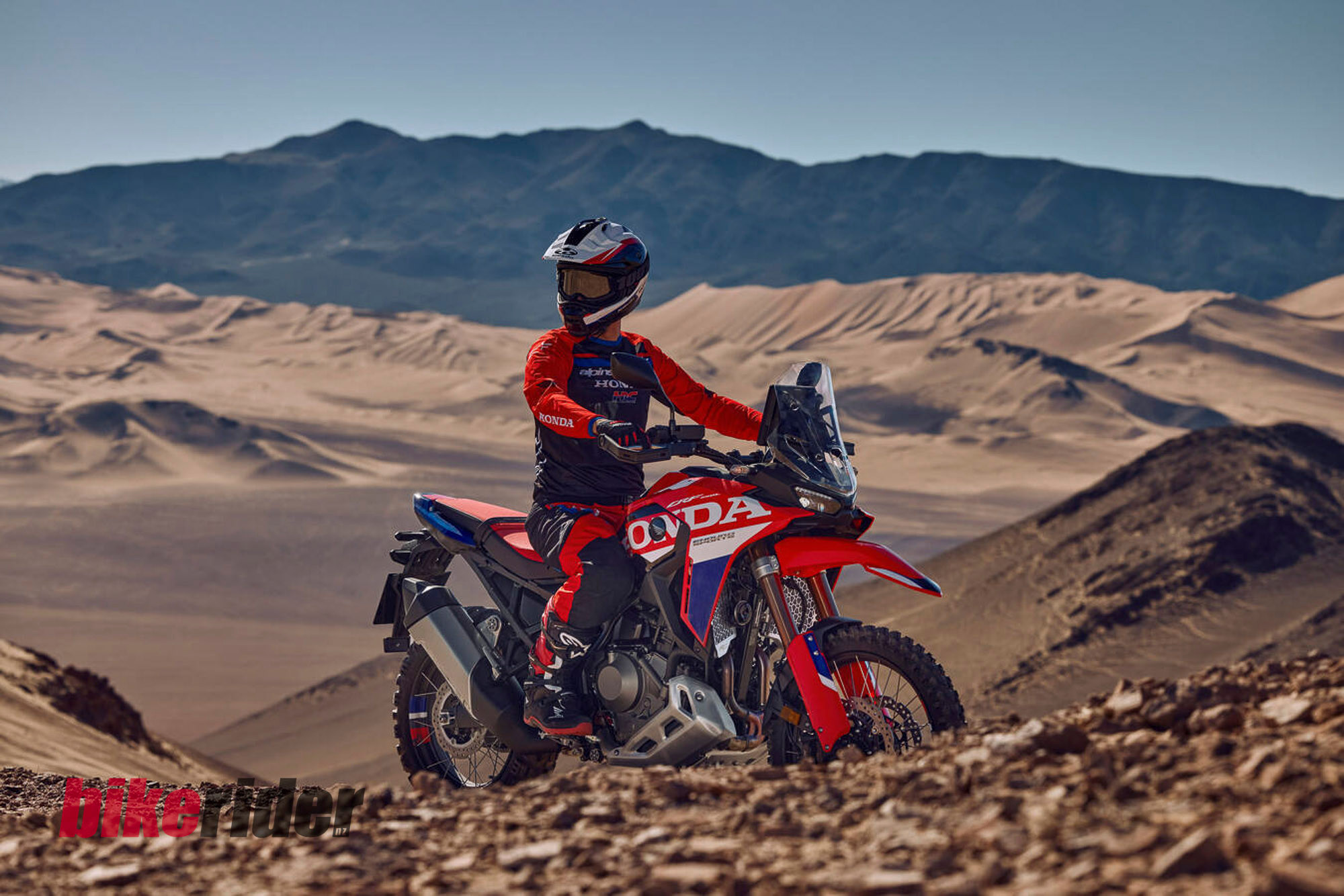
Arguably the most interesting addition is the new Africa Twin Enduro Sports. Rather than simply fitting another set of adventure accessories, Honda has given this model a distinctly different character.
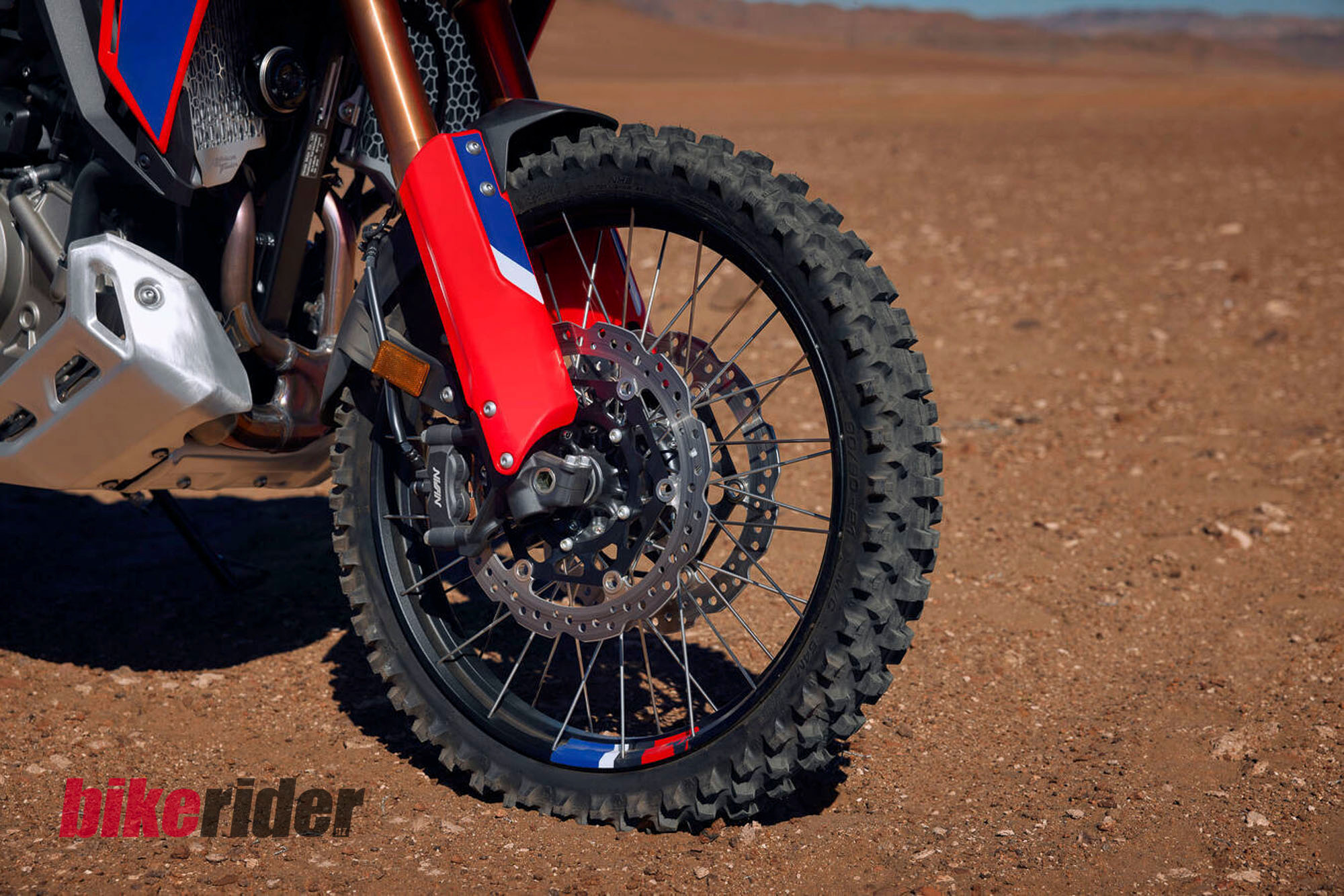
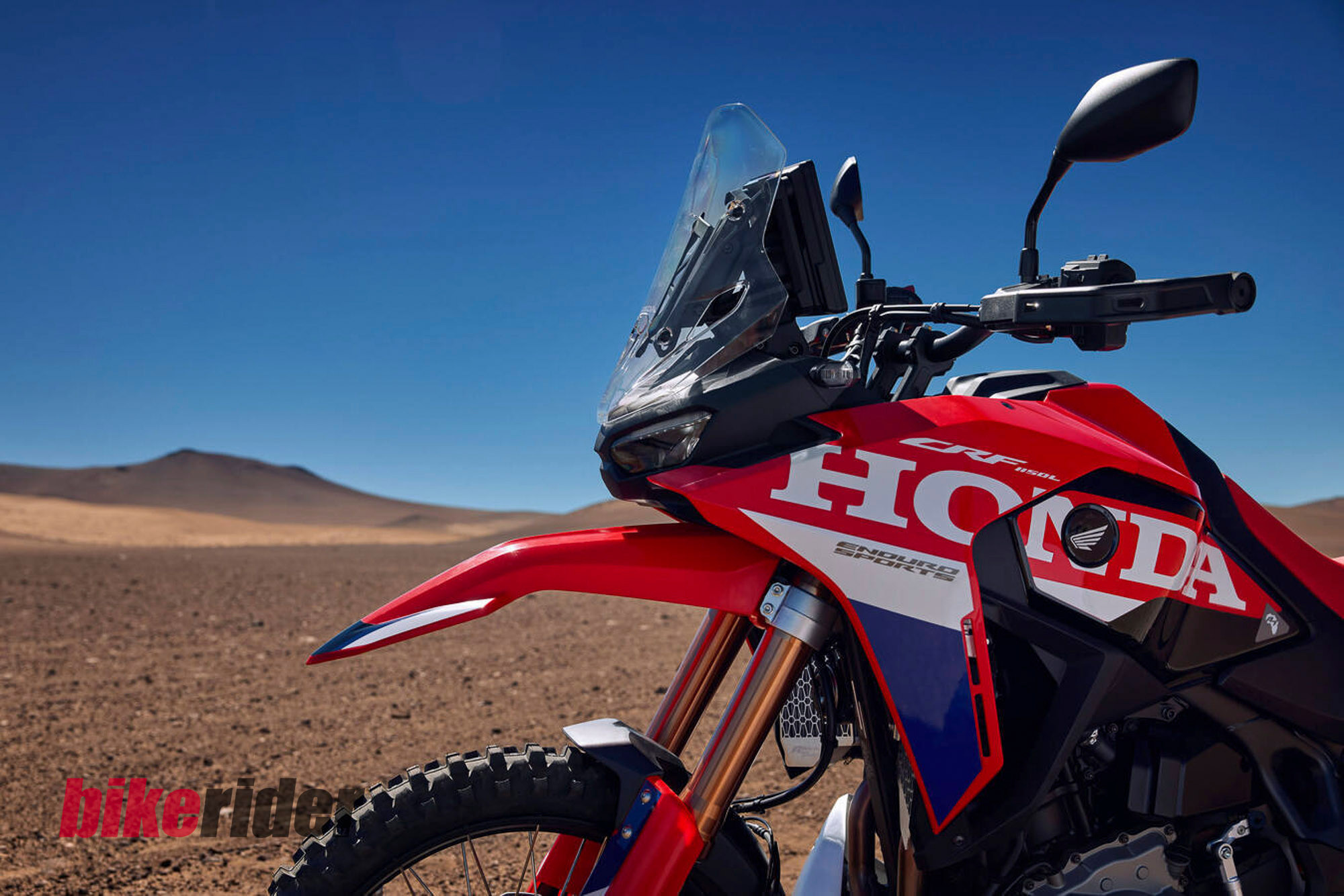
There’s rally-inspired bodywork, a high front mudguard, compact LED headlights and a smaller screen. More importantly, it receives fully adjustable 49mm Showa closed-cartridge forks developed to CRF450RALLY specification, offering 240mm of front suspension travel.
Rather than simply fitting another set of adventure accessories, Honda has given this model a distinctly different character.
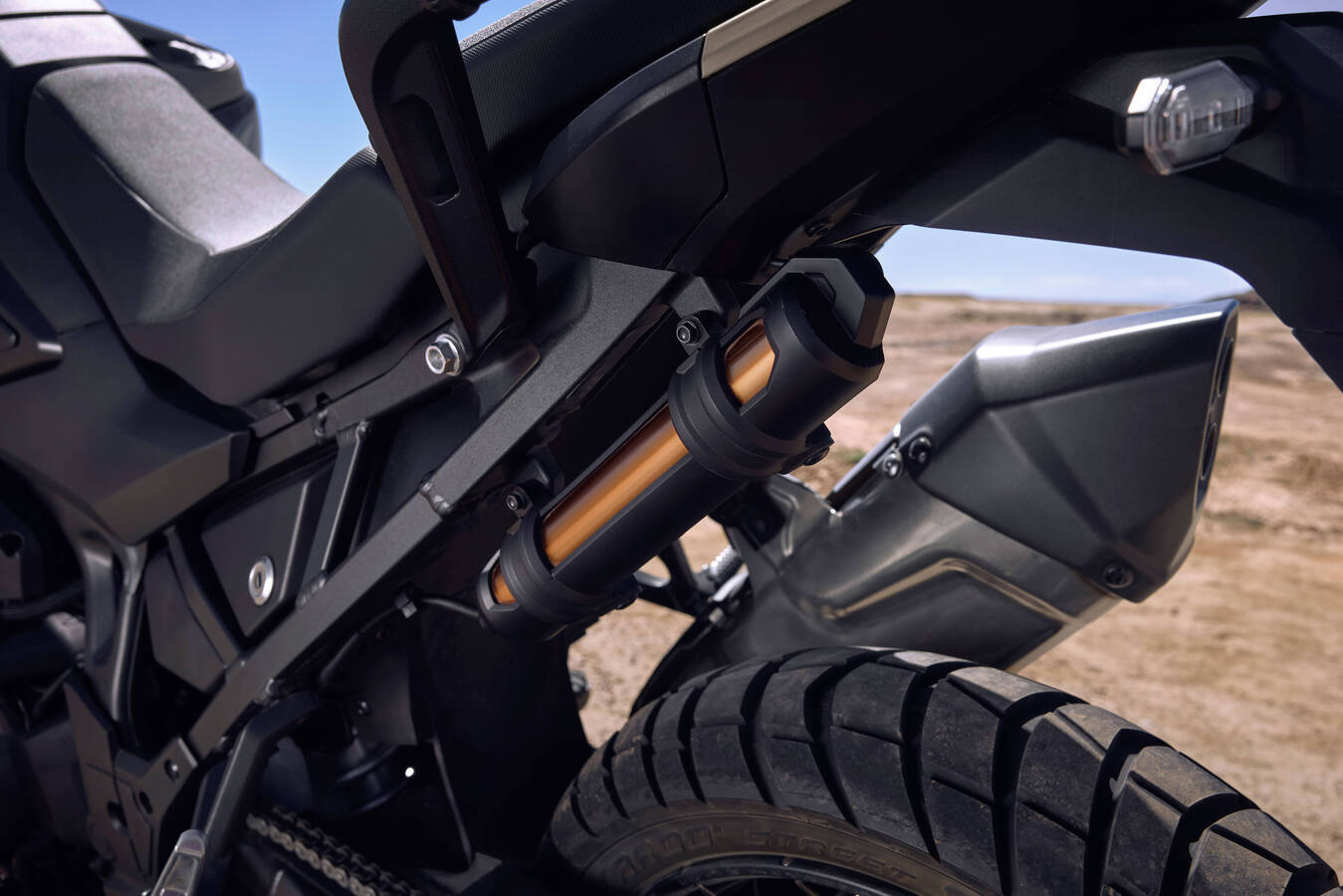
The rear Showa shock provides 230mm of travel, while ground clearance increases to 260mm. That’s 20mm more clearance and an additional 20mm of suspension travel at both ends compared with the standard Africa Twin.
Kerb weight is a claimed 228kg for the manual version, 9kg less than the standard model. DCT raises that to 239kg. The Enduro Sports runs a 21-inch front and 18-inch rear wheel combination with tubeless tyres, while its seat adjusts between 870mm and 890mm.
This is a tall motorcycle, particularly for anyone who struggles to get both boots on the ground. It also makes the Enduro Sports an interesting alternative to motorcycles such as the KTM 890 Adventure R and Ducati DesertX, although we’ll have to wait until we’ve ridden it before making any handling comparisons.
Adventure Sports Gets Radar Assistance
At the other end of the range, the Africa Twin Adventure Sports continues as the more road- and touring-focused option. The headline addition is a new range-topping variant equipped with Honda SENSING RIDE.
This radar-assisted system brings adaptive cruise control with Stop & Go functionality, blind-spot information, collision warnings and several other rider-support features. The system also includes functions Honda calls Group Ride Assist, Distance Assist and Emergency Brake Assist.
The SENSING RIDE version is exclusively available with DCT, allowing the radar-controlled systems to work with the automatic transmission.
It’s an interesting development, particularly for riders who spend much of their time covering long distances on the road. Whether all those electronic systems are genuinely useful on a motorcycle, or simply another collection of features to manage, is something we’d be keen to discover.
Coming to New Zealand
The new Africa Twin family is heading to New Zealand, although local pricing and arrival dates haven’t yet been announced.
Given the range of changes, particularly the new Enduro Sports and radar-equipped Adventure Sports, it will be interesting to see how Honda positions the various models in the increasingly competitive large-capacity adventure market.
One thing is certain: the Africa Twin has moved forward substantially for 2027, and the Enduro Sports could prove to be the most interesting version of the lot.
Read our earlier coverage: Honda teases new ADV ahead of November 2 reveal.

2027 Africa Twin photo gallery