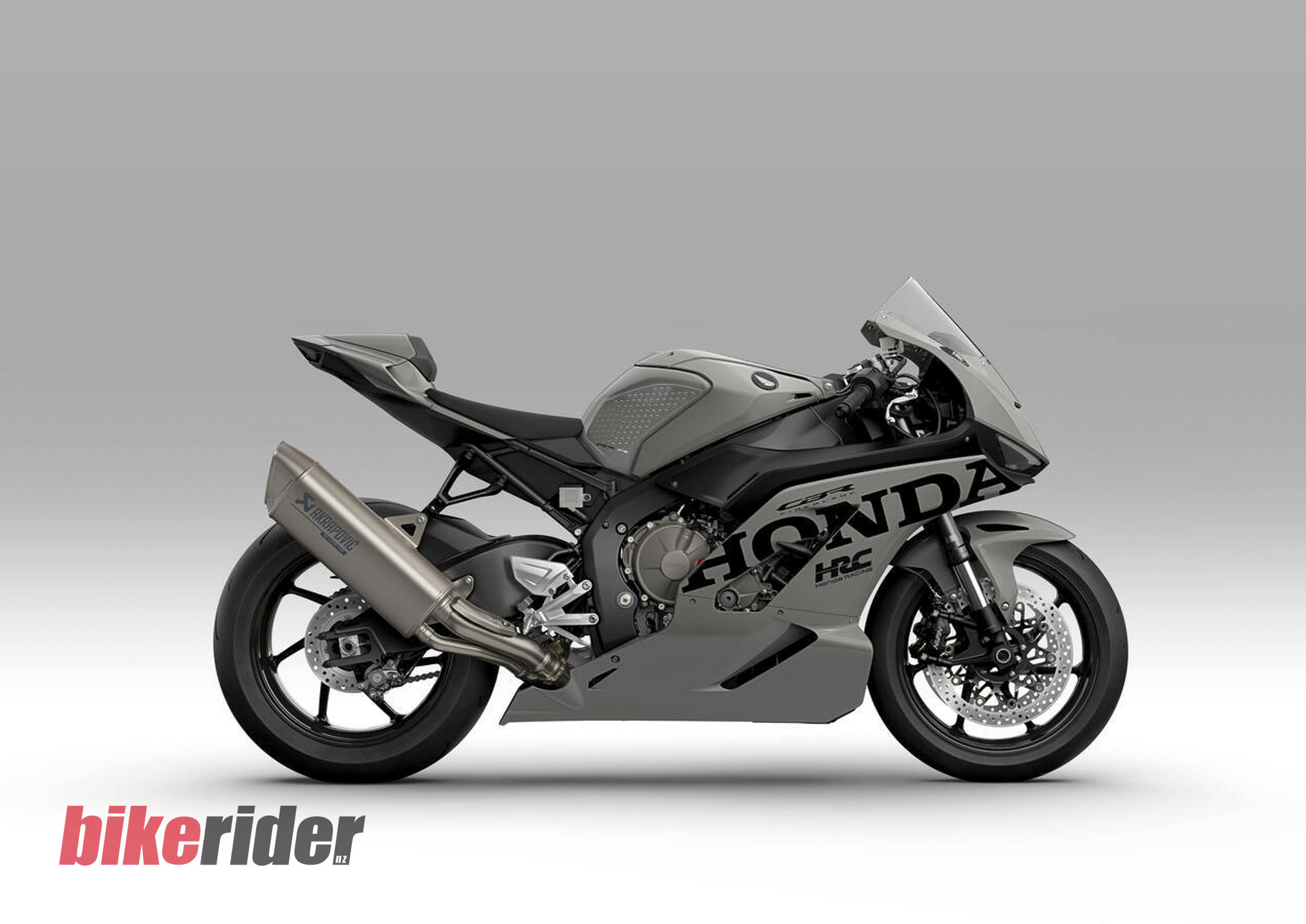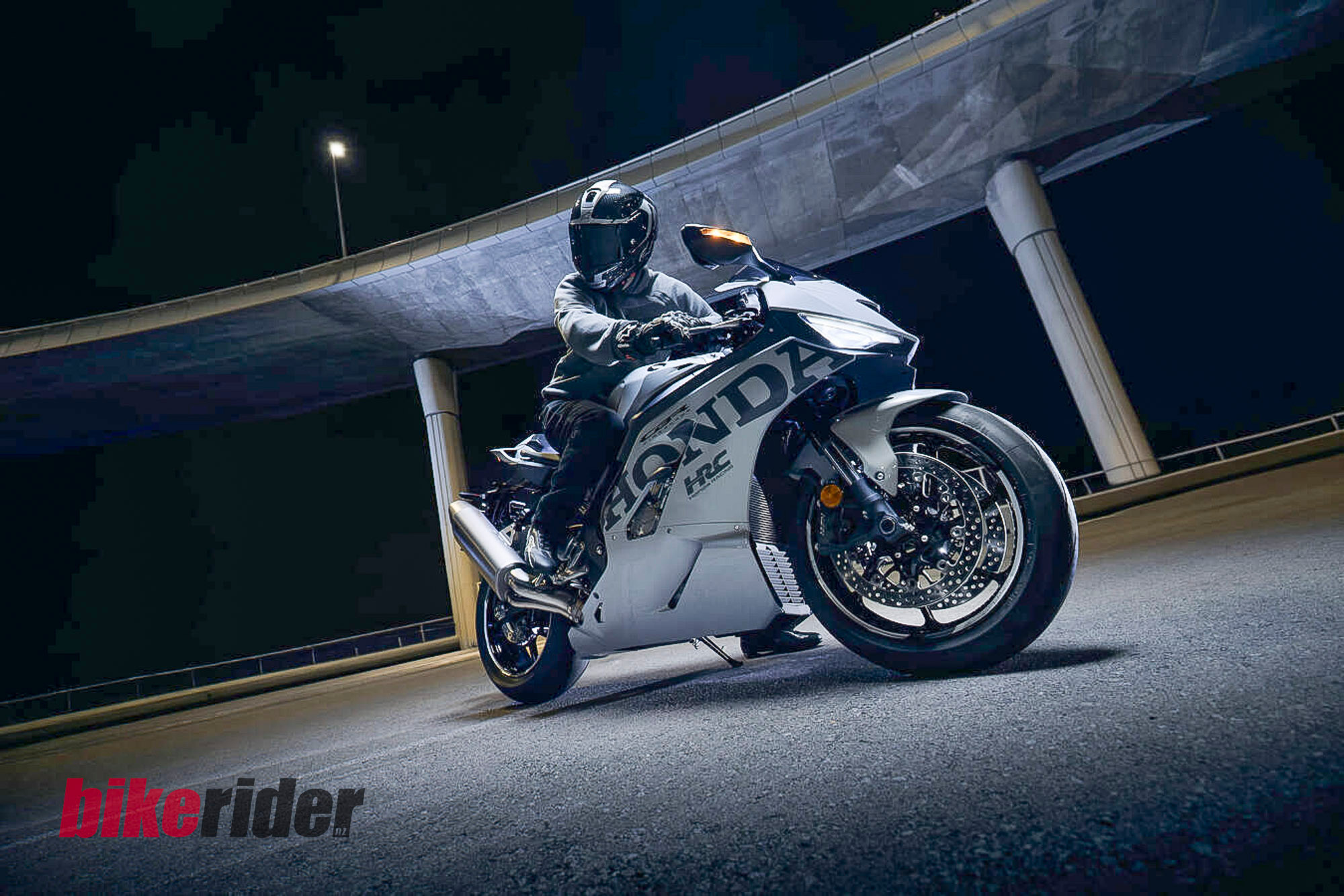


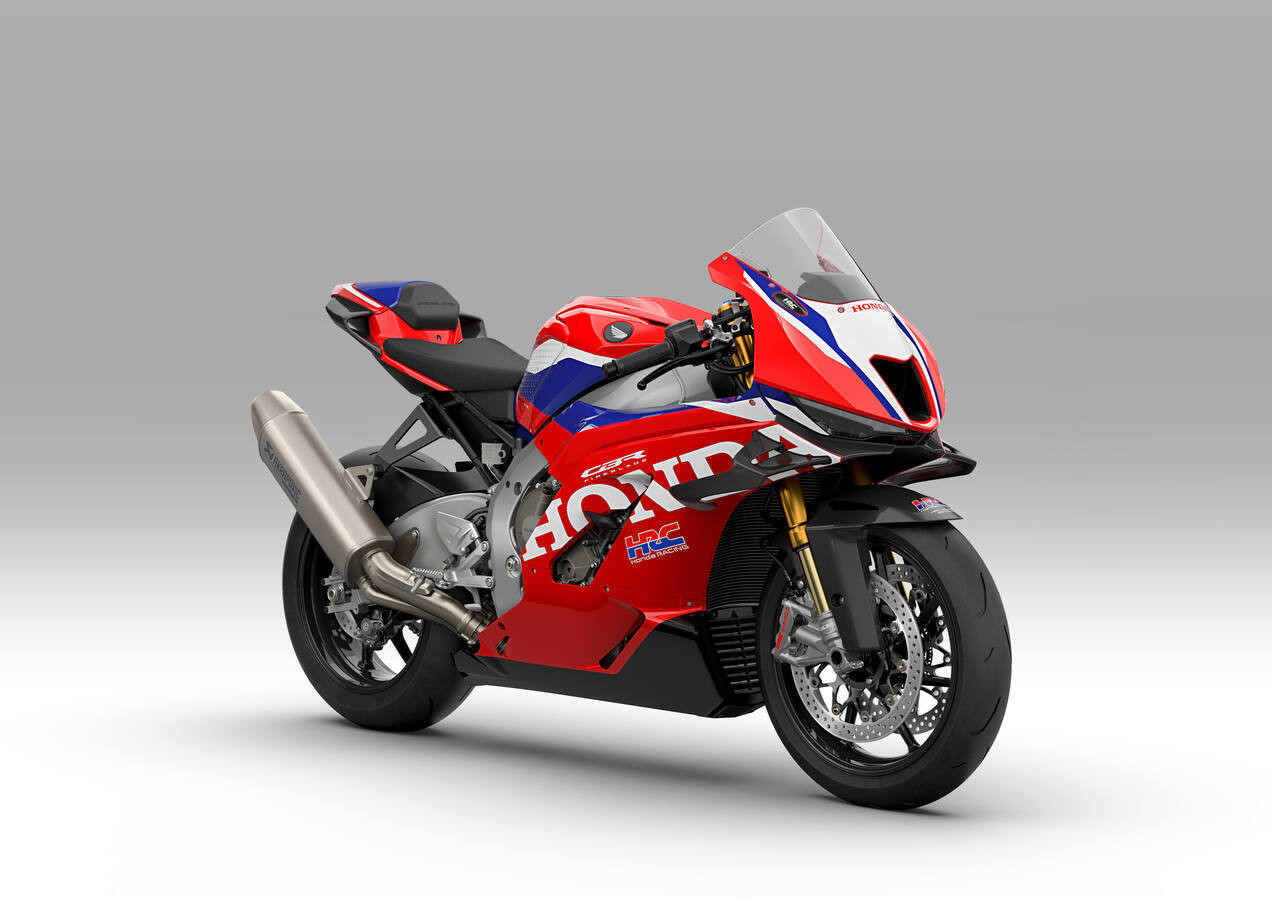
Honda has unveiled a substantially redesigned CBR1000RR-R Fireblade range for 2027, with a new chassis, revised engine, updated aerodynamics and an even more track-focused HRC Works Edition joining the line-up.
- New frame, swingarm and aerodynamic package developed with HRC.
- Revised 1,000cc inline-four produces a claimed 160kW and 114Nm.
- A new HRC Works Edition joins the standard Fireblade and SP models.
Honda’s Fireblade has never been short of performance, but in recent years it has struggled to match the success of its European rivals in World Superbike competition.
For 2027, Honda is taking a different approach. Rather than developing a road bike and adapting it for racing, Honda Racing Corporation (HRC) has been closely involved from the beginning, with the requirements of the race bike helping shape the new production model.
The result is one of the most significant Fireblade updates in recent years. And there’s a new HRC Works Edition sitting at the top of the range, suggesting Honda is getting particularly serious about its superbike racing ambitions.
A New Chassis
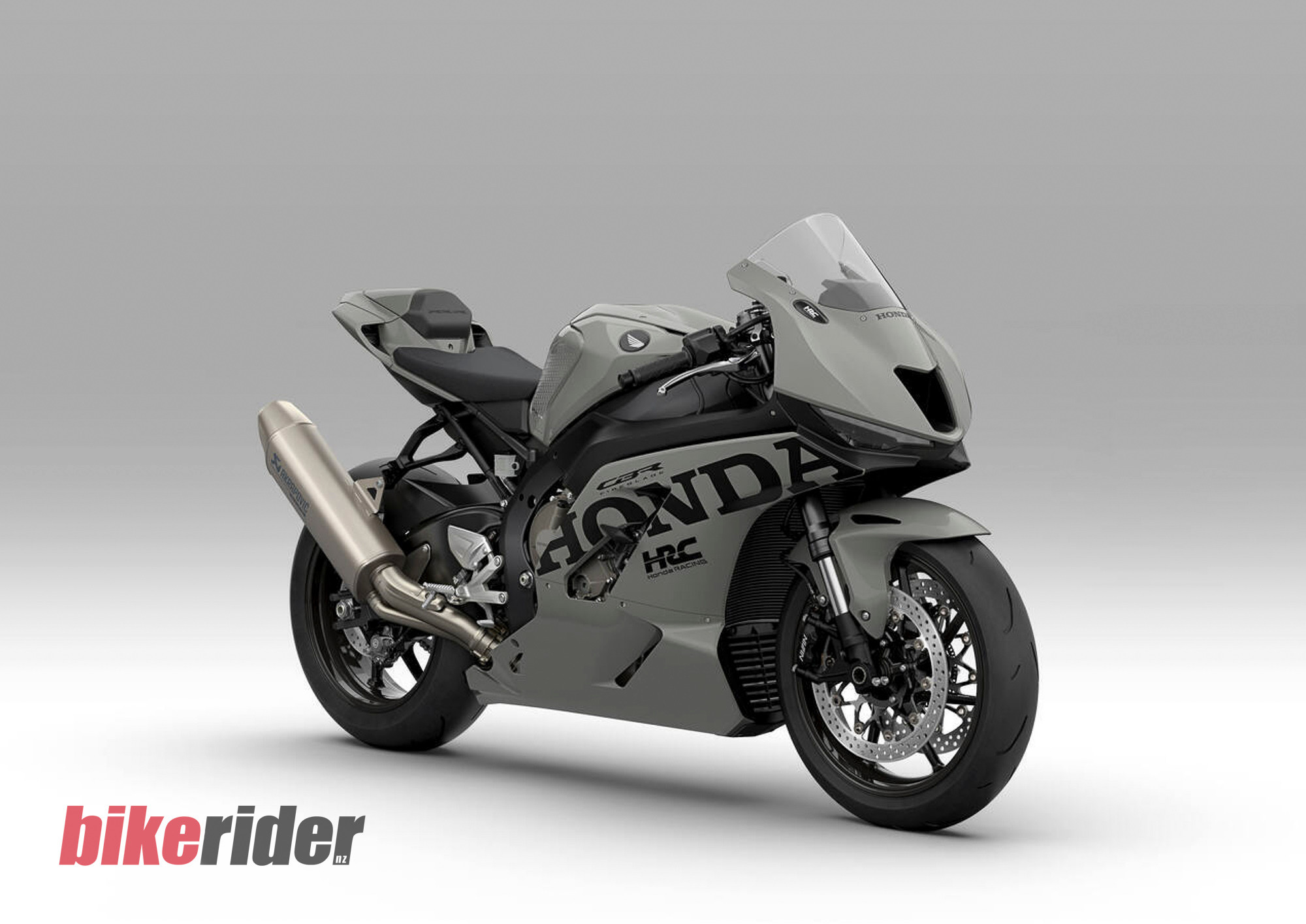
One of the biggest developments is an entirely new aluminium frame. Honda has revised its rigidity characteristics and steering geometry, aiming to improve front-end feedback and stability when entering corners.
The aluminium swingarm is also lighter, while revised wheels and a titanium fuel tank contribute to weight savings. The changes extend to the riding position, which has been revised along with the seat height.
MORE ARTICLES


Honda says the new chassis should provide greater confidence under braking and through the early stages of a corner, precisely where a high-performance superbike needs to communicate clearly with its rider. Of course, the proof will come on the road and circuit, rather than on a specification sheet.
The proof will come on the road and circuit, rather than on a specification sheet.
Familiar Power, Different Delivery
The 1,000cc inline-four engine remains a serious piece of machinery, producing a claimed 160kW and 114Nm.
Rather than chasing an enormous increase in peak power, Honda has concentrated on improving the engine’s performance through the middle of the rev range. Revised piston crowns, valve timing, cylinder-head components and combustion chambers are among the extensive changes.
There’s also a new two-stage Variable Air Funnel intake system designed to improve mid-range response without compromising high-rpm performance. The twin-motor throttle-by-wire arrangement continues, giving Honda precise control over throttle response and engine braking.
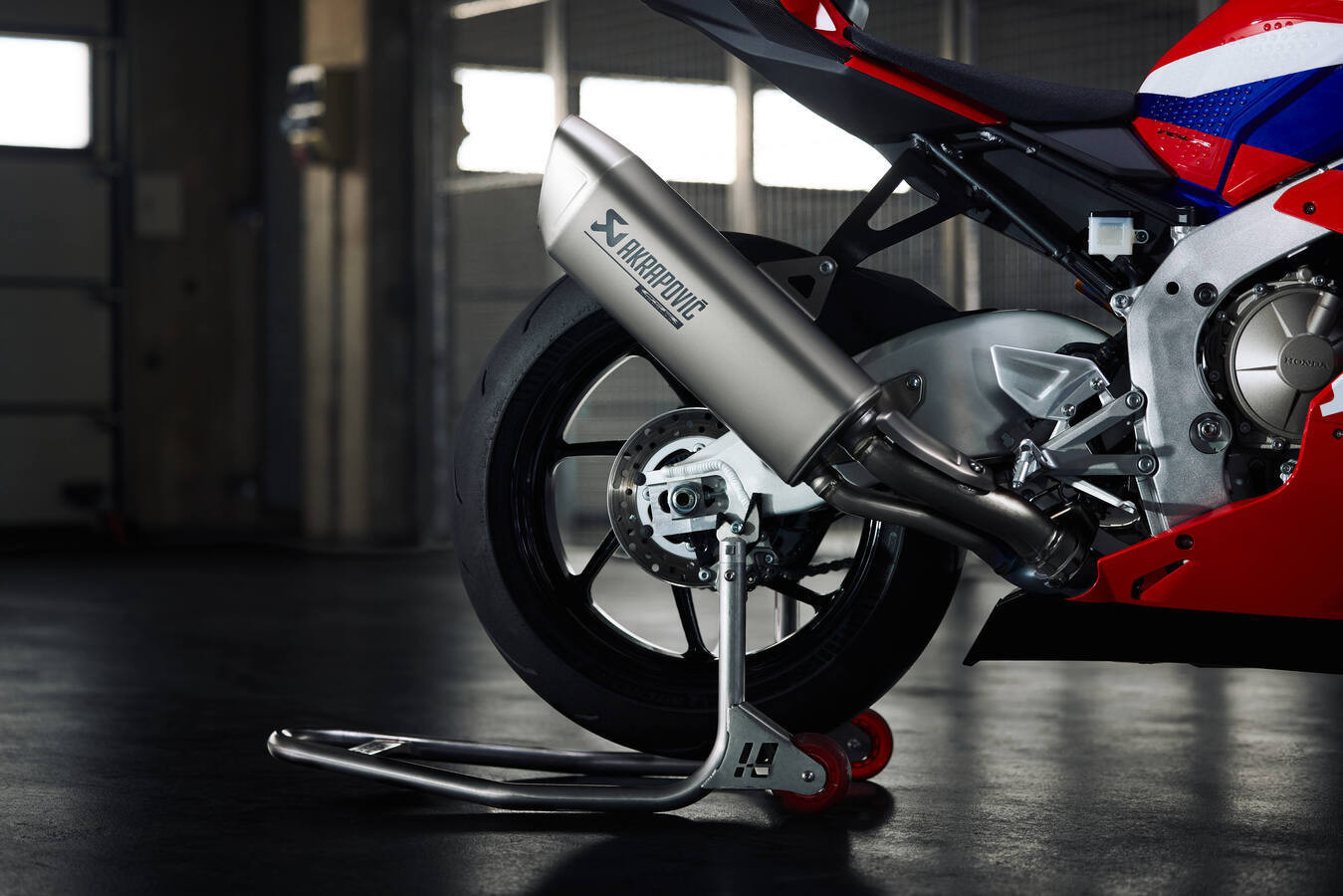
First gear is now five per cent taller, and a compact Akrapovič exhaust completes the package. The standard model is claimed to be 1kg lighter than its 2024-generation predecessor.
A Different Approach to Aerodynamics
Earlier spy photographs from testing at Jerez suggested Honda was working on a dramatically revised aerodynamic package. Now we know what it looks like.
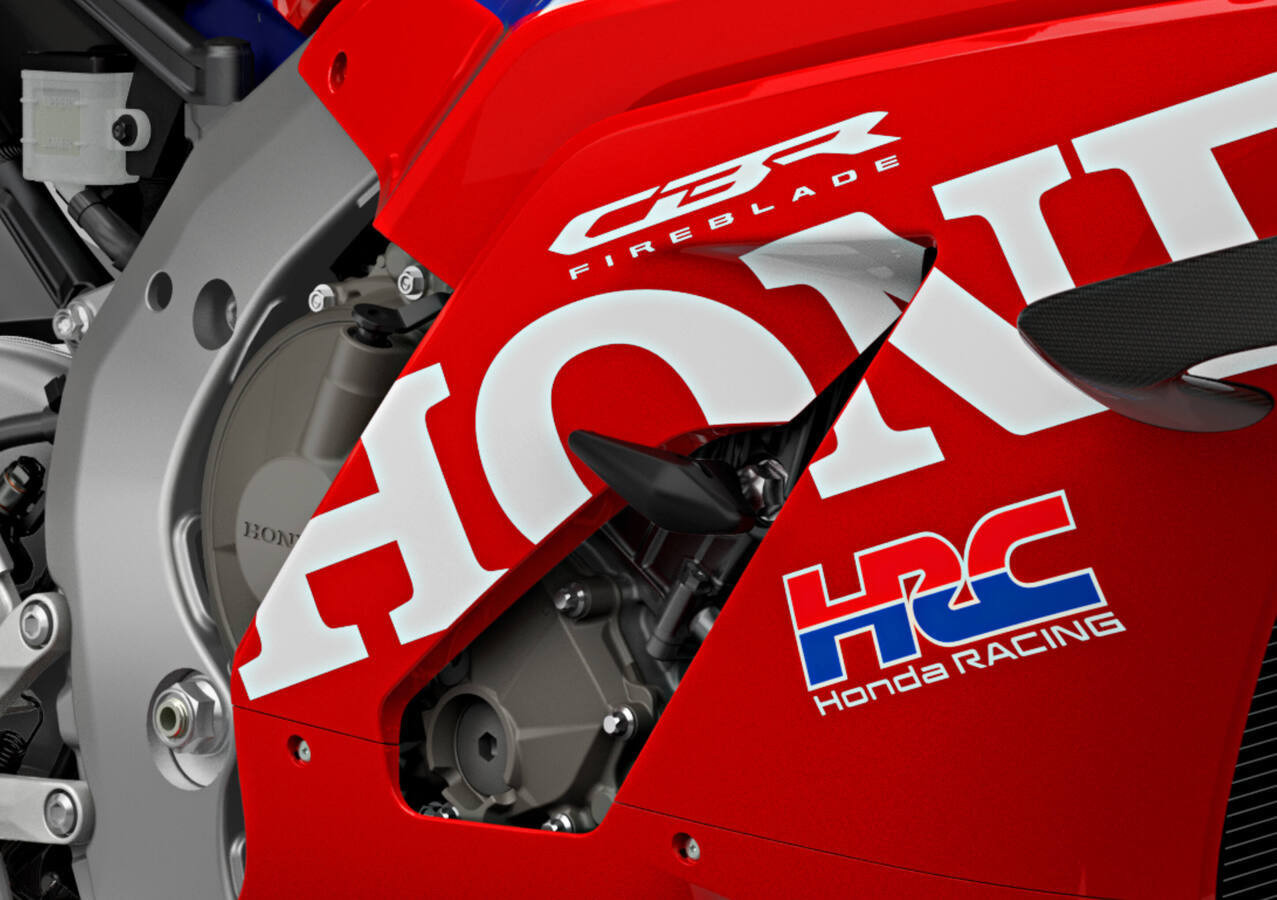
The 2027 Fireblade features redesigned fairing panels, with aerodynamic elements more closely integrated into the bodywork. Honda says the new arrangement produces the same level of downforce as the previous winglet-equipped design, while offering a cleaner appearance.
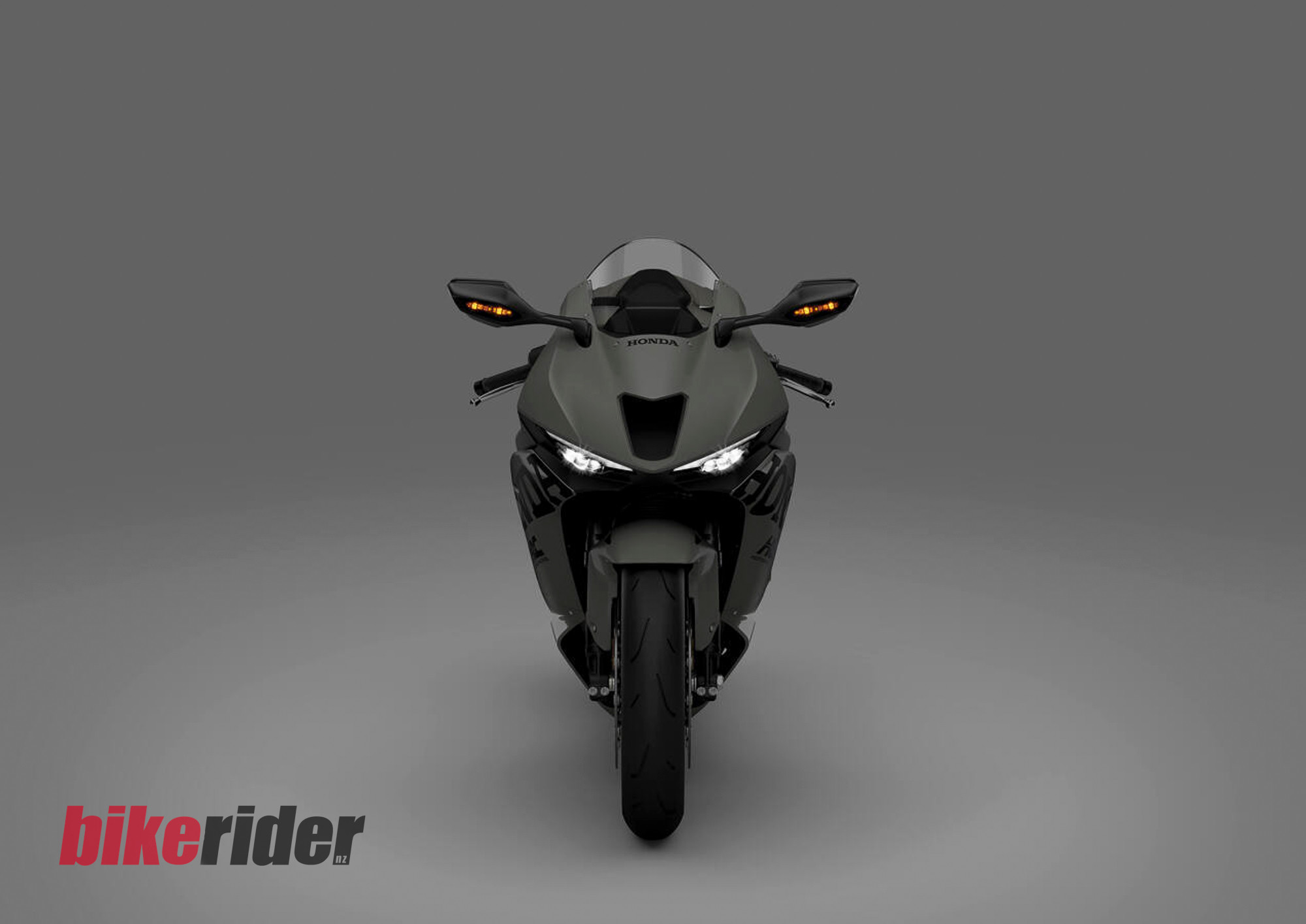
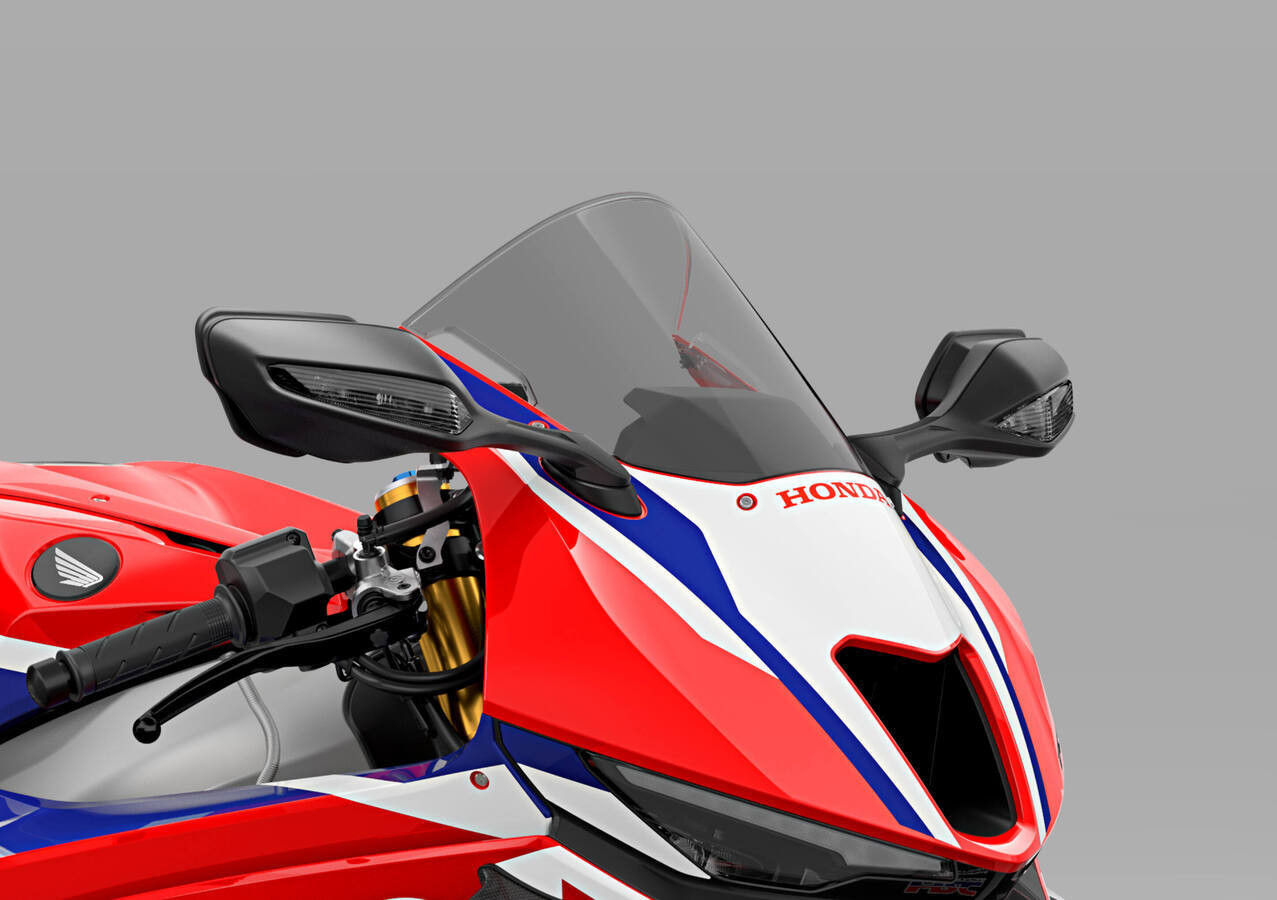
The revised front end also incorporates new LED lighting. It’s a slightly different direction from the increasingly elaborate wings appearing on some rival superbikes, although the side-mounted aerodynamic elements remain a prominent part of the design.
Fireblade SP Adds Premium Suspension and Brakes
The Fireblade SP takes the new platform and adds more sophisticated running gear.
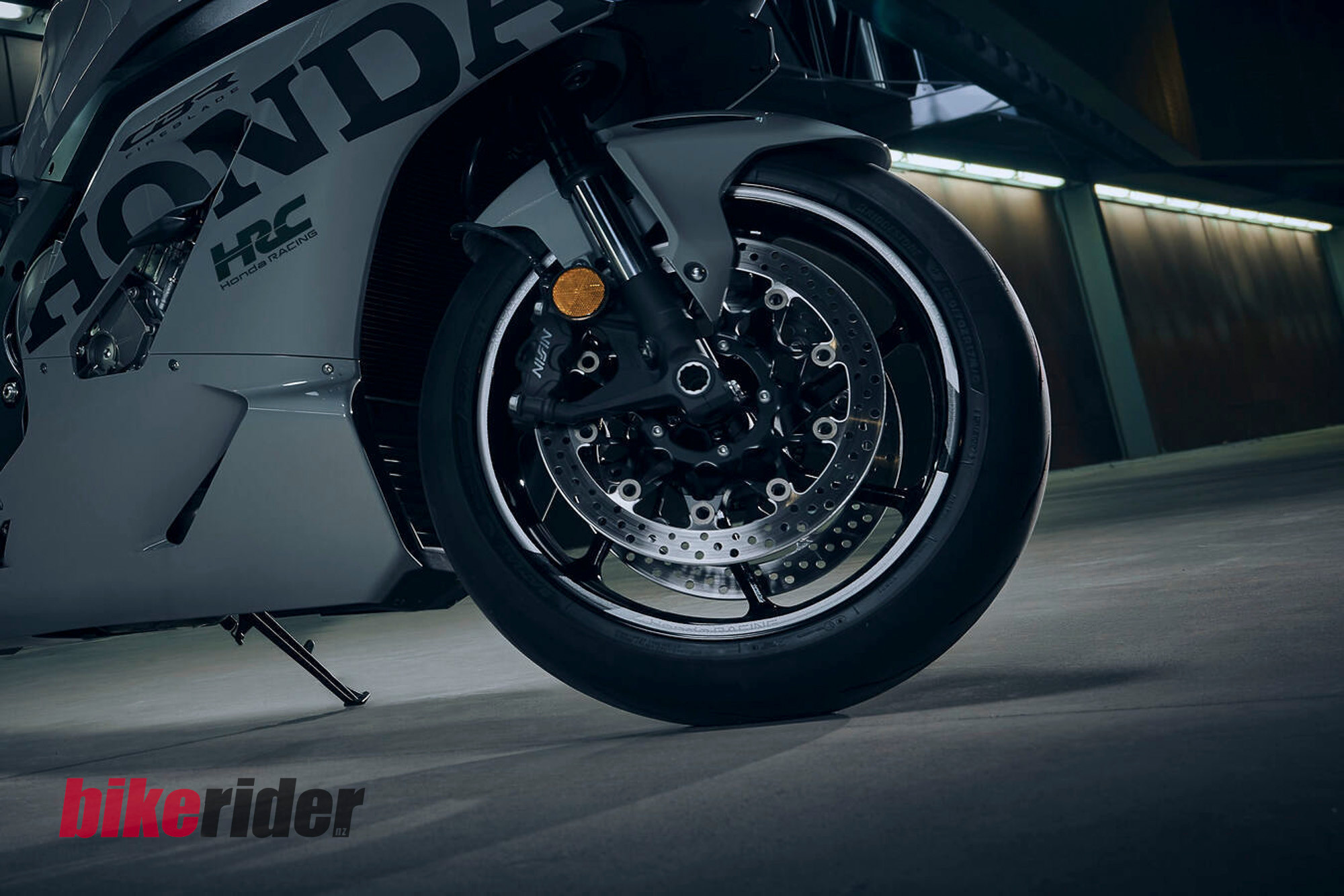
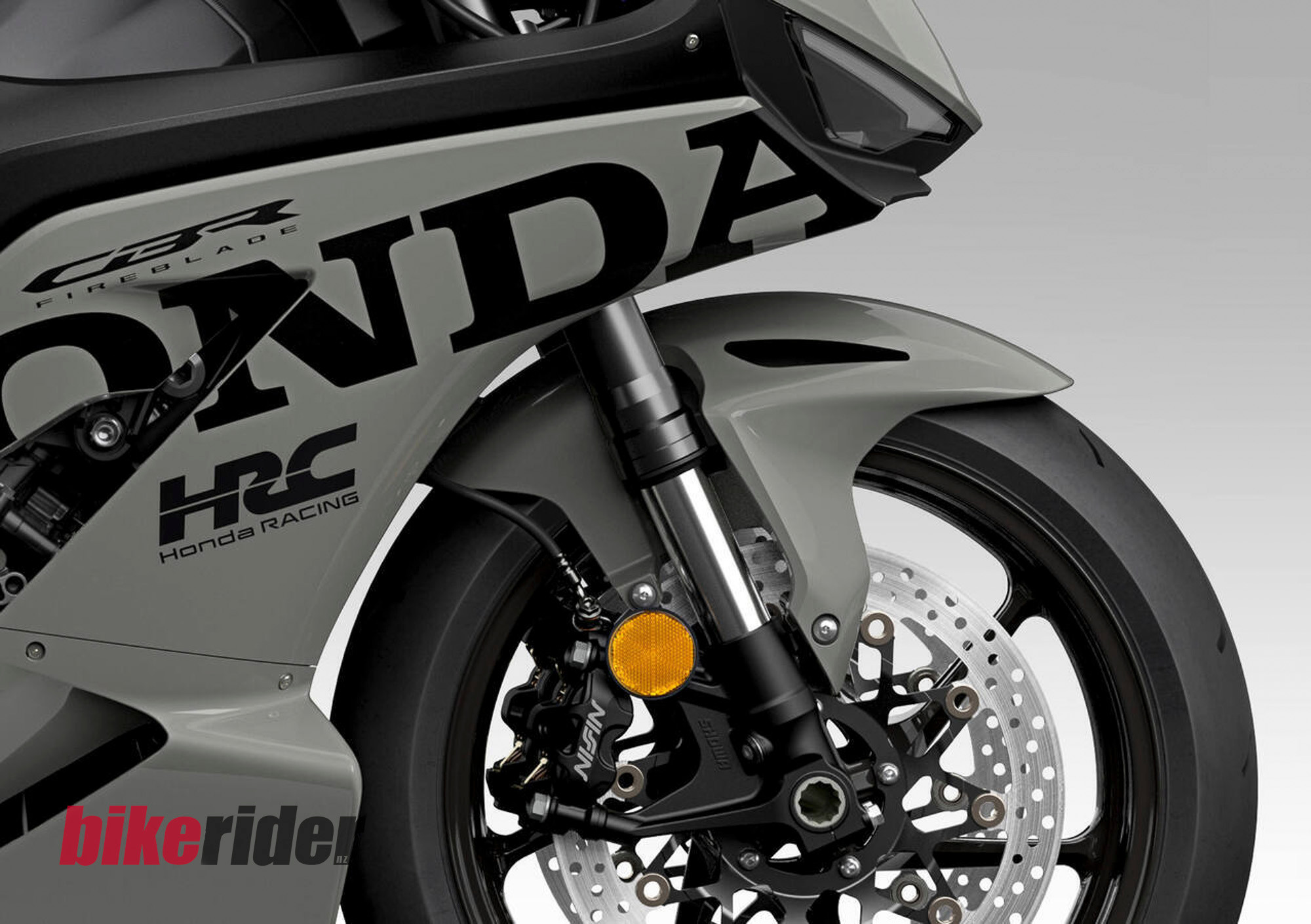
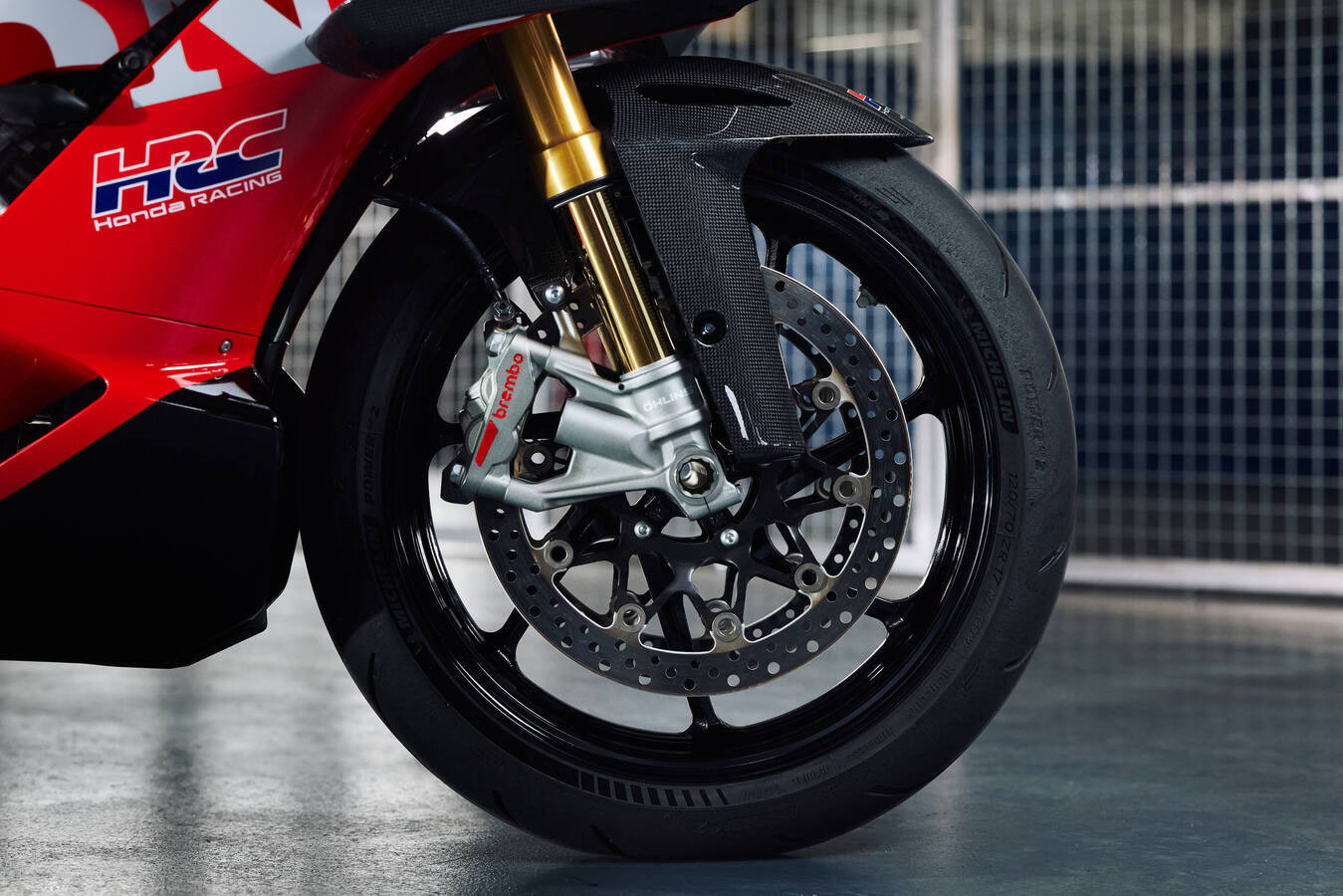
Öhlins Smart Electronic Control suspension is fitted, including 43mm NPX front forks and a TTX36 rear shock, controlled through the latest Objective Based Tuning interface. Braking is upgraded to Brembo Hypure four-piston front calipers, working with 330mm discs.
The standard Fireblade uses Showa suspension and Nissin brakes, so the SP remains the more premium road and circuit option.
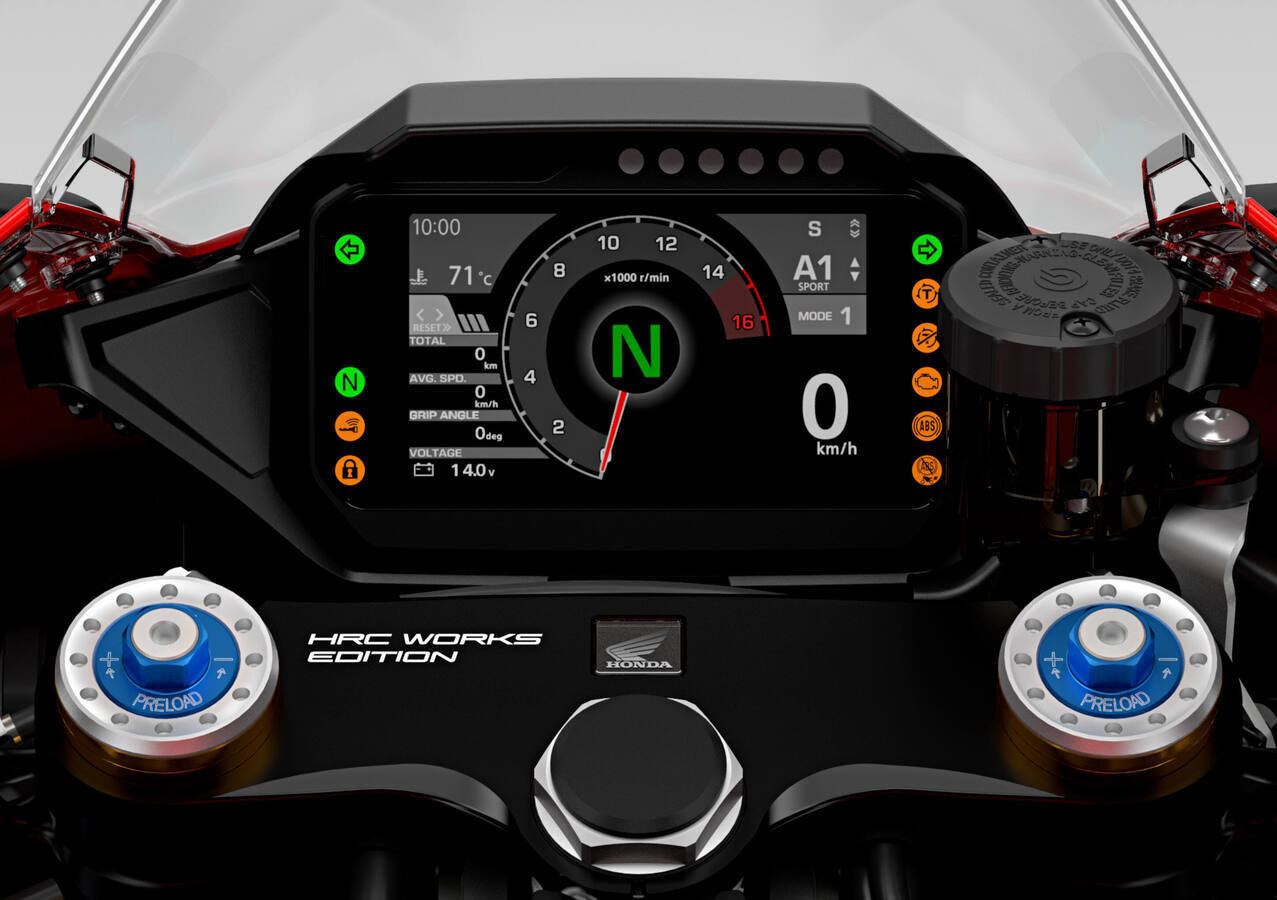
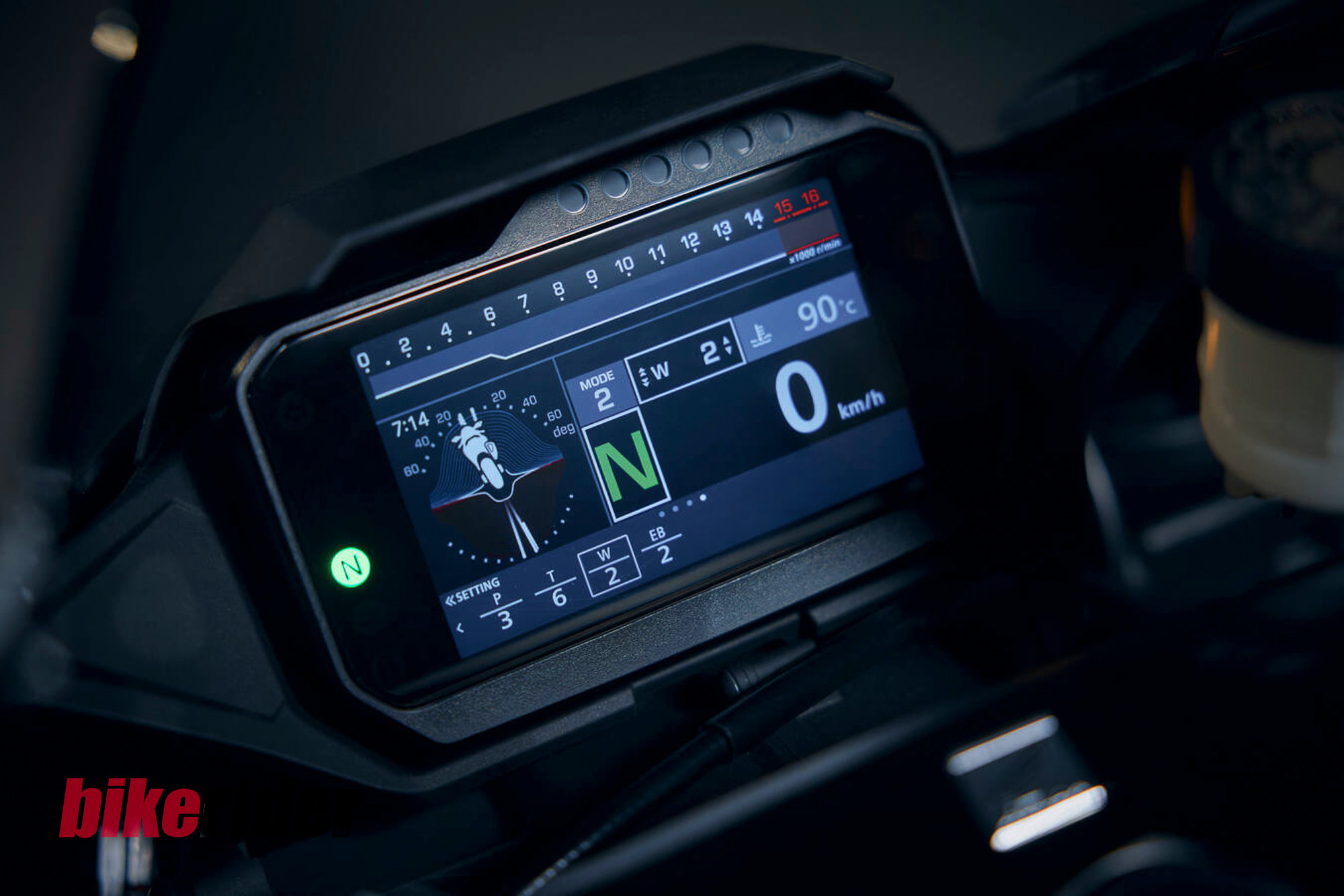
Both models receive a revised electronic package, with a six-axis IMU, adjustable riding modes, traction control, engine-braking management, wheelie control and launch-related settings. A five-inch TFT display and redesigned switchgear provide access to the electronics.
Enter the HRC Works Edition
The biggest talking point for track riders is the new Fireblade HRC Works Edition.
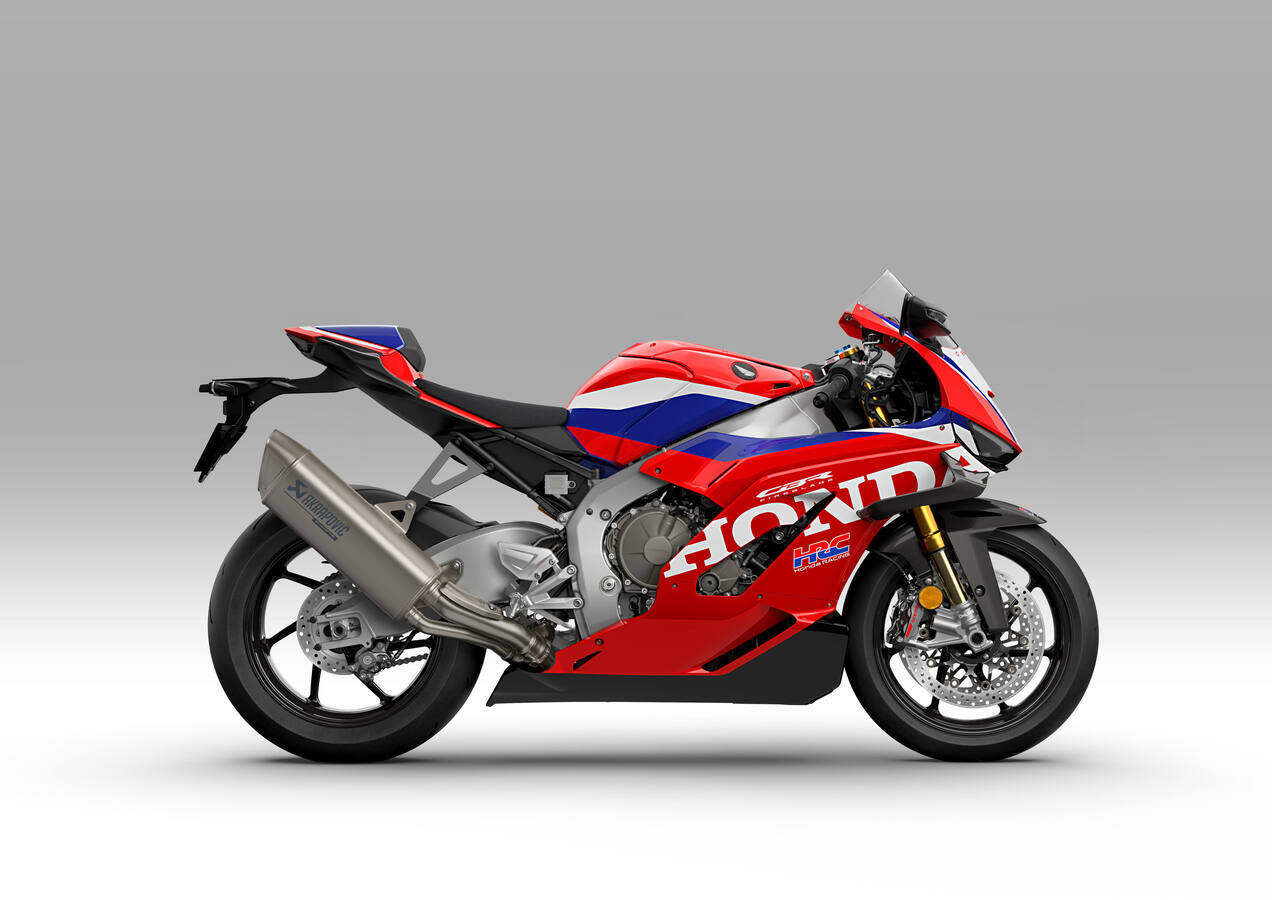
Based on the SP, this model takes the racing influence a step further with a single-seat configuration, carbon-fibre-reinforced components and model-specific aerodynamic winglets designed to increase downforce.
It’s the closest model in the new range to Honda’s racing development programme. The HRC Works Edition is clearly aimed at riders more interested in lap times than taking a pillion to the café.
The HRC Works Edition is clearly aimed at riders more interested in lap times than taking a pillion to the café.
Whether that translates into a measurable advantage on track remains to be seen, but it’s an interesting indication of where Honda wants to take the Fireblade.
2027 Fireblade Range
| Model / item | Key details |
|---|---|
| CBR1000RR-R Fireblade | Showa suspension; Nissin brakes; revised integrated aero |
| CBR1000RR-R Fireblade SP | Öhlins electronically controlled suspension; Brembo Hypure brakes |
| CBR1000RR-R Fireblade HRC Works Edition | SP-derived platform; single seat; carbon-fibre-reinforced parts; bespoke winglets |
Heading to New Zealand?
We expect the 2027 Fireblade range is heading to New Zealand, although local pricing and arrival dates are still to be announced.
With Ducati’s Panigale V4 R, BMW’s M 1000 RR and other high-performance superbikes continuing to raise the bar, Honda has some serious competition.
The new Fireblade certainly looks like a determined response. We’ll be particularly interested to discover whether the chassis revisions and stronger mid-range make it a better motorcycle away from the racetrack, where most owners will spend the majority of their time.

2027 Honda Fireblade Gallery