

- New six-axis IMU, lean-sensitive electronics, cruise control and updated suspension transform the 2026 Yamaha R7 into a more sophisticated sports bike.
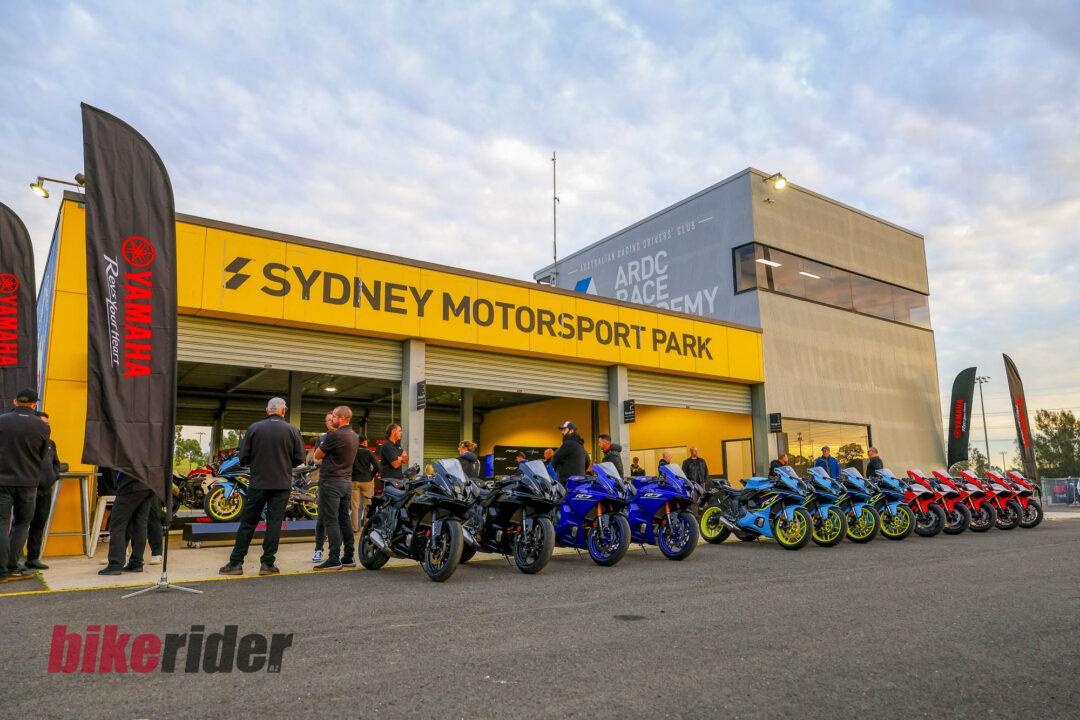
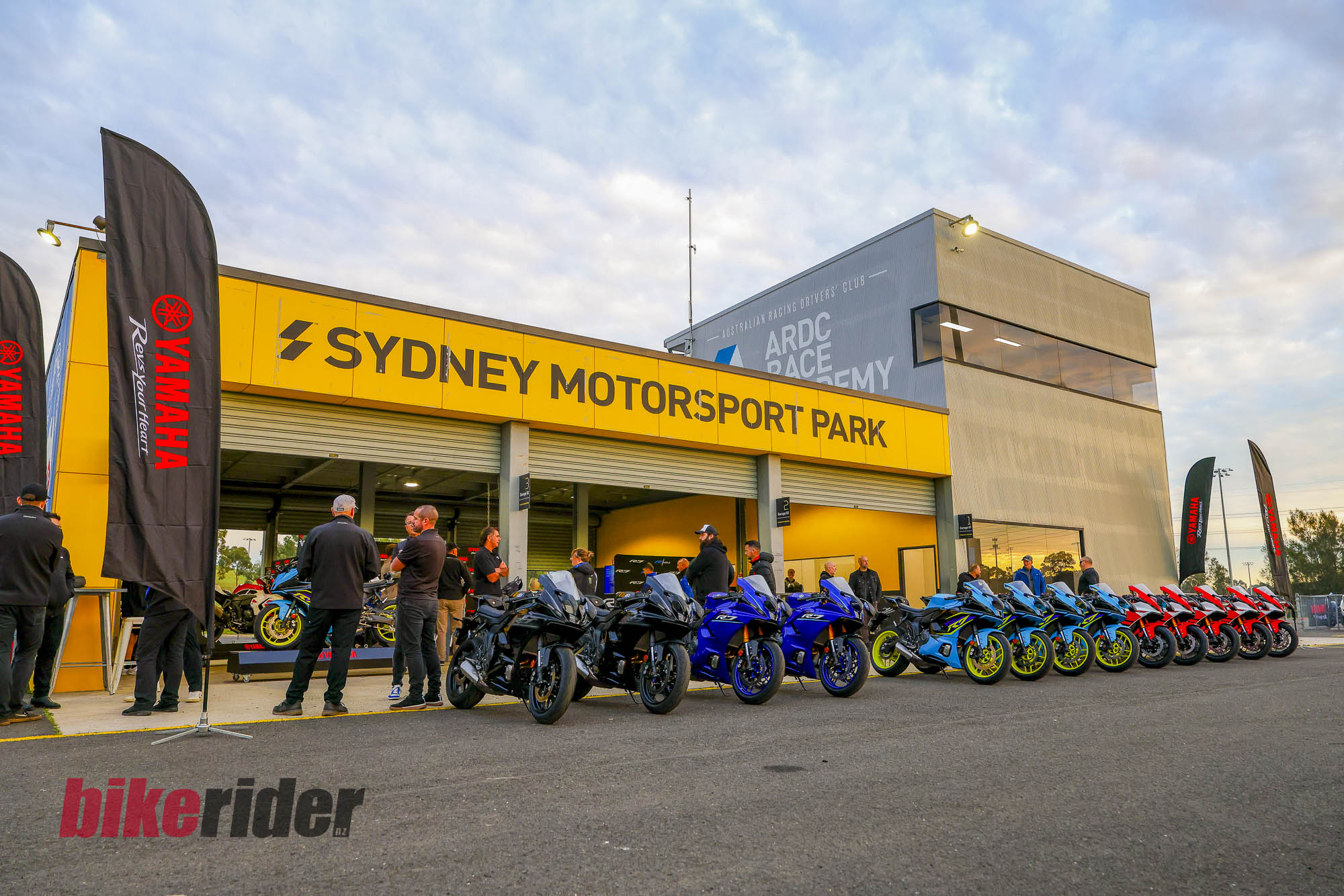
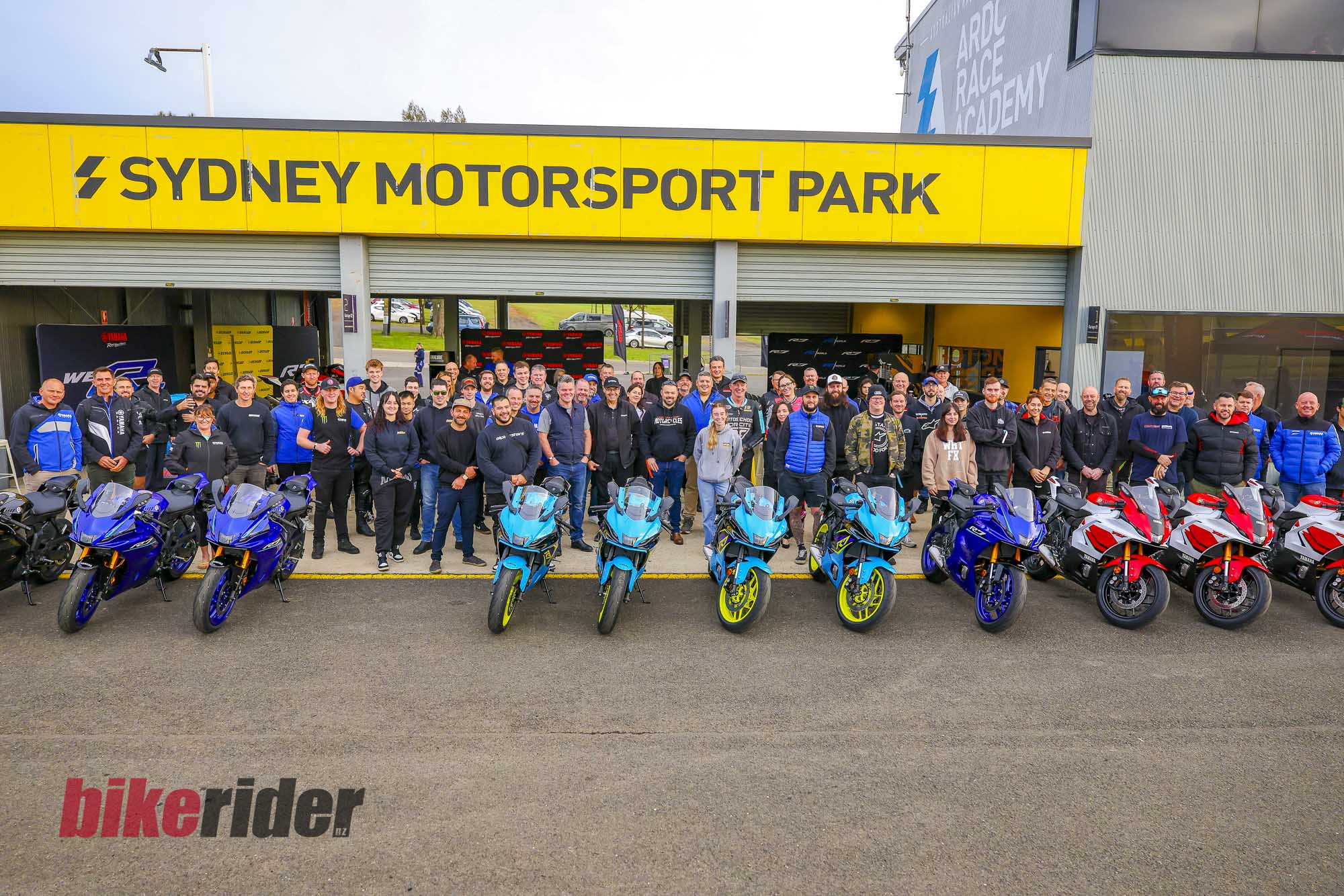
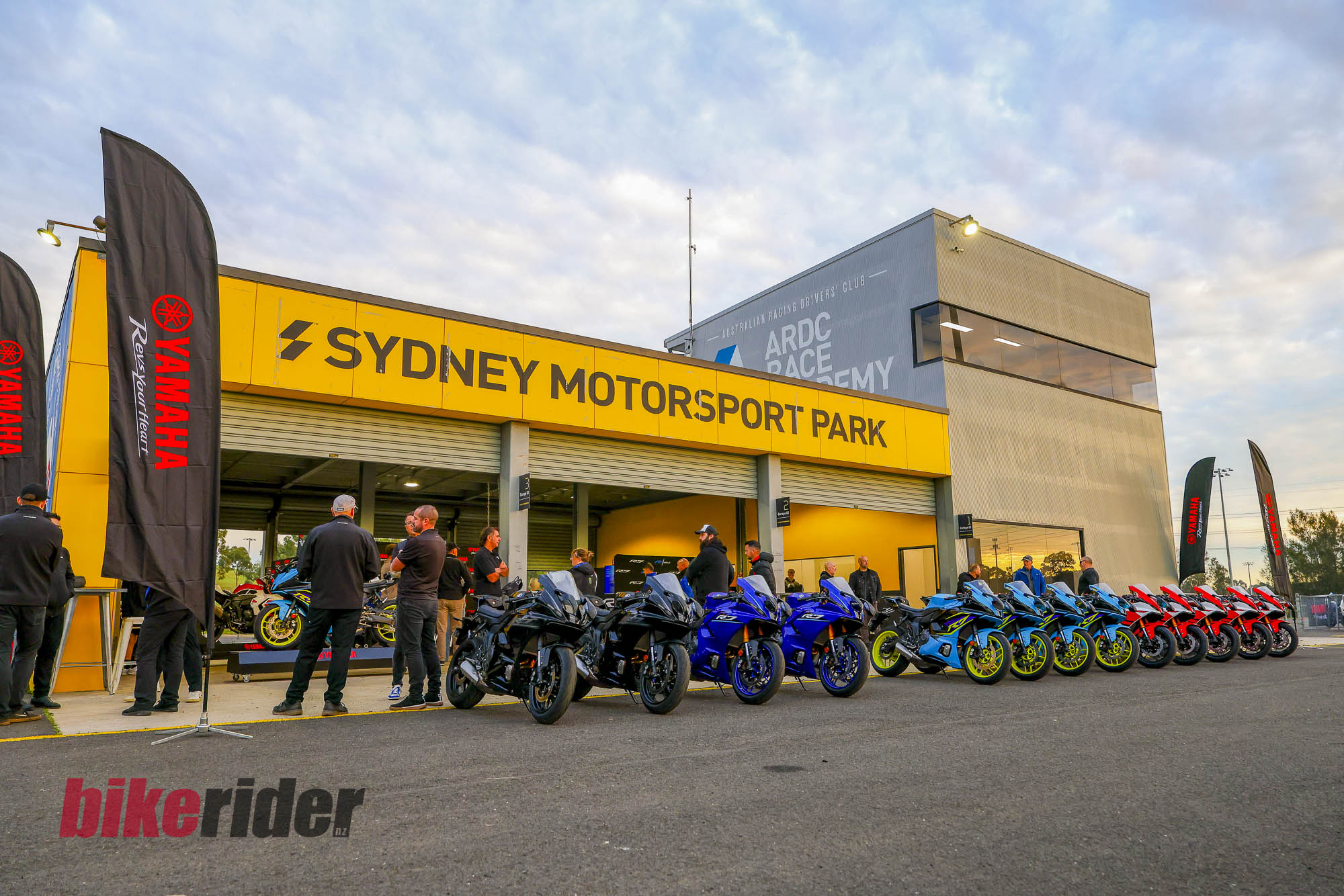
- BRM was the only New Zealand media outlet at Yamaha’s Australasian launch, testing the new R7 on road and at Sydney Motorsport Park’s tight and technical Southern Circuit.
- With around 80% of Australasian R7 sales being LAMS models, the updated R7 proves a learner-approved motorcycle can still deliver serious road and track thrills.
BRM was the only New Zealand media outlet at Yamaha’s Australian launch of the new R7, giving us the chance to test it on both public roads and the race track. With a new six-axis IMU, lean-sensitive electronics, upgraded suspension, Brembo braking and a lower seat height, Yamaha looks to transform the R7 into an even more accomplished sports bike.
Quick Facts | 2026 Yamaha YZF-R7
Engine | 655cc / 689cc CP2 parallel twin
Power | 52HP (LAMS) / 74HP (HO)
Electronics | 6-axis IMU, lean-sensitive rider aids, modes, traction & slide control
Transmission | Six-speed with Gen 3 up/down quickshifter
Suspension | Updated front and rear settings
Brakes | Brembo radial master cylinder, ABS
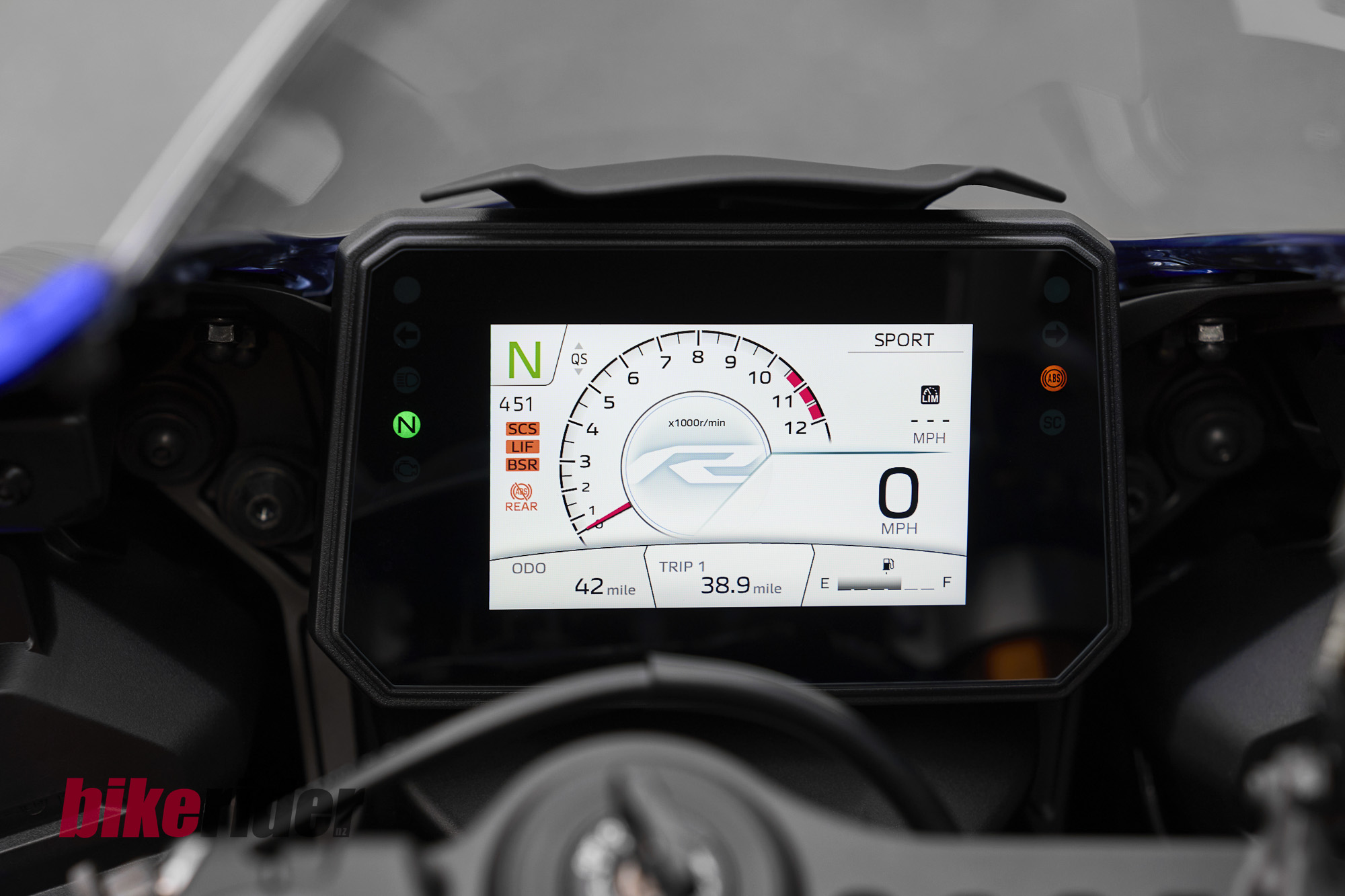
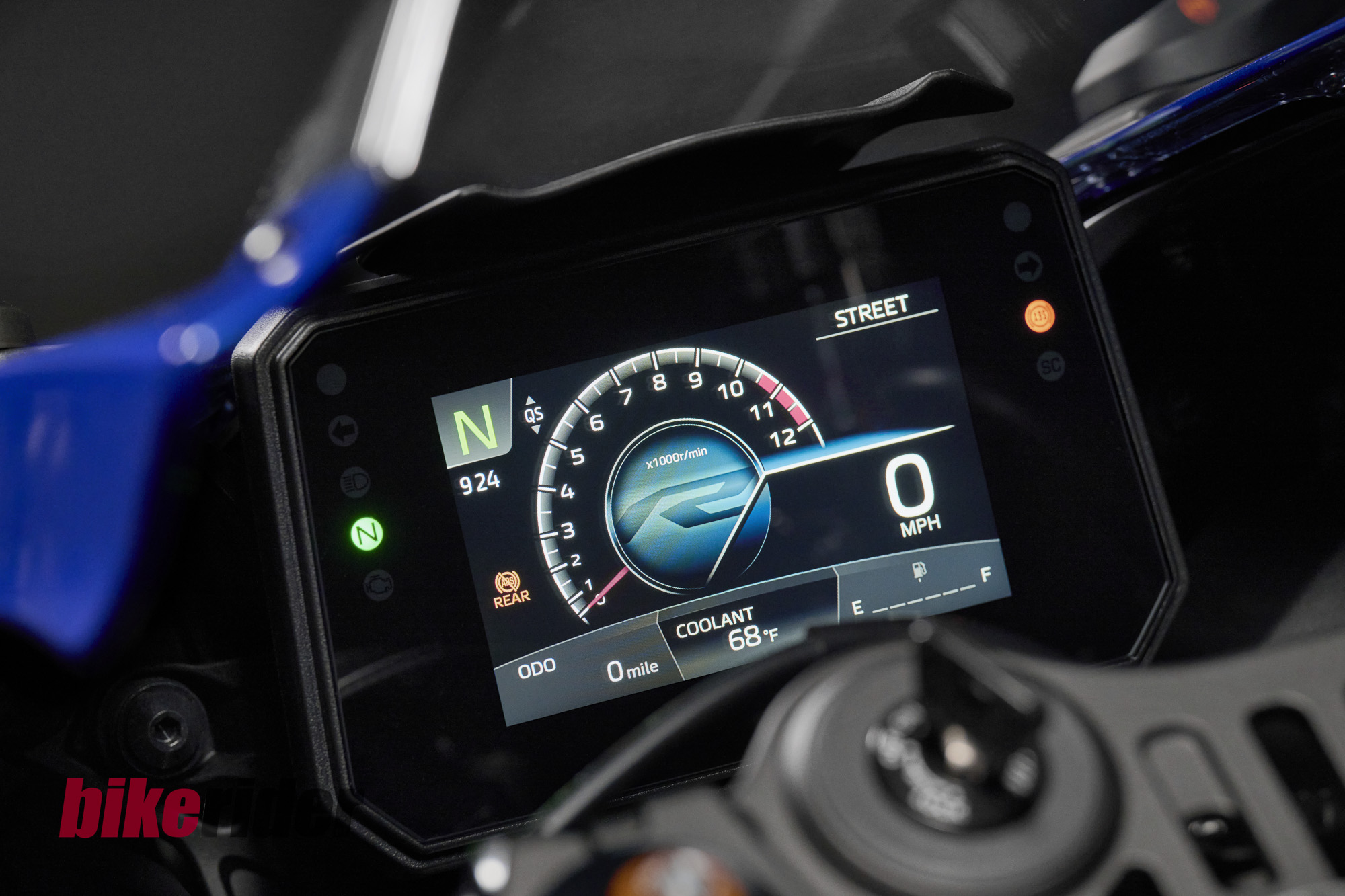
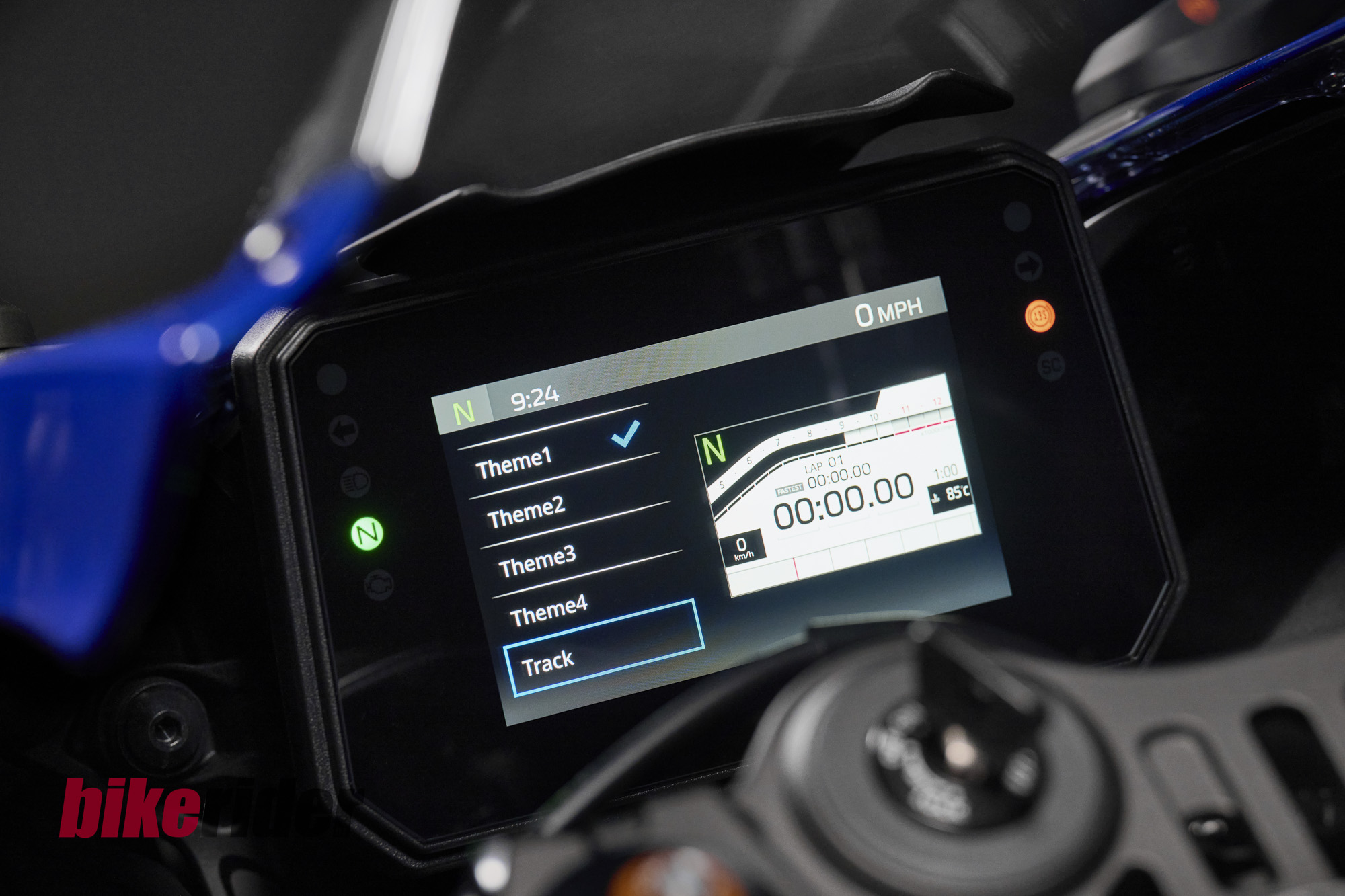
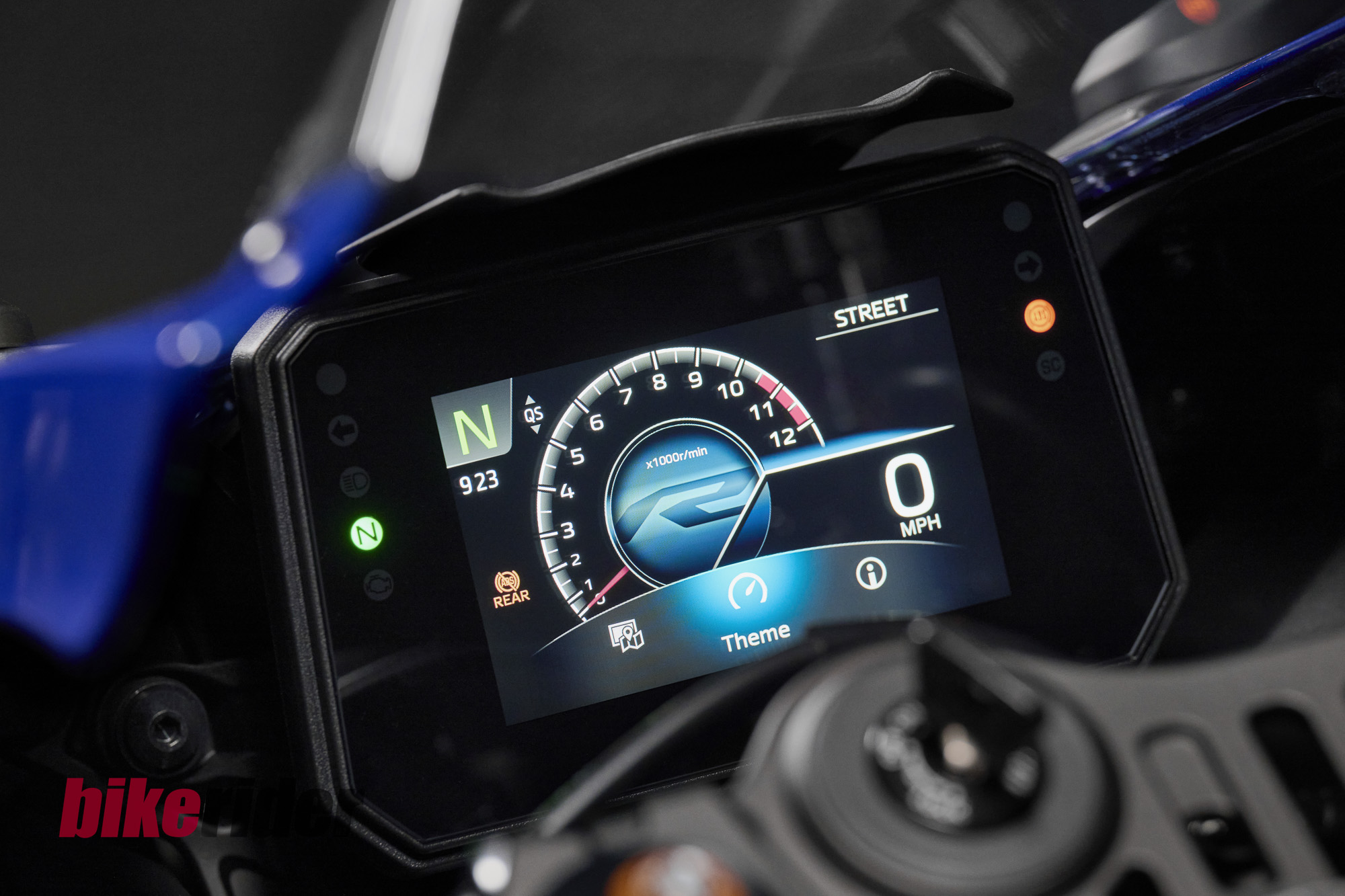
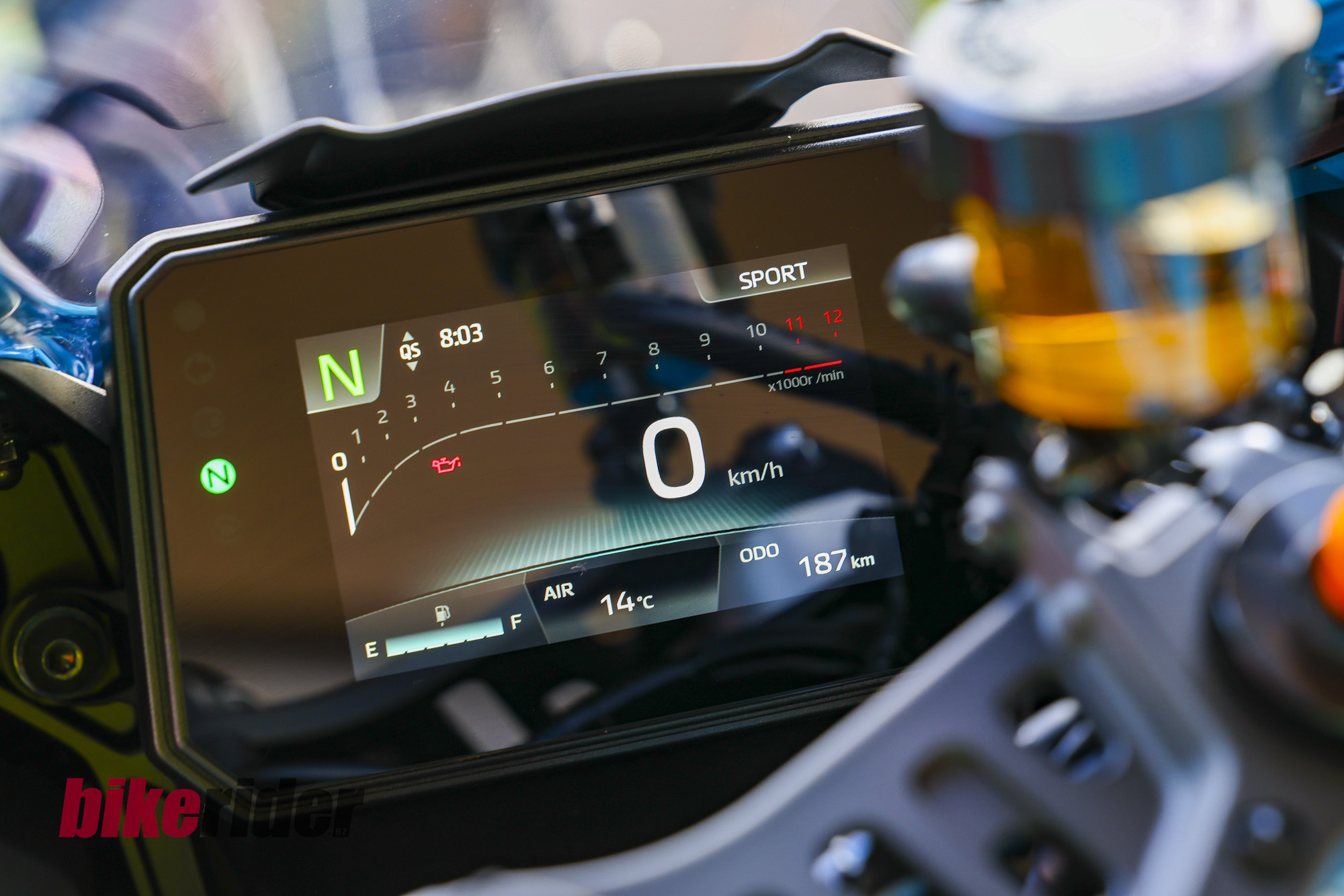
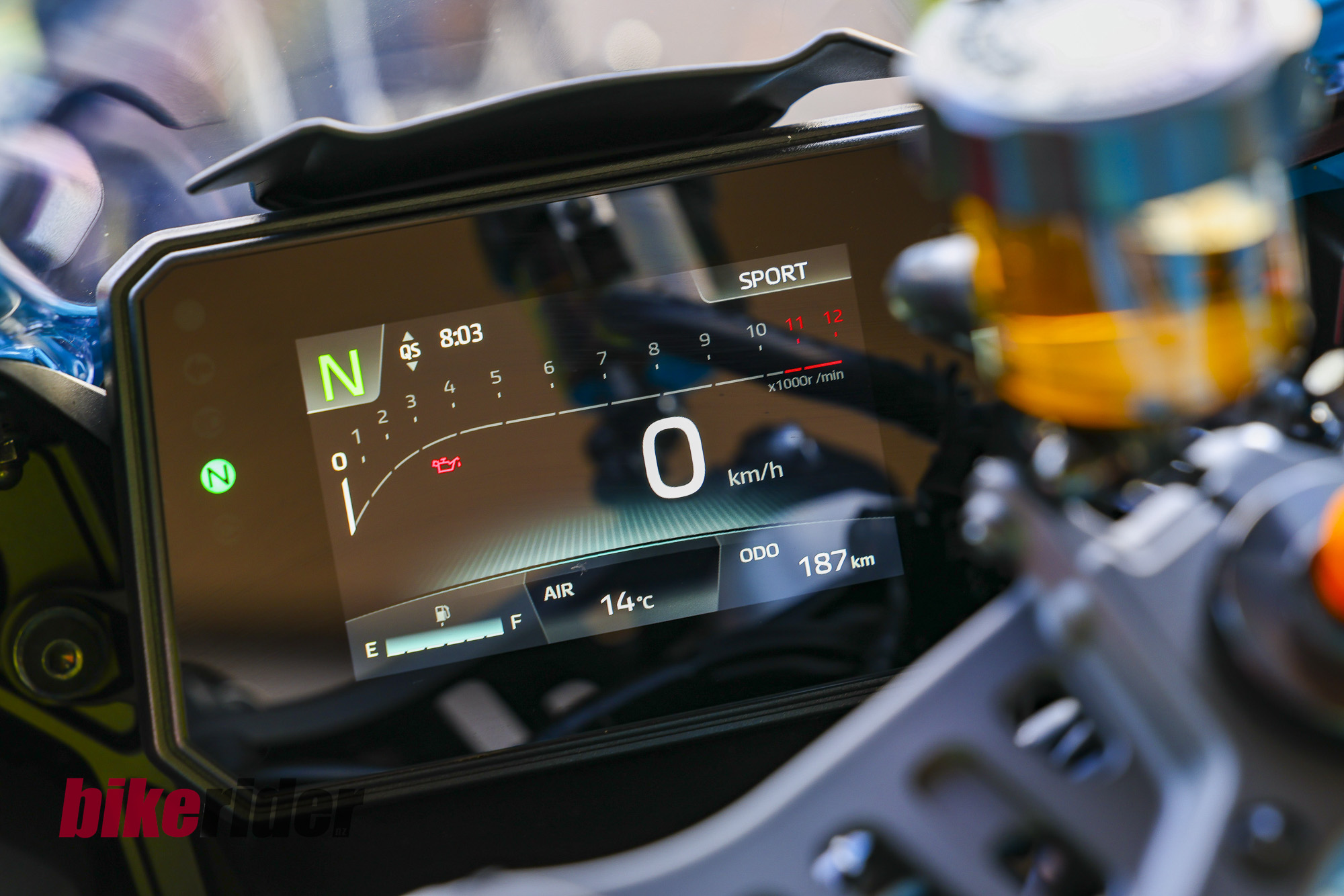
Dash | New TFT display with smartphone connectivity
Riding Position | Lower seat, higher bars
Price | $16,549 (LAMS + HO) / $17,049 (70th Anniversary Edition)
Yamaha’s already excellent R7 gets a serious technology upgrade for 2026, but the biggest surprise is that it’s actually a better road bike as a result. More comfortable, more compliant and even more confidence-inspiring, the new R7 is a machine that can take a rider from their learner licence all the way to their first track day and beyond.
When Yamaha launched the R7 back in 2021, it quickly found a sweet spot in the market. It looked like a proper supersport machine, it was accessible, affordable and, thanks to its torquey CP2 parallel twin, it was a lot more enjoyable on real roads than many of the high-revving four-cylinder machines that had traditionally dominated the category.
In Australia, the R7 became the best-selling motorcycle in 2024. In New Zealand, it has also been one of Yamaha’s biggest success stories, and one statistic tells you everything you need to know about the bike’s appeal: around 80% of R7s sold in Australasia are the learner-approved LAMS version.
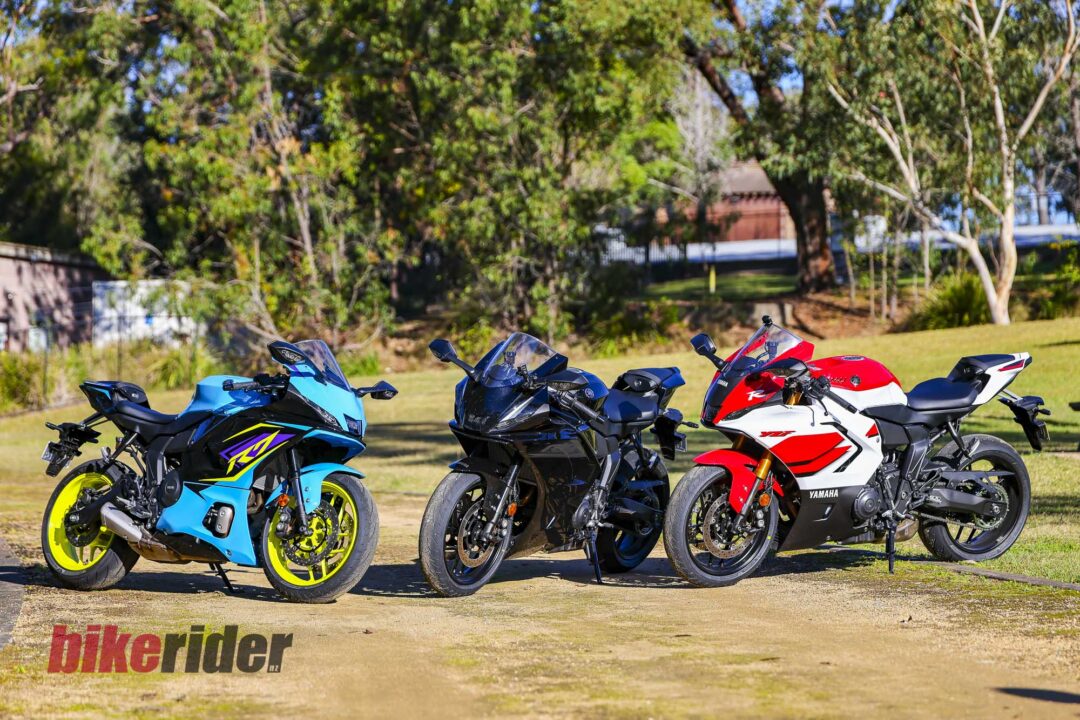
In fact, our part of the world is unique. Australasia is the only region to receive the new LAMS-spec R7, showing just how important this model is to Yamaha’s local market.
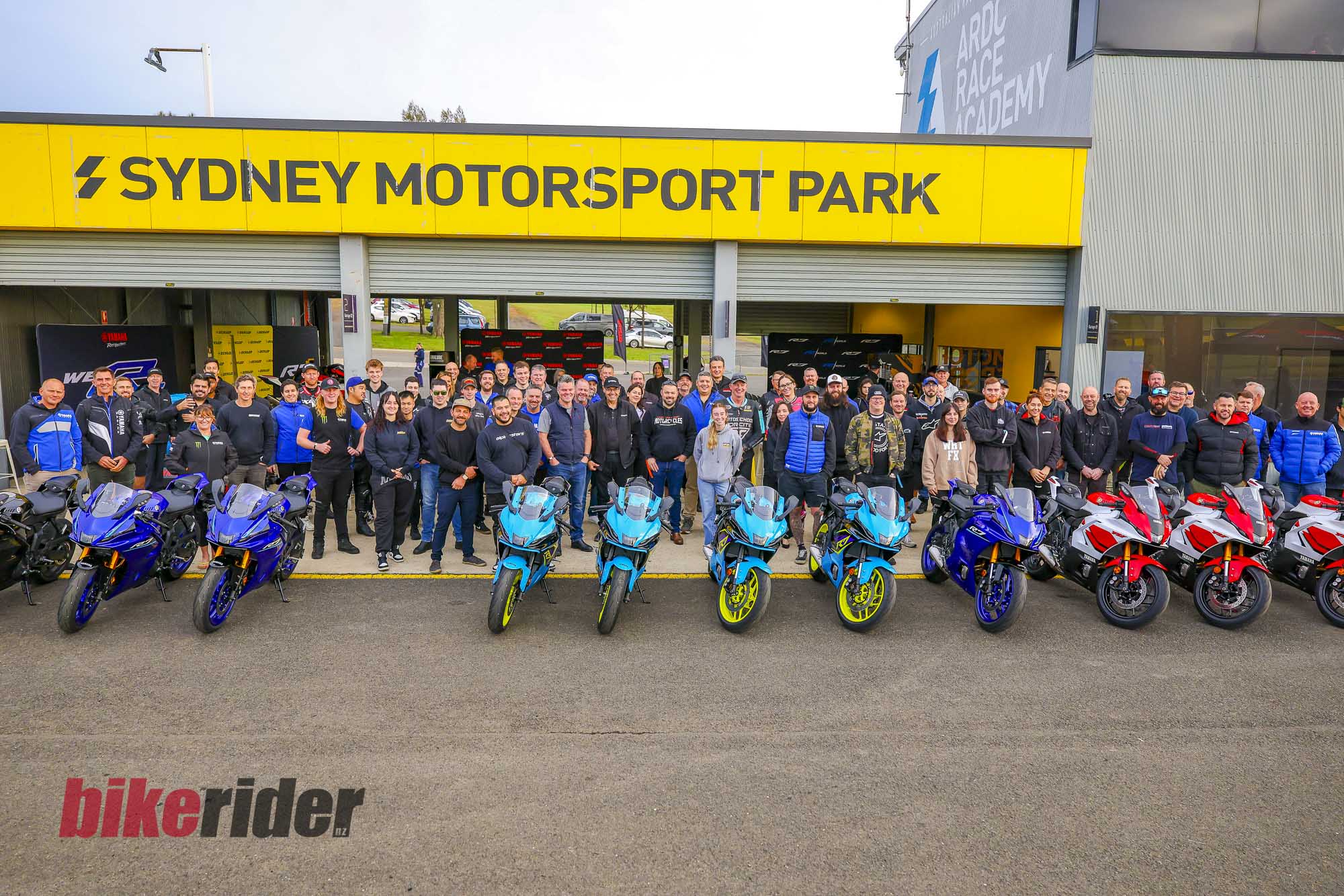
So when Yamaha invited a group of Australian journalists, influencers and top Yamaha dealers from both Australia and New Zealand to Sydney for the launch of the 2026 R7, I was interested to see whether this was simply a mild update or something much more significant.
After a full day riding some of New South Wales’ rough and twisting roads, followed by a track day on Sydney Motorsport Park’s tight and technical Southern Circuit, the answer became very clear.
This is not just a facelift. Yamaha has taken a great motorcycle and made it an excellent one.
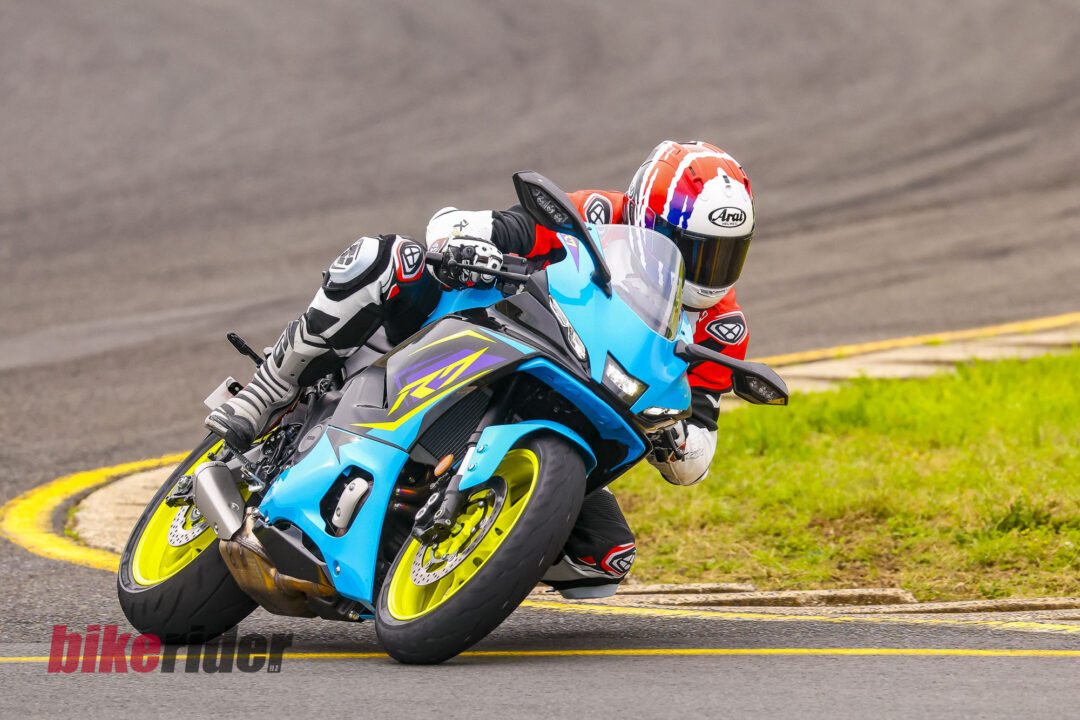
What’s new for 2026?
The biggest changes are centred around electronics, rider comfort and refinement.
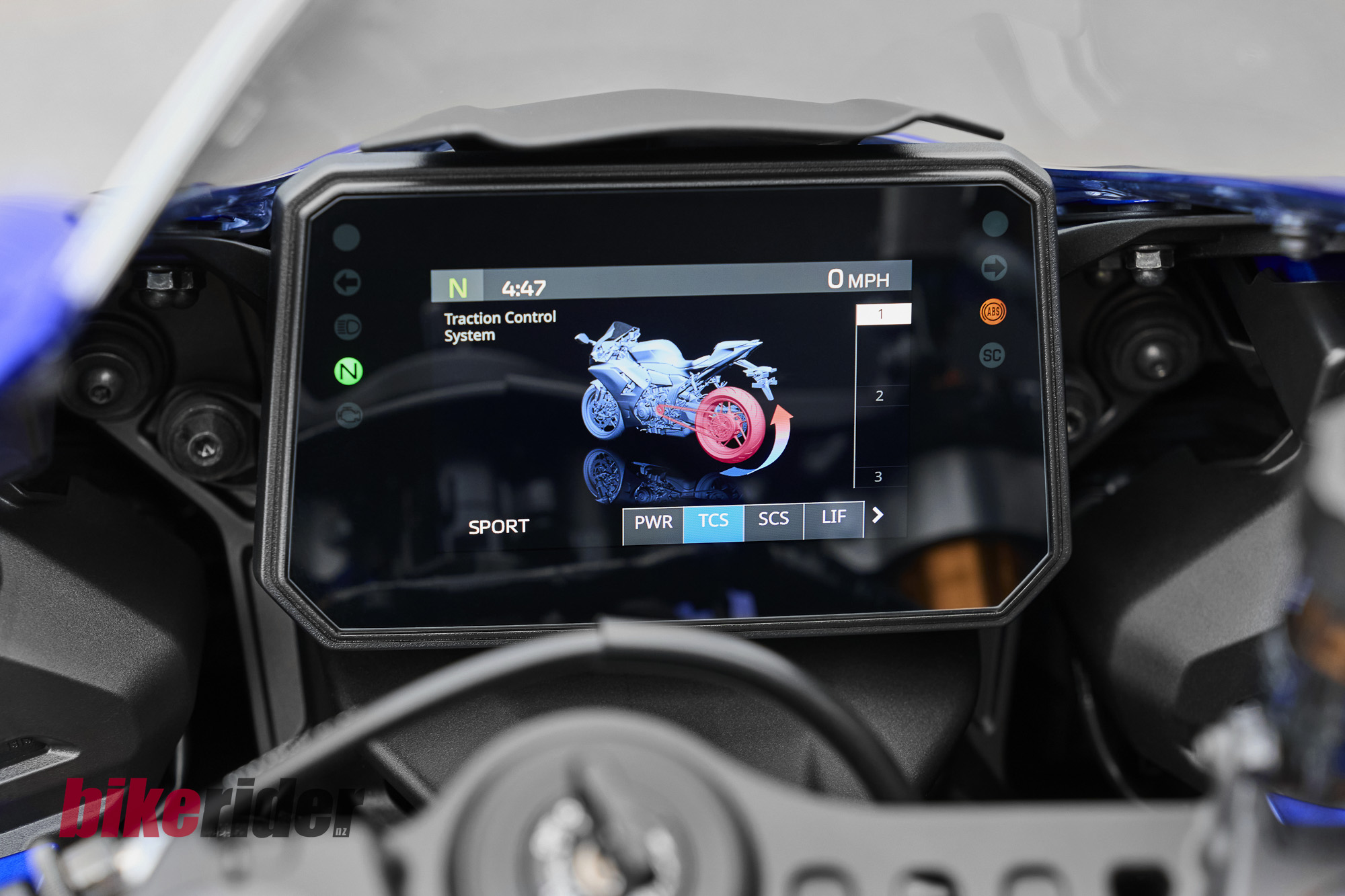
At the heart of the update is a new six-axis IMU (Inertial Measurement Unit), bringing the R7 into a much more sophisticated league. The electronics are now lean-sensitive, meaning the traction control, slide control and other rider aids understand what the motorcycle is doing when it’s banked over in a corner.
Importantly, they don’t get in the way. The systems work quietly in the background, allowing riders to explore the R7’s performance with a safety net underneath them.
The LAMS version includes Street, Sport, and Custom riding modes, allowing riders to tailor intervention levels to suit their confidence and conditions. Interestingly, the LAMS model misses out on Rain mode, but there’s still plenty of adjustment available, including the ability to turn off rear ABS for riders who like to back the bike into corners on the track, supermoto-style.
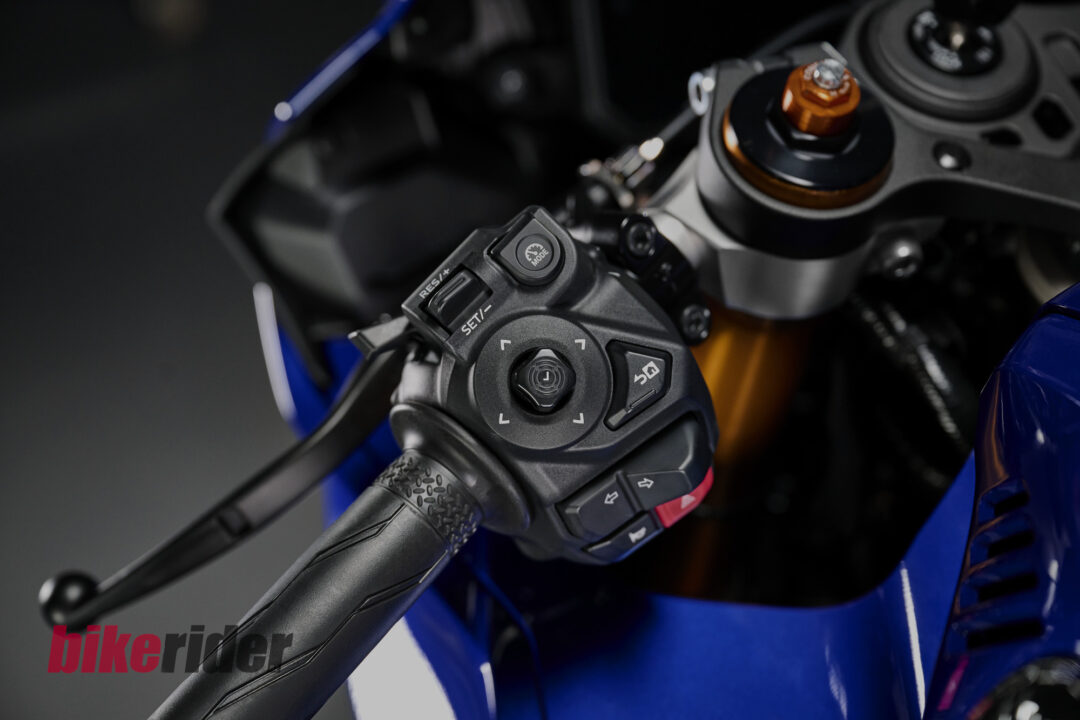
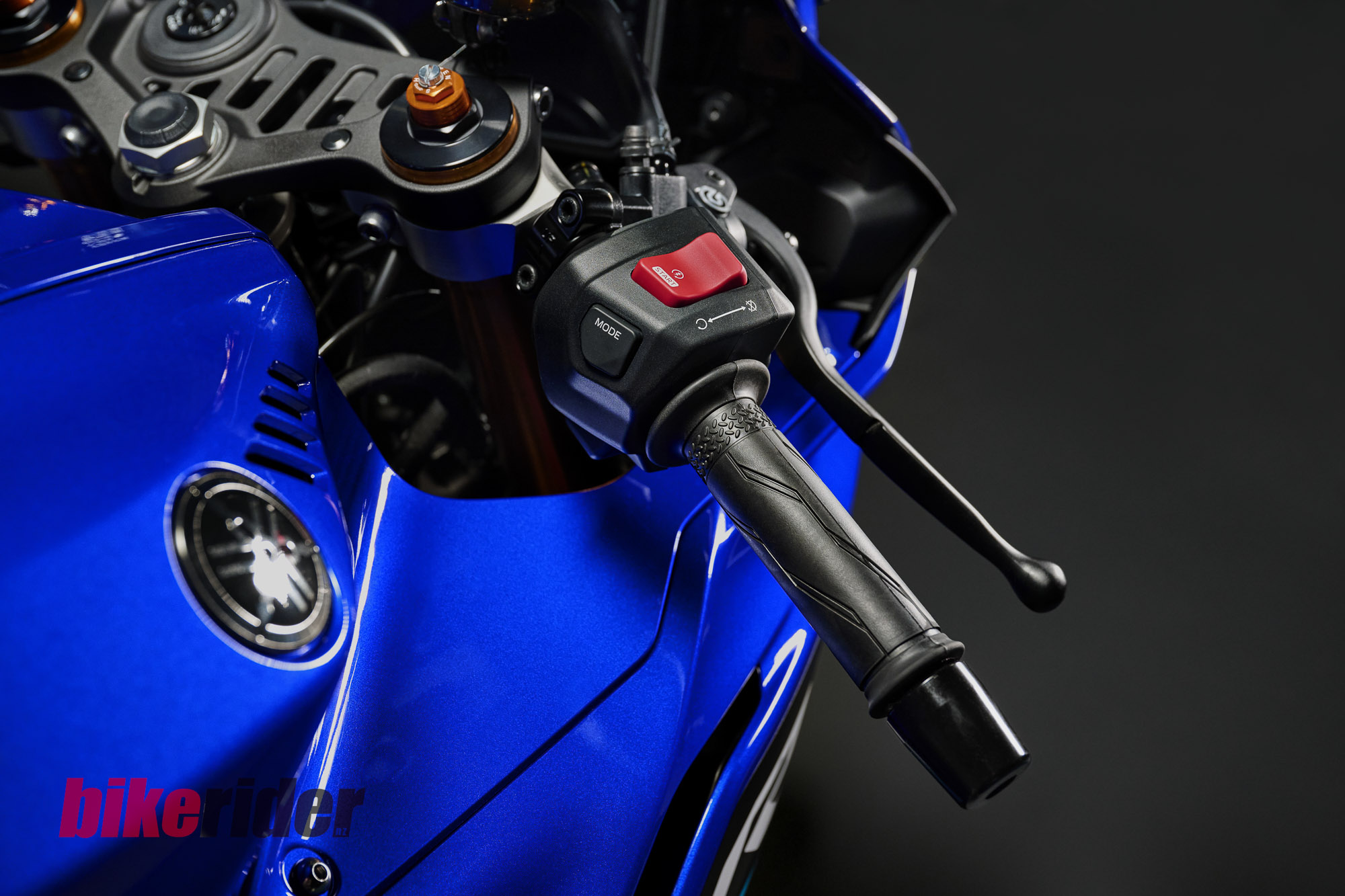
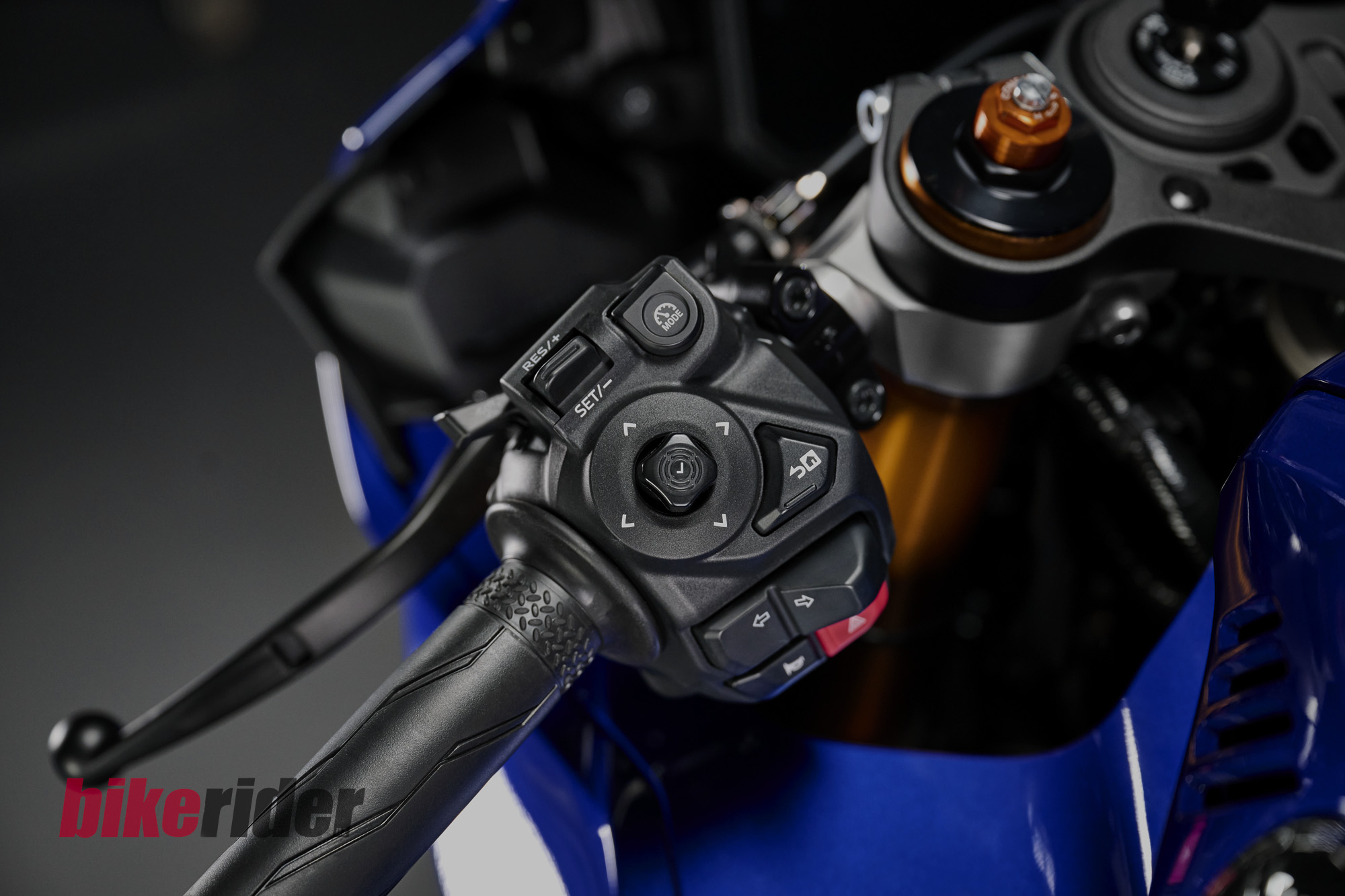
The new-generation ride-by-wire system also allows Yamaha to add a feature that anyone who regularly rides longer distances will appreciate: cruise control. It’s incredibly simple to activate via the new left-hand switchgear and, with a double press of the button, the same controls activate a speed limiter.
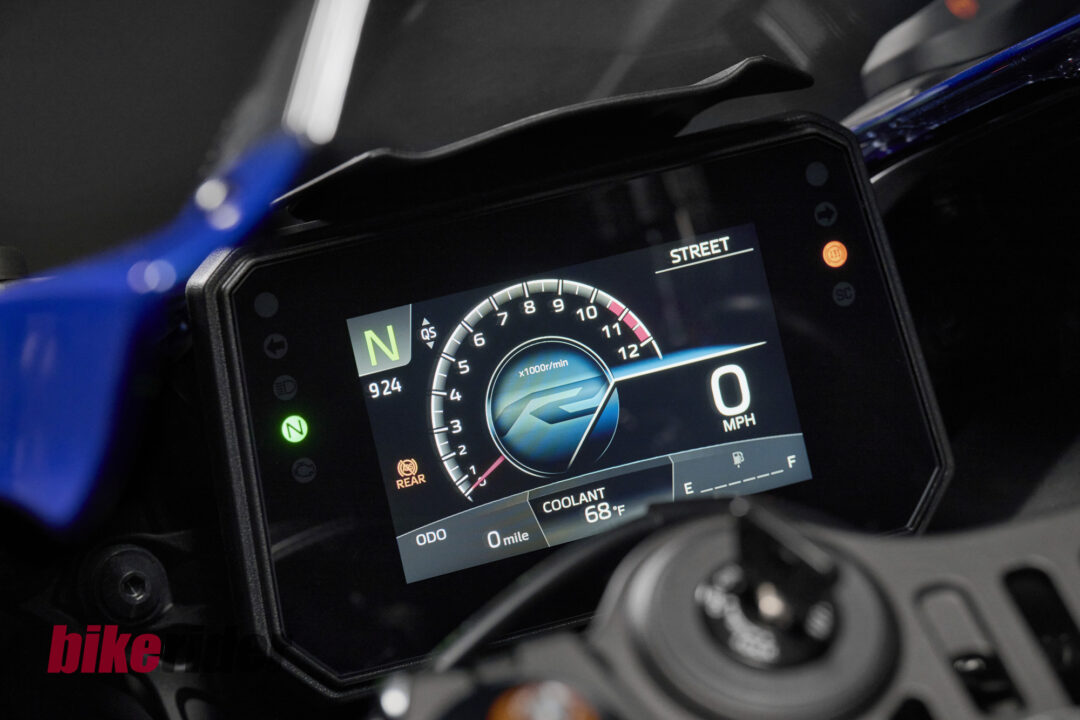
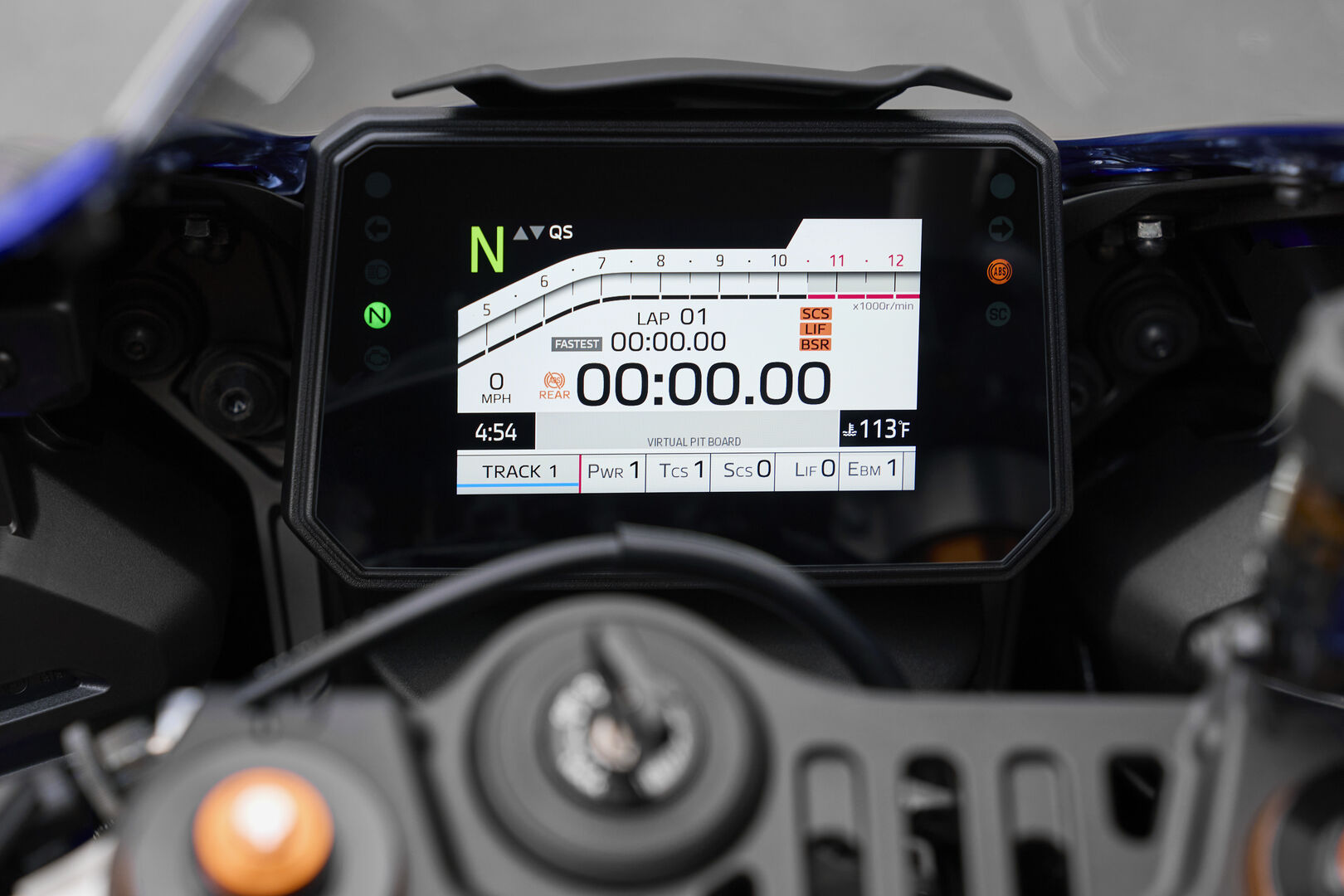
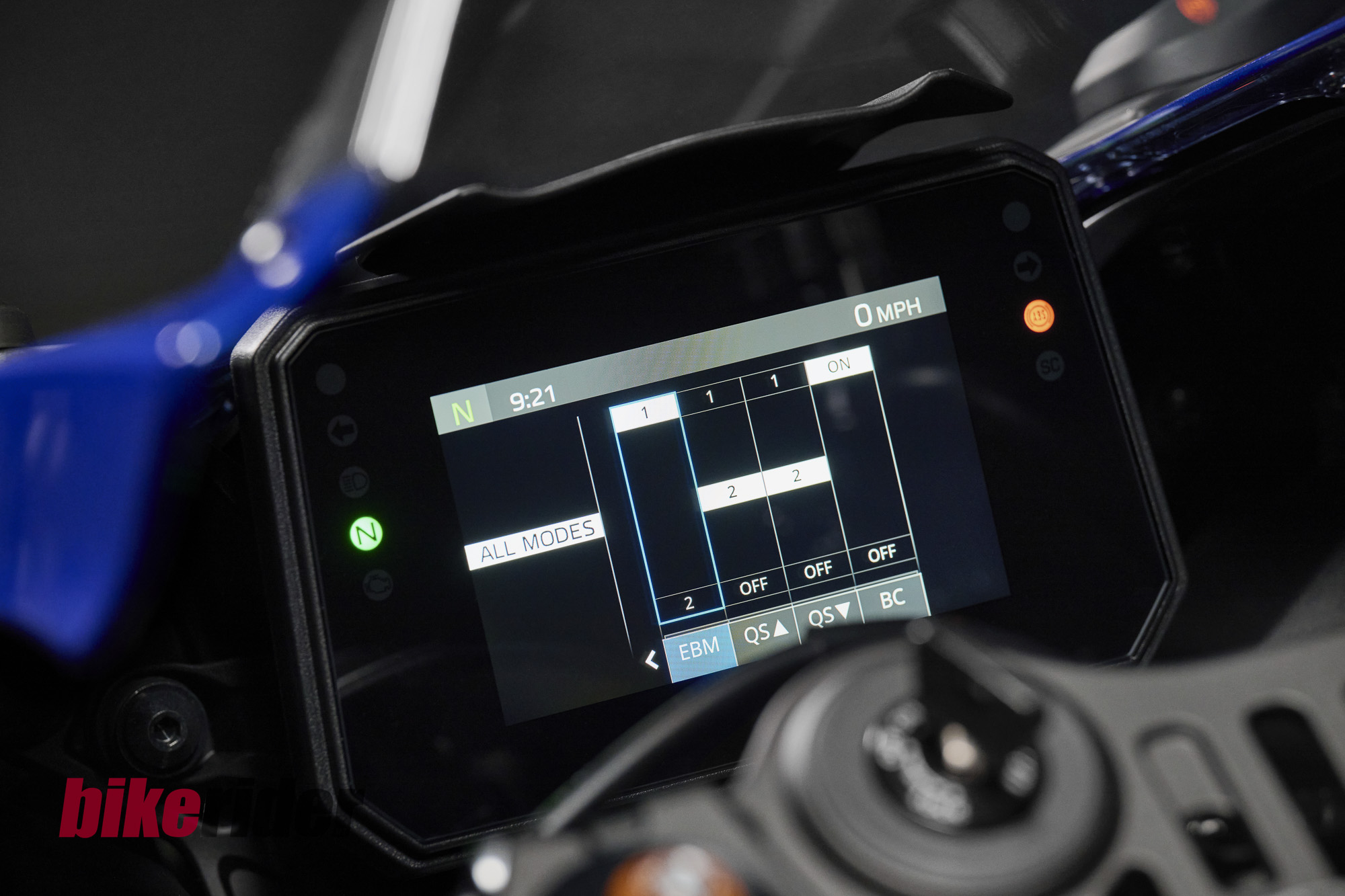
The technology upgrades continue with a new five-mode TFT display, redesigned switchgear and Yamaha’s latest Gen 3 up/down quickshifter.
The quickshifter deserves special mention because it transforms the experience. The CP2 twin is all about mid-range drive rather than chasing a screaming top end, especially in LAMS specification, where the performance starts to taper beyond 8,000rpm. Instead of hanging on, waiting for something to happen, you simply click another gear and put the engine straight back into the heart of its torque.
The result is a bike that feels far faster than the learner-approved badge suggests.
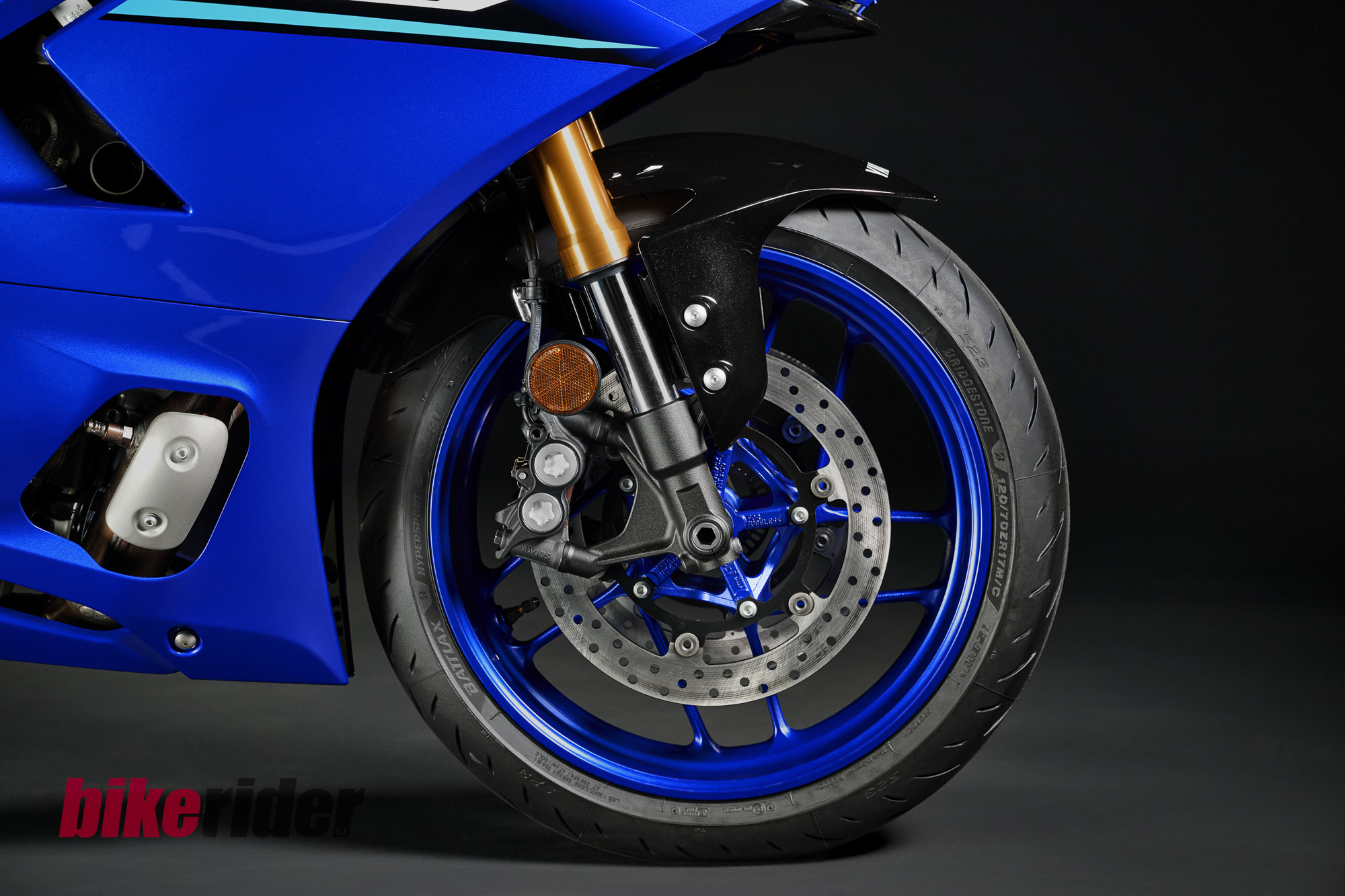
Yamaha has also lowered the seat height, making the R7 less intimidating for shorter riders and easier to manage when manoeuvring or stopping. Combined with updated suspension settings and premium touches like the new Brembo radial front master cylinder, the R7 feels like a more expensive machine than its price tag might suggest.
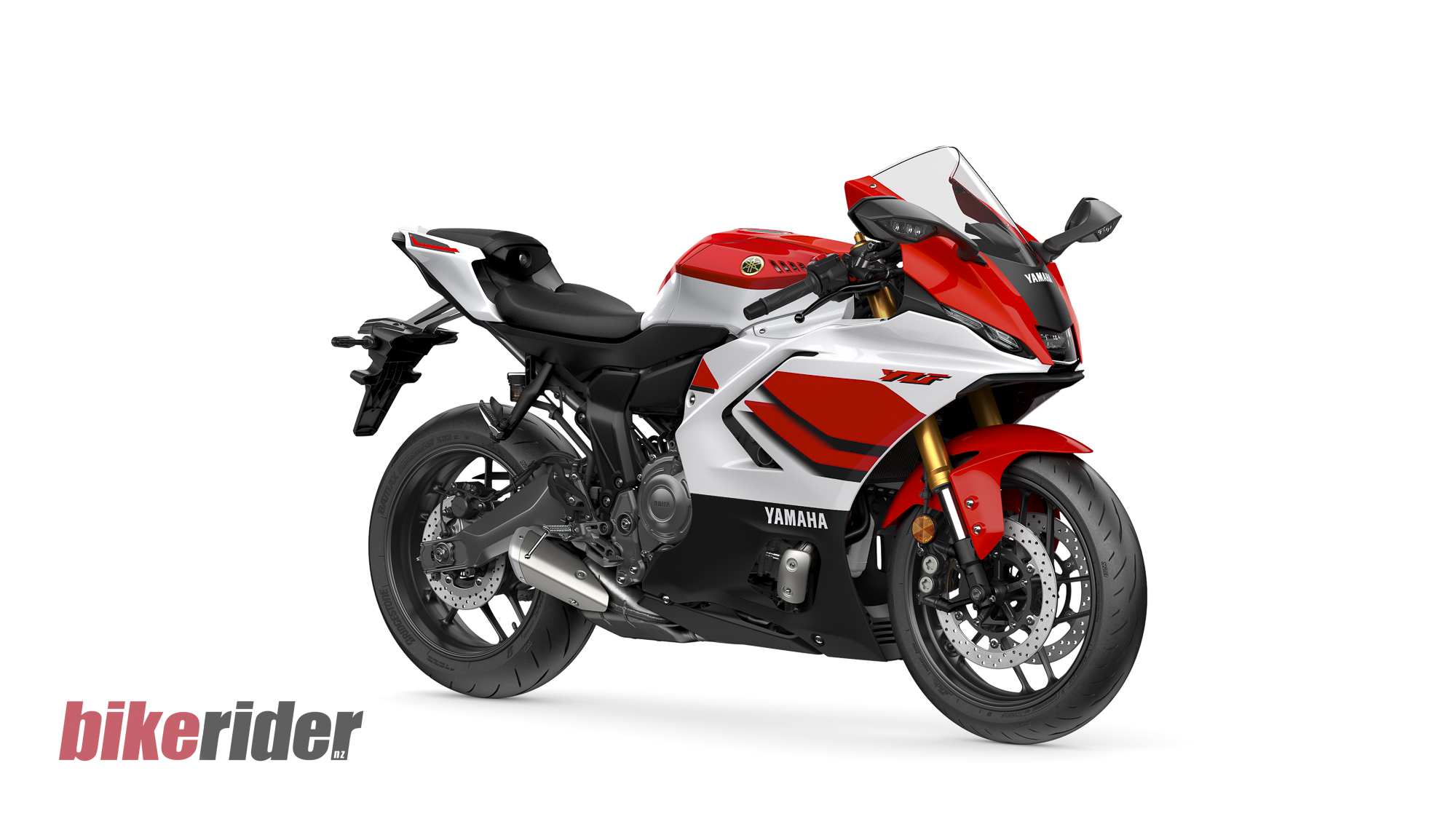
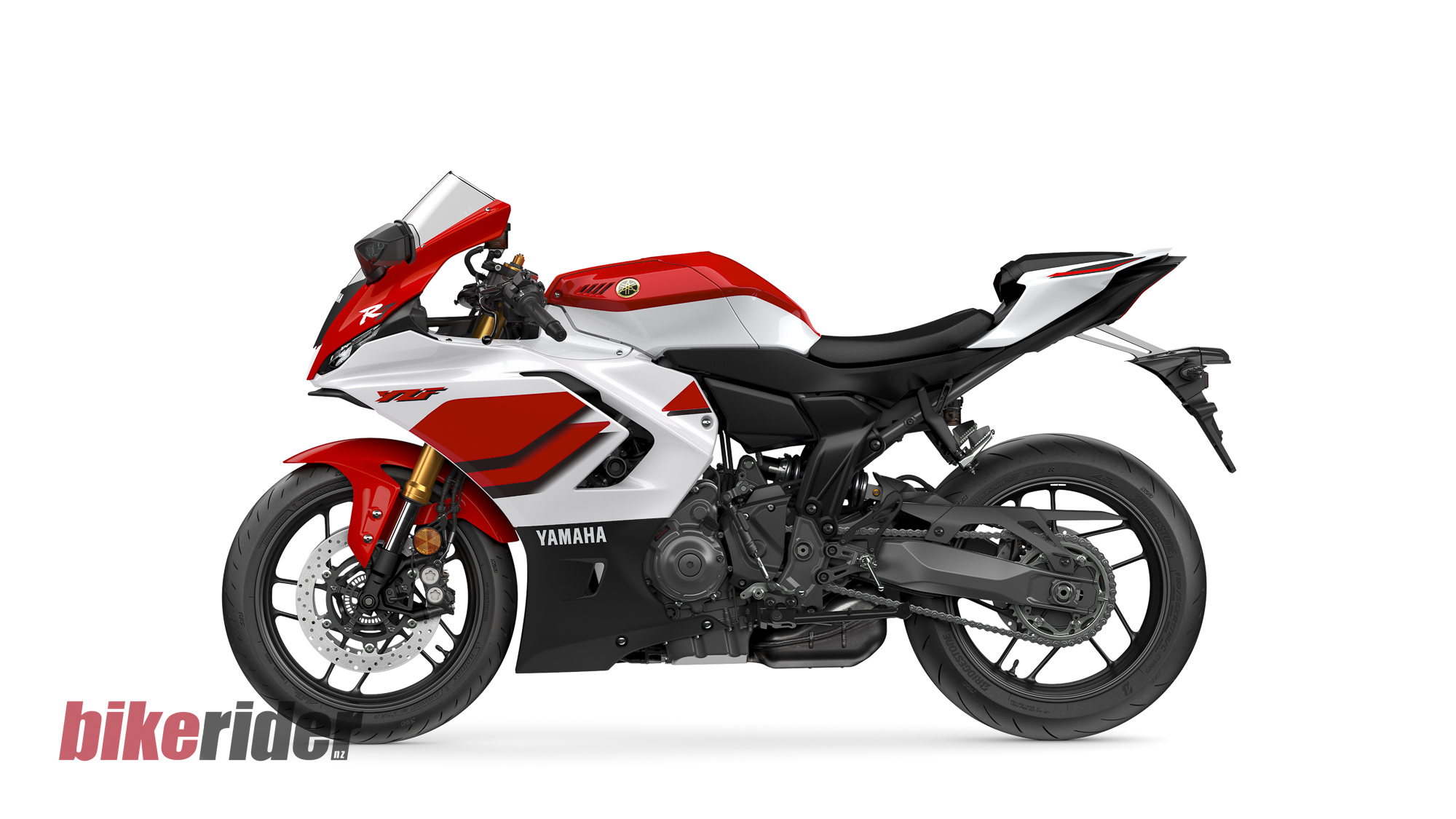
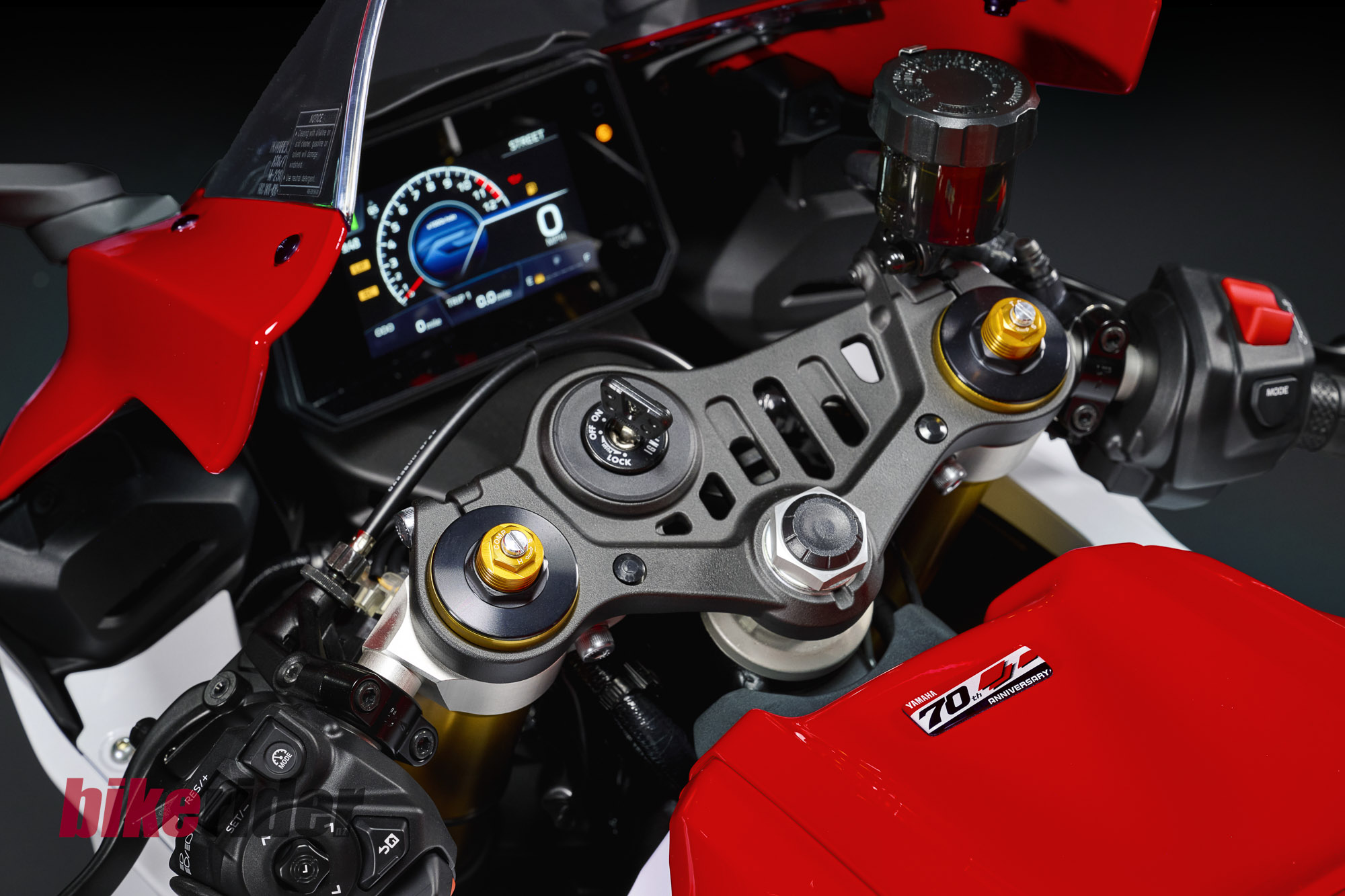
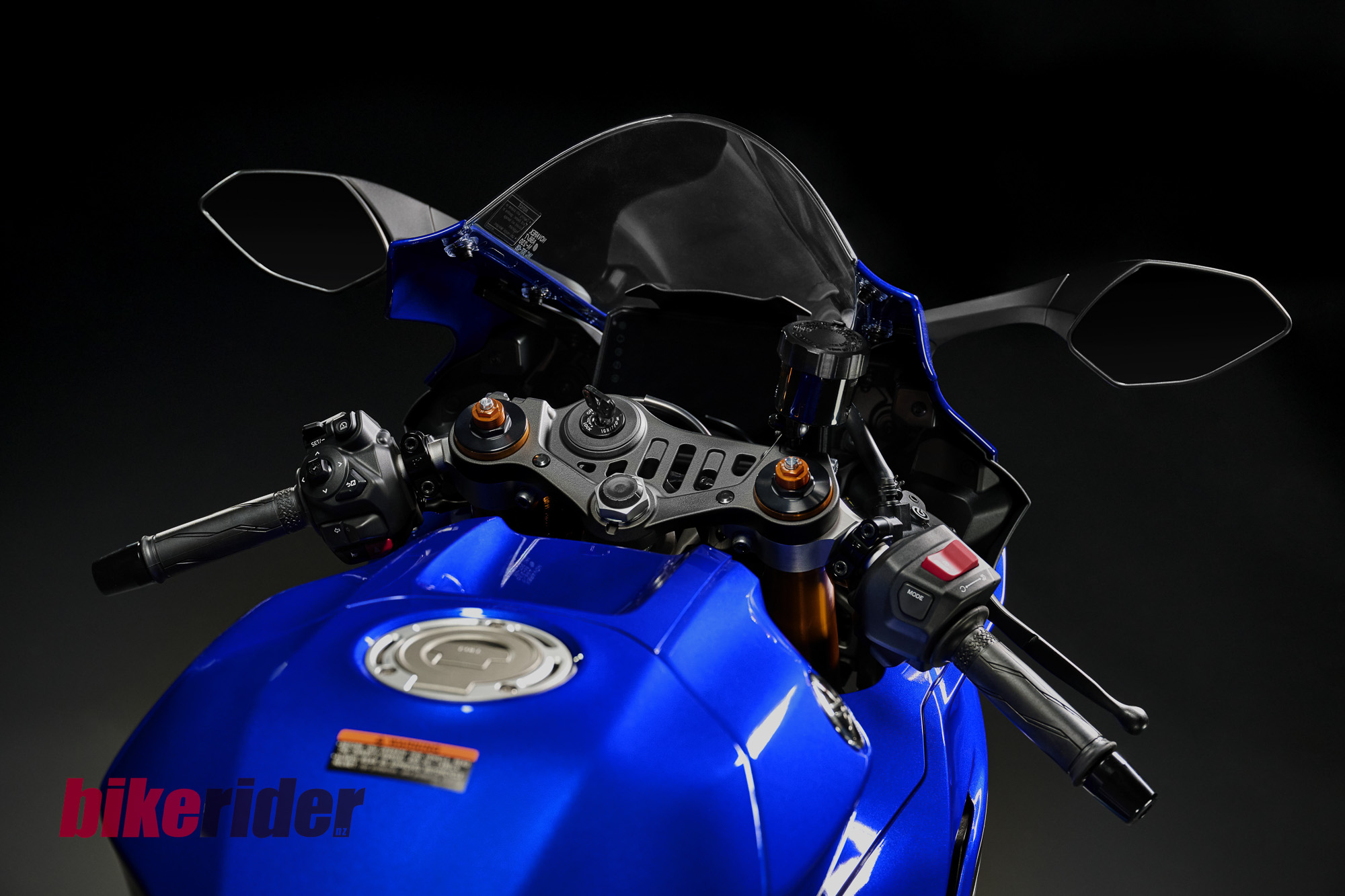
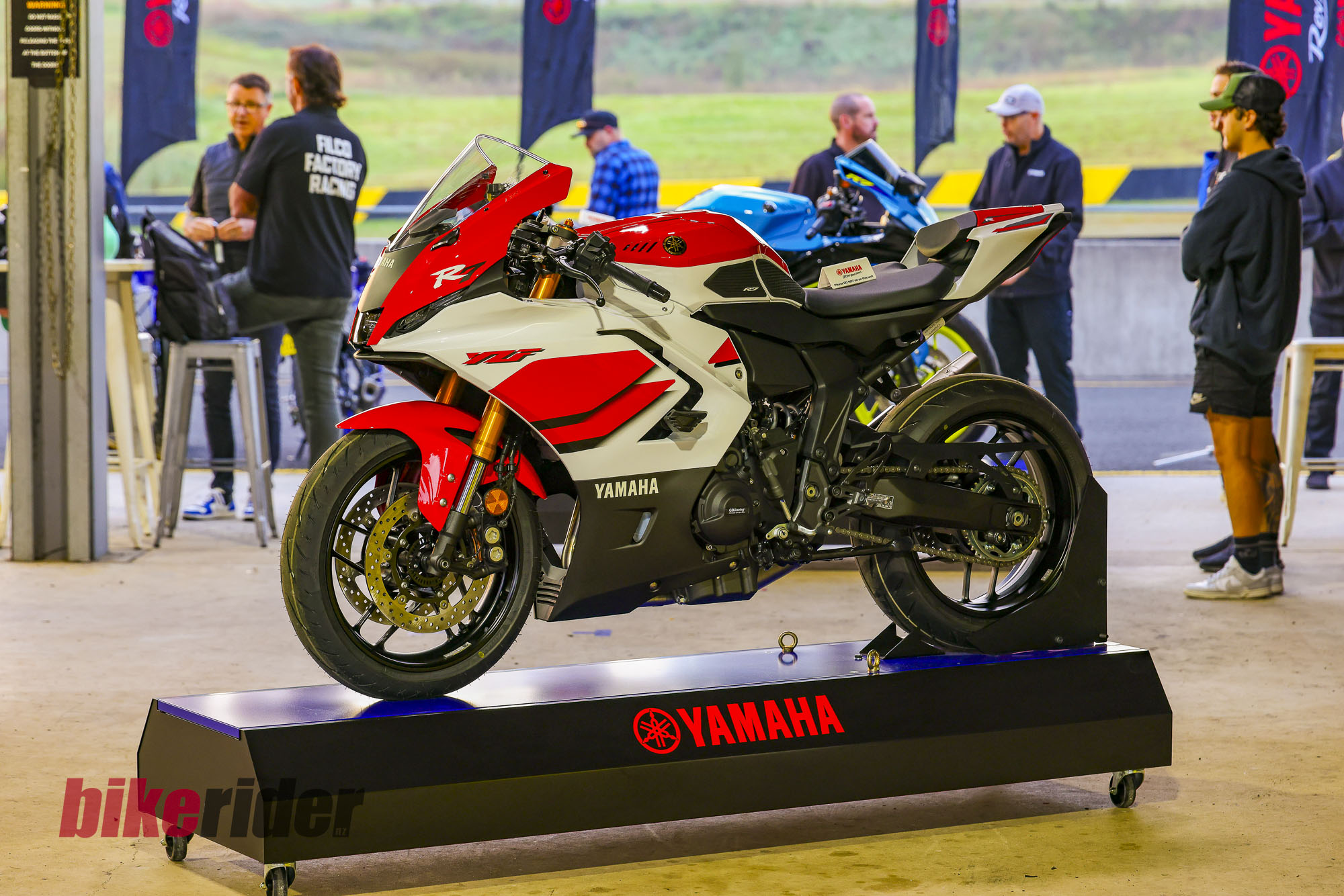
Simply looking over it, the quality stands out. The beautifully finished triple clamp, adjustable brake and clutch levers, crisp TFT display and redesigned controls all give the impression that this is a premium product.
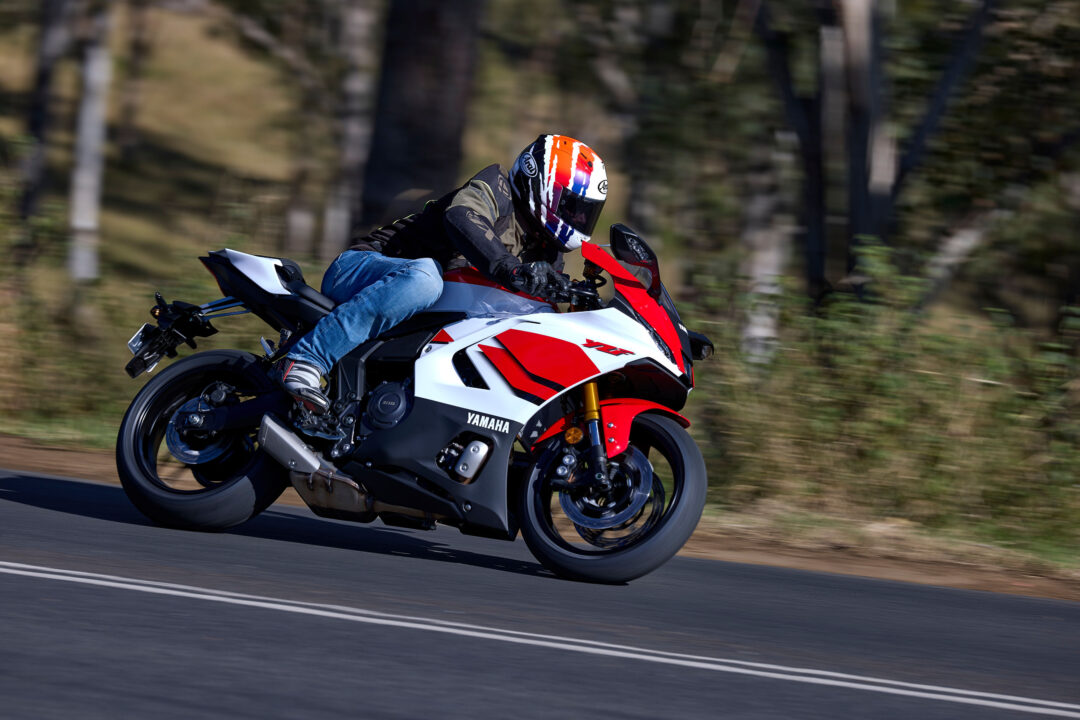
Road test: Softer, but better
The first thing I noticed when I climbed aboard the R7 was the amount of movement from the front forks.
Under braking and over bumps, the front end felt noticeably softer than I expected. Initially, I wondered whether that would translate into a less precise sports bike.
I couldn’t have been more wrong. The softer action actually makes the R7 significantly better on real roads.
Australian roads are not unlike those we deal with in New Zealand. They’re rough, patched and far from perfect, and the new suspension simply absorbs those imperfections rather than bouncing or deflecting away from them.
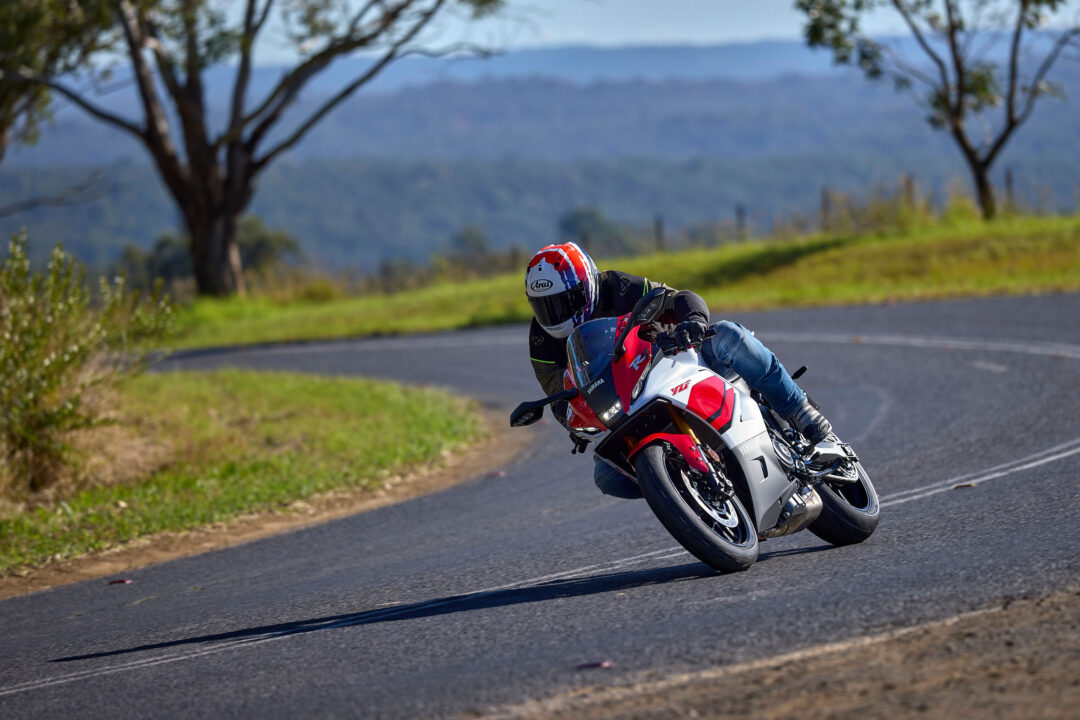
The riding position remains sporty. There’s still a reasonable amount of weight through your wrists and it’s definitely not pretending to be a tourer. But there is plenty of room to move around the seat, the lower height makes it easier to get your feet on the ground, and the addition of cruise control means your throttle hand finally gets a chance to relax on motorway stretches.
“Below 8,000rpm, you would struggle to believe this is a learner-approved motorcycle.”
The CP2 engine remains one of the highlights.
The updated intake design gives it a deeper, more aggressive growl when you open the throttle, and there is a little more urgency lower in the rev range. Below 8,000rpm, you would struggle to believe this is a learner-approved motorcycle.
It has all the ingredients that make riding fun: strong drive, a great soundtrack and an eagerness to attack corners.
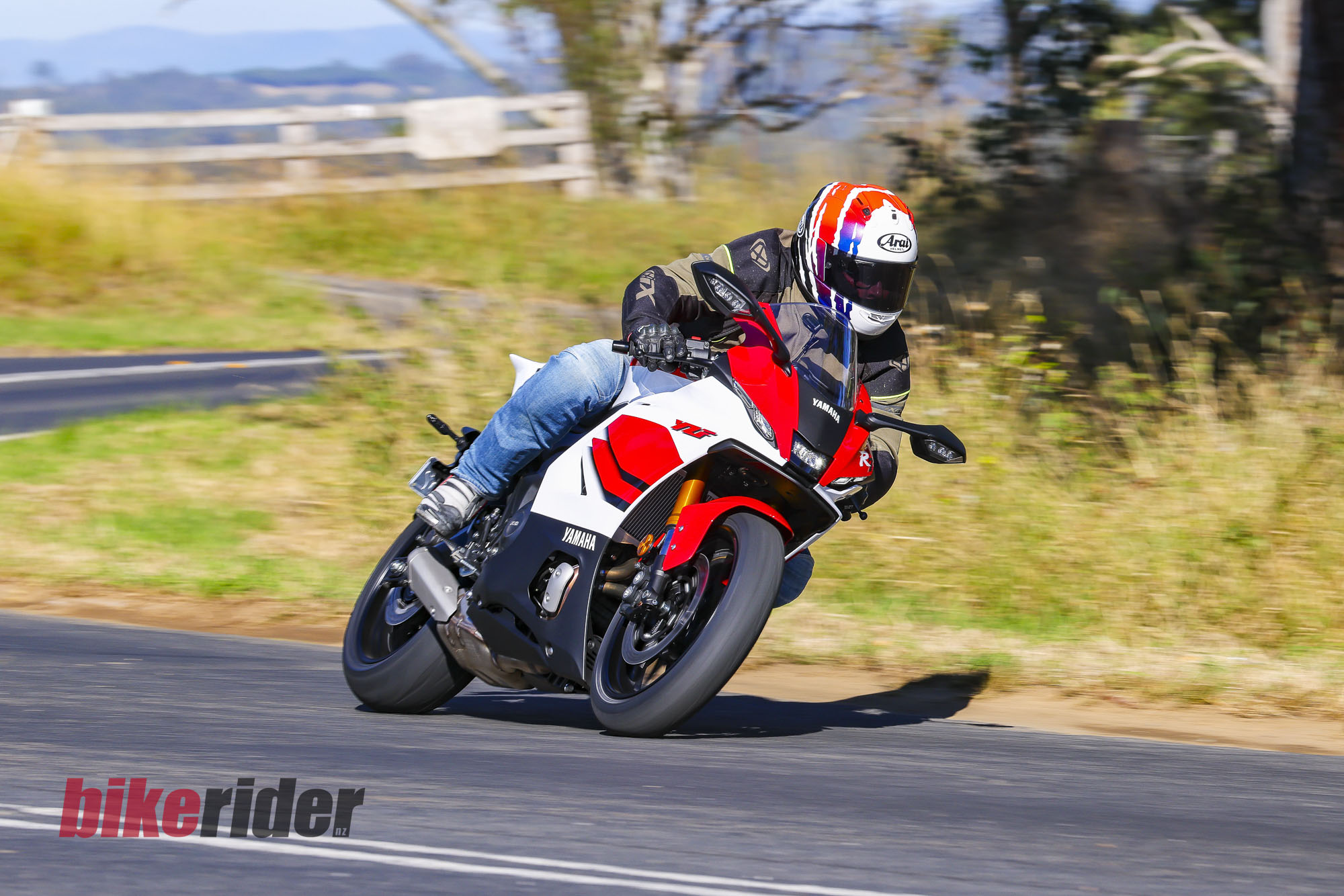
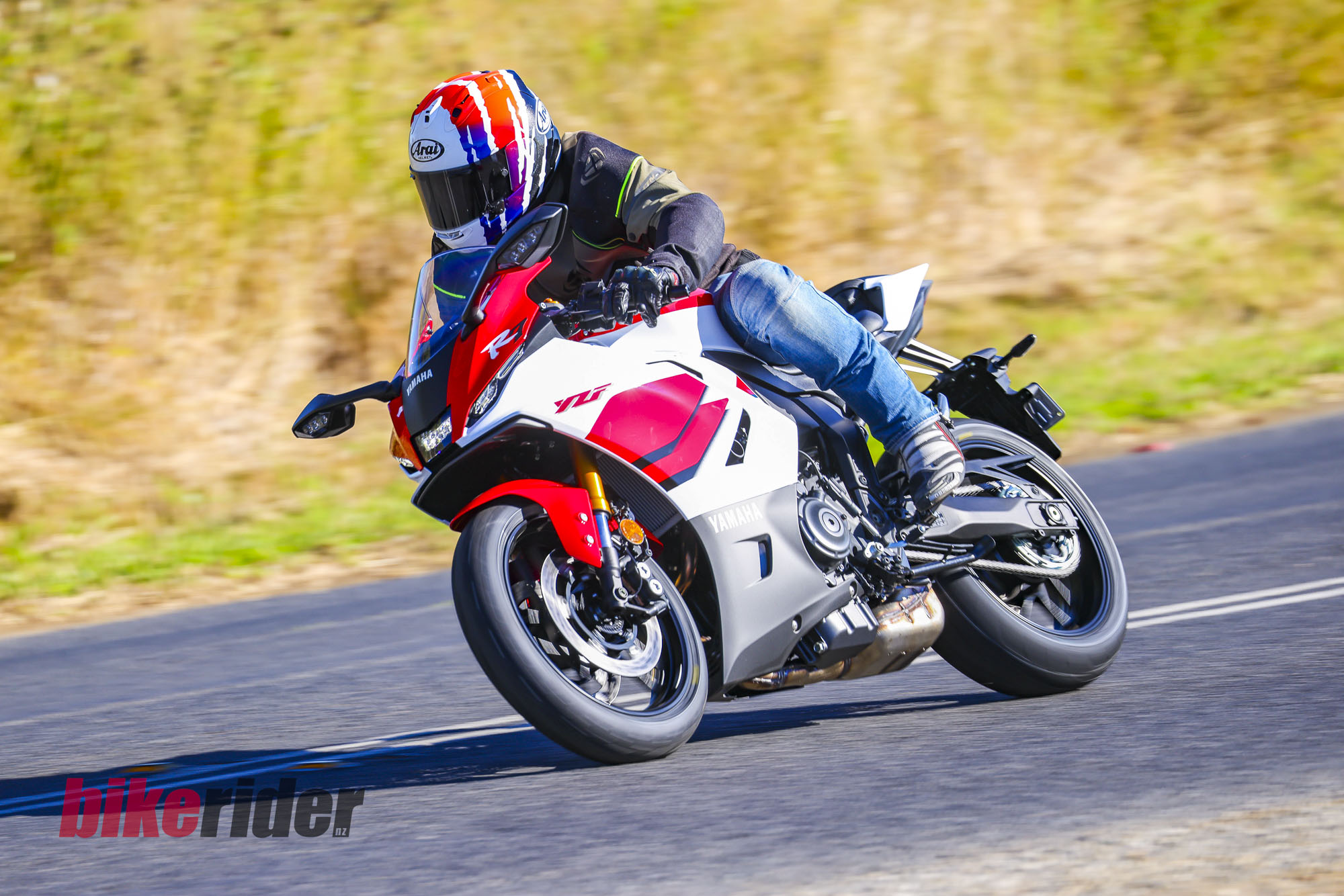
Our first proper test came at a roadside photo location where the photographers expected us to provide some action shots through a fast third-gear corner.
There was one slight problem.
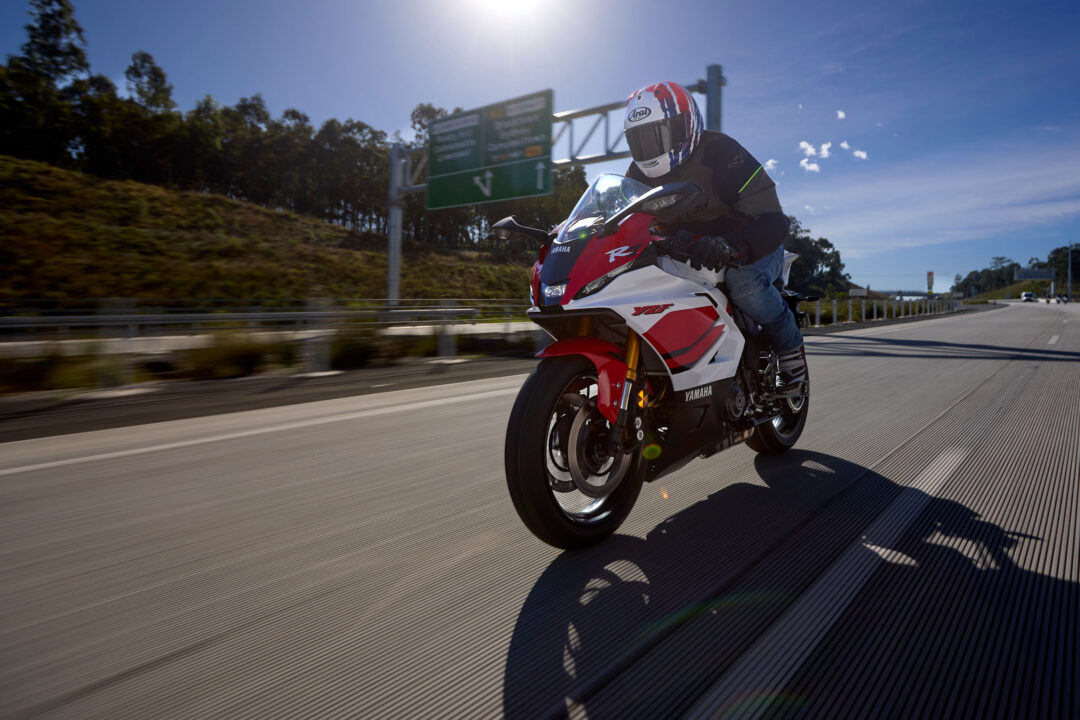
The Bridgestone Battlax S23 tyres had only covered around 150km, and most of that had been upright on the motorway. Throw in a row of photographers pointing lenses at you, and it would have been easy to take a cautious approach. The R7 had other ideas.
It simply got on with the job.
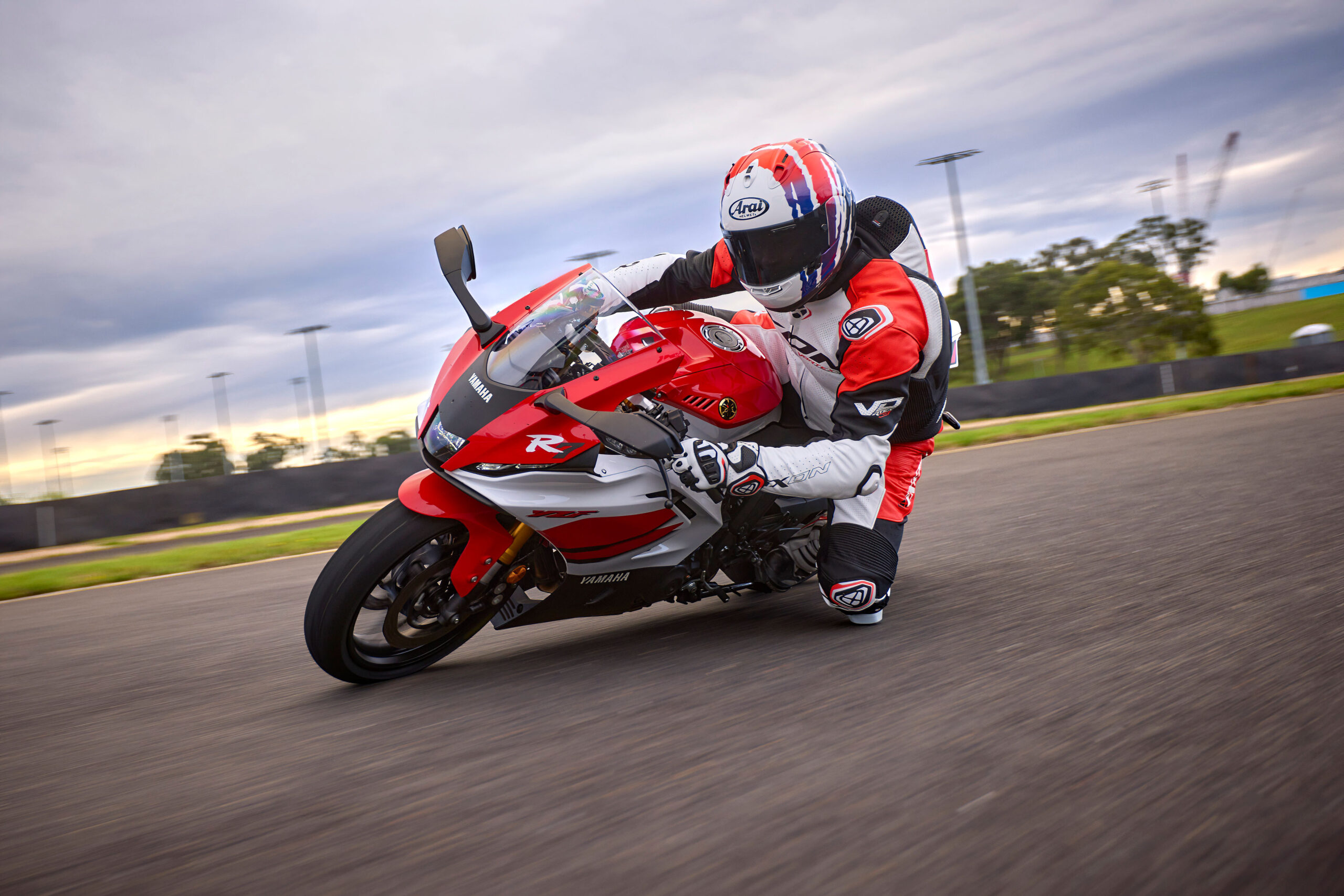
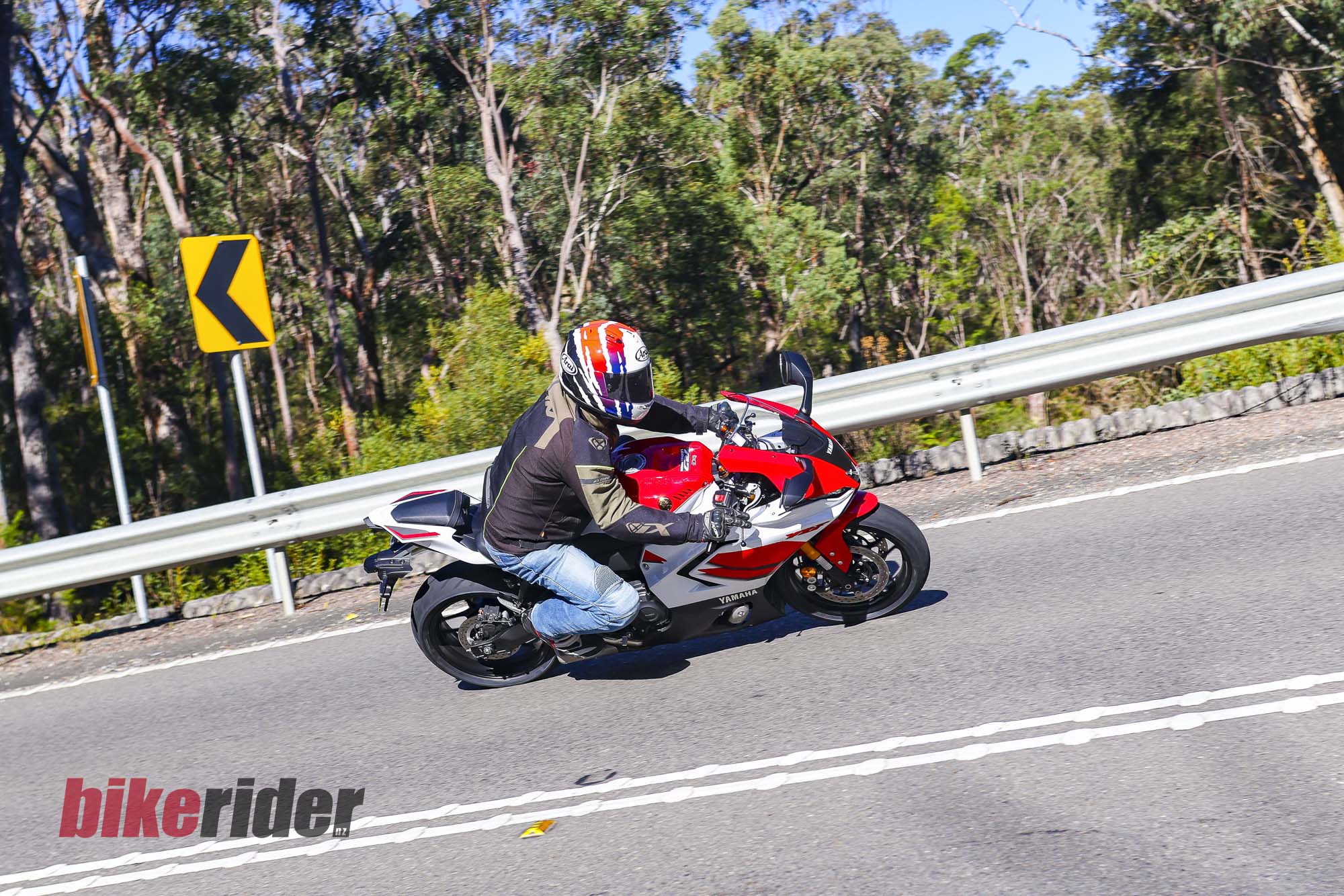
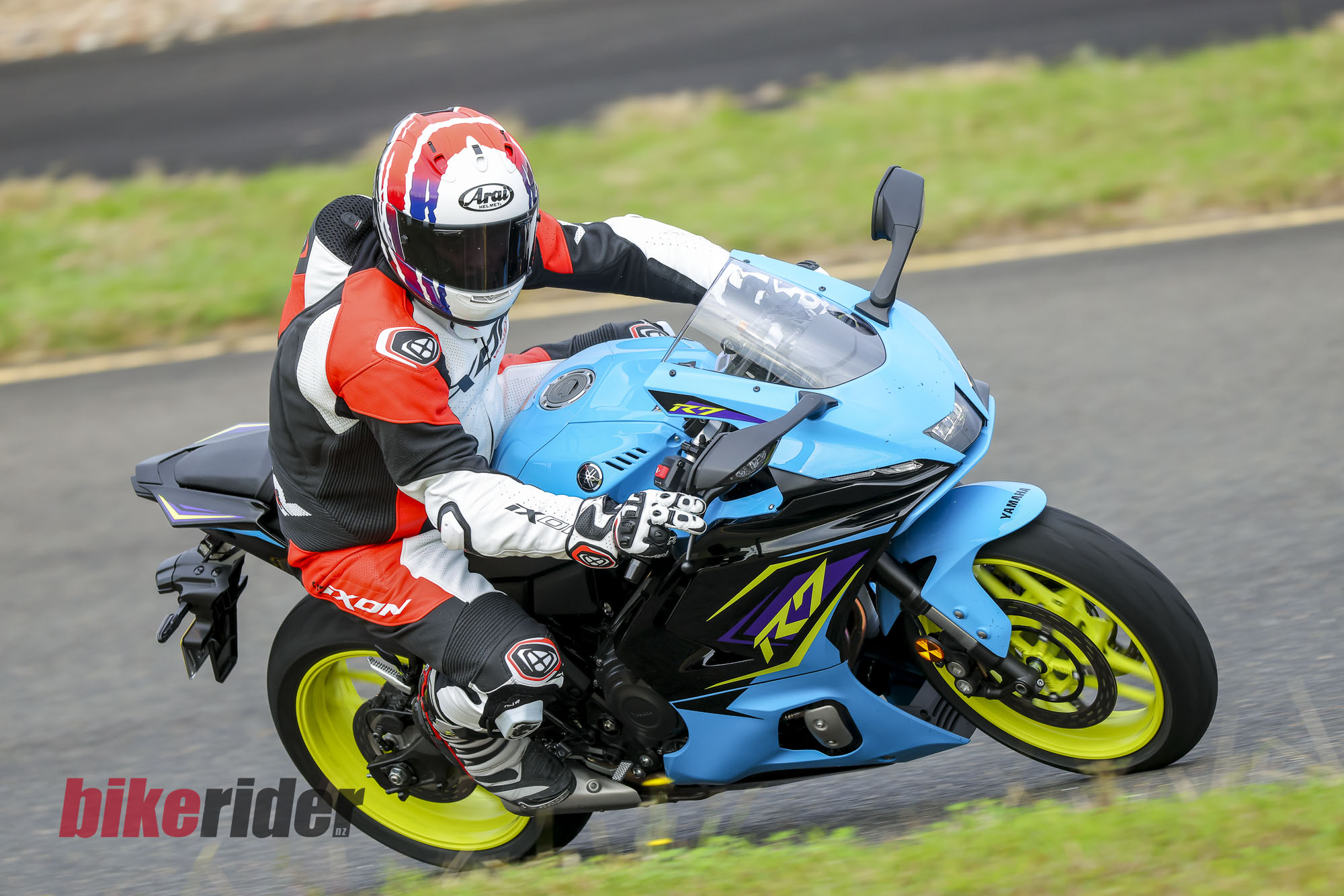
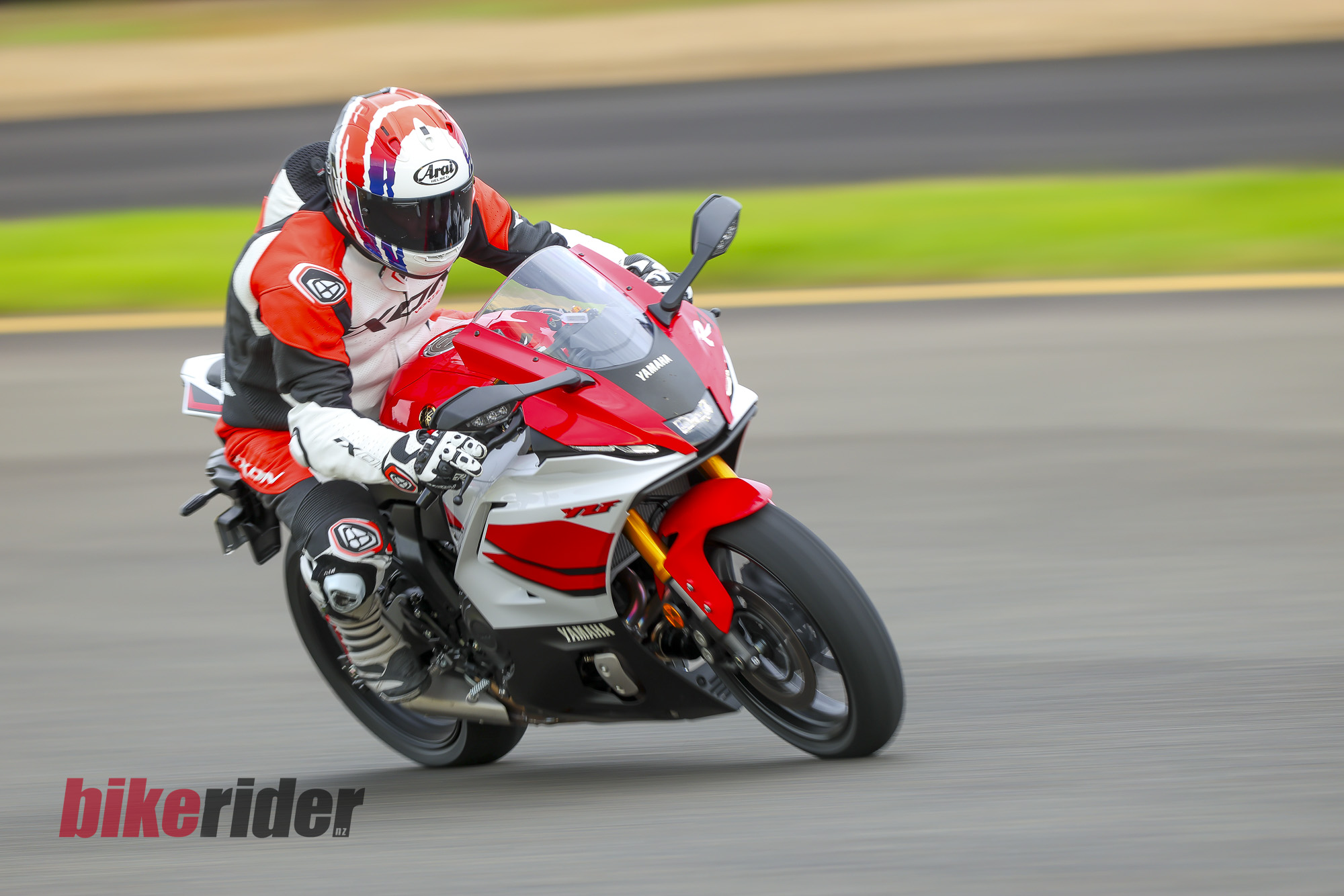
A couple of quick downshifts — partly because I wanted the quickshifter to work and partly because I wanted to hear that excellent parallel twin soundtrack — a shift of body position under braking, and the R7 dropped onto its side with impressive speed and accuracy.
The chassis responds beautifully to rider input and, crucially, remains settled enough that you can adjust your line mid-corner. If I hadn’t been wearing denim riding jeans, a knee slider probably wouldn’t have stayed untouched for long.
And firing out the other side of the corner, there was always the confidence that the electronics were there to catch you if enthusiasm started to exceed ability.
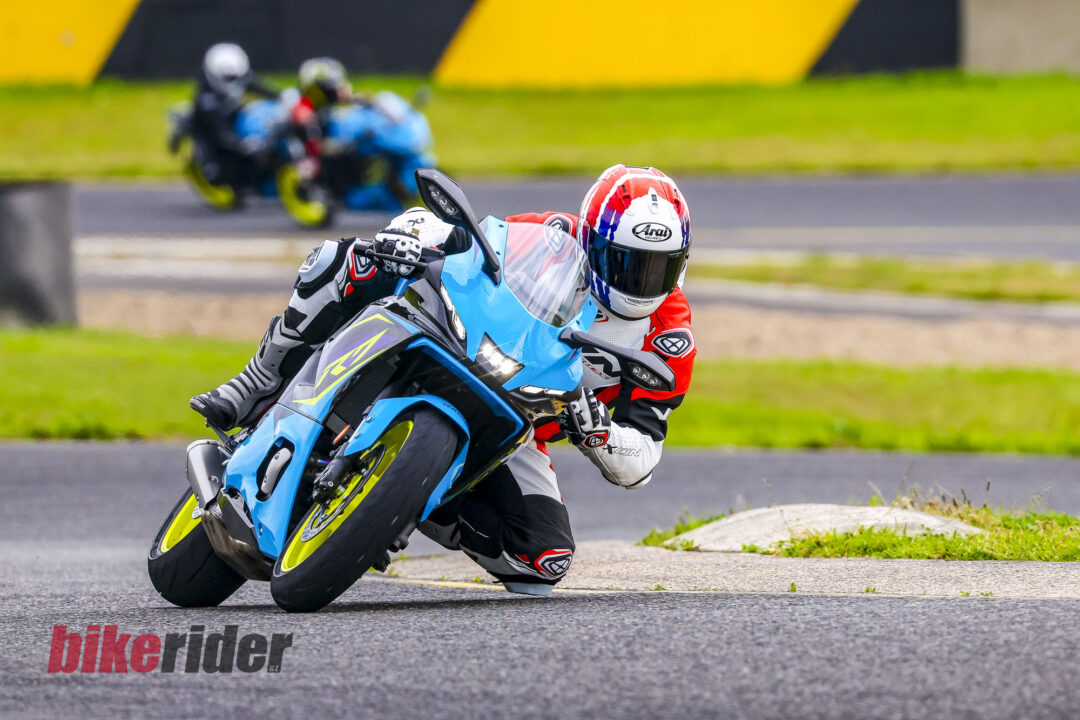
Track test: A tighter circuit and a faster lesson
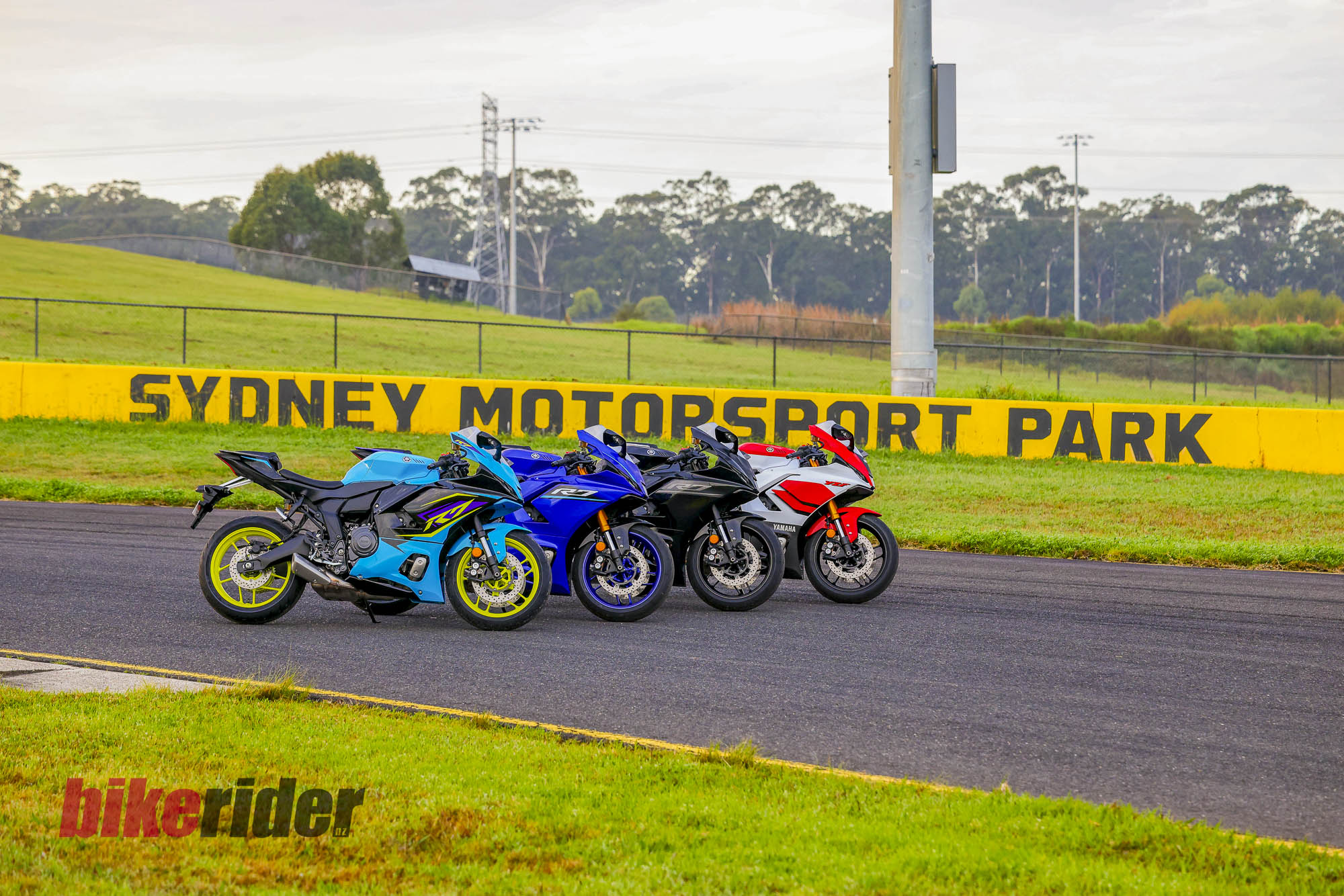
The second day moved to Sydney Motorsport Park’s Southern Circuit. And yes, it’s every bit as tight as a gnat’s chuff.
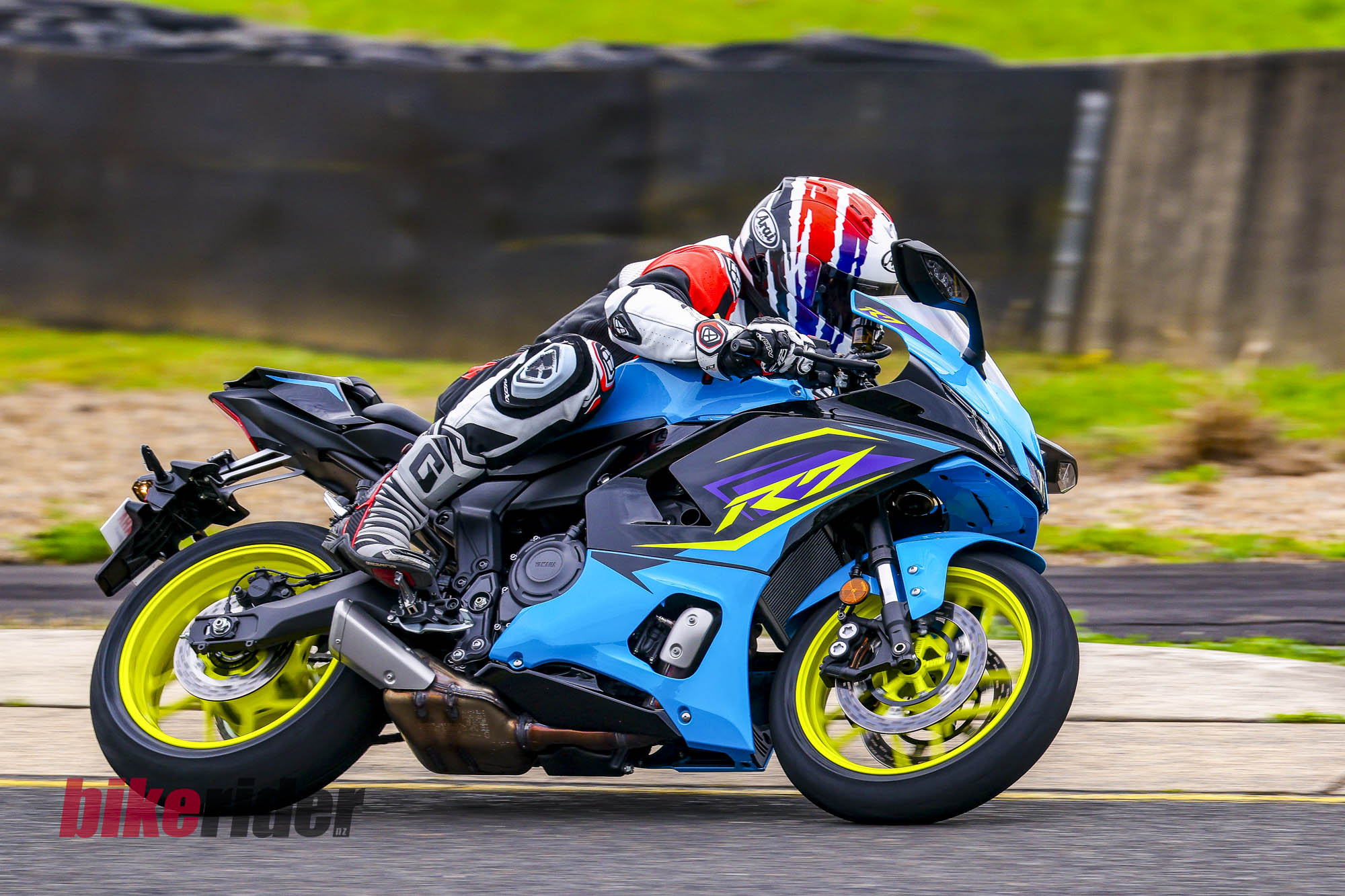
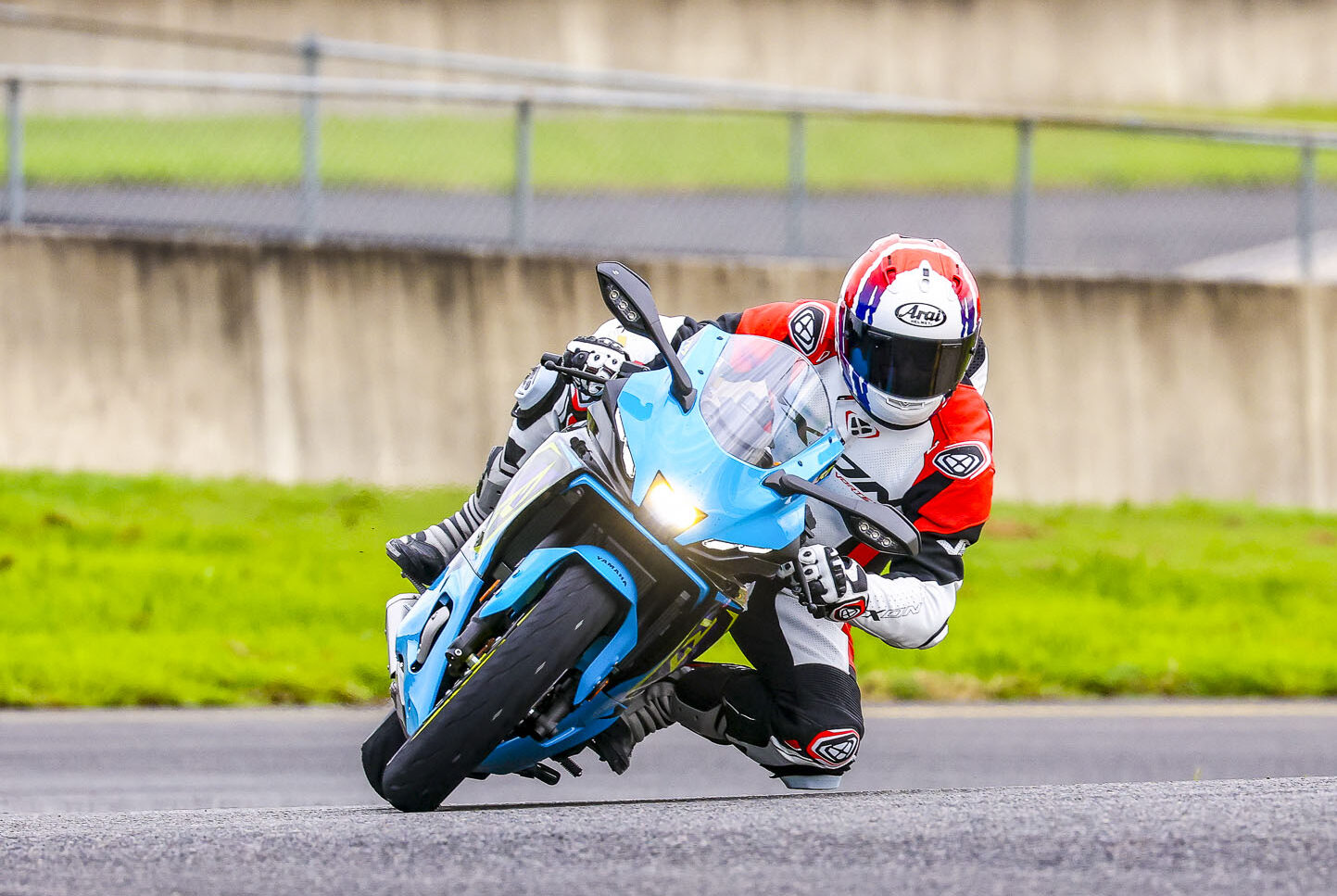
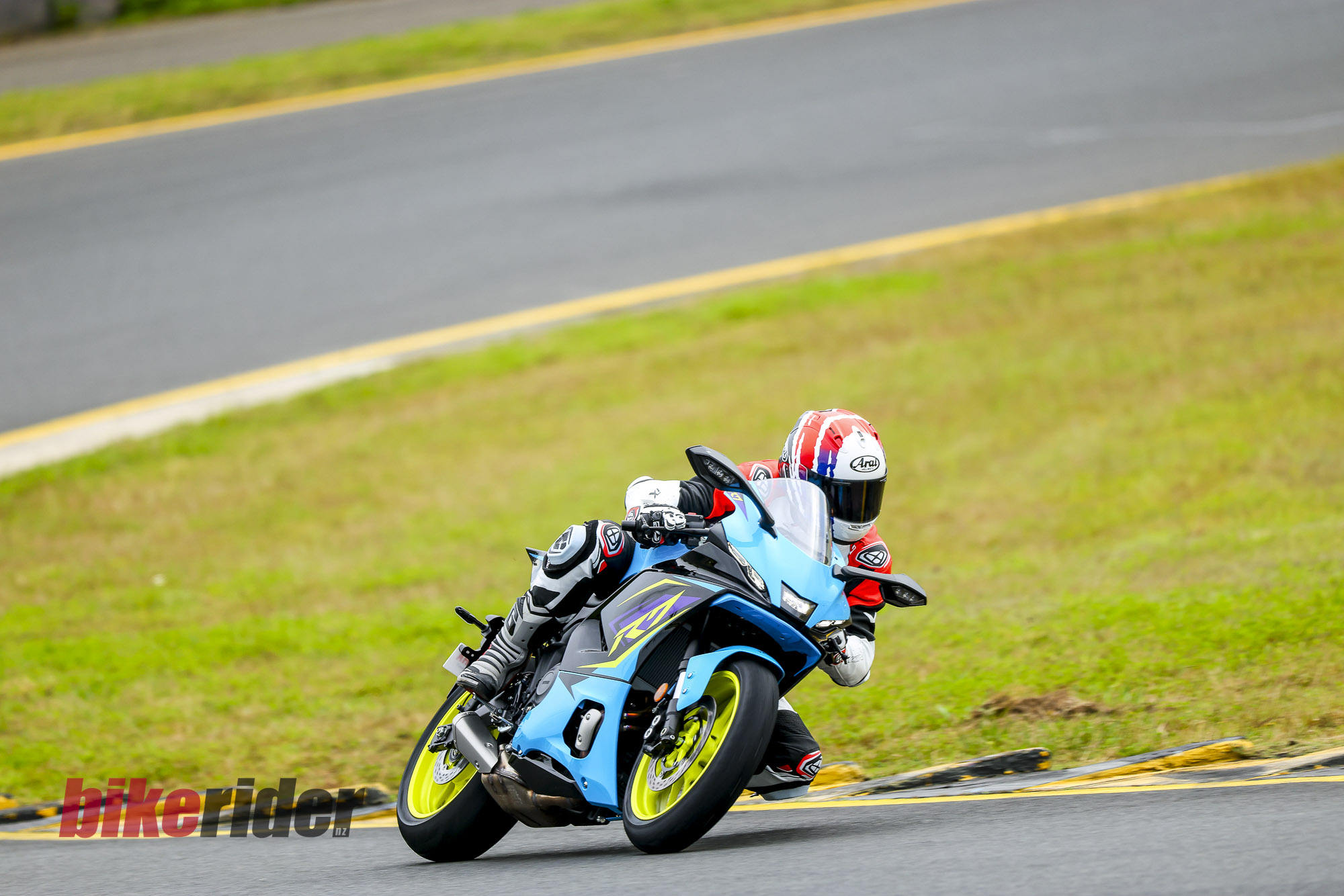
There is no time to relax on this little ribbon of tarmac. It combines downhill braking zones, fast sweepers that require a healthy amount of commitment and tight hairpins where you throw the bike onto its side and immediately prepare for the next direction change.
To make things even more interesting, the drifters had been in before us and left their usual layer of rubber and debris around the circuit. It was the perfect place to expose any weaknesses in the new R7.
We were told the opening two laps would be behind a sweep rider to learn the circuit and warm the tyres.
Apparently, nobody told the sweep rider they were supposed to be slow.
As I watched him and the four riders ahead disappear into the distance, it quickly became obvious that these were going to be warm-up laps in name only.
“The R7 doesn’t intimidate you. It encourages you.”
Time to get on with it. And that’s where the R7 really impressed me.
I didn’t know the circuit. I didn’t know the grip levels. I didn’t know where I was going.
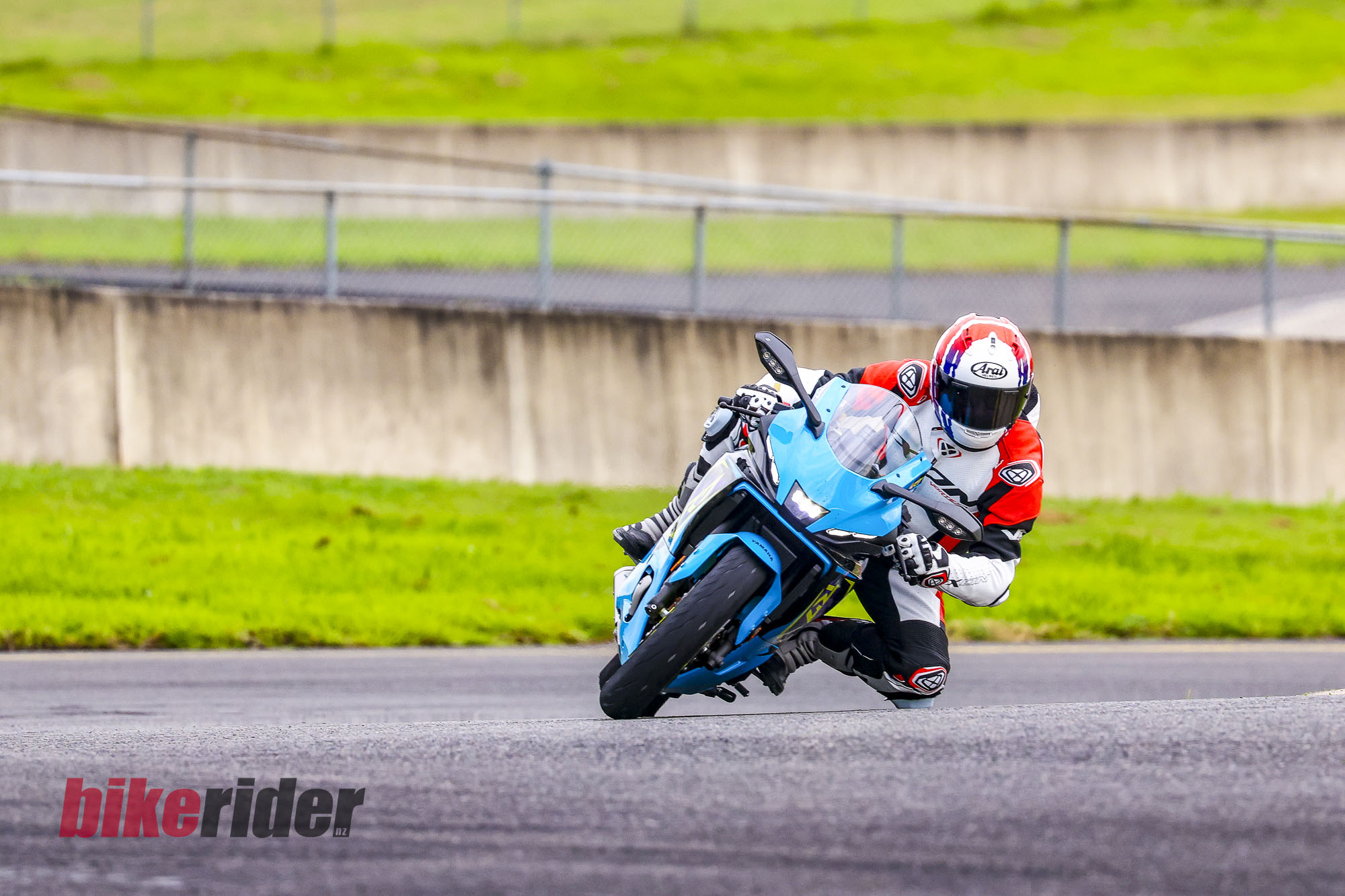
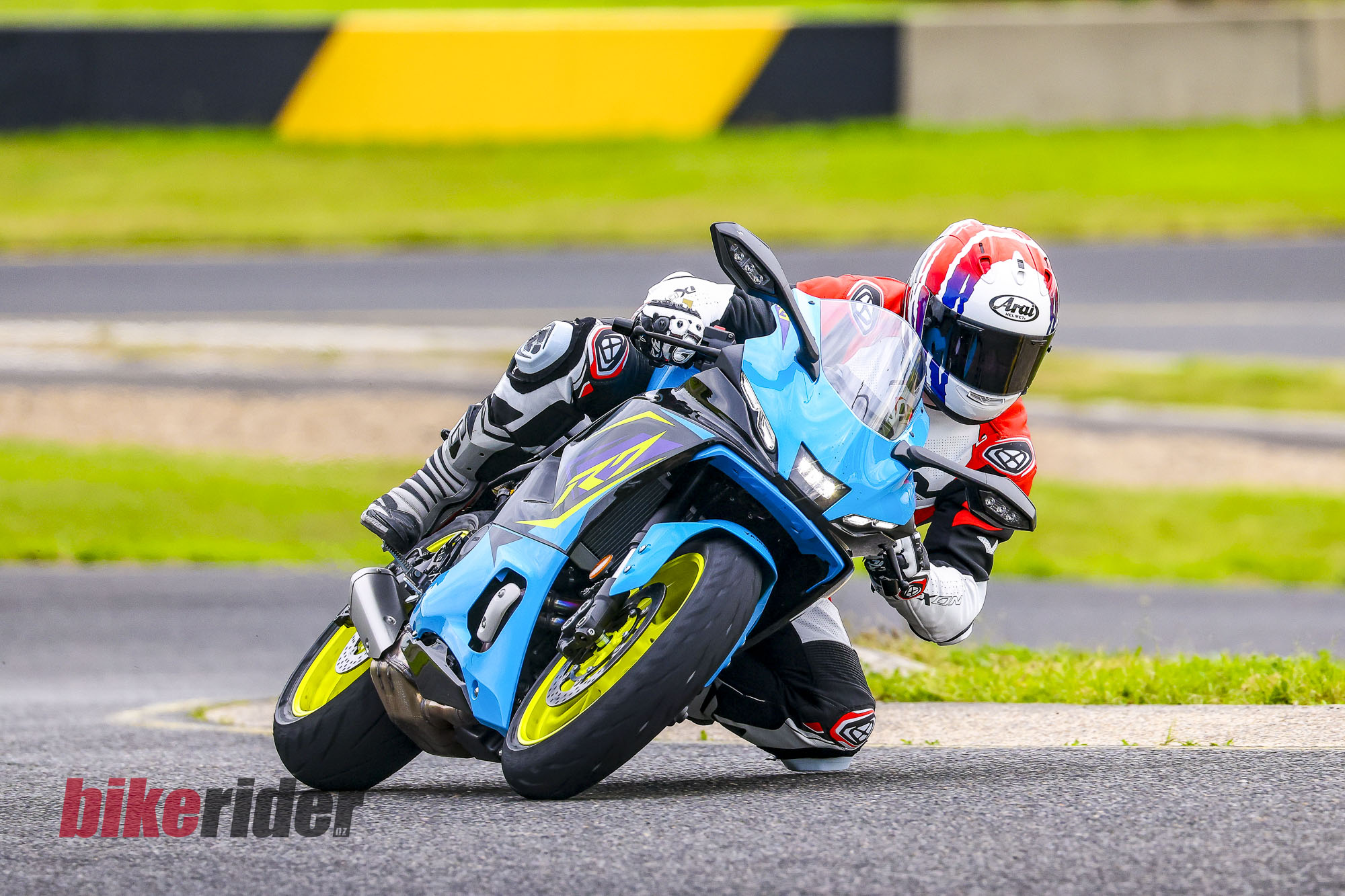
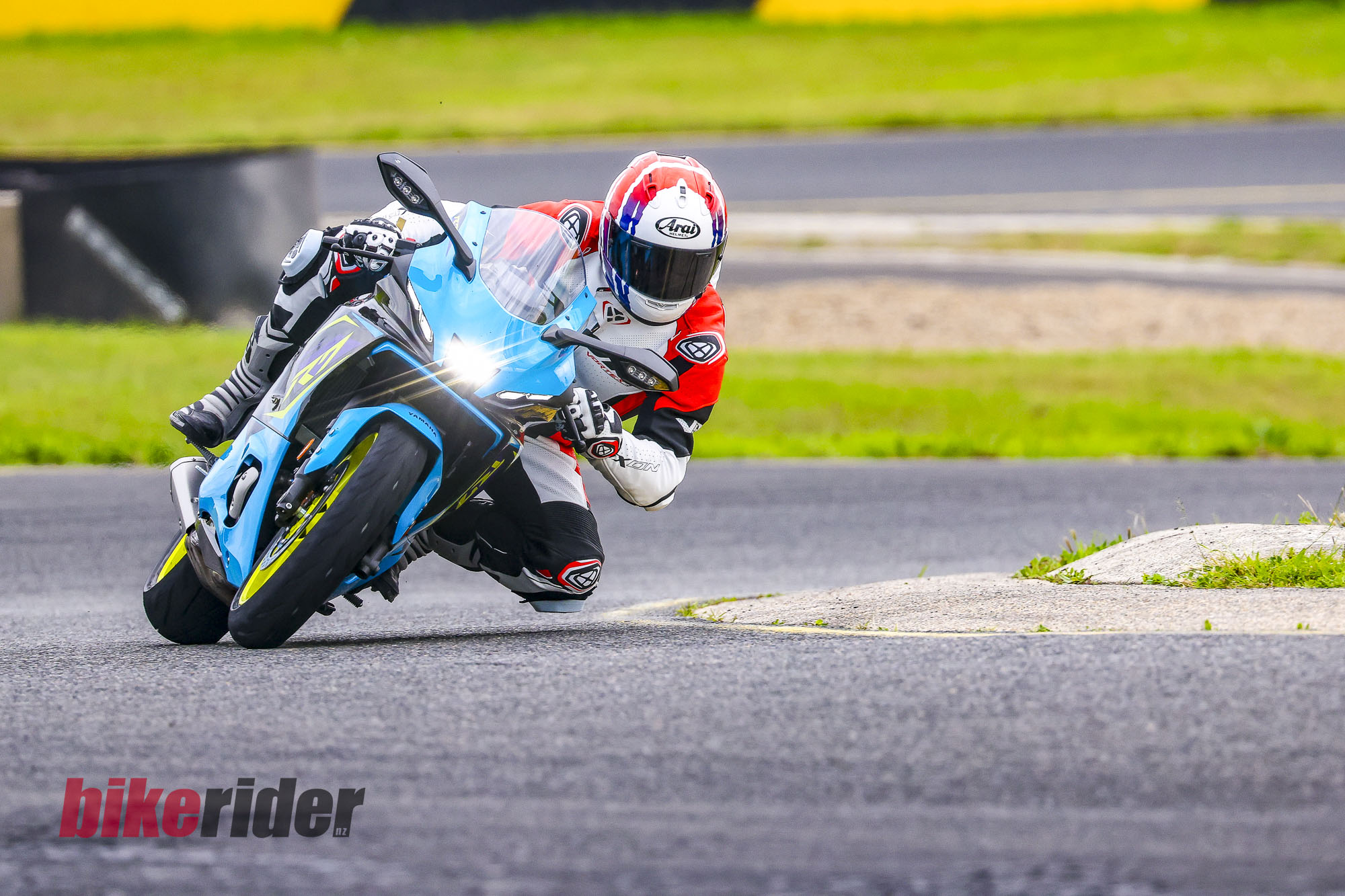
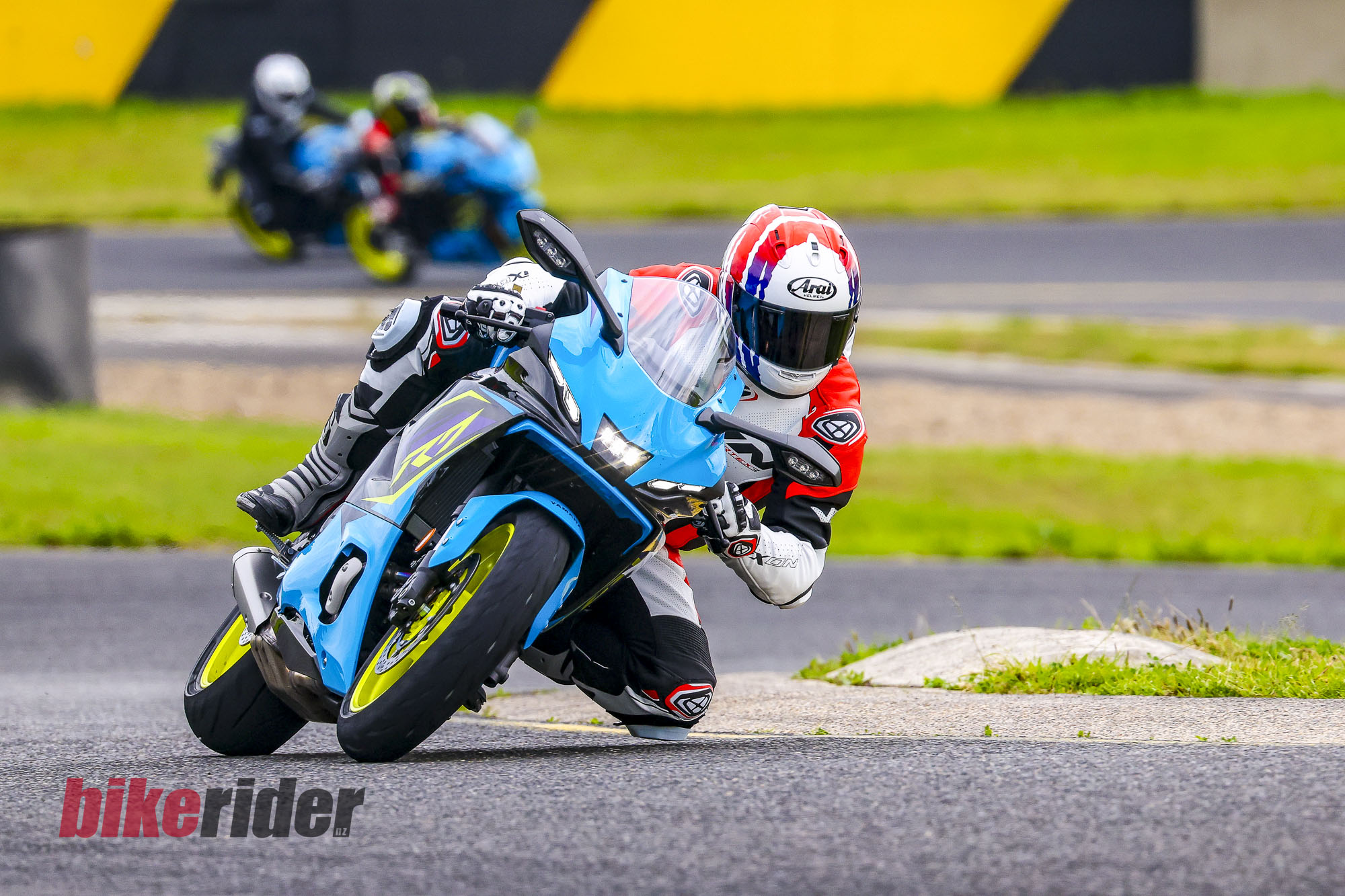
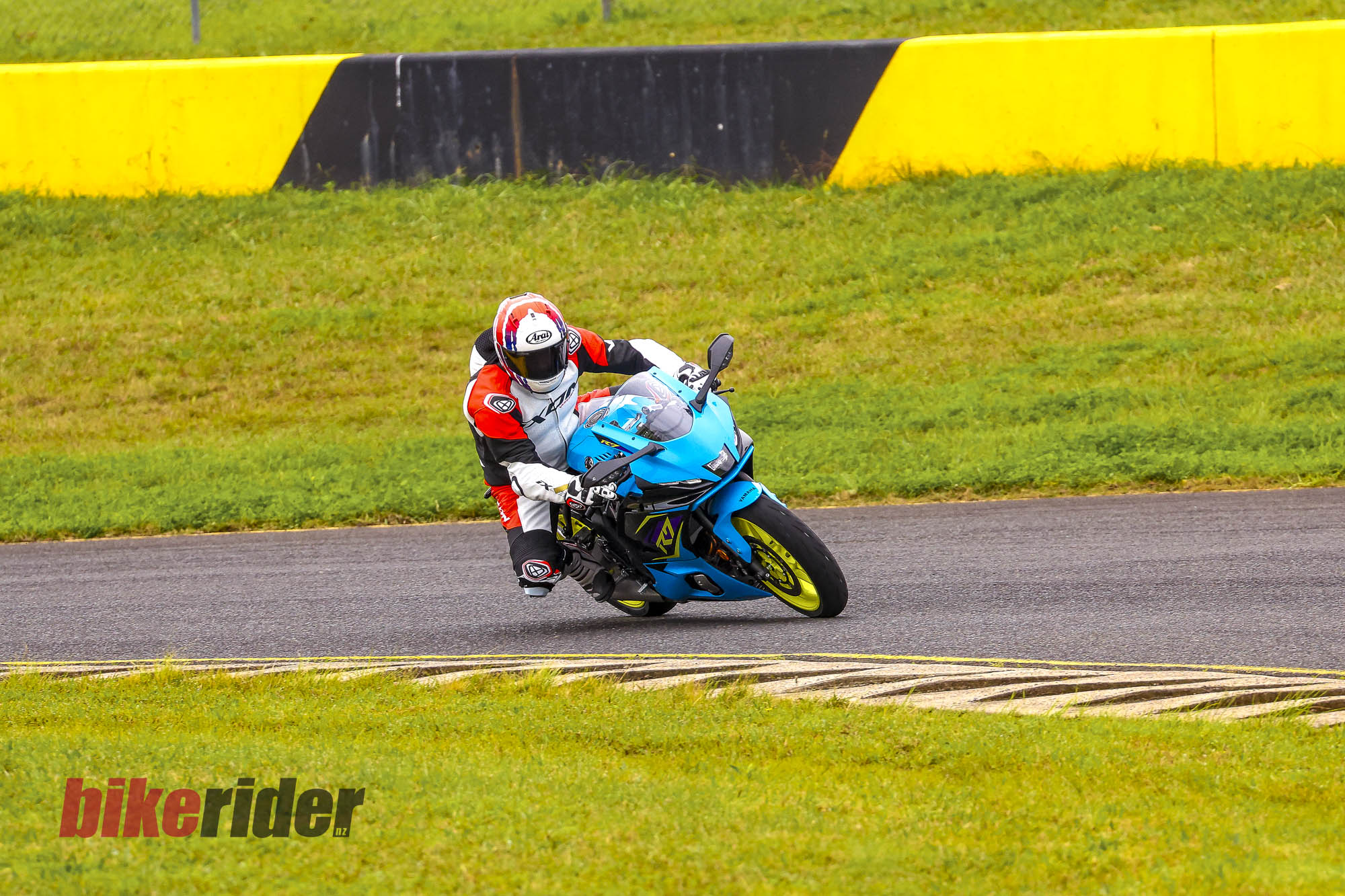
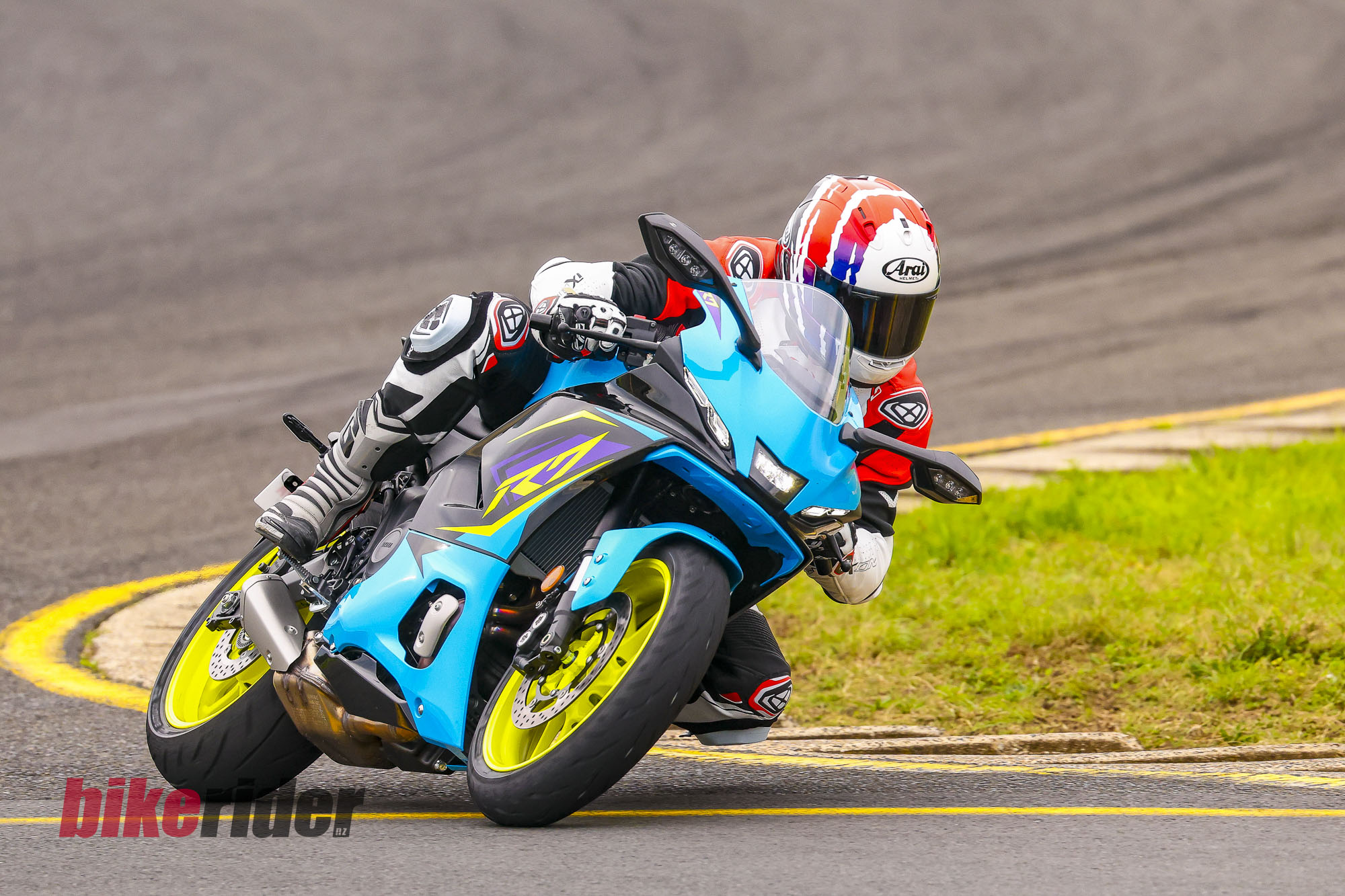
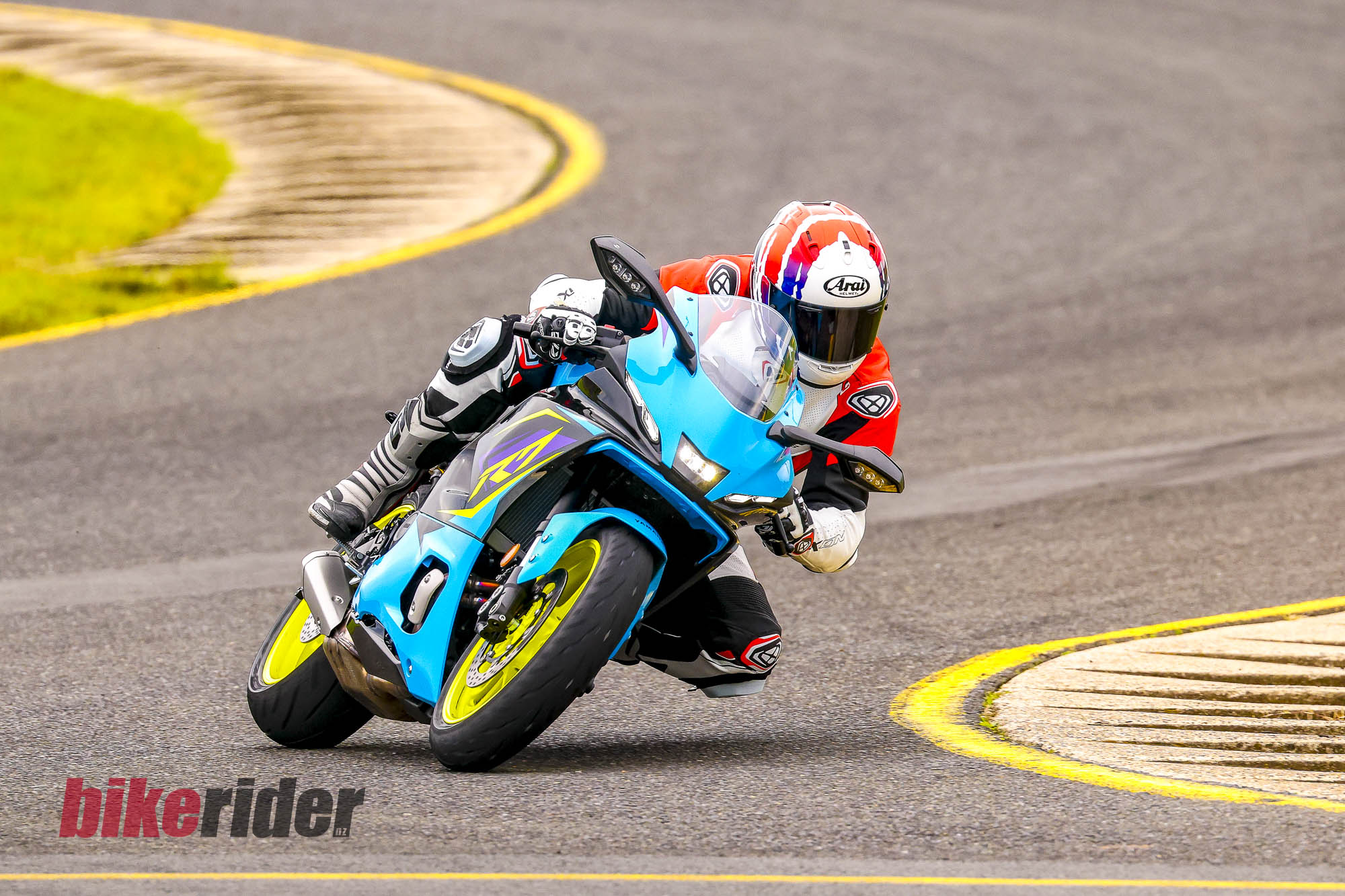
Yet before the first lap was complete, my knee was touching the ground, the hazard lights were flashing under hard braking, and I was carrying a pace that would have felt completely unrealistic for a learner-approved motorcycle.
That tells you everything you need to know about this bike.
It doesn’t intimidate you. It encourages you.
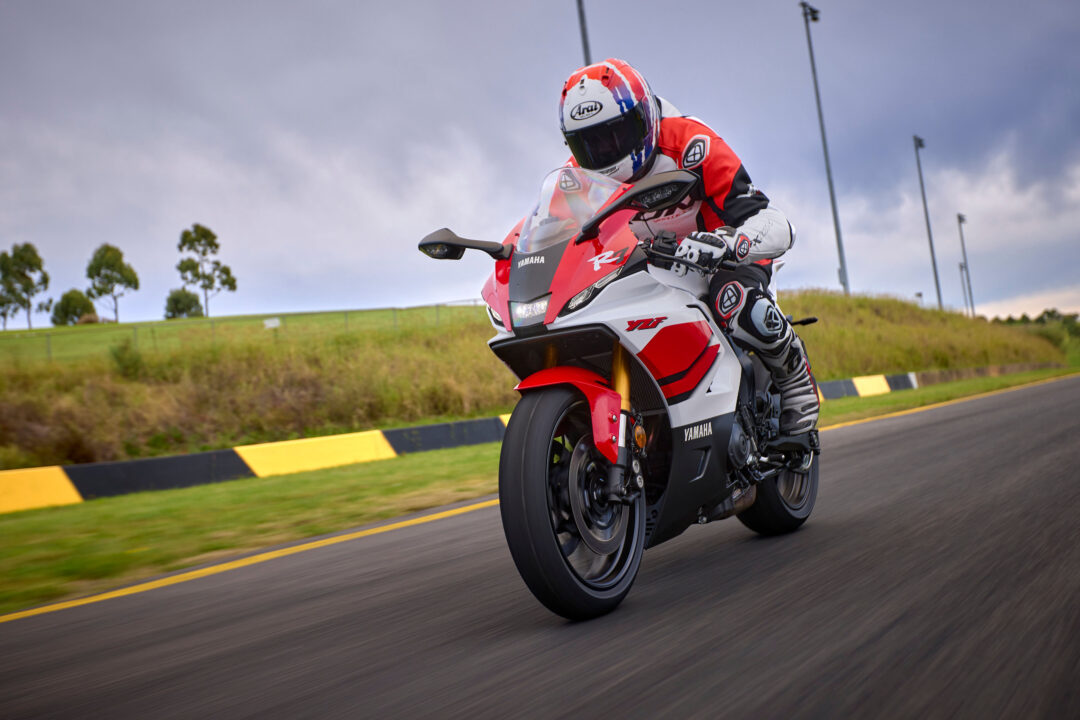
The engine may not have superbike numbers, but the way it delivers power makes it genuinely entertaining. It drives hard out of slower corners and, as my confidence increased throughout the sessions, I found myself relying on the lean-sensitive traction and slide control more and more.
The Brembo braking package deserves equal credit. It offers excellent feel rather than an aggressive initial bite, allowing you to squeeze harder and harder with confidence.
By the end of the day, the speedometer was showing around 140km/h through corners with a knee on the deck and the R7 still felt completely comfortable.
And remember, these were standard motorcycles.
Apart from removing the hero blobs and adjusting tyre pressures, nothing had been changed. The same Bridgestone S23 tyres were used throughout the entire day despite the bikes being hammered session after session by journalists, dealers, racers and riders with varying levels of track experience.
The result?
Not a single motorcycle hit the ground.
That is genuinely impressive and says everything about how forgiving and confidence-inspiring the R7 is.
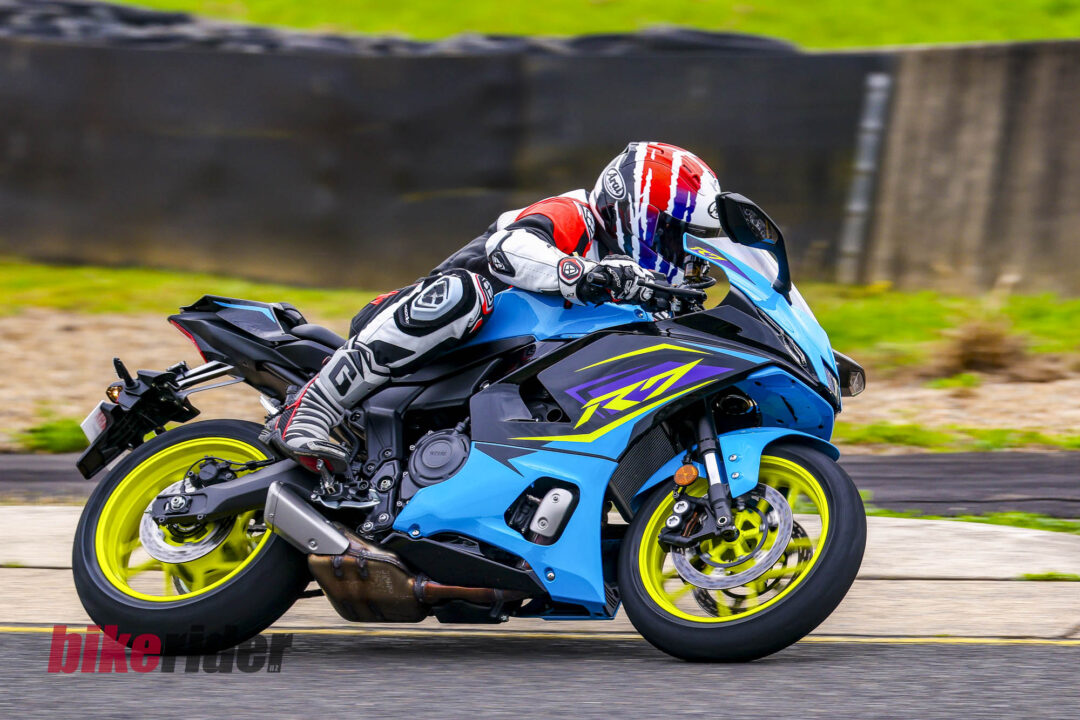
A sports bike that happens to be LAMS
The biggest compliment I can give the R7 is that everyone on the launch agreed on one thing.
We would have given almost anything to have had a motorcycle this good when we were learning.
The LAMS restriction only really makes itself known above 8,000rpm. Up until that point, it delivers a riding experience remarkably close to the full-power version.
The answer is simple: use the excellent quickshifter, keep it in the middle of the torque curve and enjoy the ride.
For a new rider, this is a motorcycle that will teach good habits. It will grow with your abilities, encourage confidence and even provide a genuine pathway into track riding.
For experienced riders, it makes just as much sense.
Not everyone needs 200 horsepower and a licence-losing top speed. Plenty of riders simply want something light, sharp, exciting and engaging on real roads.
The R7 delivers exactly that. If you’ve got your full licence, then going for the High Output version gives you all the versatility, just with the added bonus of a stronger top-end and a useful 74 horses to play with.
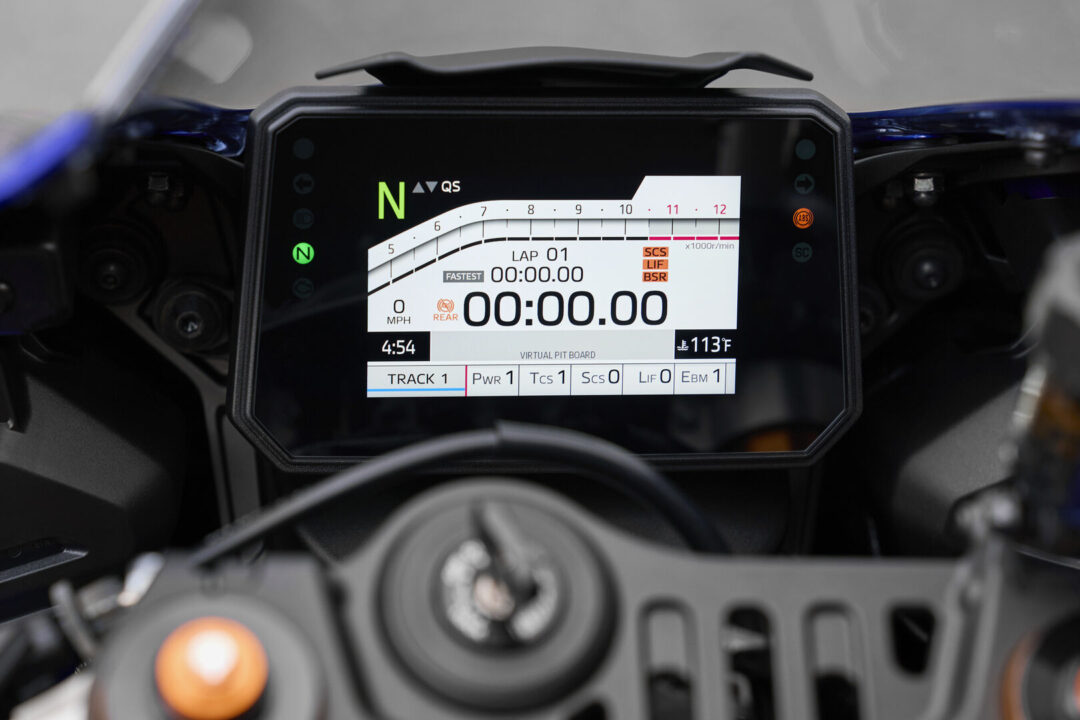
Connected rider
Of course, no modern motorcycle would be complete without an app. Or, in Yamaha’s case, several of them.
There are apps for phone connectivity and navigation, but the really interesting tools are the track-focused features that can record data such as throttle position, speed and GPS information.
I would expect supportive words of encouragement, such as: “Go faster, dickhead.”
Only a few years ago, that sort of telemetry would have been reserved for expensive race bikes. Now it’s available on a learner-approved Yamaha.
There is even the ability for your pit crew — otherwise known as your mates — to send messages that appear on the dashboard while you’re out circulating.
I would expect supportive words of encouragement, such as: “Go faster, dickhead.”
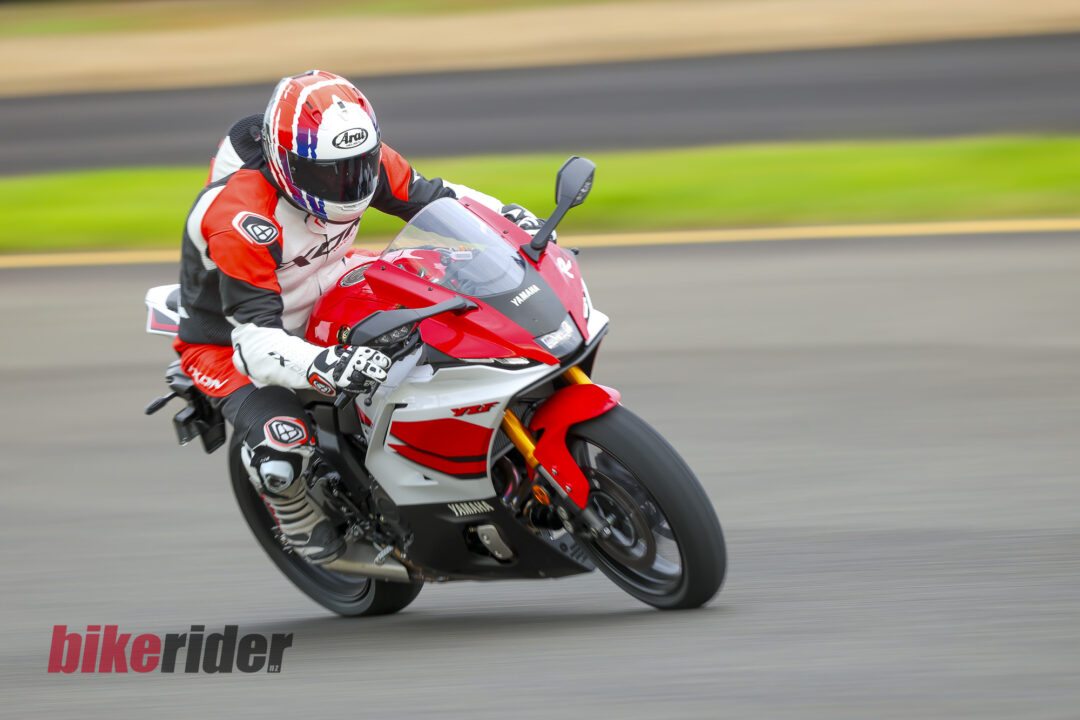
Verdict
The 2026 Yamaha R7 is a perfect example of intelligent development.
Yamaha hasn’t chased bigger numbers or tried to turn it into a superbike. Instead, they’ve made the R7 more comfortable, more sophisticated and more confidence-inspiring while preserving everything that made the original such a success.
It looks like a proper R-series sports bike, sounds fantastic and has enough performance to entertain riders of every experience level.
Whether you’re a learner taking your first steps into motorcycling, an experienced rider looking for a lighter sports machine or someone who wants a bike capable of commuting during the week and embarrassing much bigger machines at a track day on the weekend, the R7 makes an incredibly compelling case.
It might not be the cheapest option in the segment.
But once you ride it, it’s very easy to understand where the money has gone.
Pics: Josh Evans & Pitlance Media
Check out a couple of laps on Sydney Motorsport Park’s south circuit on the 2026 Yamaha R7 below.
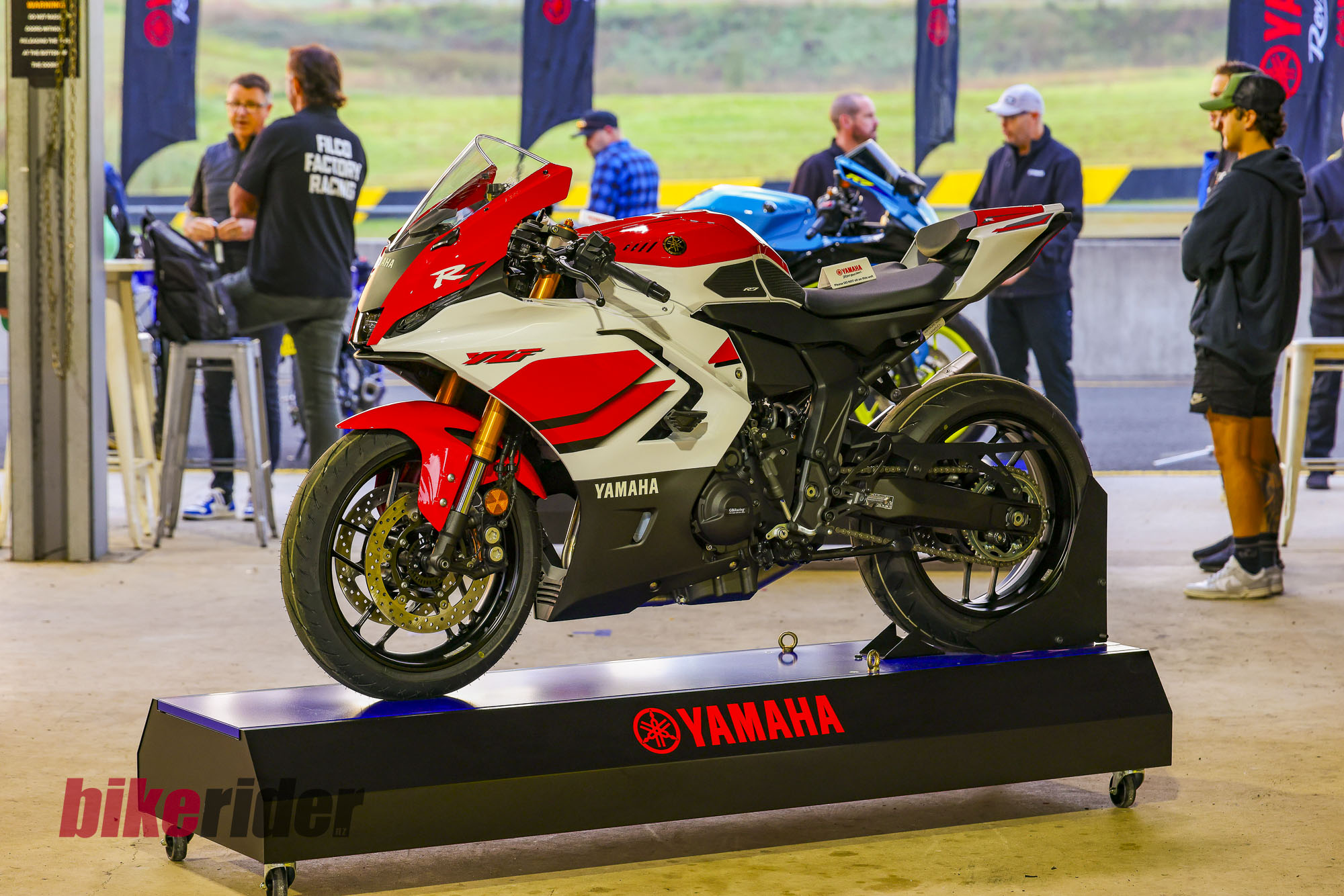
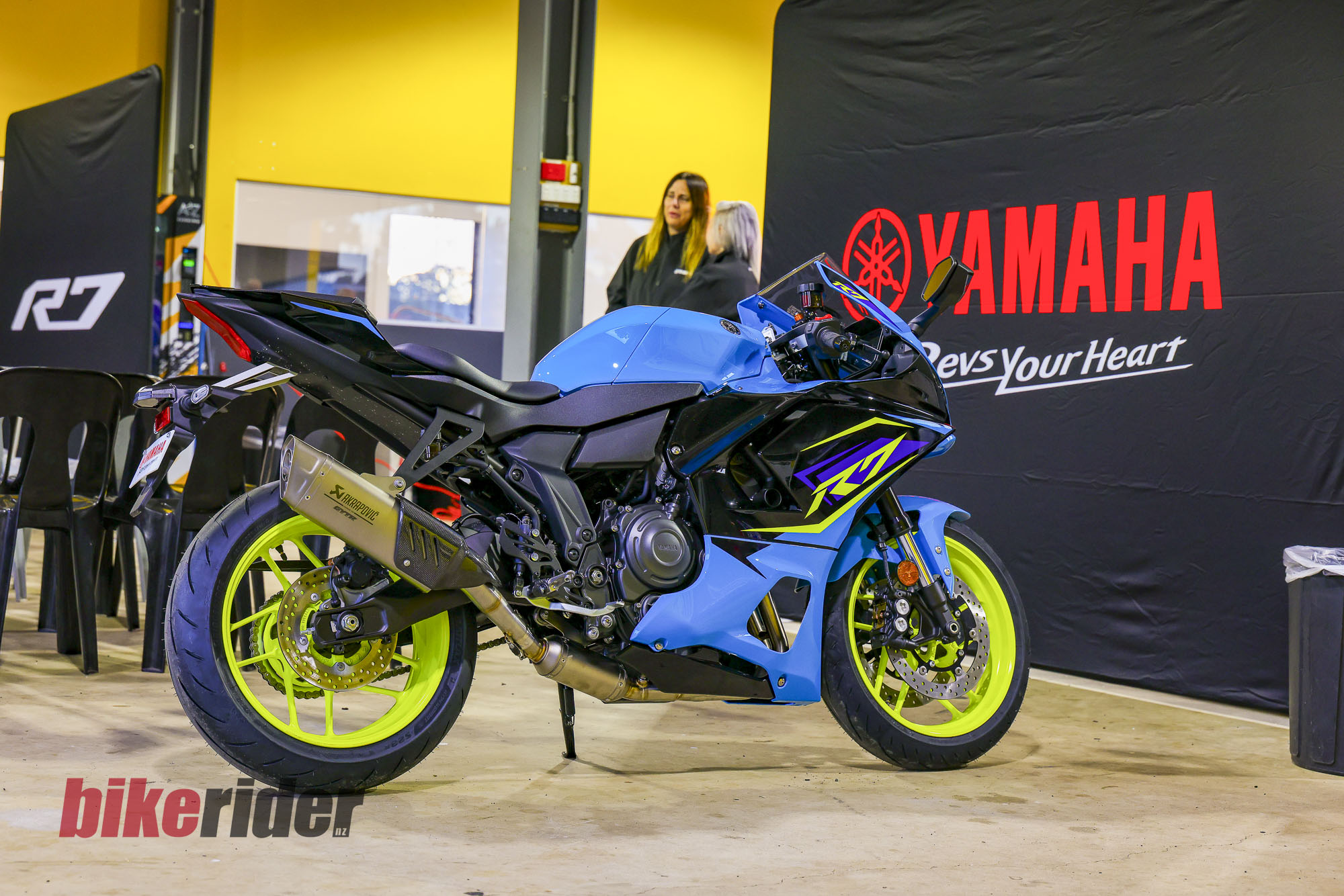
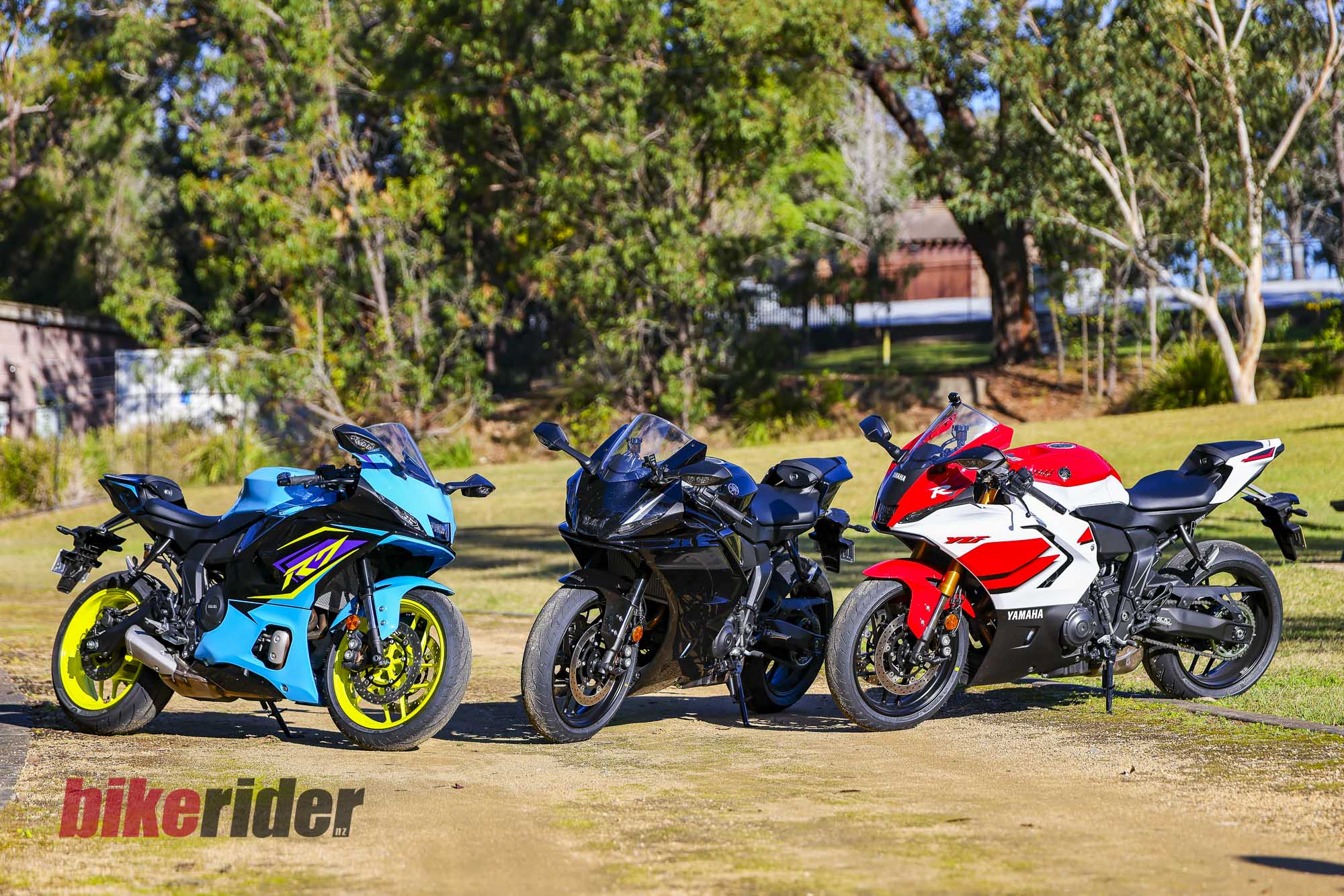
2026 Yamaha YZF-R7 Gallery
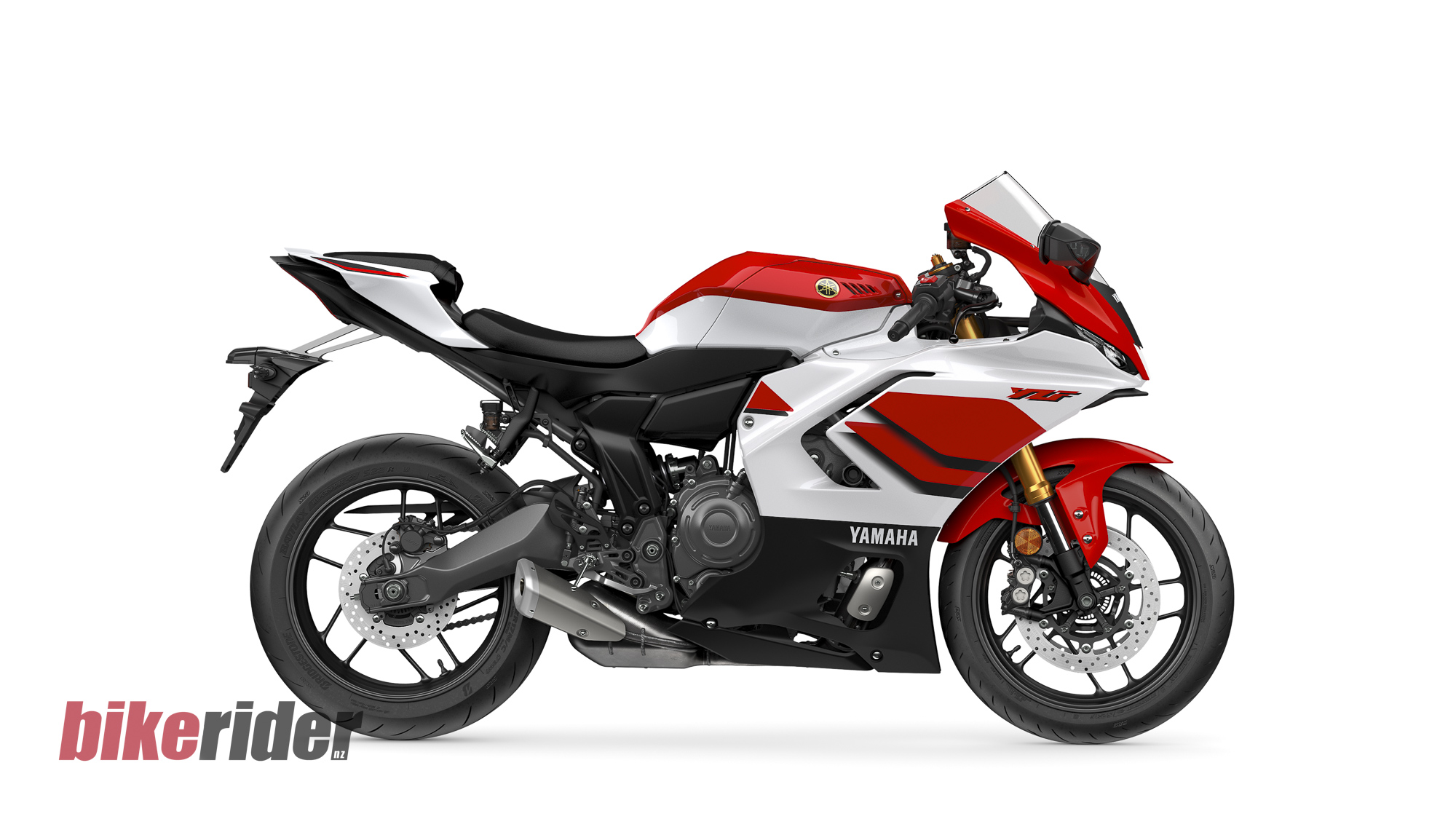
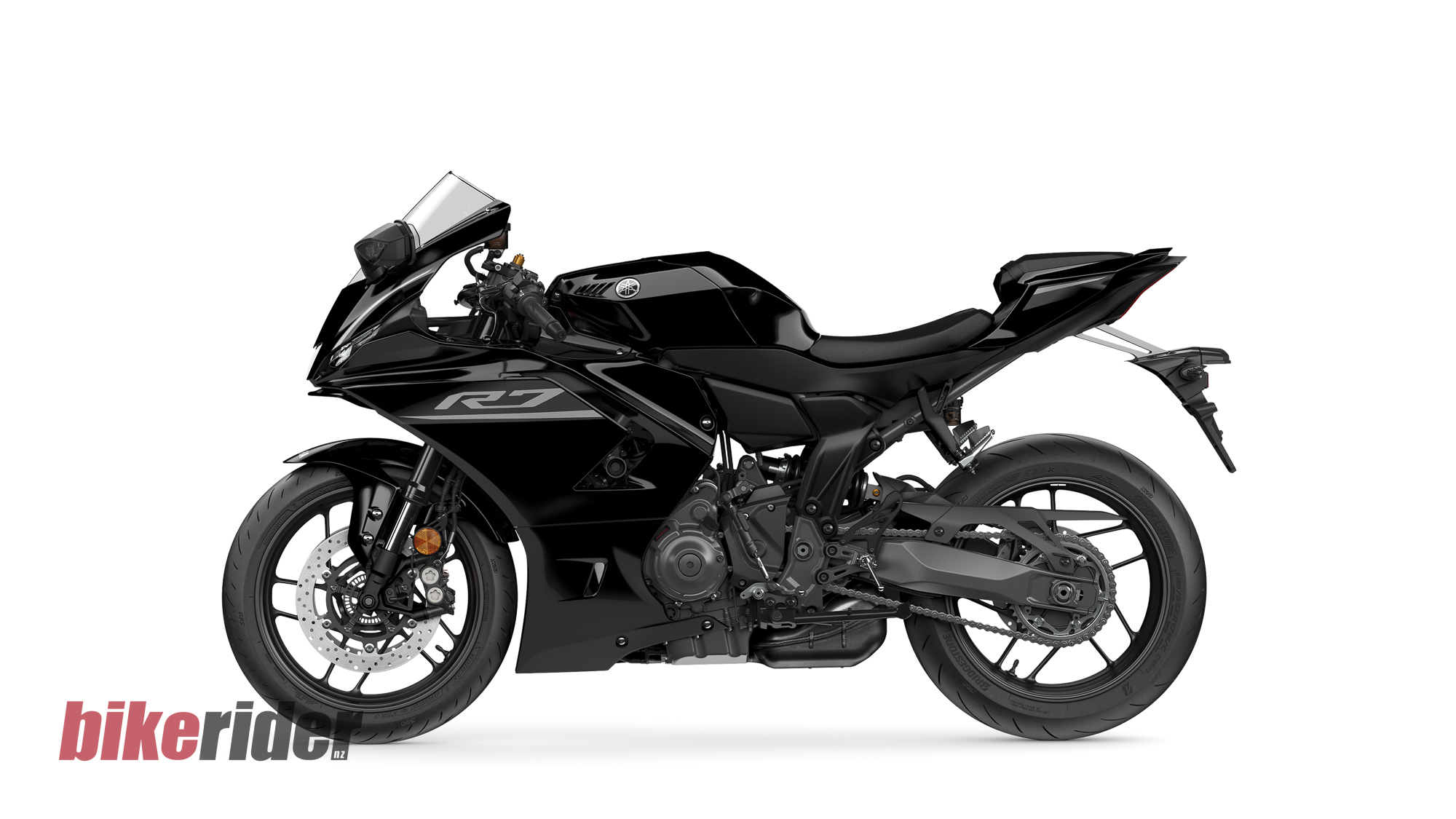
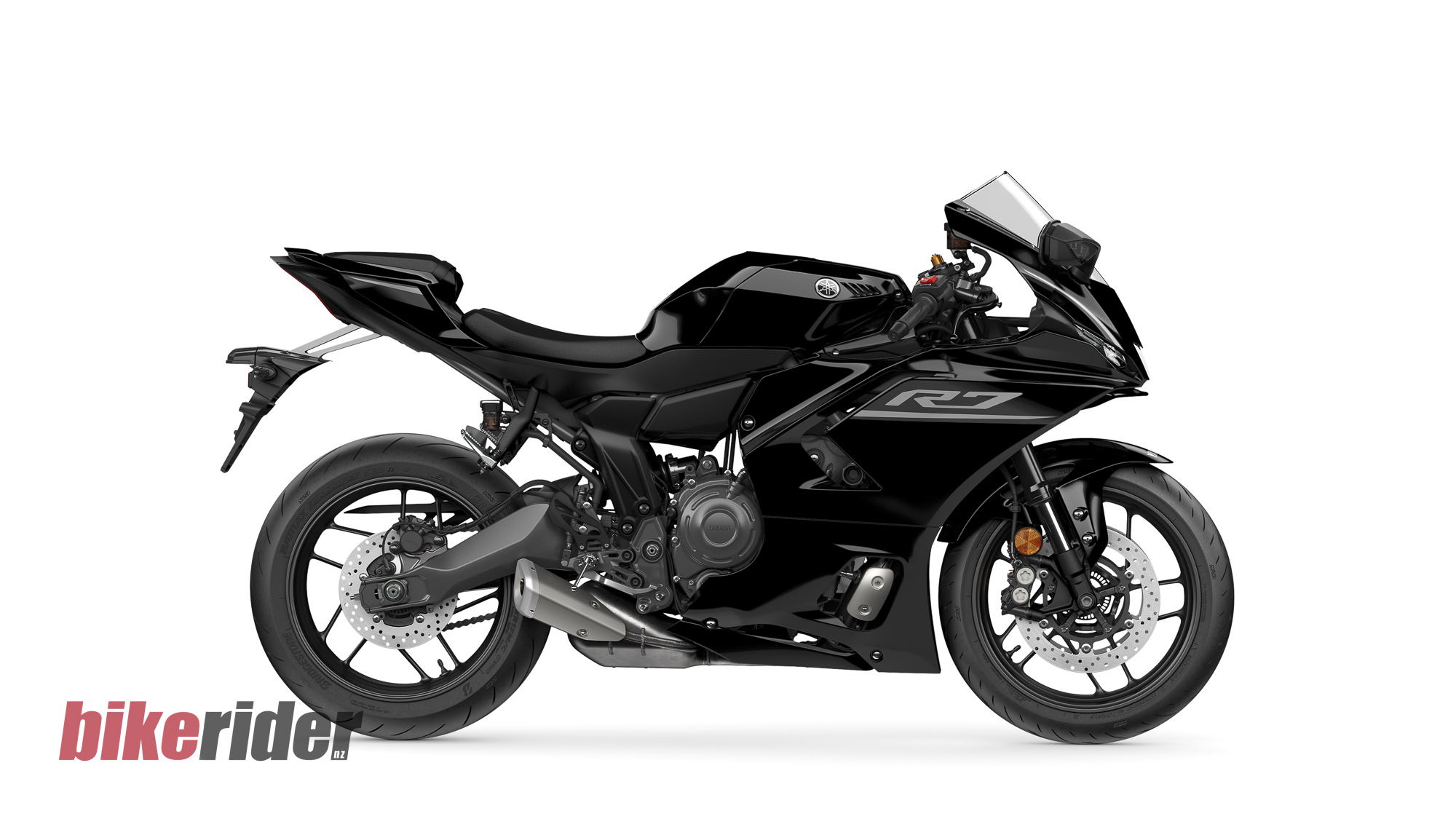
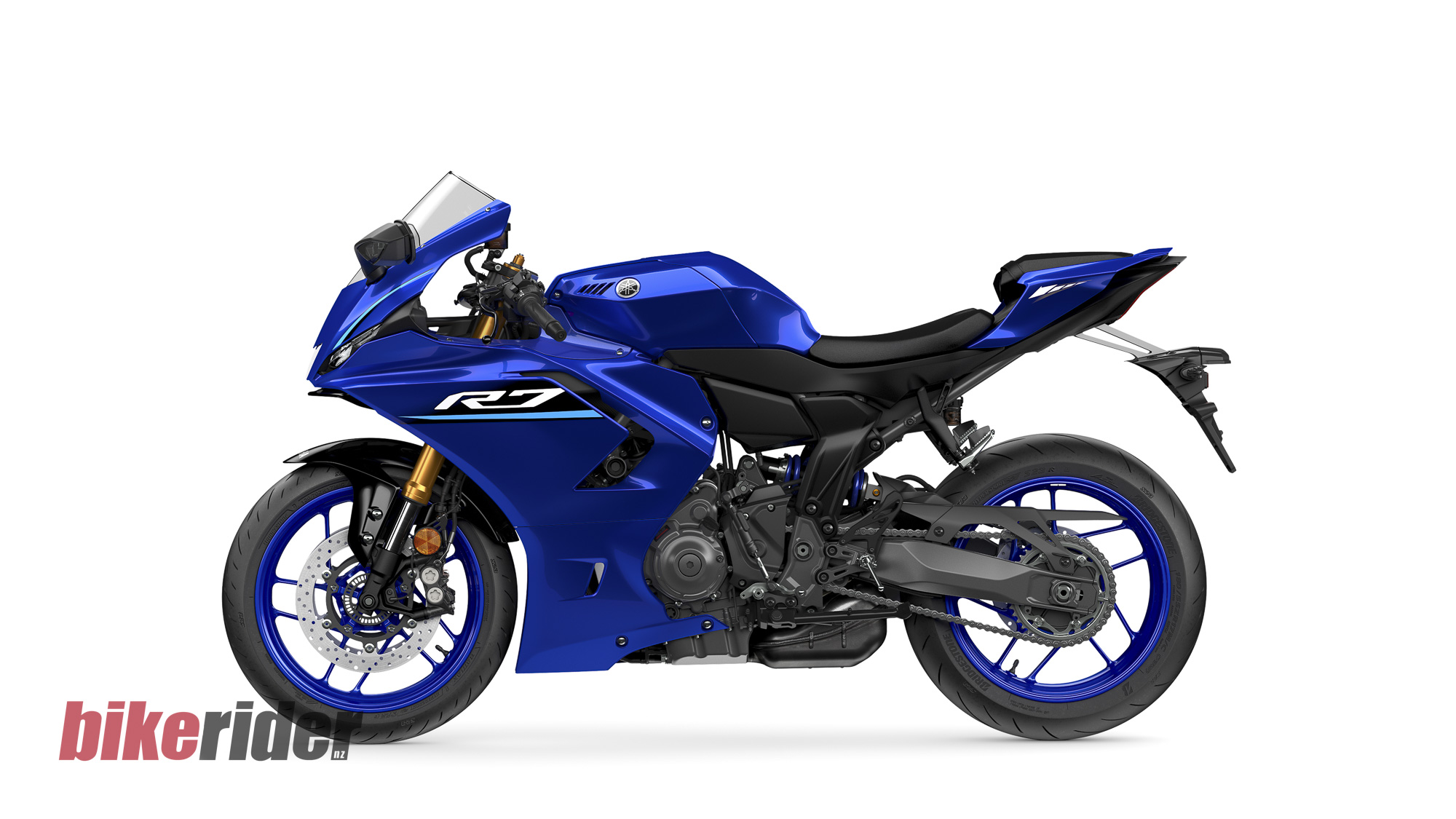
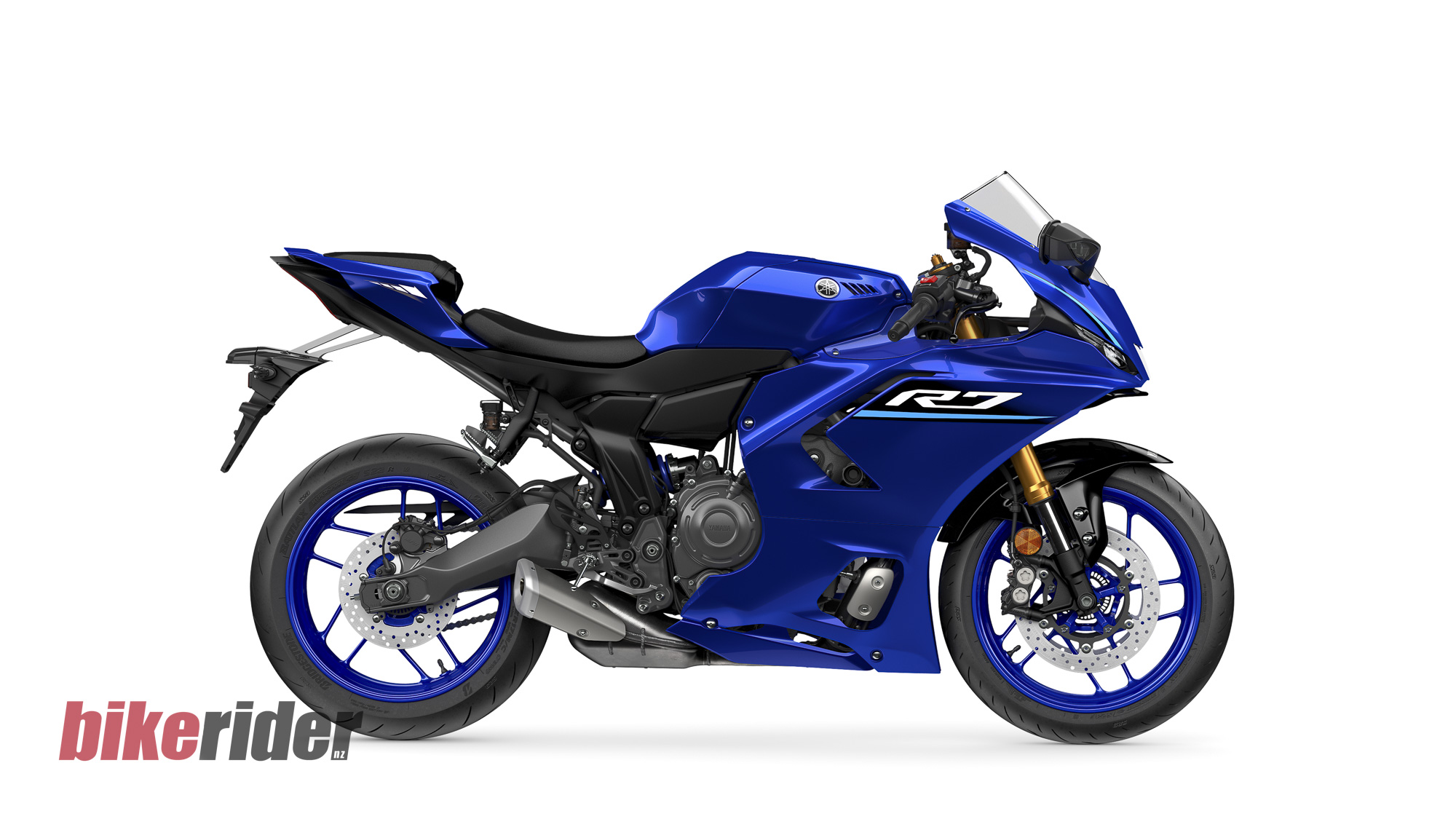
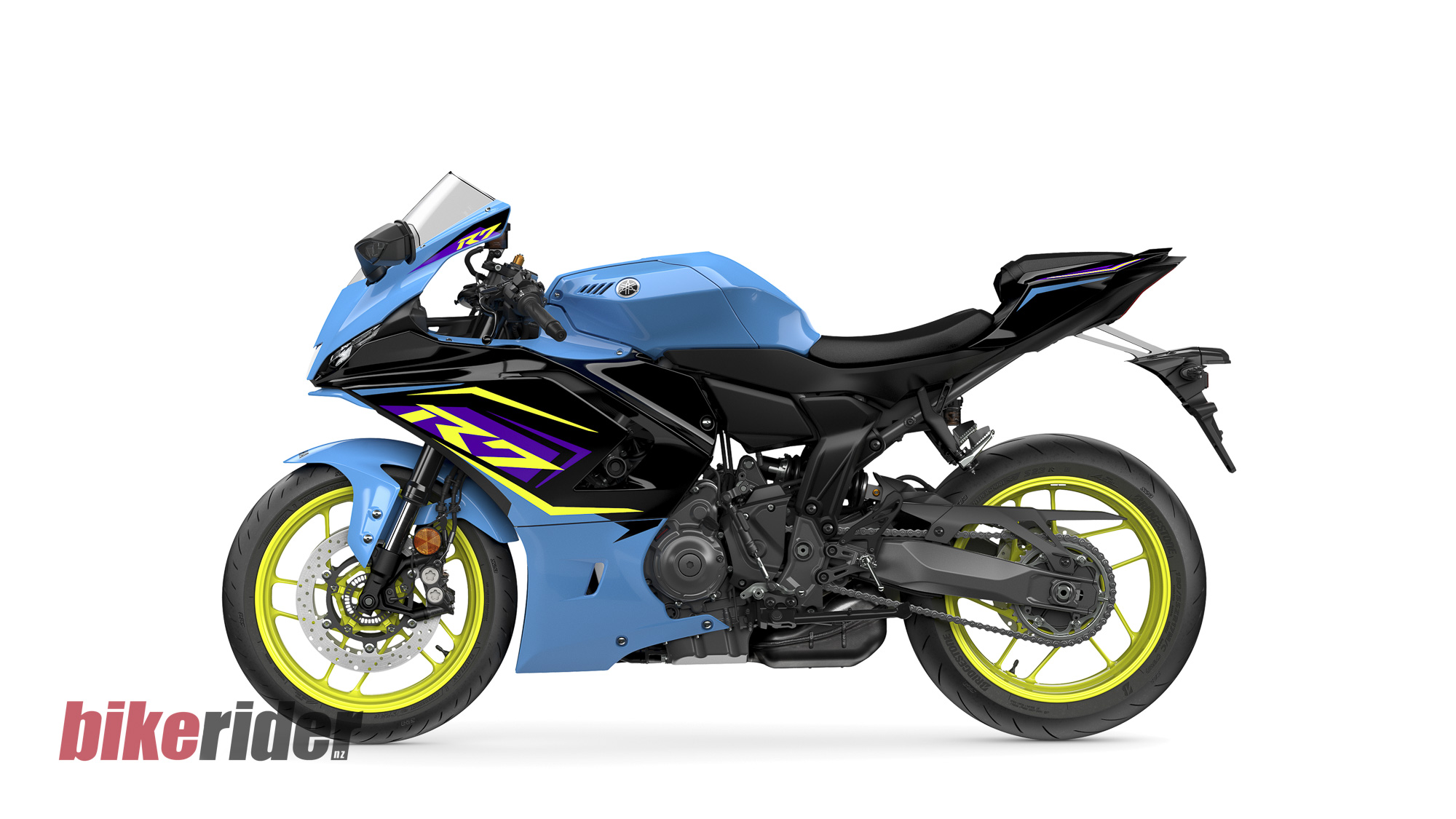
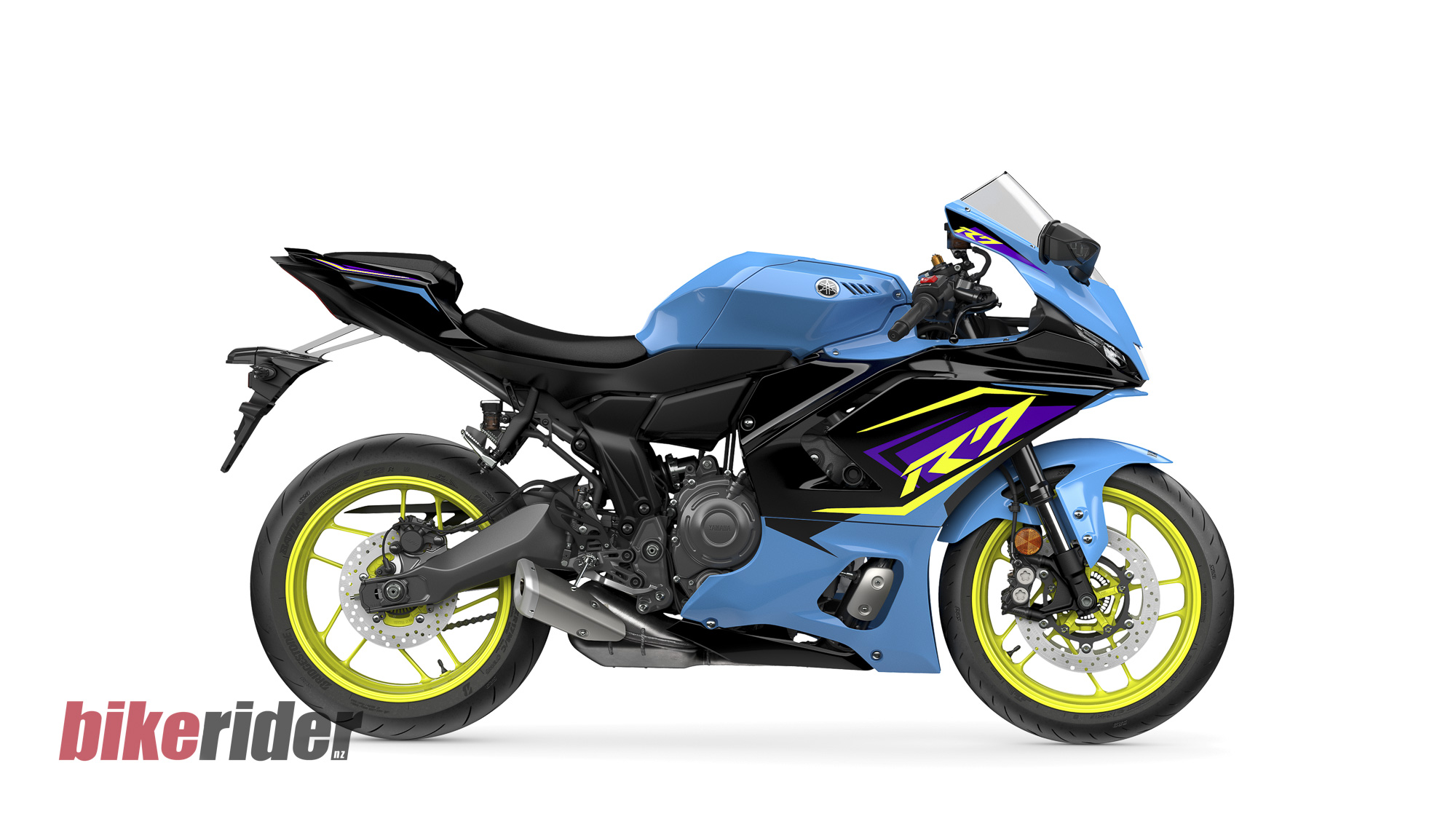

Proper R-Series
The 2026 Yamaha R7 proves that more technology doesn’t have to mean less involvement. The addition of a six-axis IMU, lean-sensitive electronics and improved rider aids gives confidence without removing the fun, while the upgraded suspension and lower seat height make the R7 a better road bike than ever. It remains a machine that can nurture a new rider, entertain an experienced one and deliver serious thrills on a race track.2026 YZF-R7 Features
• Torquey 655/689cc twin-cylinder DOHC fuel-injected CP2 engine
• New Yamaha Chip Controlled Throttle (YCC-T) system
• New Third-generation Yamaha Quick Shift System (QSS)
• New Full-colour 5in TFT display
• New Smartphone connectivity with Yamaha Y-Connect
• New Garmin® navigation compatible with Garmin® StreetCross app
• New six-axis Inertial Measurement Unit
• New Yamaha Ride Control (YRC) featuring:
• Three-level Power Delivery Mode (PWR)
• Lean-sensitive Traction Control (TCS) with four intervention levels (inc OFF)
• Four-level (inc OFF) Slide Control System (SCS)
• Four-level (incl OFF) Lift Control System (LIF)
• Lean-sensitive Brake Control (BC) System
• Two-level Engine Brake Management(EBM) system
• Back Slip Regulator (BSR)
• Launch Control System (LC)
• New Yamaha Variable Speed Limiter (YVSL)
• New Y-TRAC Rev App
• New Rear ABS OFF feature
• New aerodynamic styling
• New MotoGP®-inspired triple clamp
• Revised high-tensile steel tubular frame
• Revised asymmetrical swingarm
• Linked-type Monocross rear shock
• Updated rear shock linkage
• Brembo® radial front master cylinder
• New black anodised brake and clutch levers
• New footpegs
• New 10-spoke SpinForged aluminium wheels
• New handlebar switchgear
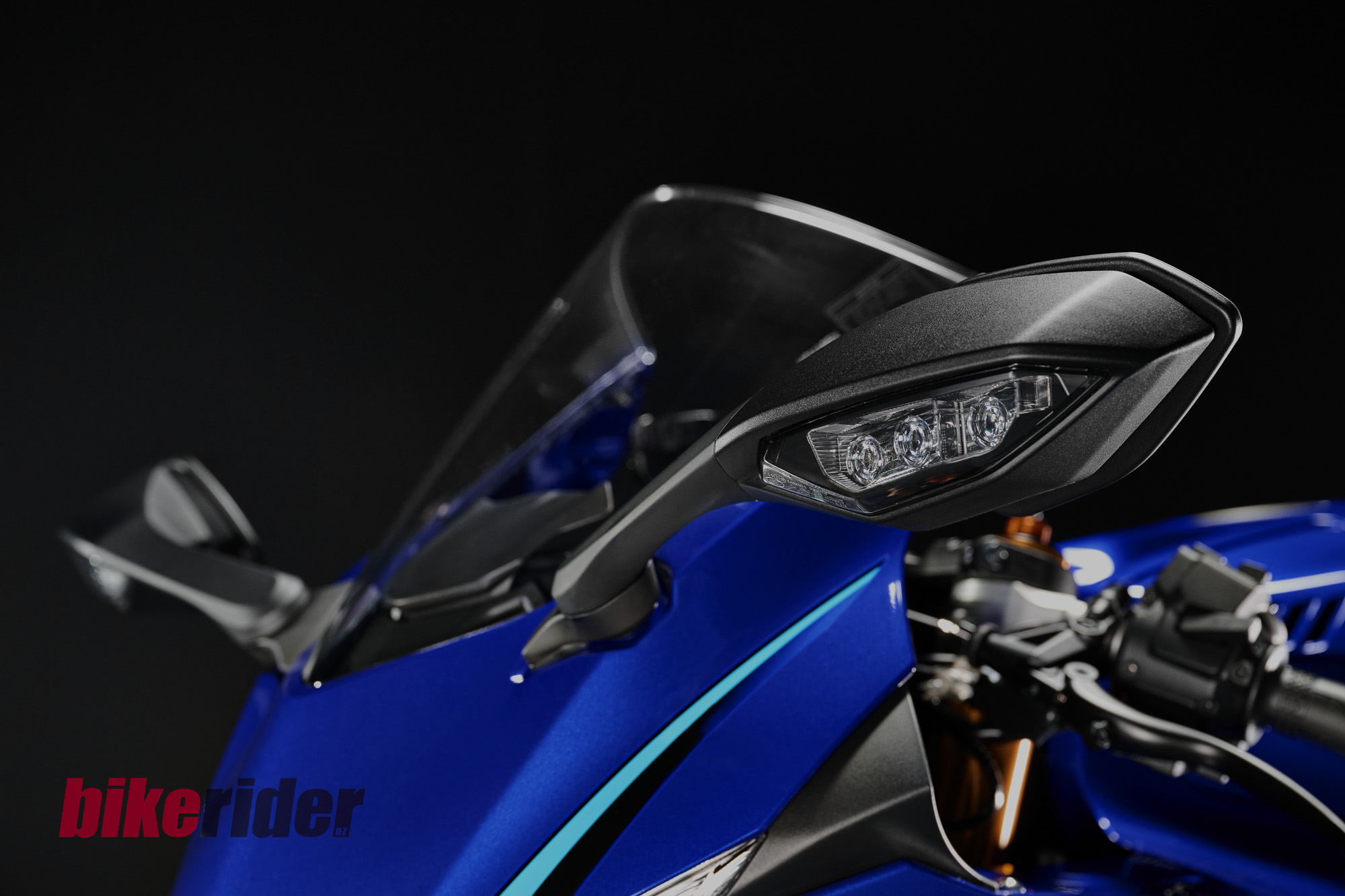
• New self-cancelling turn signals
• New Cruise Control System
• New lightweight fully adjustable KYB forks
• Revised ergonomics
• Modern LED lighting
• Radial-mounted front brake calipers and dual 298mm rotors
• High performance Bridgestone® Battlax Hypersport S23 tyres.
Specifications
| Engine | 655cc (LAMS) / 689cc (HO) liquid-cooled, DOHC, 8-valve parallel twin |
|---|---|
| Bore x Stroke | 80.0 x 68.6mm |
| Compression Ratio | 11.5:1 |
| Fuel System | Yamaha fuel injection |
| Transmission | Six-speed, chain drive |
| Clutch | Wet multi-plate |
| Power | 52bhp / 72bhp @ 8,750rpm (claimed) |
| Torque | 68Nm @ 6,500rpm (claimed) |
| Electronics | 6-axis IMU, rider modes, cornering traction control, cornering ABS, wheelie control, slide control, engine brake control |
| Frame | Diamond steel frame |
| Rake | 24° |
| Trail | 91mm |
| Wheelbase | 1,395mm |
| Front Suspension | 41mm KYB USD forks, fully adjustable, 120mm travel |
| Rear Suspension | KYB monoshock, preload and rebound adjustable, 120mm travel |
| Front Wheel | 3.5 x 17in spin-forged aluminium |
| Rear Wheel | 5.5 x 17in spin-forged aluminium |
| Tyres | Bridgestone Battlax Hypersport S23 |
| Front Tyre | 120/70-ZR17 |
| Rear Tyre | 180/55-ZR17 |
| Front Brakes | Twin 298mm discs, four-piston radial calipers, cornering ABS |
| Rear Brake | 245mm disc, single-piston caliper, cornering ABS |
| Wet Weight | 189kg |
| Seat Height | 830mm |
| Fuel Capacity | 14 litres |
| Fuel Consumption | 4.1L/100km (claimed) |
| Service Interval | 10,000km oil changes |
| Warranty | 3 years (Europe – NZ TBC) |
| Price | $16,549 Ride Away ($17,049 – 70th Anniversary) |
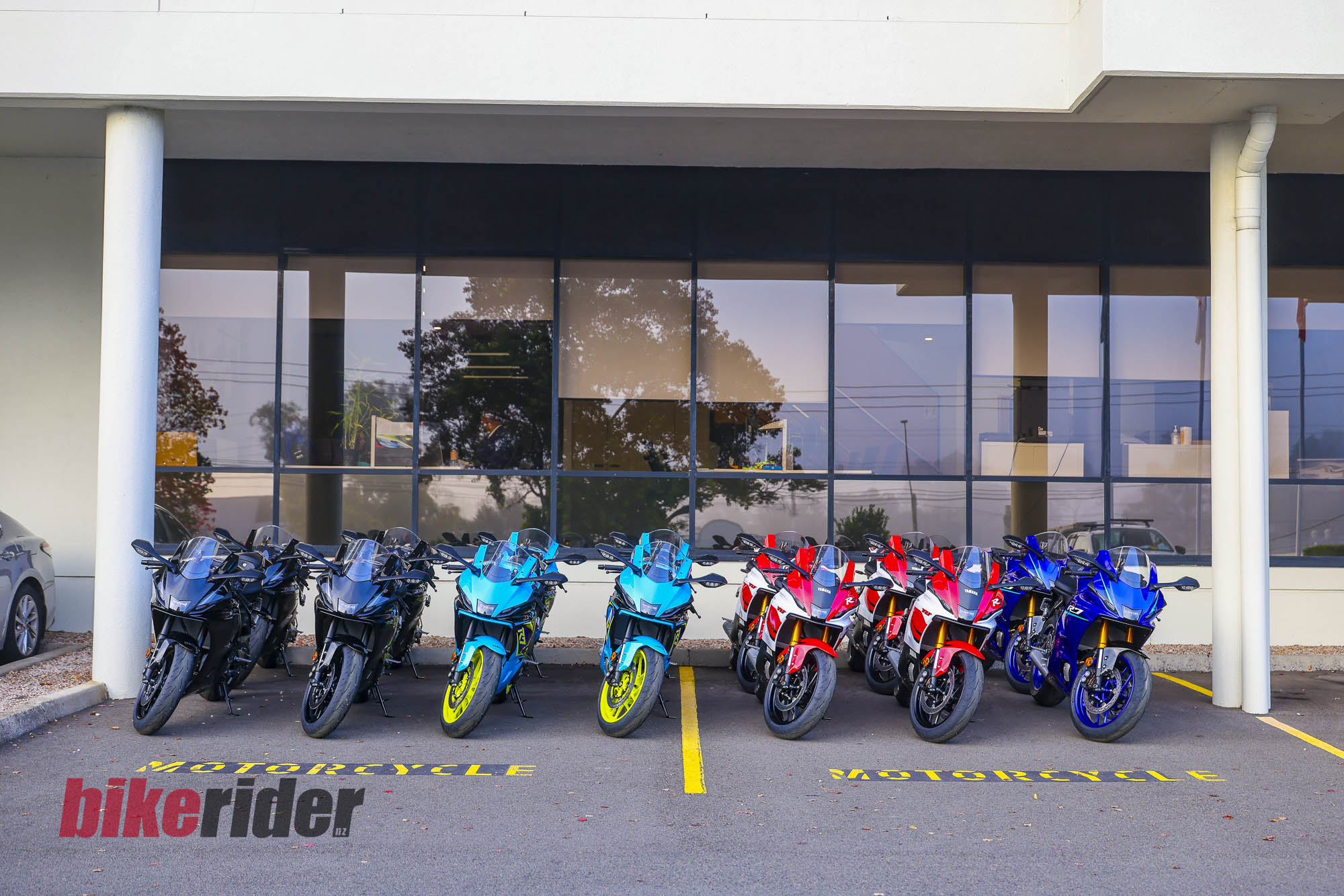
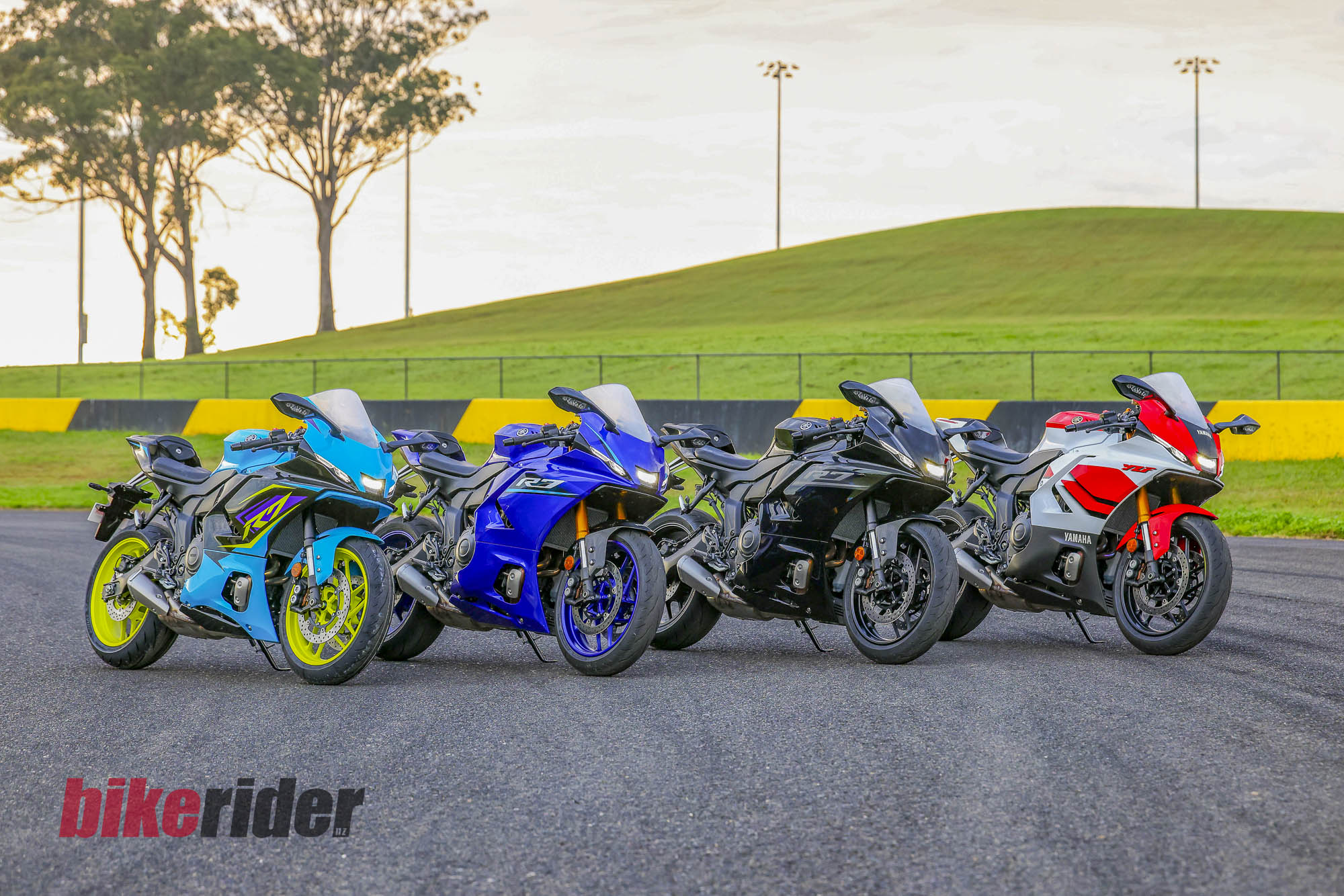
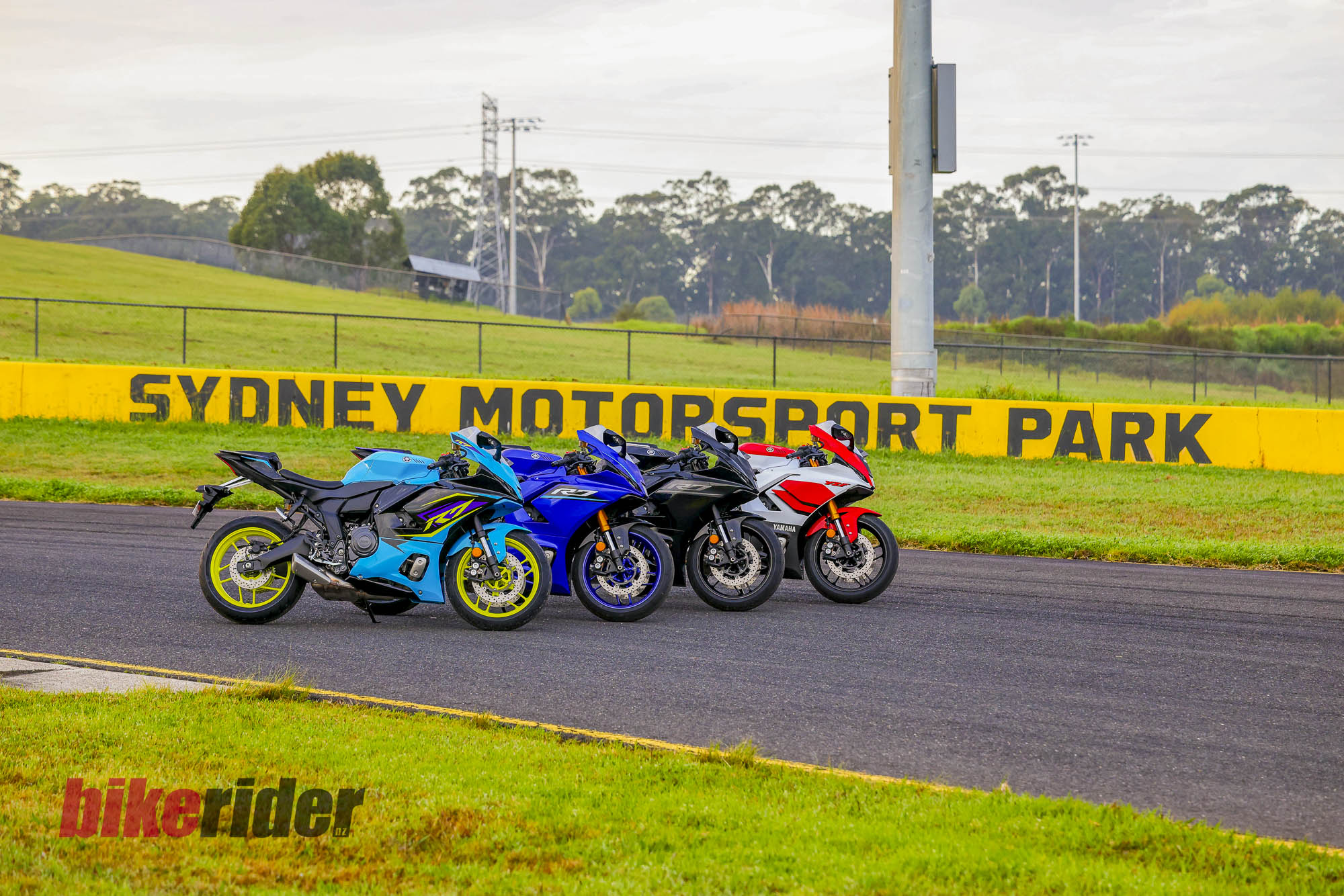
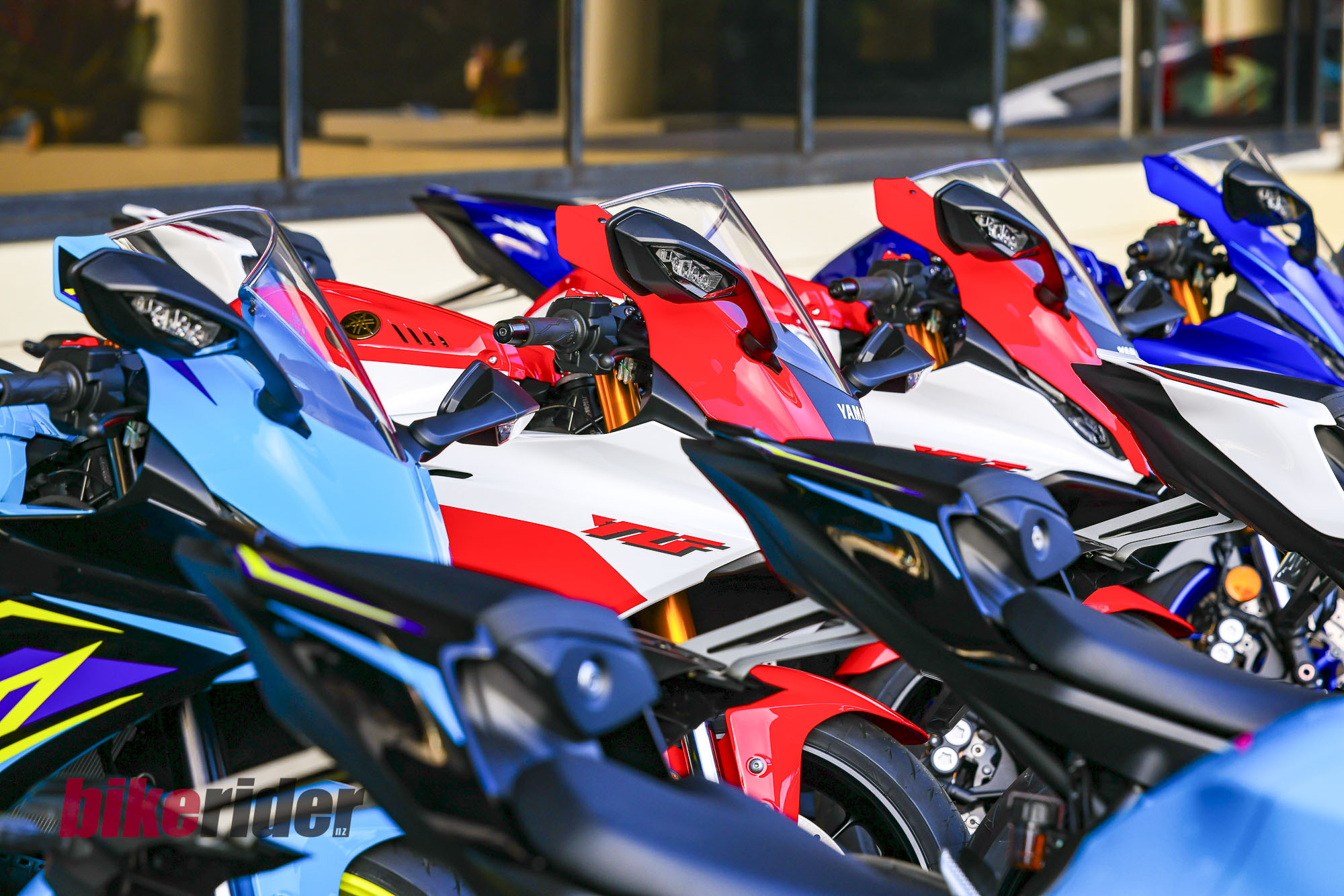
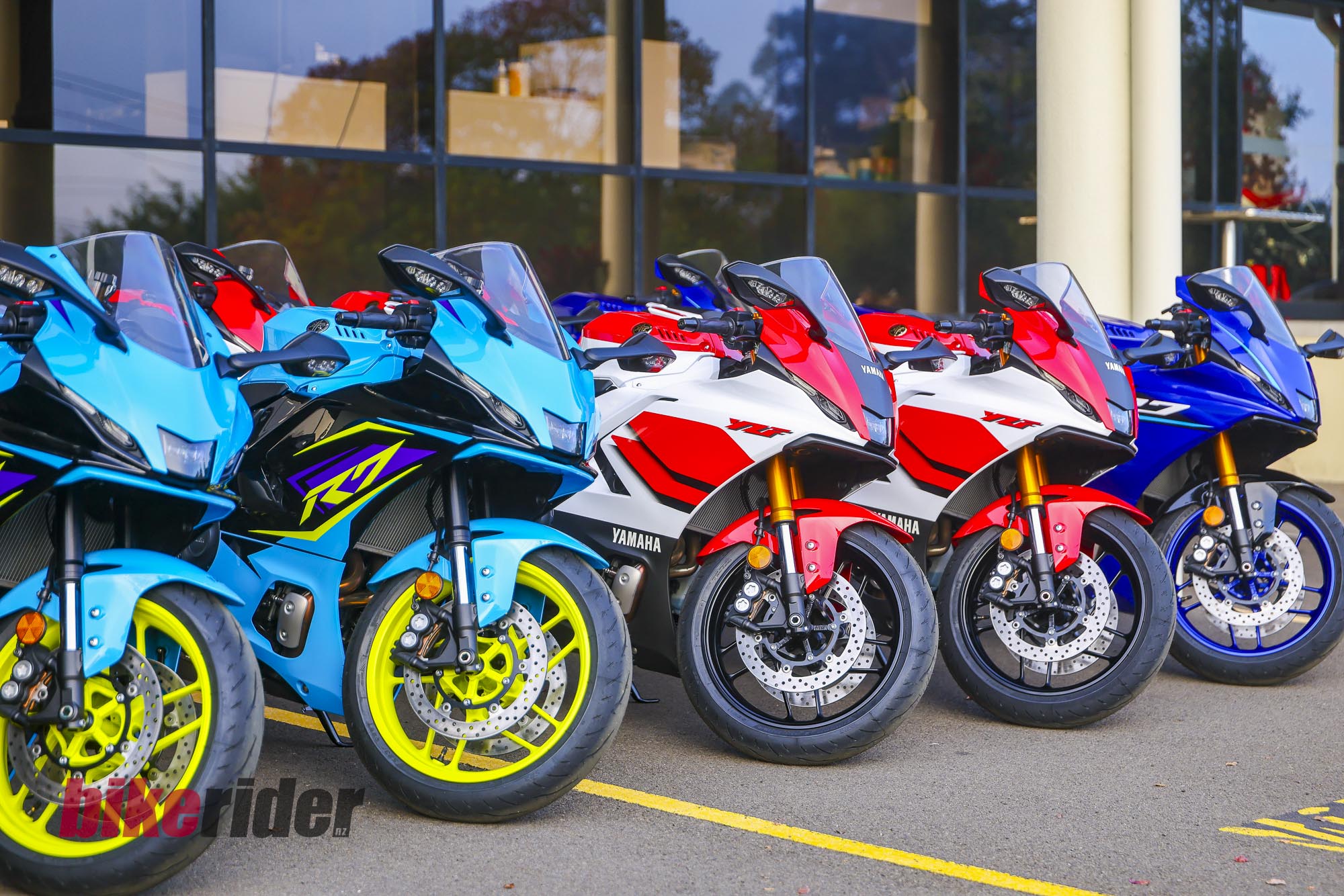
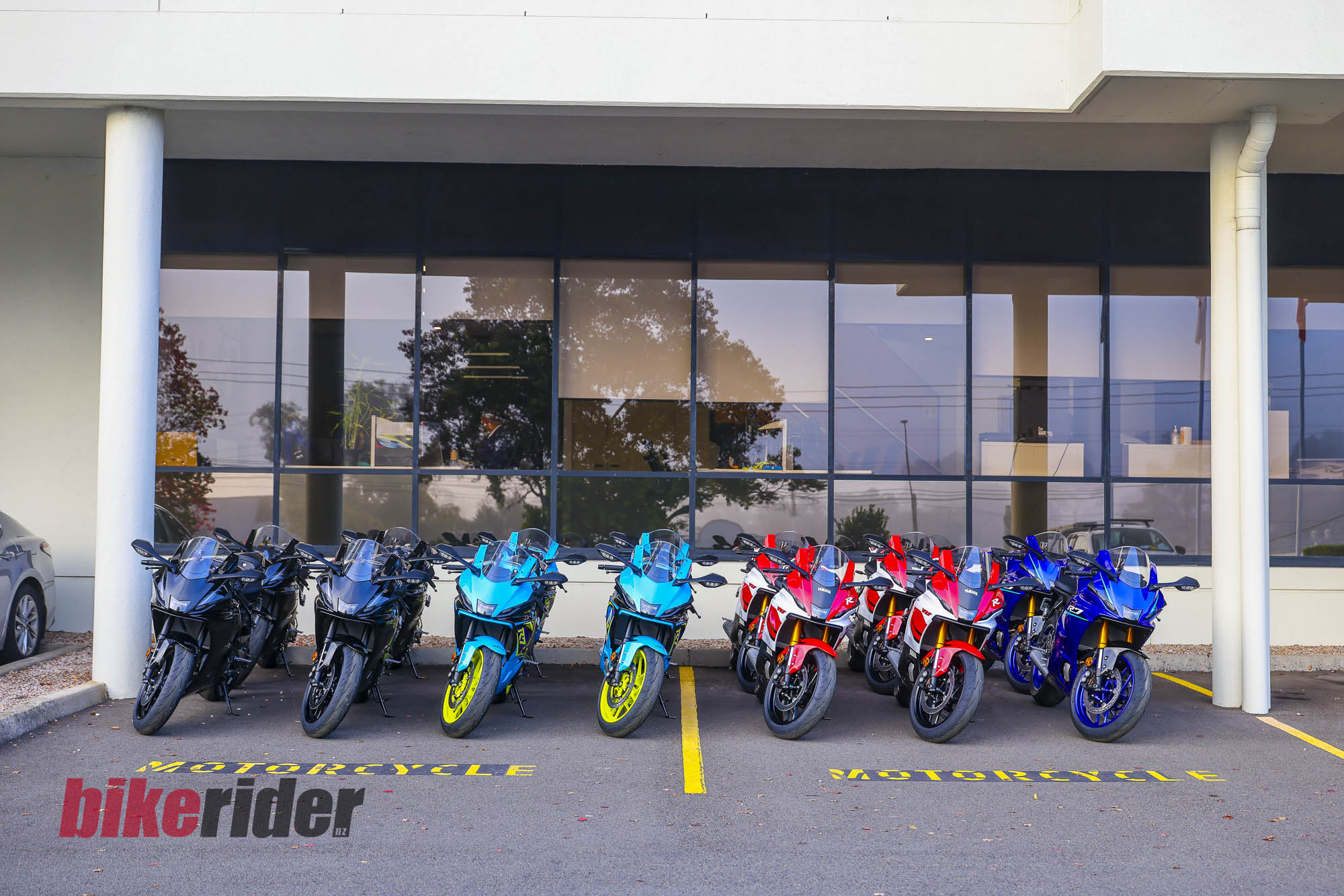
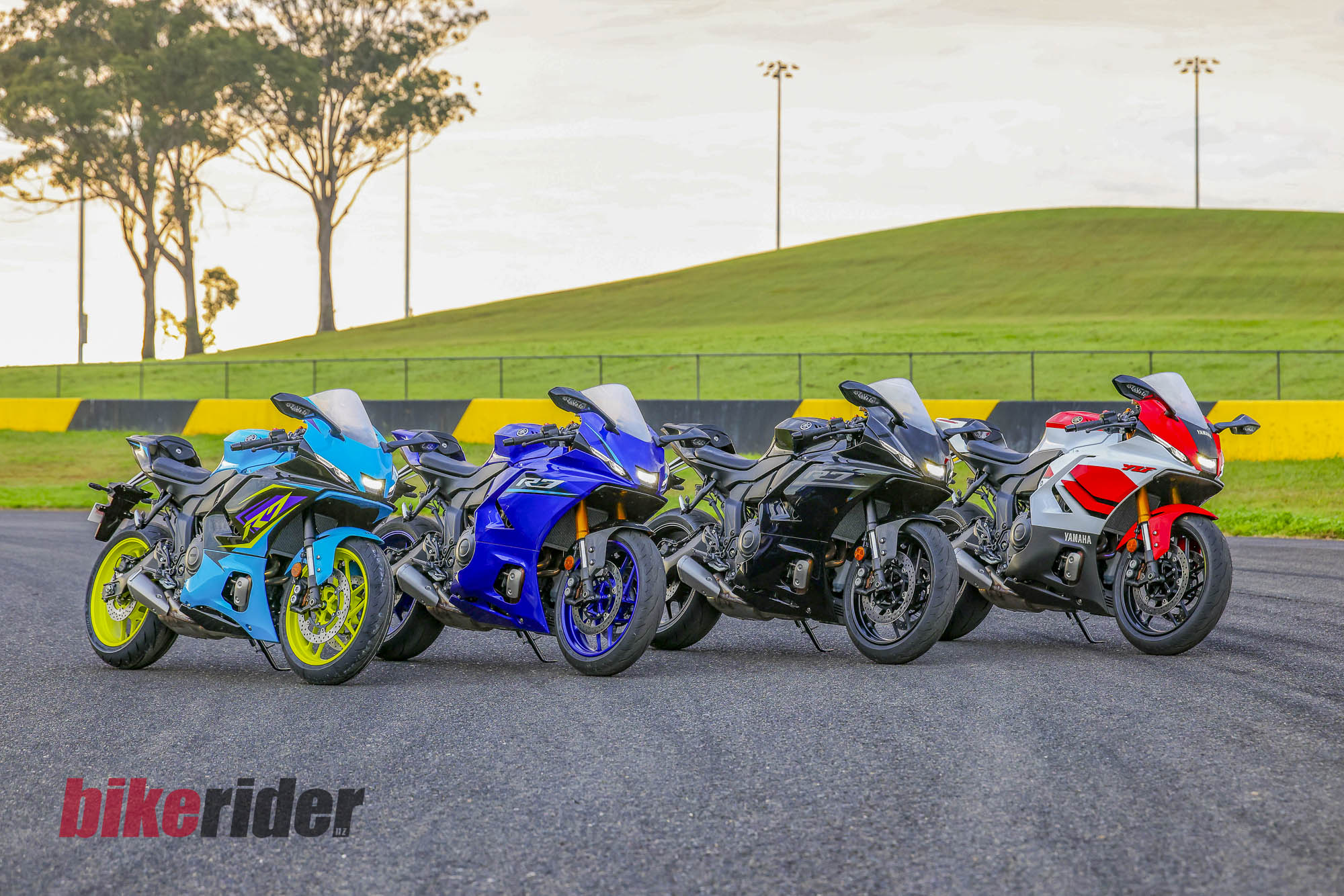
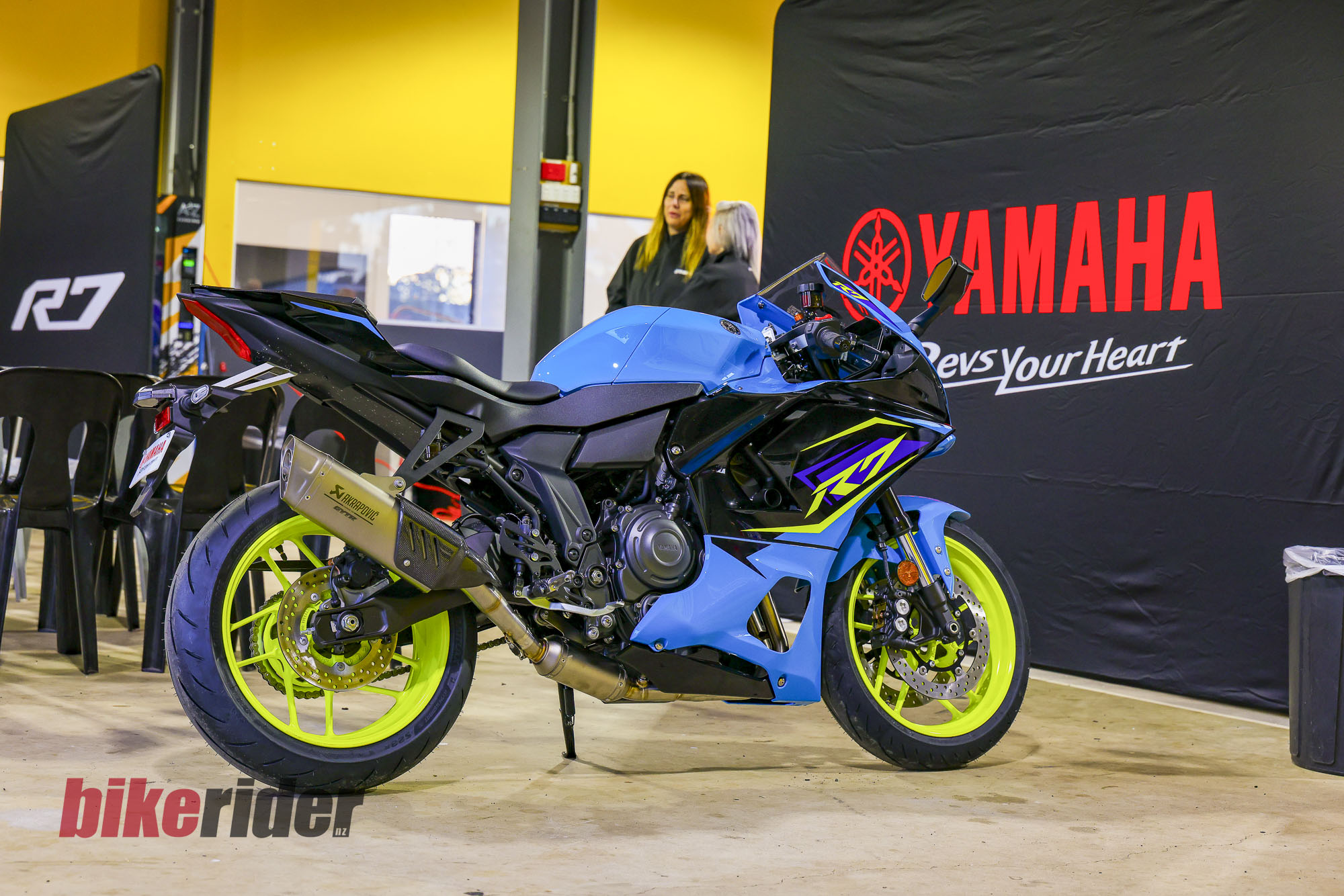
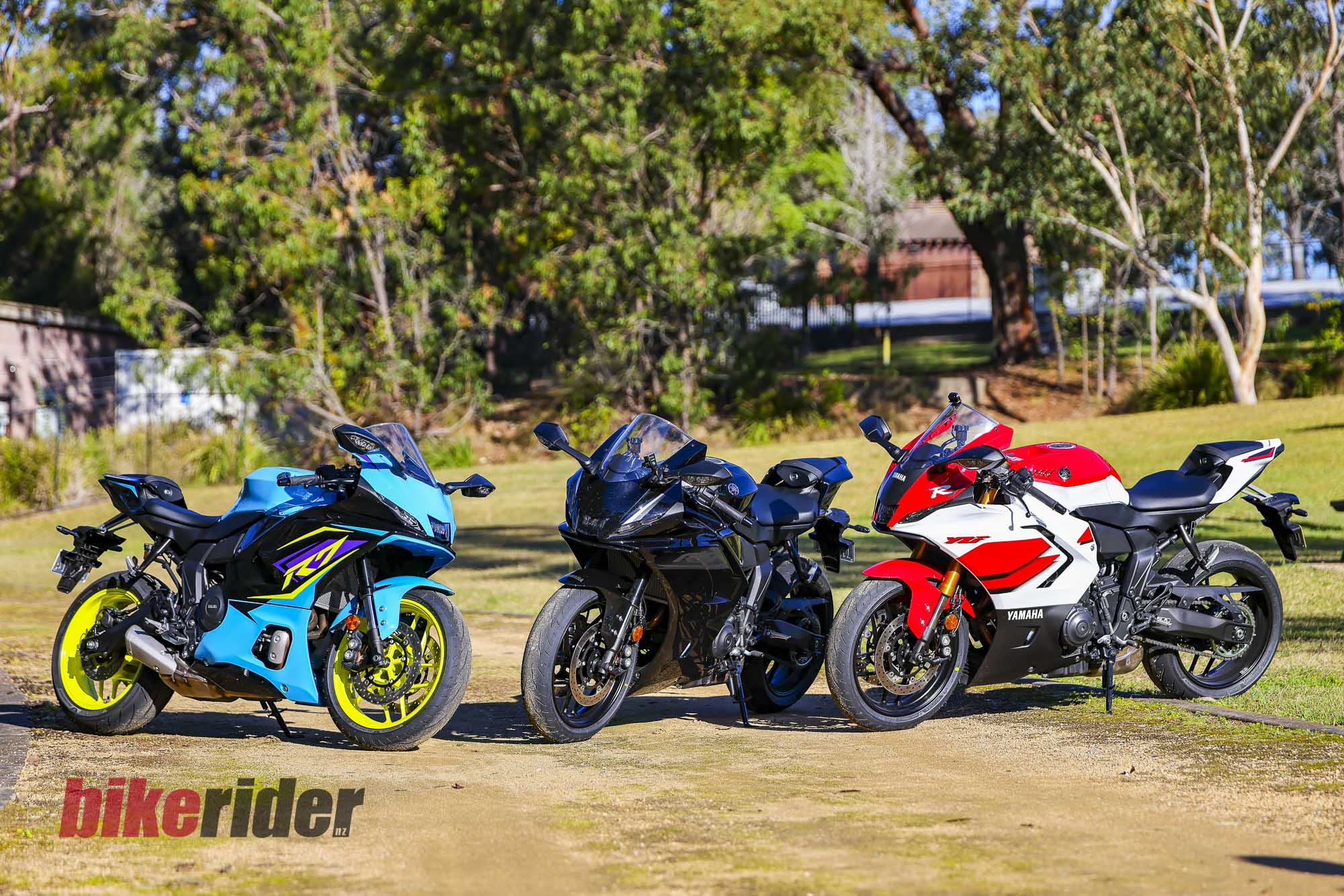
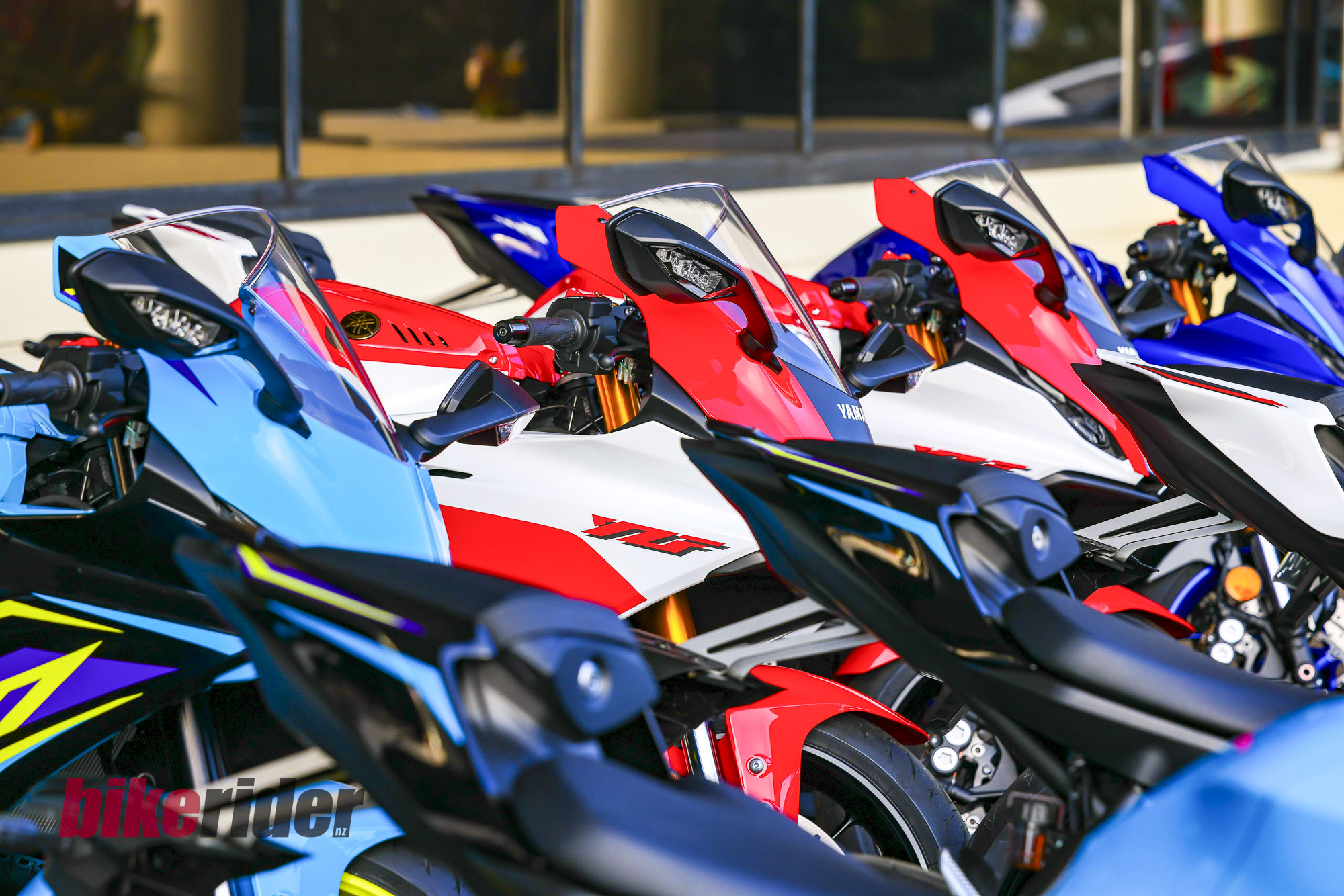
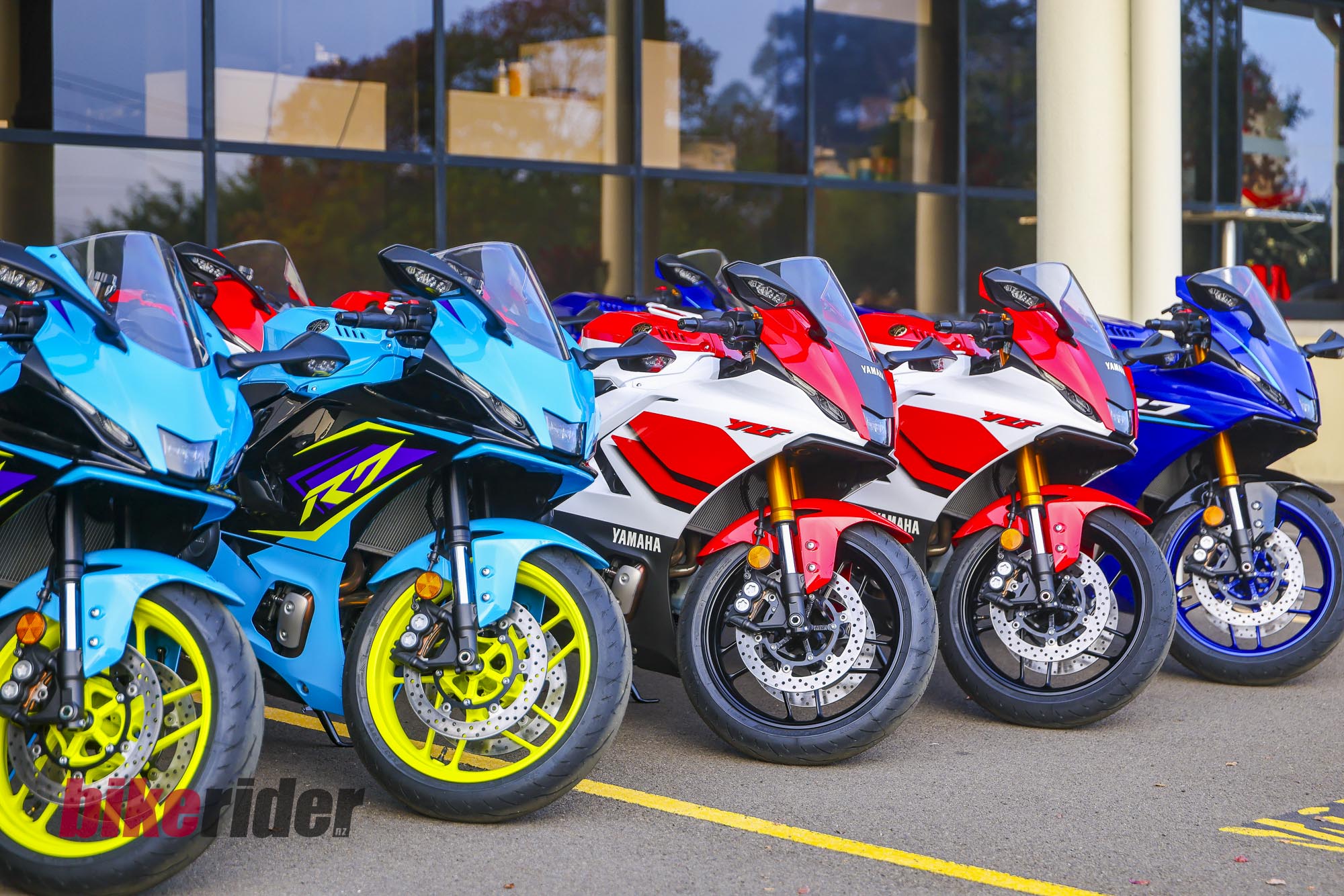
| Colours | Icon Blue, Midnight Black, 70th Anniversary White, Breaker Cyan |
| Contact | Yamaha Motor New Zealand |