

- BRM attended the world launch of the all-new Norton Atlas adventure bike in Iceland.
- A charismatic 585cc parallel twin combines premium equipment with genuine adventure capability.
- A serious amount of tech includes a 6-axis IMU and lean-sensitive rider aids.
Quick Facts
Engine | 585cc liquid-cooled parallel twin
Power | 69bhp (51kW)
Torque | 57Nm
Weight (Apex) | 192kg (wet, no fuel)
Seat Height | 845mm
Suspension | Fully adjustable KYB
Electronics | Lean-sensitive ABS, traction control, cruise control, TFT display, TPMS, keyless ignition, OTA updates
Norton’s future rests on the shoulders of the all-new Atlas. After a full day riding through Iceland’s torrential rain, volcanic gravel and sweeping mountain roads, Paul Lance discovers whether Britain’s most famous motorcycle name really is back.
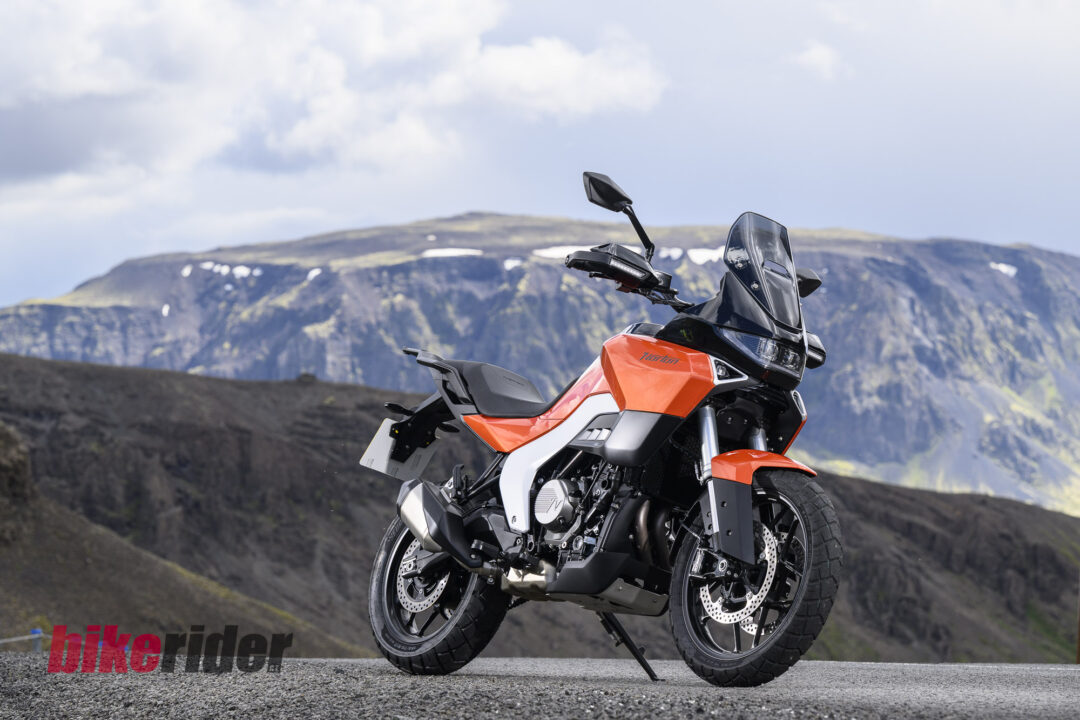
Apparently, Iceland is spectacular. I wouldn’t know.
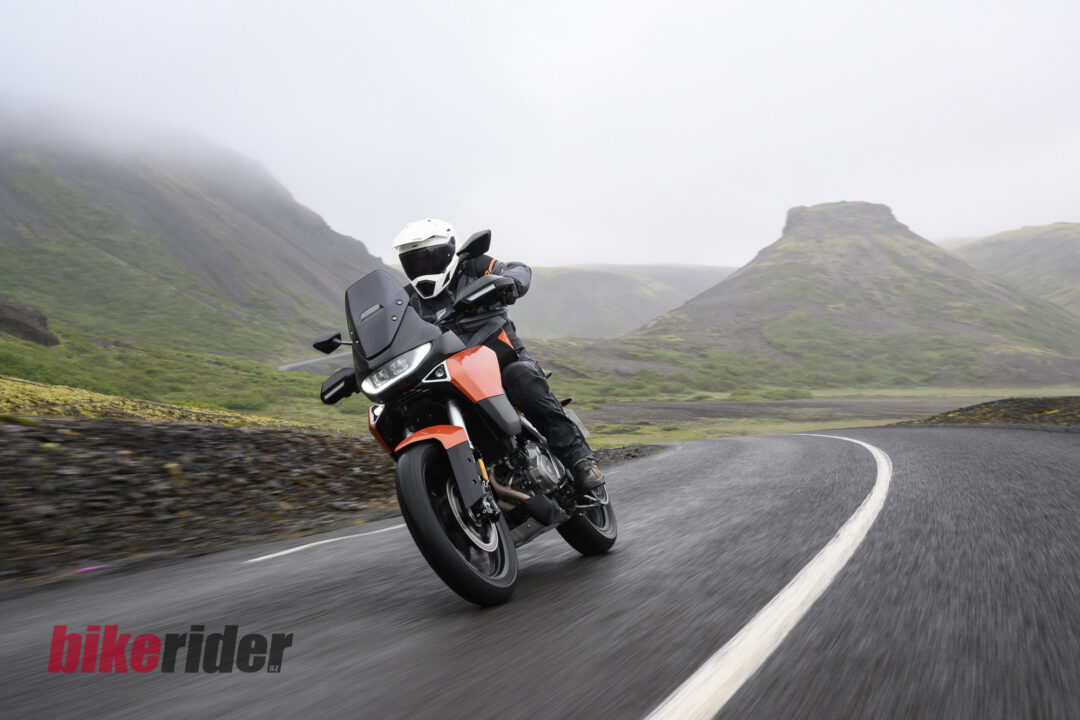
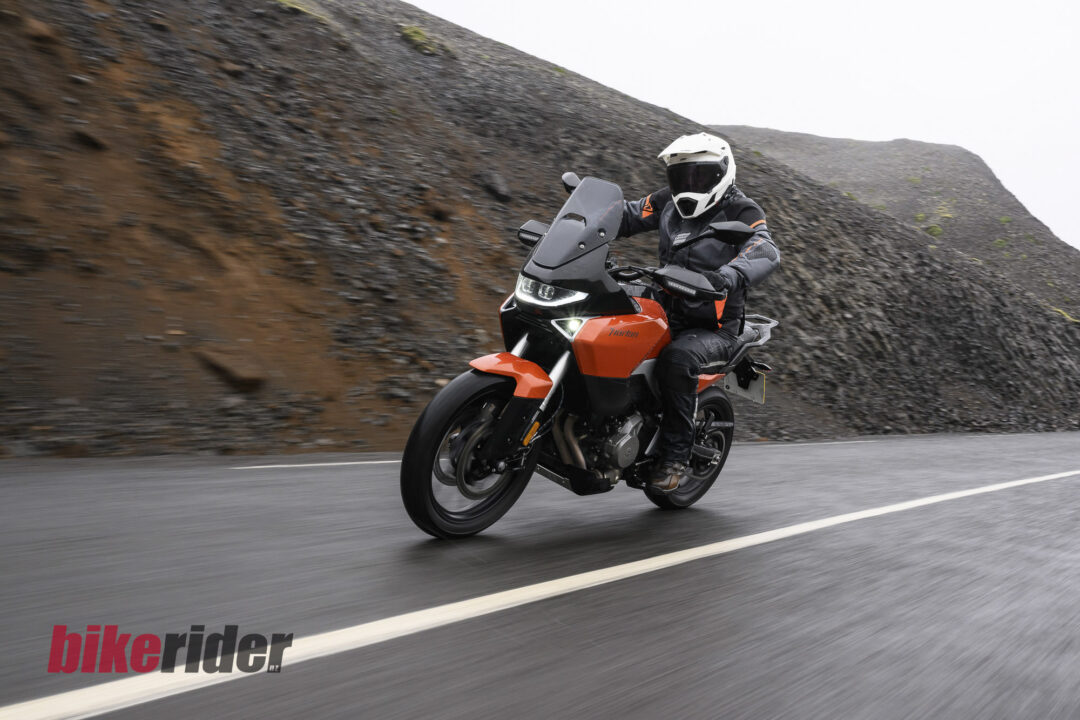
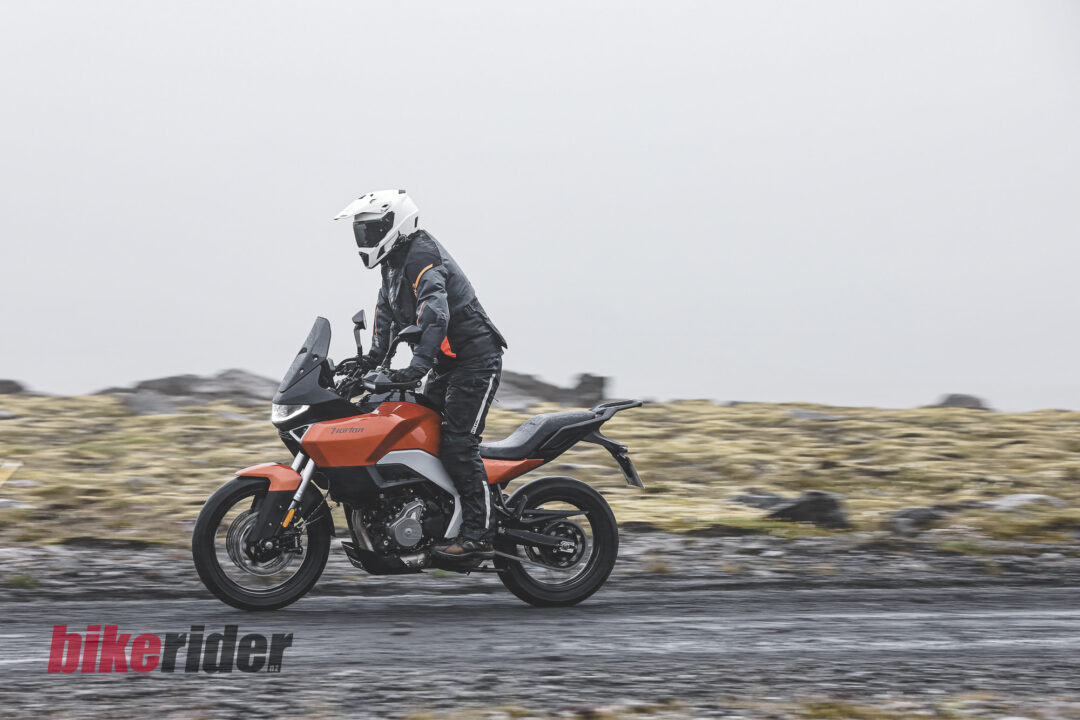
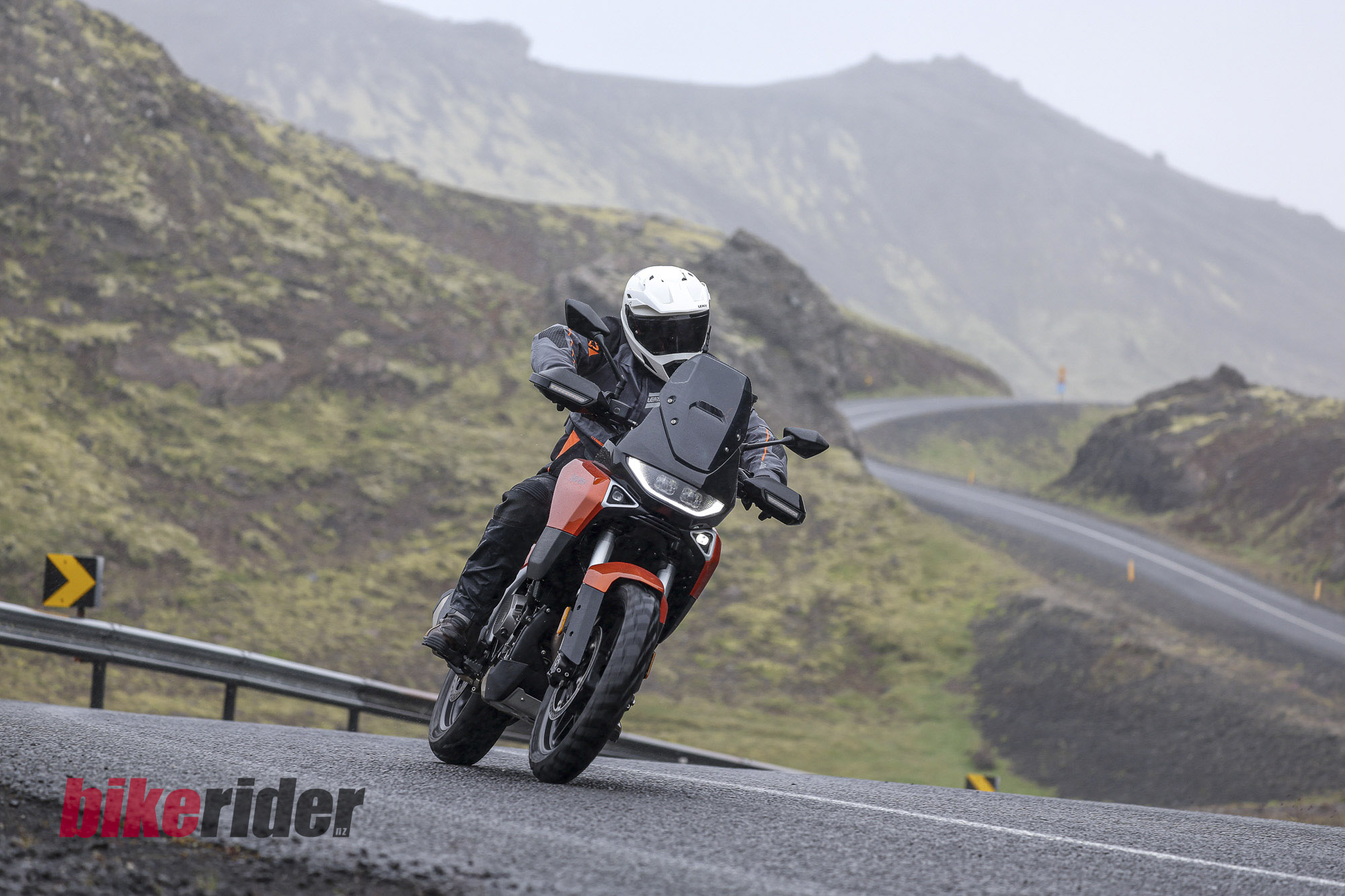
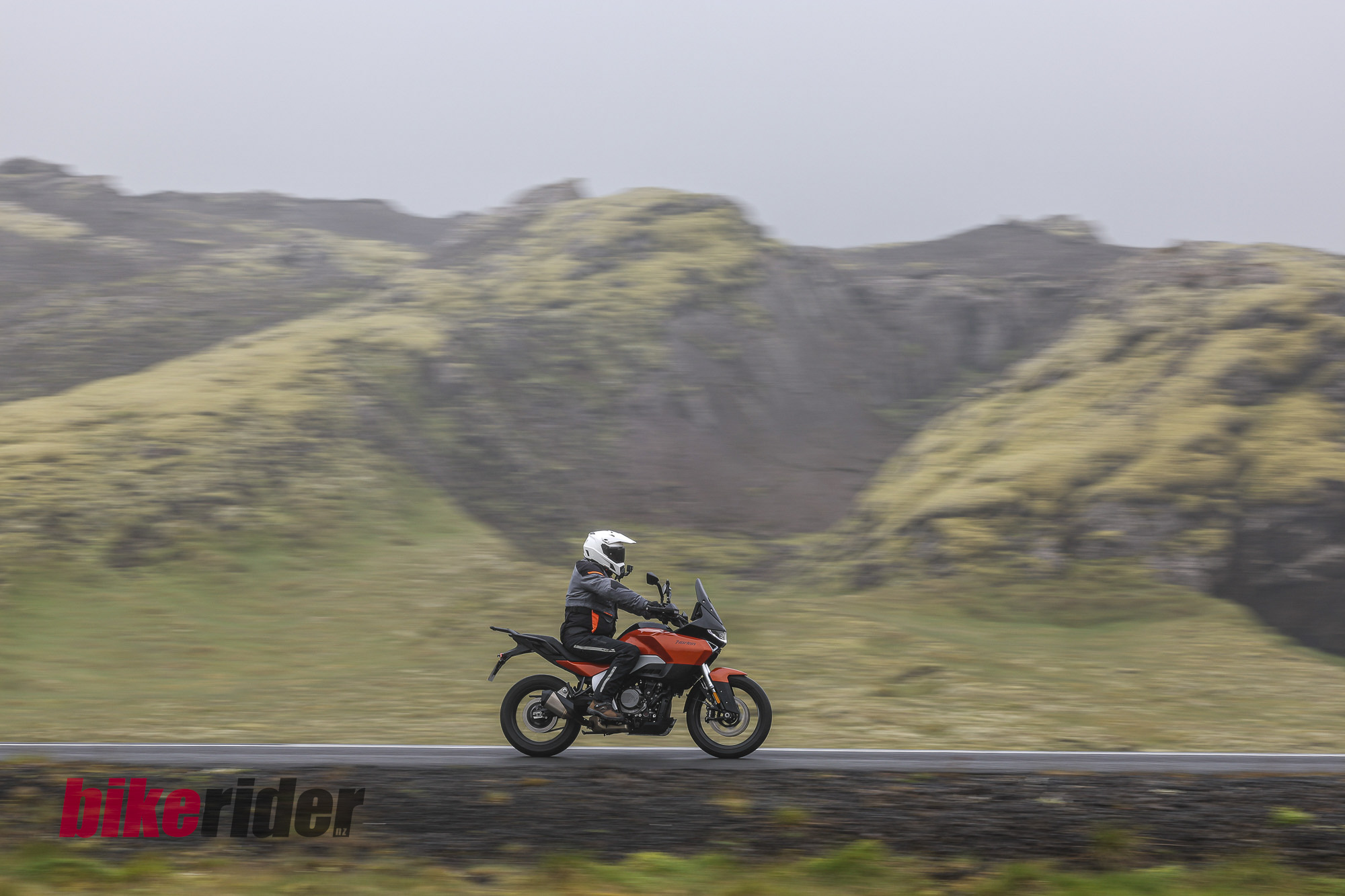
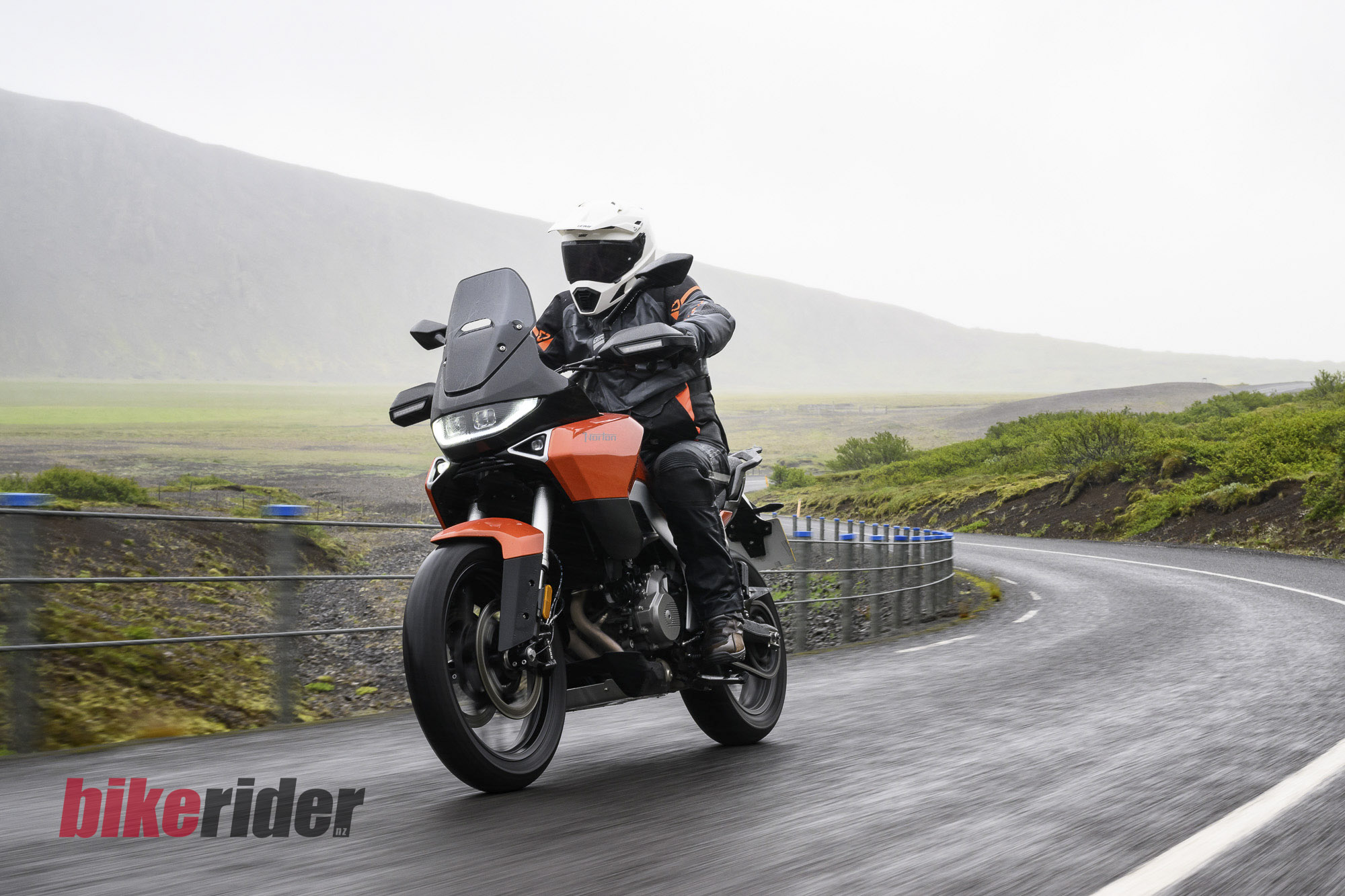
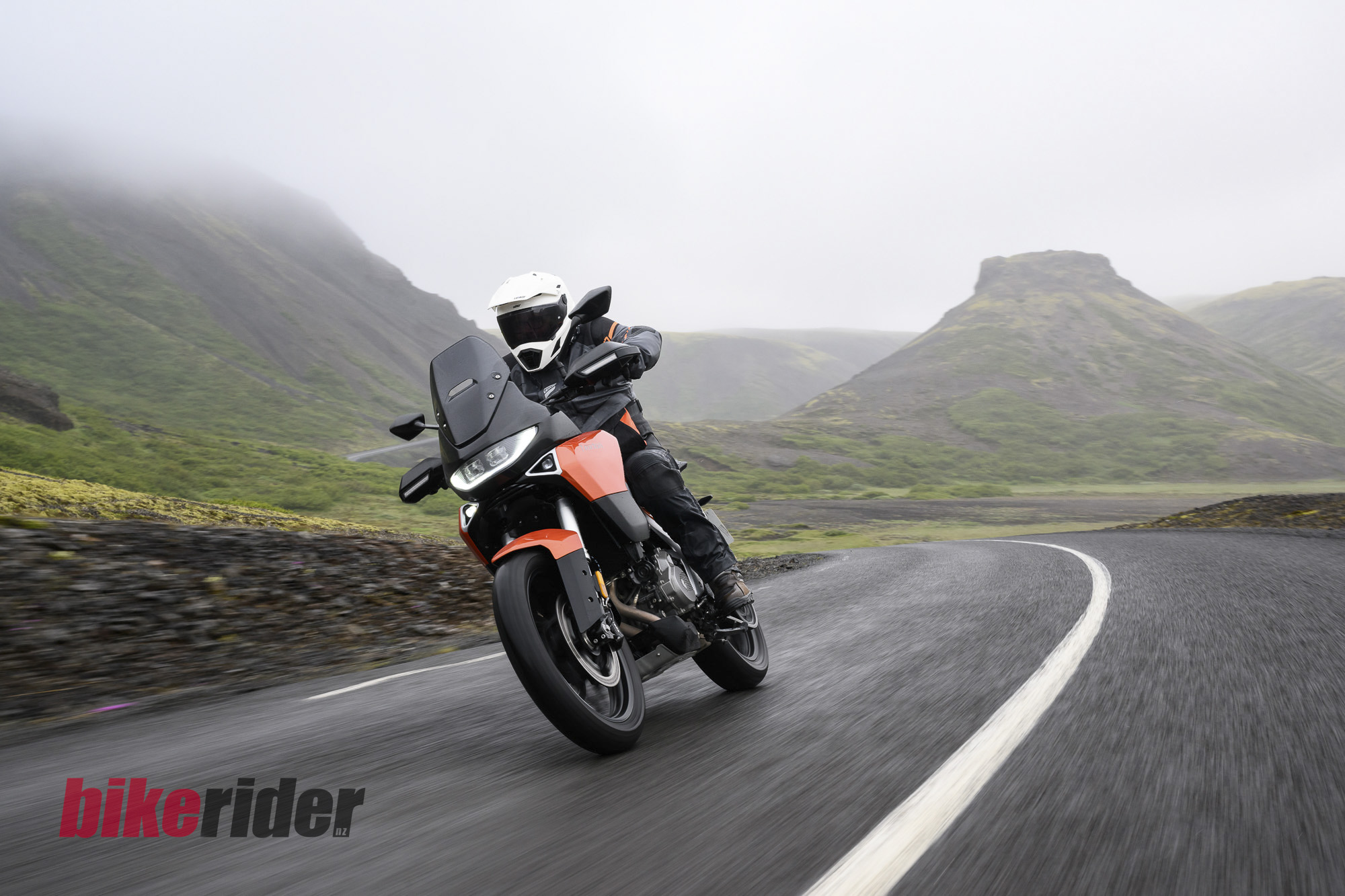
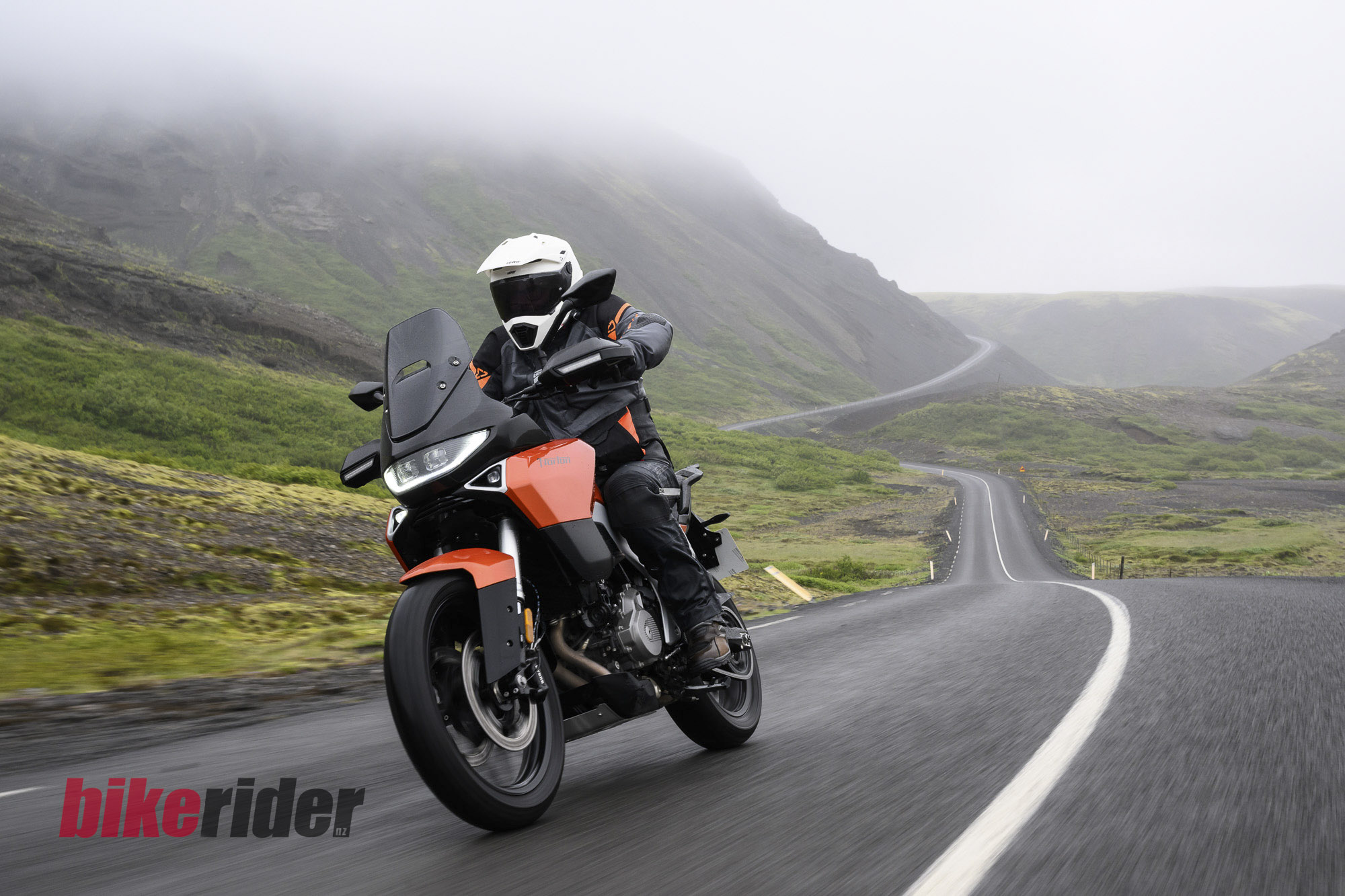
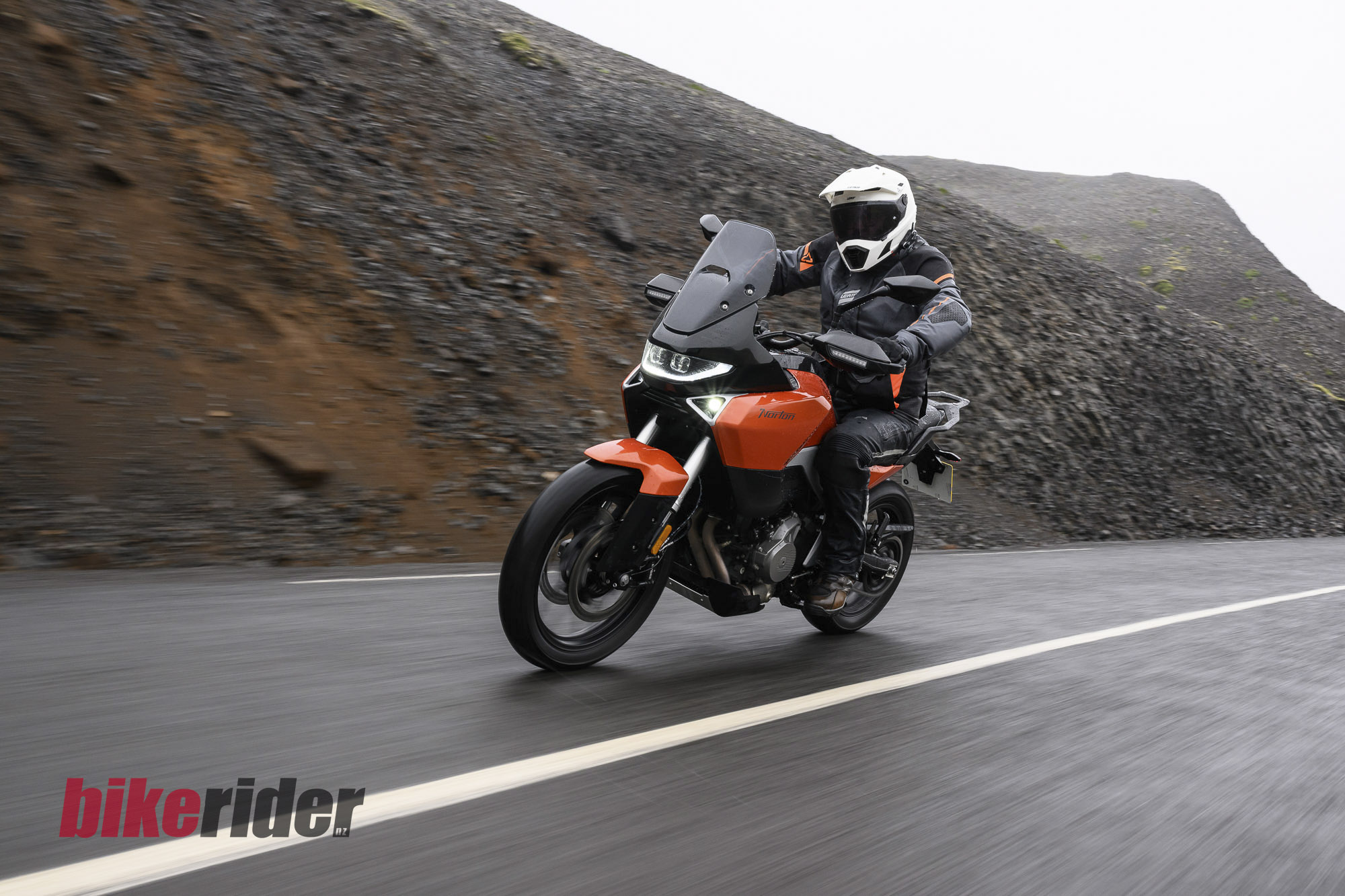
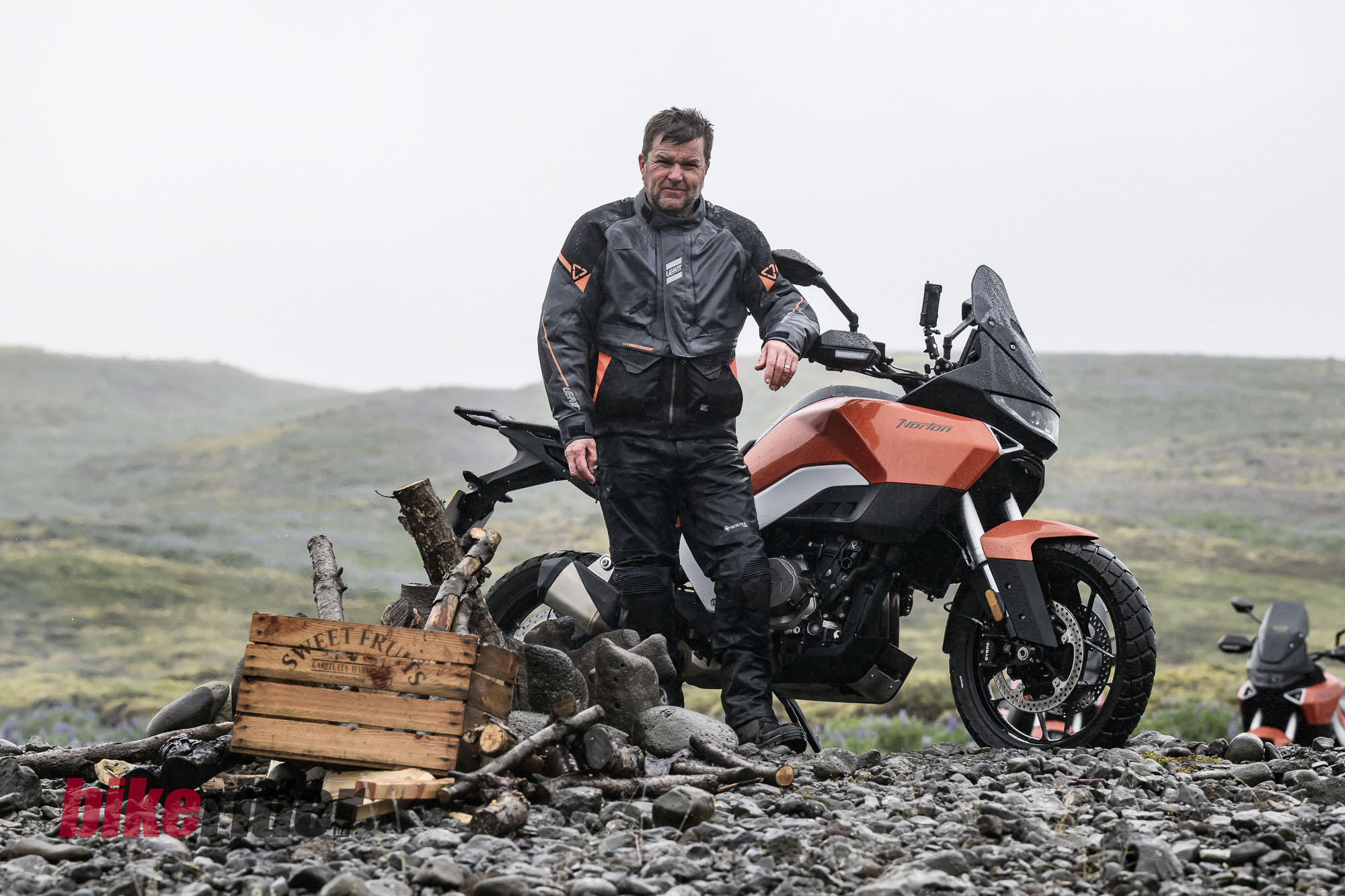
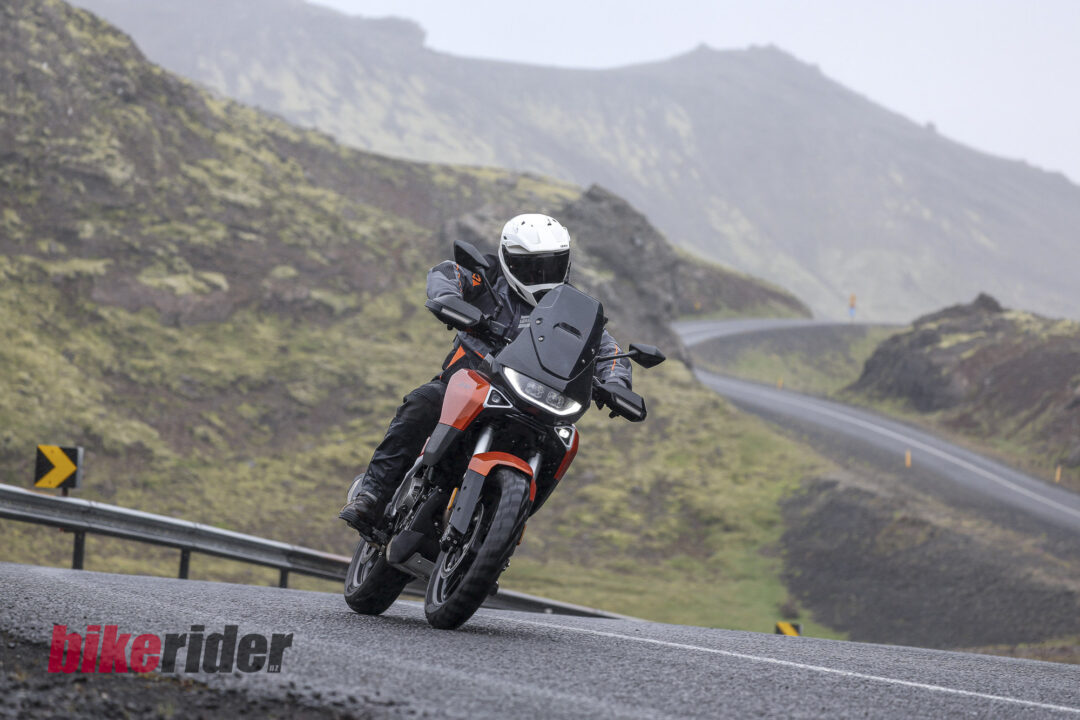
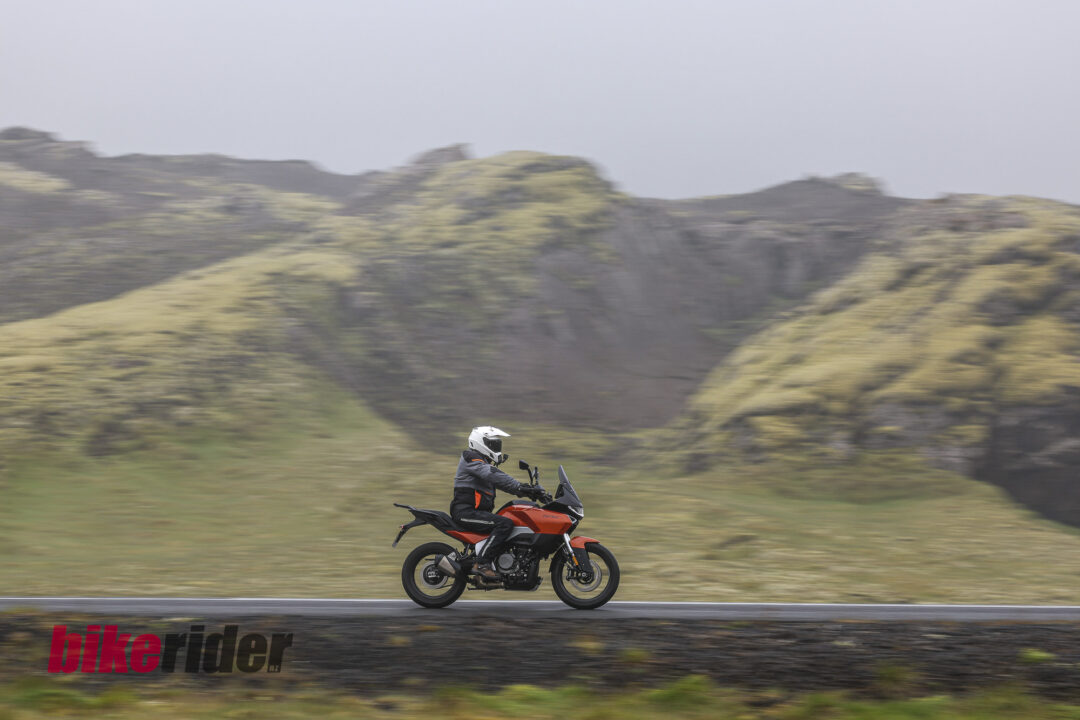
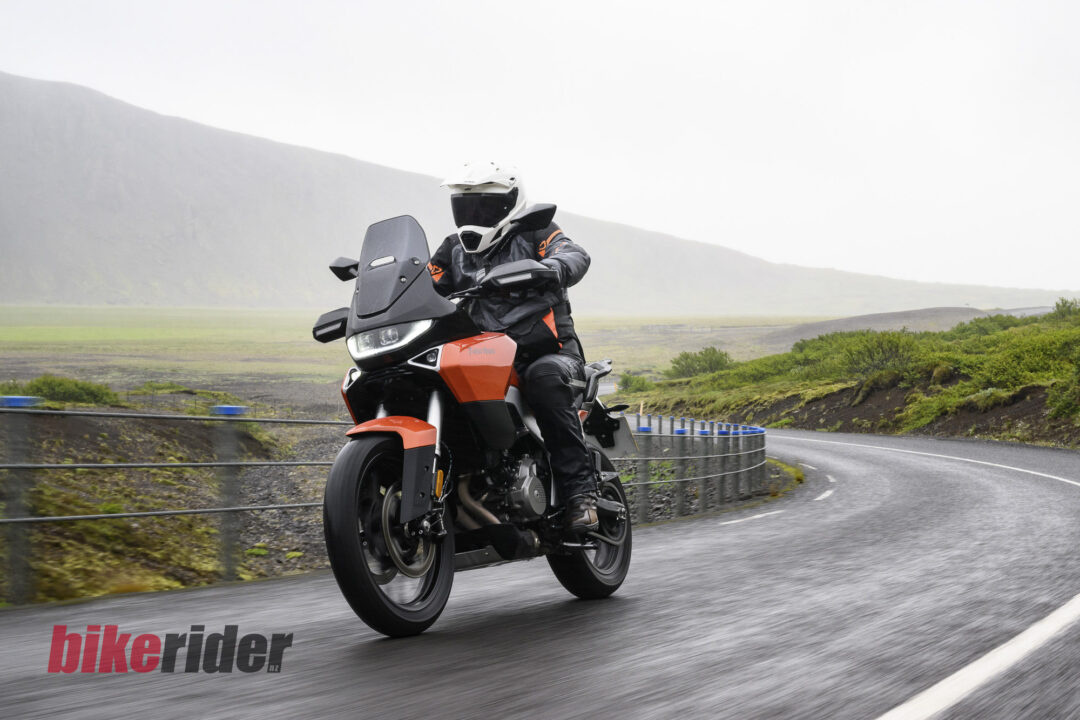
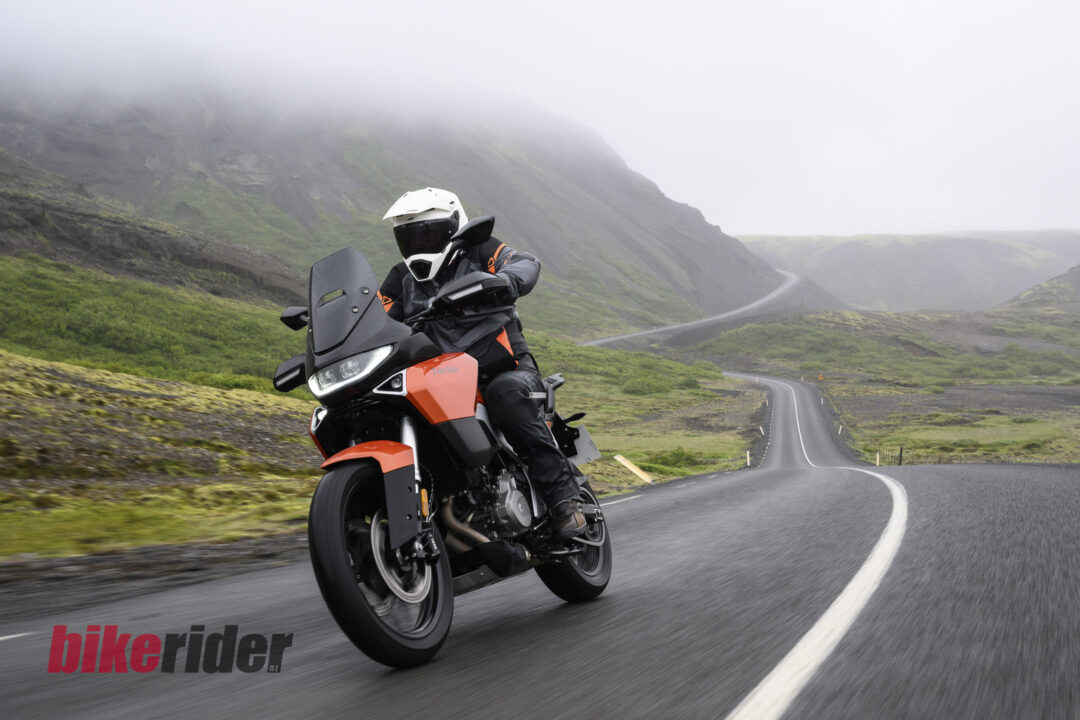
From where I’m sitting there’s nothing to see except dense white fog, torrential rain and a crosswind so fierce the new Norton Atlas is cranked over at what feels like 45 degrees just to keep travelling in a straight line. Rain hammers my visor while the road disappears into the murk ahead.
Summer, aye? I’d hate to see Iceland in winter… although I suppose the clue is in the name.
Thankfully, as the kilometres tick by, the weather becomes less of a distraction and more of an opportunity. If an adventure bike can cope with this, it should cope with just about anything.
MORE ARTICLES
New Norton
Few names in motorcycling carry the same weight as Norton. Founded by James Lansdowne Norton in Birmingham in 1898, the company began producing bicycle parts before building its first motorcycle in 1902. Over the next century it became one of Britain’s great motorcycle marques, dominating road racing with the legendary Manx racers before producing iconic road bikes such as the Featherbed-framed Dominator and, most famously, the Commando, voted Motorcycle of the Year five years running between 1968 and 1972.
Like much of the British motorcycle industry, Norton’s fortunes declined through the 1970s and ’80s. A revival under businessman Stuart Garner in 2008 generated plenty of excitement with the Commando 961 and later the V4 superbike, but behind the scenes the company was plagued by financial problems, production delays and quality concerns. In January 2020 Norton entered administration, seemingly bringing another chapter of the famous British marque to an end.
“The Atlas is the first completely new volume-production motorcycle to emerge from that investment, making it arguably the most important Norton for decades.”
Instead, it proved to be a new beginning.
Just three months later, Indian manufacturing giant TVS Motor Company purchased Norton and immediately began rebuilding the company from the ground up. Rather than rushing new models to market, TVS invested heavily in engineering, quality control, research and development, while establishing a new manufacturing facility in Solihull.
The Atlas is the first completely new volume-production motorcycle to emerge from that investment, making it arguably the most important Norton for decades.
Who Are TVS?
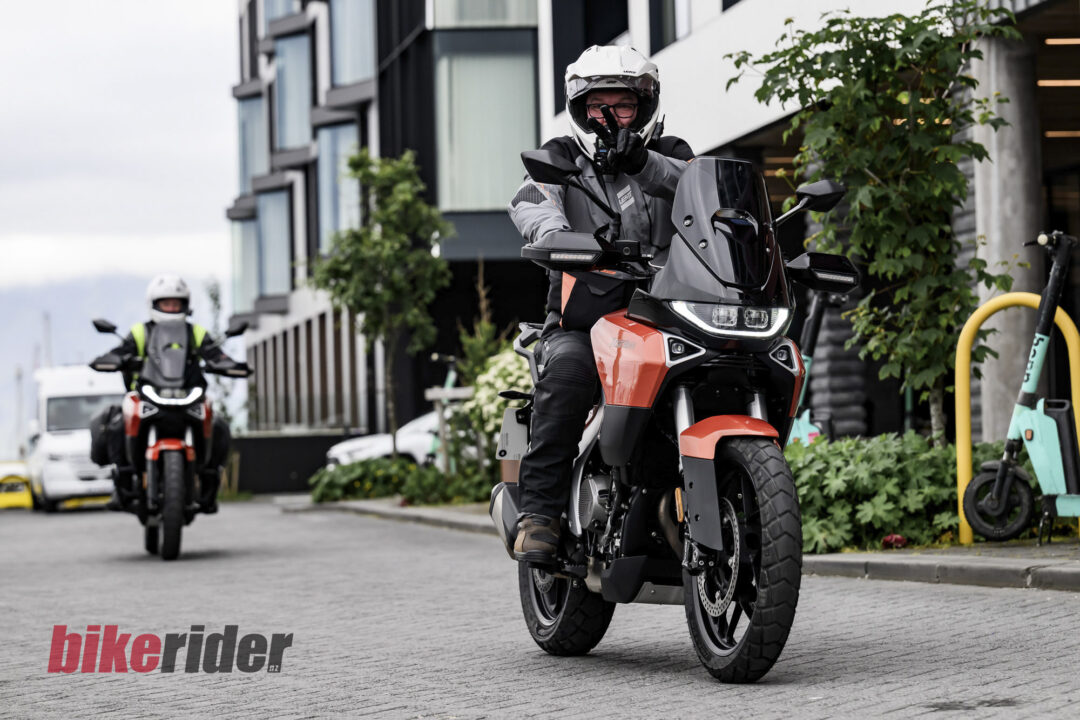
While TVS may not be a household name in New Zealand, it’s one of the largest motorcycle manufacturers in the world, producing more than five million two and three-wheelers annually and exporting to more than 80 countries. The Indian company also has extensive experience building premium motorcycles, manufacturing BMW’s G310R and G310GS for some time before now producing the all-new BMW F450GS. They’ve then also got their own highly regarded Apache range.
More importantly, TVS hasn’t simply bought the Norton name. It’s retained the company’s design and engineering in Britain at a new facility in Solihull where the V4 Manx R will be produced, while providing the financial backing, manufacturing expertise and supplier network the previous Norton simply never had.
Judging by the Atlas, that investment is already paying dividends.
After everything Norton has been through over the past two decades, the Atlas carries more responsibility than simply being another new motorcycle. It has to convince riders that one of Britain’s most famous names is genuinely back. Fortunately, after spending a day riding it through some of Iceland’s harshest conditions, first impressions are extremely positive.
New Platform
Although it shares its name with a rugged Norton model produced between 1962 and 1968, the new Atlas is far more significant than simply reviving an old badge. It forms the foundation of what will become an entirely new family of Norton motorcycles.
The new 585cc parallel twin has clearly been designed as a modular platform, and while nobody from Norton was prepared to reveal exactly what was coming next, there were more than a few knowing smiles when the conversation turned to future models. Given virtually every major manufacturer now builds multiple motorcycles around a single engine platform, expect to see this twin powering everything from nakeds to sports bikes in the years ahead.
In fact, Norton has already confirmed another new model will be unveiled later this year, suggesting the product pipeline is beginning to gather momentum.
The company also revealed that, having established dealer networks throughout the UK and much of Western Europe, it’s now preparing for a wider global expansion. With BRM invited to the world launch in Iceland, and Norton executives having already visited New Zealand to assess the market, I’d be surprised if we don’t hear news of local distribution before too long.
One particularly interesting conversation centred around Norton’s future direction. Many expected the company to focus heavily on modern classics, trading on its rich heritage. Instead, Norton says that market is already crowded. Rather than looking backwards, the plan is to identify opportunities where it can genuinely offer something different.
The Atlas is the first example of that thinking.
While 450cc adventure bikes have exploded in popularity, many owners eventually discover that 40-odd horsepower has its limitations once luggage, passengers or long-distance touring enter the equation. The Atlas addresses that gap perfectly. With 69bhp and 57Nm from its 585cc twin, it offers a substantial performance increase without carrying a significant weight penalty over many smaller-capacity rivals.
Seriously Loaded
From the outset, Norton set itself a clear objective: build a motorcycle that looks and feels premium without demanding an eye-watering premium price.
That philosophy is immediately obvious.
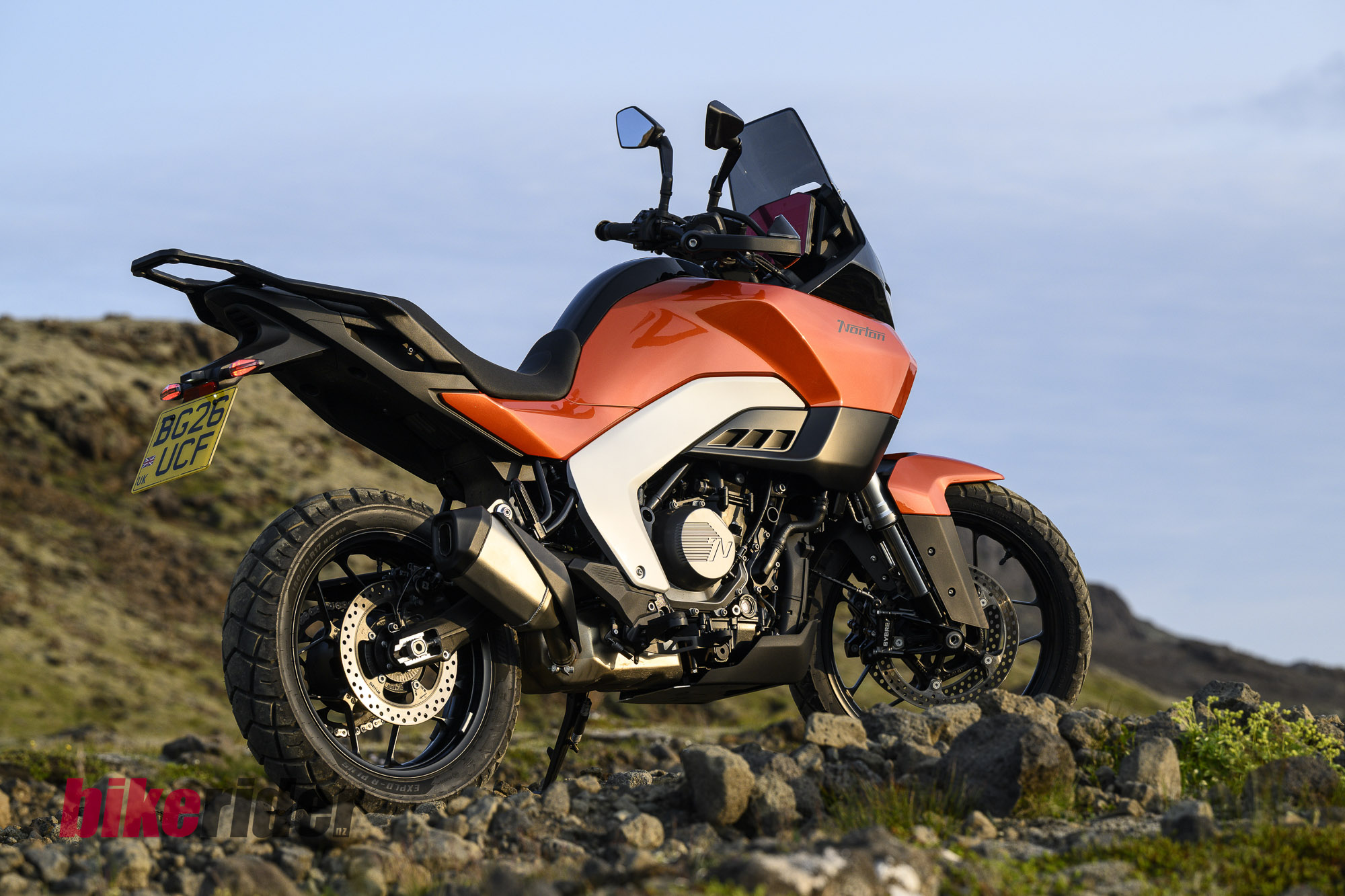
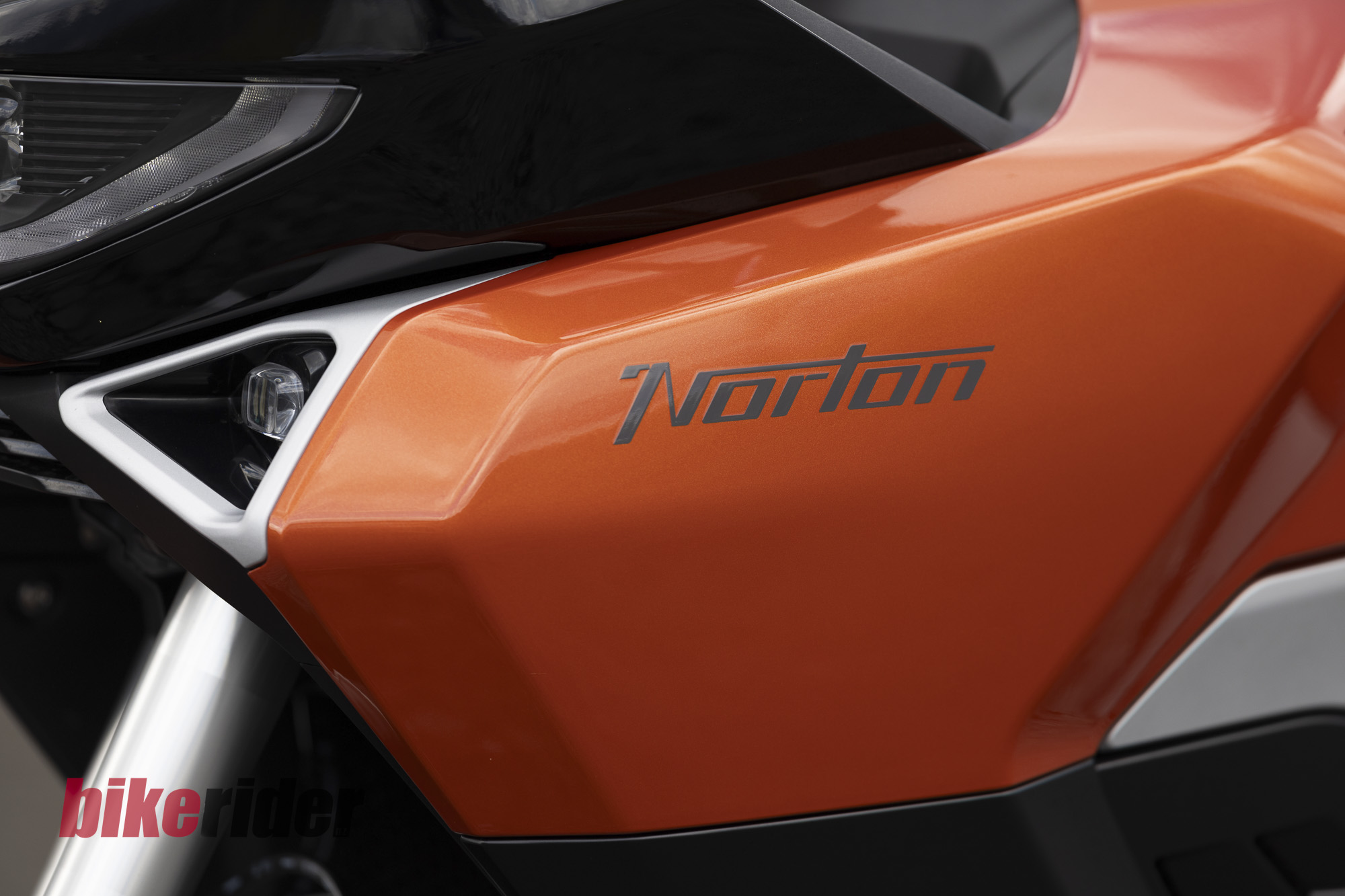
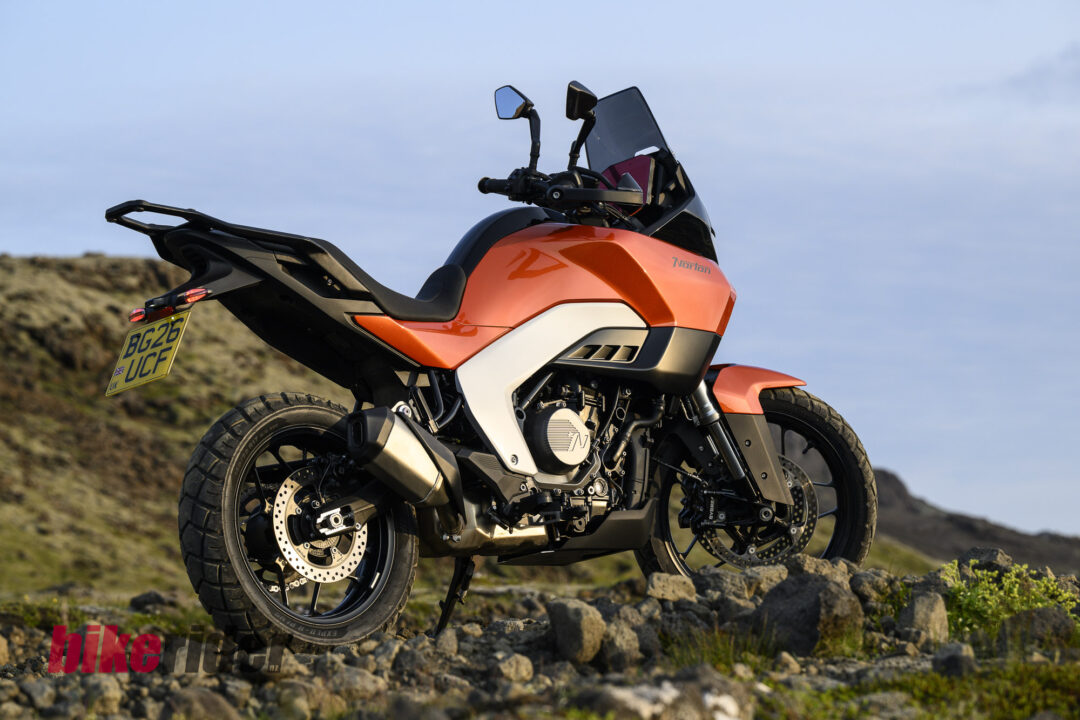
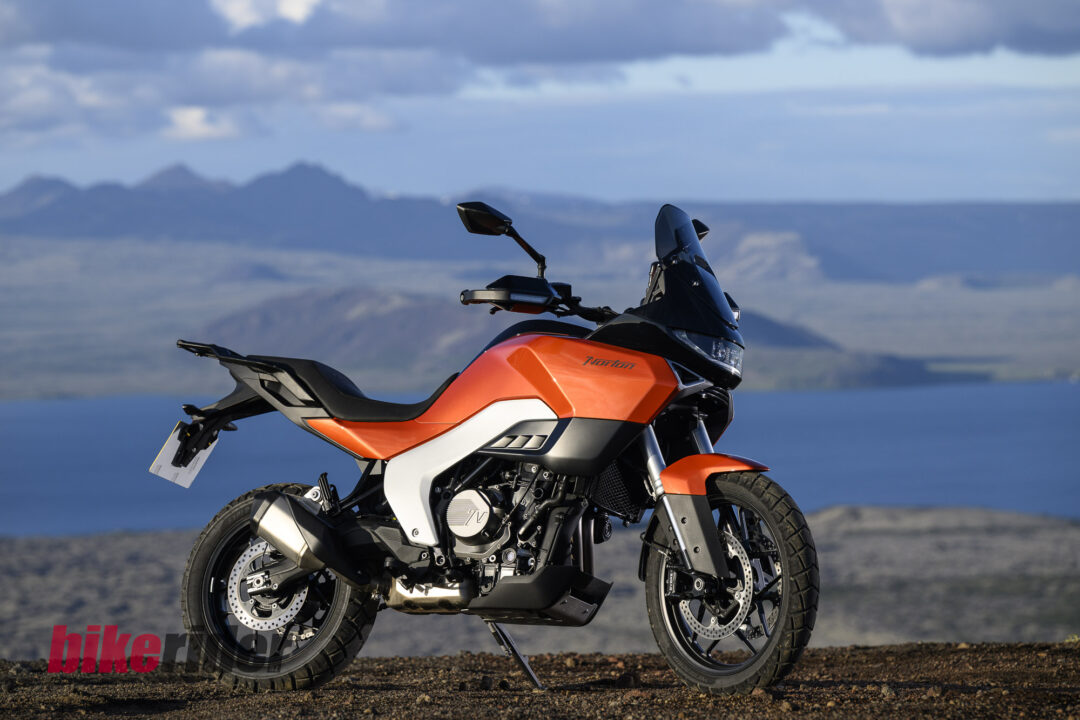
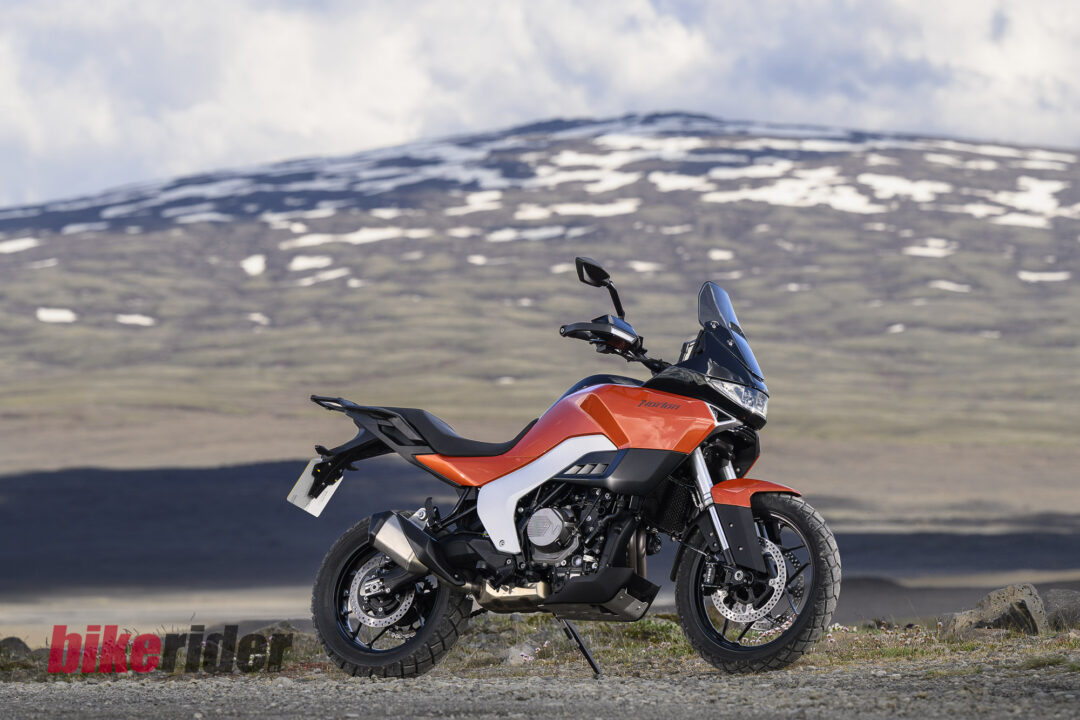
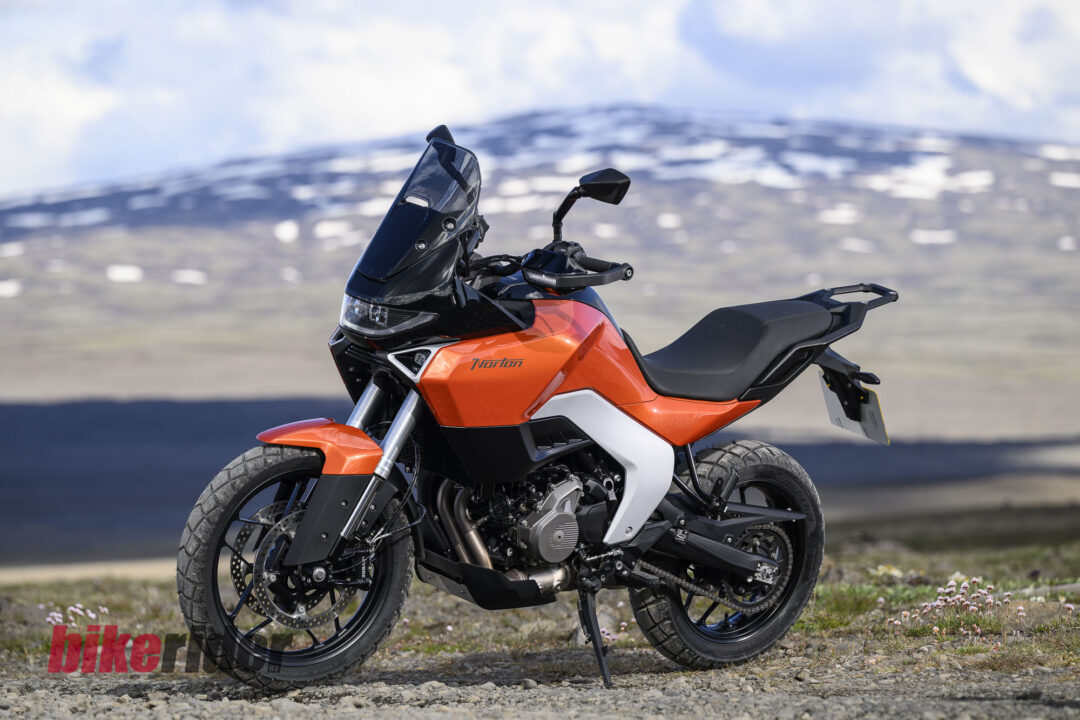
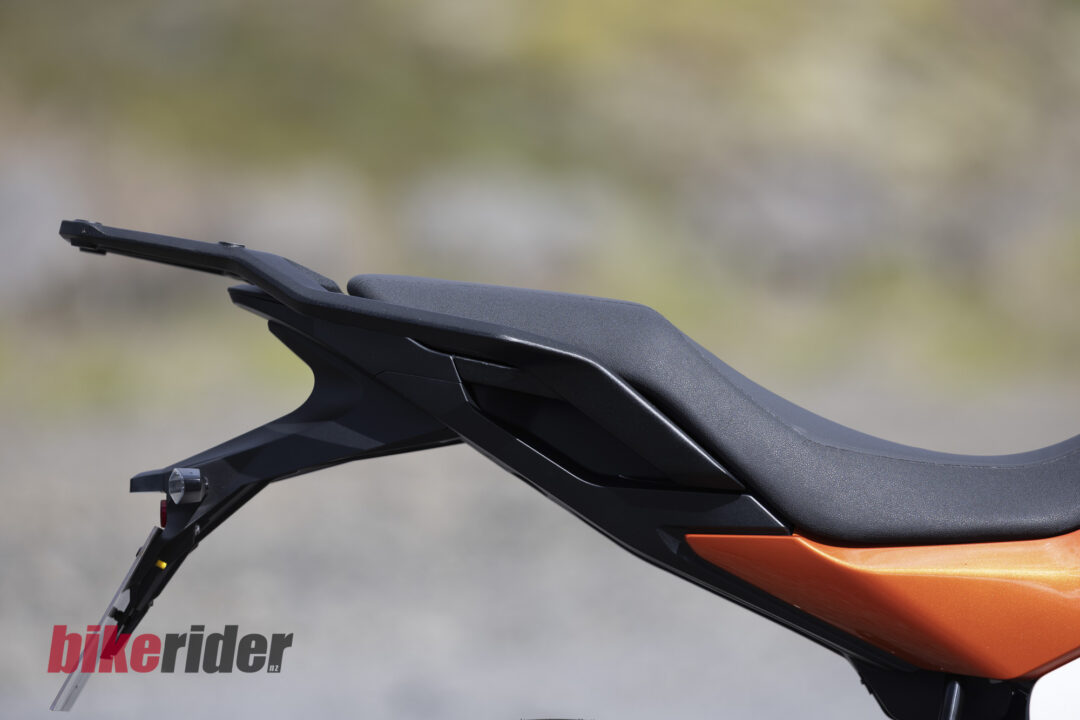
The Atlas looks unlike anything else in the middleweight adventure class. While many manufacturers rely on aggressive angles and sharp creases, Norton has taken a more restrained approach. Smooth bodywork, flowing lines and subtle detailing give the bike a distinctly British elegance that stands apart from the crowd.
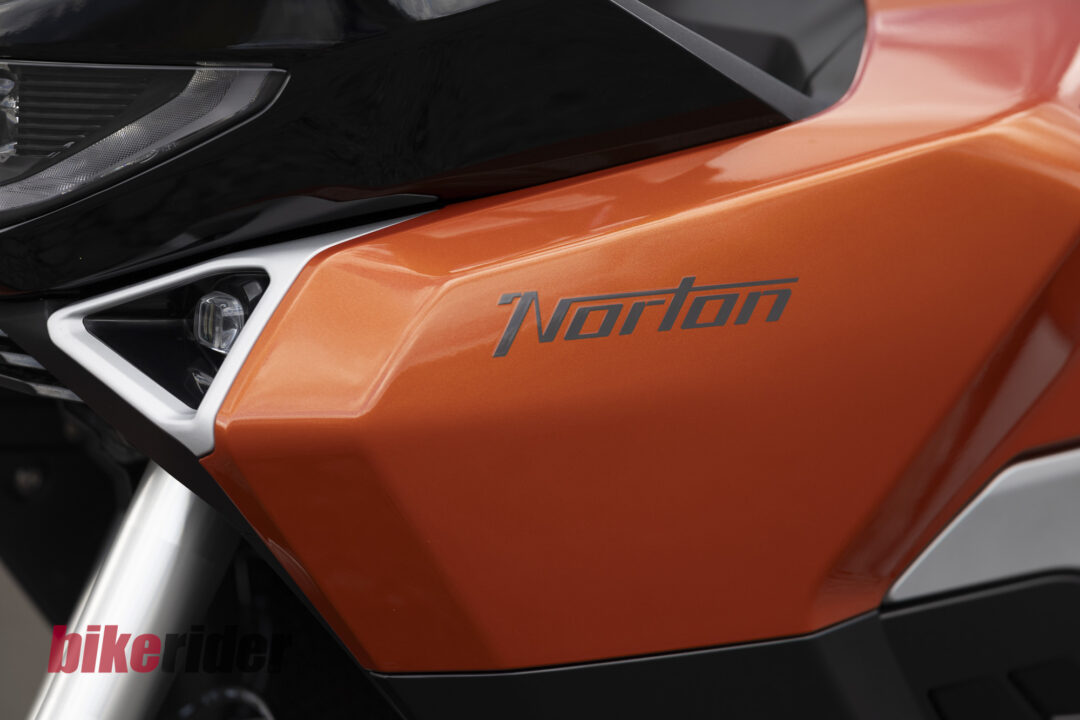
Even the new Norton logo wasn’t signed off until it had been shown to long-time owners and enthusiasts, ensuring it respected the company’s heritage while signalling a new beginning.
Beneath that elegant styling sits one of the most sophisticated electronics packages in the class.
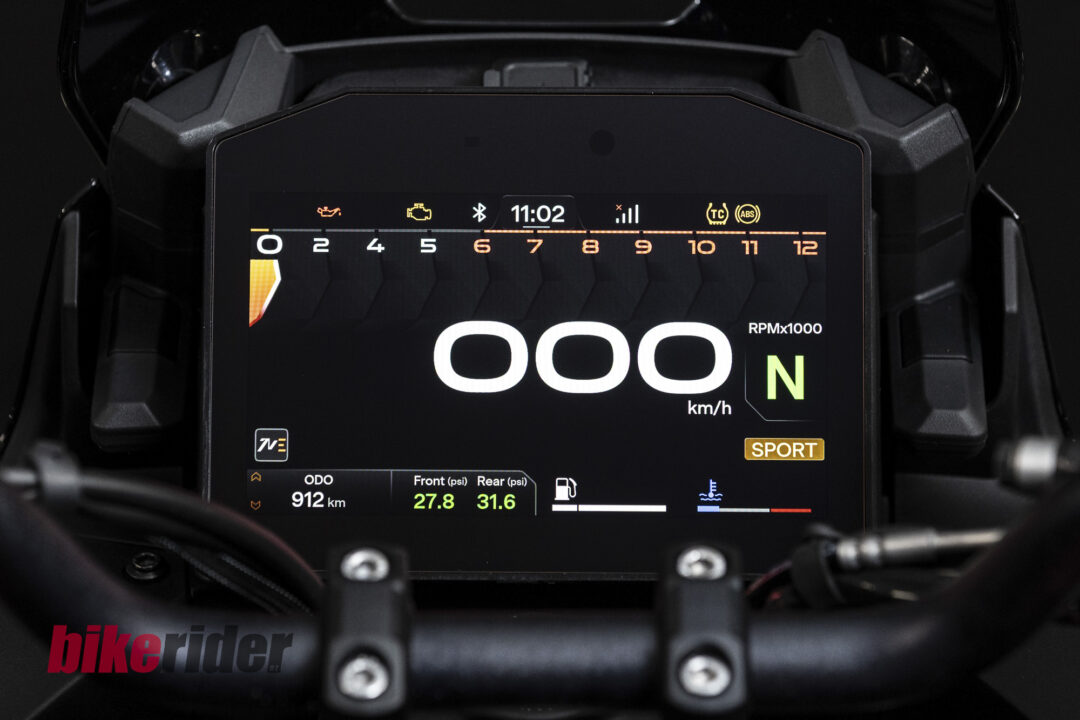
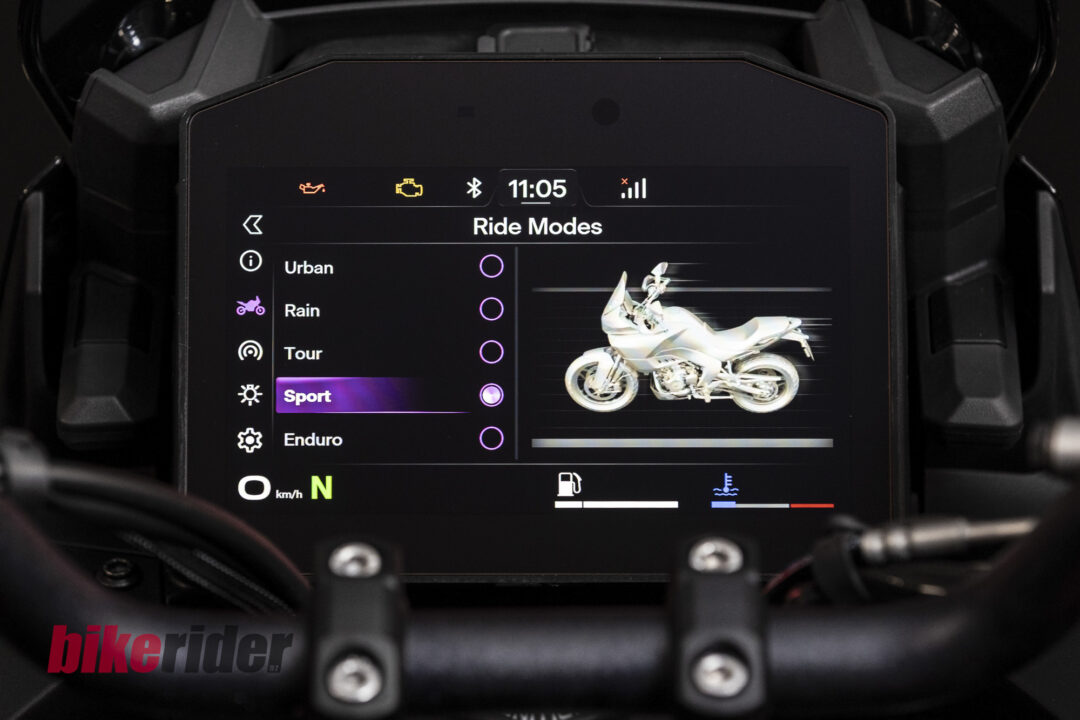
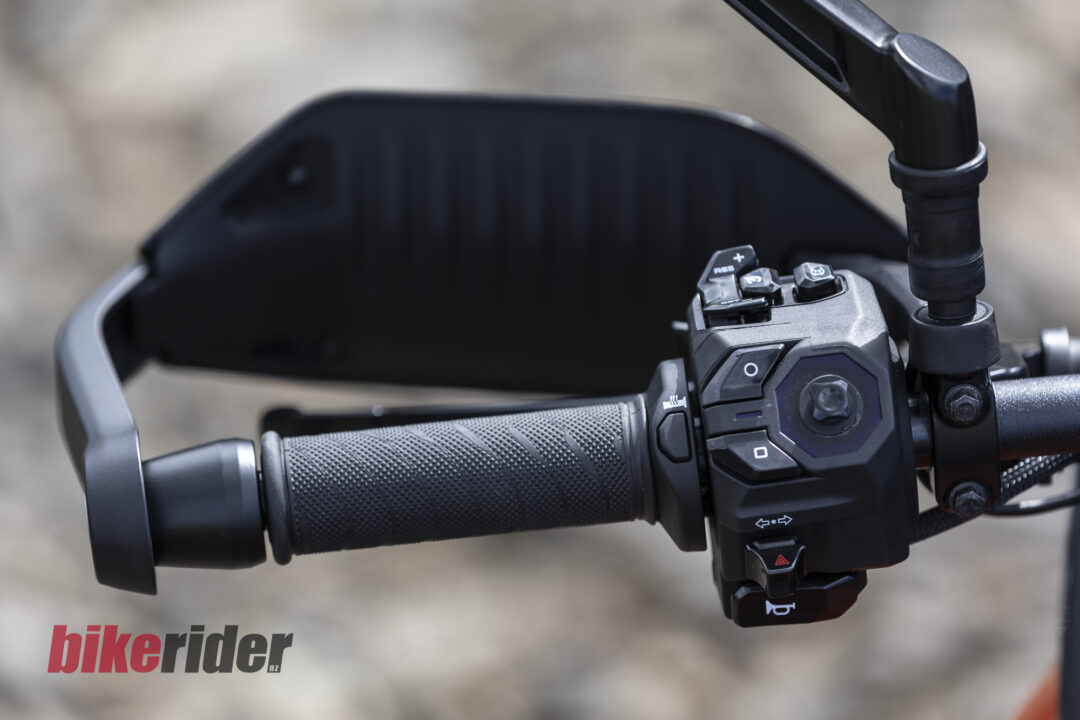
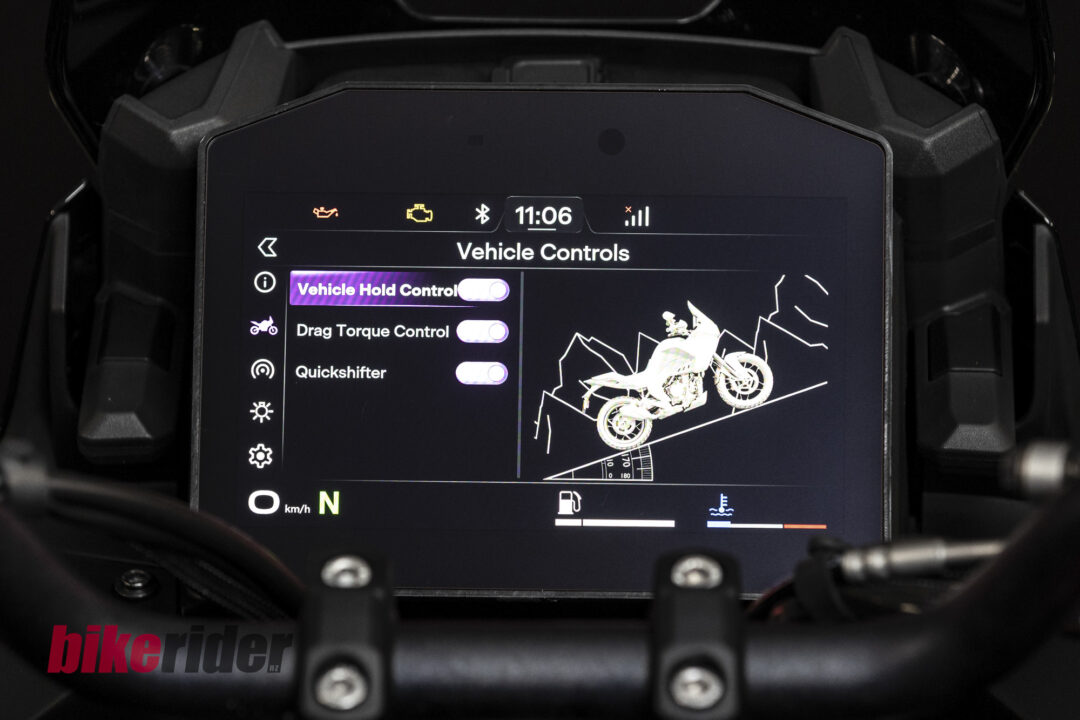
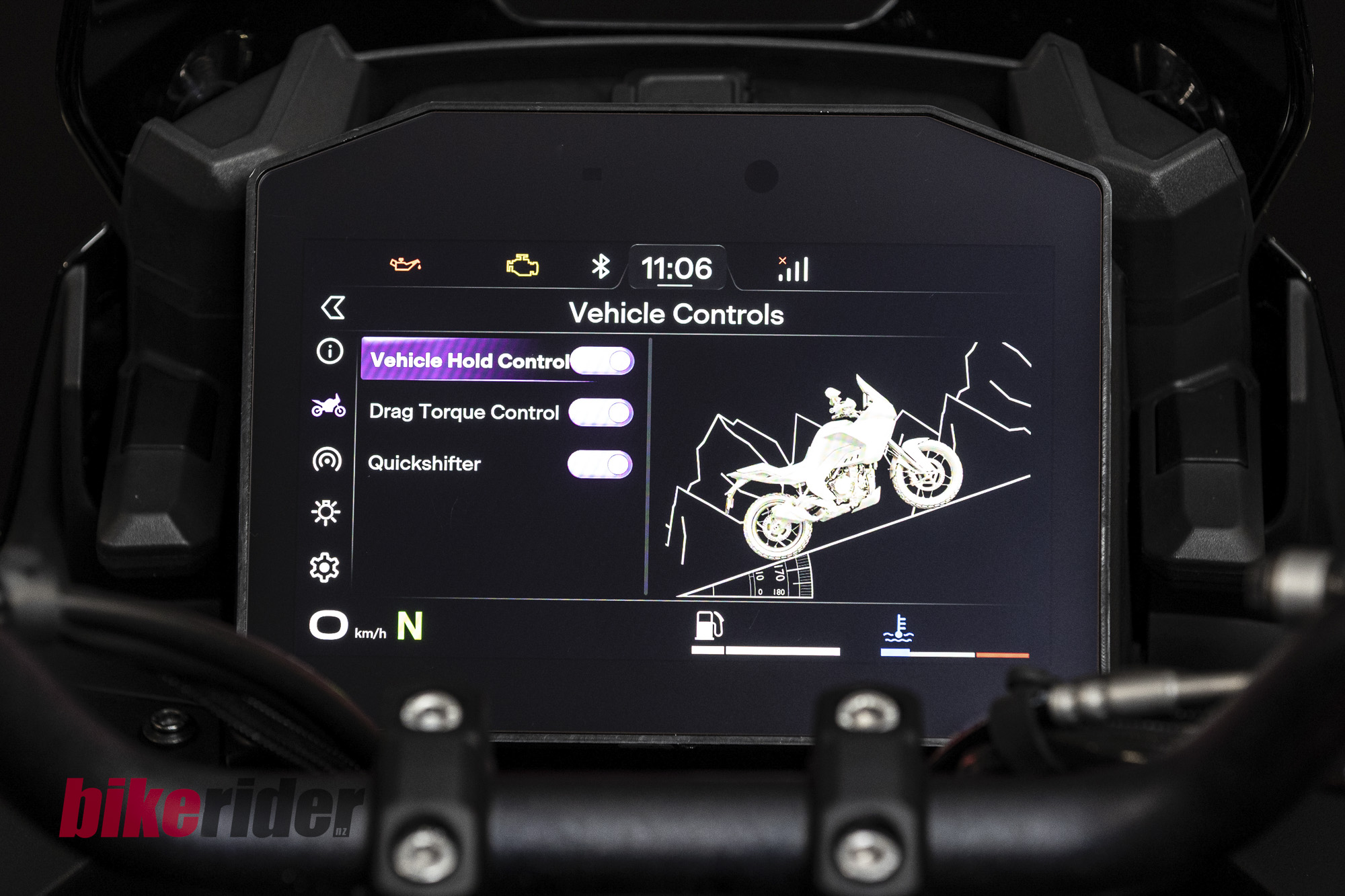
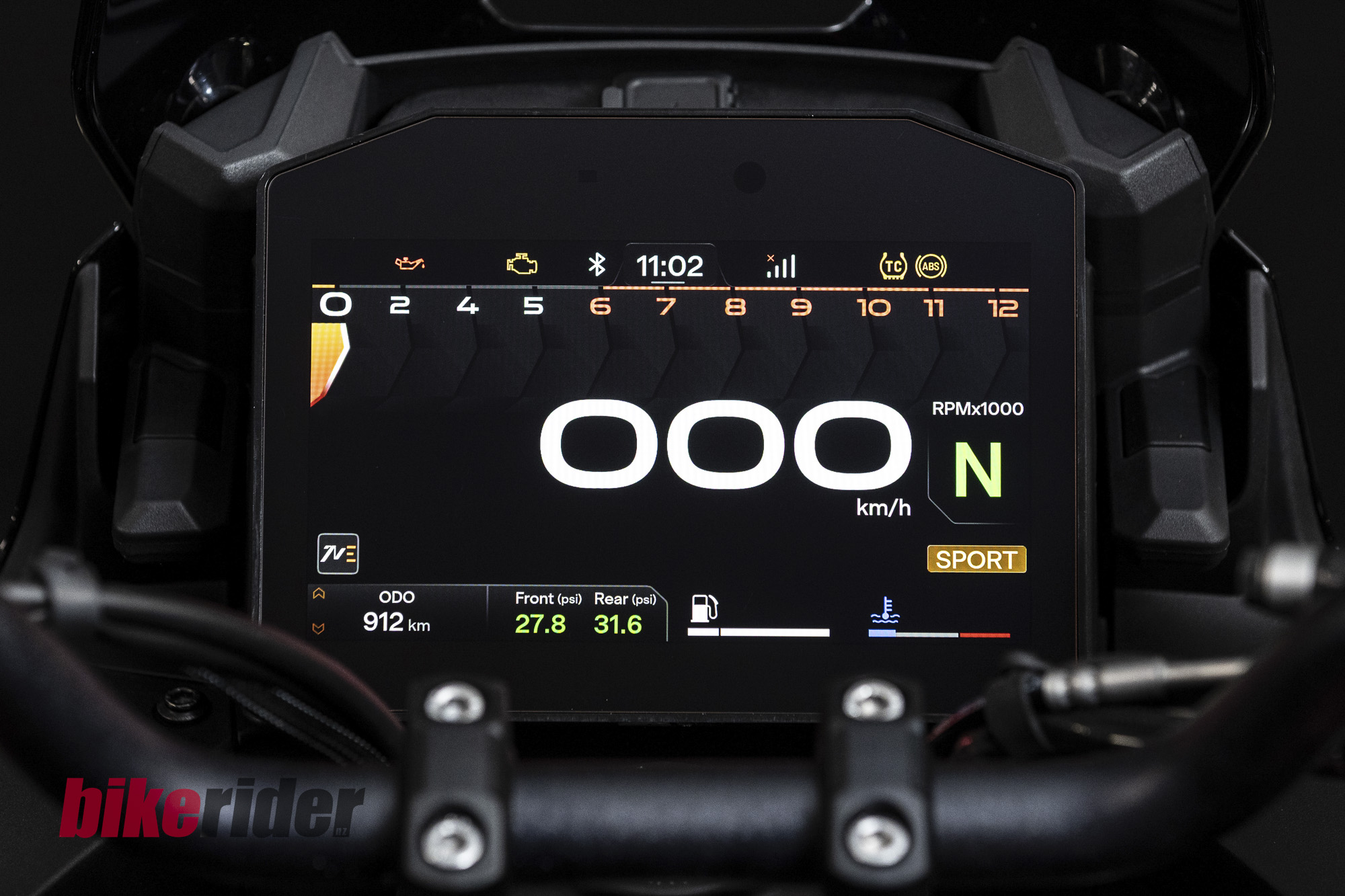
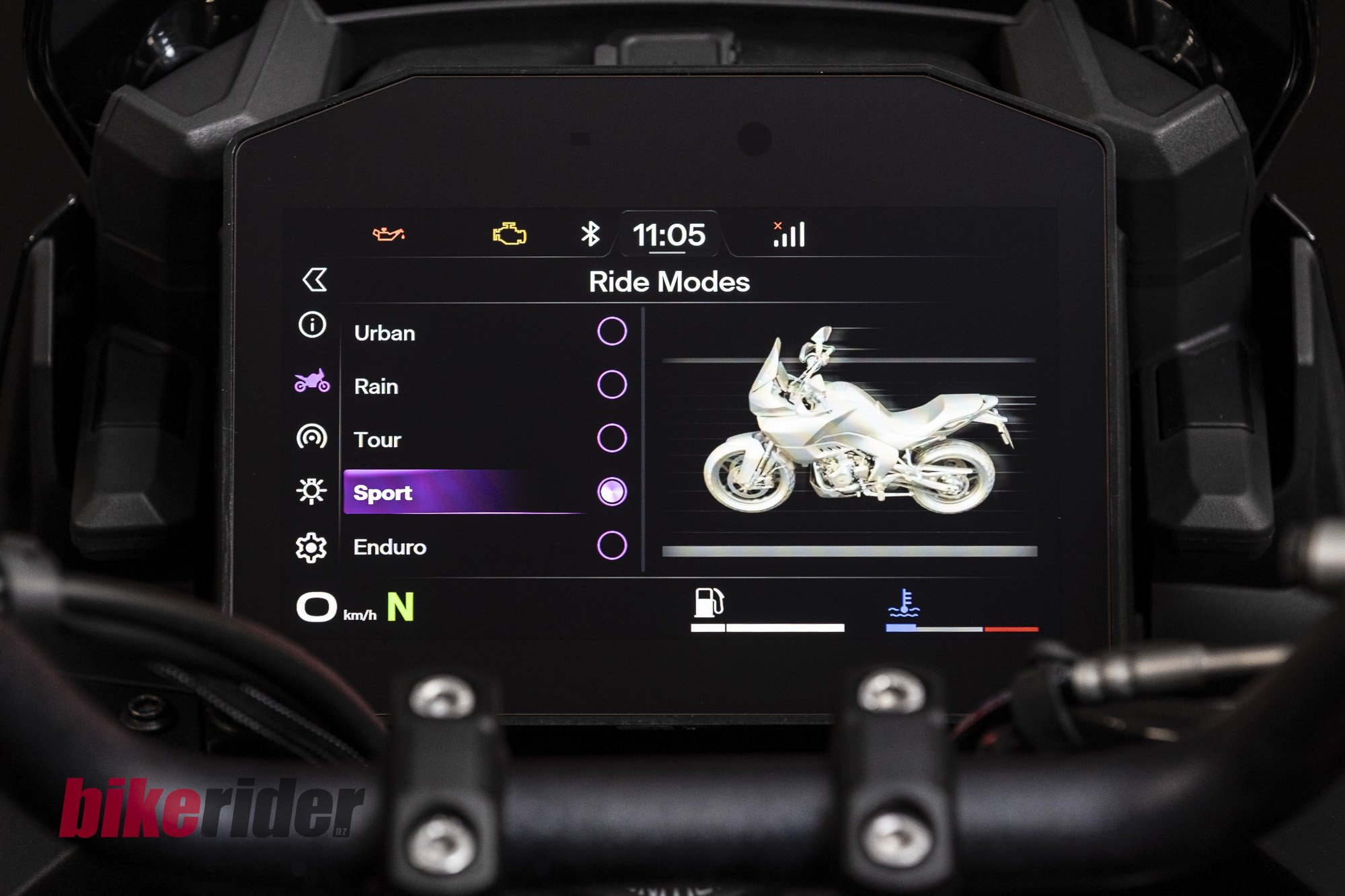
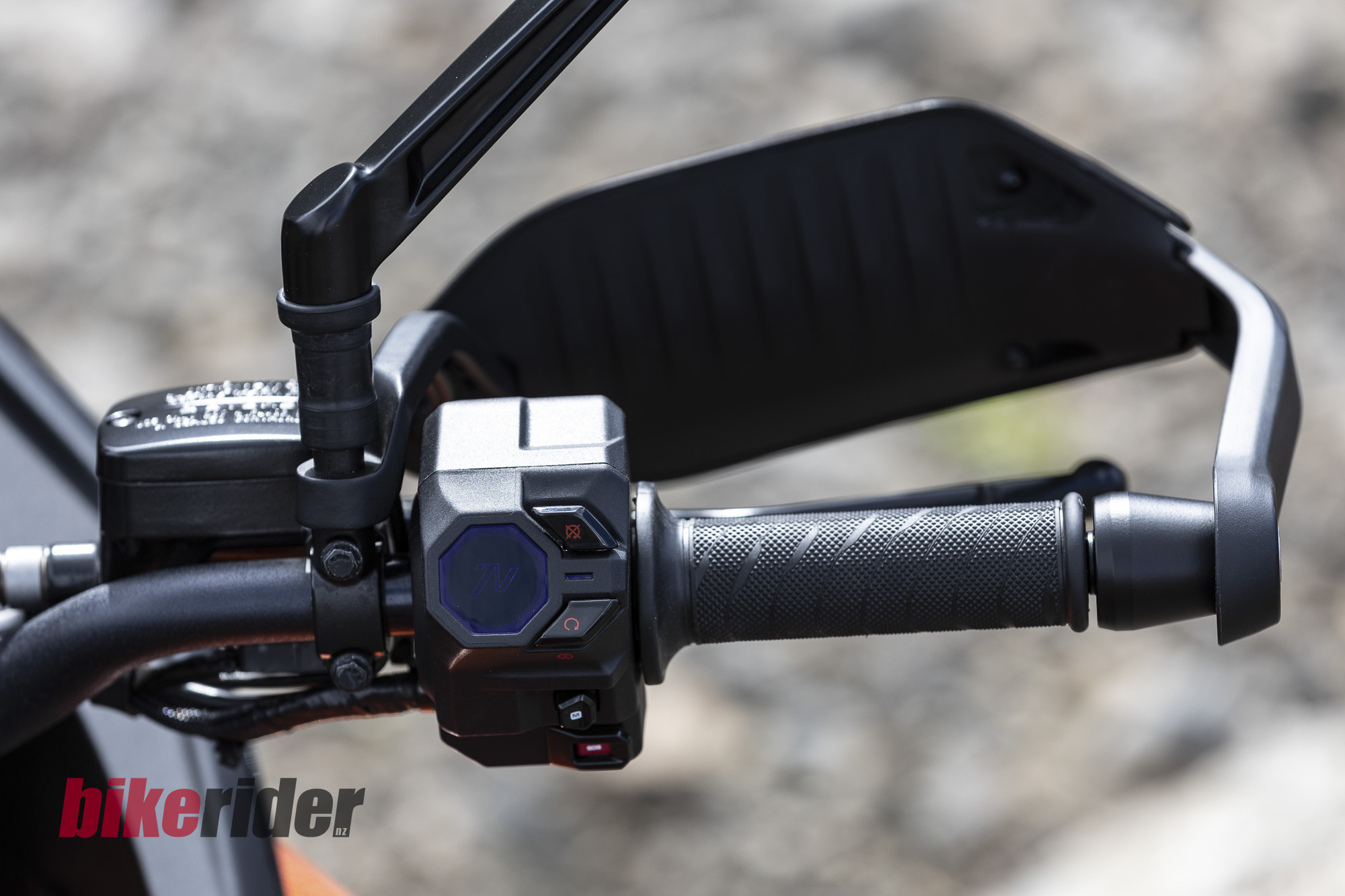
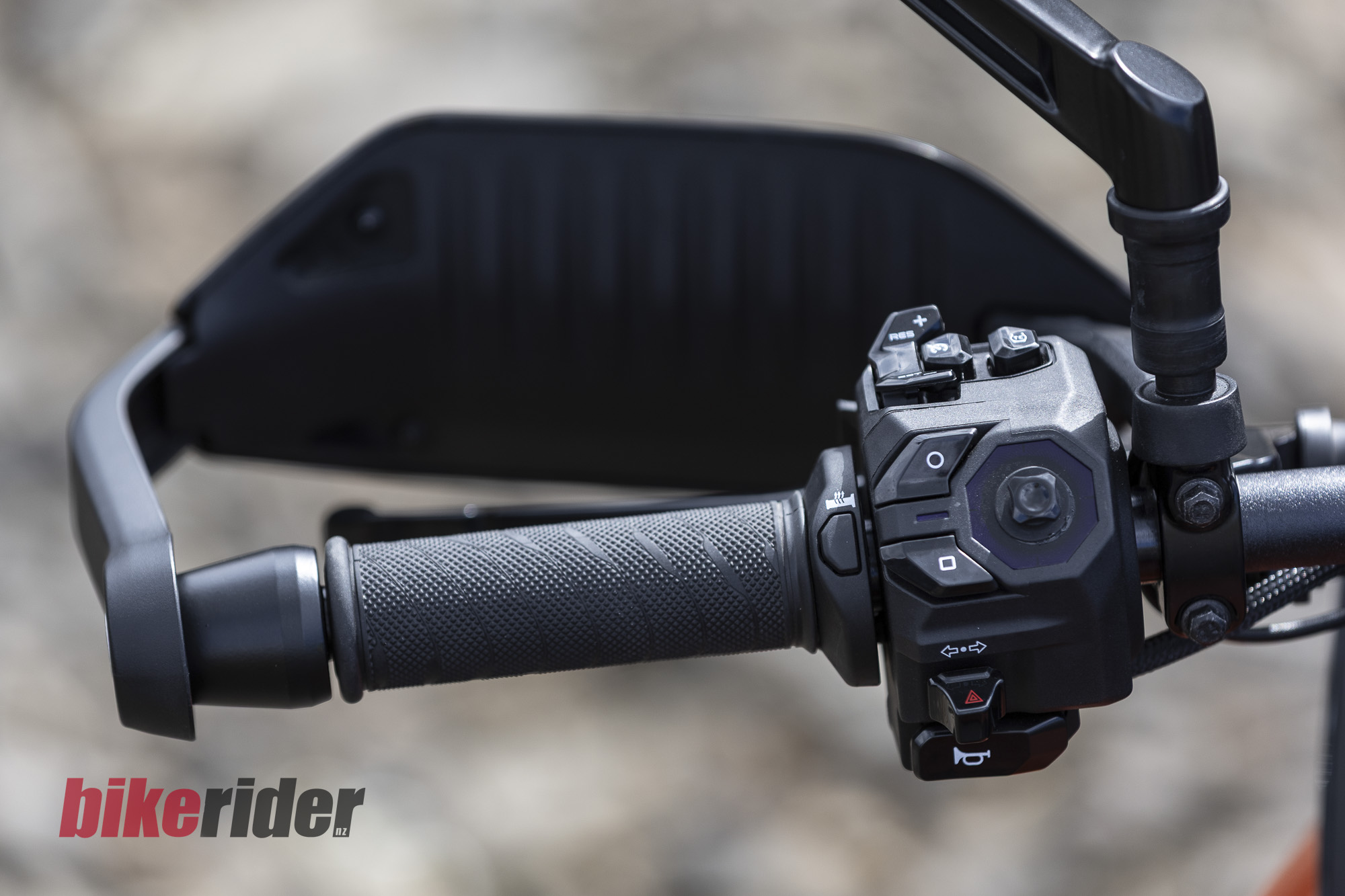
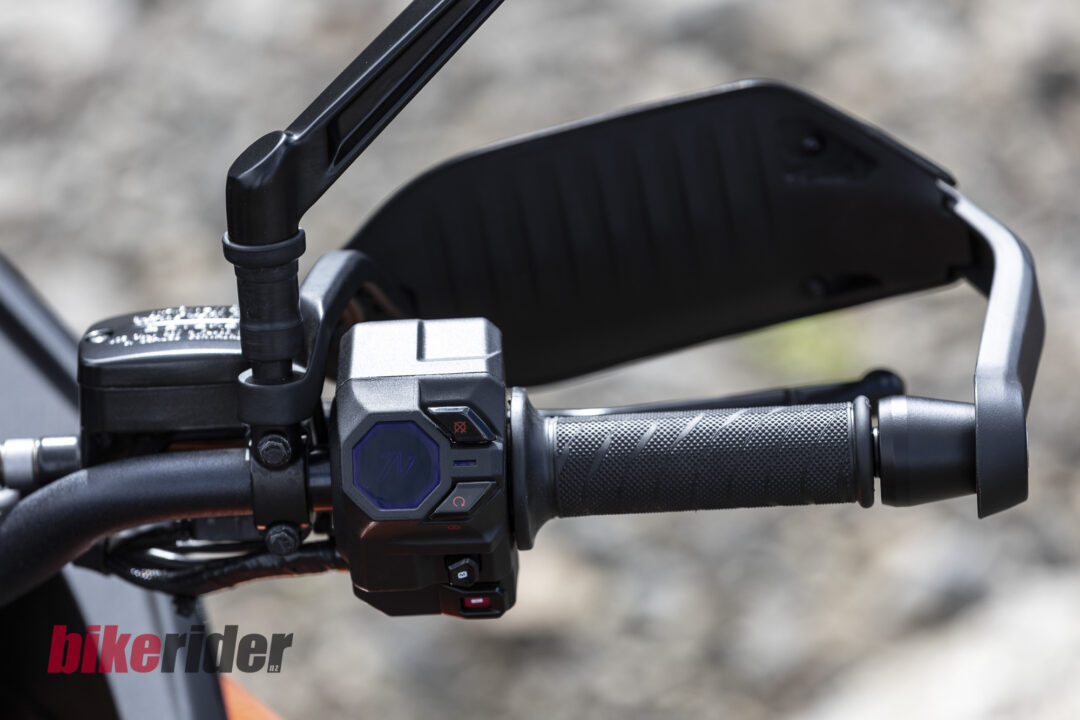
Dominating the cockpit is a large 8-inch TFT display with crisp graphics and intuitive menus controlled via illuminated switchgear. The equipment list includes multiple rider modes, lean-sensitive ABS, traction control, cruise control (also lean-sensitive), tyre-pressure monitoring, keyless ignition and over-the-air software updates via an integrated mobile data connection.
That connectivity isn’t simply there for marketing purposes, either.
During the launch, Norton confirmed that upcoming software updates will allow the key fob to remain in your pocket rather than – frustratingly – requiring the button to be pressed before riding. Another update will refine the standard quickshifter, which currently feels almost too eager, occasionally resulting in missed shifts when ridden hard.
It’s an impressive level of sophistication for any middleweight adventure bike. Considering where Norton found itself just a few years ago, it’s nothing short of remarkable.
On the Road
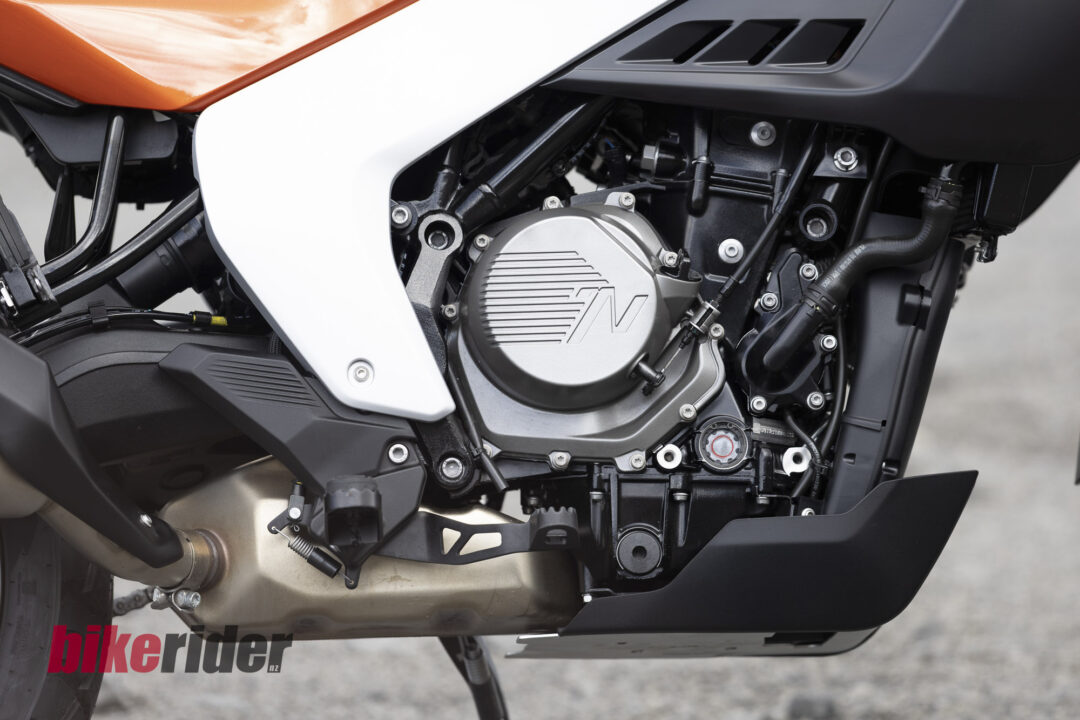
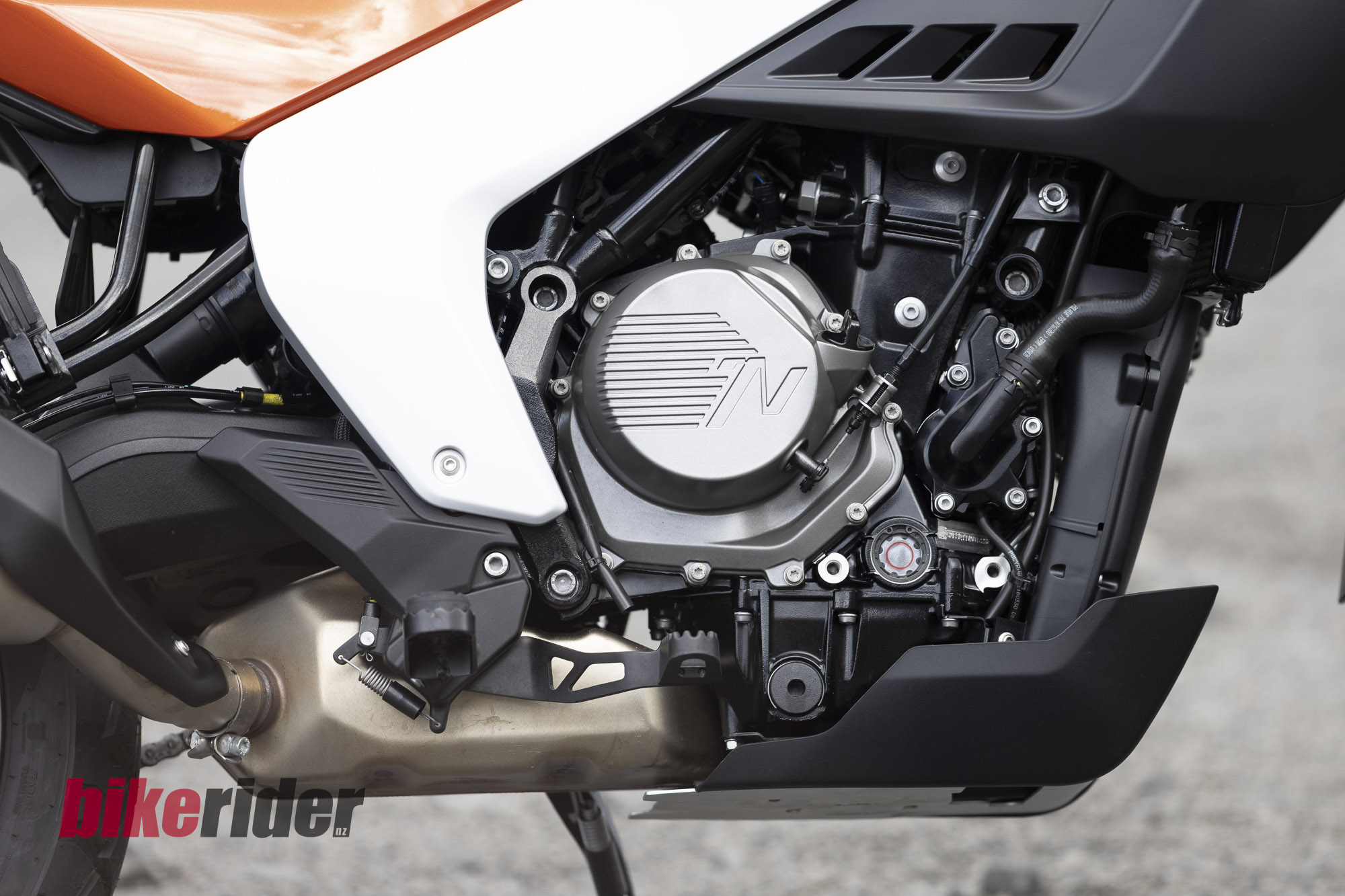
Thumb the starter and the 585cc parallel twin settles into a purposeful idle with a deep, pleasing exhaust note. It has enough character to remind you this isn’t just another generic parallel twin, yet it’s refined enough that it never feels coarse or vibey.
The engine quickly reveals its sweet spot between 5,000 and 6,000rpm, where it produces a broad spread of effortless drive. There’s useful grunt lower in the rev range too, making the Atlas surprisingly flexible. Rather than constantly chasing gears, I often found myself leaving it in one gear higher than expected and simply riding the wave of torque. Even at New Zealand open road speeds in top gear, the Atlas pulls cleanly and confidently, making overtakes easy without needing a downshift.
Despite producing “only” 69bhp, the Atlas never seemed to feel underpowered. In fact, the engine feels larger than the numbers suggest, and the gearing seems almost perfectly suited to Kiwi roads. Too often bikes are geared for unrestricted European motorways, but Norton appears to have prioritised real-world usability over headline figures.
“Rather than constantly chasing gears, I often found myself leaving it in one gear higher than expected and simply riding the wave of torque.”
The gearbox itself is light and positive, although the quickshifter still needs a little refinement. When shifting right in the middle of the engine’s strongest torque, it occasionally feels as though the ECU briefly interrupts power before smoothly picking it up again. The result is a shift that feels slightly hesitant rather than seamless. Norton is already working on an over-the-air software update to improve the system, so it’s encouraging to know they’re addressing it before most customers even take delivery.
Comfort is another genuine highlight.
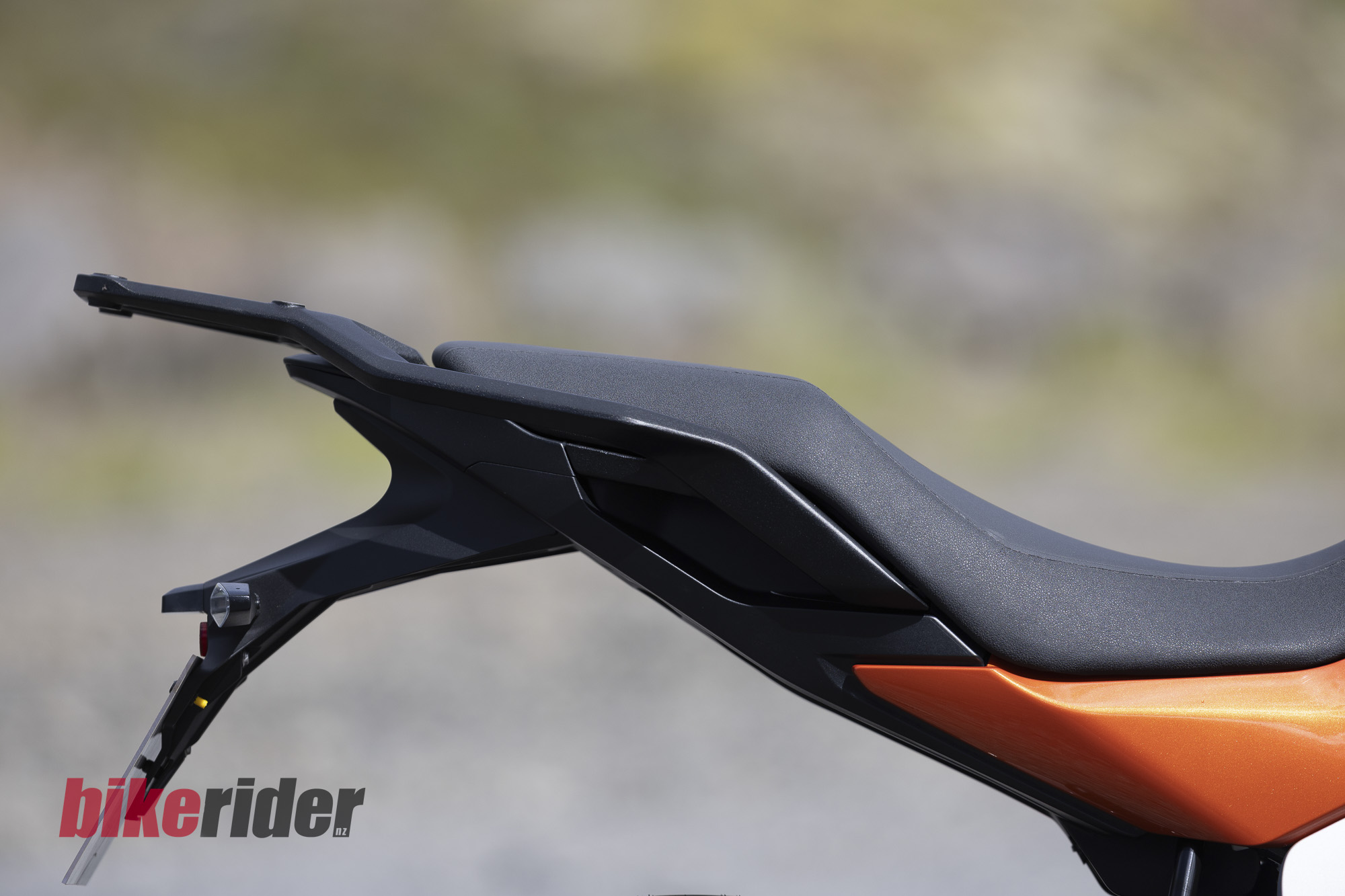
The riding position strikes an excellent balance between commanding and relaxed, while the seat is very much a “sit-in” design rather than one that perches you on top of the bike. Even after spending an entire day riding through Iceland’s constantly changing conditions, I never once felt cramped.
Seat height is 845mm, although optional taller and lower seats are available. Combined with the Atlas’ remarkably slim waist, it should suit a wide range of riders. At 182cm I was virtually flat-footed at every stop, and if anything, I’d probably opt for the taller seat to make the transition between sitting and standing even easier.
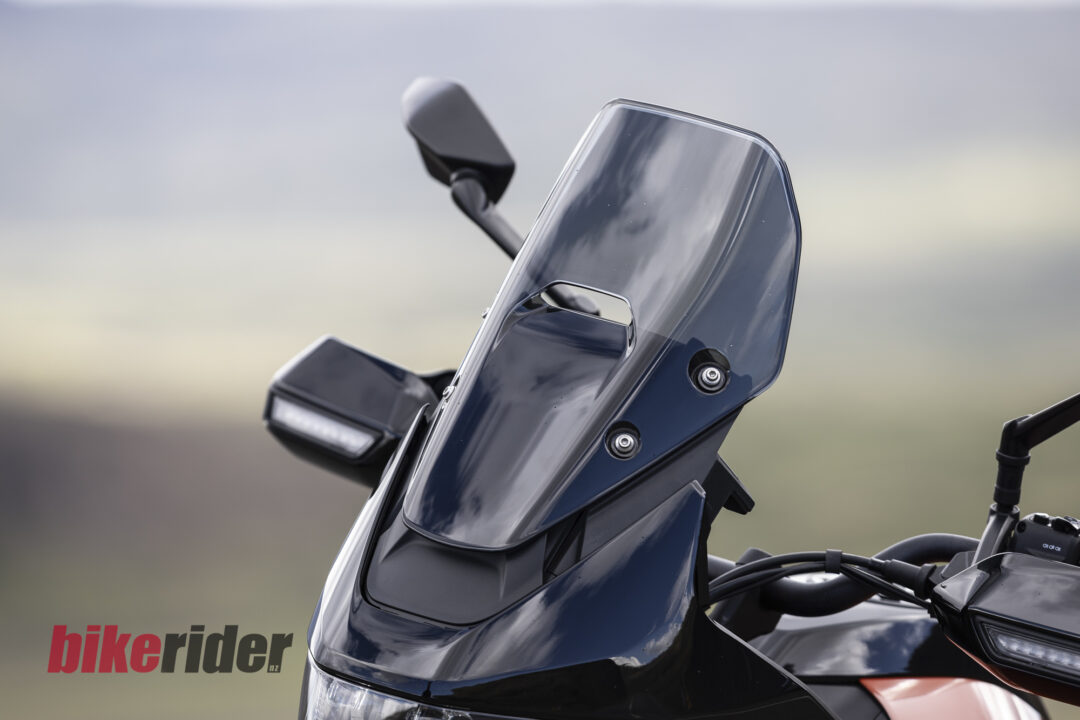
Weather protection also deserves special mention.
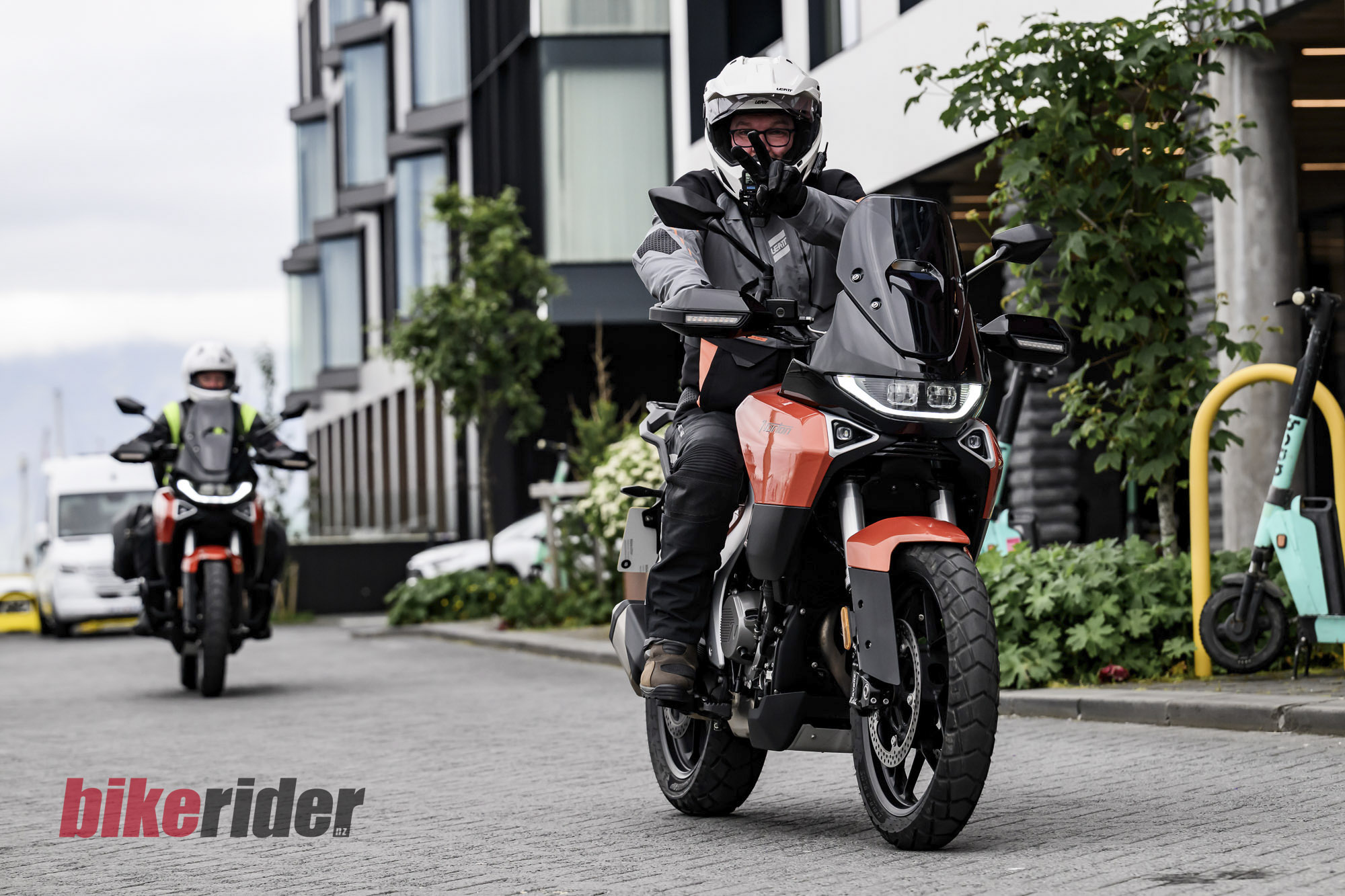
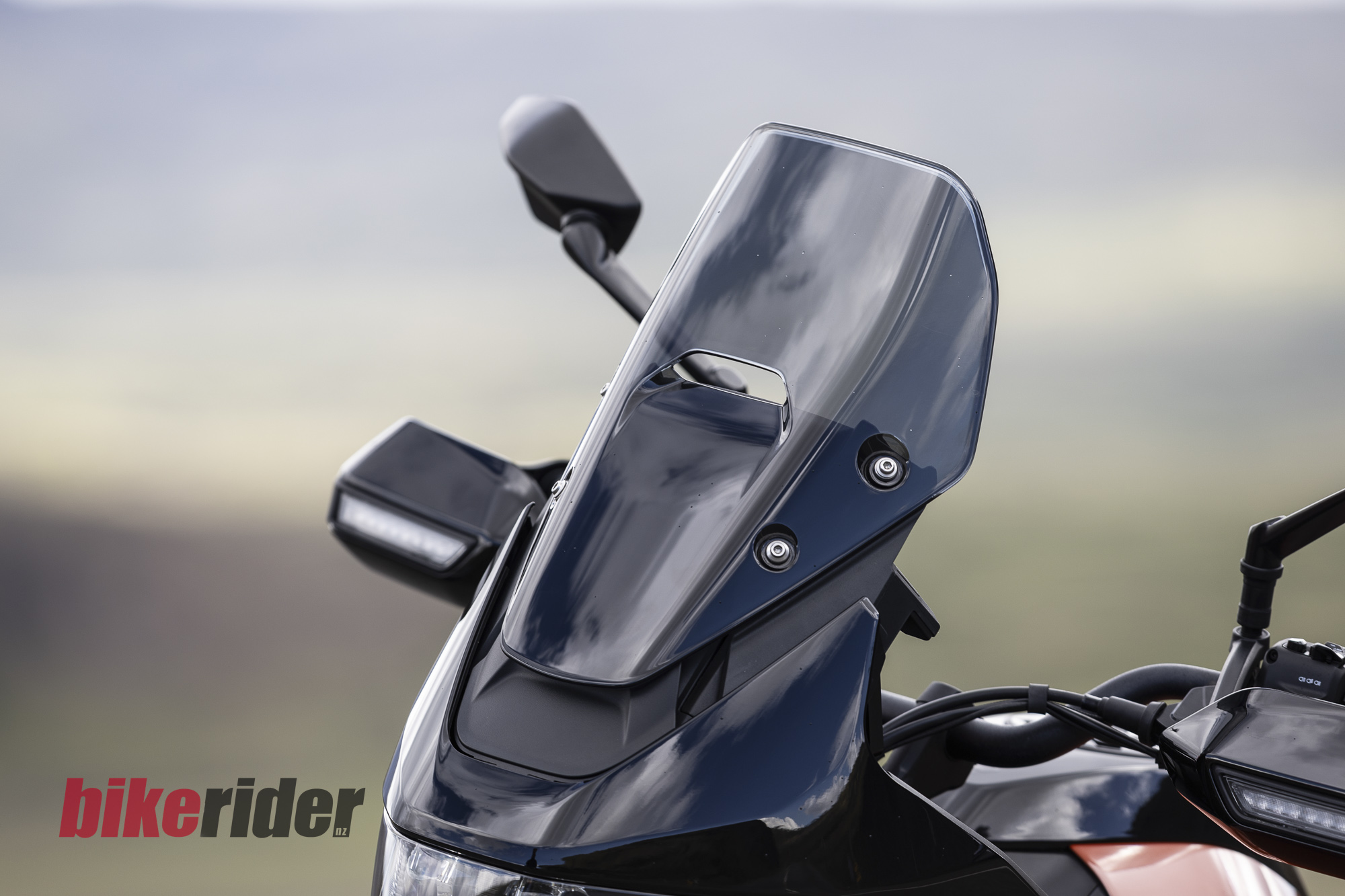
The adjustable screen, generous fairing and standard hand guards create a surprisingly calm pocket of air. Given the biblical weather we experienced throughout much of the launch, I was grateful for every bit of protection the Atlas offered. Add the standard heated grips and my Leatt adventure gear—which stubbornly refused to let a single drop of water through—and what could have been a miserable day became a genuinely enjoyable one.
The suspension is equally impressive.
Rather than using the more common linkage arrangement, Norton has gone with a linkless rear suspension layout, reducing complexity and weight while maintaining excellent control. The fully adjustable KYB forks were a standout, soaking up broken tarmac without ever feeling harsh or underdamped. If anything, they reminded me of the sort of suspension setup we appreciate in New Zealand—compliant enough to smooth out rough chipseal while still offering excellent support when the pace increases.
Off the Tarmac
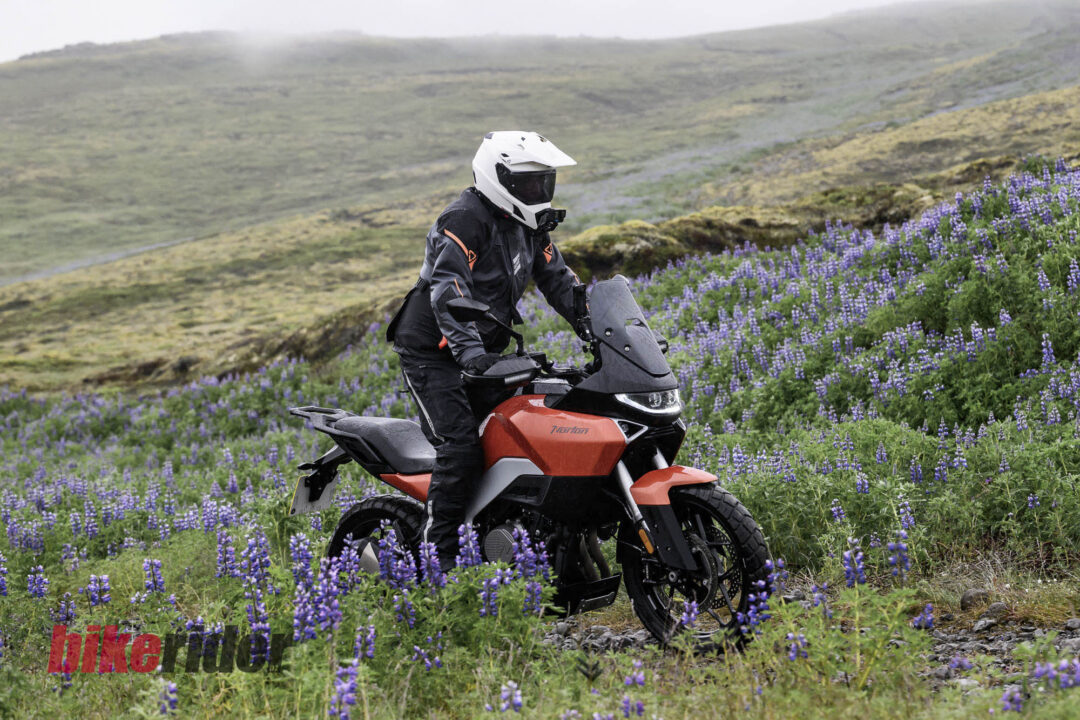
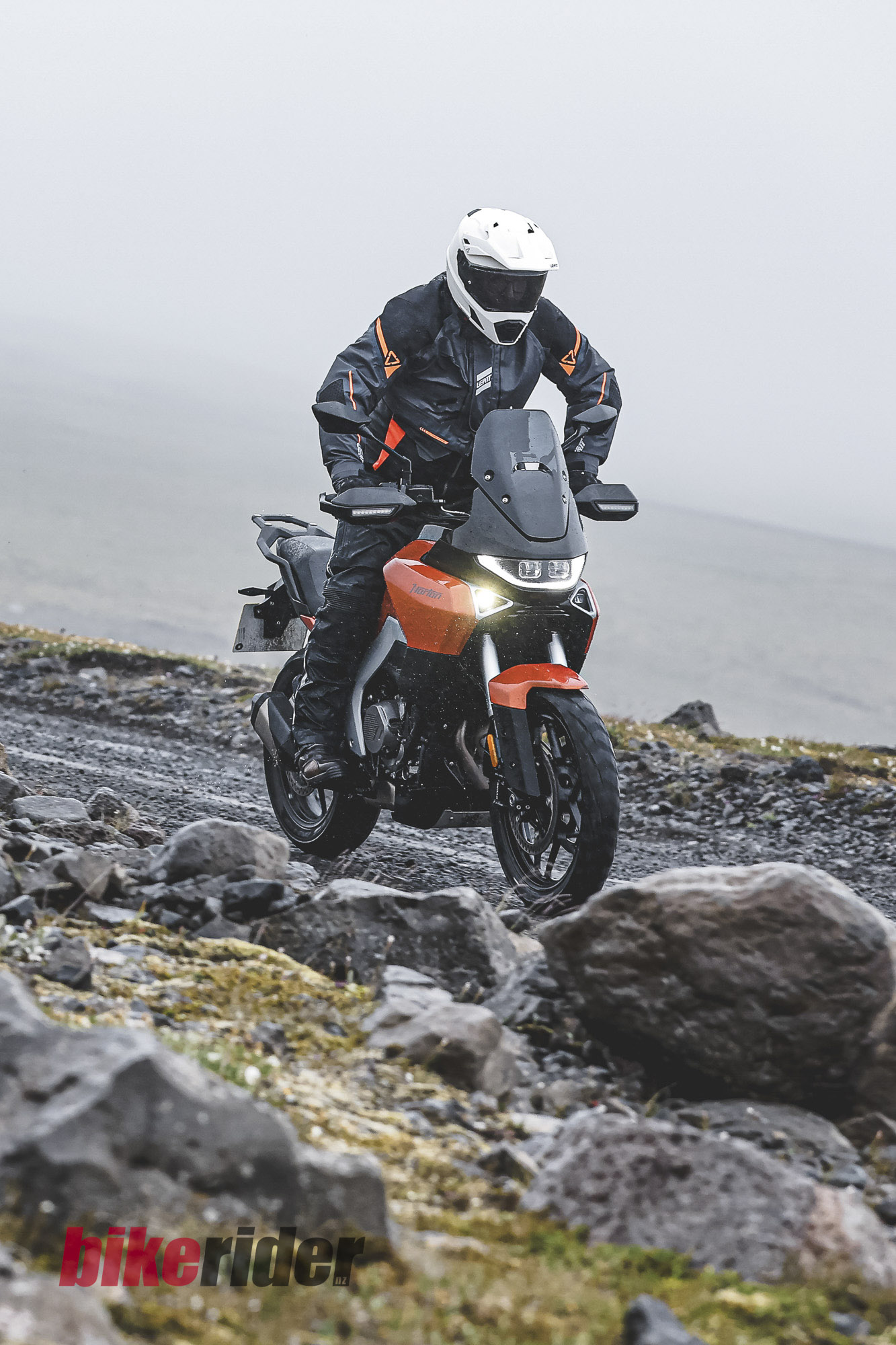
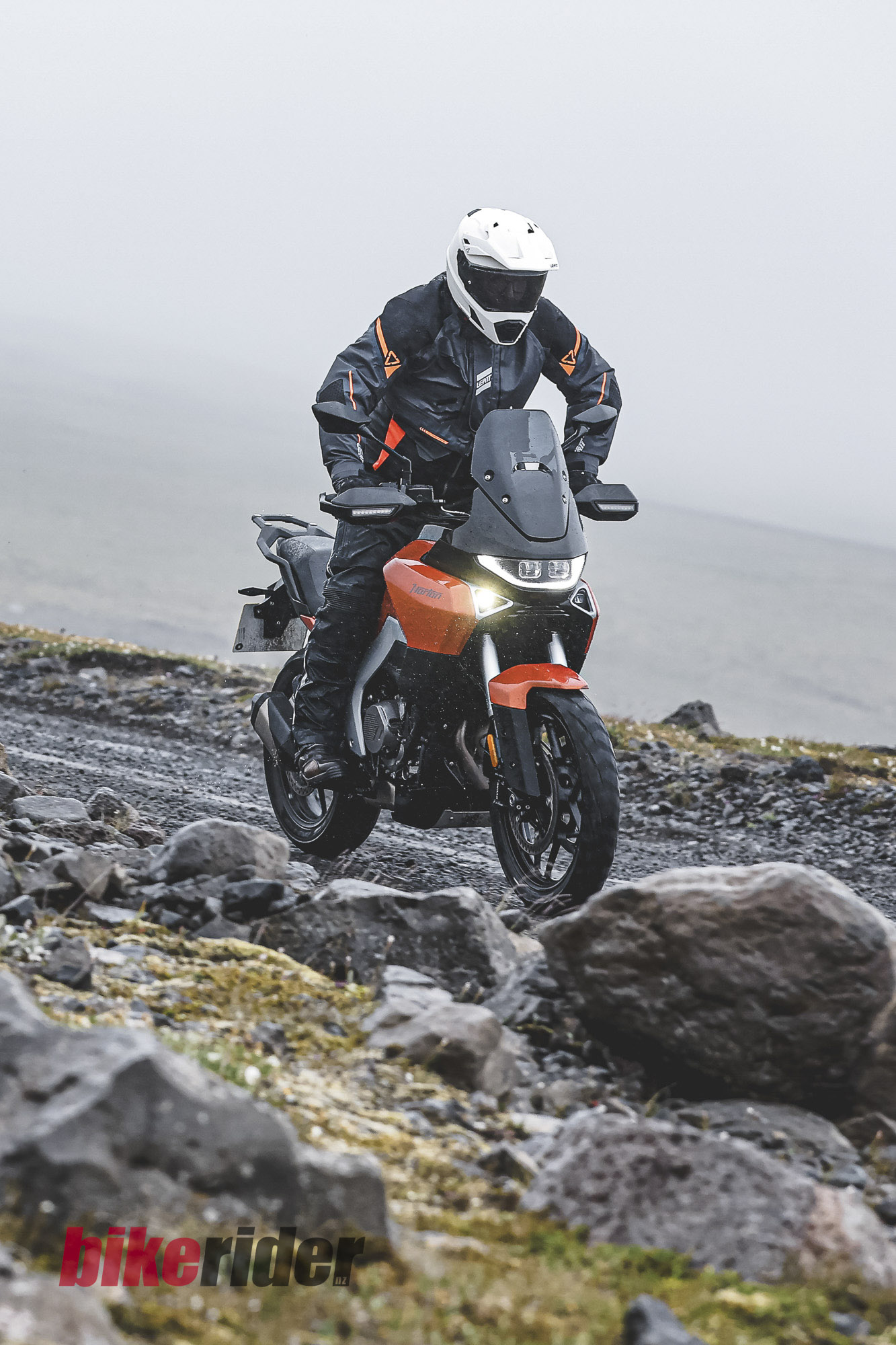
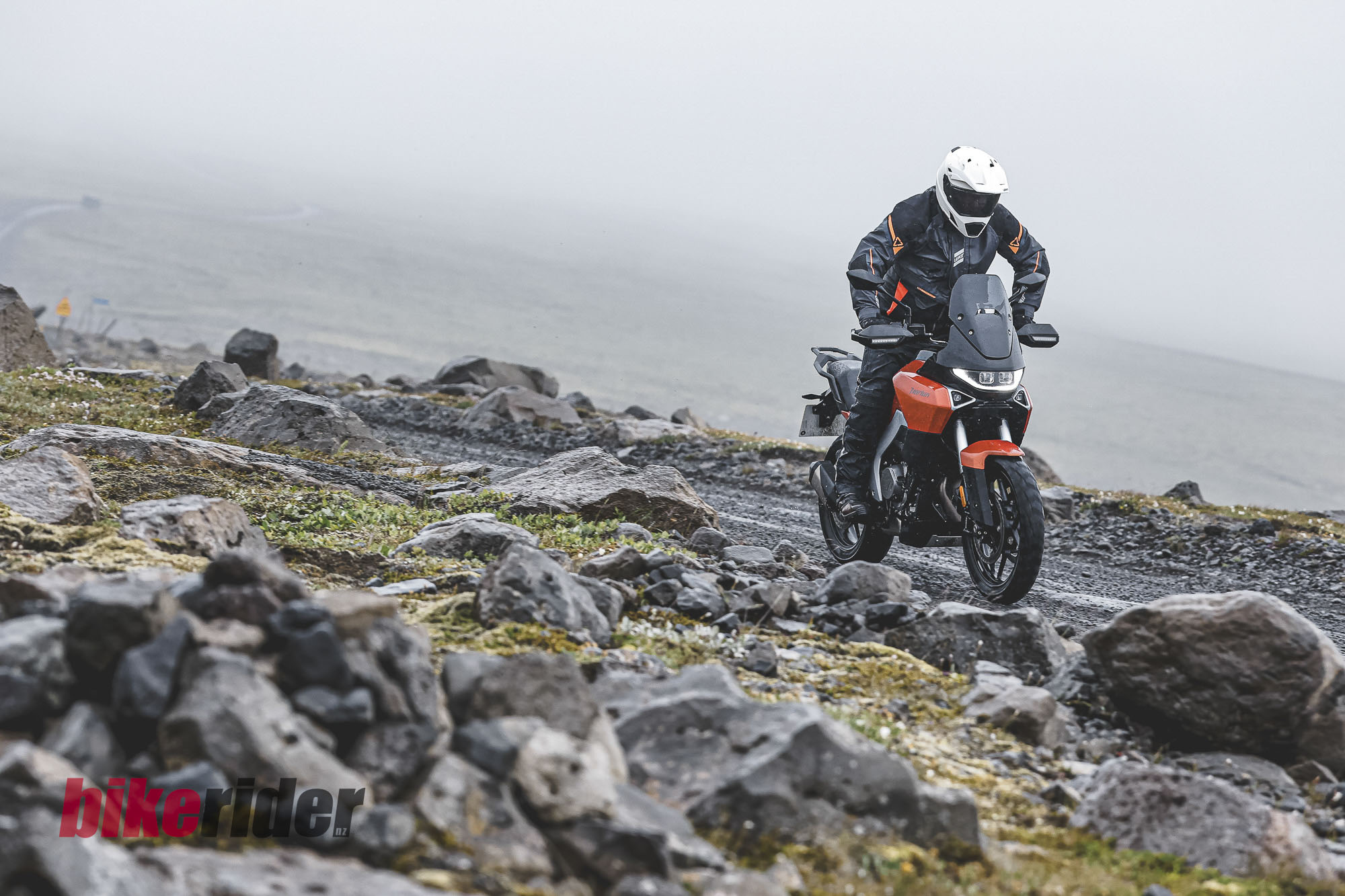
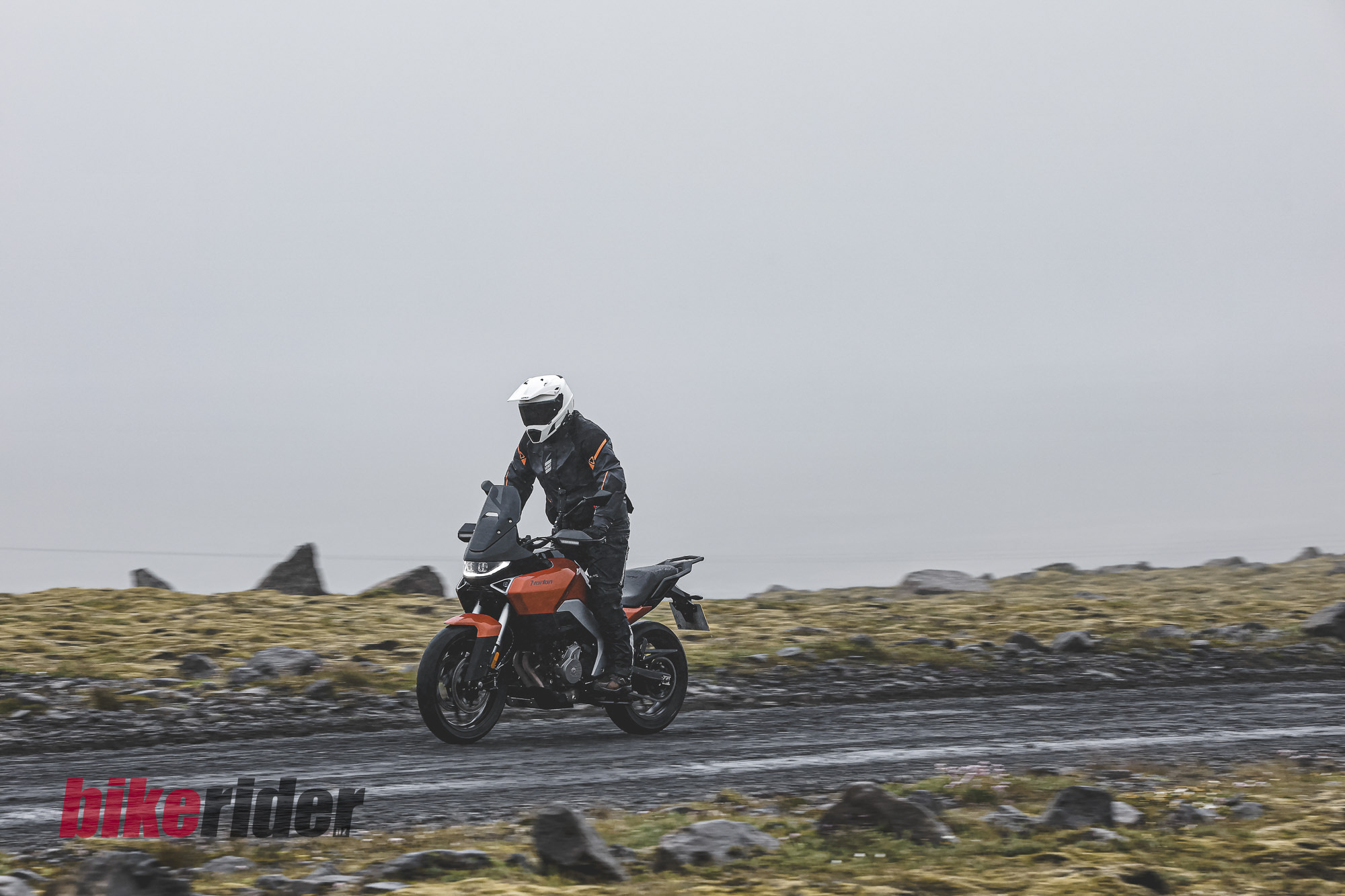
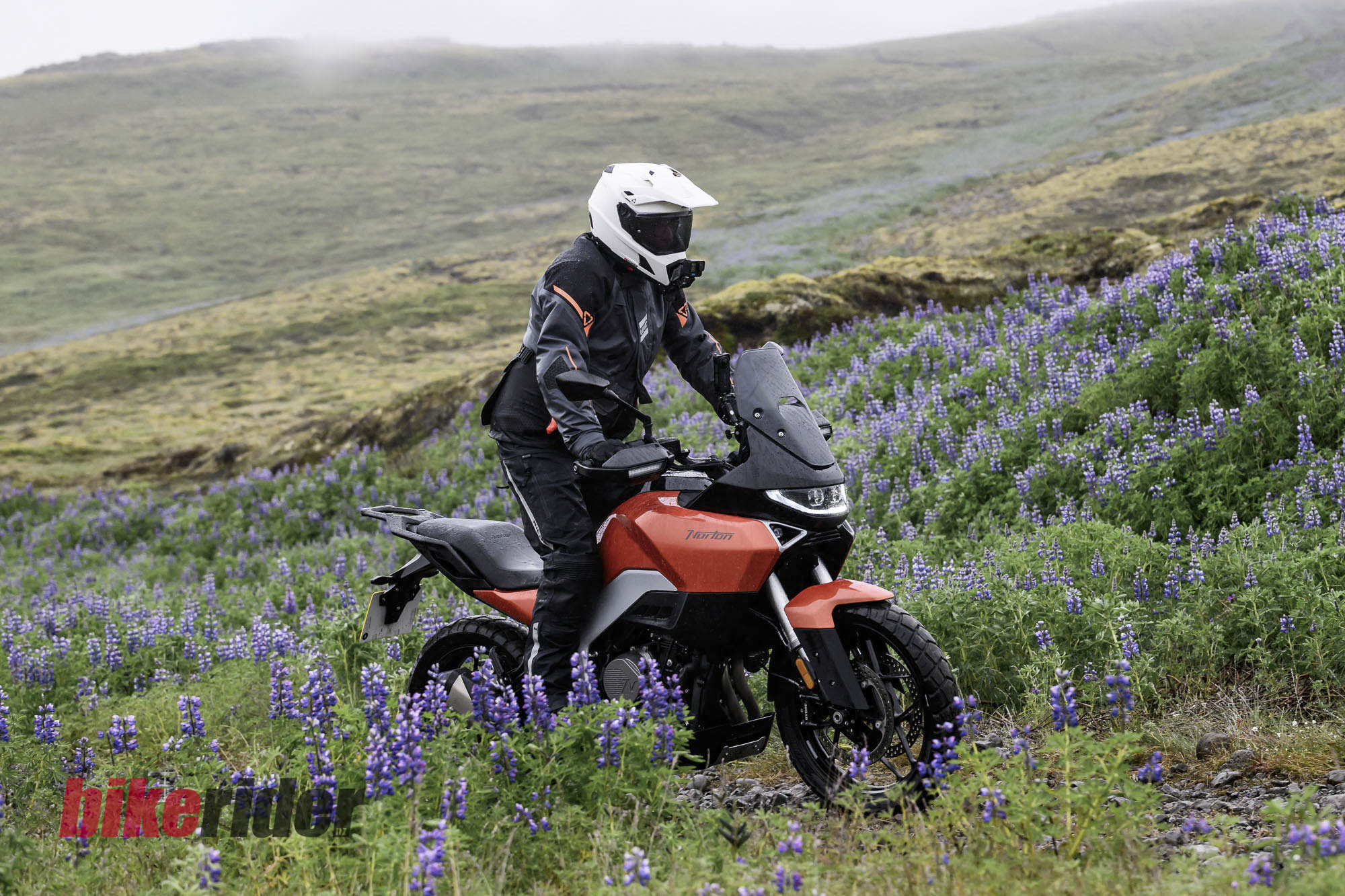
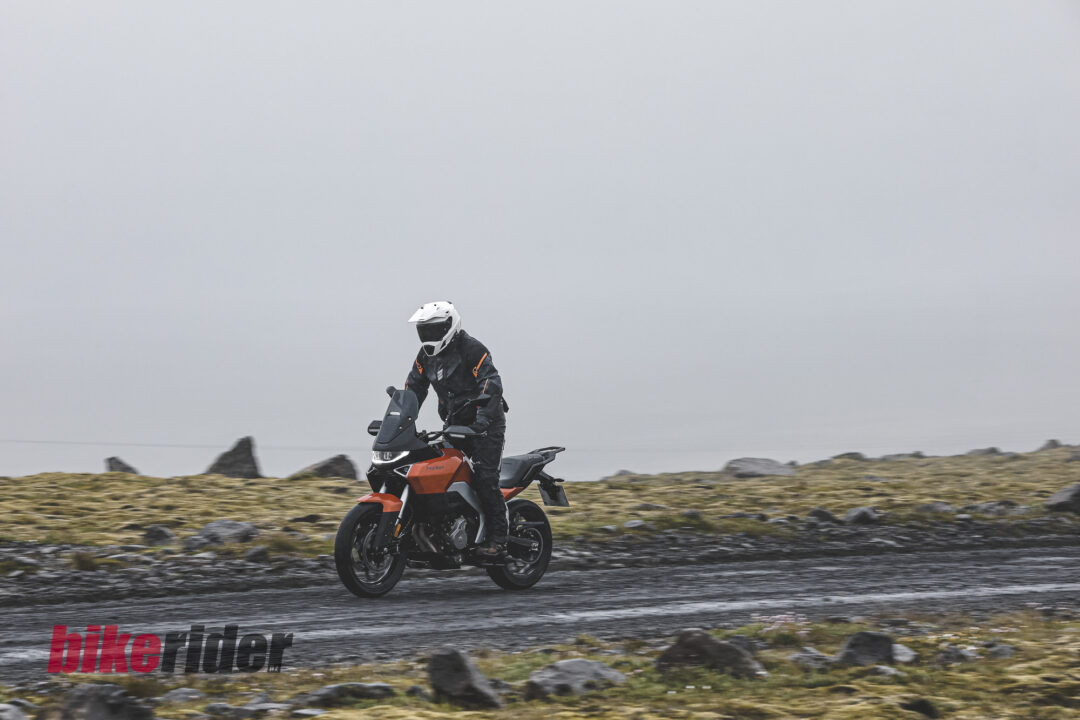
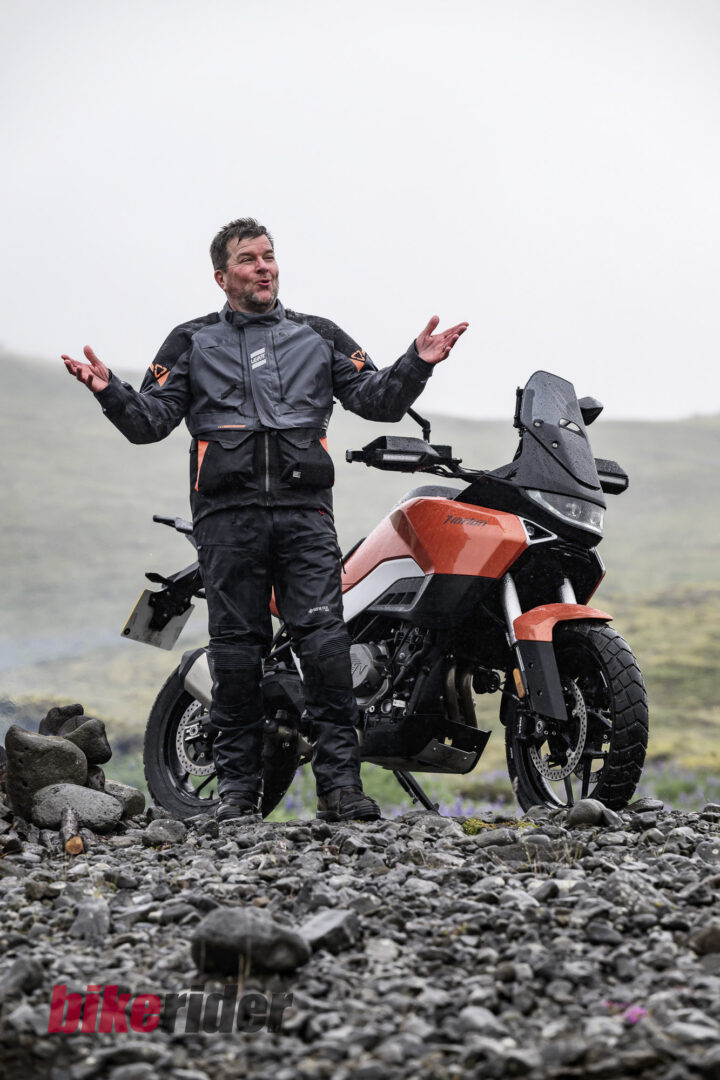
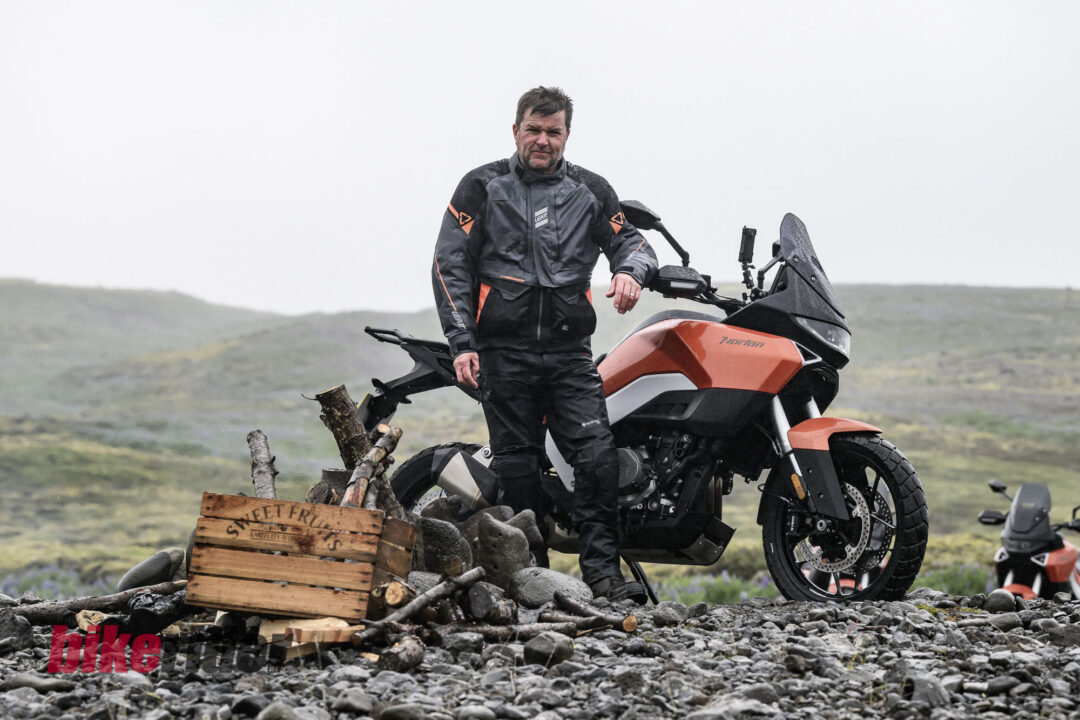
Iceland is a spectacular place to launch an adventure bike because perfect stretches of asphalt can suddenly disappear into volcanic gravel, rocky trails and landscapes that genuinely feel otherworldly.
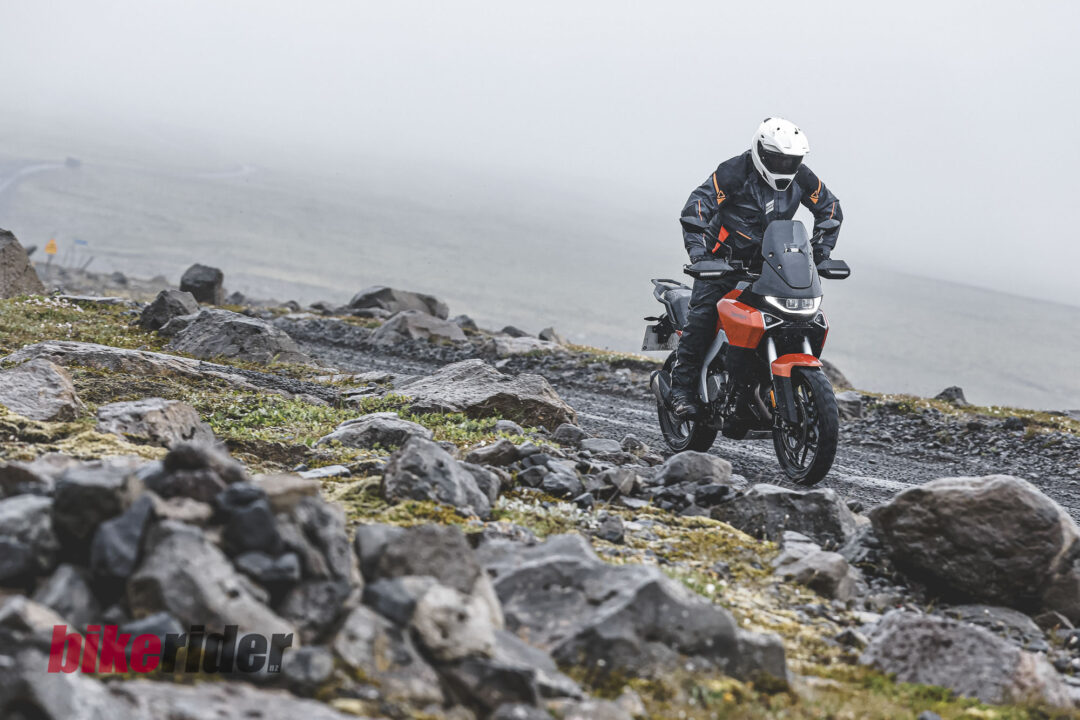
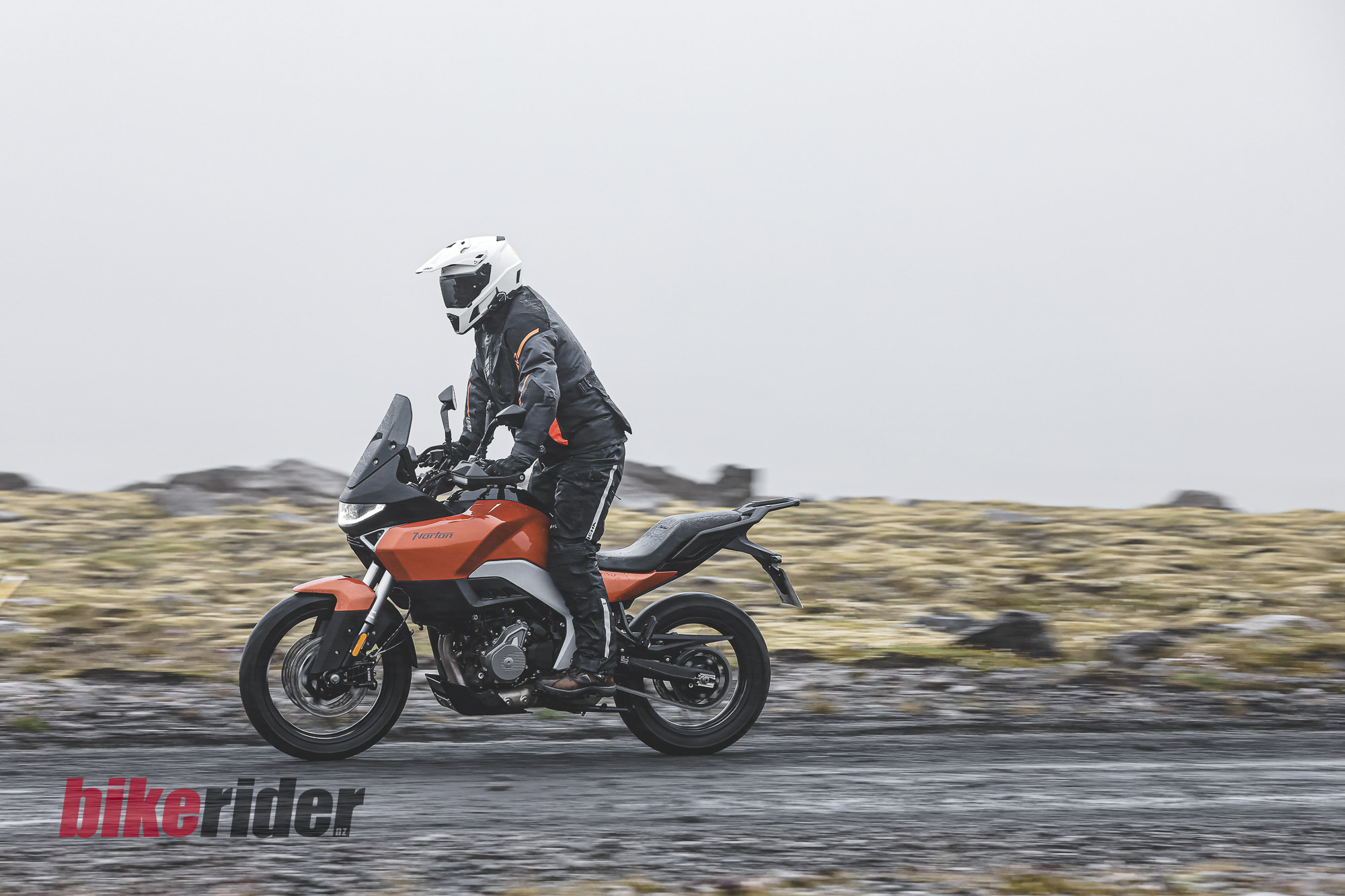
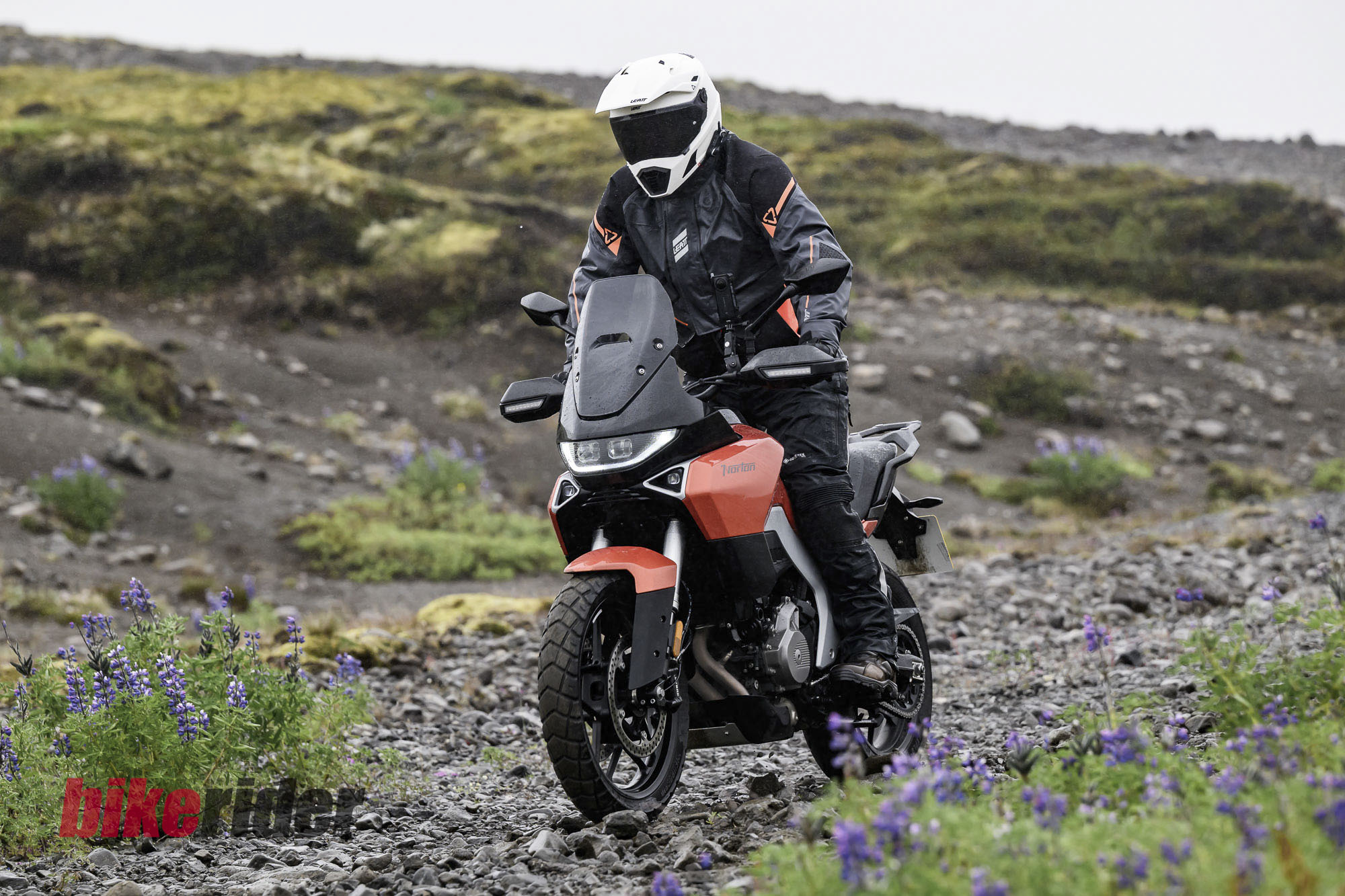
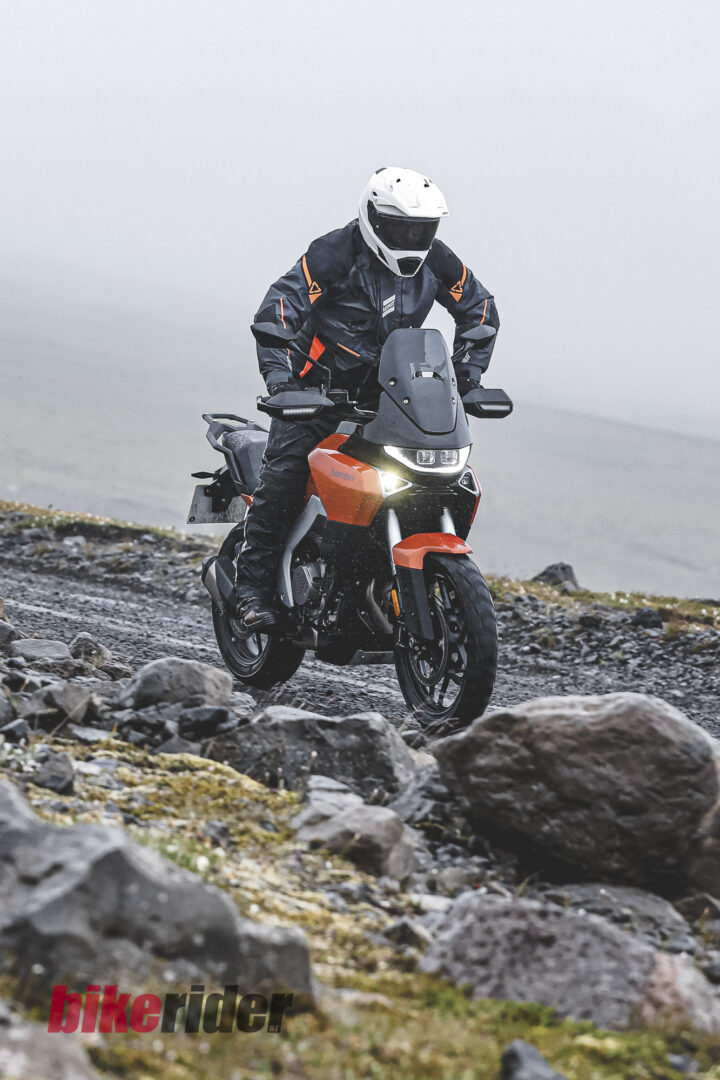
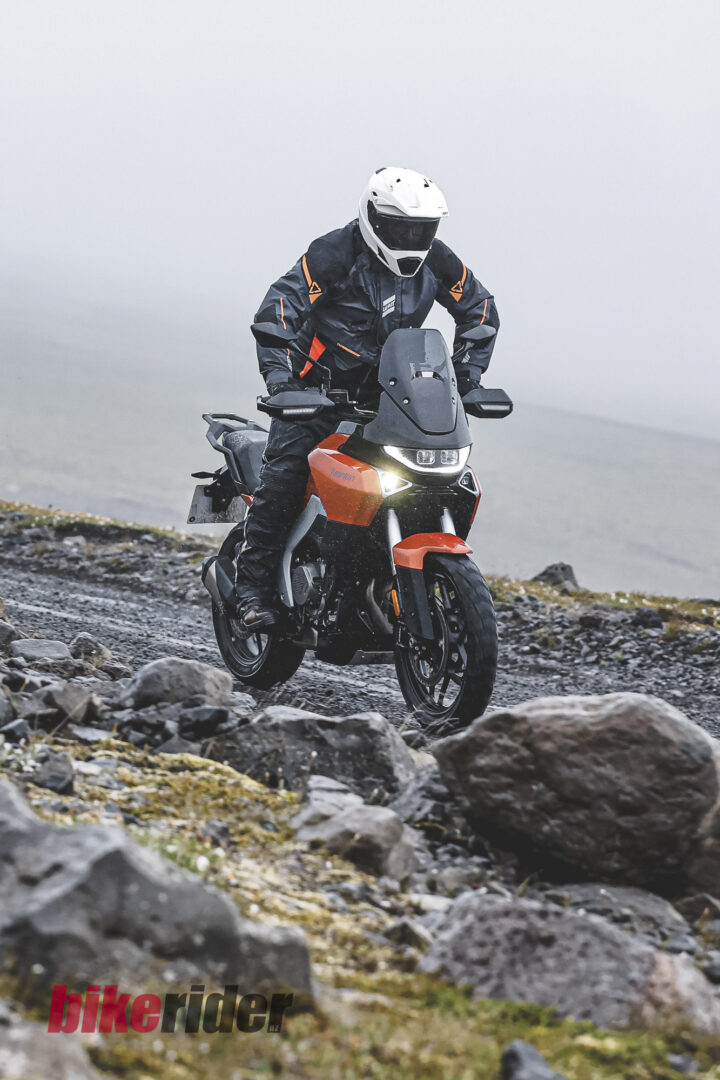
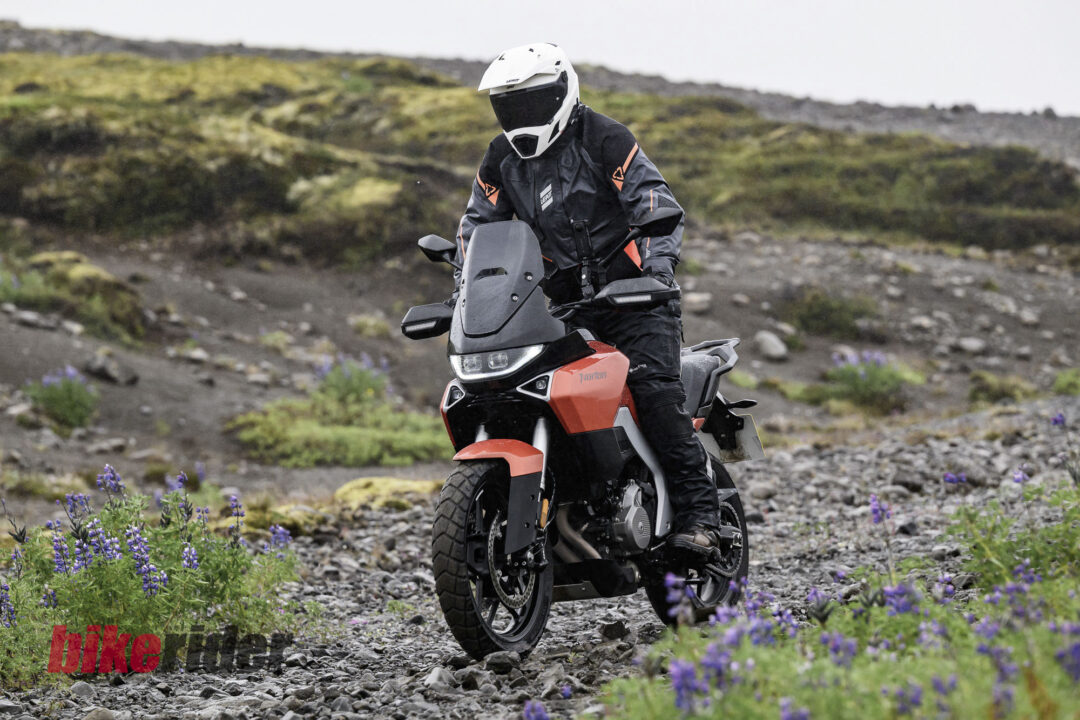
The Atlas never felt out of its depth, despite some of the trails getting pretty rocky.
Although it’s clearly biased more towards road touring than hard-core adventure riding, the moment I stood on the pegs the bike immediately felt natural. The slim midsection makes it incredibly easy to grip with your knees, while the low centre of gravity disguises its weight remarkably well. At a claimed 192kg for the fully equipped Apex model (without fuel…), it isn’t exceptionally light on paper, but it certainly feels lighter than the figures suggest.
The suspension continued to impress once the sealed roads ended.
With 185mm of travel it’s giving away some suspension travel compared with many dedicated 450cc adventure bikes, yet quality damping more than compensates. The initial part of the stroke is plush enough to absorb loose rocks and corrugations, while the final quarter firms noticeably to resist bottoming. Even when the terrain became surprisingly rocky, I never felt like I was approaching the limits of the chassis.
“For riders planning more adventurous trips, Norton also confirmed that spoked wheels are currently undergoing certification and should become an option in the near future.”
Tyres can make or break an adventure bike, and Norton deserves plenty of credit here.
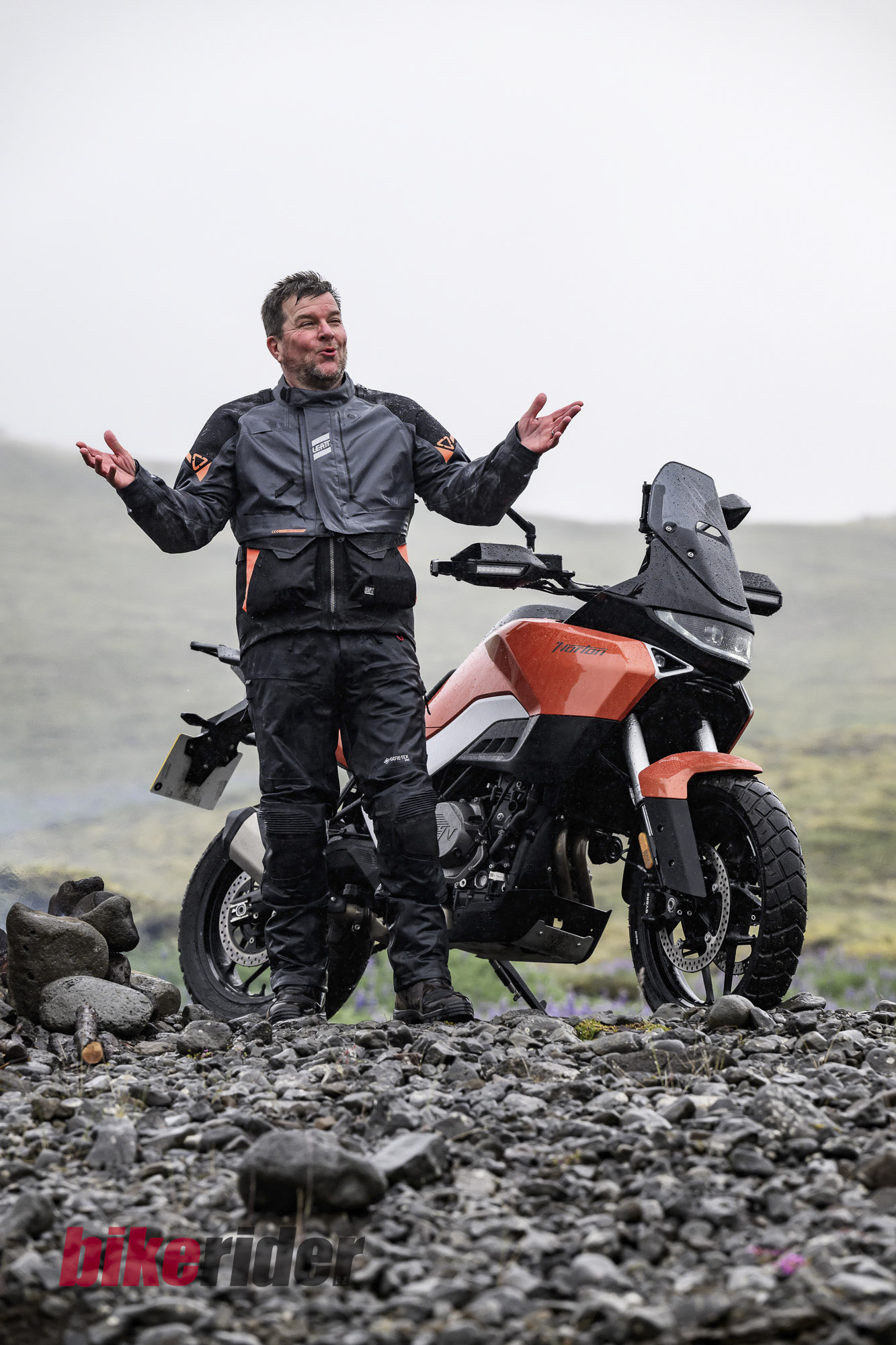
Developed specifically for the Atlas by Eurogrip—another company within the TVS Group—the tyres strike an excellent compromise. I’d describe them as roughly a 70/30 road-to-dirt design, yet they consistently inspired confidence on both wet tarmac and loose gravel, and our ride included plenty of both! Despite the miserable conditions, I never had a moment where grip became a concern. If I had one small observation, it would be that the rear sidewall feels slightly firm off-road, although dropping pressures for longer gravel rides would almost certainly unlock even more traction.
For riders planning more adventurous trips, Norton also confirmed that spoked wheels are currently undergoing certification and should become an option in the near future. With these likely to shave a bit of weight from the equation compared to the cast wheels, they’re also going to make the Norton look a bit cooler too.
The Little Details
The Atlas is full of thoughtful engineering touches that don’t immediately jump out until you start living with the bike.
One of the cleverest is Norton’s patented heat management system, which channels hot air from the exhaust system downwards and away from the rider. Riding around Iceland I actually found myself wishing for a little more warmth, but come the middle of a New Zealand summer—or sitting in Auckland traffic—it’s exactly the sort of feature owners will appreciate.
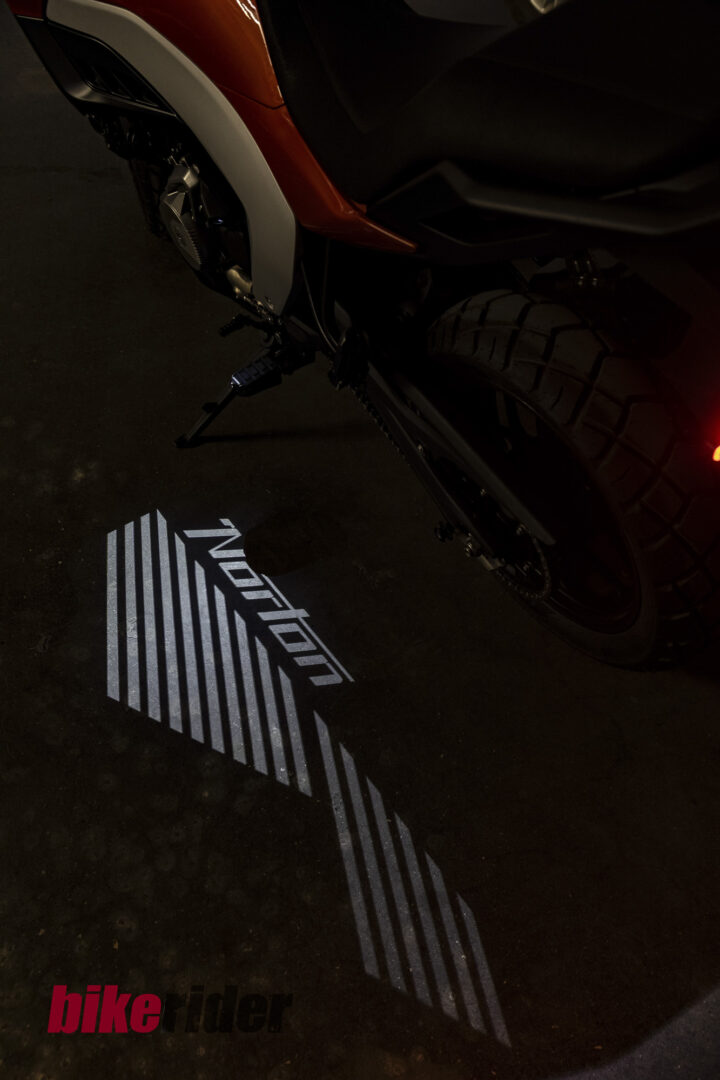
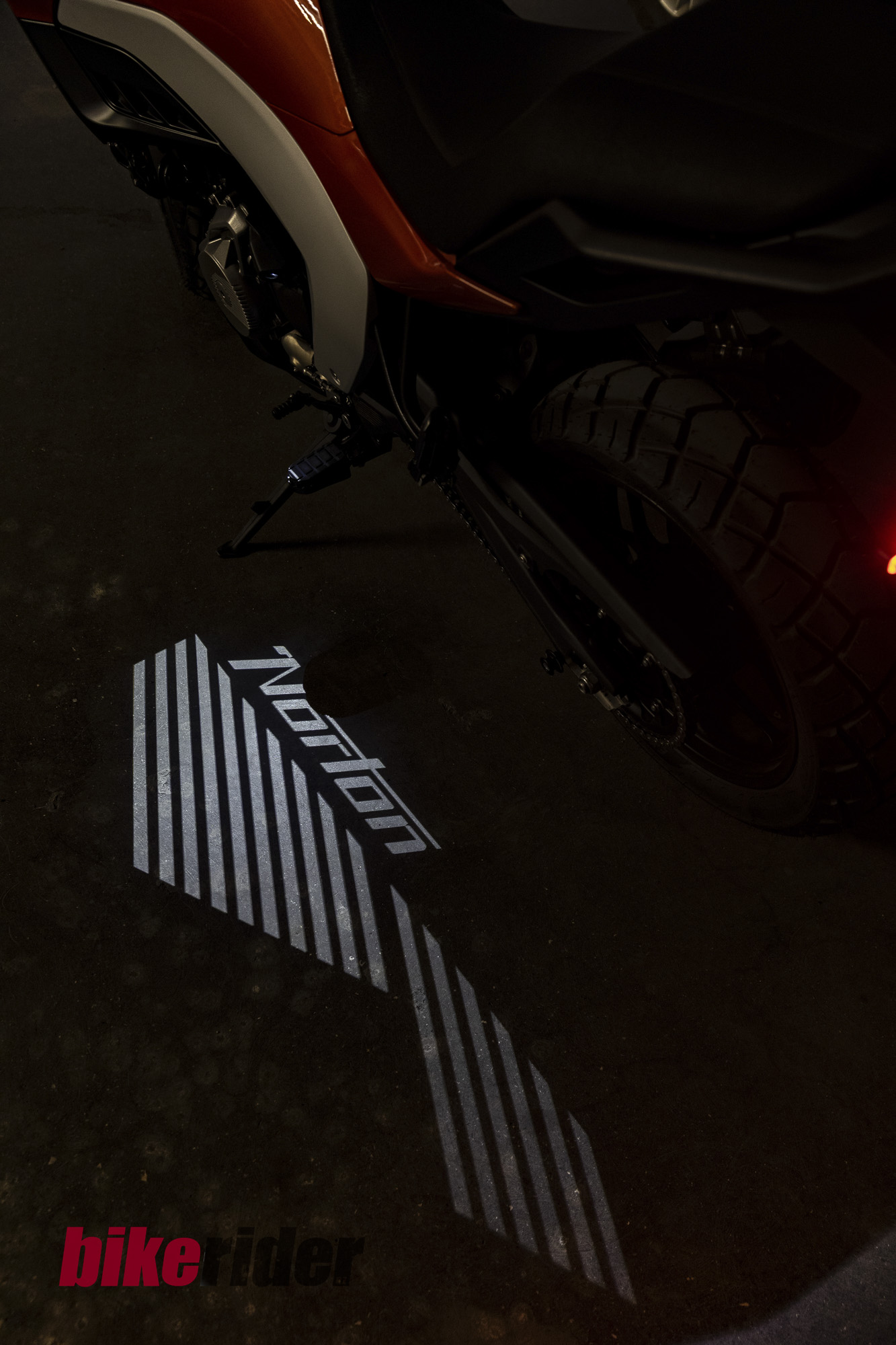
Equally practical is the hydraulically operated rear preload adjuster, neatly tucked behind a removable side panel. It makes adding luggage or a pillion a quick, tool-free job, while the keyless system allows the seat to be released directly from the electronic fob. Then there’s the ‘puddle light’. A feature you’ll often find on a premium car but not so much on a motorcycle. The Atlas has loads of these little extra touches, and they all just added together to give a premium experience.
With a number of the Norton and TVS execs on the launch, it was a great opportunity to chat with them about thoughts on the bike and also what was planned, although their responses were often reserved. Asking about a LAMS variant for Australia and New Zealand, a smile with a comment about being aware of the LAMS process and that the powerplant could be made to fit within the specs gave a hint that we are likely to see learner-approved Nortons in the future. With LAMS models making up a large proportion of mid-capacity motorcycle sales in Oz and NZ, having the Norton fit within the boundaries would certainly give them a boost.
Verdict
The Atlas represents far more than another new adventure bike. It represents Norton’s future.
It looks distinctive, feels genuinely premium and combines an engaging engine with one of the most comprehensive electronics packages in the middleweight class. The suspension is beautifully judged, comfort is outstanding and the overall finish is a significant step beyond what many people probably expect from a reborn British manufacturer.
“The Atlas isn’t the motorcycle that saved Norton. It’s the first motorcycle that proves Norton has been saved.”
Is it perfect? No.
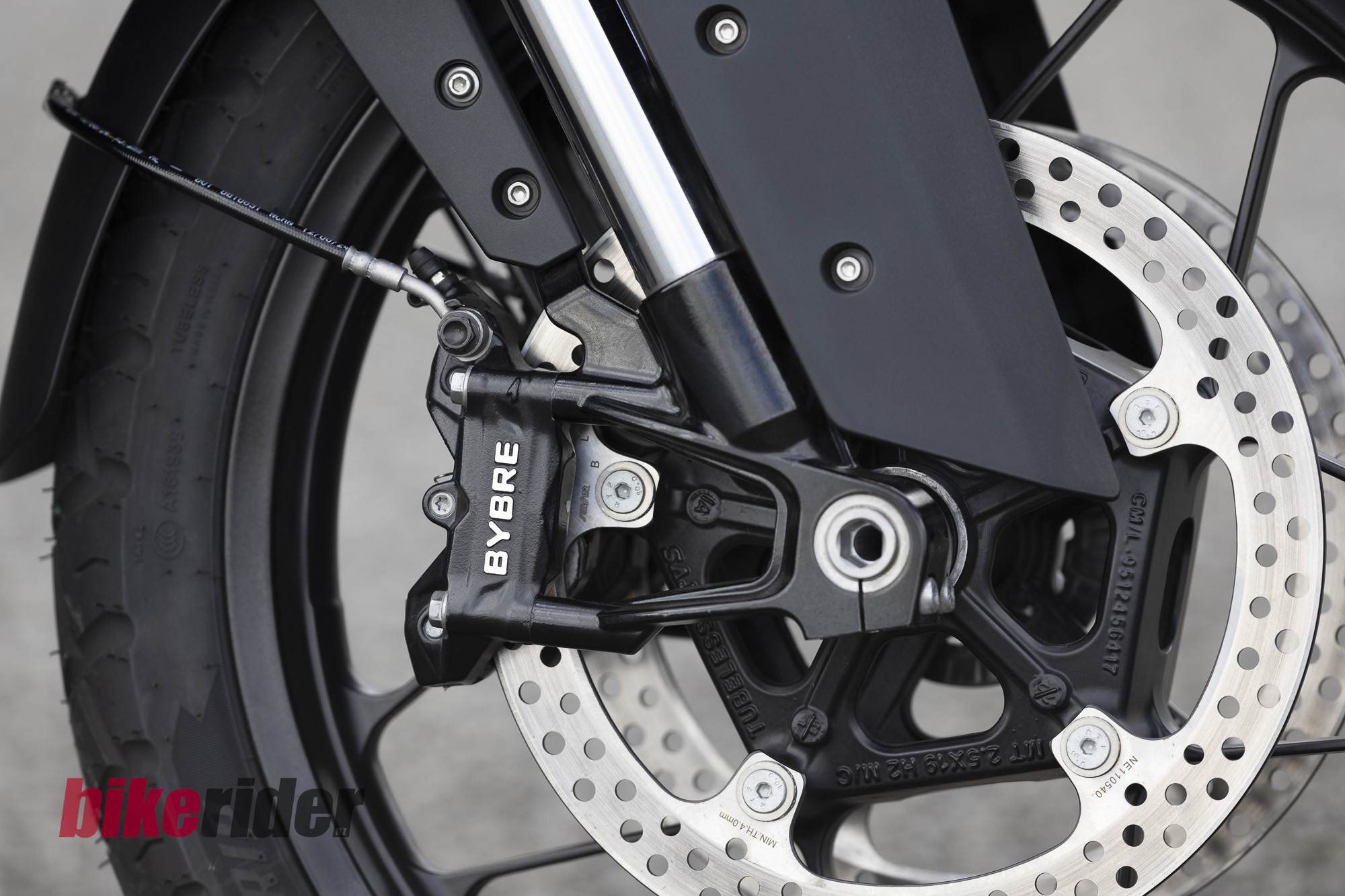
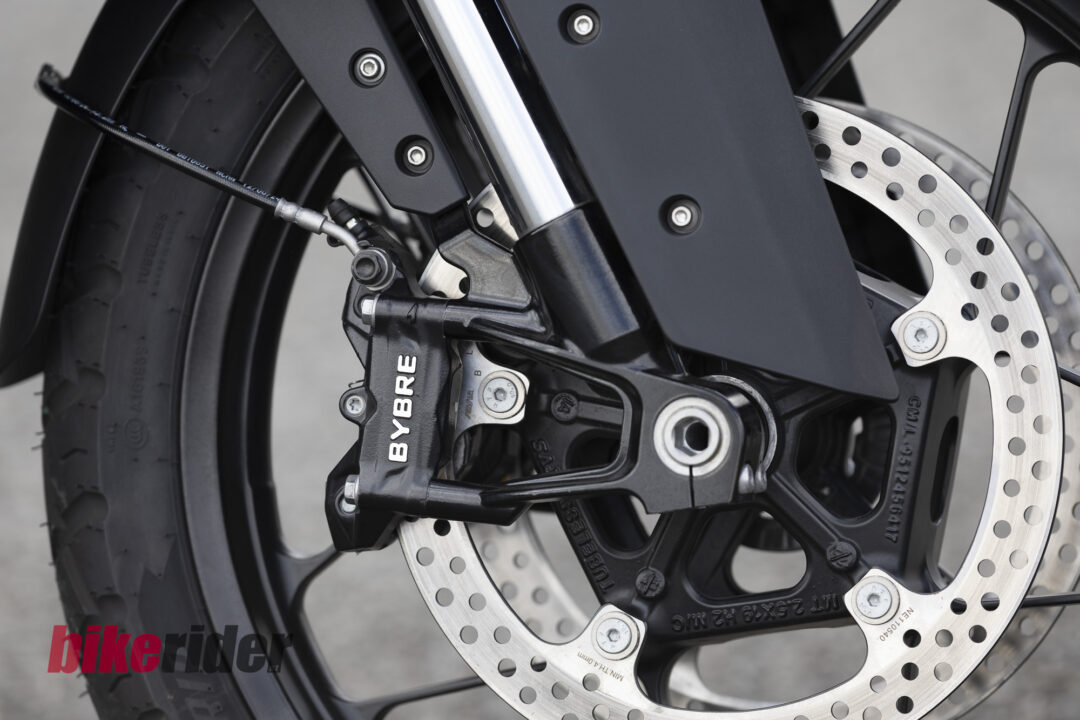
I’d like a little more initial bite from the front brakes, while the quickshifter still needs the software refinement Norton has already promised. Fortunately, both feel like relatively minor issues rather than fundamental flaws.
Perhaps the biggest compliment I can pay the Atlas is that, despite carrying the enormous weight of Norton’s history on its shoulders, it never feels like a nostalgia project. Instead, it feels like a genuinely modern adventure motorcycle that just happens to wear one of the most famous names in motorcycling.
The Atlas isn’t the motorcycle that saved Norton. It’s the first motorcycle that proves Norton has been saved.
Norton Atlas Apex Gallery
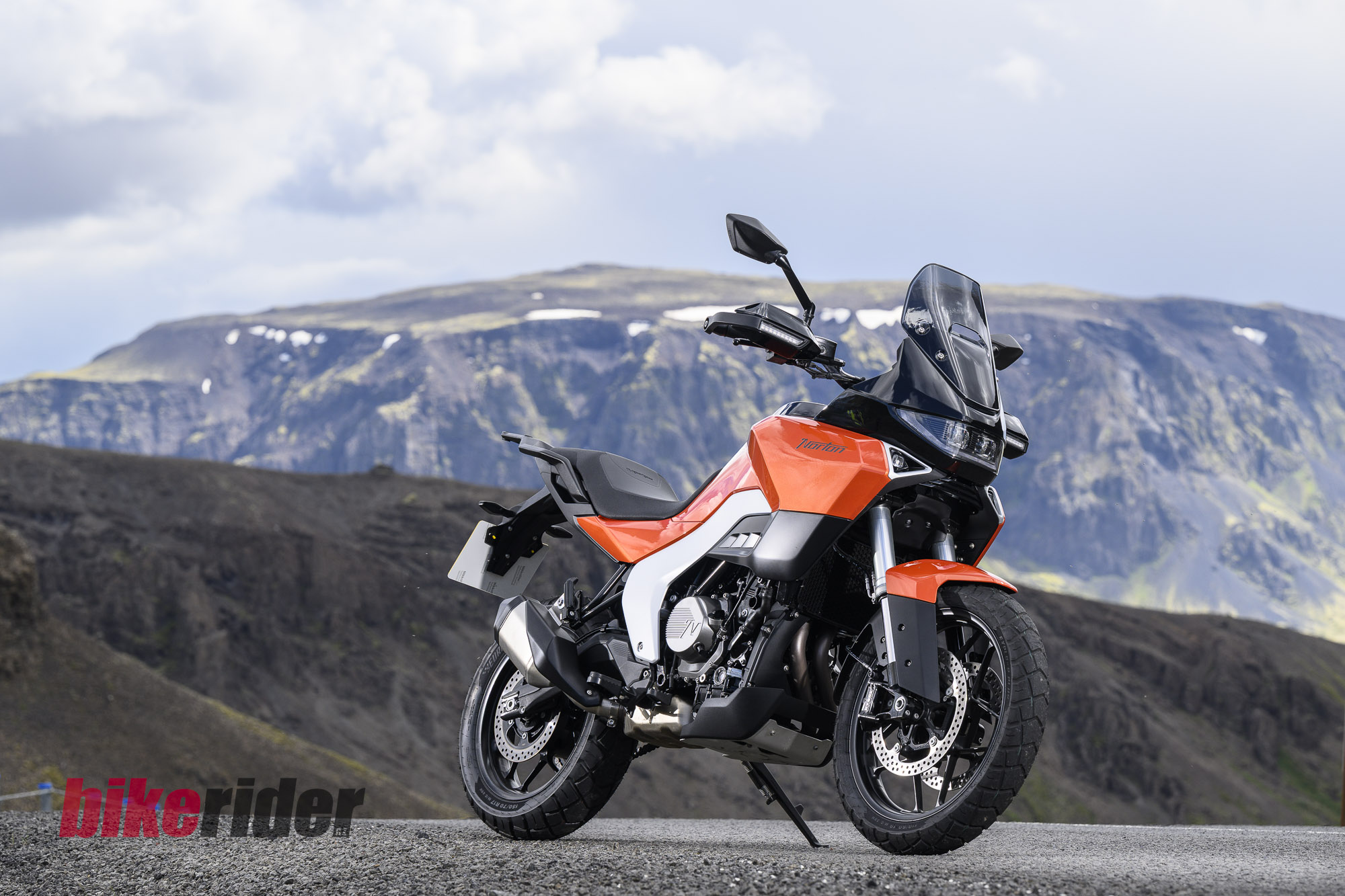
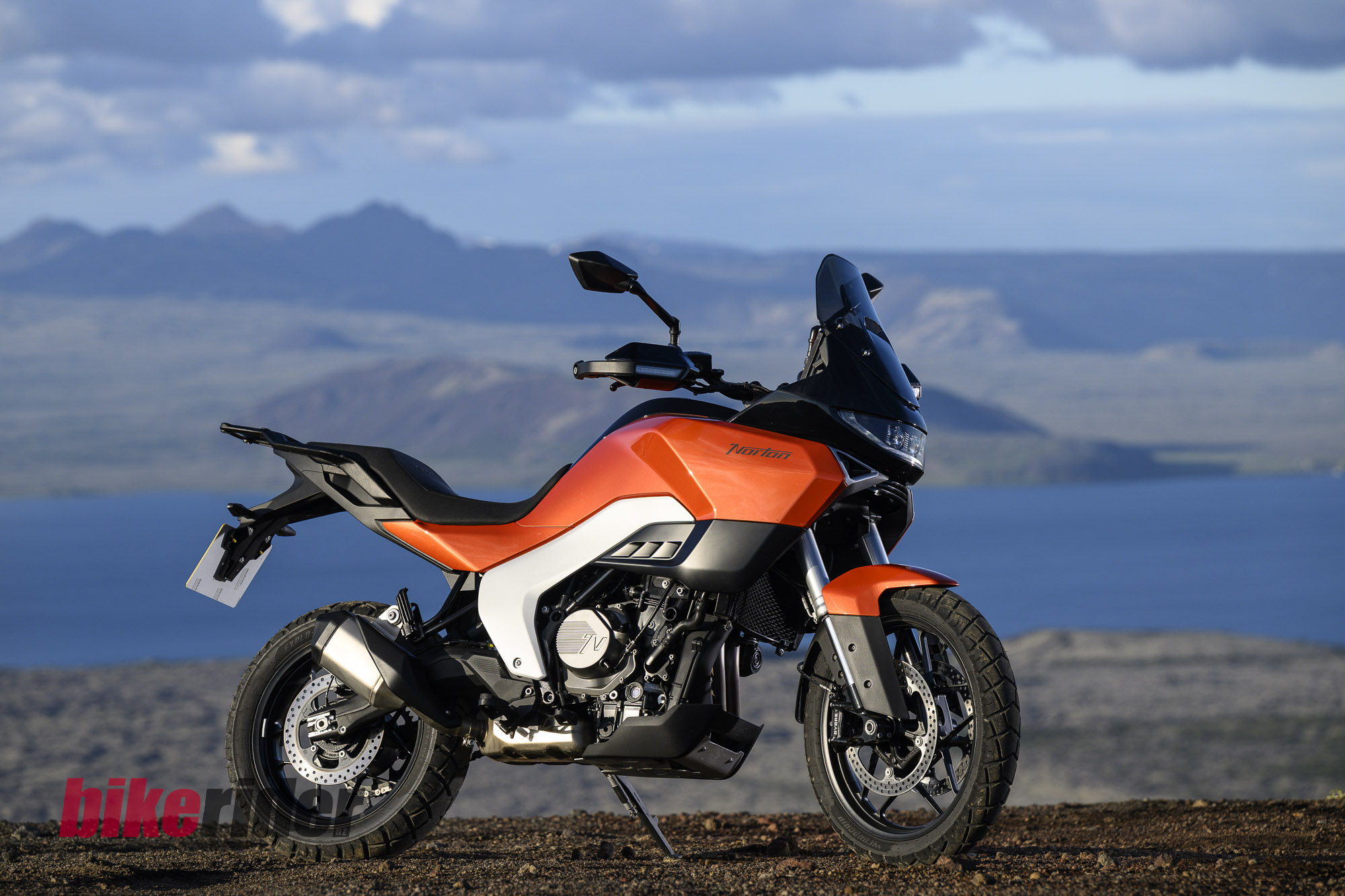
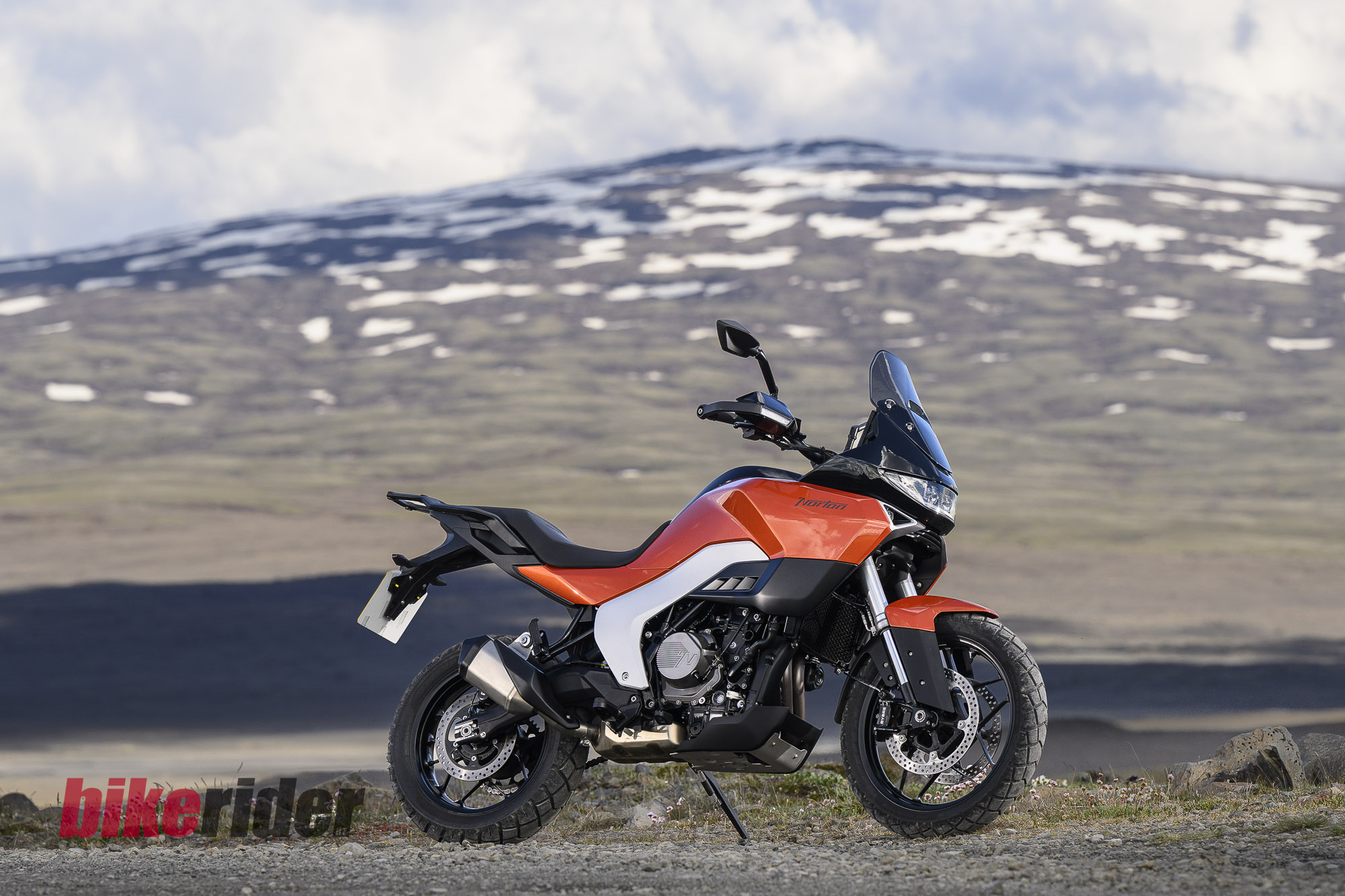
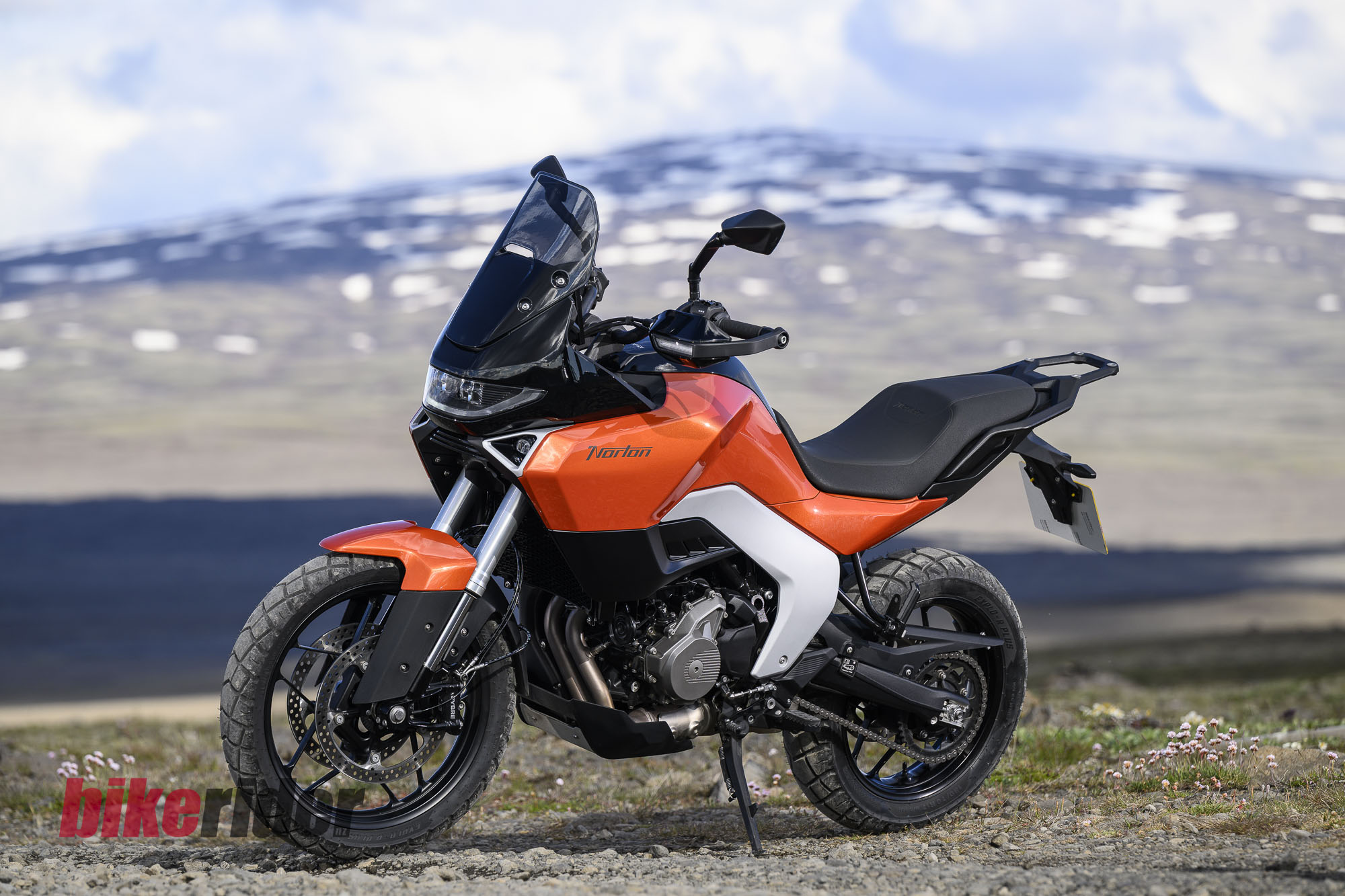
A New Beginning
The Atlas isn’t just another new adventure bike – it’s proof that Norton is back with serious intent. Comfortable, beautifully finished and packed with class-leading technology, it combines a charismatic engine with impressive road manners and genuine gravel-road capability. A sharper front brake and a more polished quickshifter are all that’s keeping it from perfection. If this is the direction Norton is heading under TVS ownership, the future looks very bright indeed.
Specifications
| Specifications | Norton Atlas |
|---|---|
| Price | Atlas Apex (Tested) £9,450 GBP |
| Engine | 585cc liquid-cooled DOHC parallel twin, 270° crank |
| Power | 51.5kW (69bhp) @ 9,300rpm |
| Torque | 57.5Nm @ 7,300rpm |
| Transmission | 6-speed, assist & slipper clutch, bi-directional quickshifter |
| Frame | Steel trellis |
| Front Suspension | KYB 43mm USD forks, fully adjustable, 180mm travel |
| Rear Suspension | KYB monoshock, fully adjustable, hydraulic preload (Apex: full hydraulic adjustment) |
| Front Brakes | Twin 310mm discs, radial ByBre calipers |
| Rear Brake | 270mm disc, ByBre caliper |
| Front Wheel | 19-inch cast alloy (spoked optional) |
| Rear Wheel | 17-inch cast alloy (spoked optional) |
| Tyres | Eurogrip Explo R Plus (110/80-19 front, 150/70-17 rear) |
| Seat Height | 845mm |
| Ground Clearance | 220mm |
| Wheelbase | 1465mm |
| Weight | 188kg dry (Atlas) / 192kg dry (Atlas Apex) |
| Fuel Capacity | 15.4 litres |
| Ride Modes | Urban, Rain, Sport, Tour, Enduro |
| Electronics | Bosch 6-axis IMU, cornering ABS, traction control, wheelie control, rear slide control, drag torque control, cruise control, ride-by-wire |
| Display | 8-inch TFT touchscreen with Bluetooth, Wi-Fi, navigation, GoPro control & OTA updates |
| Other Features | Keyless ignition, USB-C charger (Apex adds TPMS, heated grips, cornering lights & vehicle hold control) |