



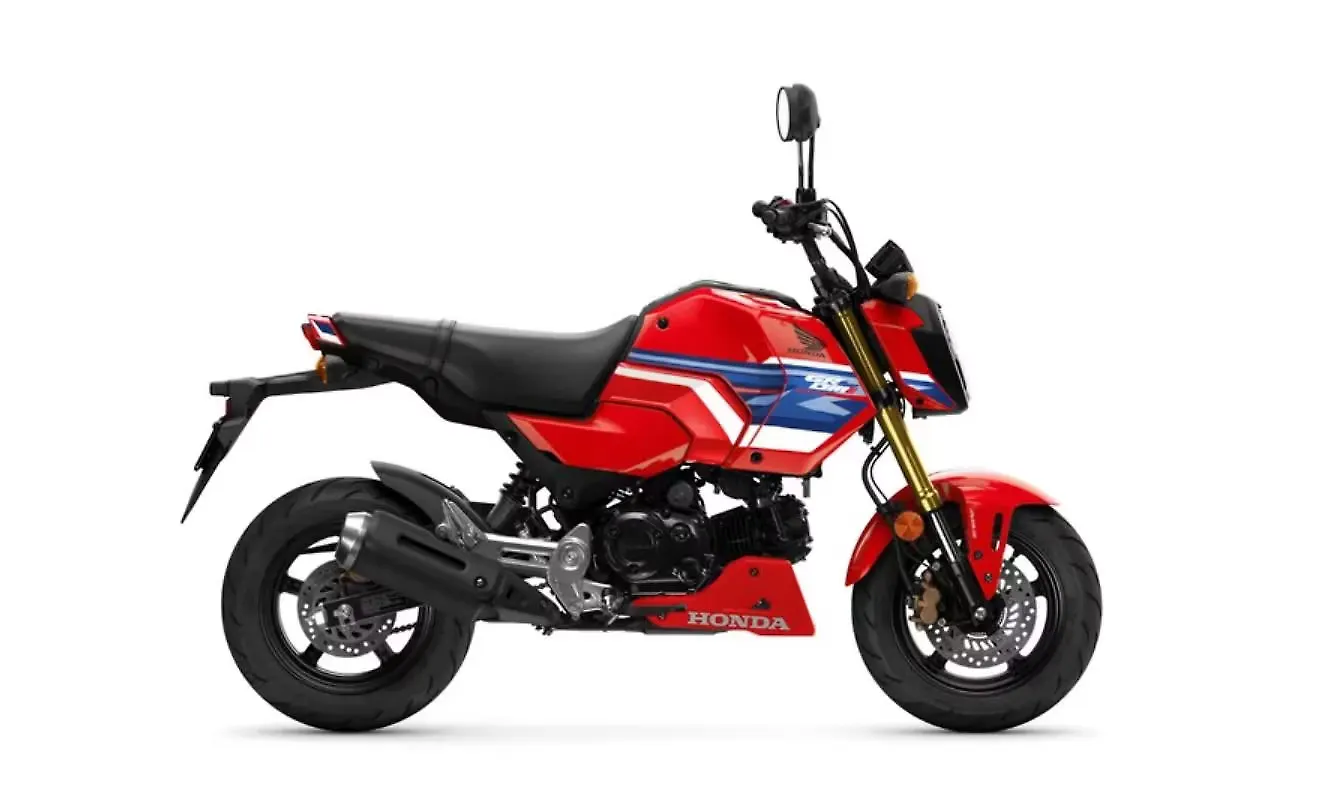
- Comes with new colours
- Unchanged mechanically and uses a 125cc engine
Honda has introduced updates for the 2026 MSX125 Grom in international markets, giving the compact minibike a visual refresh through three new colour schemes while leaving its mechanical package untouched. While the bike is available in New Zealand for $6,395, the new model could be on its way soon.
The updated lineup adds Pearl Shining Black, Splendid Blue and a new HRC-inspired Gayety Red paint option to the Grom’s palette. The changes arrive just a year after Honda rolled out a more substantial update for 2025, which brought redesigned bodywork to the motorcycle.
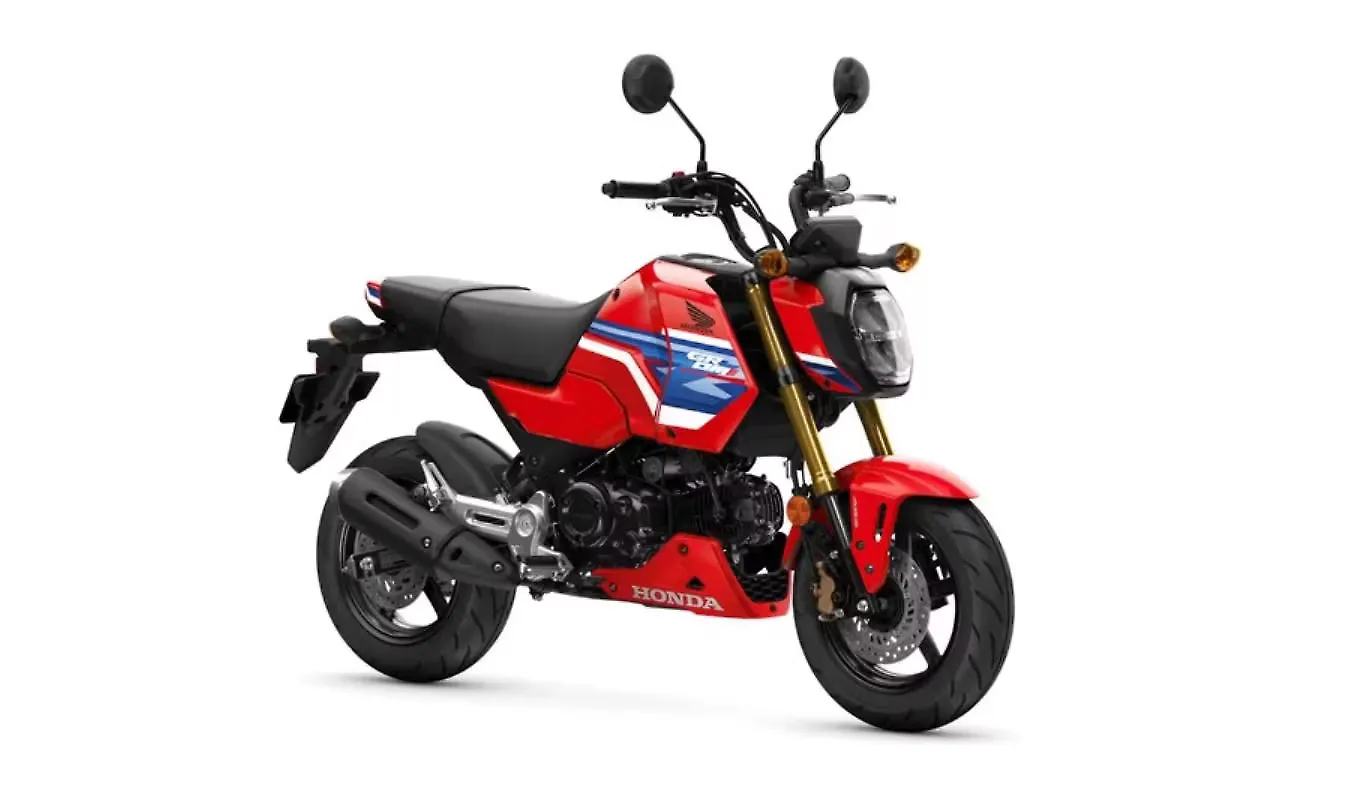
One of the standout features introduced with the revised styling was a focus on customisation. Honda says the Grom’s removable body panels are designed to make personalisation easier, allowing owners to experiment with stickers, graphics and wraps without major effort, something that aligns closely with the model’s playful, enthusiast-driven appeal.
Mechanically, the 2026 Grom continues unchanged. Power comes from the familiar 125cc air-cooled, single-cylinder two-valve engine, producing 9.6bhp at 7,250rpm and 10.4Nm of torque at 5,500rpm. The engine remains paired with a five-speed gearbox, while Honda claims a top speed of 94kmph.
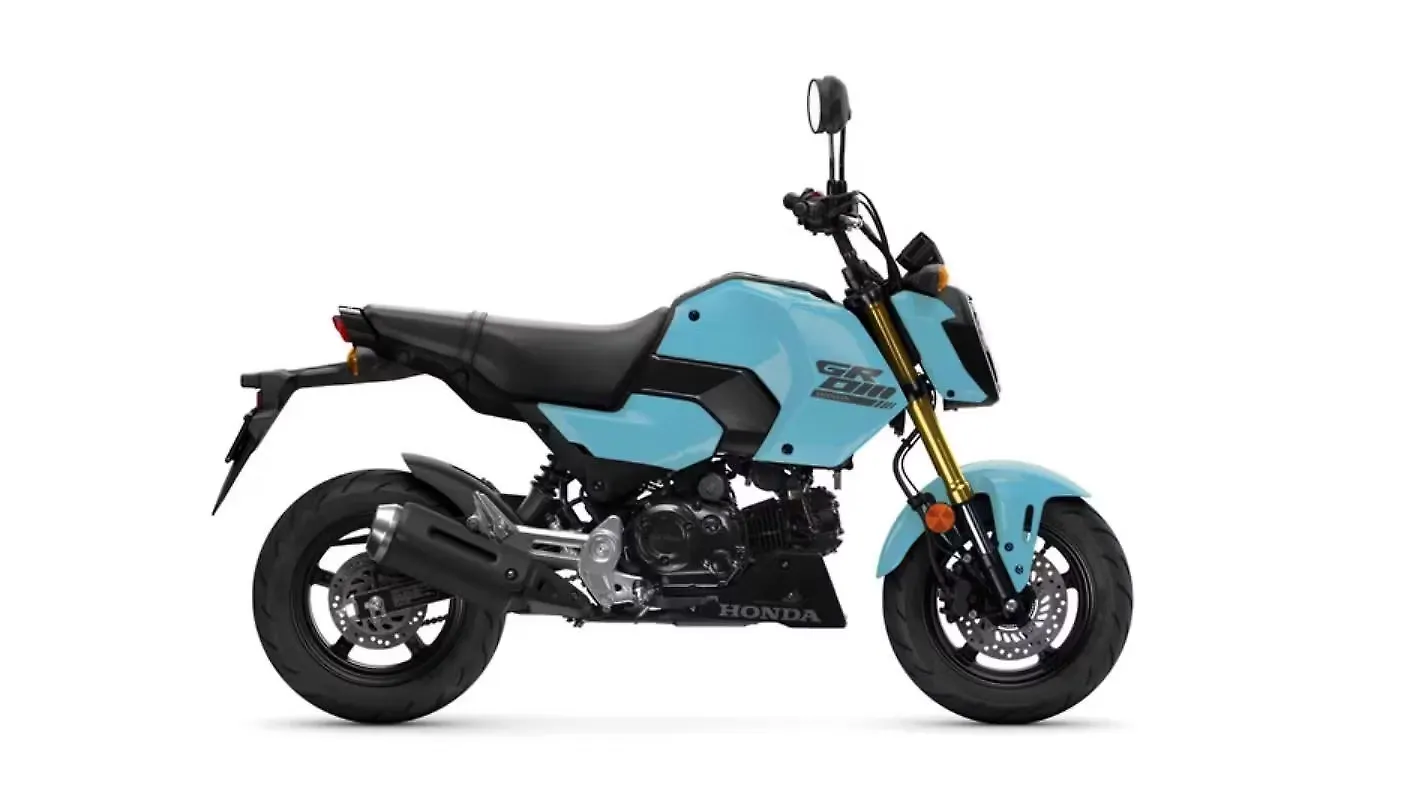
The compact minibike also retains its existing chassis hardware, including a 31mm upside-down front fork and rear monoshock suspension setup. Other key specifications include a 6-litre fuel tank, a 1,200mm wheelbase and a kerb weight of just 103kg, contributing to the Grom’s reputation for lightweight agility and urban usability. In terms of features, the motorcycle continues to offer a fully digital LCD instrument cluster complete with a gear position indicator and rev counter, alongside LED lighting at both ends.
Since its global debut in 2012, the Honda Grom has built a strong following worldwide, with cumulative sales exceeding 860,000 units. Thailand remains the bike’s largest market, accounting for nearly 618,000 sales, while the United States and European markets have also played a significant role in the model’s success.