



- Motorcycle Awareness Month coincides with the start of New Zealand’s main summer riding season
- Riders are encouraged to check their bike, gear and skills before getting back into regular riding
- Drivers also need to readjust as motorcycle numbers increase after the quieter winter months
September marks Motorcycle Awareness Month in New Zealand. Here’s why spring is an important time for riders and drivers to sharpen up as more motorcycles return to the roads.
September marks Motorcycle Awareness Month in New Zealand, but what exactly is it, why does it happen now, and what does it mean for those of us who ride?
Spring is here. The days are getting longer, the temperatures are heading in the right direction and, for plenty of Kiwi motorcyclists, that means it’s time to get the bike back out of the garage.
And that’s exactly why September is Motorcycle Awareness Month (MAM).
Held every September, Motorcycle Awareness Month marks the beginning of the main summer riding season and has two fairly simple objectives: help riders prepare themselves for getting back on the road and remind everyone else that they’re about to start seeing a lot more motorcycles again.
It might sound strange to those of us who ride throughout the year, but around half of New Zealand’s riders traditionally put their motorcycles away or de-register them during winter. Come spring, a sizeable number of bikes and riders suddenly return to the roads.
MORE ARTICLES

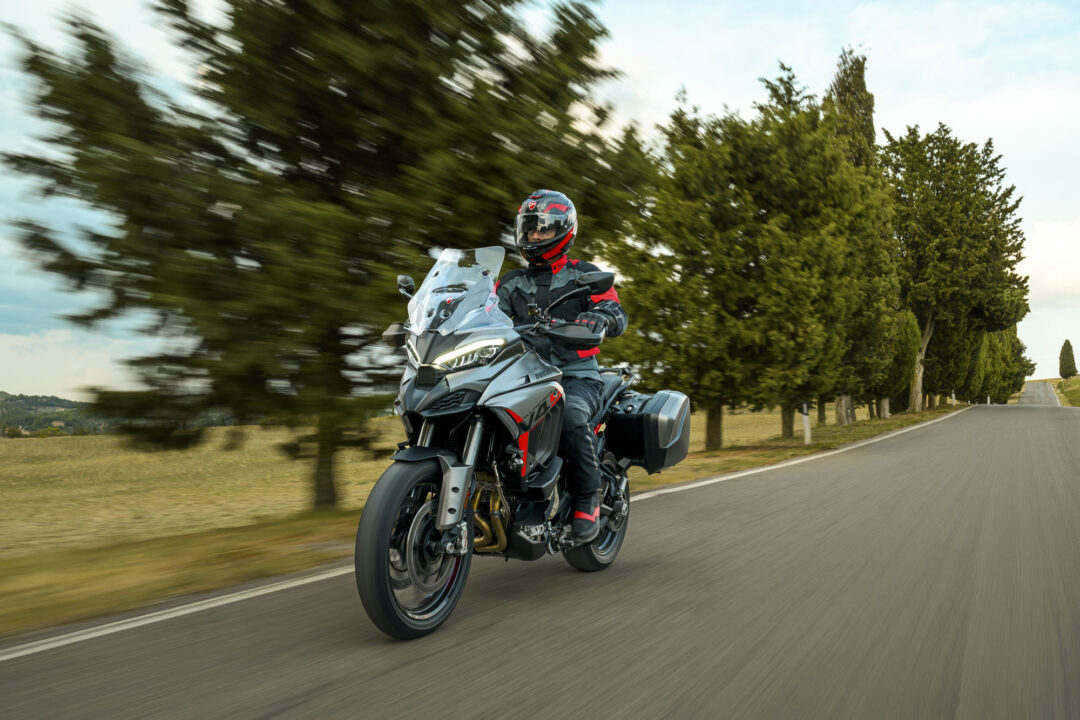
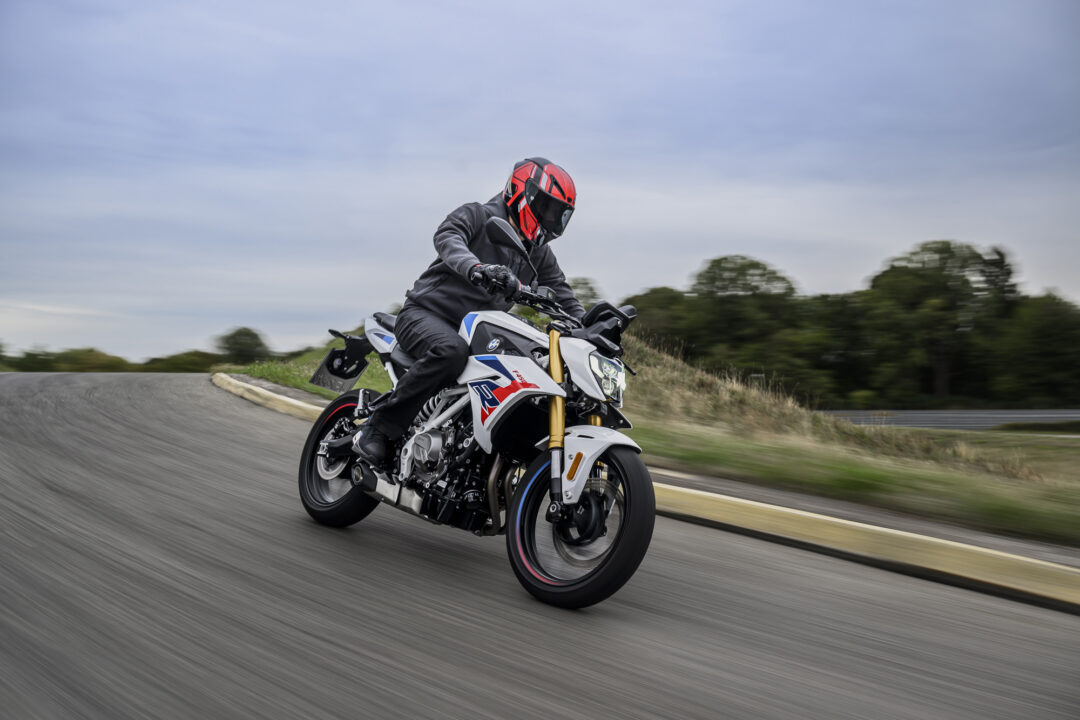
That creates a change for everyone.
Riders who haven’t been out much over winter may be a little rusty, while drivers who have spent the past few months encountering fewer motorcycles aren’t necessarily as accustomed to looking for them.
Motorcycle Awareness Month is essentially about recognising both sides of that equation.
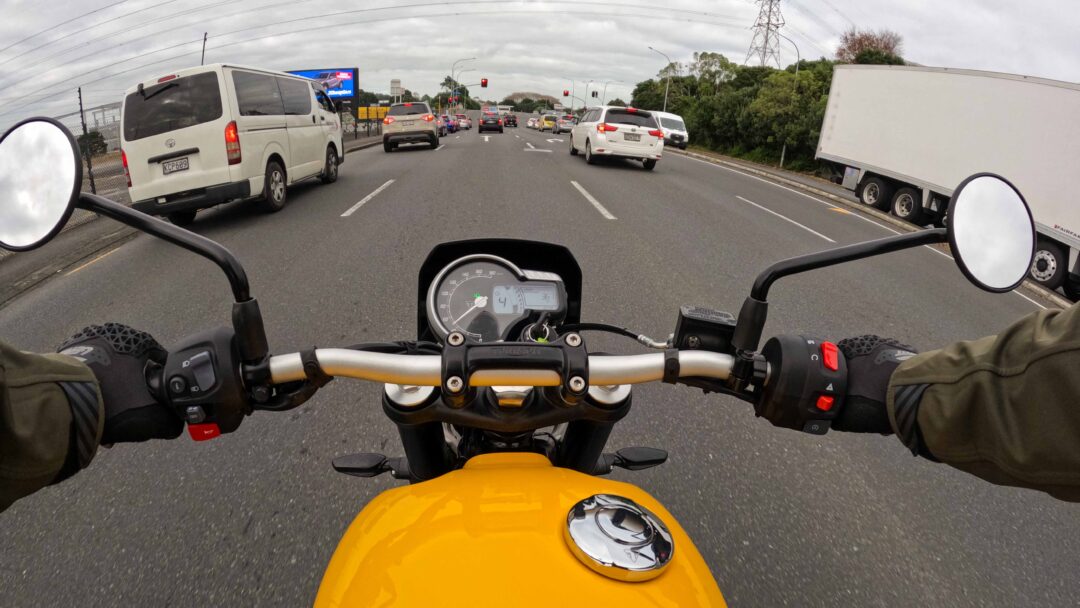
It’s not just a message for car drivers
It’s tempting to assume Motorcycle Awareness Month is simply another campaign telling motorists to “look out for bikes”, but there’s considerably more to it than that.
For riders, the 2026 campaign focuses on three things before launching into another summer of motorcycling: check your bike, check your gear and check your skills.
If your bike has spent much of winter sitting in the shed, that means taking a proper look over it rather than simply turning the key and heading for your favourite road.
Tyre condition and pressures, brakes, chain, lights and fluids are all worth checking before that first decent ride.
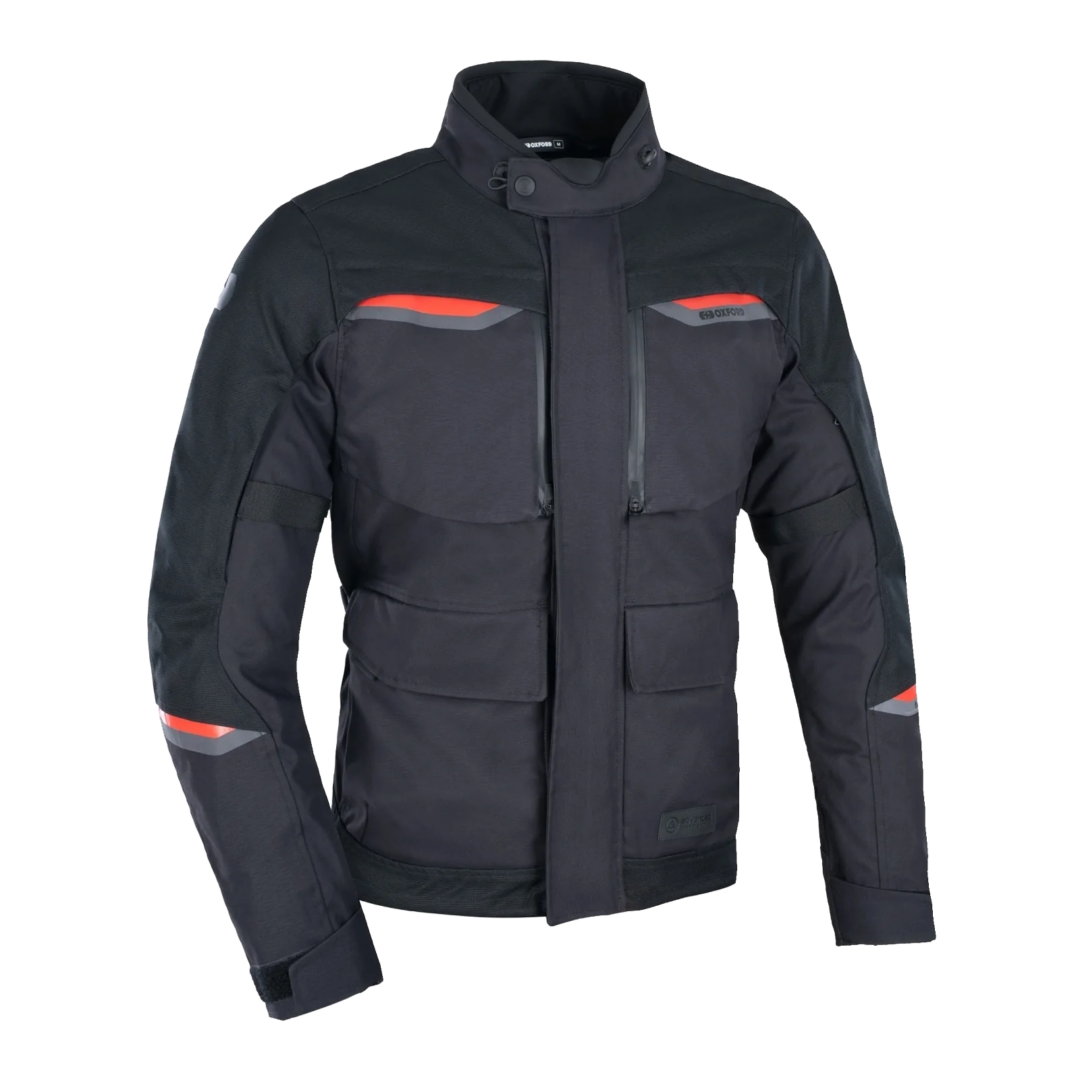
The same applies to riding gear. Helmets, jackets, pants, gloves and boots all have a hard life, and the beginning of another riding season is as good a time as any to make sure everything is still fit for purpose.
But perhaps the most important check is the person sitting on the bike.

Are your skills as sharp as you think?
A few months away from regular riding can make a difference.
That’s one of the reasons Motorcycle Awareness Month was established. ACC says analysis of crash statistics in 2017 highlighted riders being injured when returning to motorcycling following a winter break.
Nobody suddenly forgets how to ride a motorcycle because they haven’t ridden for a few months. But the finer points – observation, braking, cornering, road positioning and simply feeling completely comfortable with the bike beneath you – can take a little time to come back.
It’s why ACC’s Ride Forever programme is such a prominent part of Motorcycle Awareness Month.
“This year’s theme is “Let’s Ride – new season, same freedom.” It’s intended to celebrate getting back on the bike while encouraging riders to make a little preparation part of the process.”
And there’s some fairly compelling evidence behind it. ACC says riders who have completed Ride Forever training are up to 50 per cent less likely to lodge a motorcycle accident claim than riders who haven’t undertaken the training.
For 2026 there’s an added incentive: Ride Forever courses completed between September 1 and December 31 are free for a limited time, subject to availability.
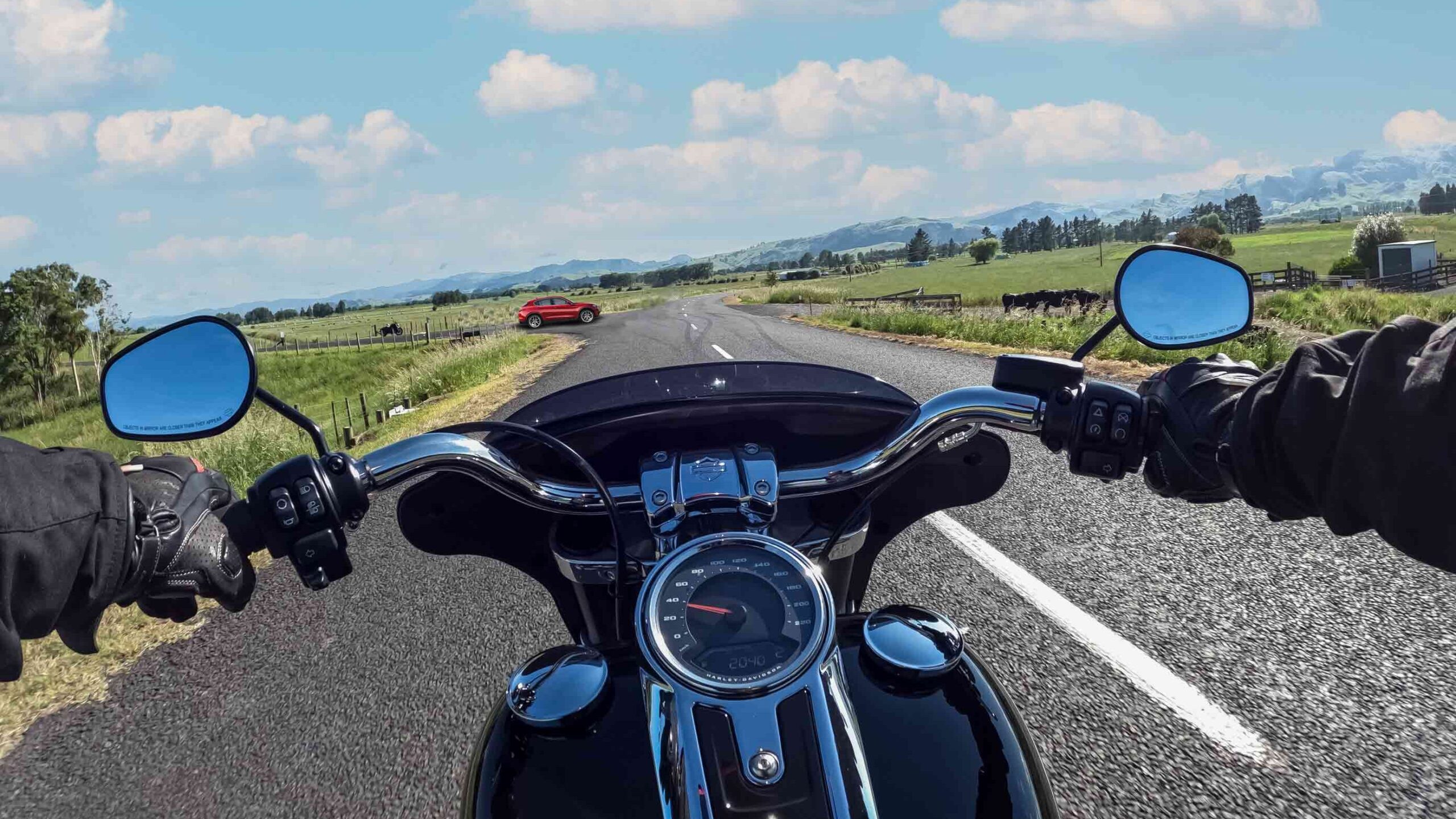
Drivers need to re-adjust too
There’s another side to Motorcycle Awareness Month.
When motorcycle numbers increase rapidly in spring, other road users suddenly have many more bikes to contend with.
Motorcycles are smaller and less visually prominent than cars, and intersections are a particular concern. After months of seeing relatively few motorcycles, drivers need to get back into the habit of actively looking for them rather than simply looking for a gap in the traffic.
That’s why the campaign isn’t about laying responsibility entirely at the feet of either riders or drivers. Both have a part to play.
For drivers, that means taking another look before pulling out of an intersection or changing lanes, checking blind spots and recognising that there are going to be considerably more motorcycles around.
For us as riders, it means remembering that being in the right isn’t much consolation if somebody hasn’t seen you.
Expect that you might have been missed. Give yourself somewhere to go. Think about where you’re positioned in relation to other vehicles and try not to spend unnecessary time sitting in someone’s blind spot.
They’re habits worth having all year, but they’re particularly relevant at the beginning of spring.
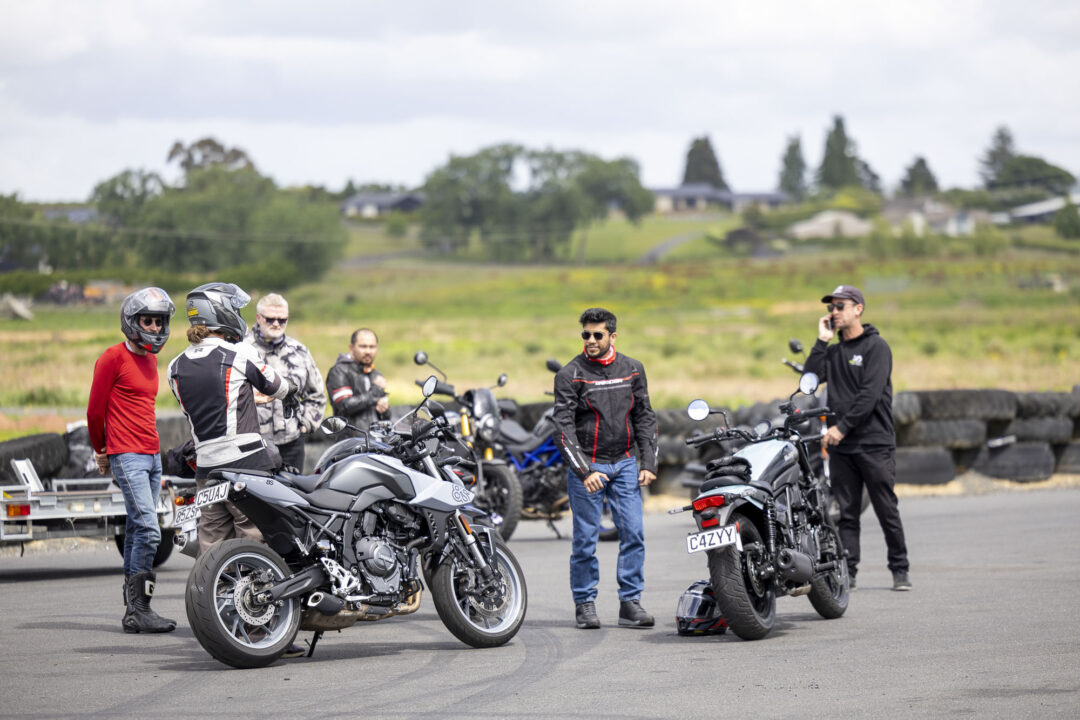
Why does Motorcycle Awareness Month matter?
Because the consequences when things go wrong on a motorcycle can be significant.
ACC says motorcyclists are 21 times more likely to be killed or seriously injured in a road crash than somebody travelling the same distance in a car, while around 50 riders and pillions lose their lives on New Zealand roads in an average year. Motorcycle injury crashes also increase during the warmer months between October and March.
Those aren’t particularly enjoyable statistics to think about at the beginning of another riding season.
But Motorcycle Awareness Month doesn’t need to be viewed as a month of doom-and-gloom safety messages either.
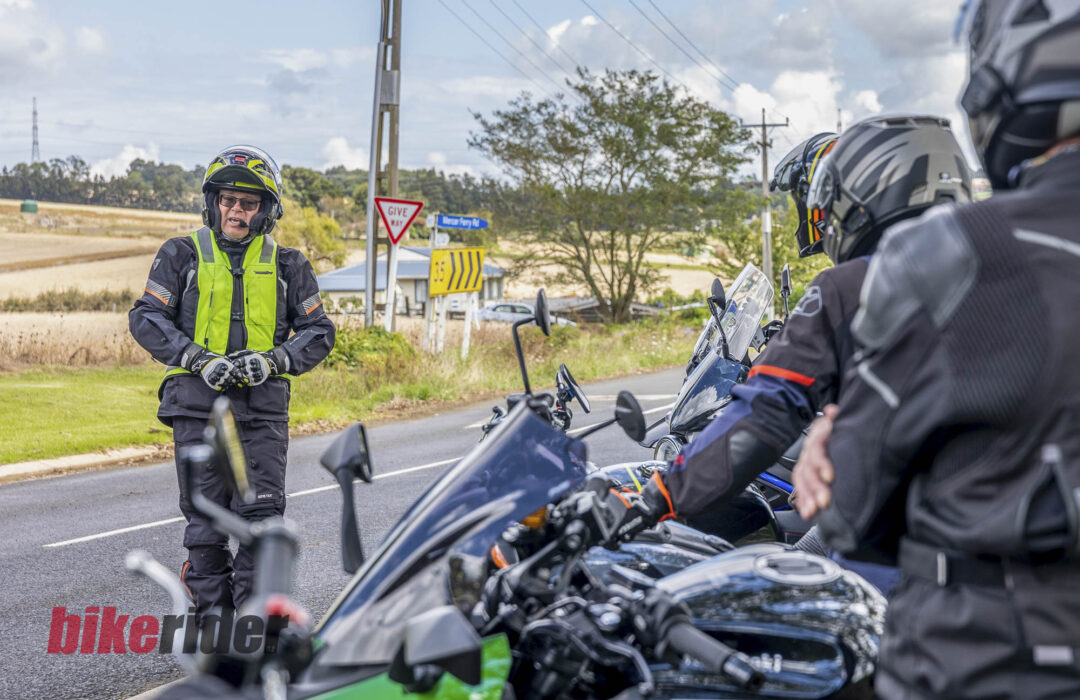
In fact, this year’s theme is “Let’s Ride – new season, same freedom.” It’s intended to celebrate getting back on the bike while encouraging riders to make a little preparation part of the process.
And that seems like a pretty sensible approach.
Check the bike. Check your gear. Give your riding skills a bit of thought. And remember that the drivers around you are getting used to seeing motorcycles again as well.
Then get out there and enjoy being back on two wheels.
Motorcycle Awareness Month is supported by ACC, the Motorcycle Safety Advisory Council, NZ Police, NZ Transport Agency Waka Kotahi and organisations throughout the New Zealand motorcycle community.
Find out more about Motorcycle Awareness Month and Ride Forever