
- Promises to deliver up to 300km range in 10 minutes
- To be unveiled in two variants
- Global launch timeline not confirmed
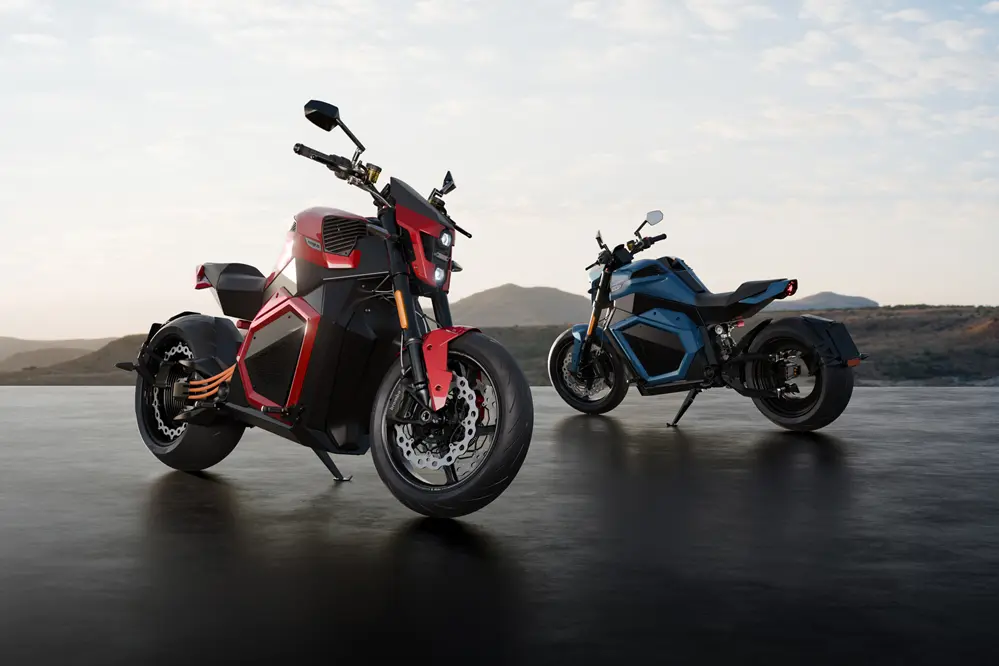
Verge Motorcycles has unveiled a breakthrough in electric motorcycle technology, revealing a new version of its TS Pro naked roadster powered by what it claims is the world’s first production-ready solid-state battery. The new model was revealed at the Consumer Electronics Show (CES) in Las Vegas on January 4.
According to the Finnish brand, the solid-state setup can deliver up to 290km of riding range from just 10 minutes of charging, a figure that could dramatically change expectations around electric motorcycle usability.
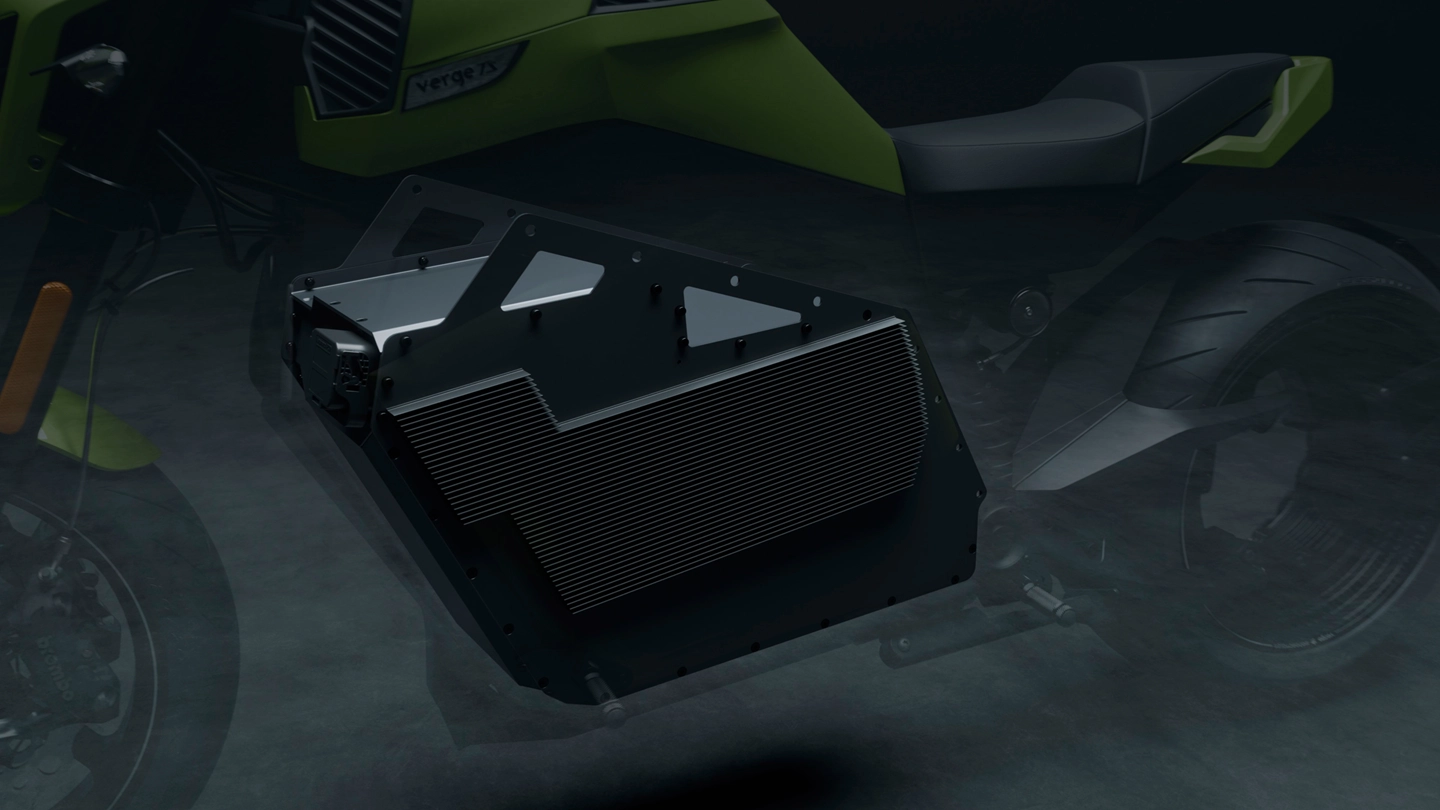
The battery technology has been developed not by a large global manufacturer, but by Donut Lab, Verge’s sister company, which operates out of Chippenham in the UK. The battery cells are manufactured in Europe, and Verge has confirmed it now plans to move away from lithium-ion batteries entirely in favour of solid-state technology.
Alongside faster charging, Verge claims the switch to solid-state batteries will extend battery lifespan and significantly reduce the risk of fire, thanks to the use of a solid electrolyte rather than the liquid or gel electrolytes found in conventional lithium-ion cells.
Two solid-state variants planned
Verge will offer the TS Pro with two solid-state battery options. The smaller version weighs a claimed 225kg and uses an 18kWh battery. With access to a DC fast charger capable of delivering up to 100kW, Verge says it can add 200km of range in 10 minutes, with a total claimed range of 351km.
The larger variant features a 30kWh battery, weighs 235kg, and supports charging speeds of up to 200kW. In this configuration, Verge claims 300km of range in 10 minutes, while maximum range is quoted at 554km, depending on riding style.
As with all fast-charging EV claims, Verge acknowledges that real-world usability will depend heavily on access to high-output charging infrastructure, which is still limited in many regions.
New battery architecture
Unlike Verge’s previous lithium-ion battery design, which used cylindrical cells, the solid-state system relies on flat, rectangular battery plates. Verge says this allows for more efficient packaging and improved thermal management.
“Flat plates make more sense in motorcycles because they fill the space better,” Verge explained. “They also allow us to place cooling plates between cells and manage heat more effectively, with additional cooling fins on the outside of the battery.”
Despite the two battery capacities, Verge says both solid-state TS Pro models will look visually identical, aside from potential graphics differences. The solid-state models follow a recently updated lithium-ion TS Pro, which was shown at EICMA in Milan last November. That bike weighed 235kg, used a 20.2kWh battery, and offered a claimed 349km of range, with fast charging taking under 35 minutes.
However, Verge has confirmed that this lithium-ion version will now be phased out quickly, following the introduction of the solid-state models.
Hubless rear wheel remains a standout feature
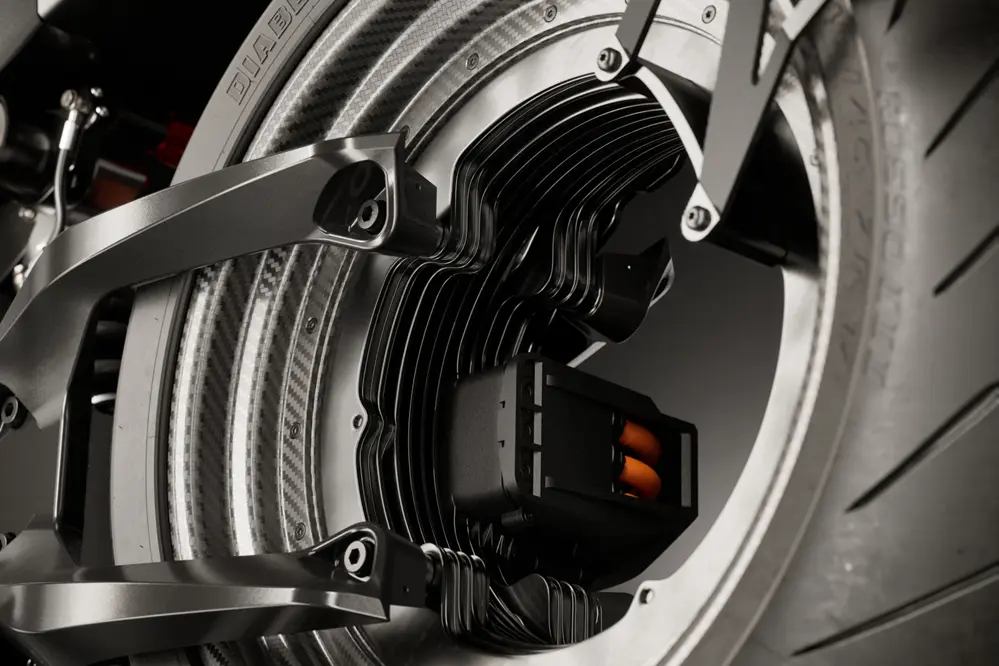
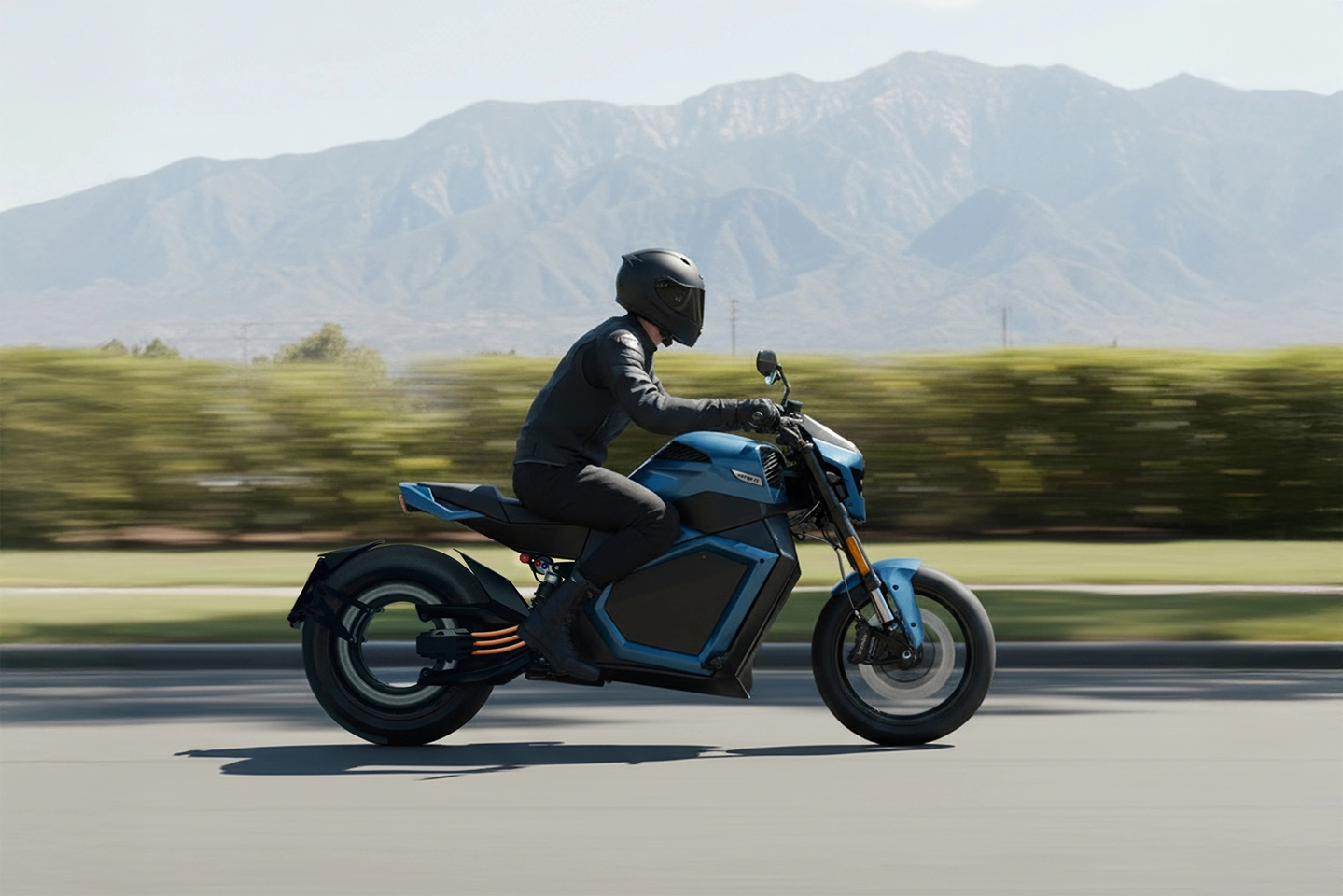
All Verge models continue to feature the brand’s distinctive hubless rear wheel, now paired with the latest Donut Motor 2.0, which weighs around 21kg.
The fully electromagnetic design eliminates the need for a central hub or spokes. Instead, an electromagnet mounted to the swingarm interacts with permanent magnets in the wheel itself, causing it to rotate when power is applied. A sealed bearing system protects the motor from dirt and water ingress.
A surprising leap forward
The arrival of solid-state battery technology in a production motorcycle is a significant moment for the industry, and an unexpected one. That such progress has come from a relatively young manufacturer like Verge, rather than established giants with far greater resources, is notable.
That said, the technology’s full potential will only be realised once charging infrastructure catches up. Until then, access to ultra-fast chargers will remain the biggest barrier to experiencing these headline-grabbing figures in the real world.