- Marc Márquez completed one of the greatest comebacks in MotoGP history
- Ducati remained on top, but rivals closed the performance gap
- Breakout seasons from Álex Márquez, Bezzecchi and Aldeguer reshaped the grid
A season of comebacks, breakthroughs and rising pressure — MotoGP 2025 tested dominance, crowned legends and set the stage for a volatile future. BRM’s MotoGP photographer, Michael Wincott gives us his wrap of the 2025 MotoGP season and also his predictions for what is looking to be a wild 2026. Words & Pics: Michael Wincott
The 2025 MotoGP World Championship delivered one of the most compelling seasons in recent memory — a year defined by unpredictability, relentless competition and one of the greatest comebacks the sport has ever witnessed.
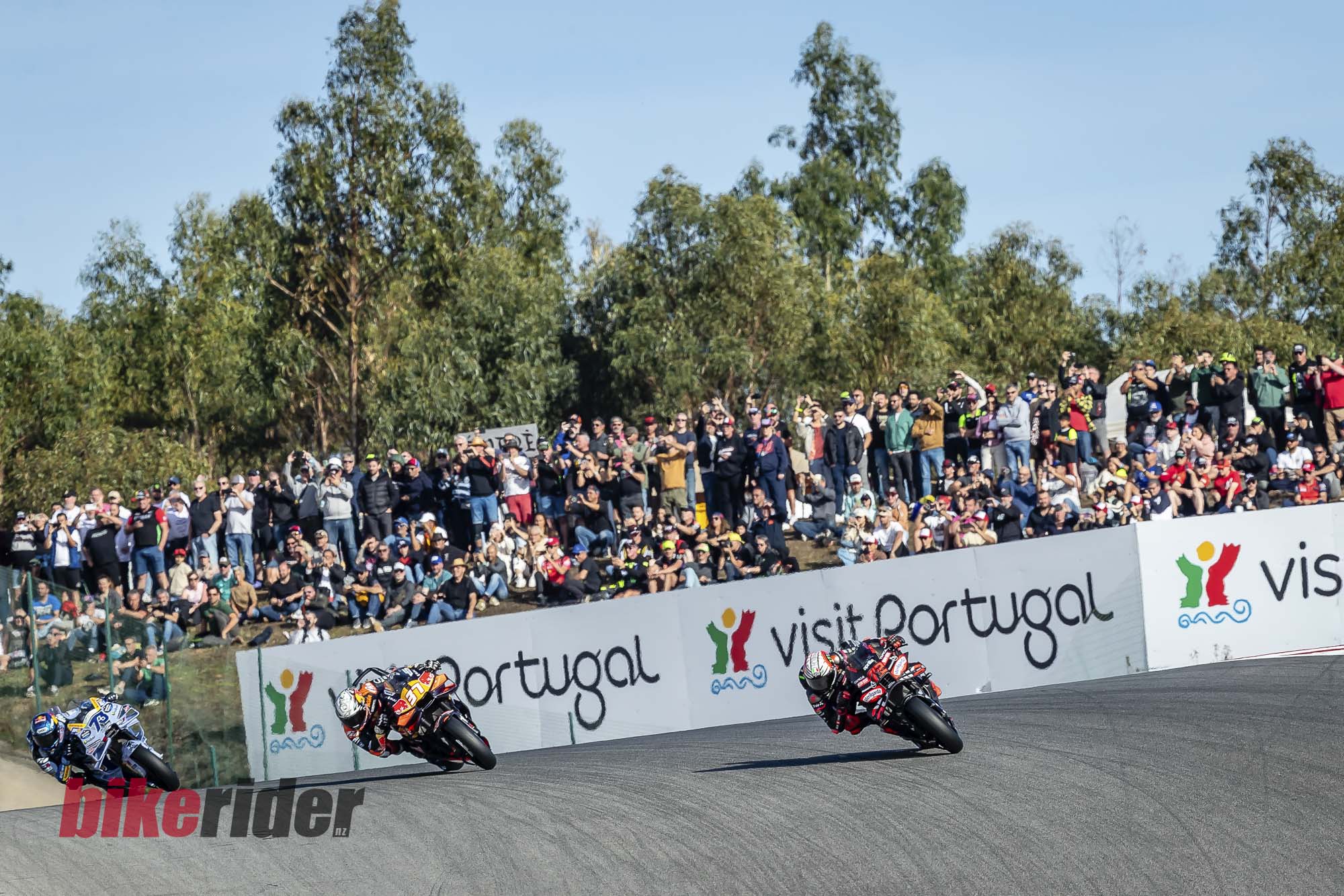
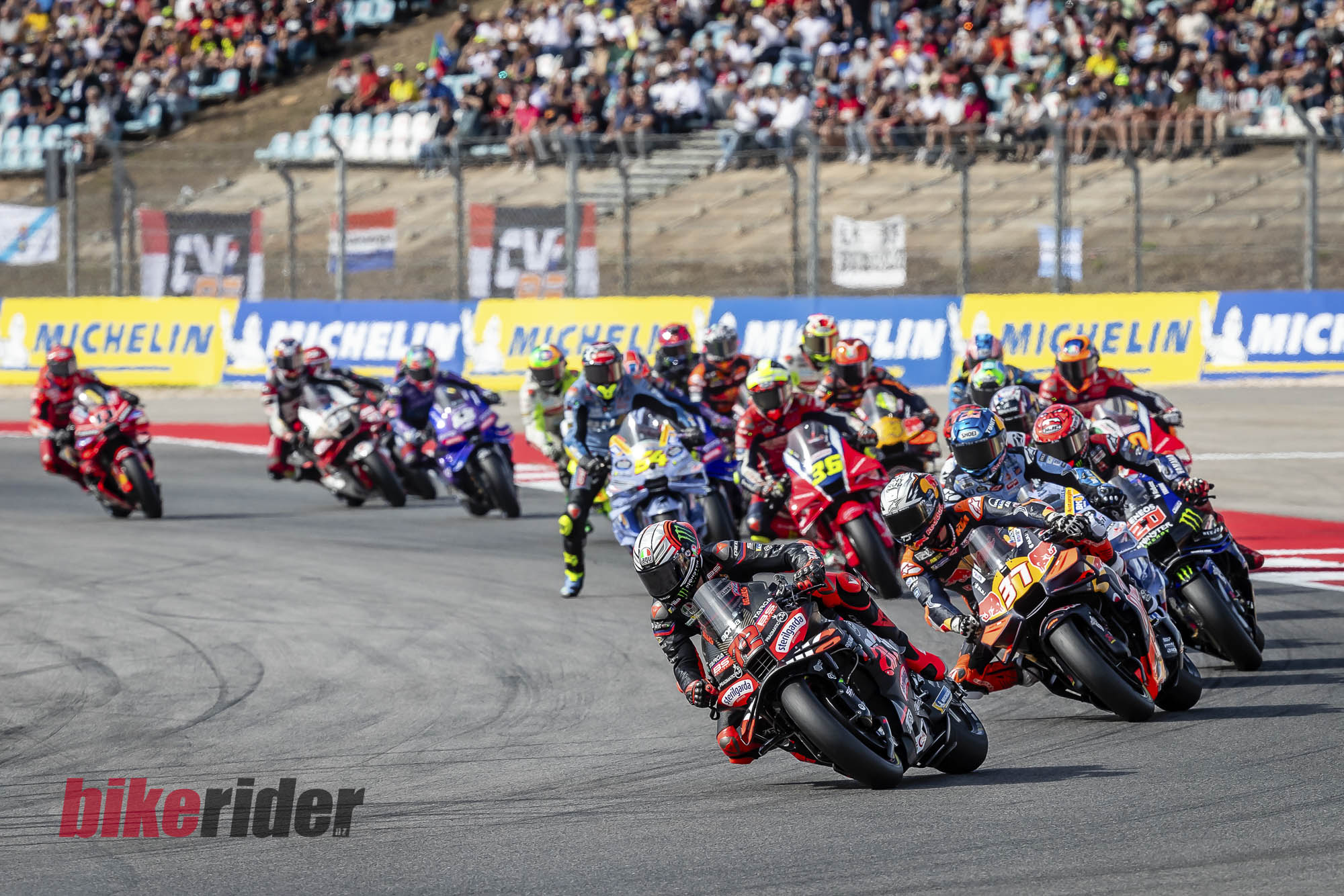
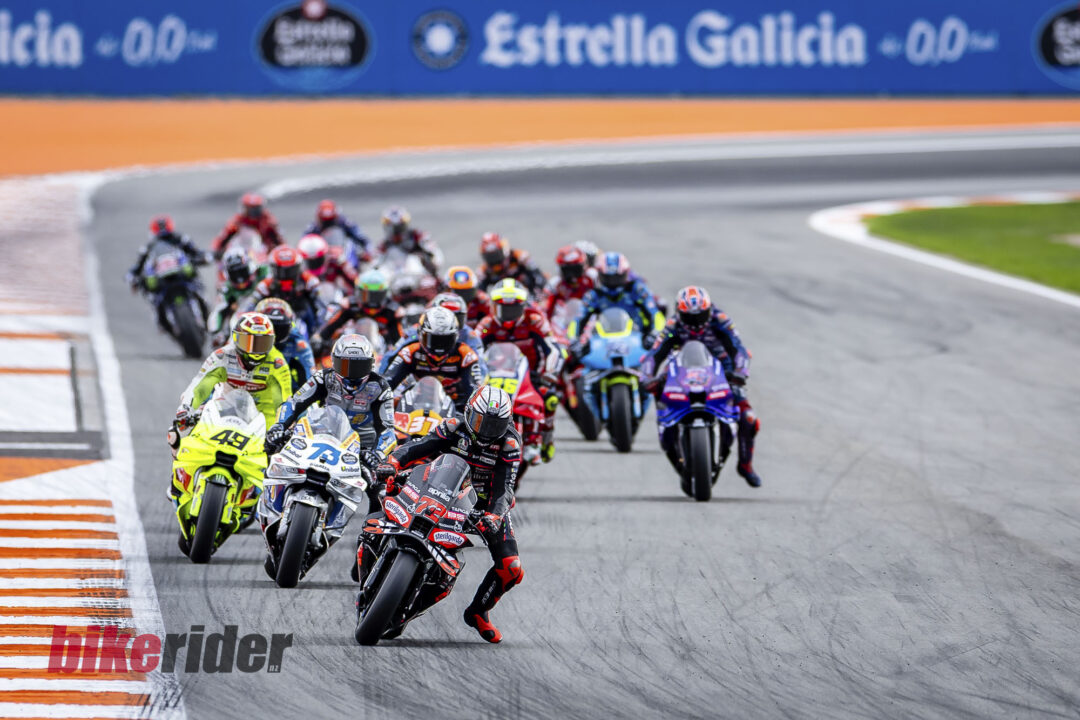
Across a record-breaking 22 rounds in 19 countries, MotoGP showcased its deepest and most competitive grid to date. Seven different riders claimed Grand Prix victories, three of them first-time winners in the premier class, underlining just how narrow the margins have become at the top.
While Ducati remained the benchmark manufacturer, their near-total dominance of 2024 proved impossible to repeat. Rivals closed the gap, development races intensified, and mistakes suddenly carried heavier consequences.
Ducati still emerged on top with 17 wins from 22 races — a 77.2 percent strike rate — but Aprilia claimed four victories and Honda stunned the paddock with a surprise wet-weather win in France. The arrival of Marc Márquez at the factory Ducati Lenovo Team ultimately proved decisive, sealing a fourth consecutive Riders’ World Championship for the Italian marque and rewriting MotoGP history in the process.
Marc Márquez: The Long Road Back
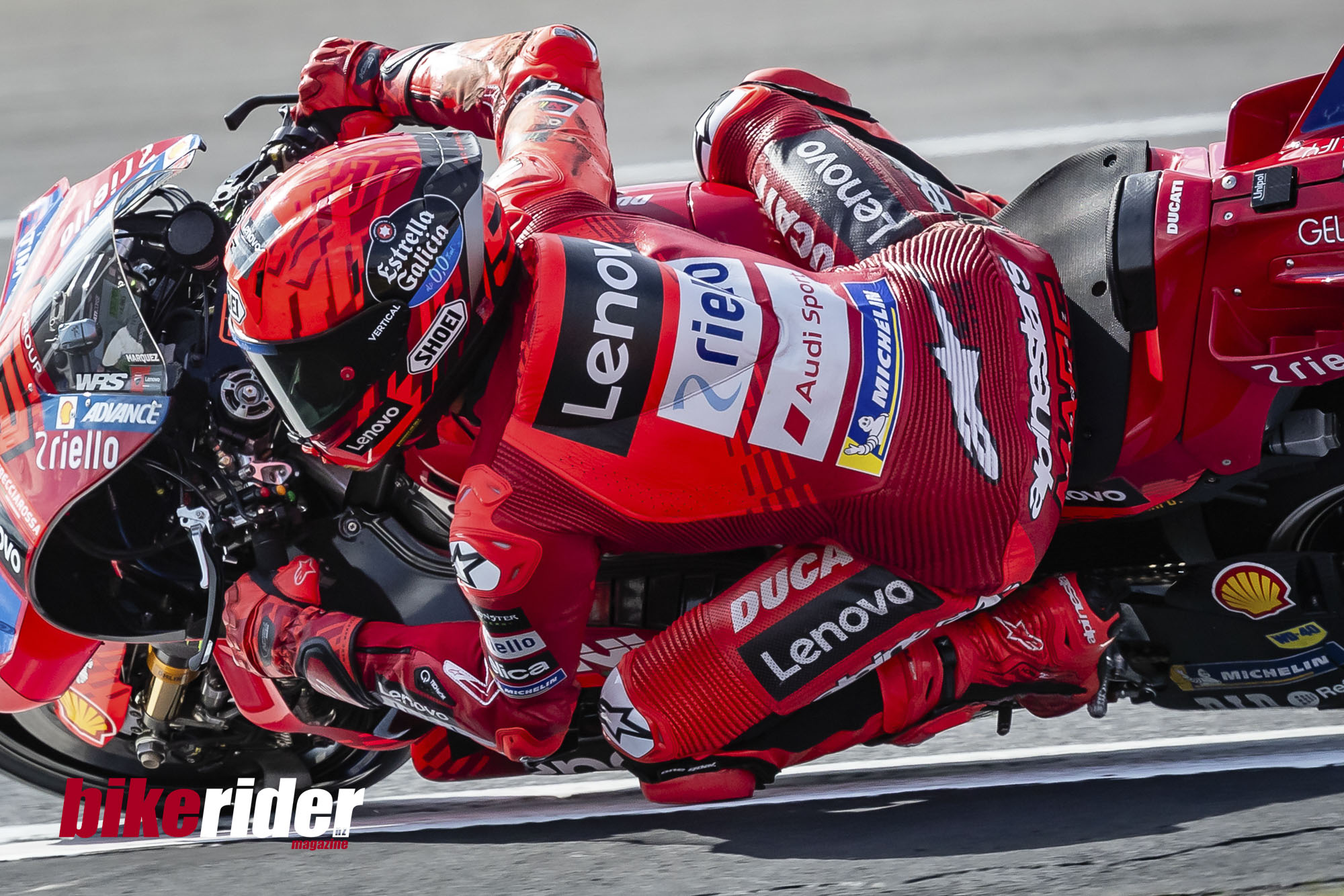
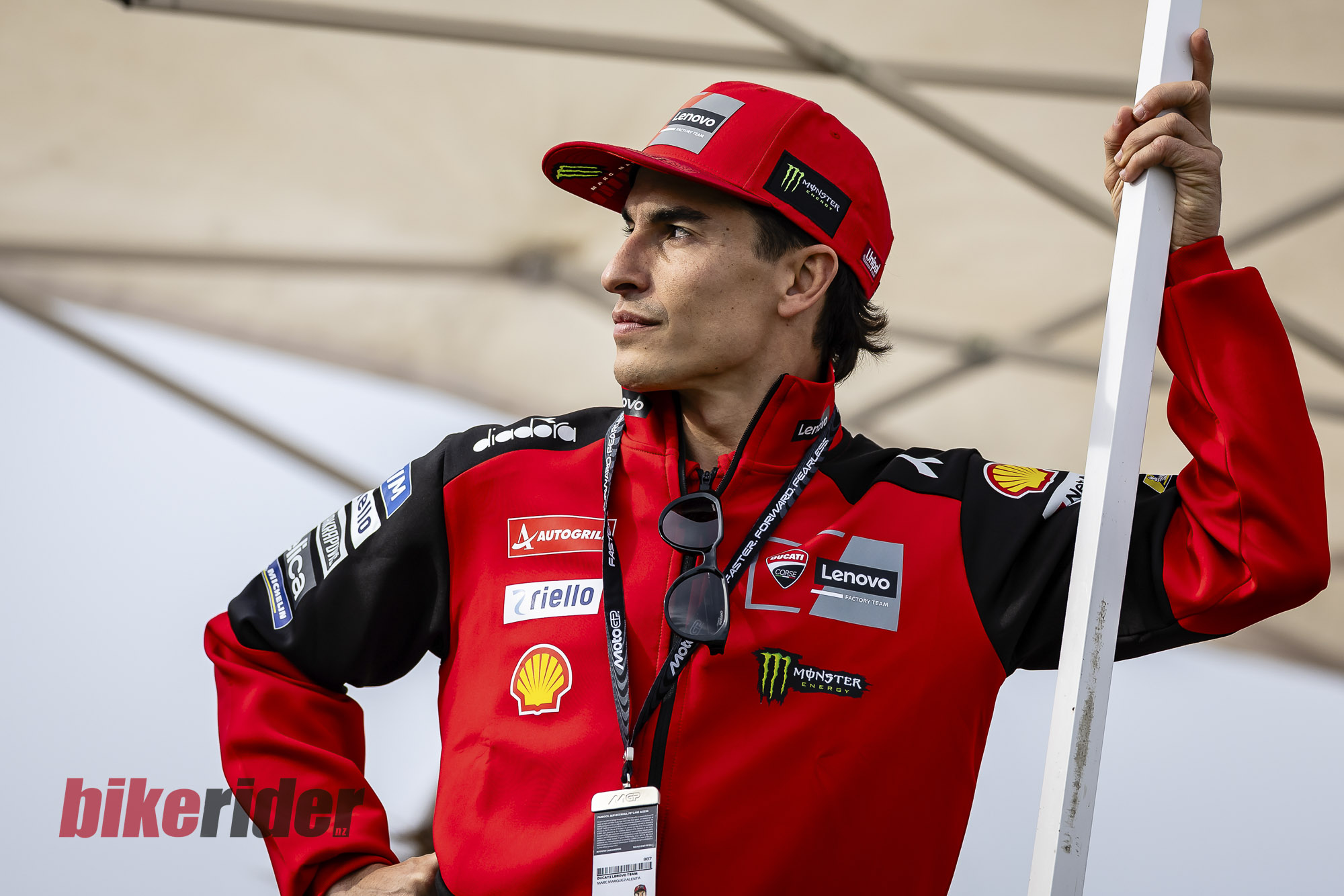
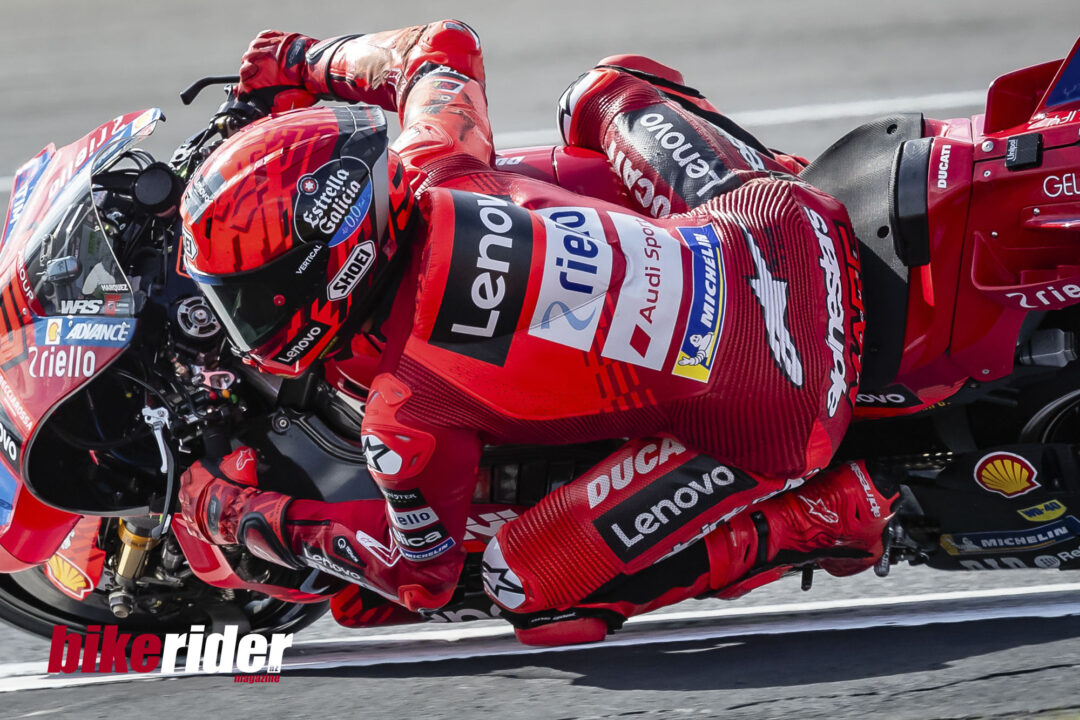
Marc Márquez’s 2025 title will stand as one of the most remarkable achievements in motorcycle racing. Six years after his last premier-class crown in 2019, the Spaniard returned to the summit with a season of dominance rarely seen in the modern MotoGP era.
Riding for the factory Ducati Lenovo Team, Márquez secured his seventh MotoGP World Championship — equalling the legendary Valentino Rossi — with authority. Eleven Grand Prix wins, 14 Sprint victories and a staggering 541 points saw him clinch the title by 78 points, a margin that could have been even greater had injury not sidelined him for the final four rounds following his Mandalika crash.
The emotional arc of Márquez’s comeback defined the season. After enduring years of career-threatening arm and shoulder injuries, his title was sealed at Motegi — a symbolic venue that underscored both resilience and redemption.
The cost, however, was high. Physical strain eventually forced him out of the closing races, a reminder that MotoGP’s expanded calendar exacts a brutal toll. Looking to 2026, Márquez himself has warned that repeating such dominance will be “almost impossible” as competition tightens further — but even a slightly diminished Márquez remains the rider everyone must beat.
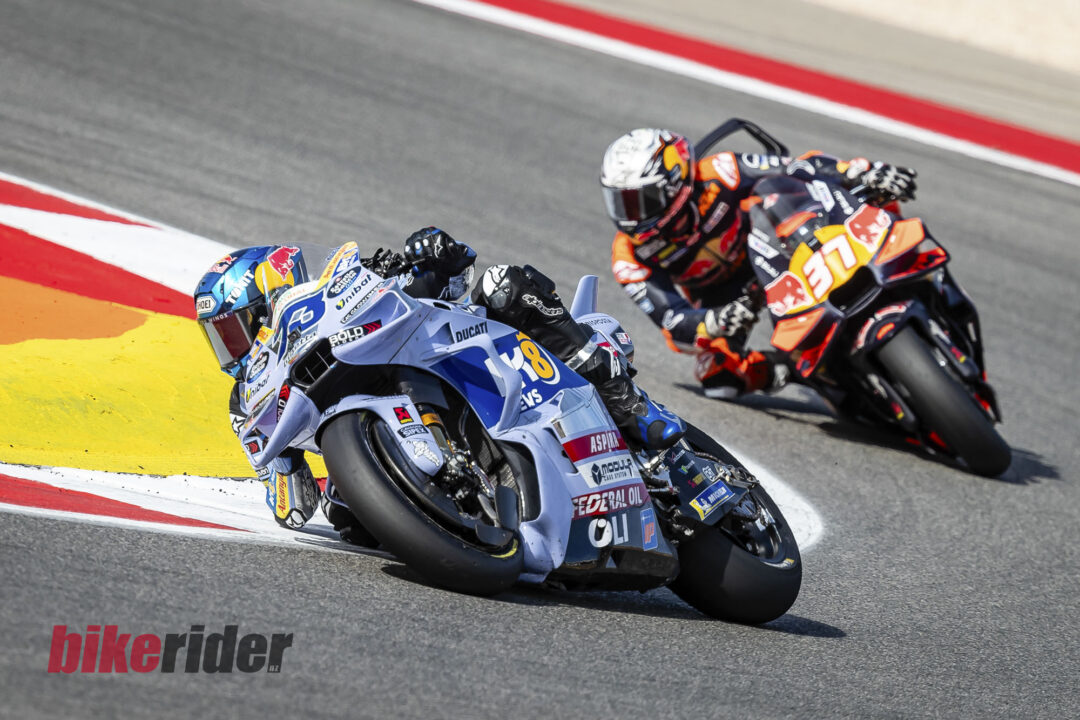
Álex Márquez: The Breakout Campaign
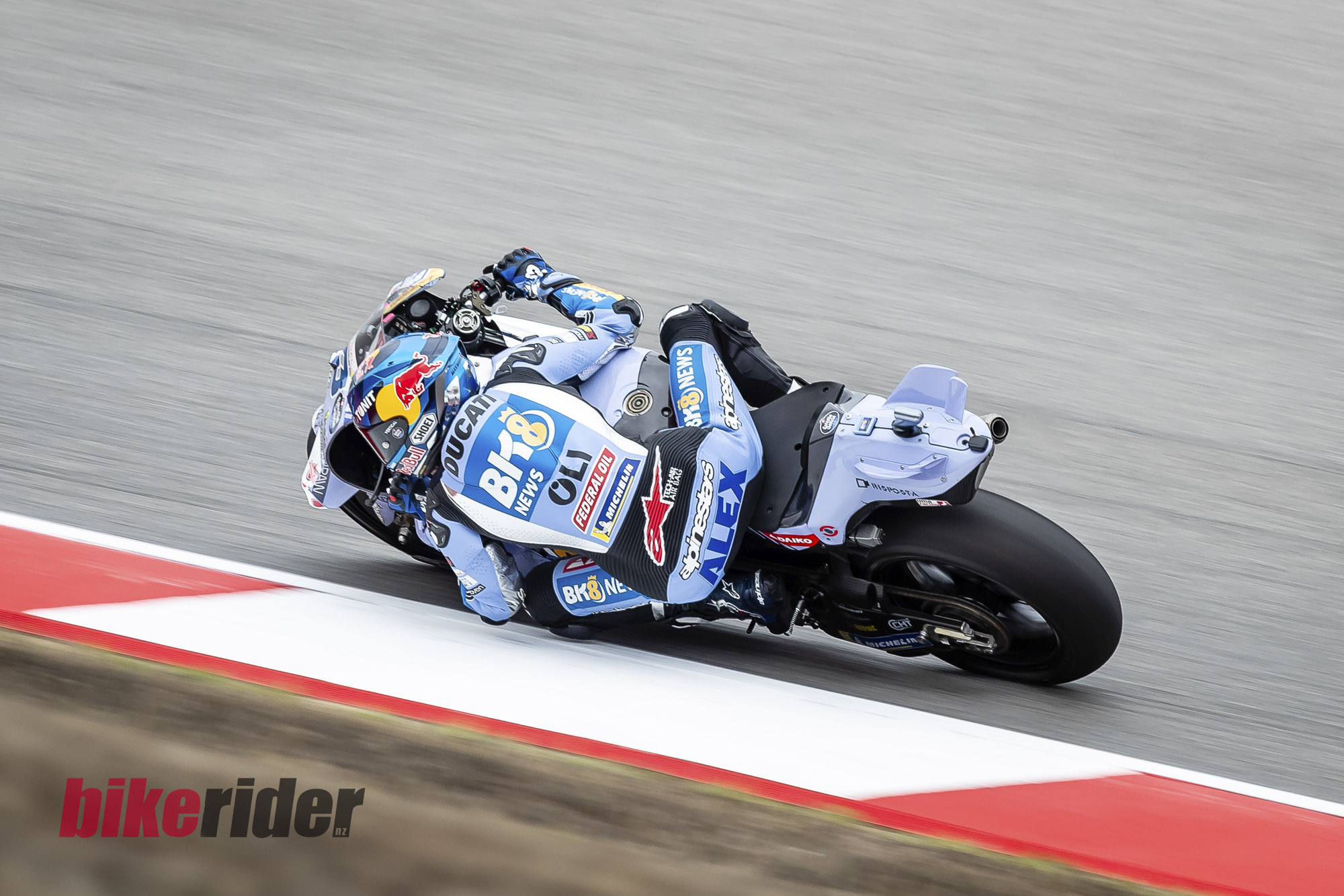
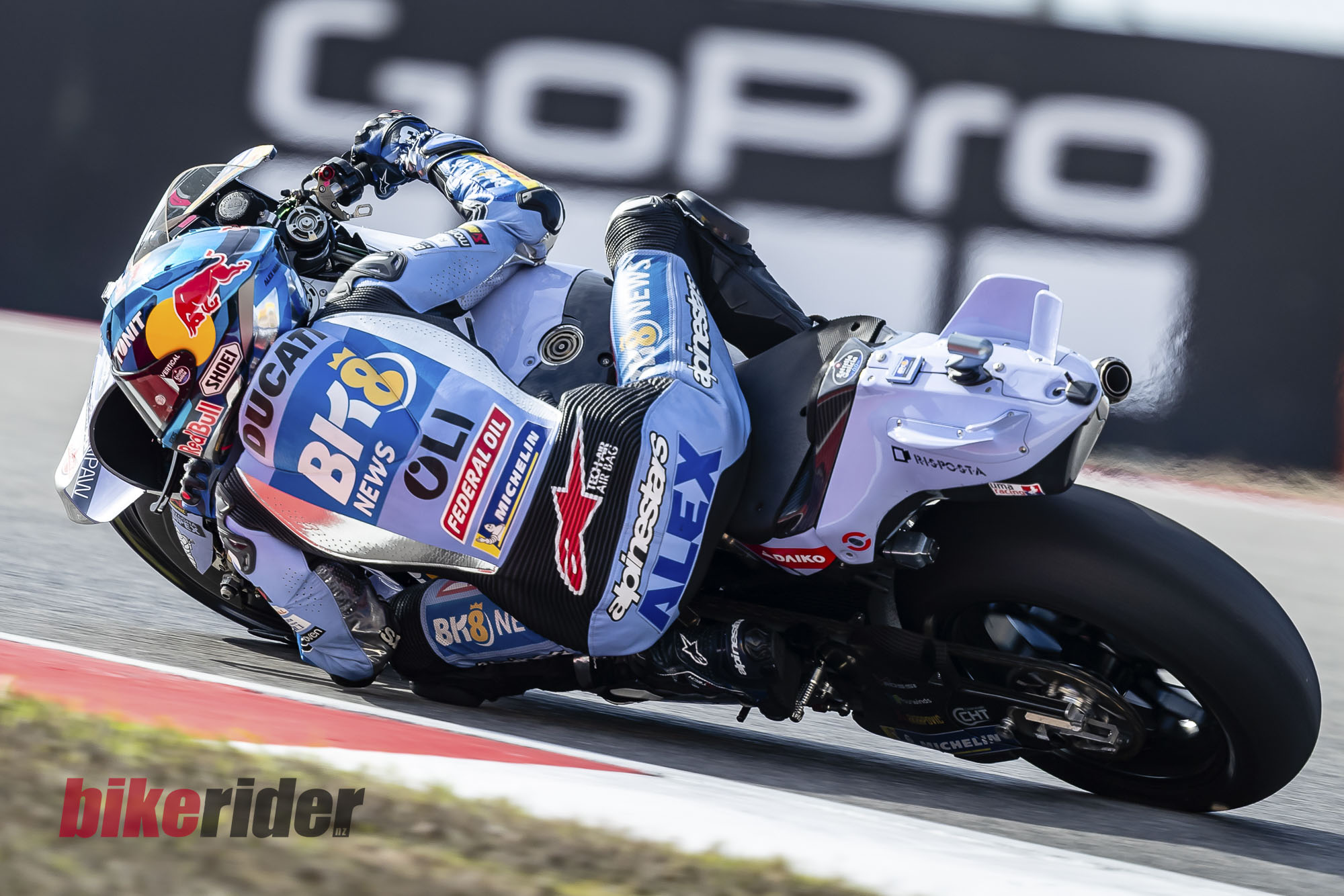
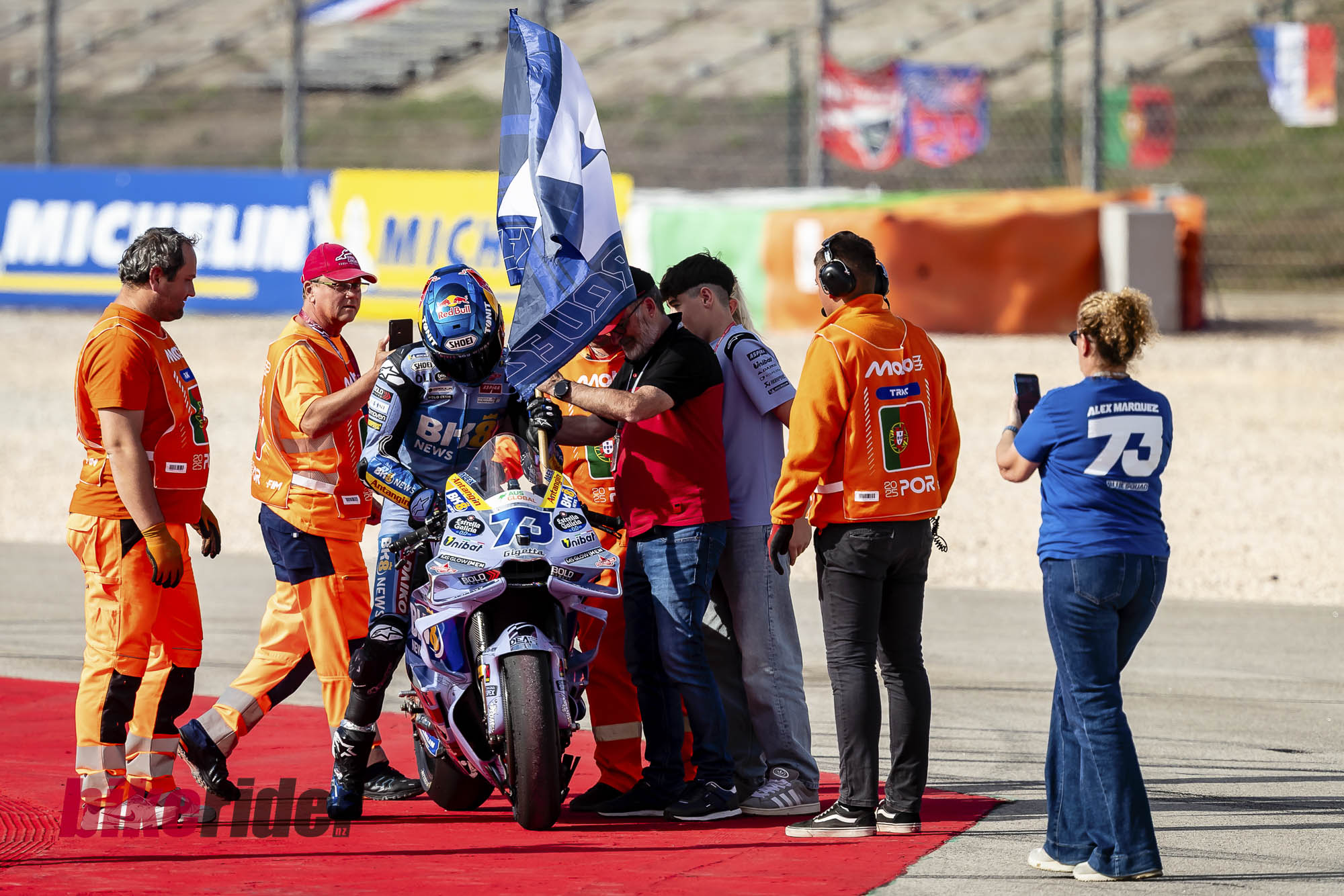
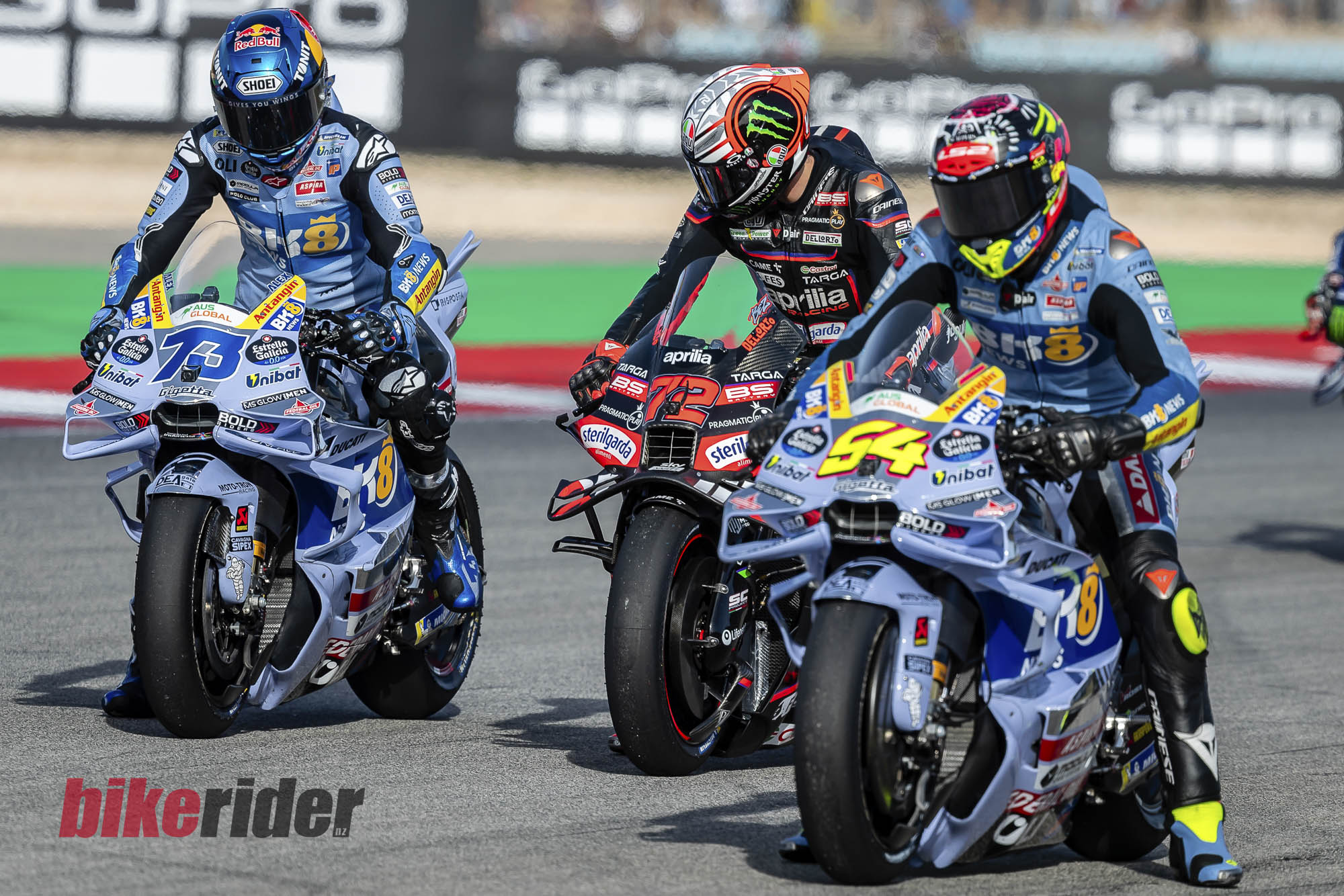
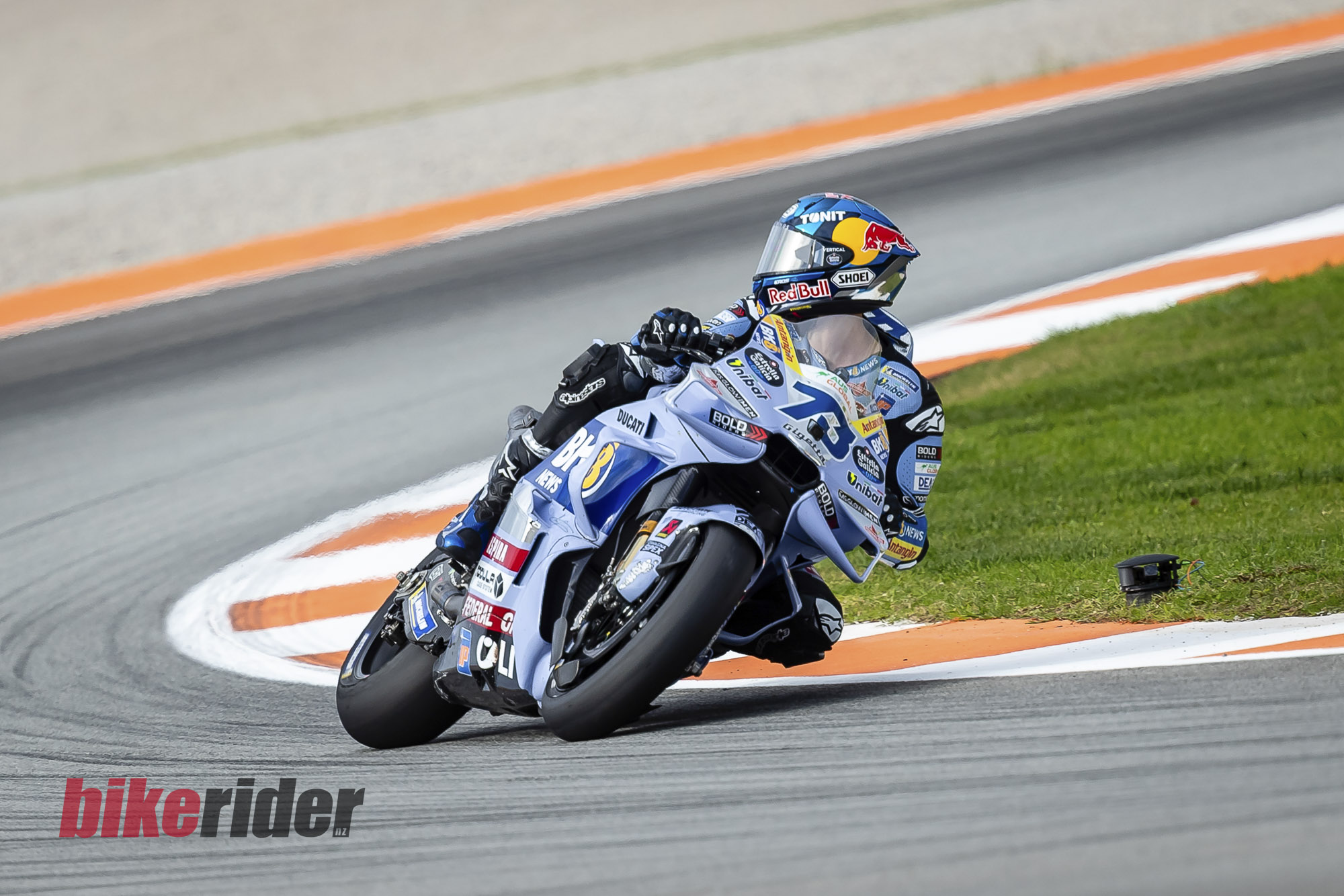
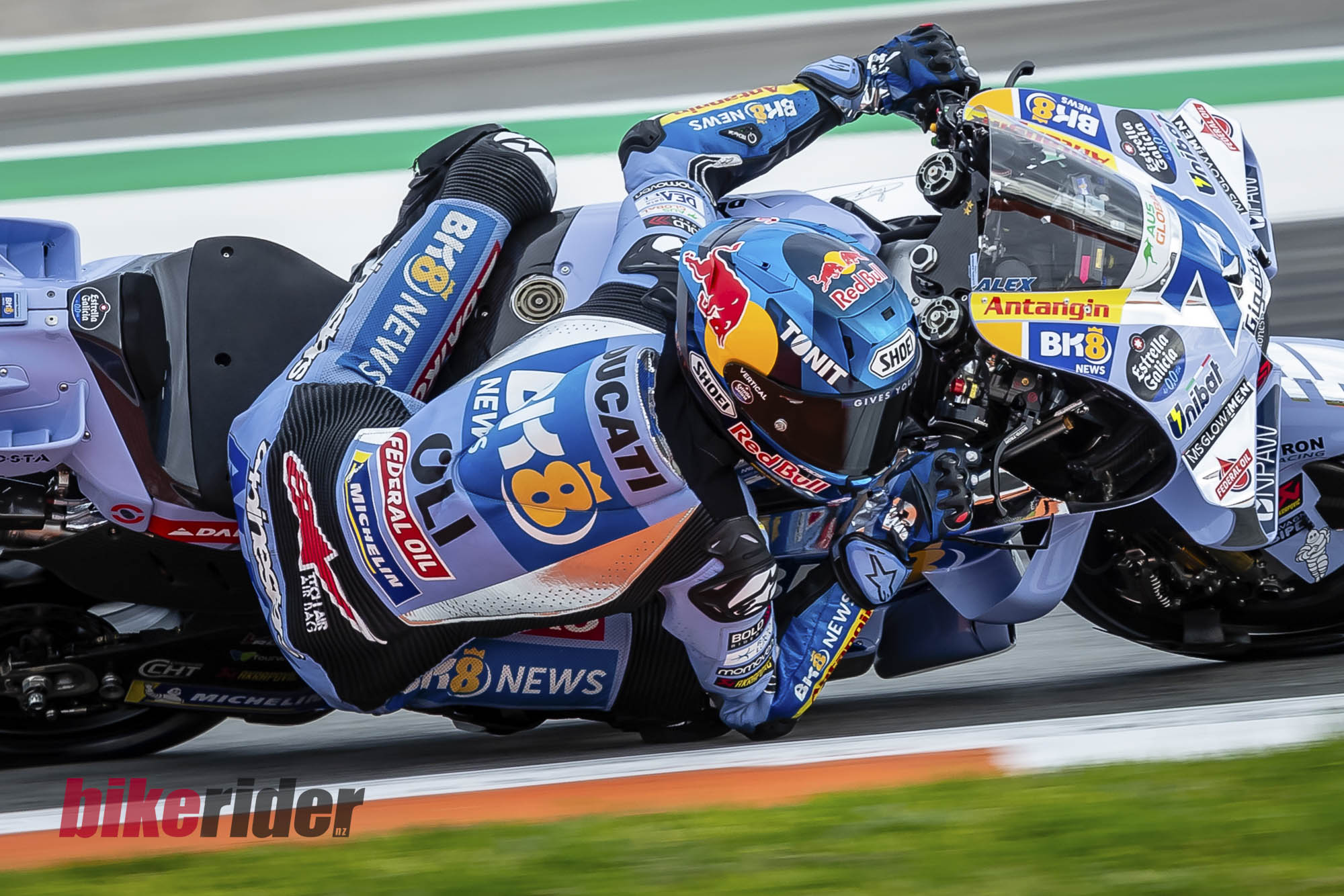
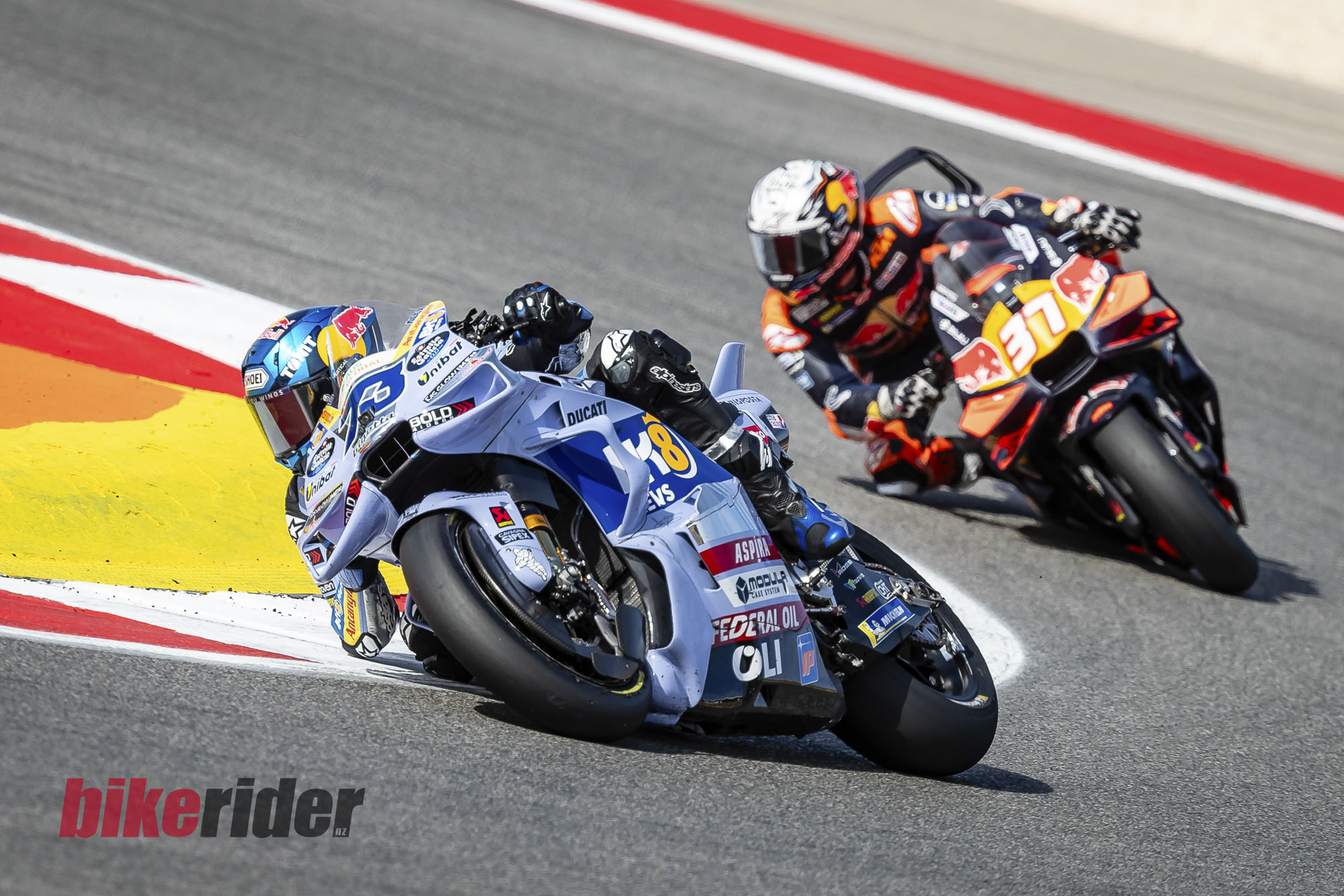
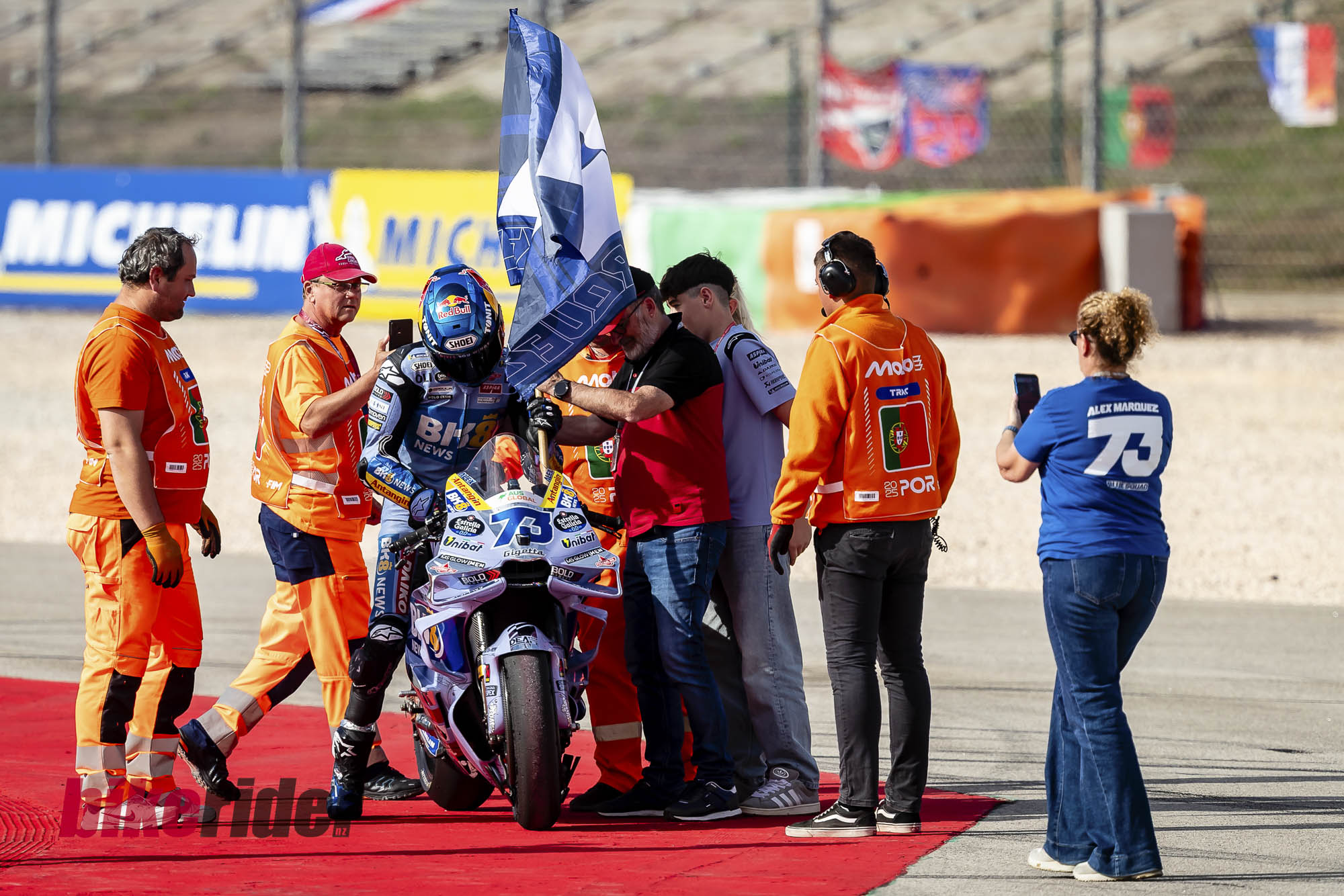
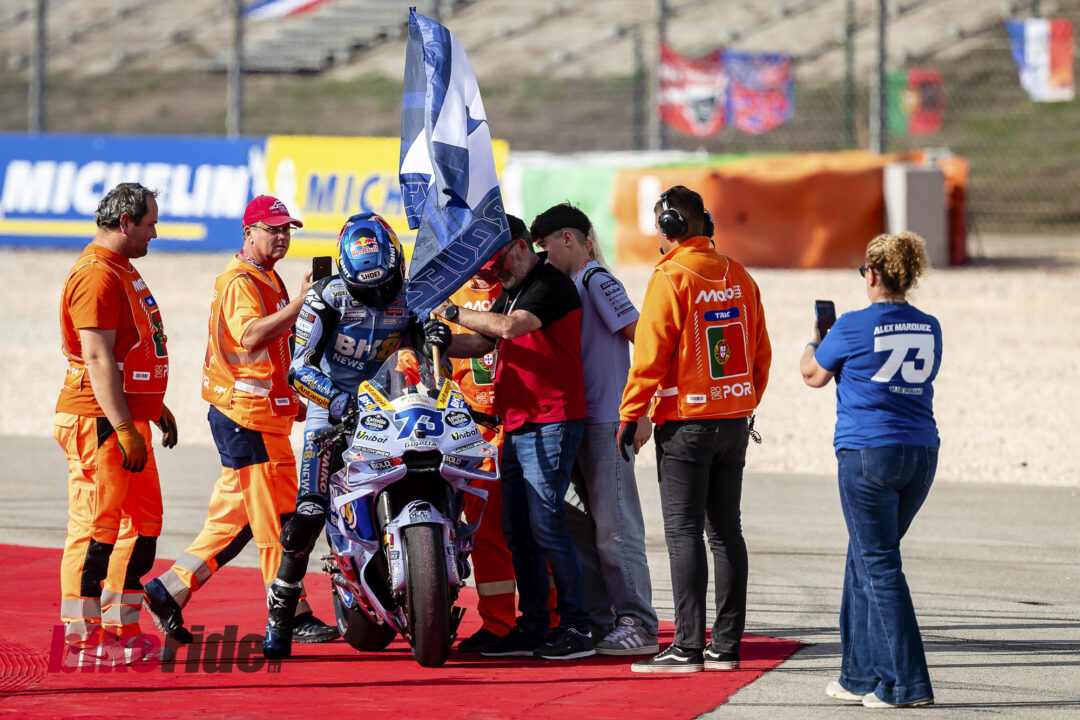
If 2025 belonged to Marc, it also marked a defining breakthrough for Álex Márquez. The 29-year-old delivered the strongest season of his career aboard the Ducati GP24 for BK8 Gresini Racing, finishing runner-up in the World Championship and completing a historic brotherly 1–2 in the standings.
Álex claimed his maiden MotoGP victory at Jerez, briefly leading the championship in the process, before backing it up with another emphatic win at the Catalan Grand Prix. Far from a flash in the pan, his season was built on consistency — regular podium finishes, Sprint race success and measured racecraft.
While pressure mounted from emerging talents like Pedro Acosta and Marco Bezzecchi, Álex repeatedly delivered when it mattered. With confirmation of factory-spec Ducati machinery for 2026, expectations are now firmly elevated. The question is no longer whether he belongs at the front — but whether he can mount a genuine title challenge.
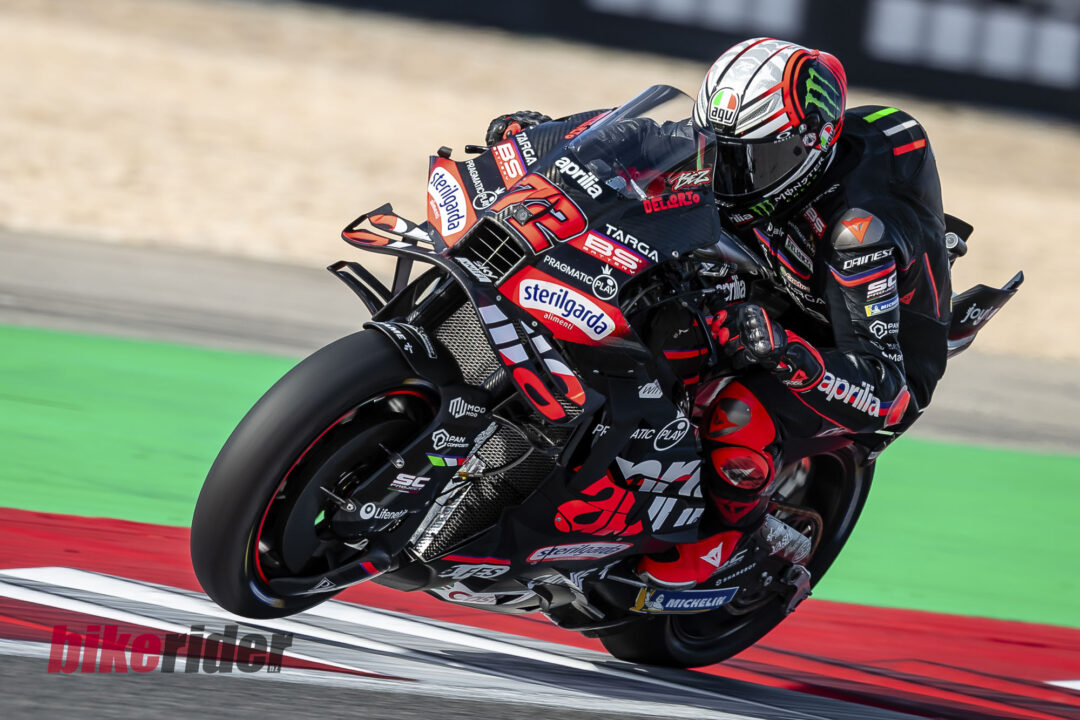
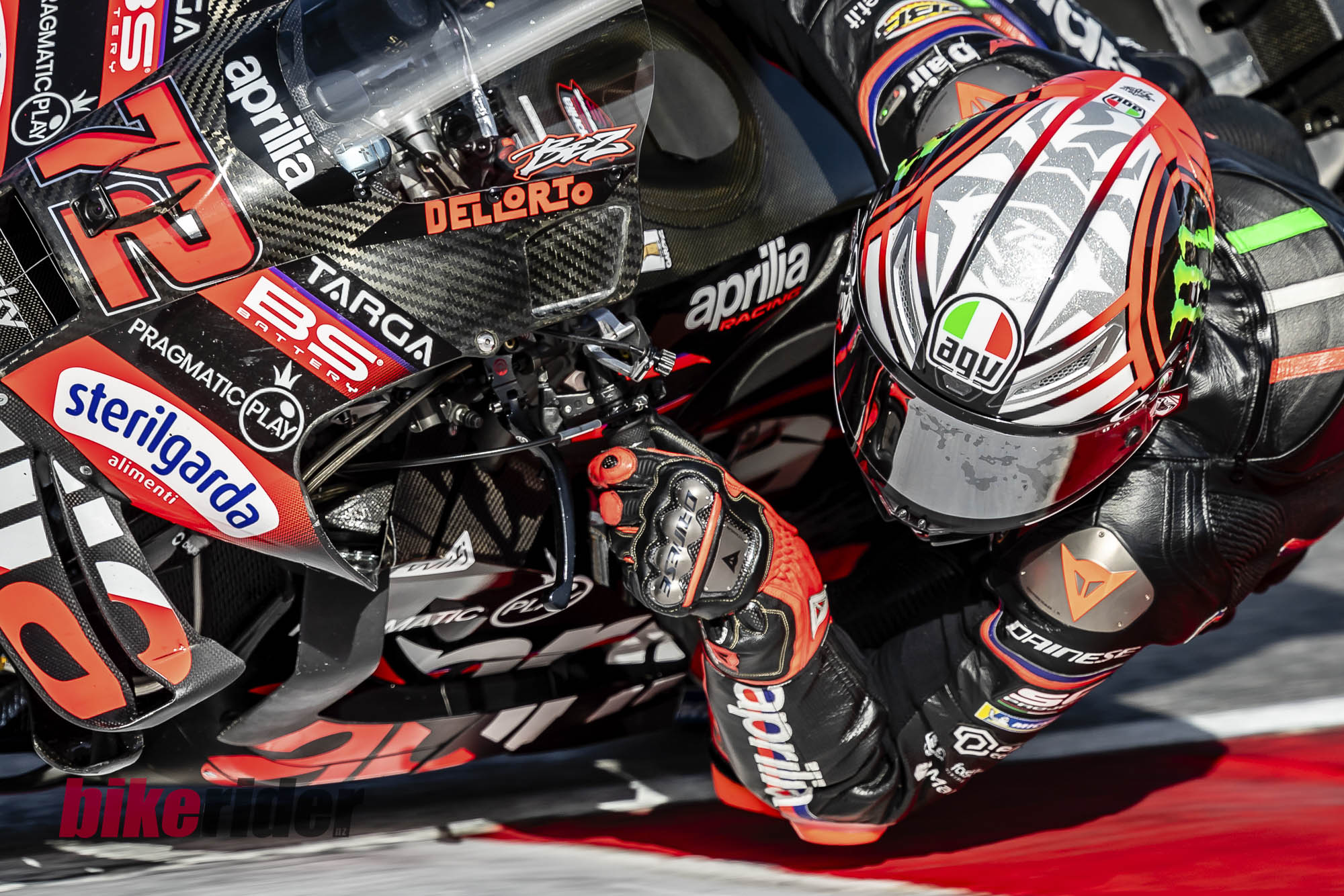
Marco Bezzecchi: Carrying Aprilia’s Campaign
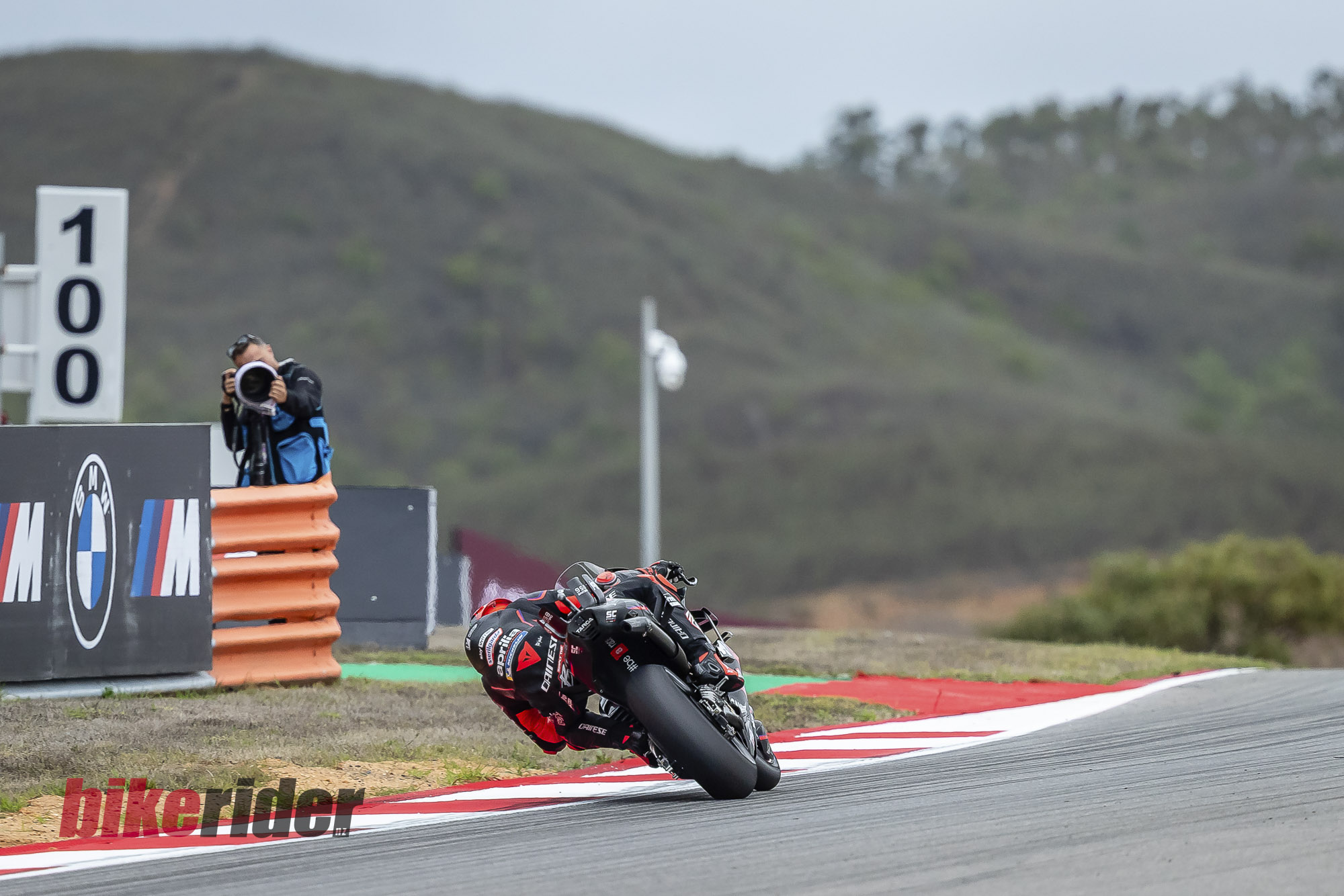
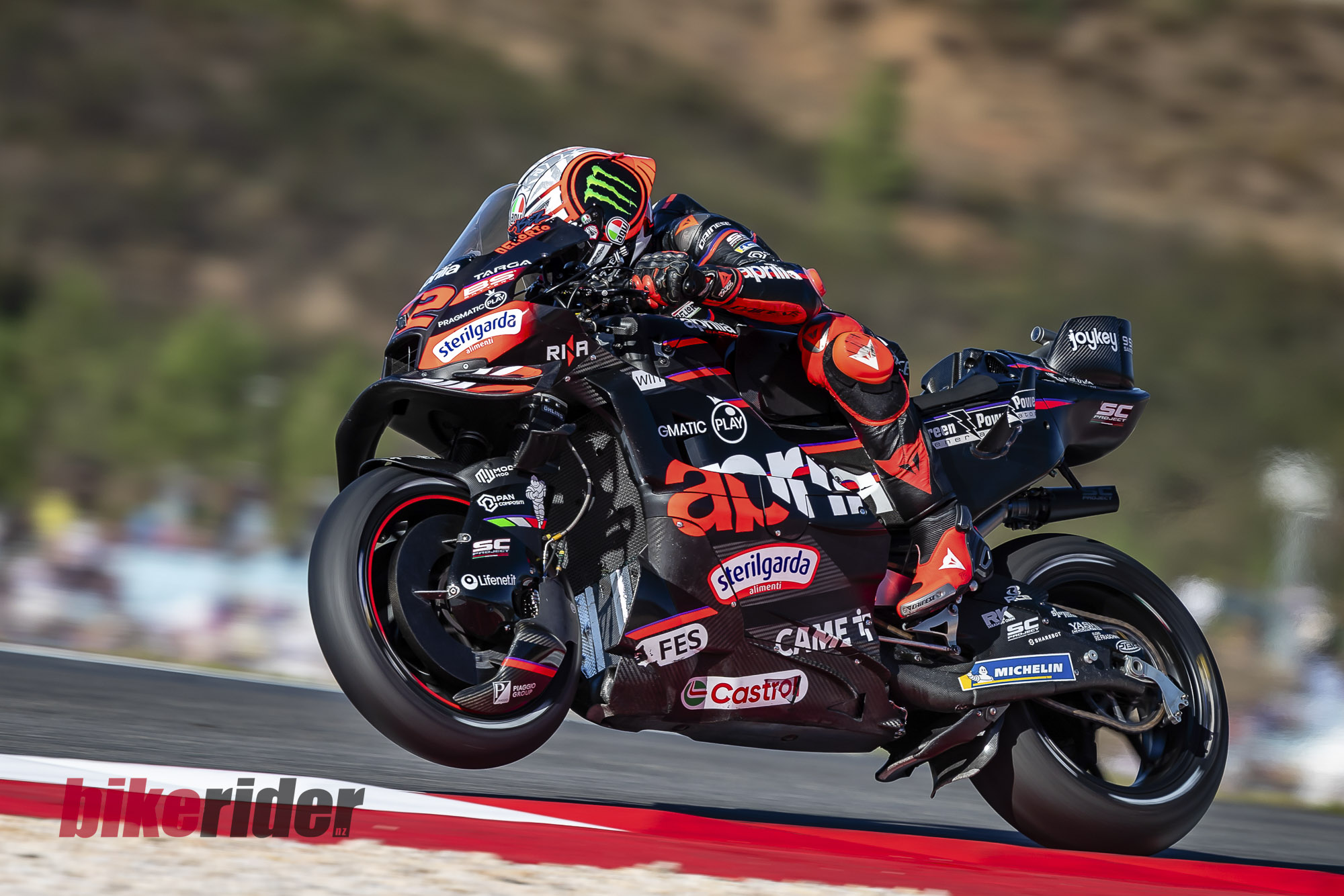
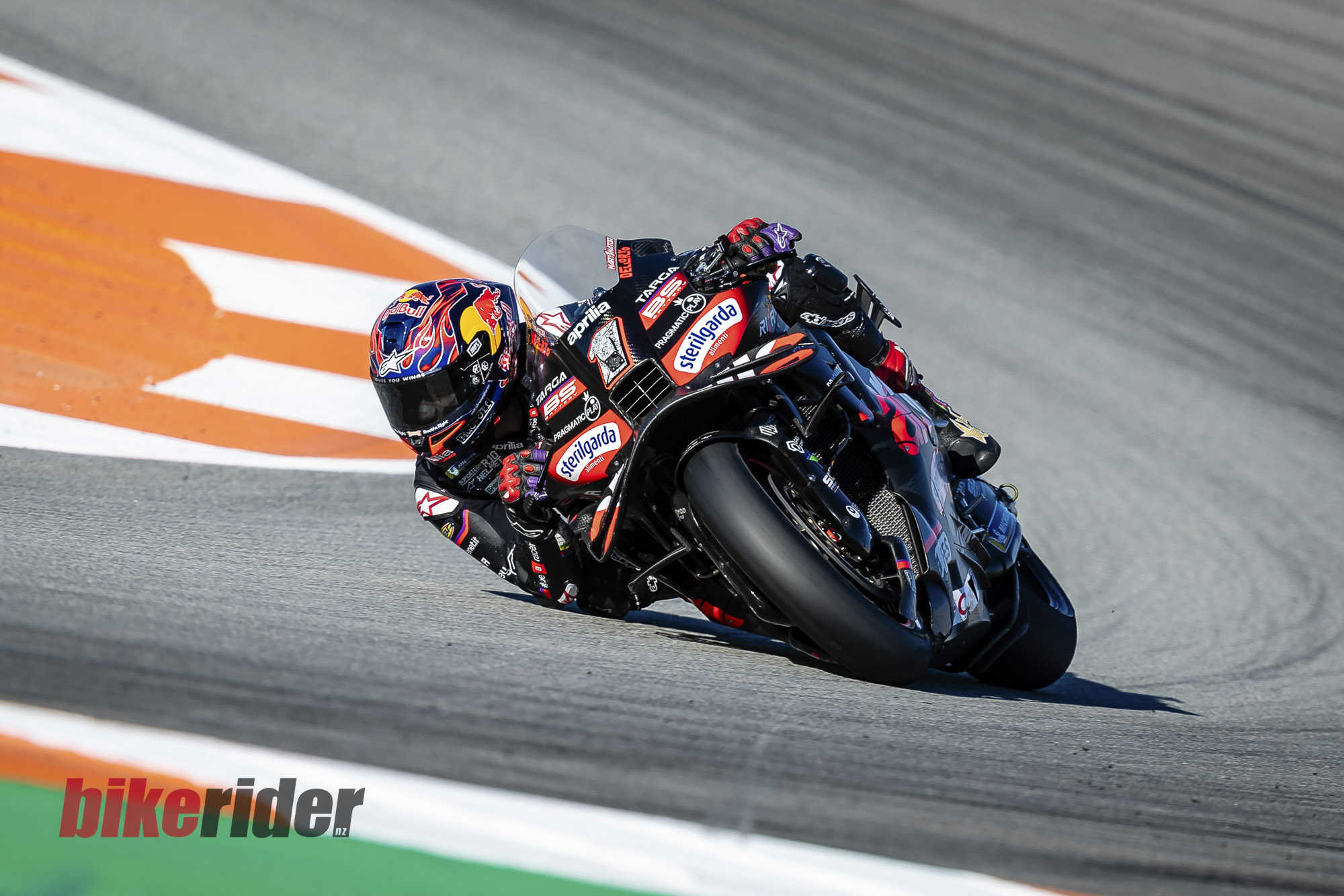
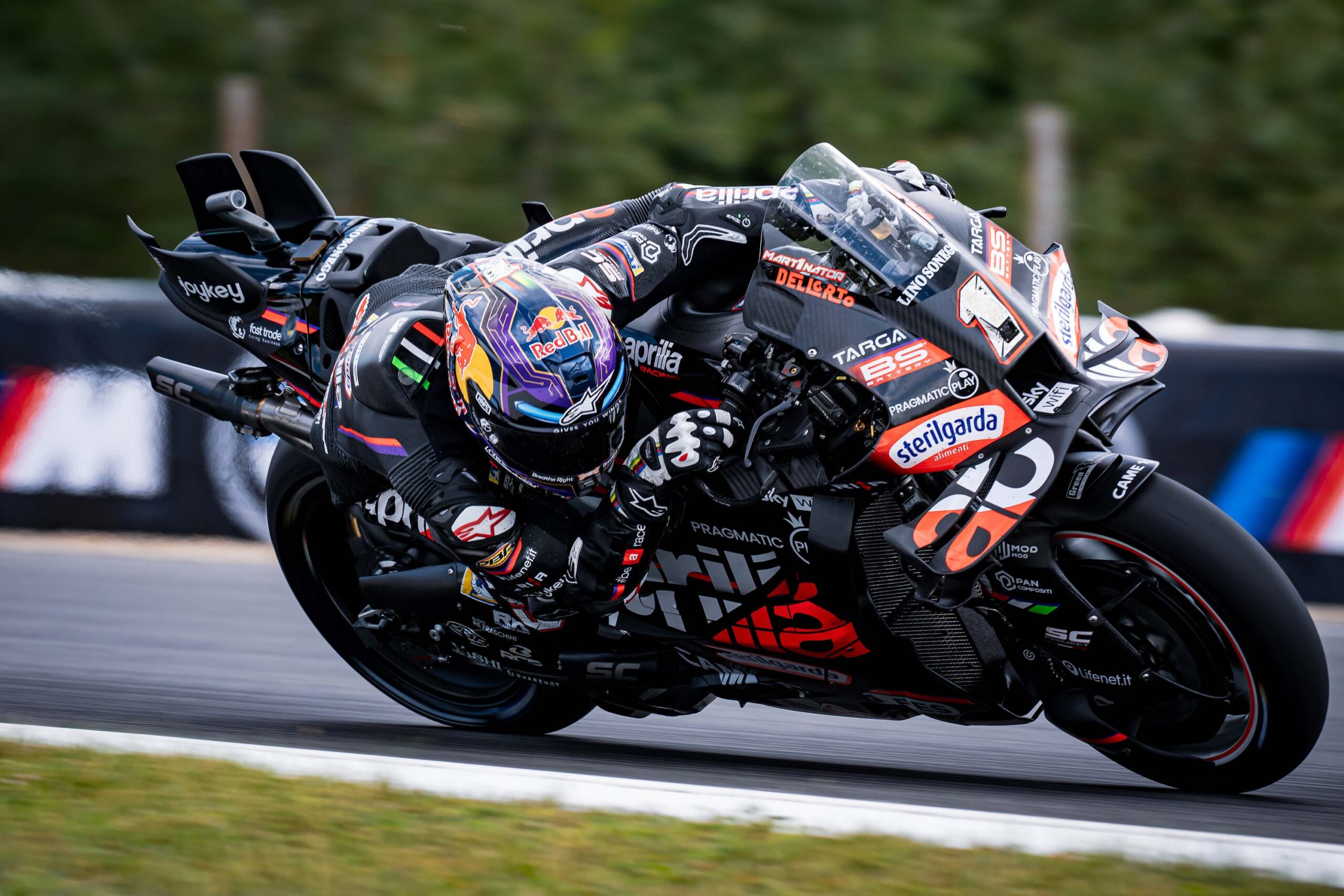
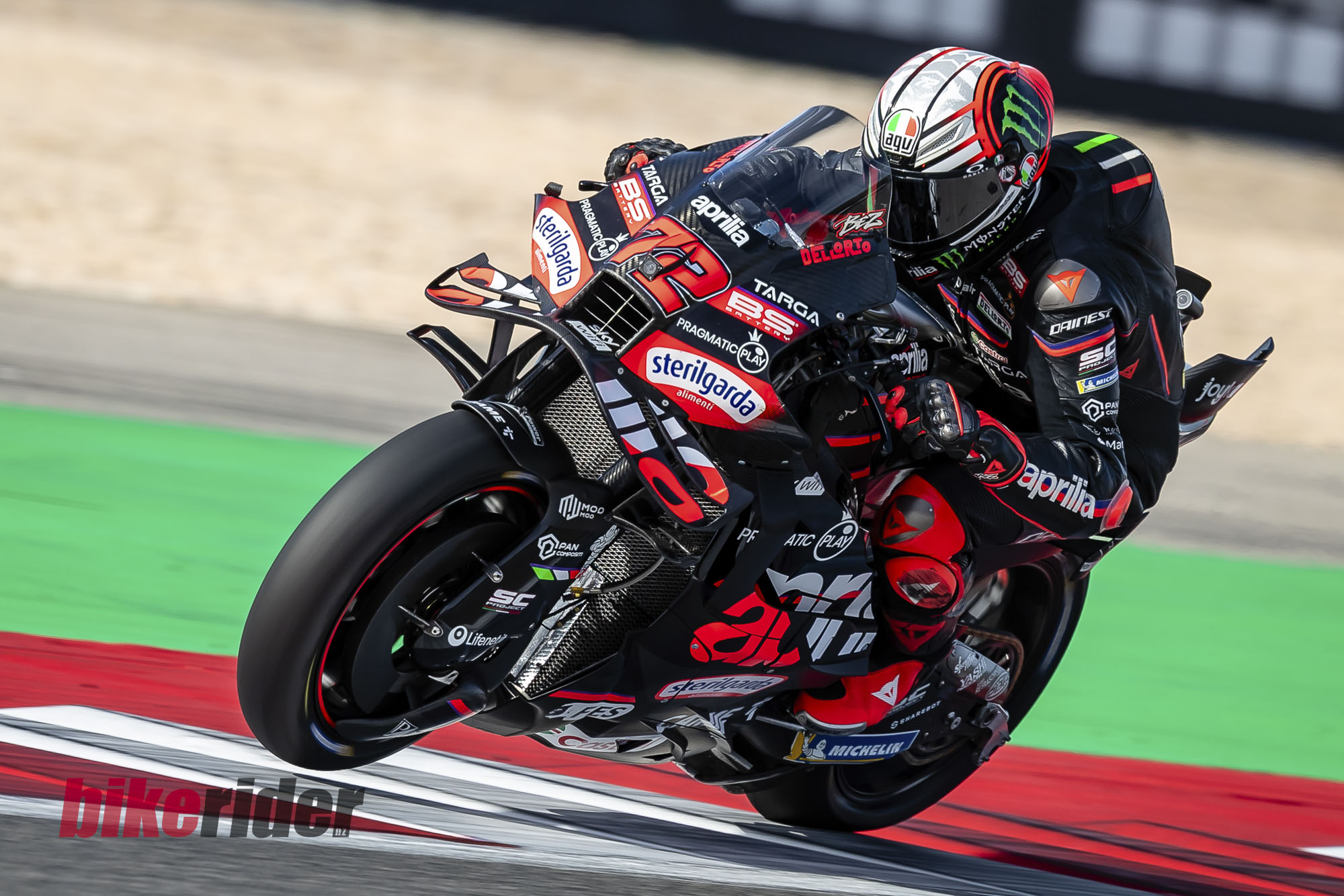
For Marco Bezzecchi, 2025 was less about chasing a championship and more about carrying responsibility. When reigning champion Jorge Martín was ruled out with pre-season injury, Bezzecchi became Aprilia’s de facto leader.
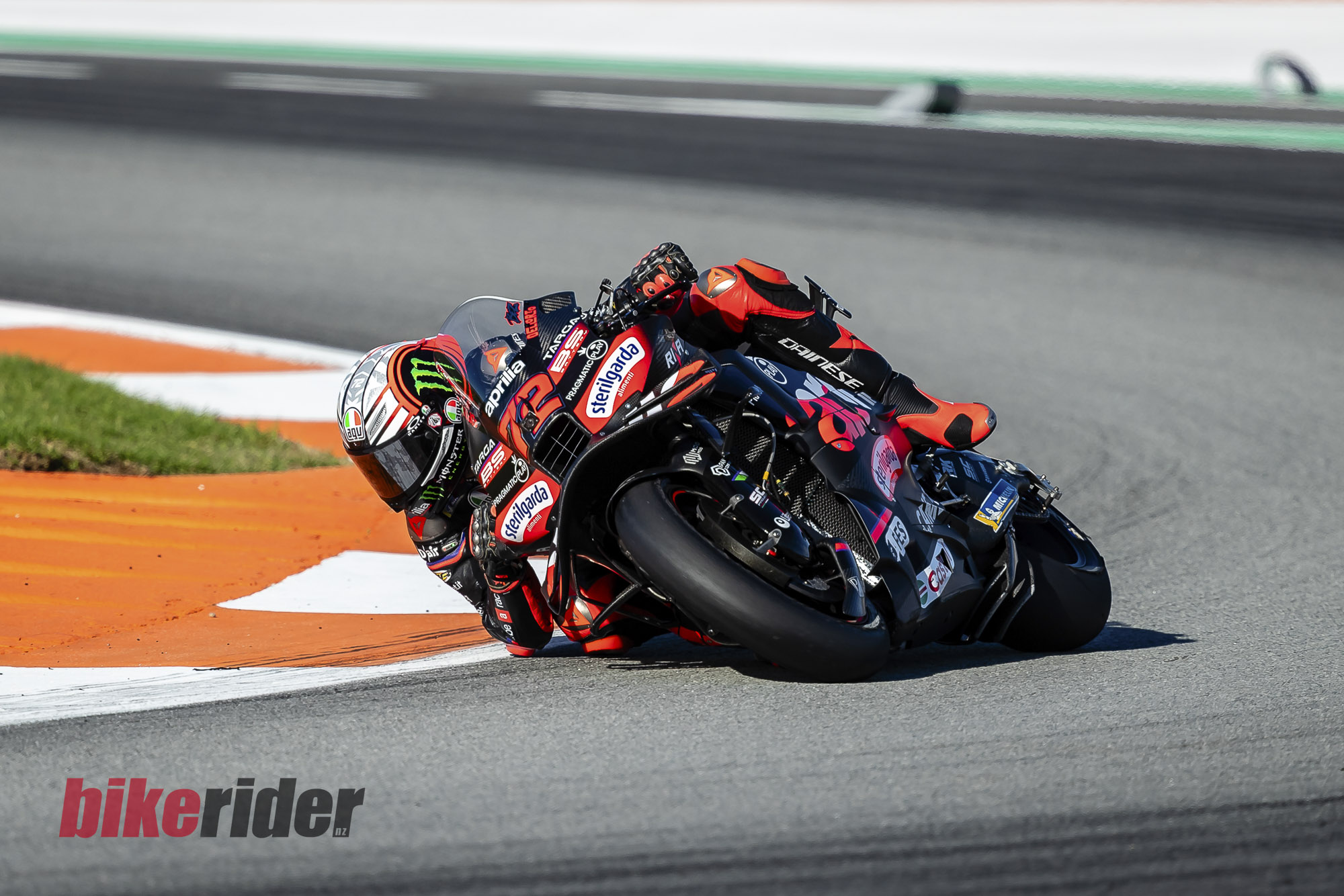
Early races exposed familiar RS-GP weaknesses — tyre degradation, corner-exit grip and race-distance consistency — but Bezzecchi’s technical feedback gradually reshaped the project. A breakthrough podium at Mugello led to a landmark Assen victory, Aprilia’s first of the season, proving the bike could challenge Ducati on merit.
Though stop-and-go circuits continued to expose limitations, Bezzecchi’s 2025 campaign transformed his reputation. No longer just a race winner, he emerged as a genuine development leader — a role that could pay dividends when Martín returns fully fit in 2026.
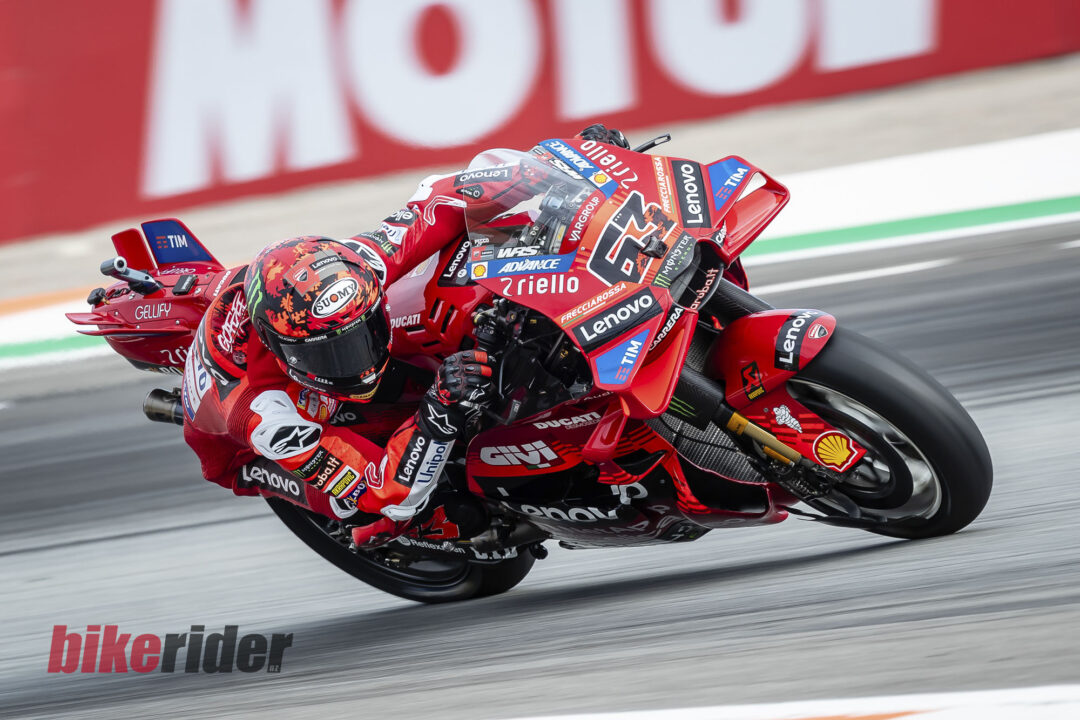
Francesco Bagnaia: A Year on the Back Foot
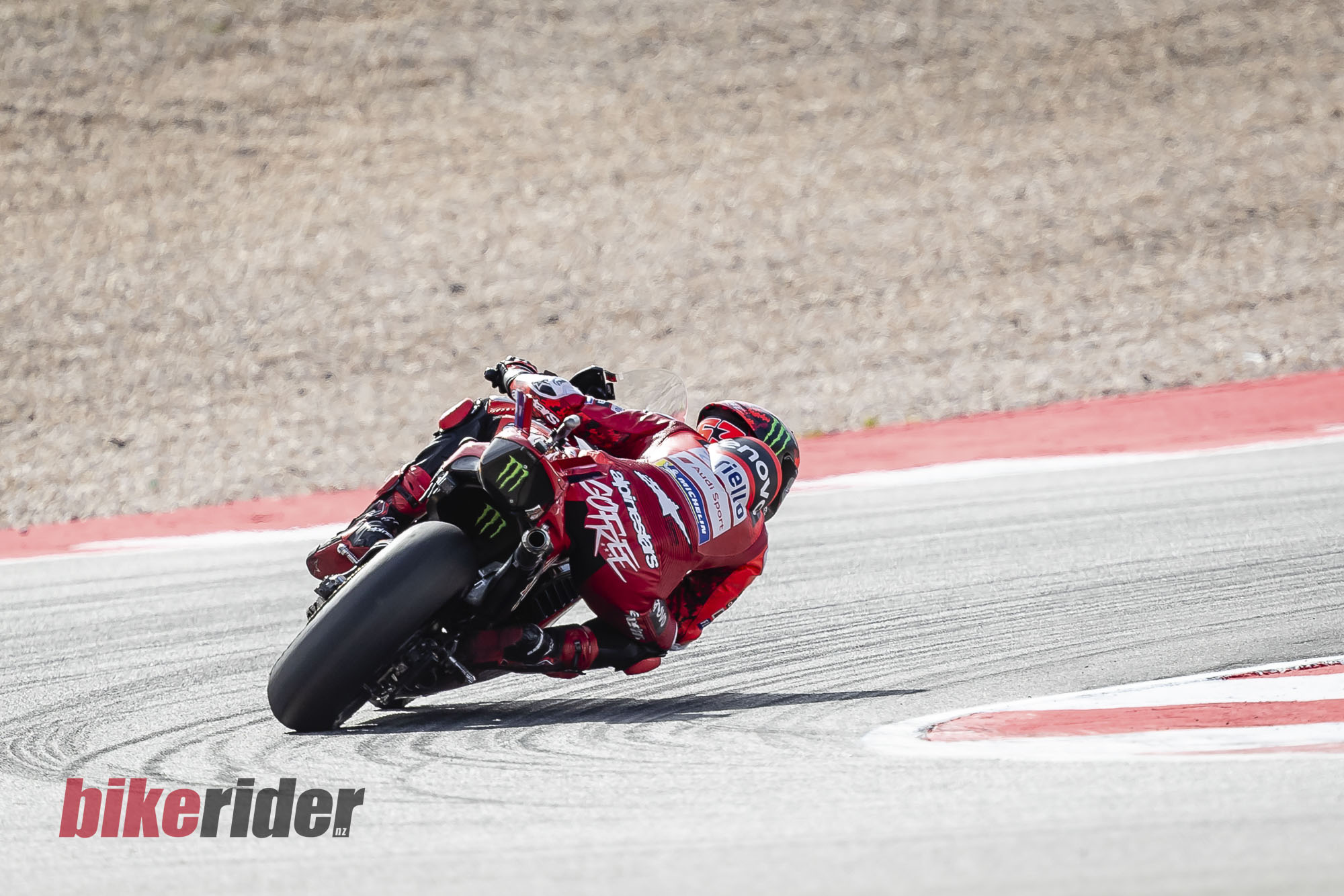
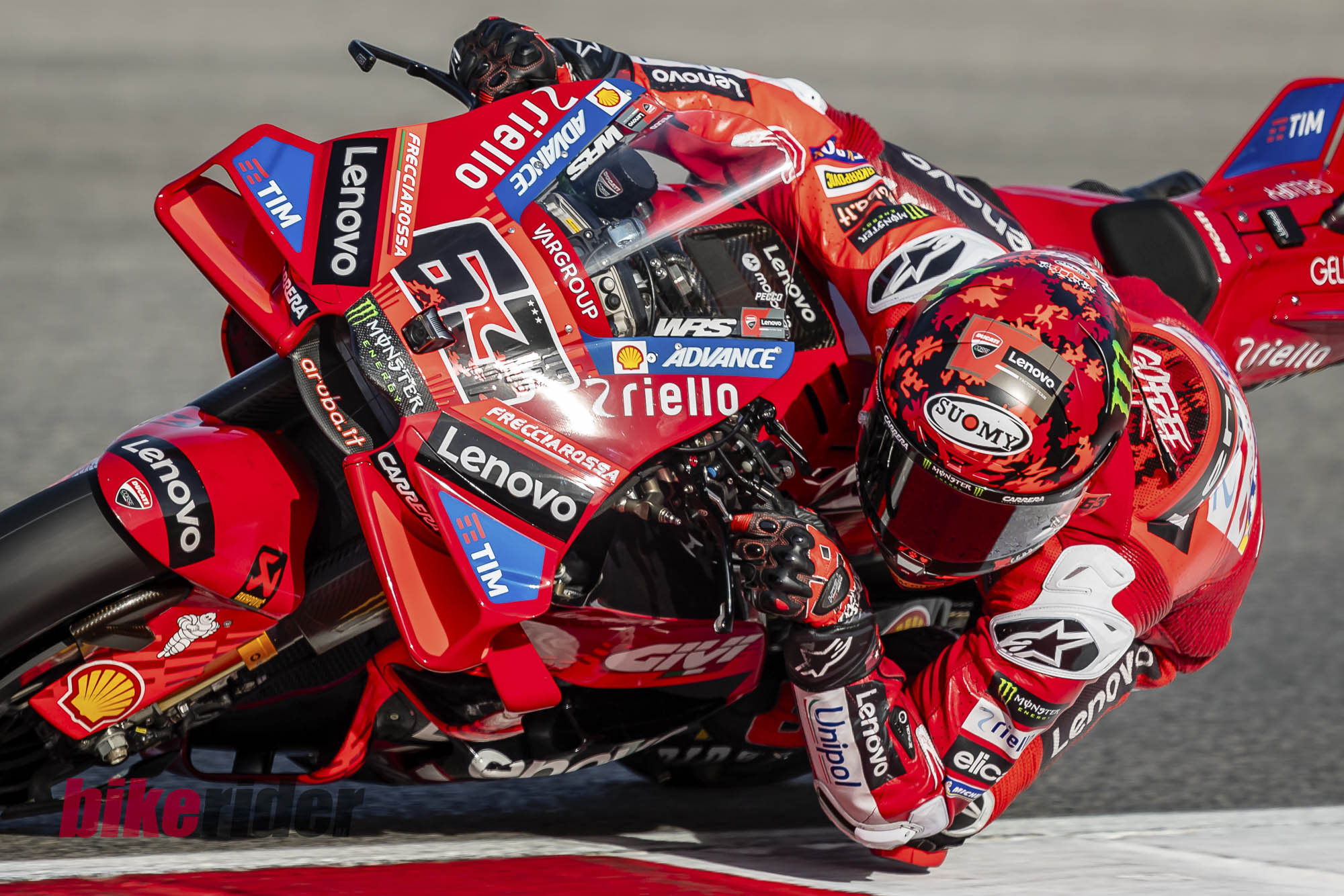
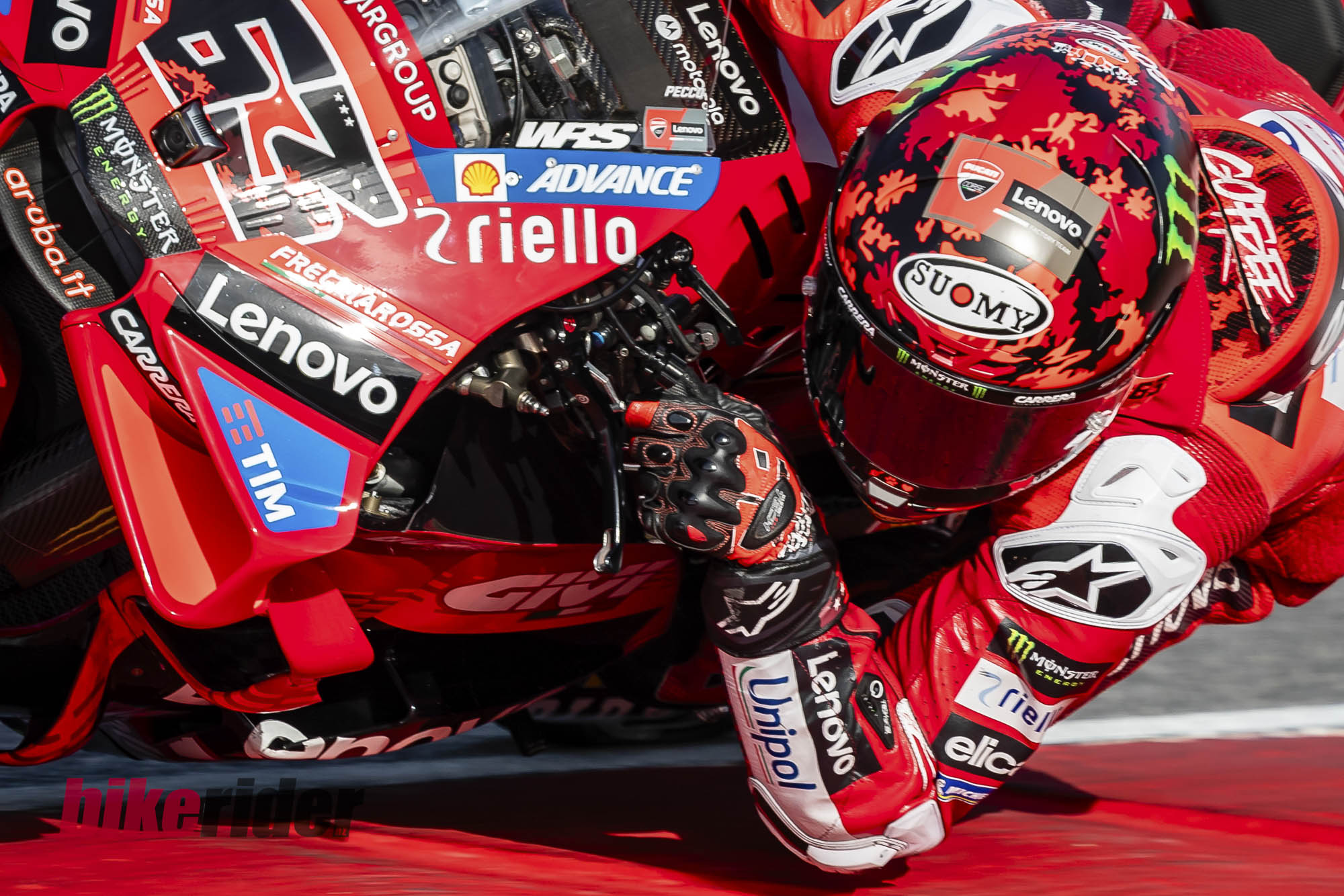
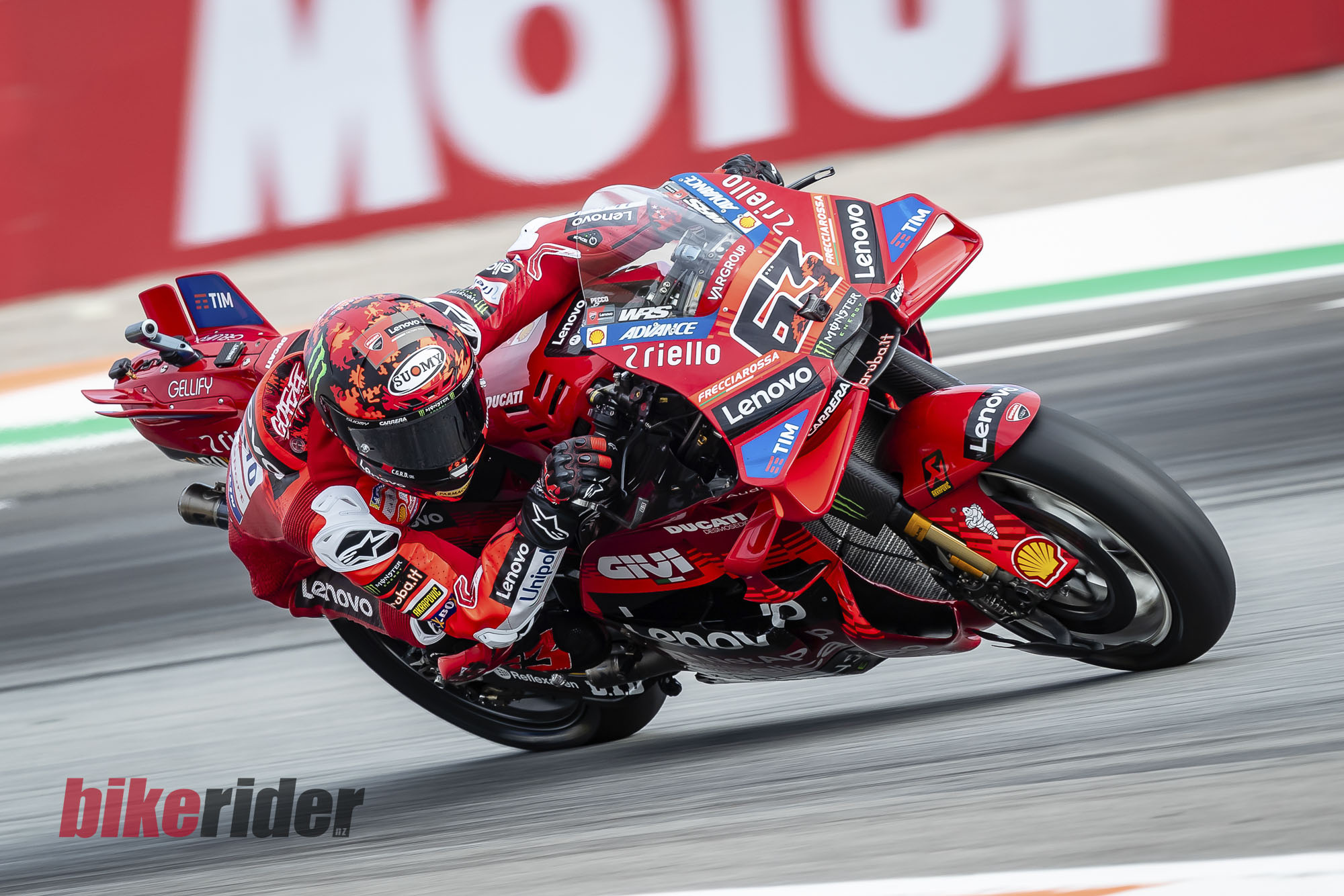
Few riders endured a more frustrating season than Francesco Bagnaia. Ducati’s established benchmark never truly gelled with the 2025 Desmosedici, struggling for front-end feel and consistency from the outset.
That ongoing struggle defined his year. Weekend after weekend became exercises in damage limitation rather than title contention, with flashes of speed rarely translating into complete race performances. While rivals adapted quickly to the new generation of machinery, Bagnaia was often caught between settings, never fully comfortable and unable to ride with his trademark precision.
Flashes of brilliance — including a late-season victory at Motegi — served as reminders of his class, but inconsistency and crashes undermined momentum. As Ducati’s talent pipeline intensifies, 2026 looms as a make-or-break season for Bagnaia, with little margin left for prolonged adaptation.
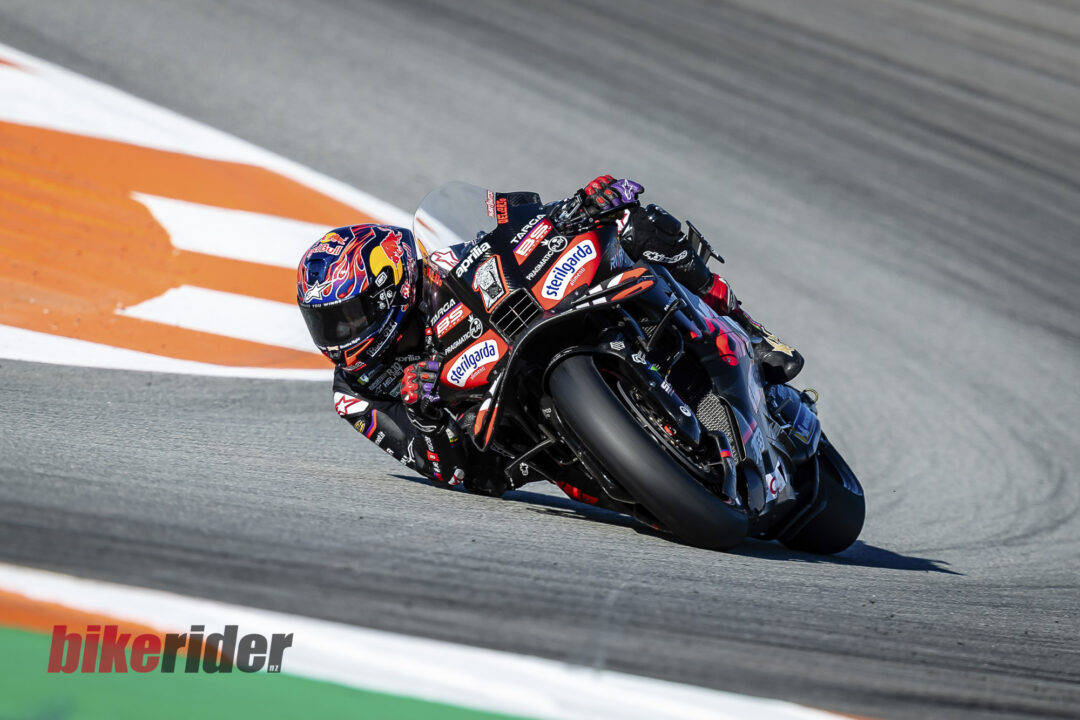
Jorge Martín: The Title Defence That Never Started
Jorge Martín’s 2025 MotoGP season will be remembered as the championship defence that never truly started. Arriving as the reigning world champion and Aprilia’s marquee signing, expectations were sky-high. Instead, his year unravelled before a single race light went out.
Disaster struck in pre-season testing. A heavy crash left Martín injured and immediately on the back foot, denying him vital mileage on a new bike and in a new environment. Determined to return quickly, he rushed his comeback — only for it to end in another crash and re-injury. What should have been a carefully managed return became a damaging cycle, both physically and mentally, effectively wiping out the first half of his title defence.
As the season progressed, frustration grew. From the sidelines, Martín watched Aprilia struggle for direction early on, before Marco Bezzecchi began to unlock the RS-GP’s potential. As Bezzecchi’s results improved — podiums, then a breakthrough win — the sense of “what might have been” became impossible to ignore. The bike Martín never had the chance to properly race was proving competitive in the right hands.
Tensions peaked when Martín publicly expressed a desire to exit his Aprilia contract, a rare and telling admission that reflected both his disappointment and uncertainty about the project. It was a striking contrast to the optimism that surrounded his arrival just months earlier.
Only at the final Grand Prix of the season did Martín finally return to the grid. While the result was secondary, his presence served as a reminder of the lost year — a campaign defined by injuries, missed opportunities and unanswered questions.
After seeing what Bezzecchi achieved, 2025 will forever be labelled the year that could have been for Jorge Martín. Whether Aprilia can turn that frustration into redemption in 2026 remains one of MotoGP’s biggest unanswered stories.
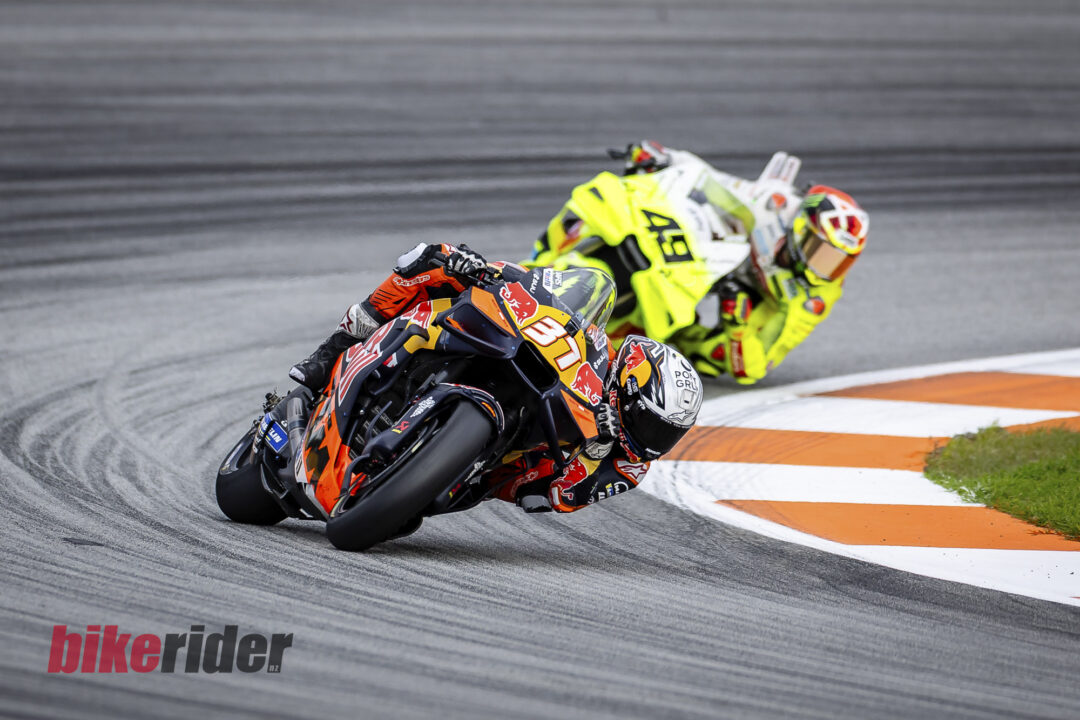
Pedro Acosta: Progress Without Reward
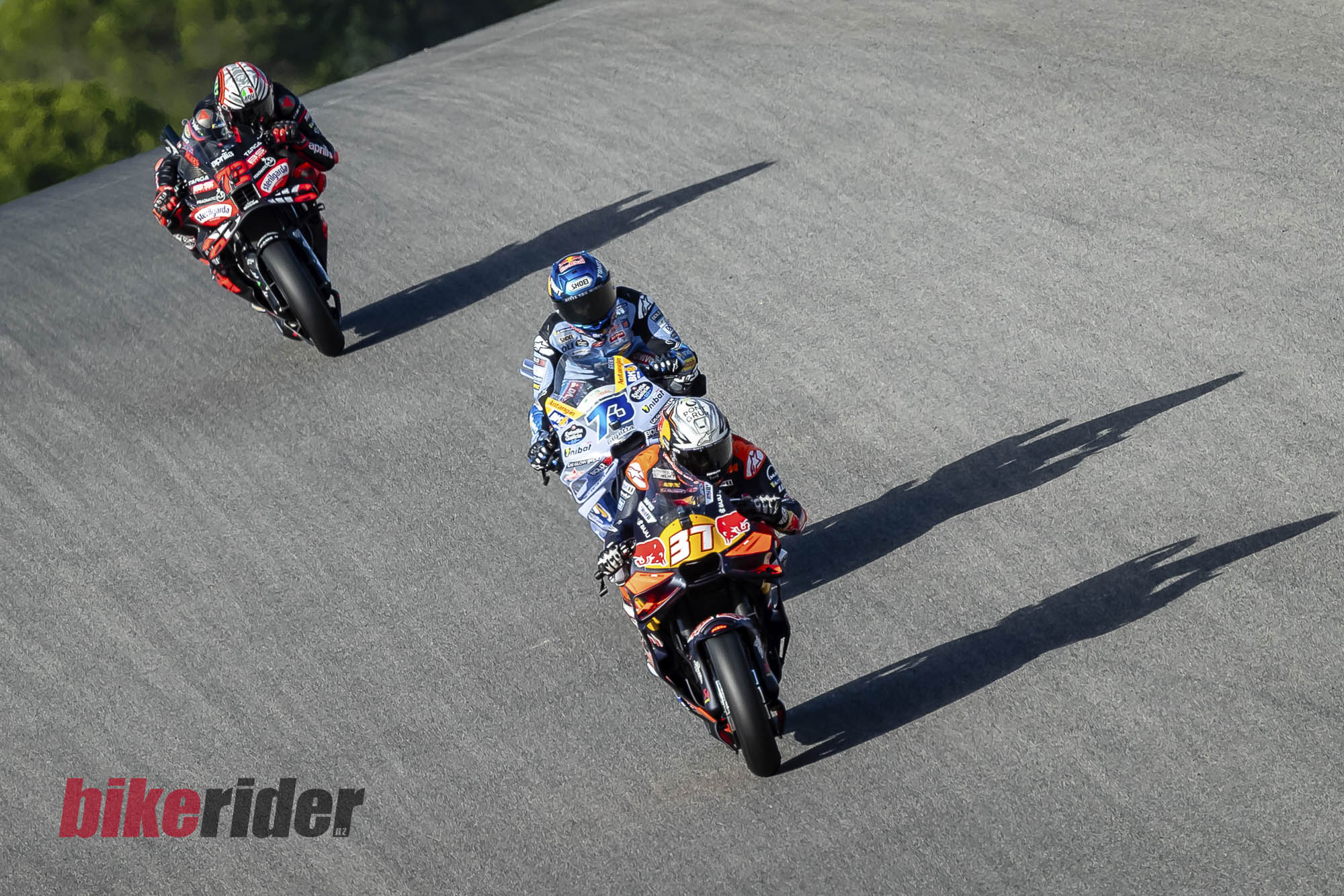
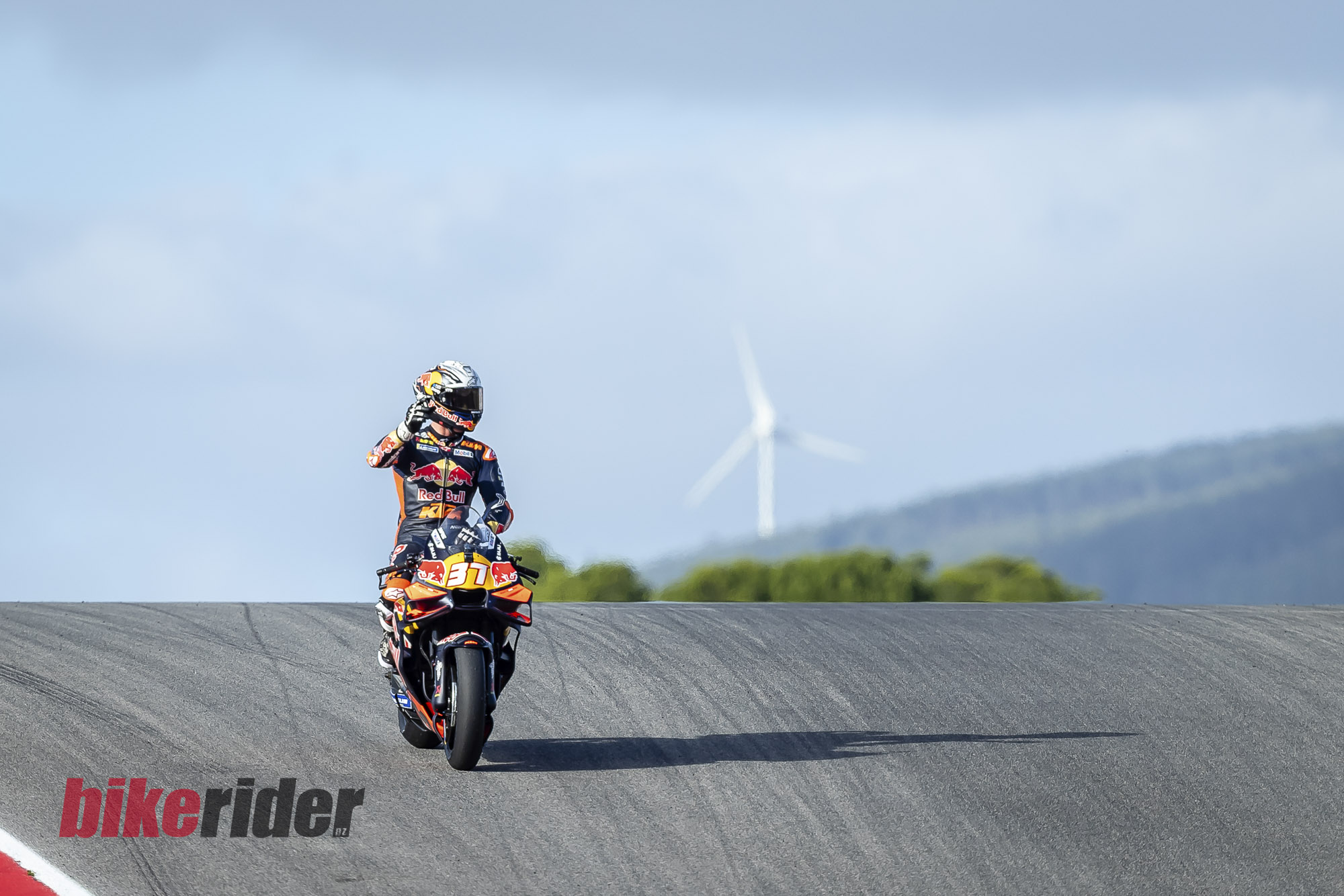
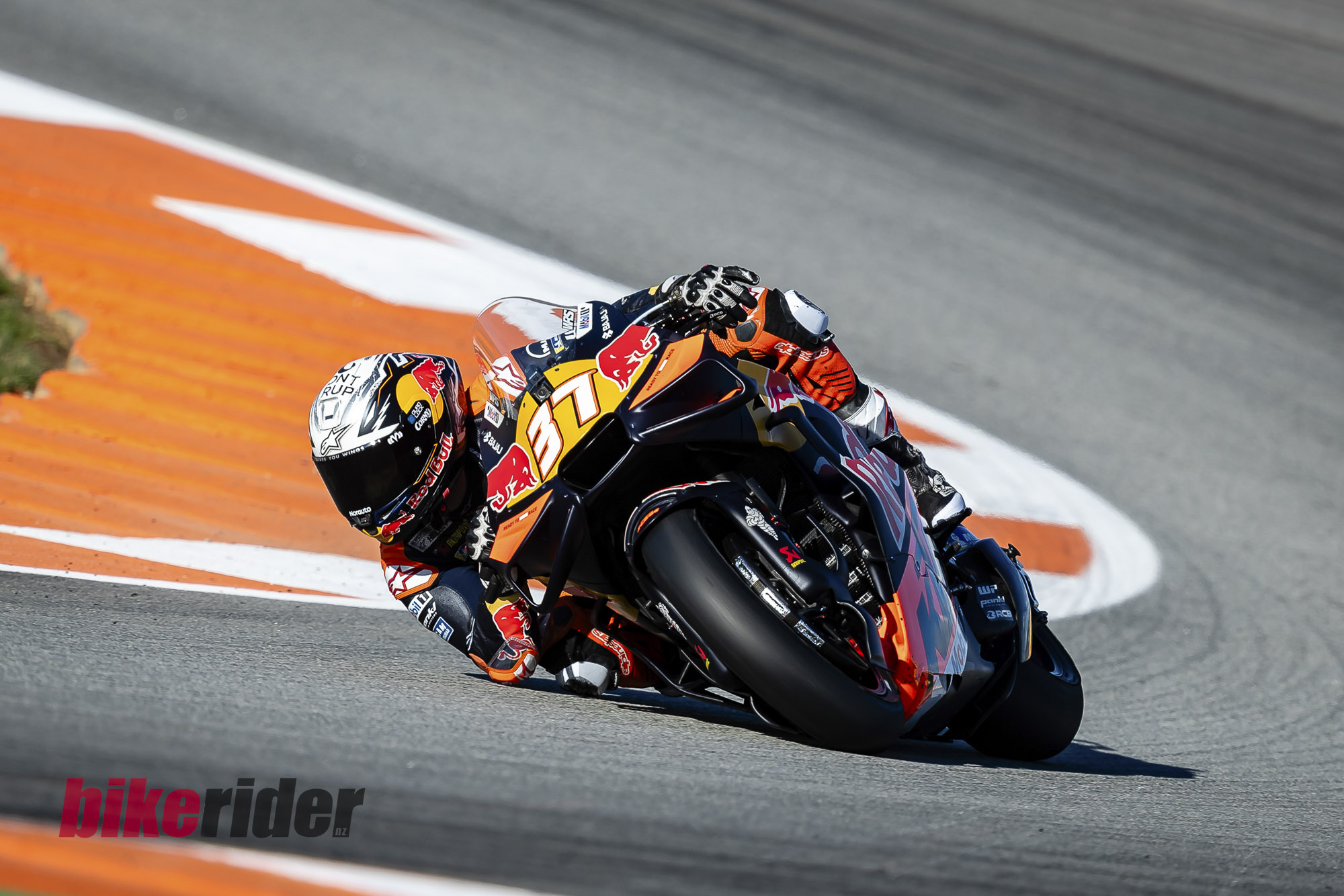
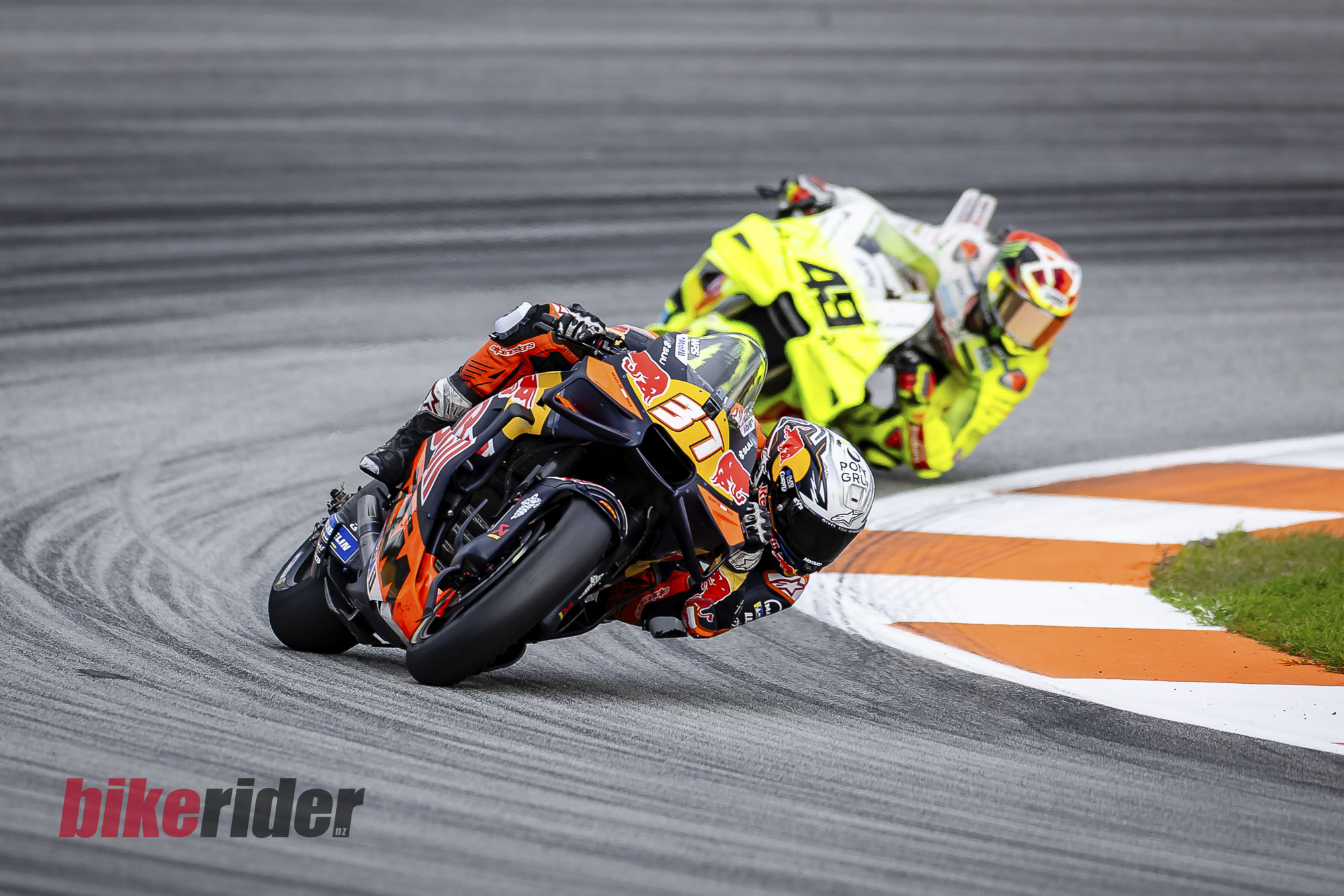
Pedro Acosta described his 2025 MotoGP season as “a wasted year,” a brutally honest assessment that summed up the disconnect between his personal progress and the results delivered by KTM. In his second premier-class campaign, Acosta matured significantly — cutting out unforced errors, improving consistency and sharpening his racecraft — yet the breakthrough victories he expected never arrived. Finishing fourth overall and becoming KTM’s reference rider, Acosta matured significantly — but the RC16 lacked the final step to consistently fight Ducati.
There were clear positives. Acosta became KTM’s undisputed reference rider and finished fourth in the championship, the brand’s best-ever result. Five Grand Prix podiums and strong Sprint performances underlined his speed, particularly after KTM’s mid-season aero update, which unlocked more consistent late-race performance. But for a rider of Acosta’s ambition, podiums were not the goal — wins were.
That gap is where frustration crept in. While Acosta felt he was riding at a level capable of fighting for victories, the RC16 lacked the final step needed to challenge Ducati week in, week out. Watching rivals take maiden wins only sharpened that sense of missed opportunity.
Looking to 2026, the pressure shifts firmly onto KTM. Acosta is widely regarded as a generational talent, but MotoGP careers are shorter and more fragile than ever. If KTM fails to deliver a genuine race-winning package, questions will inevitably be asked about his long-term future. Loyalty has its limits, and Acosta’s window to capitalise on his peak years may be narrow.
If KTM improves, Acosta could become a title contender. If not, 2026 may be the season where speculation about a move elsewhere becomes impossible to ignore.
Breakthroughs, Battles and Records
While Marc Márquez’s historic title comeback dominated the headlines, the 2025 MotoGP season delivered a wealth of memorable subplots. Fermín Aldeguer (BK8 Gresini Racing MotoGP) claimed a commanding maiden victory in Indonesia, becoming the first rookie to win a MotoGP race since Jorge Martín in 2021. Later in the season, Phillip Island hosted another breakthrough as Raúl Fernández secured his first premier-class win, also marking Trackhouse MotoGP’s debut victory.
Indonesia also produced one of the year’s most controversial moments, with a lap-one collision between Marc Márquez and Marco Bezzecchi ending both riders’ races. Although Márquez had already sealed the title, the crash prematurely ended his season and sparked widespread debate.
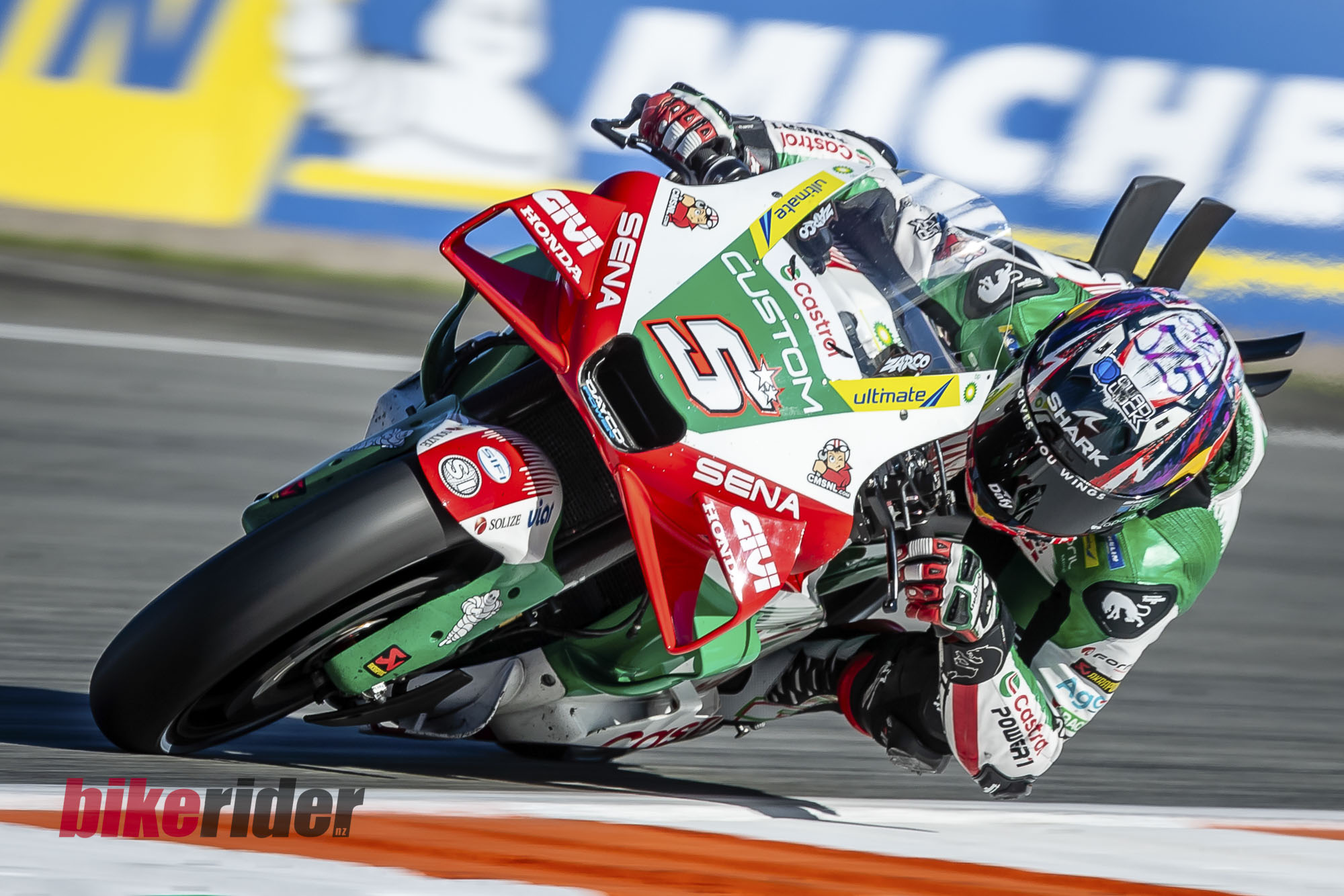
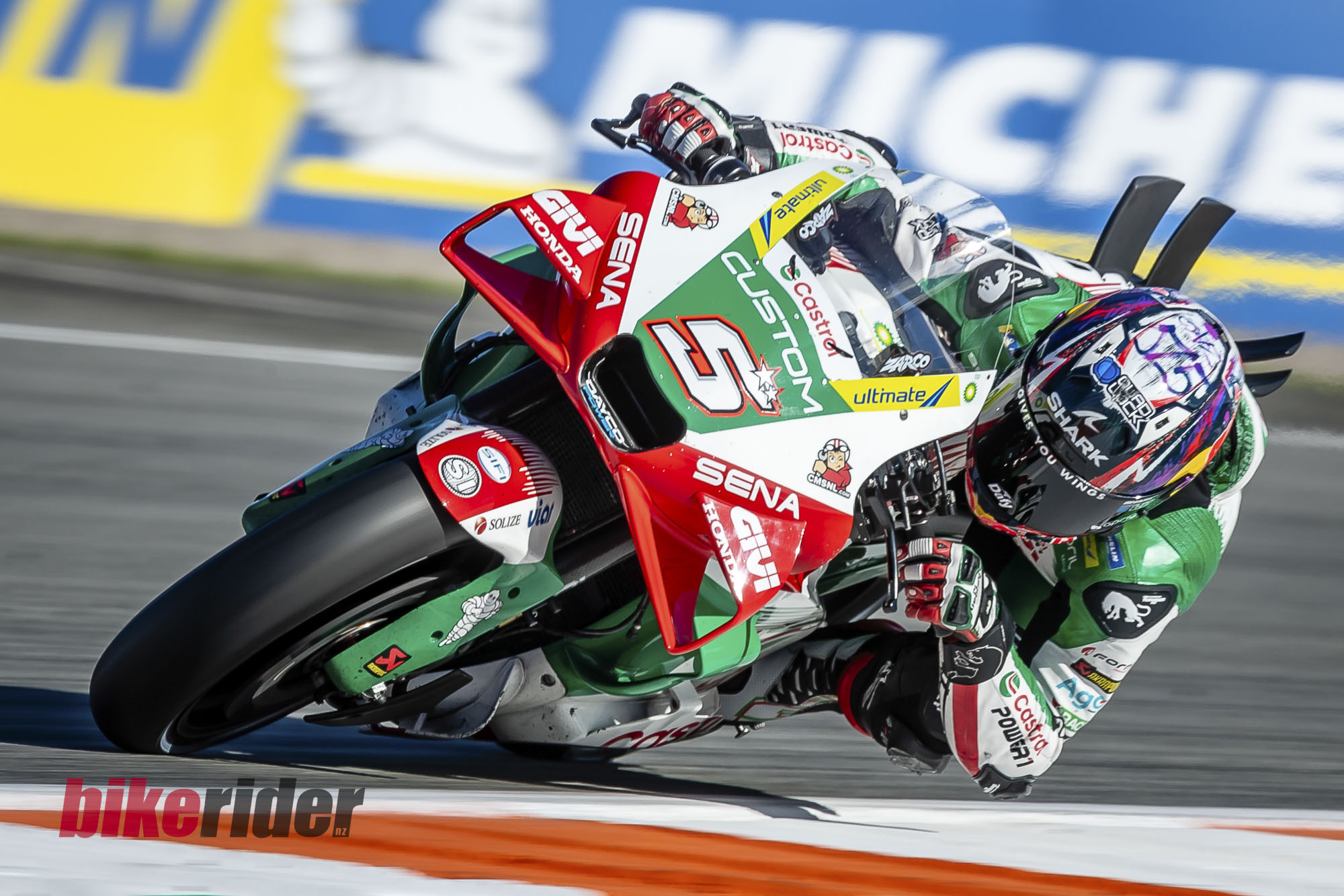
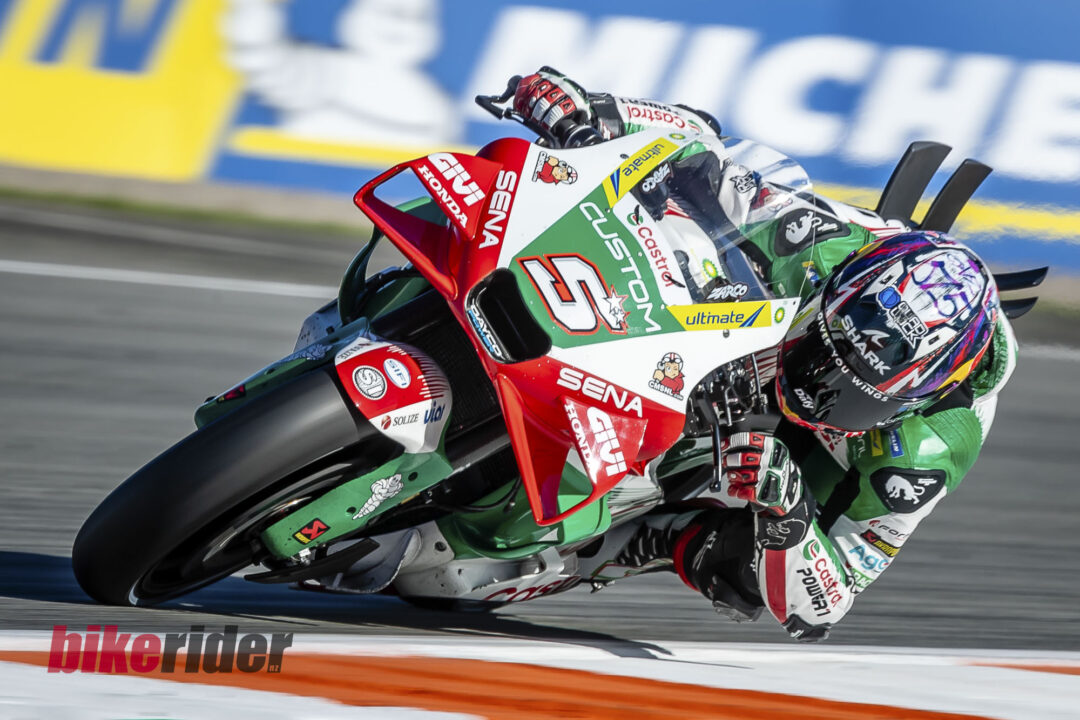
Honda enjoyed rare highlights during a difficult campaign. Joan Mir returned HRC to the podium with strong rides in Japan and Malaysia, while Johann Zarco delivered an emotional home victory for LCR Honda at the French Grand Prix.
The season concluded with history as Marc and Álex Márquez finished first and second in the world championship — a first for brothers in MotoGP.
2026 MotoGP Season Predictions
The stage is set for a blockbuster 2026 campaign — and if the cards fall right, history will be rewritten. This is my prediction…
Marc Márquez will complete one of the greatest comebacks in motorsport history, claiming his eighth MotoGP World Championship. Once again, his closest challenger will be family, with Alex Márquez emerging as his main rival, while Marco Bezzecchi completes the top three after another year of relentless progress.
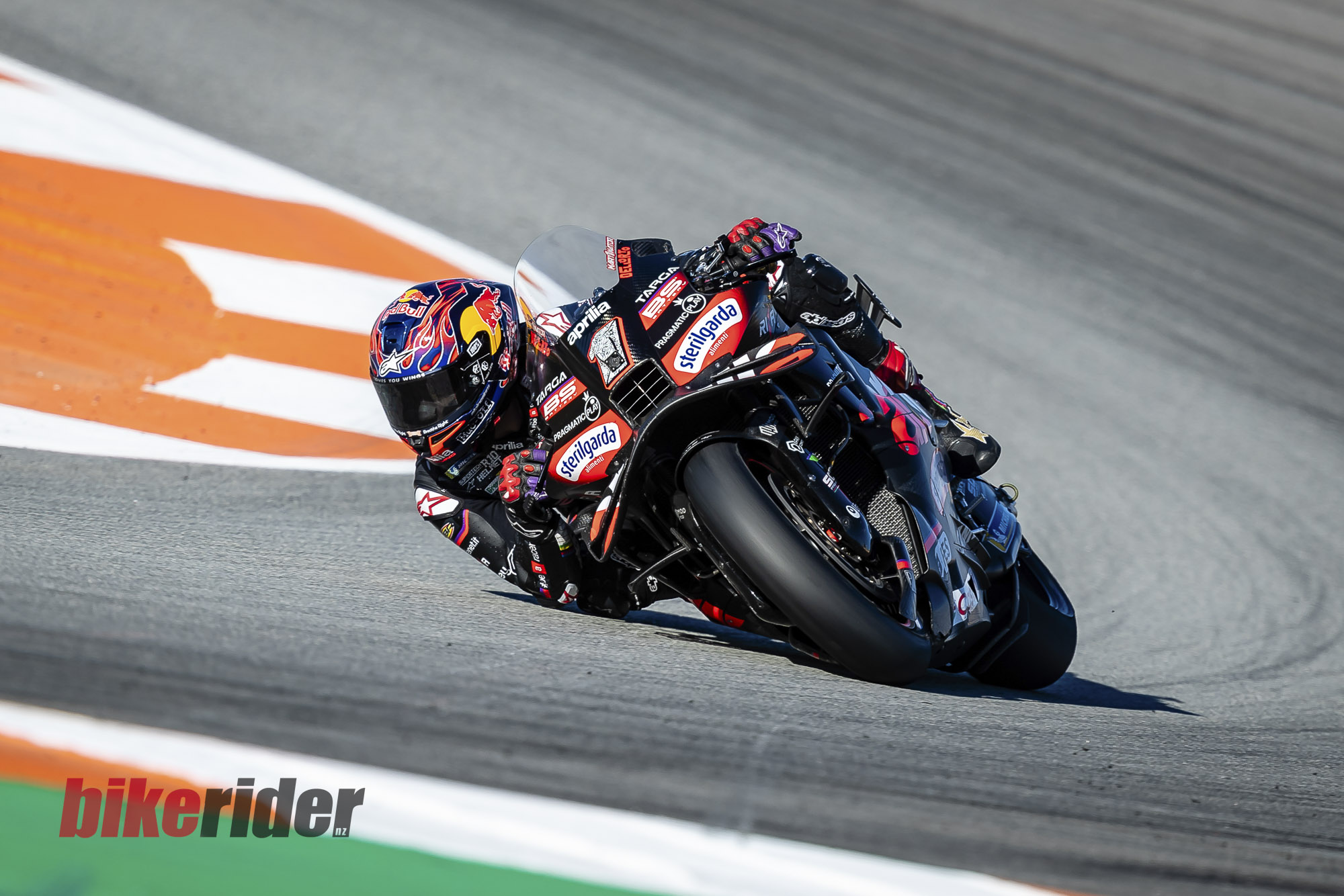
For Jorge Martín, 2026 will be solid rather than spectacular. The raw speed will still be there, but over a full season, he’ll be outscored by Bezzecchi — whose extra year of experience developing the Aprilia will prove decisive when consistency matters most.
Francesco Bagnaia is set for a tale of two halves. Expect a strong, confident start as he reasserts his class — but Ducati is ruthless, and by season’s end, the writing will be on the wall. With younger talent knocking, Bagnaia will lose his factory seat for 2027.
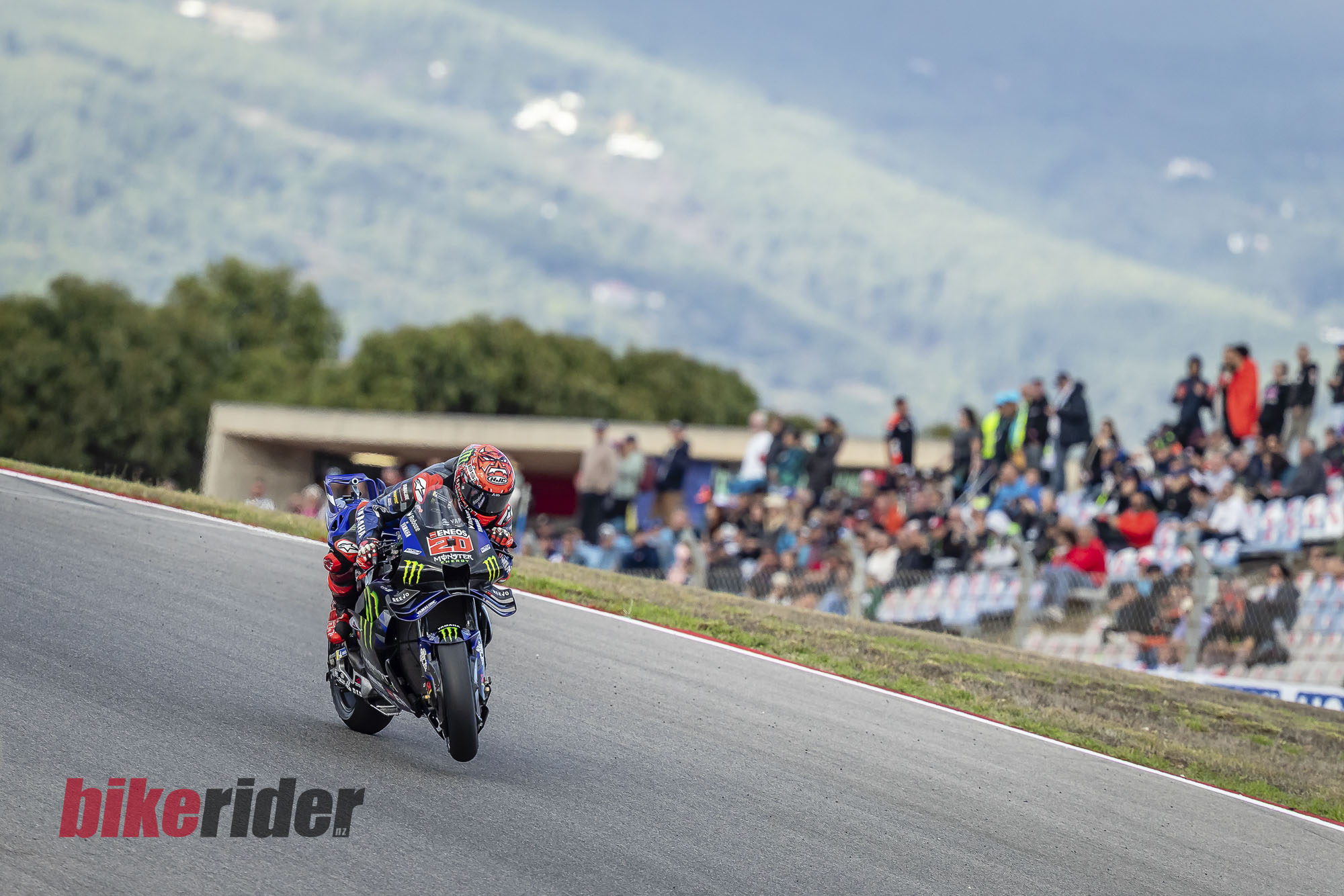
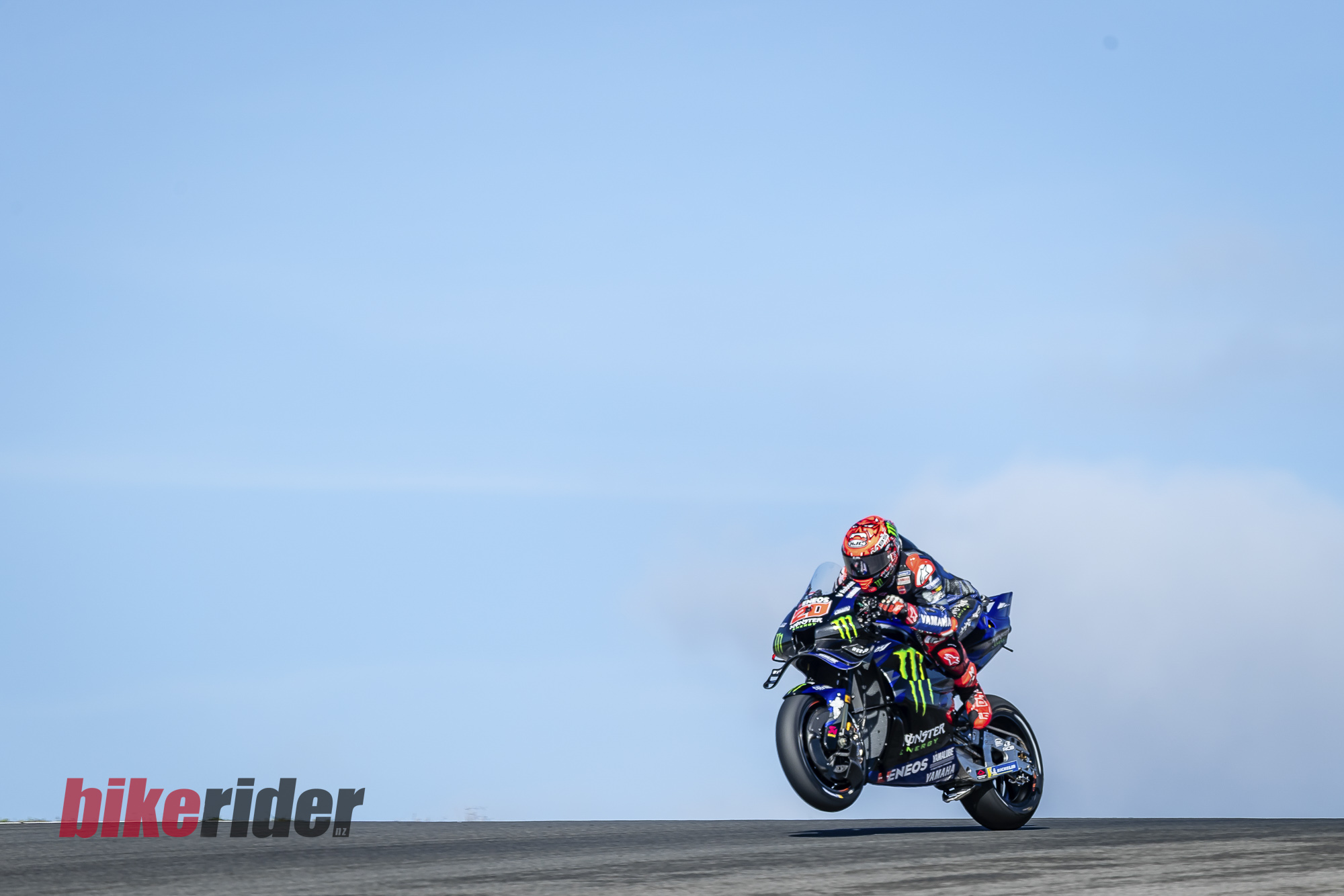
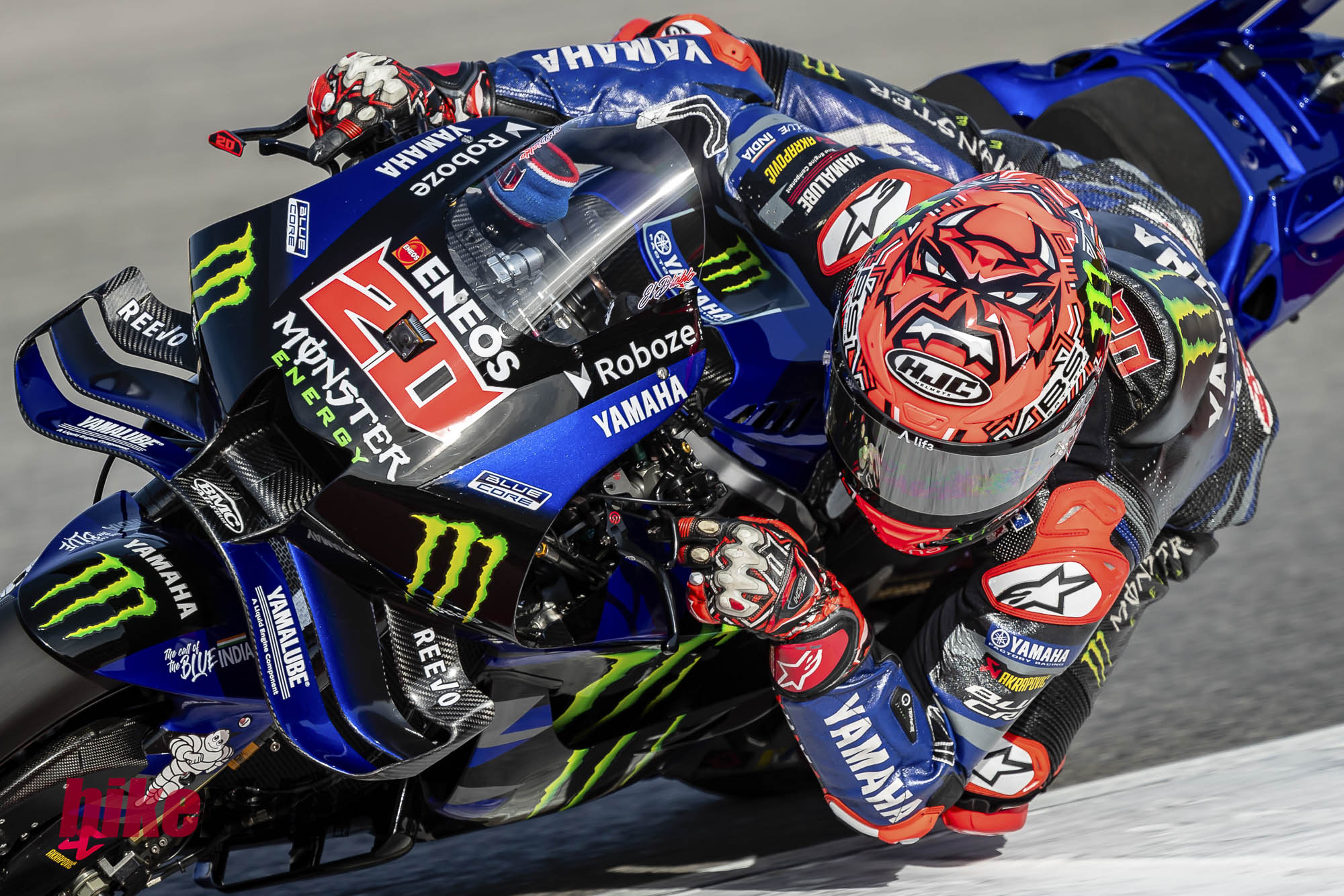
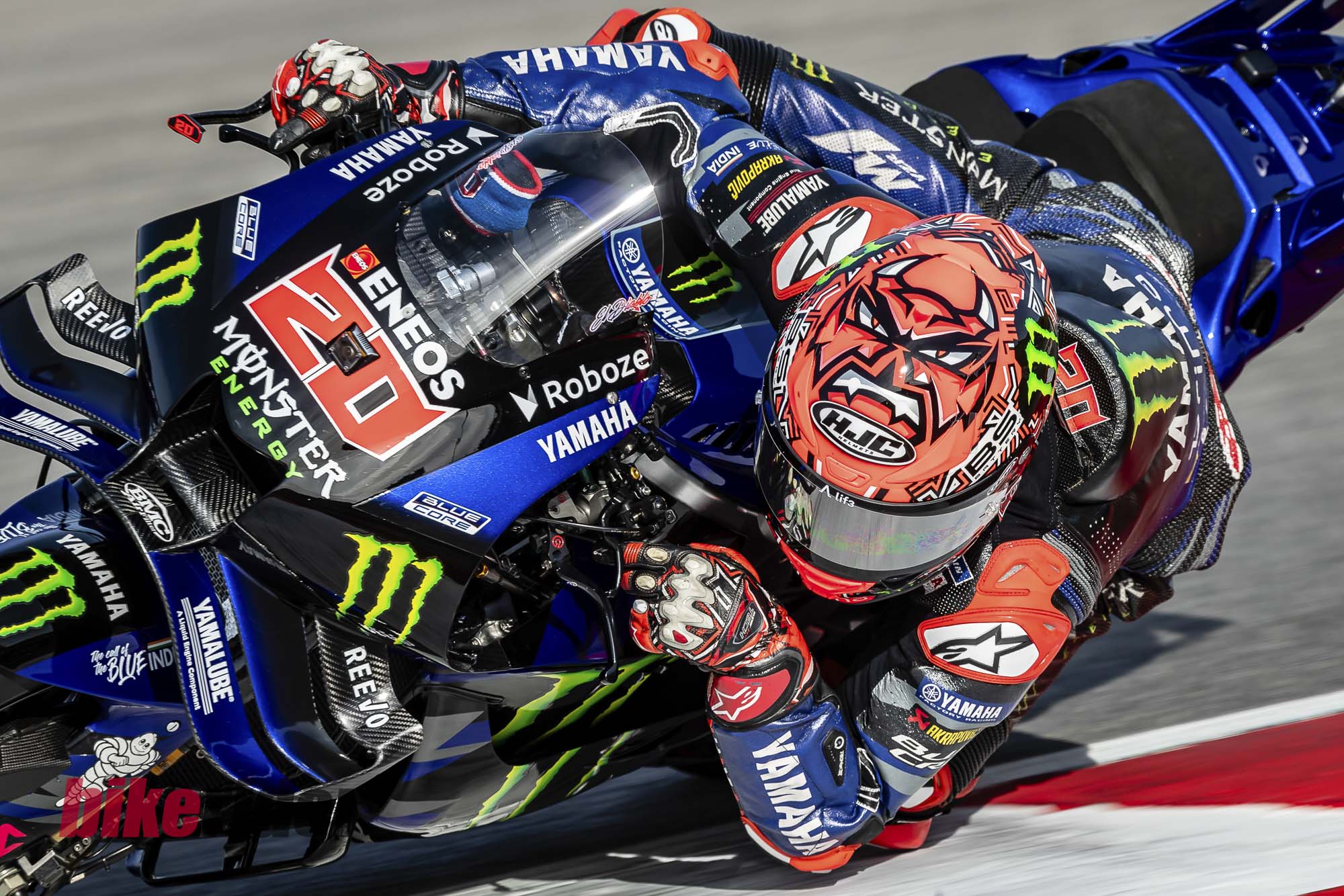
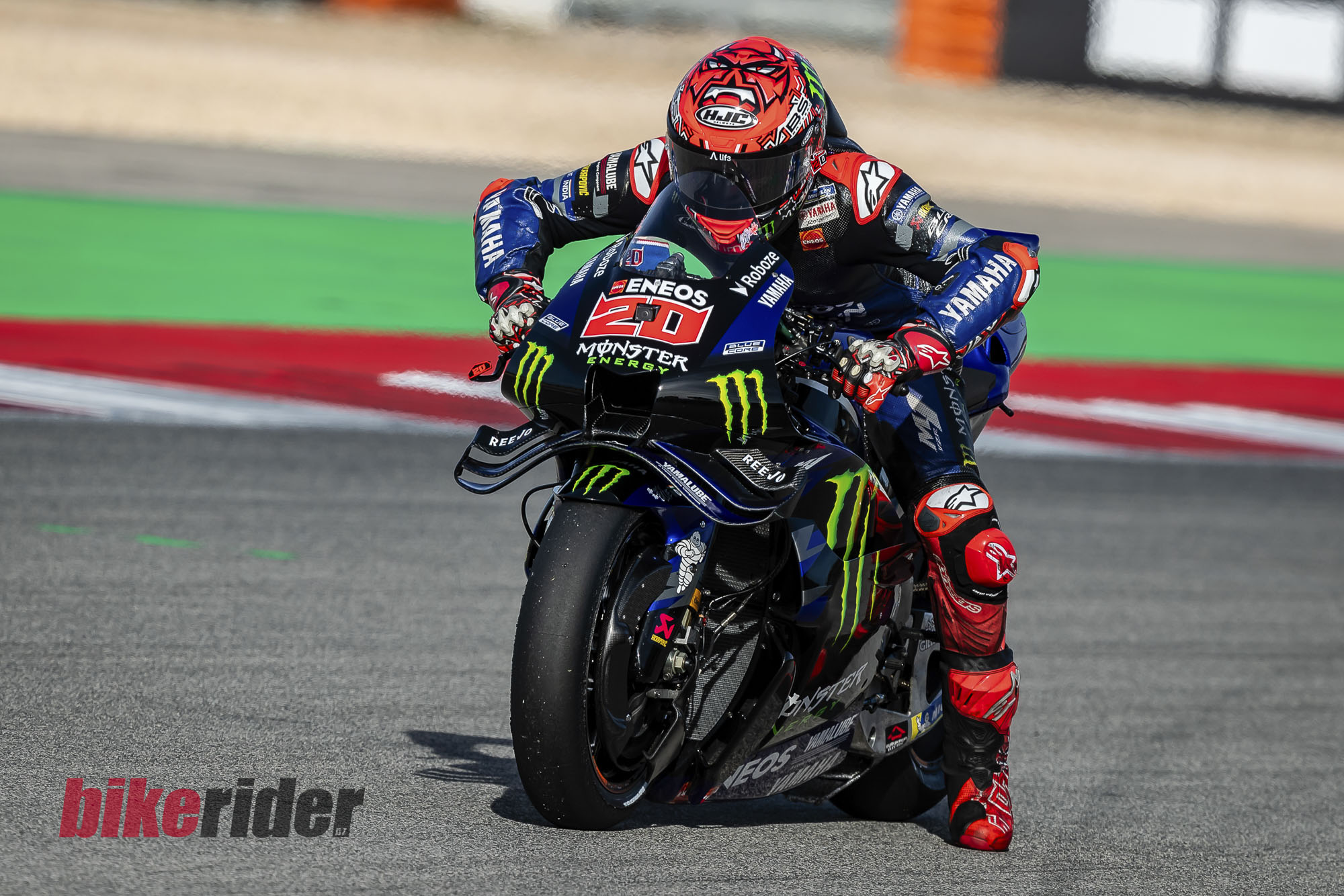
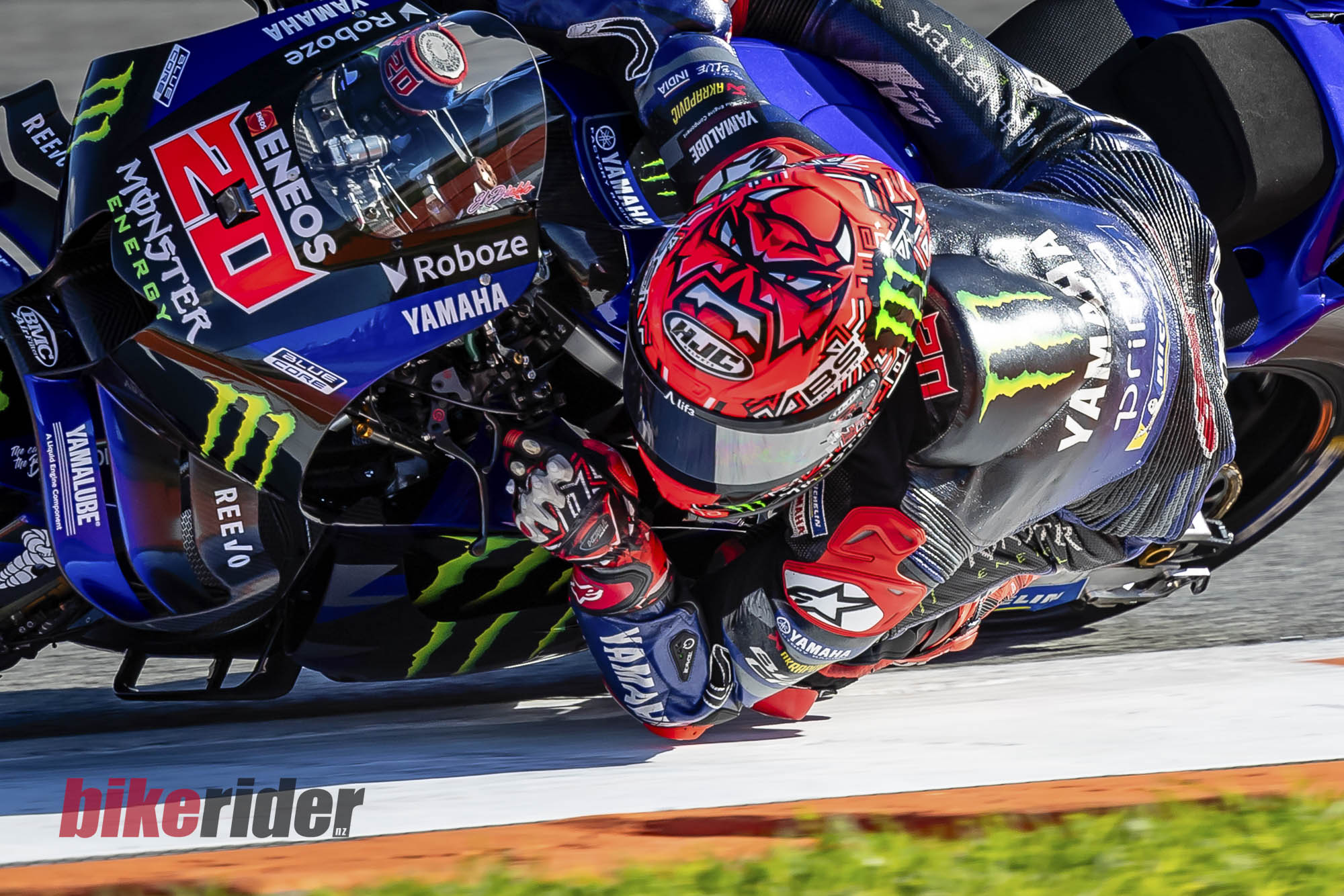
After years of frustration and unfulfilled promises, Fabio Quartararo will finally call time on his Yamaha chapter. The speed remains, but belief doesn’t — and 2026 could mark the end of an era.
All eyes will also be on Toprak Razgatlıoğlu. The transition won’t be instant, but expect a top-10 finish in the first half of the season and a top-five result before the year is out, proving he belongs on the biggest stage.
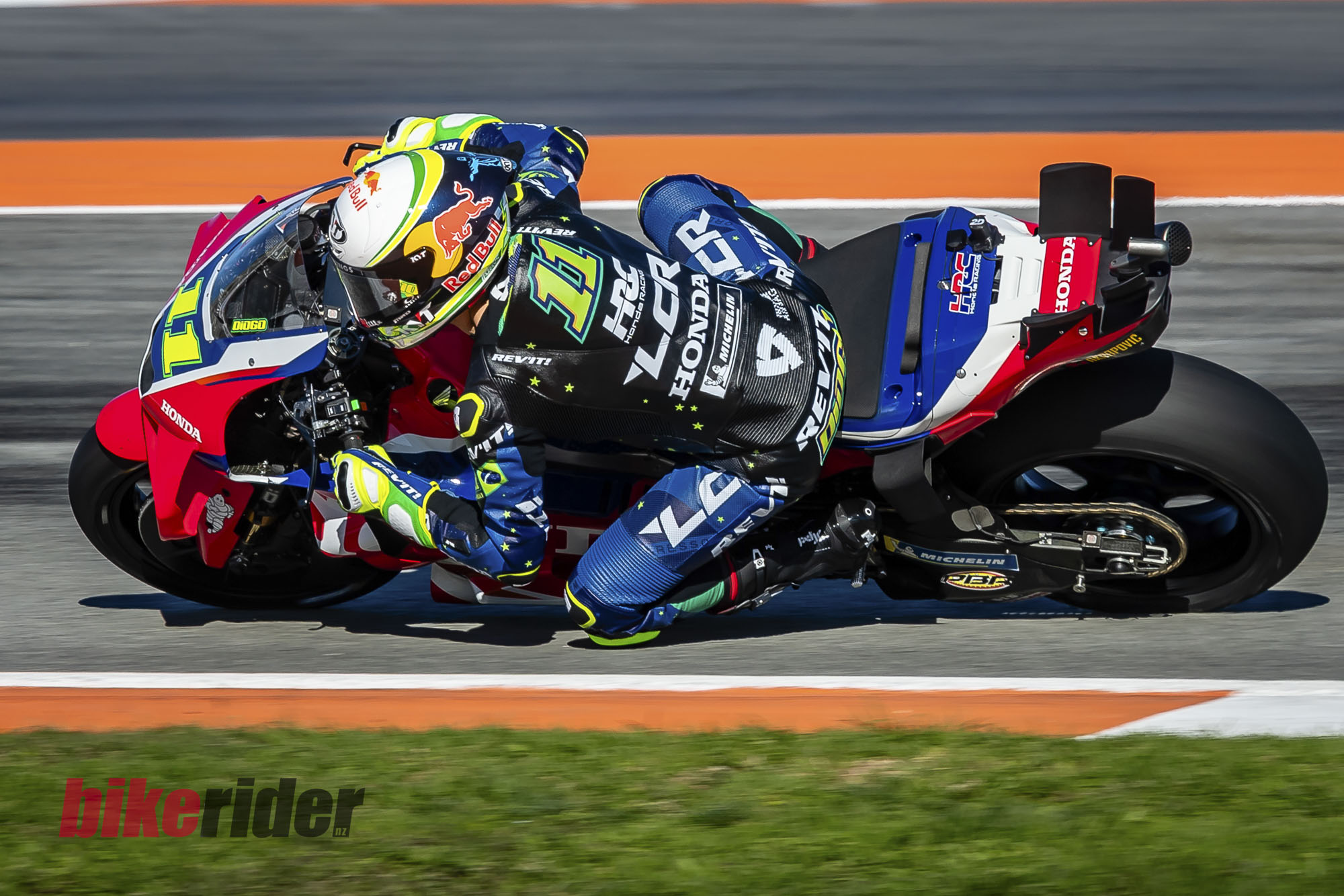
Another fresh name joining the MotoGP grid in 2026 is 2025 Moto2 World Champion Diogo Moreira, who makes the step up with the CASTROL Honda LCR Team. The highly rated Brazilian arrives with significant momentum, but expectations will be measured. While flashes of raw speed are likely, consistent top-ten finishes are unlikely in his debut season as he adapts to the physical demands, power delivery and race management required by the heavier, faster MotoGP machinery.
For Moreira, 2026 will be a year of education rather than results — learning tyre management, electronics, and the intricacies of racing at the highest level. However, Honda will be watching closely. If he progresses steadily and delivers strong development feedback, a promotion to the factory Honda team in 2027 is a realistic possibility, positioning Moreira as a key part of the manufacturer’s long-term future.
With sweeping rule changes and new bike regulations arriving in 2027, 2026 won’t just be about titles — it will be the year that shapes the next generation of MotoGP. Expect bold moves, surprise switches and a few riders returning to familiar pastures as the paddock prepares for a new era.
Those are my predication for 2026. What are your thought…?

MotoGP GALLERY