
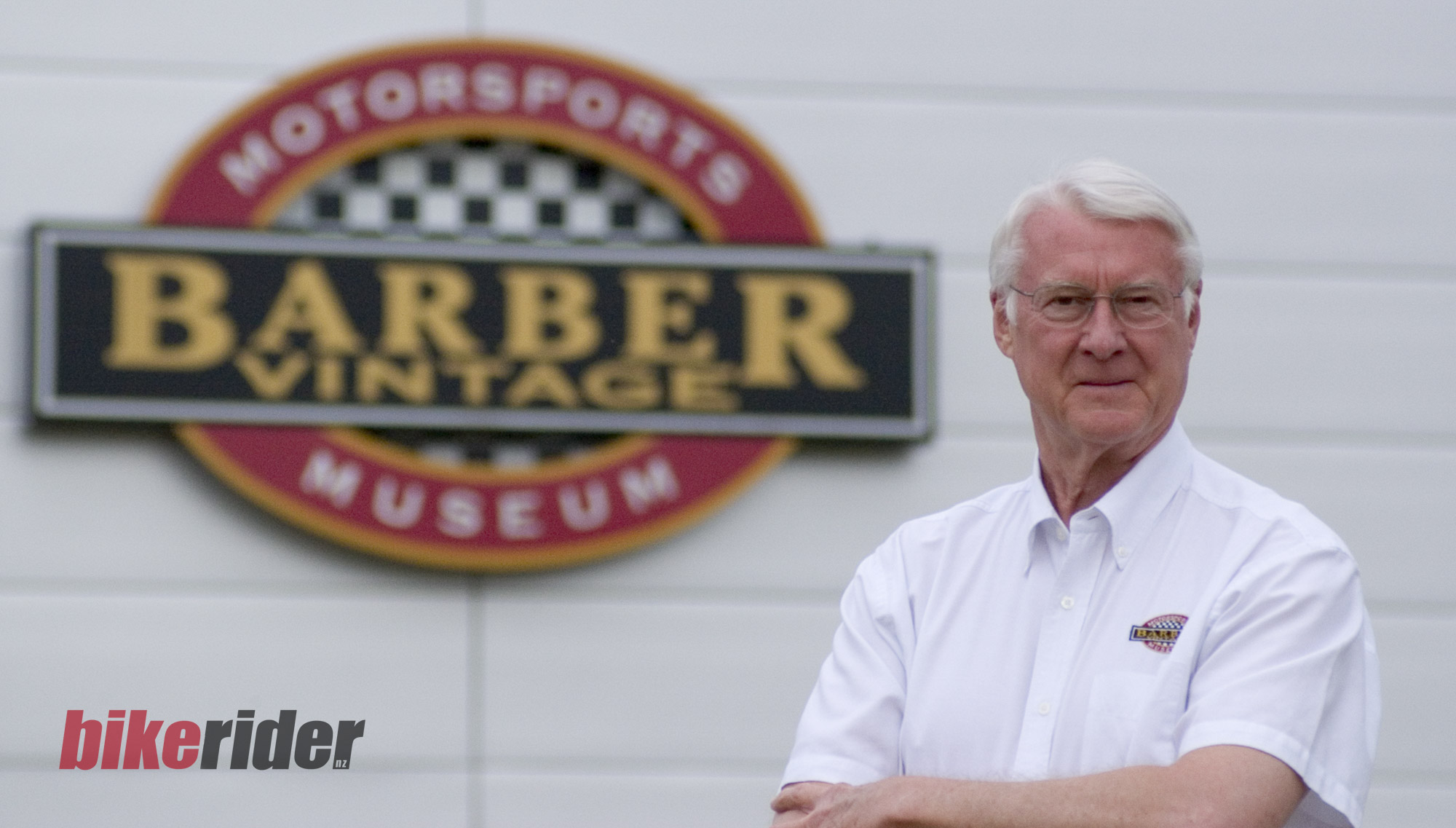
- Founder of a Legendary Museum – George Barber created the Barber Vintage Motorsports Museum, now home to more than 1,000 motorcycles and the world’s largest Lotus race car collection.
- Racer Turned Visionary Collector – Before becoming a museum founder, Barber was a successful racing driver in the 1960s, winning 63 races and multiple SCCA championships.
- A Legacy for Motorcycling – The Barber Museum remains a fully funded non-profit foundation, ensuring the world-class motorcycle collection continues long into the future.
George W. Barber, Jr., founder of the Barber Vintage Motorsports Museum in Birmingham, Alabama, died on Sunday, February 15, following a brief illness. He was 85 years old. Alan Cathcart looks back at his incredible achievements.
Courteous and correct, yet clearly fired by an inner passion for doing whatever in life he chose to accomplish to the best of his ability, George Barber was the man we all dream of becoming. The Alabama businessman made a success out of everything he did in life. He began racing cars in 1960, aged 20, and soon proved he wasn’t just a rich kid who wanted to show off, but a seriously good driver who won 63 races and successive SCCA Divisional Championships, against stiff opposition including Dan Gurney and Peter Gregg. Moreover, he actually prepared the cars himself. “I did all my own work, and was pretty expert mechanically,” he stated proudly. But in 1970 George’s father passed away, which put an end to his racing career since, as the eldest of four children he henceforth devoted himself full time to running the family milk business, Barber Dairies.
The seed corn of the Barber Motorcycle Collection was a 1952 Victoria Bergmeister V-twin which an employee restored for him after running out of parts to renovate their vintage milk trucks. “This made me see how a motorcycle is really a piece of mechanical art which wears its technology on the outside,” said Barber. “Having always done all the work myself in preparing my own race cars, I began to fall in love with the mechanics of motorcycles, so in 1991 we started buying bikes to form the basis of a collection.”
Barber swiftly amassed an array of over 100 motorcycles. He incorporated the Collection as a non-profit entity in 1994, and began looking for somewhere to house it. In 2003 he opened the Barber Vintage Motorsports Museum, set alongside its own daunting but scenic 17-turn 2.38-mile [3.83km] race track set in an 880 acres/360ha site. Today, the 230,000ft² [21,400m²] Barber Vintage Motorsports Museum display comprises over 1,000 machines of every type, with another 500 bikes held in reserve, alongside the world’s largest collection of Lotus racing cars. When the collection reached 1,000 vehicles, Barber was asked if he planned to stop. “Heck, no,” he replied. “I’m having too much fun. We’ll keep going.’” The Barber Museum Extension opening in 2017 provided over 50% more display area, which allowed George Barber to finally display the extensive collection of dirt bikes he’d been building up in his cellars.
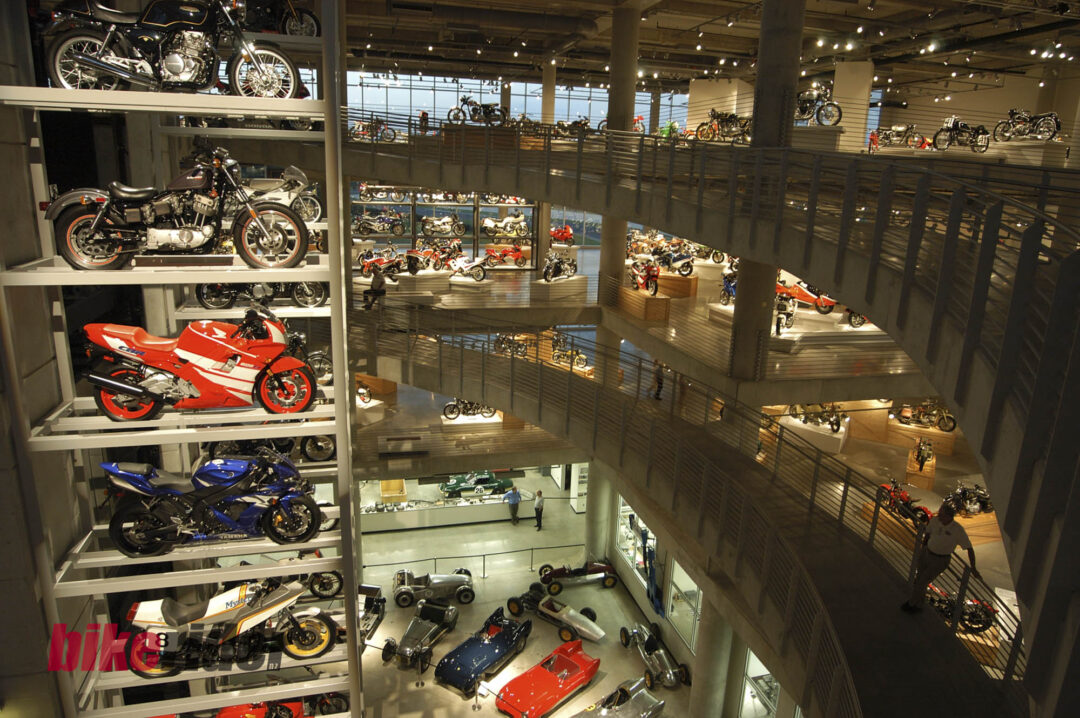
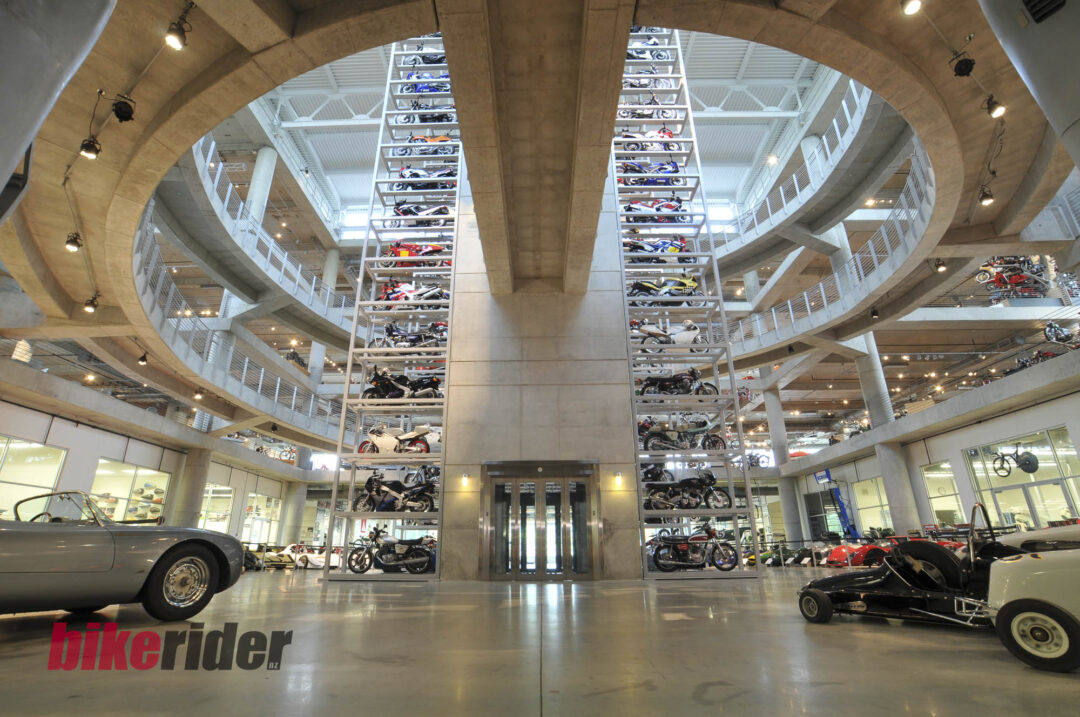
The Barber Museum’s spiral layout with a central elevator is often compared to the Guggenheim Museum in New York – but George Barber, who conceived the entire building himself, insisted that his inspiration was a parking lot in downtown Birmingham! “You drive round in a circle to go up or down, and you can peel off and go to various floors on the way,” he said. “So I thought, ‘Why don’t I do it a little bit smaller, made for people not cars, and they can peel off and go to the various floors they want to visit. I also love it being staggered, so when you stand here, you can look into three different floor levels, and wonder how to get there, and what awaits you. So it’s not like so many other museums, where you walk in the front door and you’ve seen everything, [plus] they have the bikes just lined up in rows side by side, and you can’t see them properly – they’re just a bunch of dead motorcycles, set all in a line. We’ve specifically addressed that with our layout.”
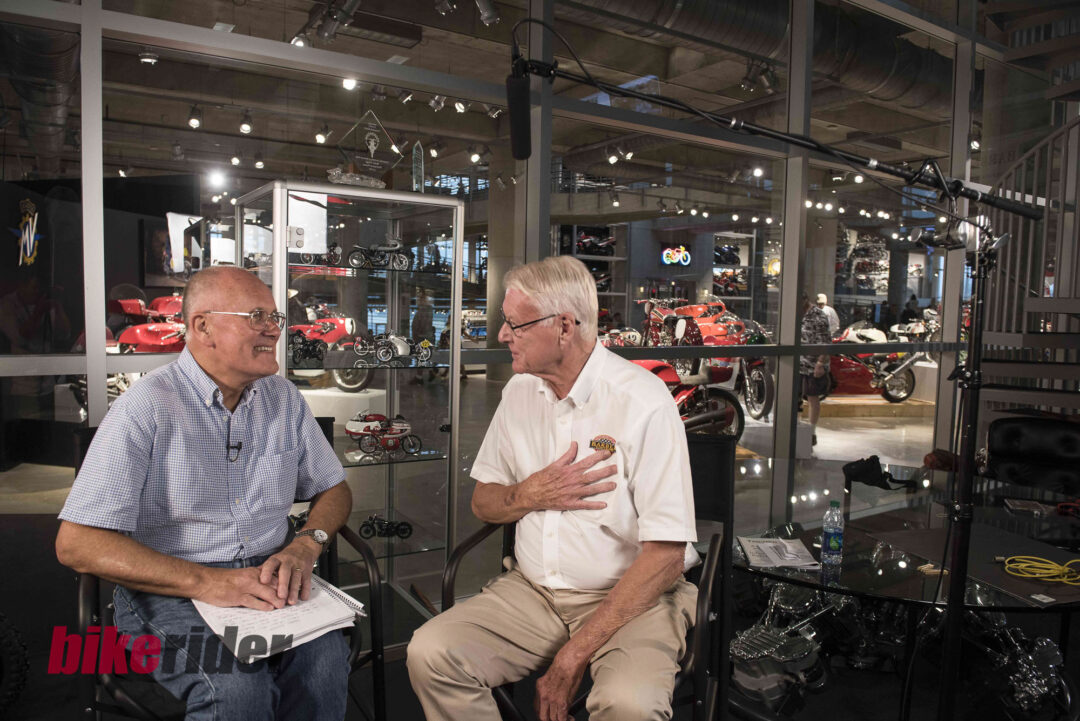
Museum visitors were often astonished to find themselves talking to George Barber himself about their mutual passion, as a frequent visitor despite the Museum being only a small part of his overall total business. “I love to be here,” he said.“I come after work most days, in the late afternoon around 4pm. I spend as much time as I can here, and I love to meet visitors from all over the world and talk to them. It’s amazing to me that just in passing, they’ll come and shake your hand or pat you on the back and say, “Thank you, I’ve enjoyed this so much.” I’m gratified they’d take the time to do so, because I’ve had even more fun creating it than they’ve had in coming!”
George Barber always declined to reveal how much money he’d invested in creating the Museum. “I really don’t like to,” he said, “and in not doing so, people generally put a much larger figure on it than what it really is. So I just keep my mouth shut and let them guess if they want to, knowing that the estimates they’ll end up with are way out of line.” Still, enthusiasts must be glad that George decided to do this instead of building another apartment block or boat harbour – but what will happen to the Barber Museum in the future, now that he’s sadly no longer with us?
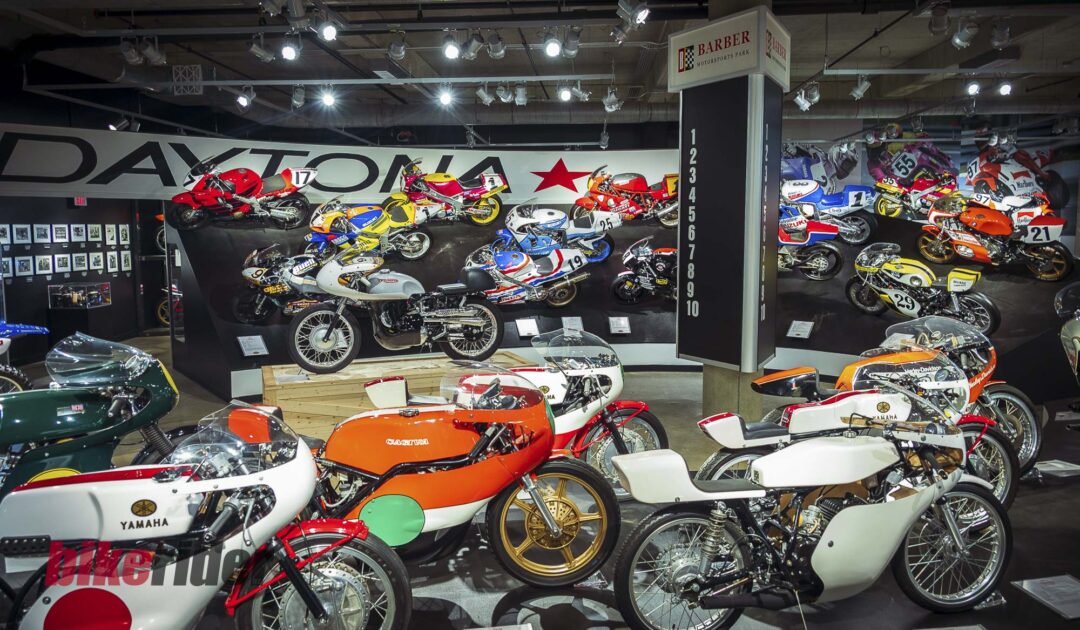
“Well, it’s a 501C3 Foundation, so a not for profit entity, and it’s fully funded – so this thing can go on and on until people get tired of motorcycles, and don’t want to come here anymore,” he told me before his passing. ”OK, you say that’s unlikely – but things are changing radically, and it’s concerning to me that so many youngsters today….have lost interest in mechanical items. Look at our visitors and our crew out here, we’re all older rather than younger. I don’t see youngsters getting really interested in bikes. You’ve got to have a computer and access to an ECU to even think about tuning the things. I’ve talked to manufacturers and told them, “Make a simple bike with a carb and a distributor, that a guy can tinker with.”
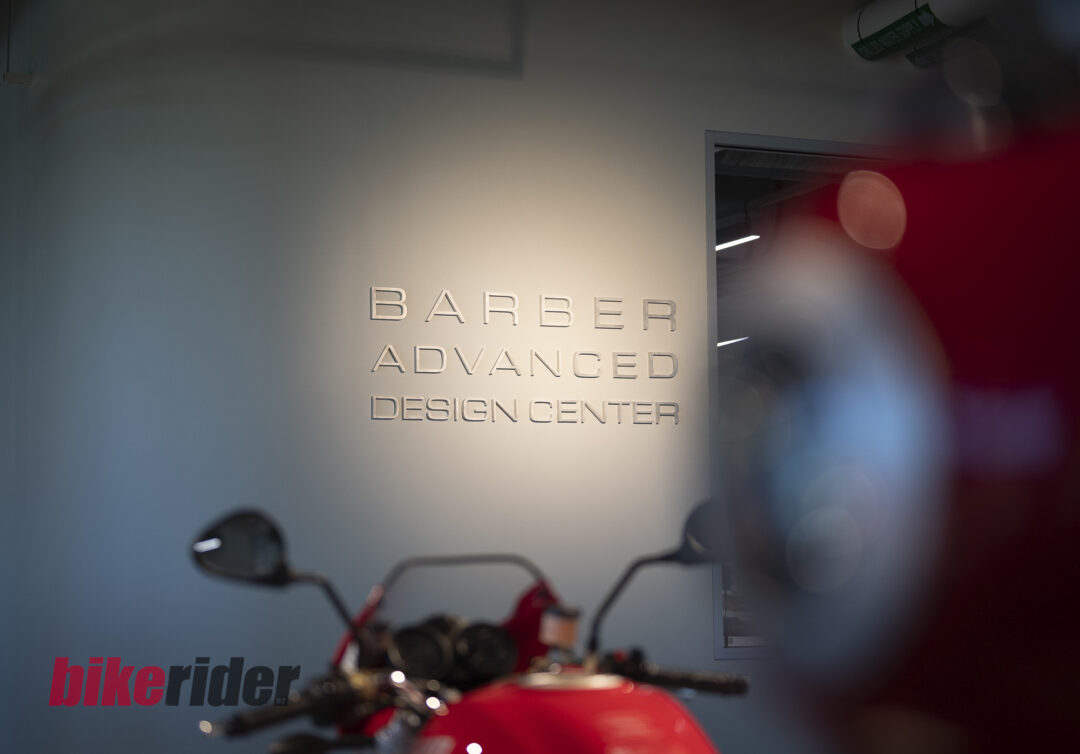
It was in the spirit of that desire to promote future conventional motorcycle design that in 2022 George Barber established the new 11,000ft² [1,020m²] Barber Advanced Design Center. This high-tech workspace located on the top floor of the Barber Museum facilitates future-facing state-of-the-art industrial design, as part of his intent that the Museum should be more than just a showcase for automotive history, that’s also set to look into the future, too. “The intention of the new Center is to encourage and explore design via the latest computer-aided resources, as well as old school clay modelling, with the capacity to turn concepts into product reality,” George said. “We need people to think beyond what’s happening today, and see how we can improve on it.”
While George Barber never married, his life was defined by a deep sense of kinship with those around him – to him, his employees were his family. This commitment was evidenced by his personal touch; he marked every employee’s birthday and work anniversary with a personal phone call, and maintained a genuine interest in their lives and well-being. Guided by a quiet humility, his philanthropic reach extended to more than 90 organisations across the state of Alabama, as a testament to his desire to elevate others rather than himself. He funded more than 500 full-tuition College scholarships, and built a culture of mutual care and loyalty within his businesses, frequently stepping in to support his employees and friends during times of need.
But was there anything George Barber would have liked to have done differently in creating the Barber Vintage Motorsports Museum? “I’d like to have done it faster, that’s all! But other than that, no. It’s a dream come true. The Guinness Book of World Records says it’s the World’s best museum for motorcycles. I’m delighted to be a part of creating that.”
George Barber’s heritage will surely continue to live on long after his passing.
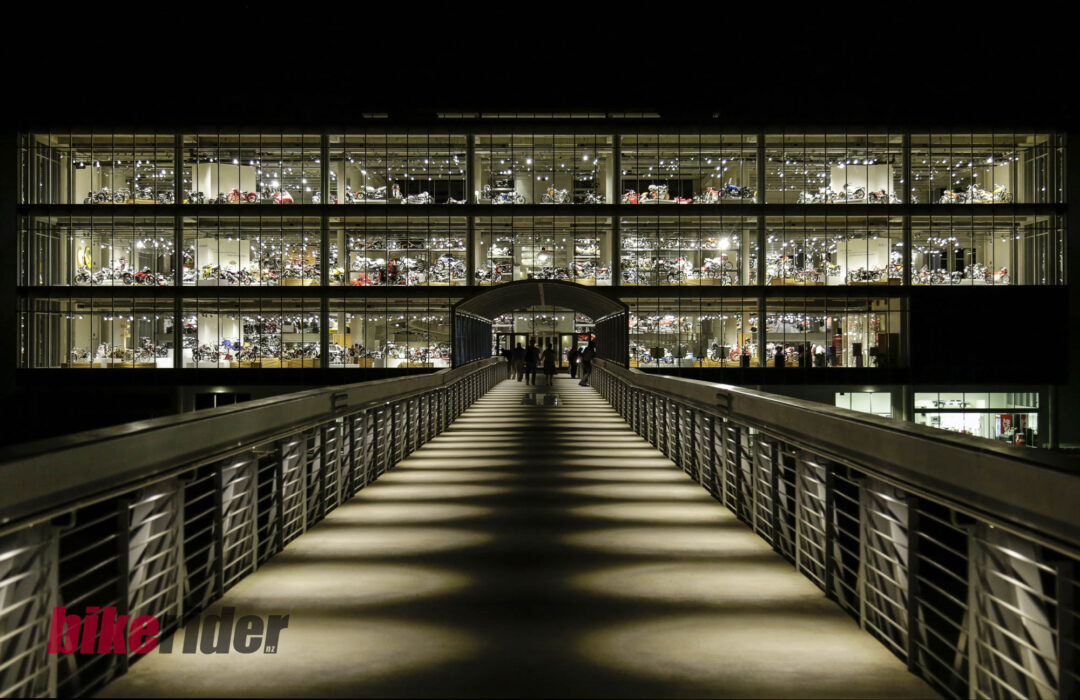
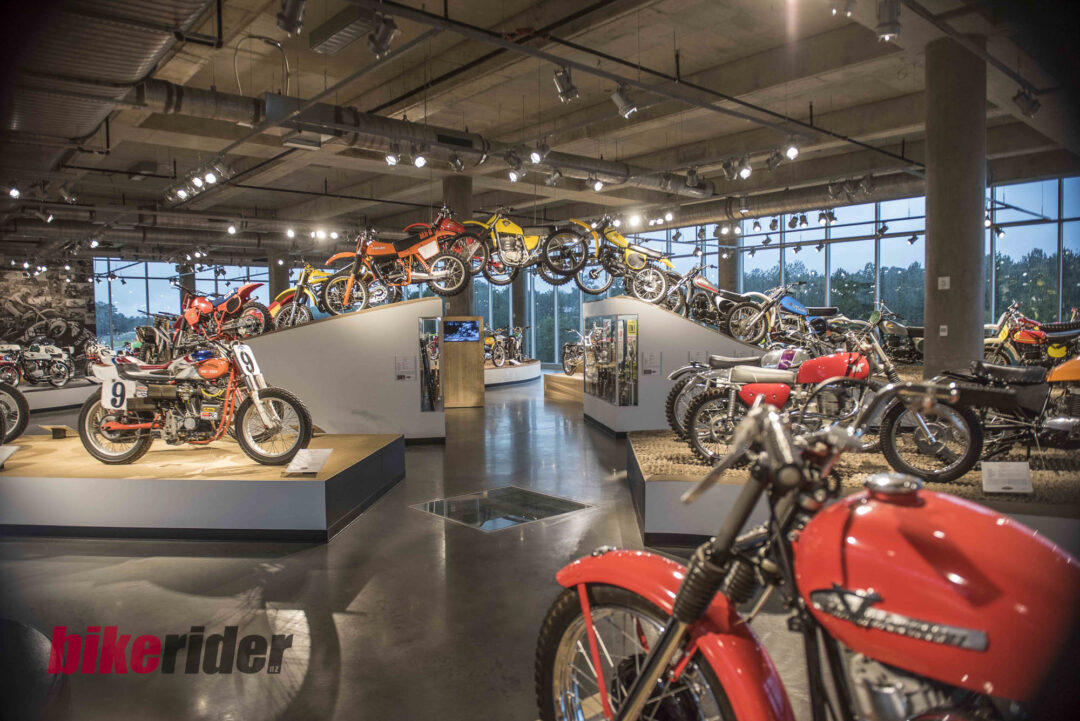
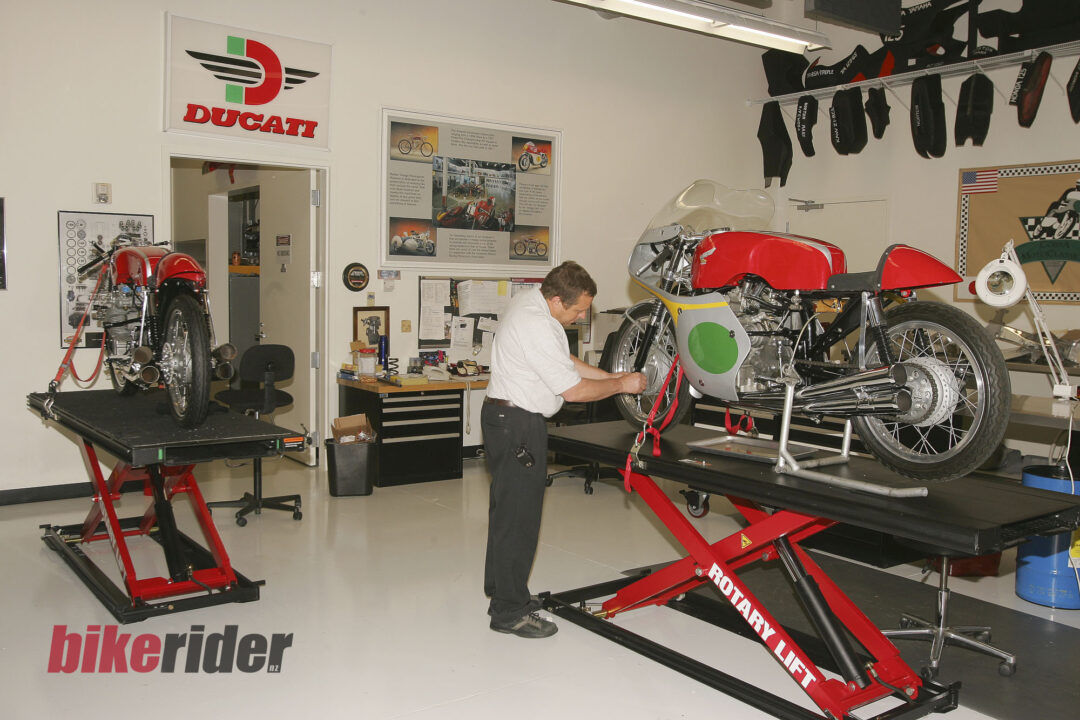
Photo credit: Phil Hawkins, Kel Edge & Barber Motorsports