


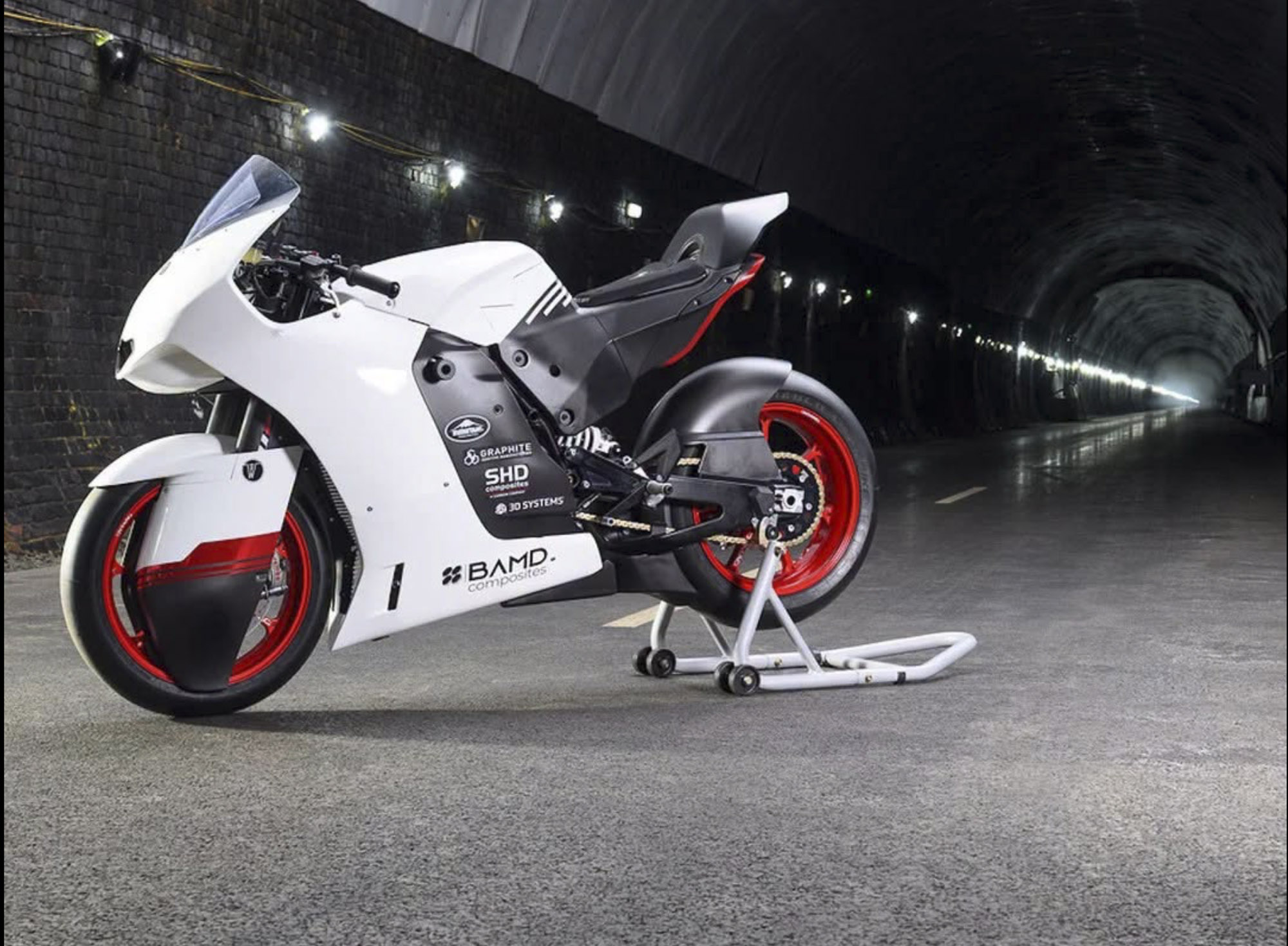
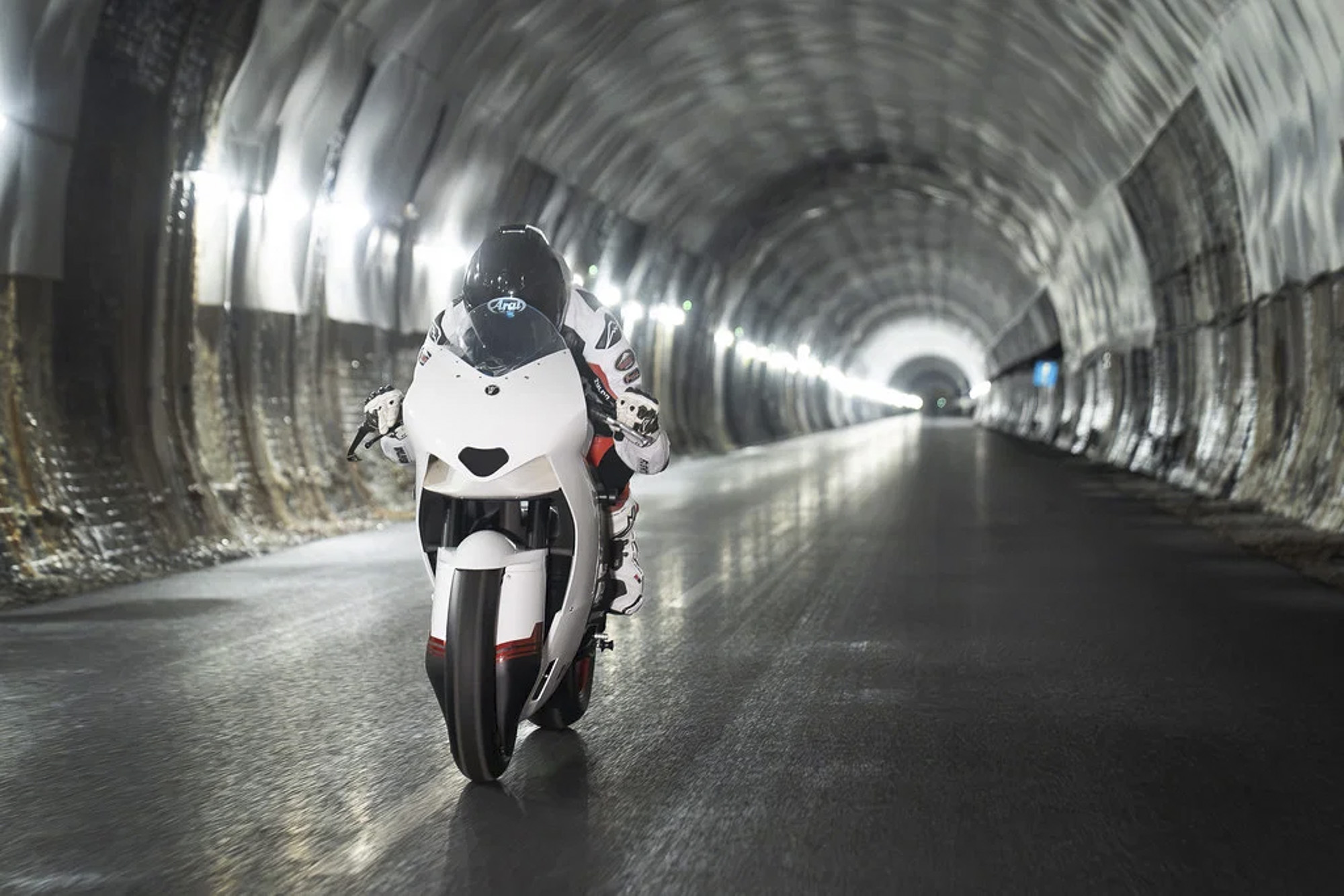
A supercharged Yamaha motocross engine, a Krämer race-bike chassis and a tunnel running straight through the motorcycle. The WMC Mono RR takes a very different approach to going faster.
There are plenty of ways to make a motorcycle faster. You can add more horsepower, strip away weight or spend a small fortune on carbon-fibre wings. But British engineering company White Motorcycle Concepts (WMC) has come up with another approach: why not let the air pass straight through the motorcycle instead of pushing it all out of the way?
That’s the thinking behind the WMC Mono RR, a radical sports bike demonstrator that combines a supercharged 449cc Yamaha single-cylinder engine with a patented aerodynamic duct running through the centre of the machine.
And according to the company’s computer simulations, the results are impressive.
- The WMC Mono RR uses a supercharged 449cc Yamaha engine in a modified Krämer EVO2 690R chassis.
- Computer simulations indicate 16.4% less aerodynamic drag and 77% less lift than the original motorcycle.
- WMC is targeting 100hp and 100kg in its second development phase, although those figures have yet to be achieved.
QUICK FACTS
Base motorcycle: Krämer EVO2 690R
Engine: 449cc Yamaha single
Supercharger: Rotrex C15-20
Phase 1 power target: Approximately 76hp
Phase 2 power target: 100hp
Phase 2 weight target: 100kg
Simulated drag reduction: 16.4%
Simulated lift reduction: 77%
A Different Way to Cheat the Wind
Motorcycle aerodynamics are notoriously difficult. Unlike a car, a motorcycle has plenty of exposed mechanical parts, relatively little frontal area to work with and a rider who creates a considerable amount of aerodynamic drag.
MORE ARTICLES
Traditionally, engineers have tried to make the air flow as smoothly as possible around the motorcycle. WMC’s patented duct takes another approach.
Air enters beneath the nose, above the front wheel, travels through the centre of the bike and exits towards the rear. Instead of forcing so much air around the fairing and rider, the system allows some of it to pass directly through the machine.
It’s a clever idea, but there’s an obvious problem. Motorcycles tend to have engines, fuel tanks and other fairly important components occupying that space.
WMC’s answer was to rethink the powertrain completely.
“Instead of forcing air around the motorcycle, WMC allows some of it to pass directly through the machine.”
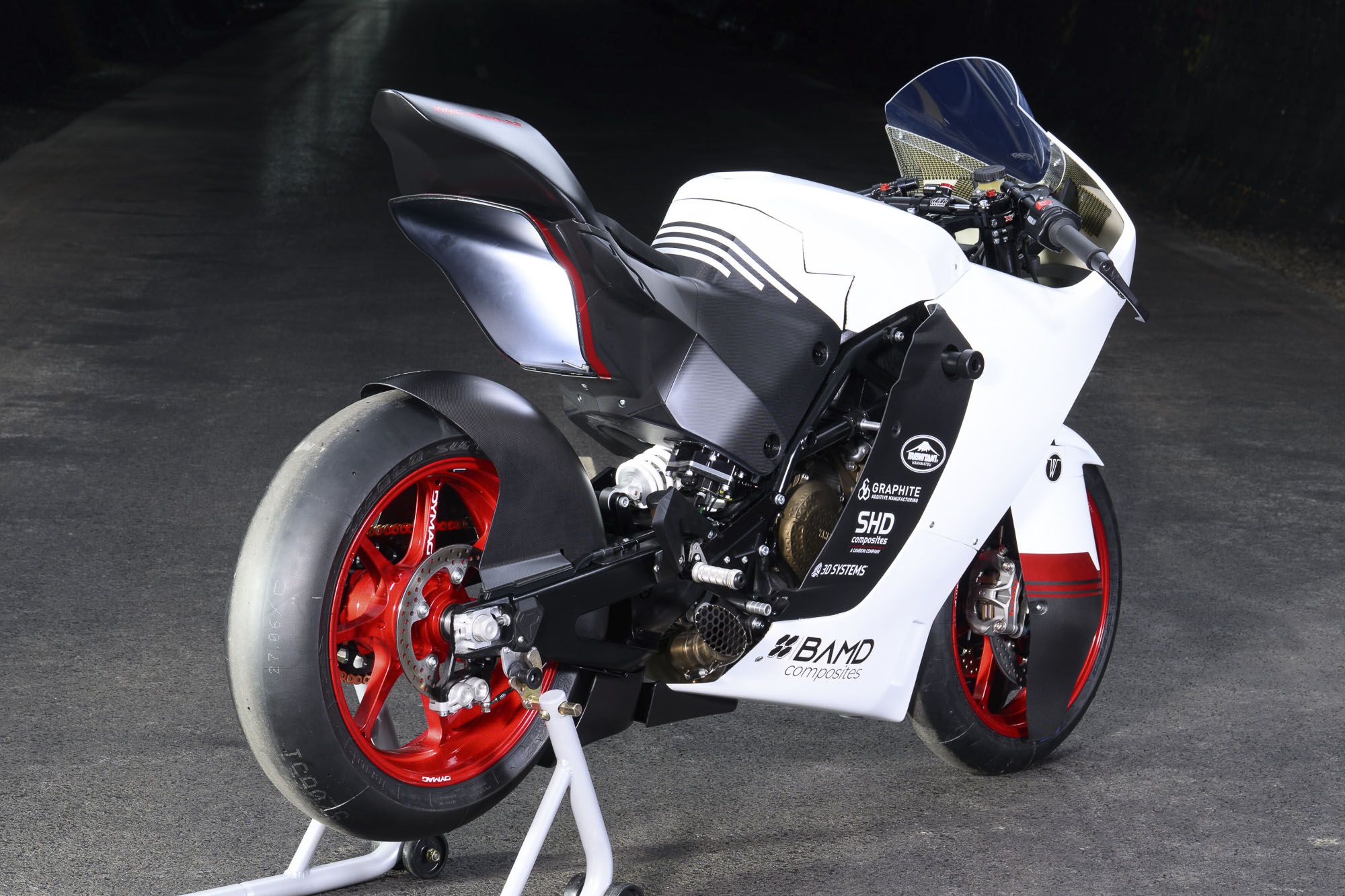
A Yamaha 450 With a Supercharger
The starting point is the Krämer EVO2 690R, a lightweight track motorcycle powered by KTM’s 693cc LC4 single-cylinder engine.
For the Mono RR, that engine has been replaced with a much more compact 449cc single from the Yamaha YZ450F motocross bike.
It’s an unusual choice for a sports bike, but the Yamaha engine has a useful advantage. Its reverse-cylinder-head arrangement places the intake at the front and exhaust at the rear, allowing WMC to package the engine and intake system around the aerodynamic duct.
Of course, swapping a 690cc engine for a 450cc motocross motor isn’t automatically a recipe for more performance.
That’s where the Rotrex C15-20 supercharger comes in.
Driven from the crankshaft, the supercharger compresses intake air and feeds it through an intercooler before it reaches the engine. WMC has also developed bespoke intake components, modified engine internals and a titanium exhaust header to accommodate the installation and increased output.
The initial development objective is to match or exceed the original Krämer’s approximately 76hp output. The longer-term goal is a rather more exciting 100hp.
And because the smaller engine and associated powertrain are around 20kg lighter than the original arrangement, WMC believes it can eventually bring the motorcycle’s weight down to just 100kg.
That’s an ambitious target, particularly for a fully functioning combustion-engined sports bike.
Less Drag, More Downforce
While the supercharged engine is fascinating, the aerodynamics are really the point of this exercise.
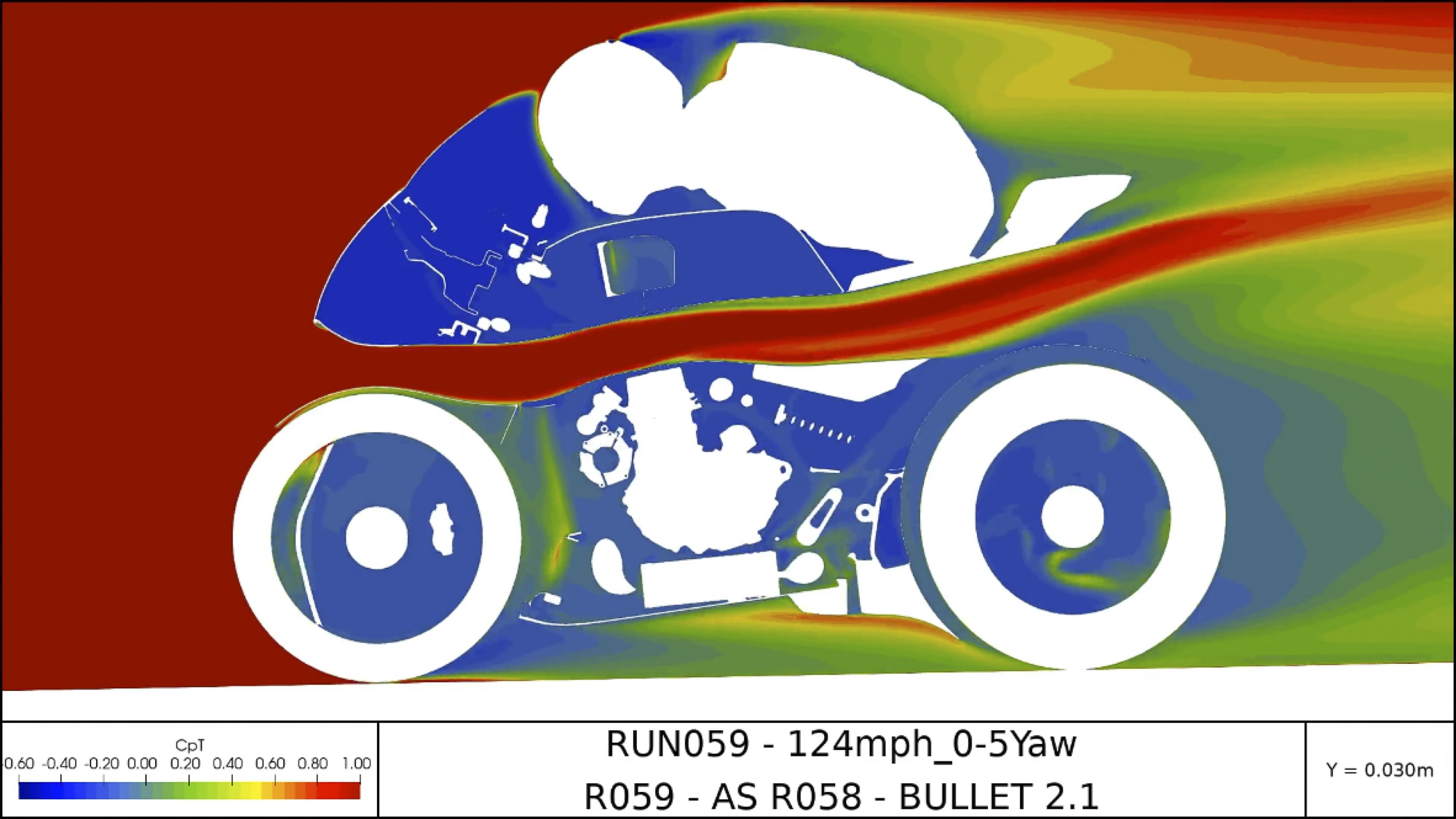
WMC’s computational fluid dynamics (CFD) simulations indicate a 16.4% reduction in aerodynamic drag compared with the original Krämer.
The company also reports a 77% reduction in lift and a 111% improvement in its lift-to-drag ratio.
Achieving those results required more than simply cutting a hole through the motorcycle.
The front mudguard has been redesigned to direct air towards the duct, while the fork legs have aerodynamic shrouds and the front brakes receive their own airflow treatment.
There are also extensions around the sides of the fairing to help manage turbulence created by the rider’s legs. WMC claims these changes reduce rider-related drag by 36% compared with the original Krämer.
Perhaps most interestingly, the changes haven’t required an extreme riding position. The Mono RR retains the donor motorcycle’s seat height, wheelbase, fundamental chassis geometry and rider triangle.
In other words, riders shouldn’t have to fold themselves into an uncomfortable position just to make the aerodynamics work.
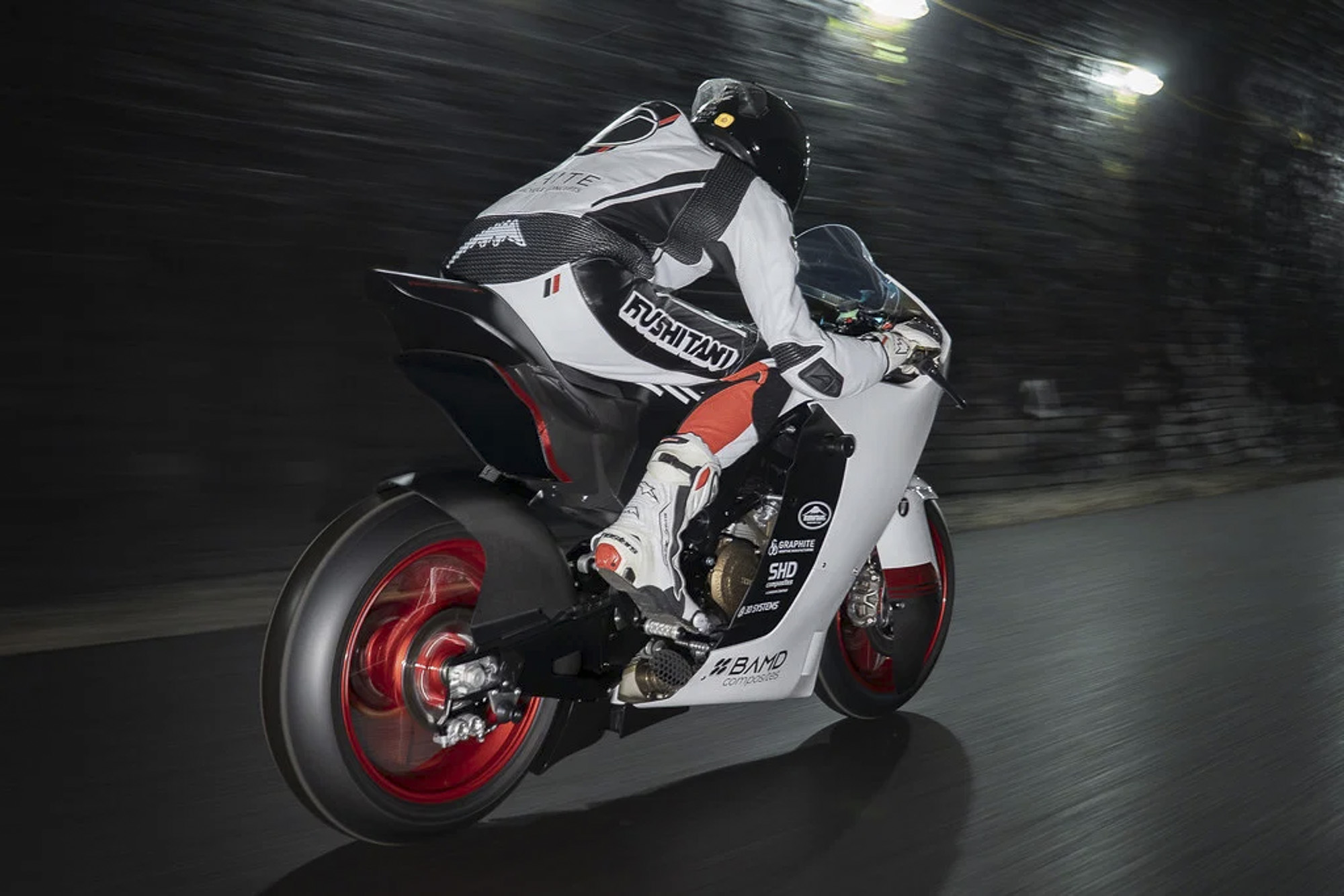
Could It Use Less Fuel Too?
There’s another potential benefit to making a motorcycle more slippery through the air.
WMC’s calculations suggest the Mono RR could be around 7% more fuel-efficient than the original Krämer. The company also reports a 16% improvement in thermal-management performance from its aerodynamic development work.
Those are modelled results, however, rather than independently verified road or track-test figures.
The next stage is physical testing to establish how closely the finished motorcycle matches the computer predictions.
That’s particularly important when it comes to handling and stability, where aerodynamic forces can change considerably as a motorcycle accelerates, brakes, corners and changes attitude.
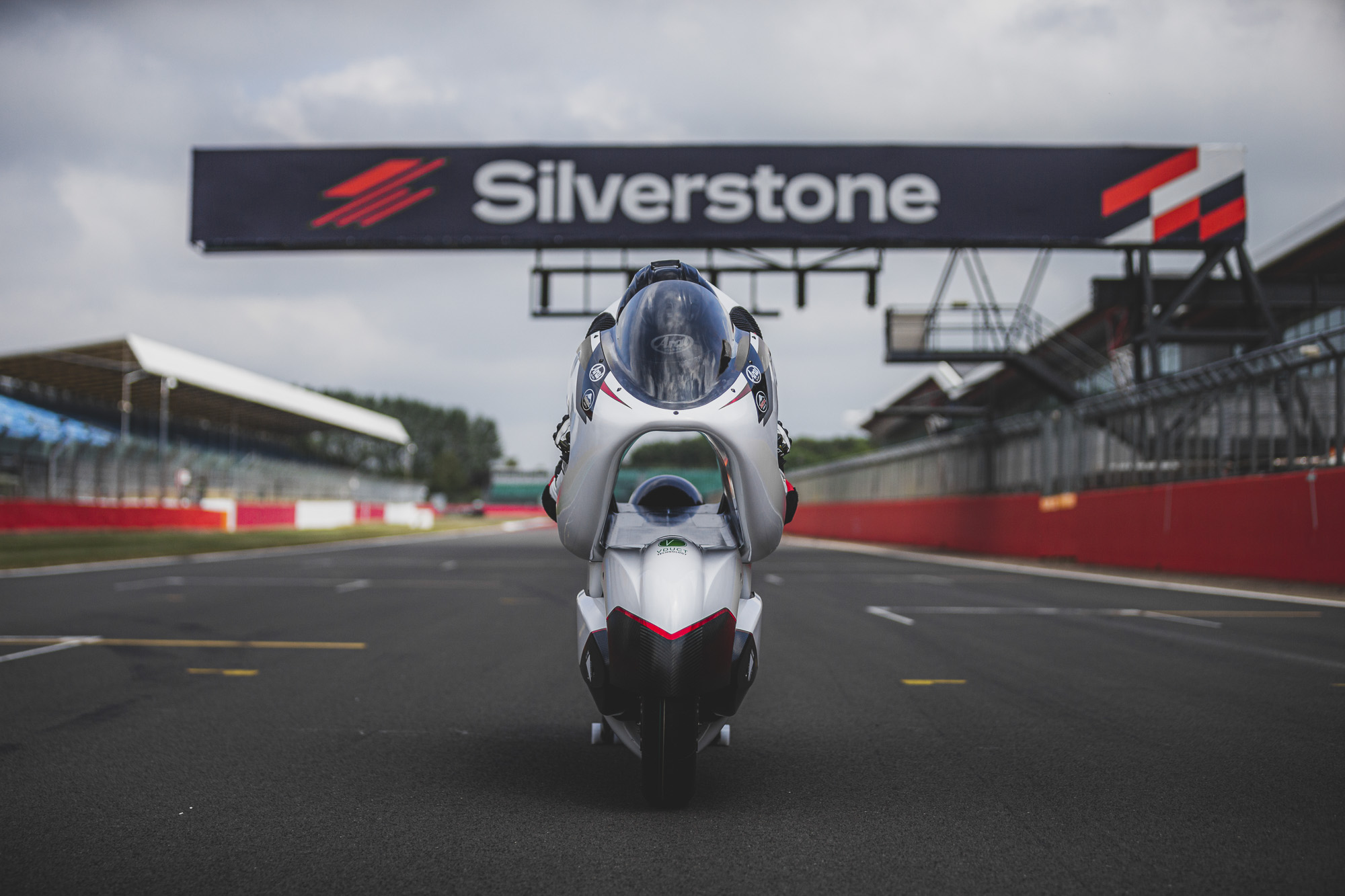
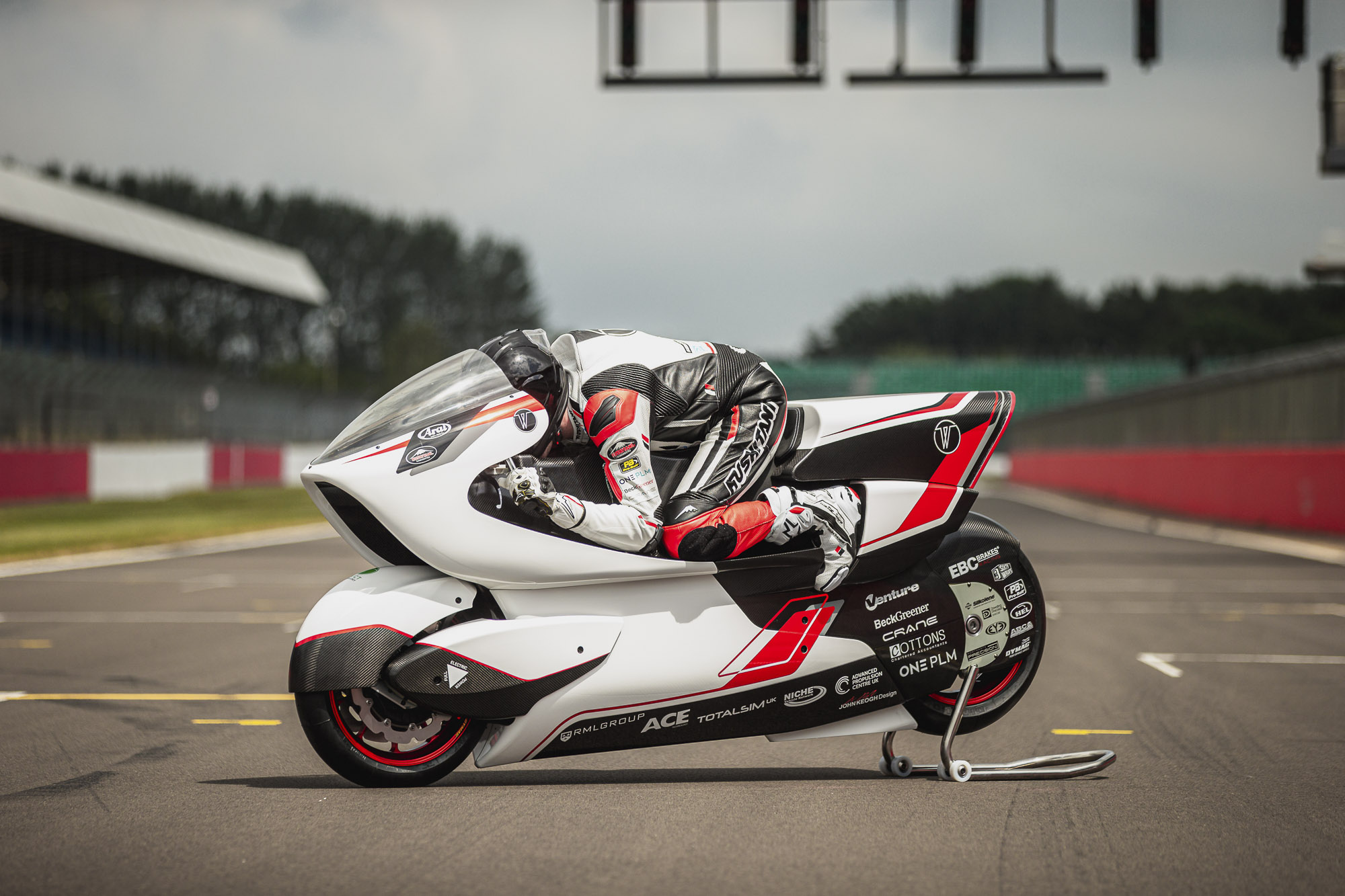
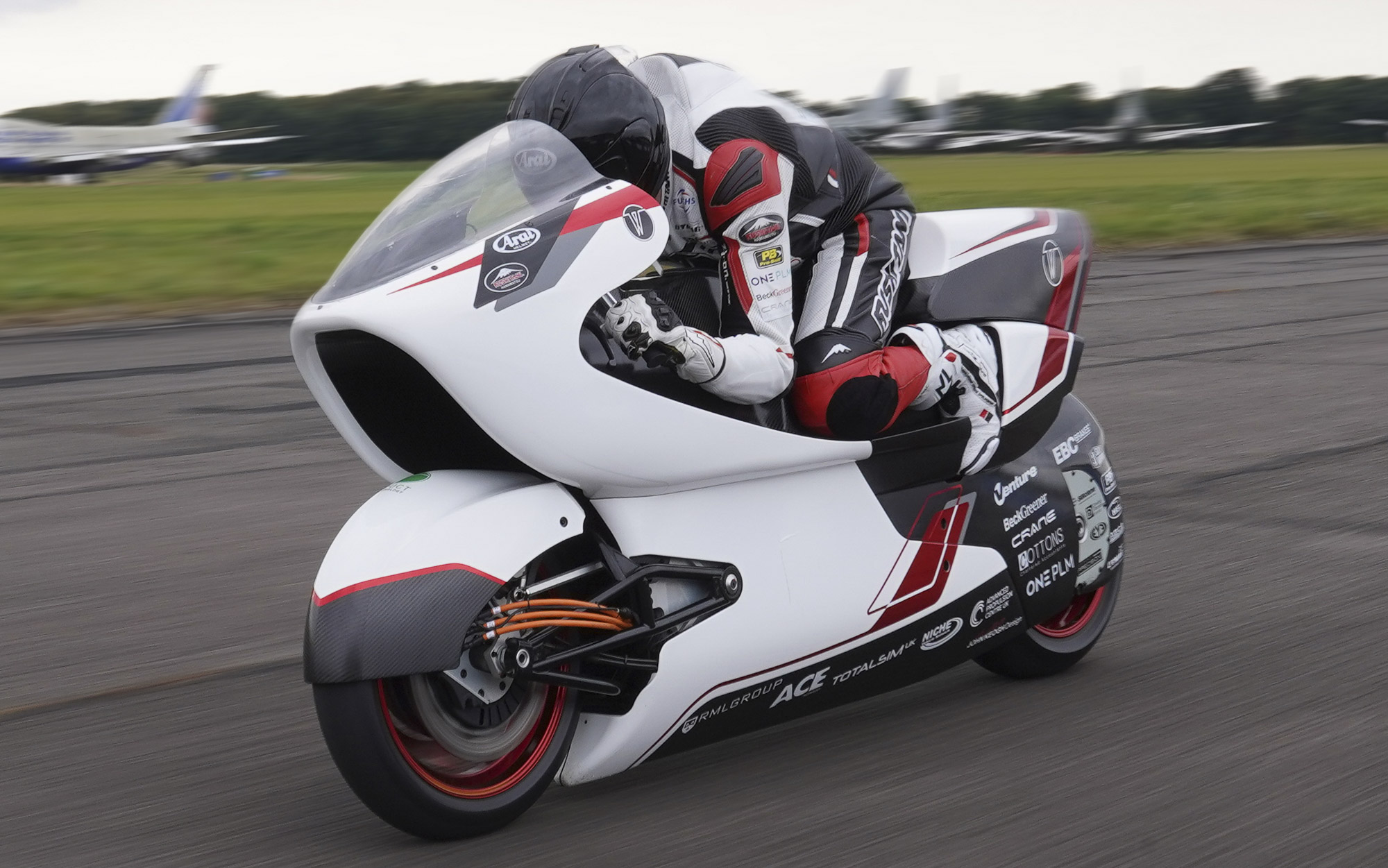
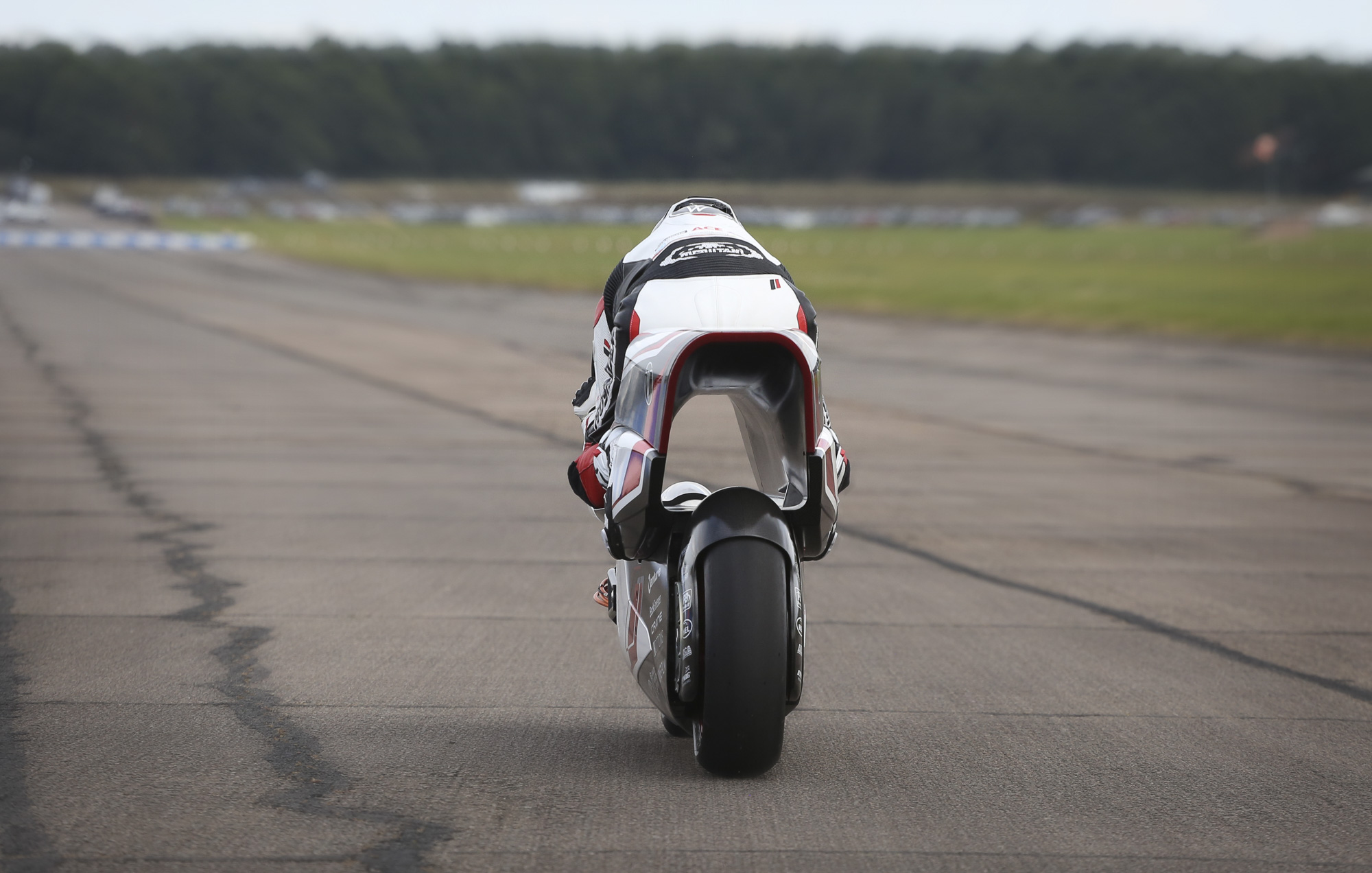
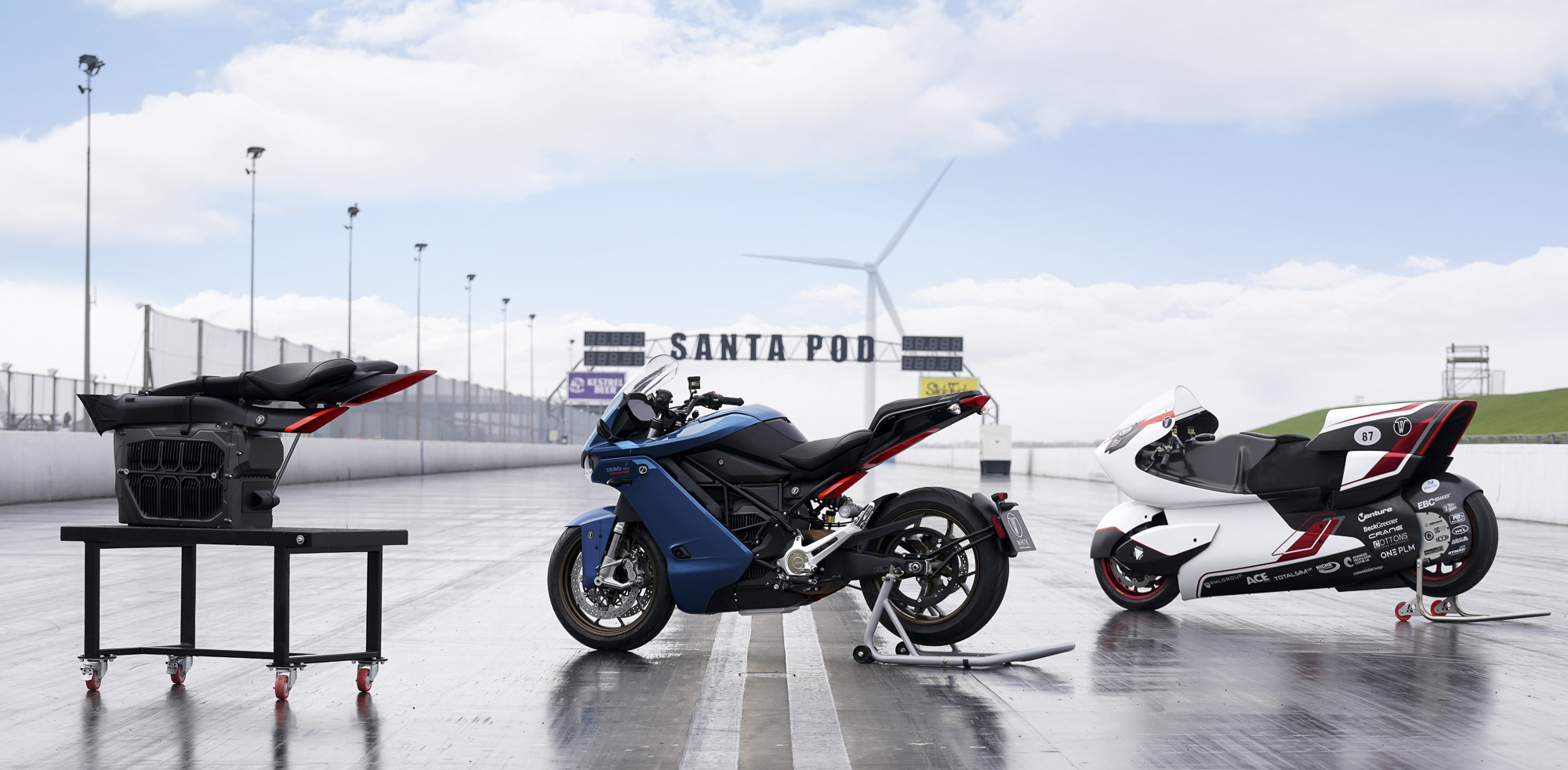
Earlier WMC aero projects
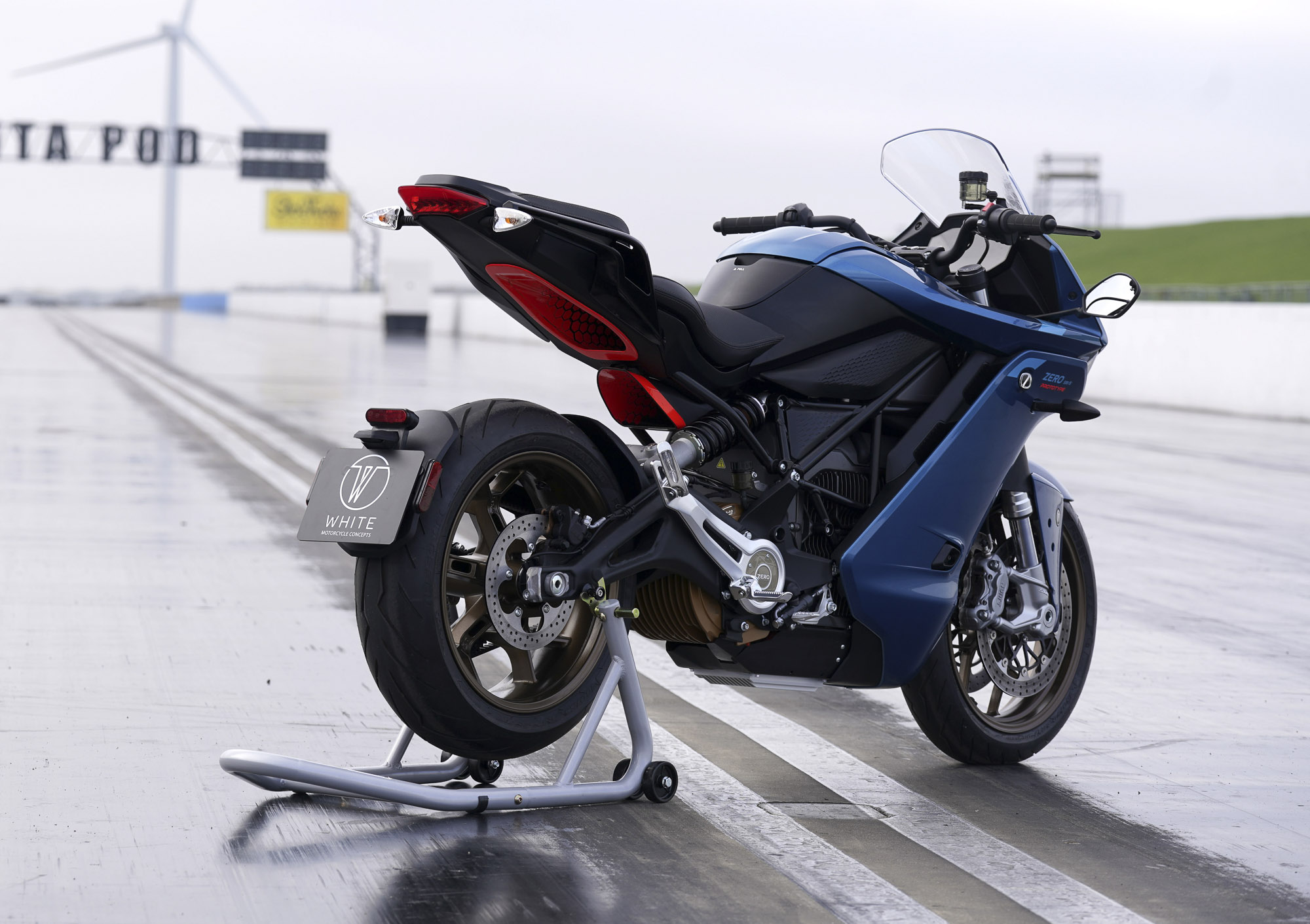
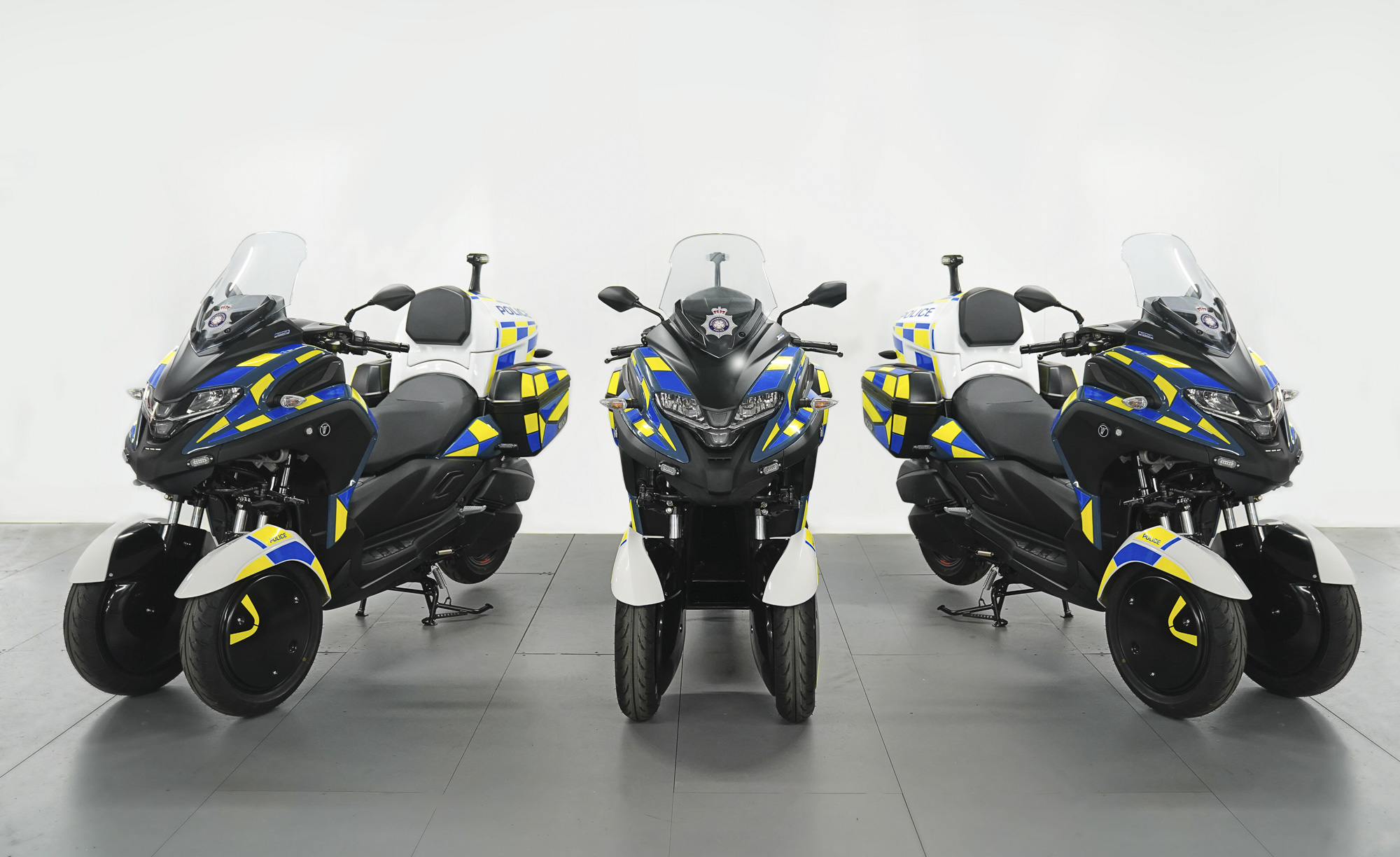
White Motorcycle Concepts explored the same through-flow idea on the WMC250EV land-speed project, the WMCSRS and its first-response hybrid. These seven photographs show those earlier applications.
A Glimpse of Future Sports Bikes?
Despite its dramatic appearance, the Mono RR isn’t destined for a showroom.
White Motorcycle Concepts is an engineering and technology company rather than a conventional motorcycle manufacturer. The Mono RR exists to demonstrate the advantages of combining compact powertrains with more sophisticated aerodynamic design.
The company hopes manufacturers will eventually adopt elements of the technology in future road and racing motorcycles.
And that’s what makes this project so interesting.
Motorcycles have spent decades chasing more power, often with increasingly complicated engines and electronics. The Mono RR suggests there may be another way to improve performance: make better use of the power you’ve already got.
“The Mono RR suggests there may be another way to improve performance: make better use of the power you’ve already got.”
Whether its radical duct design eventually appears on a production motorcycle remains to be seen. But the prospect of a lightweight, supercharged single that can punch well above its capacity is certainly worth investigating.
And we can’t help thinking that a 100hp, 100kg sports bike sounds like an absolute riot.