

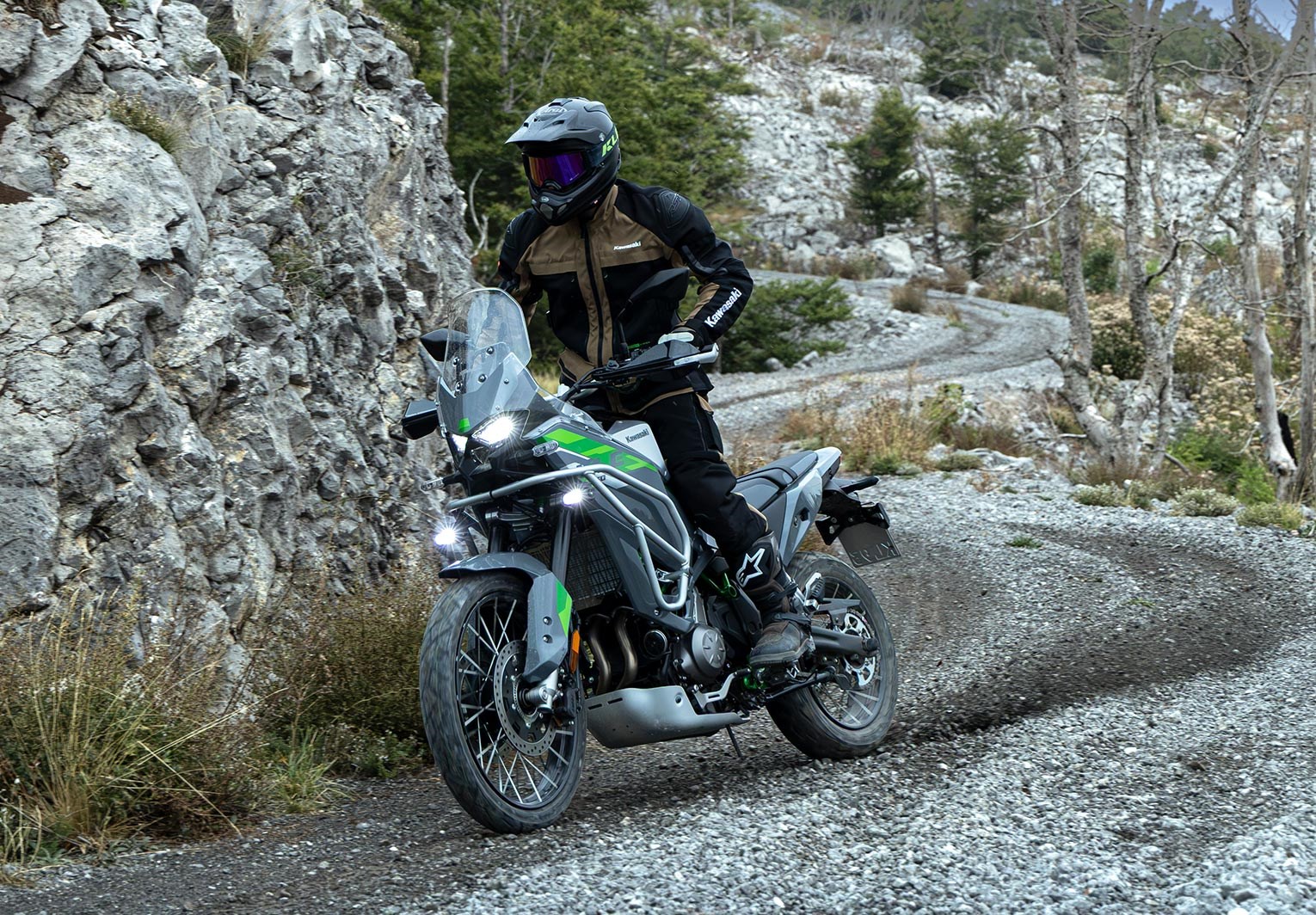
- The KLE650 uses Kawasaki’s established 649cc parallel-twin engine architecture, updated for its new adventure role.
- Cruise control, traction control and an SE equipment package strengthen the 650’s touring appeal.
- With BRM testing the KLE500, ground clearance and genuine off-road advantages are the questions we most want answered.
Kawasaki has followed its new KLE500 with a 649cc adventure bike offering more power, cruise control and touring equipment. But will bigger make it better when the tarseal ends?
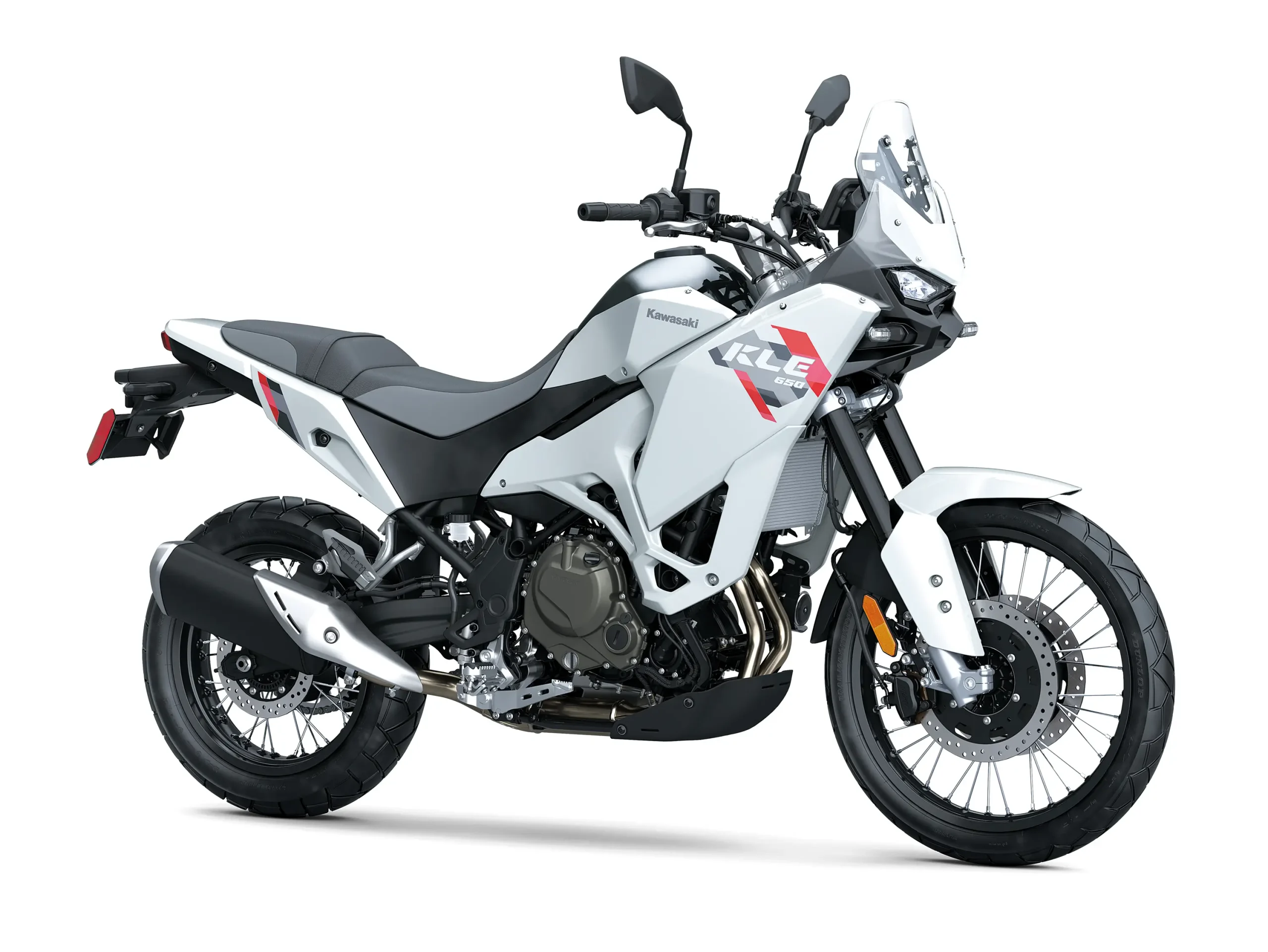
Is bigger better?
Kawasaki has barely given us time to get acquainted with its new KLE500 before revealing the bigger KLE650. On paper, the attraction is obvious: more engine, more electronics and equipment aimed squarely at riders who want to cover serious kilometres.
But there’s an interesting question behind the new bike. Does the extra capacity make it a better adventure motorcycle, or simply a better adventure tourer? With a KLE500 currently in the BRM garage, we’re particularly keen to find out.
Read more: Kawasaki’s KLE650 teaser | BRM’s Kawasaki KLE500 review
A familiar twin, rather than a clean-sheet engine
The 649cc liquid-cooled parallel twin is not an entirely new Kawasaki engine. The basic architecture is familiar from the Ninja 650, Z650 and Versys 650, although the KLE application brings changes including electronic throttle control.
MORE ARTICLES
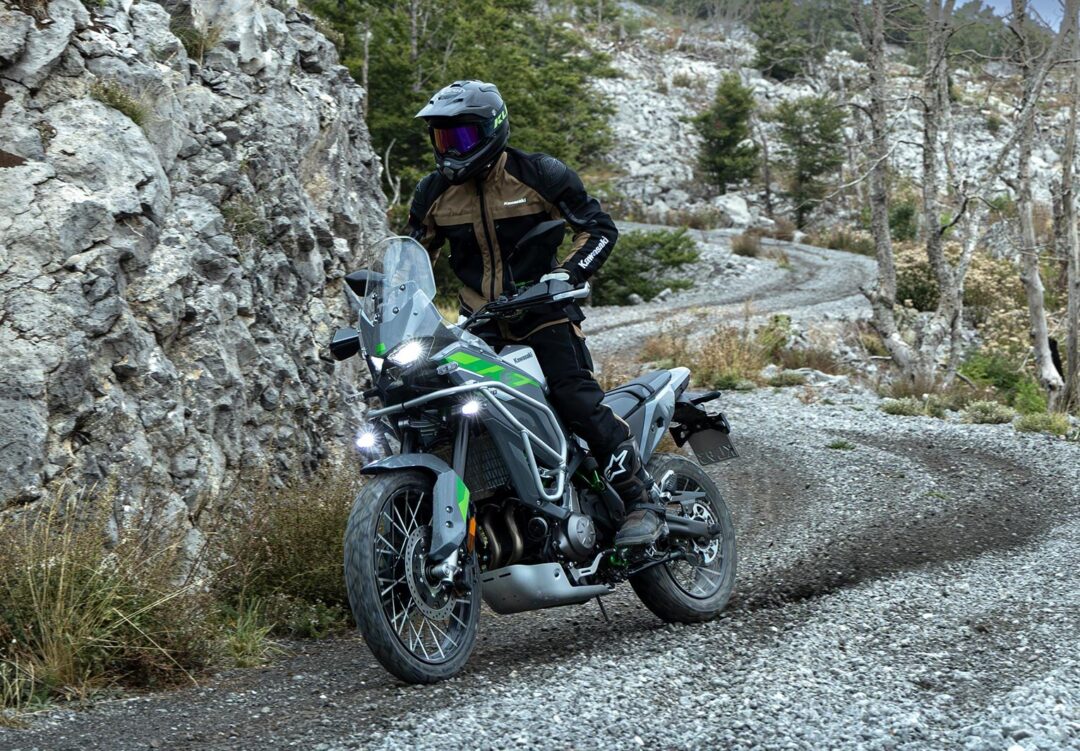
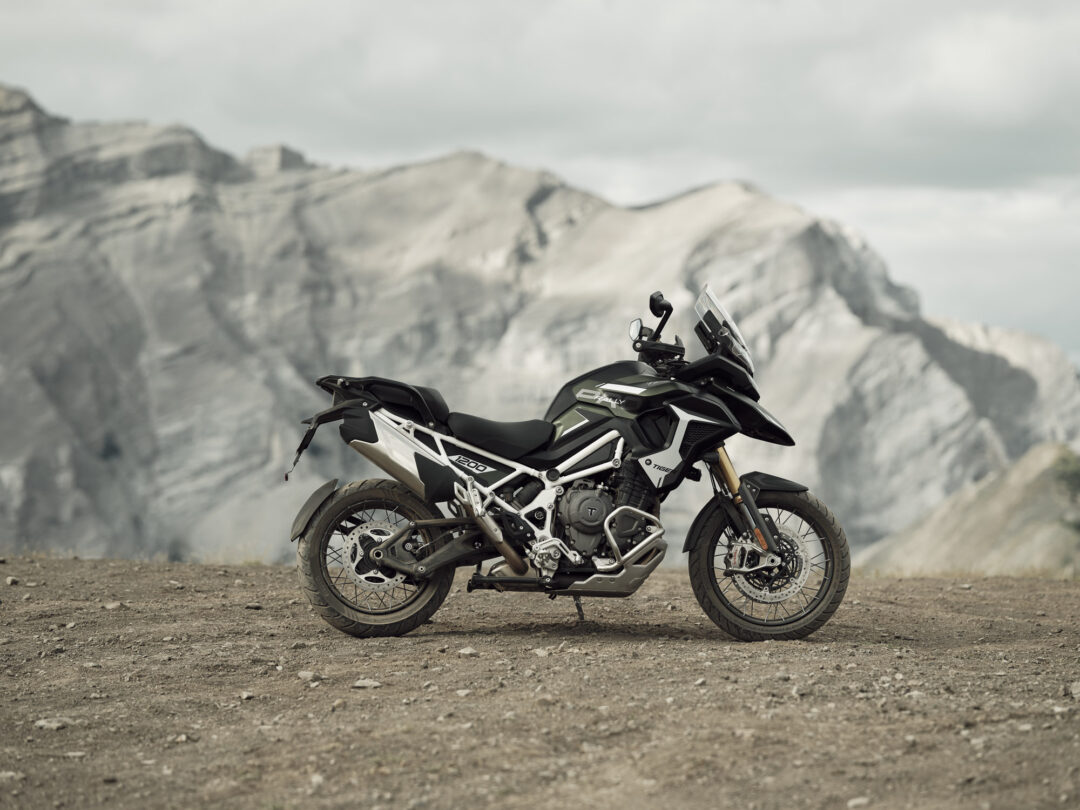
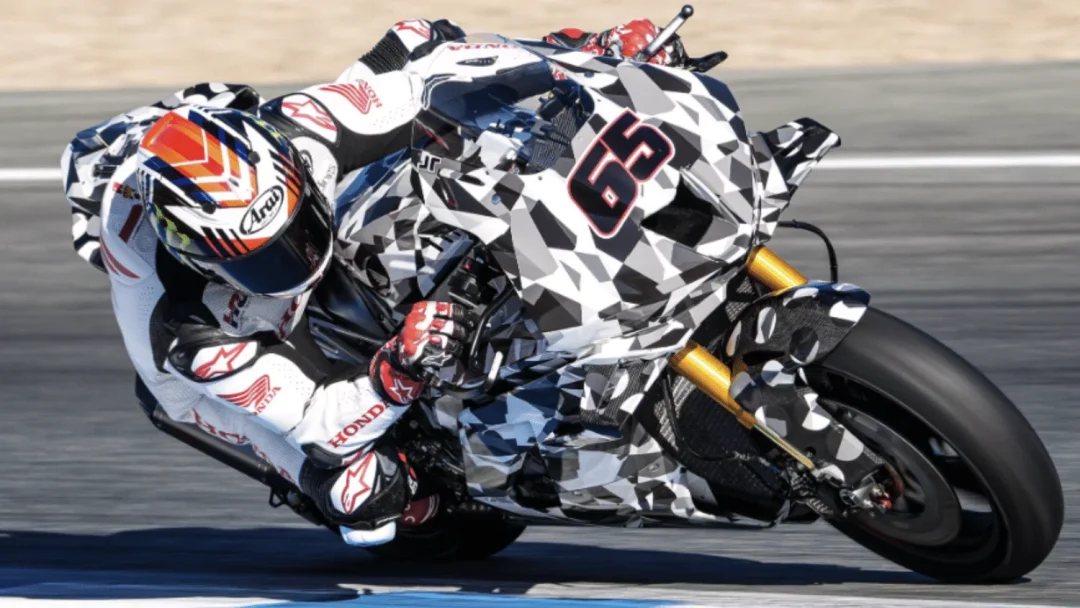
That matters because it enables features such as cruise control, and promises a different riding experience from the smaller 451cc KLE500. Kawasaki’s established 650 twin has long been known for its approachable delivery; what interests us now is how it has been tuned for loaded touring and loose-surface riding.
More power and more technology don’t automatically make a better adventure bike.
The touring argument
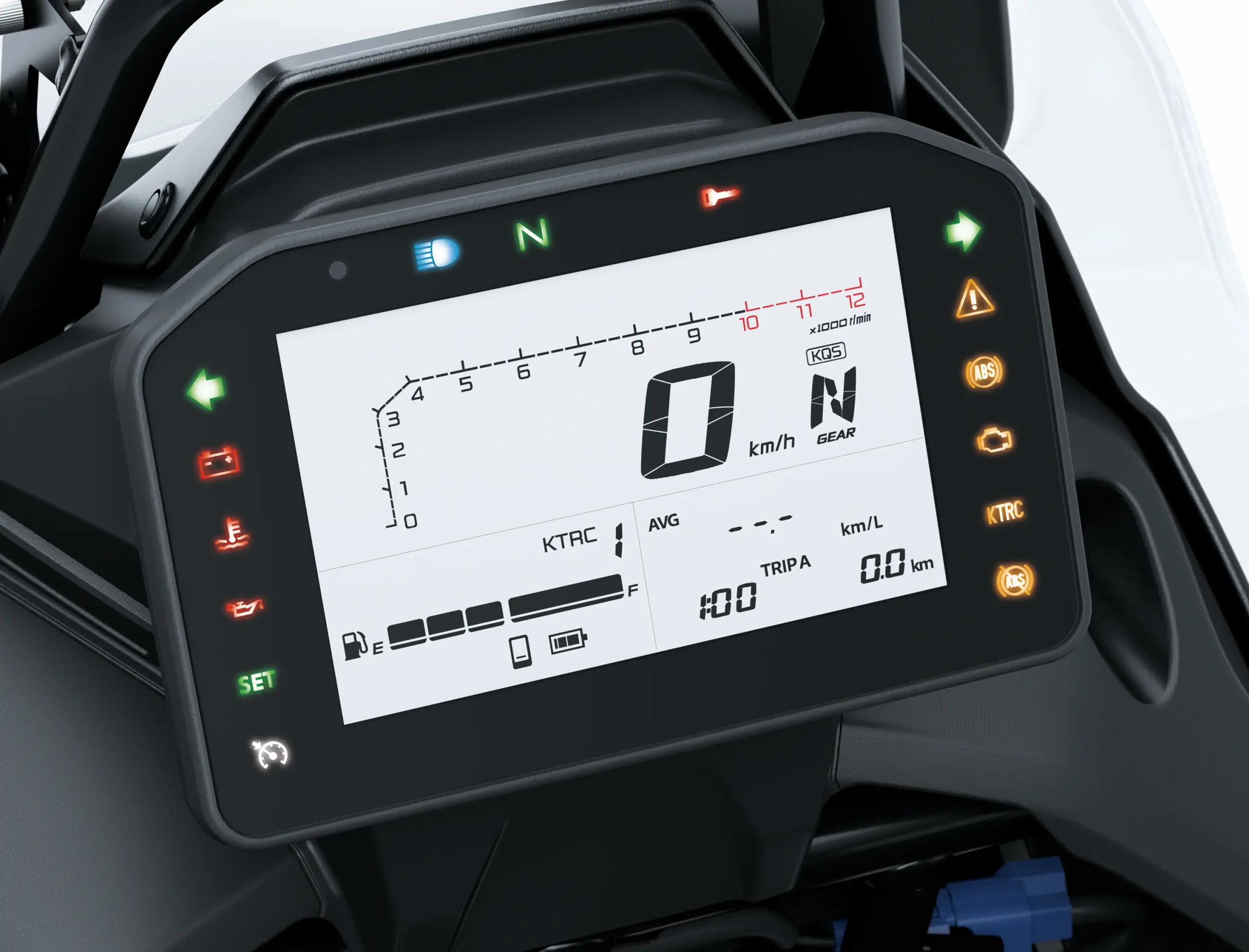
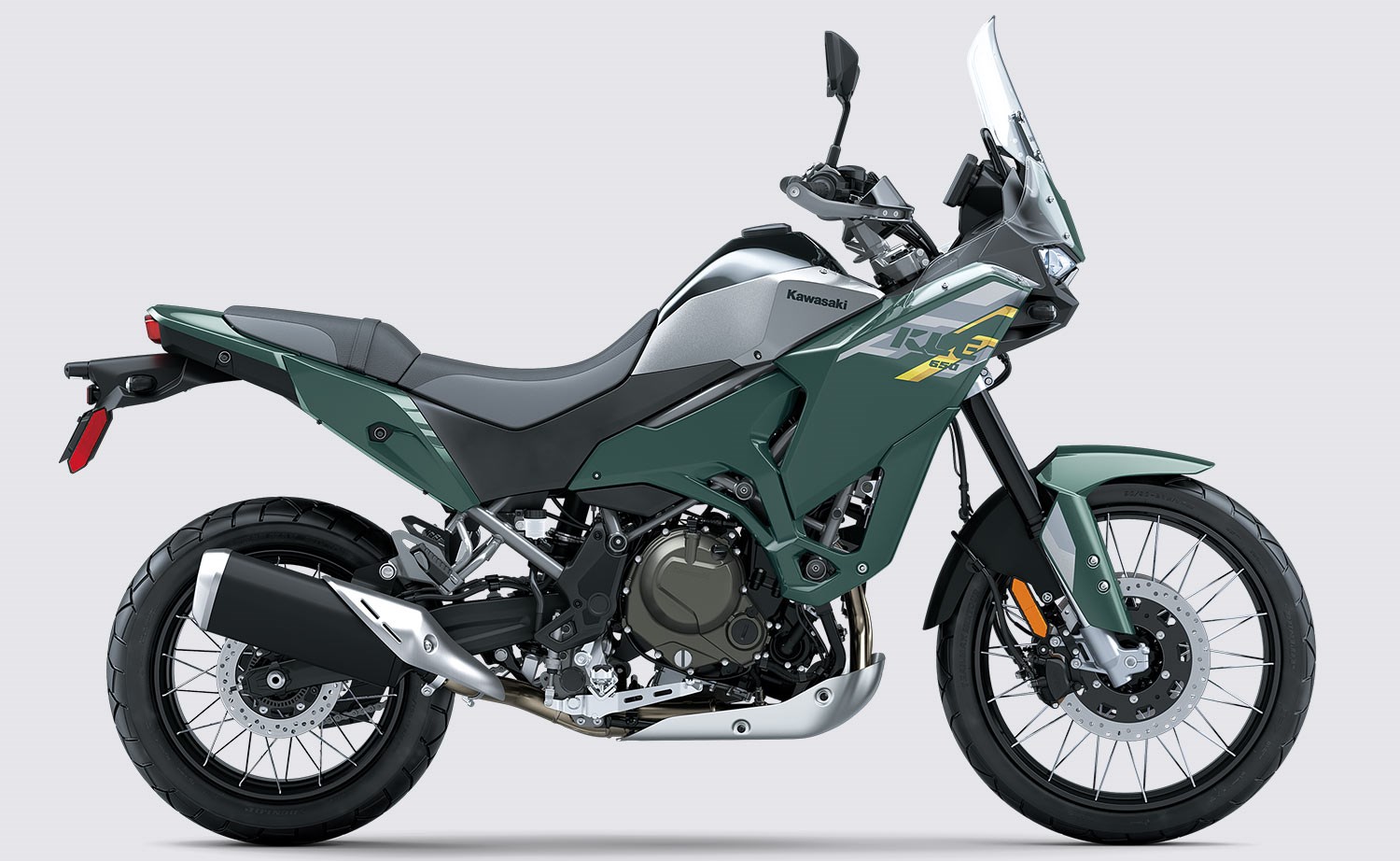
The KLE650’s most persuasive upgrades may not be measured in horsepower. Kawasaki Traction Control (KTRC) and Electronic Cruise Control are standard on both versions, welcome additions for long-distance riding and changing road surfaces. Kawasaki has also given the 650 larger body panels than the KLE500, reinforcing its touring emphasis.
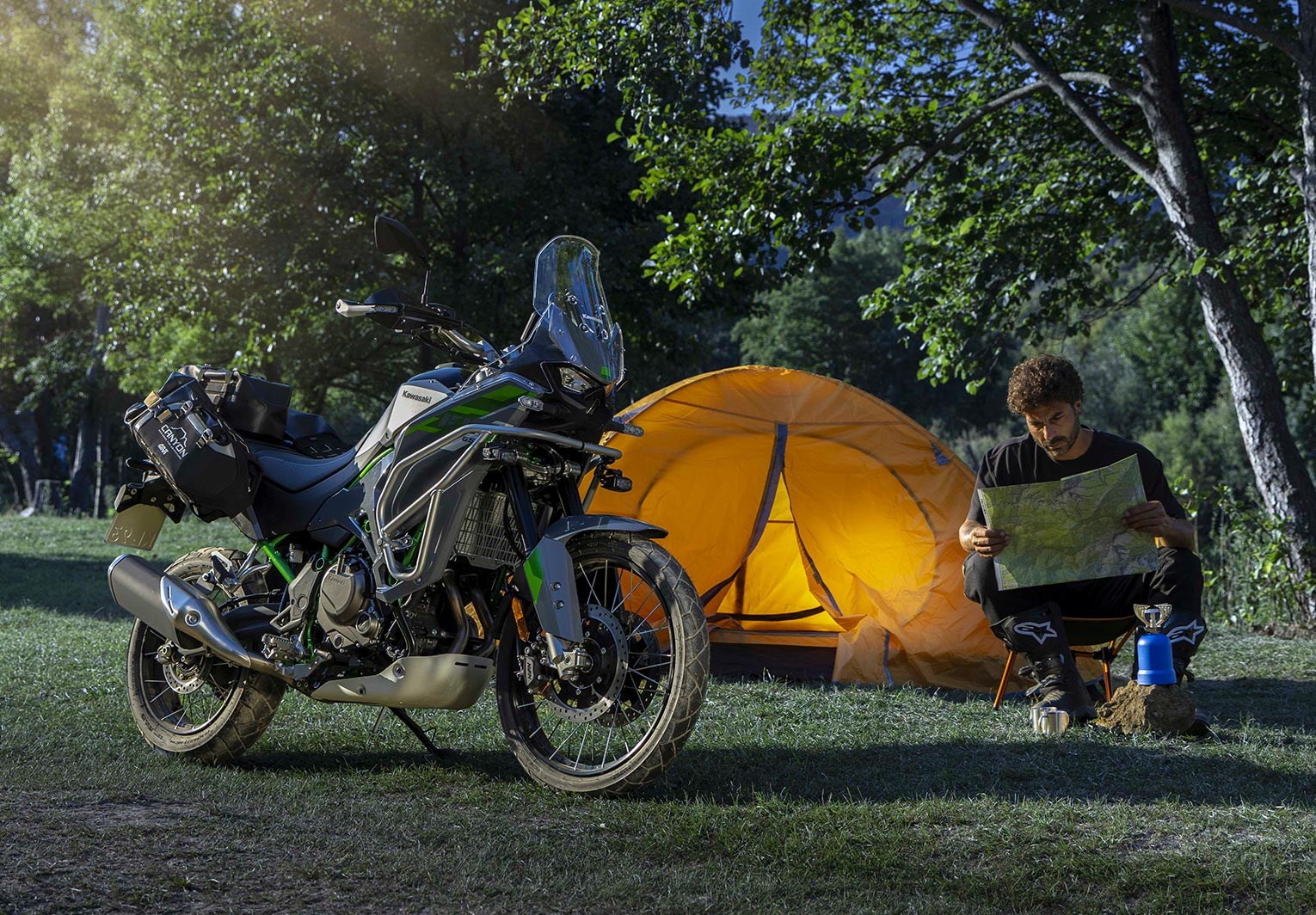
The standard model uses a five-inch LCD display, while the SE adds a five-inch colour TFT, an up/down quickshifter, tubeless spoked wheels, metal-reinforced handguards, a larger aluminium bash plate and a taller windscreen. Kawasaki’s model overview also lists a USB-C outlet for the SE, although its detailed US specification describes the outlet as an accessory, so local standard equipment needs checking before publication.
How much more capable off-road?
This is where we’re withholding judgement. The KLE500 has 185mm of quoted ground clearance, a figure we’ve already highlighted as a consideration for riders tackling rocks, ruts and more technical trails. For comparison, Honda XL750 Transalp features 210mm, while Yamaha’s Ténéré 700 offers around 240mm.
Conspicuously, Kawasaki has kept the KLE650’s final ground-clearance figure under wraps. And while similar wheel dimensions or suspension travel alone cannot tell us how much space there is beneath the engine, the protection underneath and actual clearance will be more revealing than the styling.
Two KLEs, two different jobs?
There is a compelling logic to Kawasaki offering both bikes. The KLE500 promises a lighter-feeling, approachable entry into adventure riding. The KLE650, with its larger twin and touring electronics, should make life easier when there’s a passenger, luggage or a long stretch of highway ahead.
Initial indications are the new KLE650 has a 212kg kerb weight and approximately 192kg estimated dry weight for the KLE650 SE. By comparison, its KLE500 SE has a 194kg kerb weight, a difference of around 18kg. That’s a decent amount more to carry around before you’ve put a pillion or some luggage on the back, making us think the new KLE650 is going to be a bit more road-focussed than off-road capable.
KLE500 vs KLE650: Quick Facts
| Specification | KLE500 | KLE650 |
|---|---|---|
| Engine | 451cc parallel twin | 649cc parallel twin |
| Front wheel | 21-inch | 21-inch |
| Fuel tank | 16 litres | 16 litres (reported) |
| Seat height | 870mm (reported) | 870mm (reported) |
| Ground clearance | 185mm | Not confirmed |
| Cruise control | No | Yes |
| Traction control | No | Yes |
| NZ price | Refer to current NZ listing | To be confirmed |
| Kerb weight (US SE figures) | 194kg (KLE500 SE) | 212kg (KLE650 SE) |
| SE equipment | Varies by market | TFT, quickshifter, tubeless wheels, handguards, larger bash plate/screen; USB-C confirm locally |
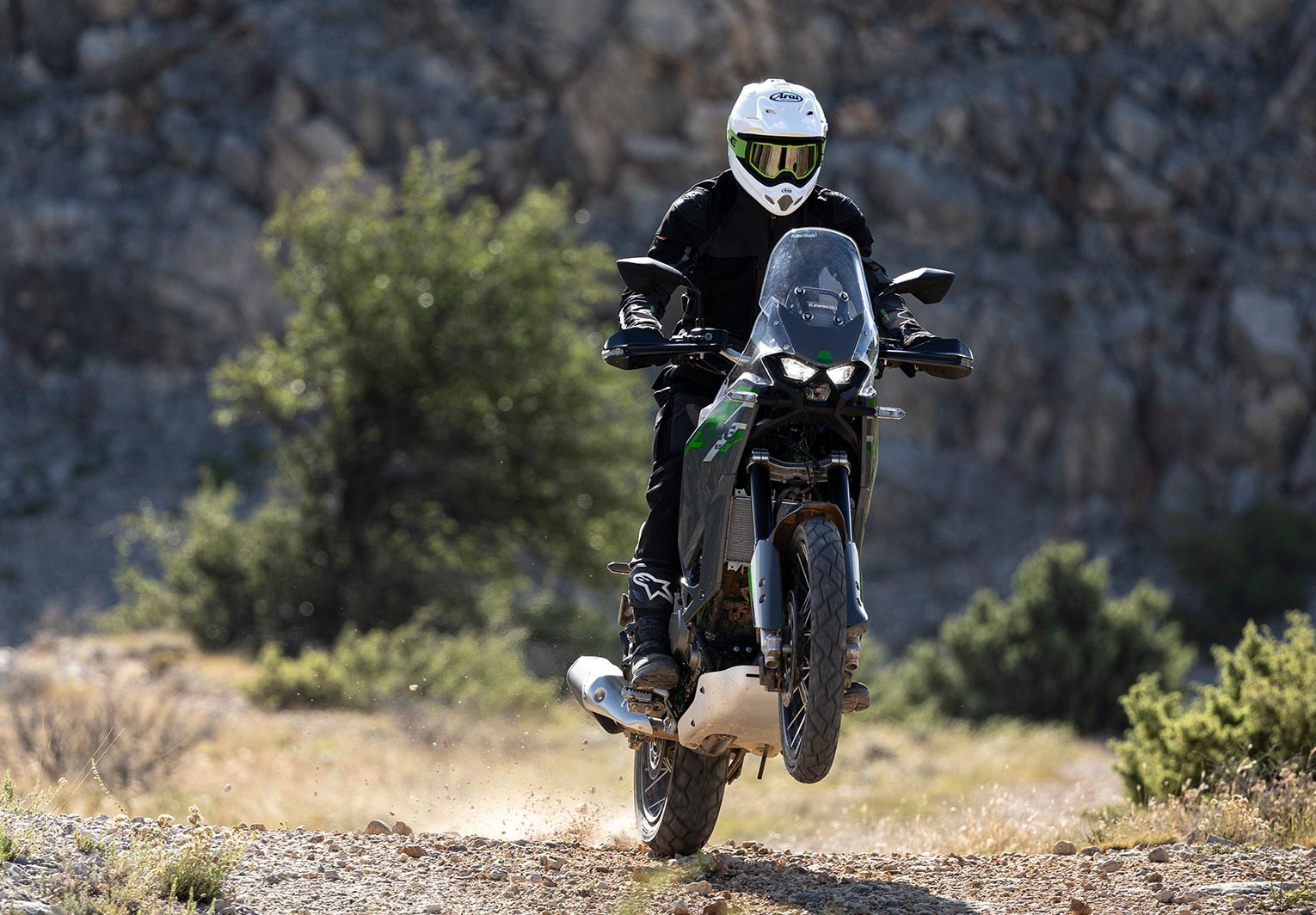
The question isn’t simply whether the KLE650 is bigger. It’s whether it’s better for the riding you actually do.
BRM’s take
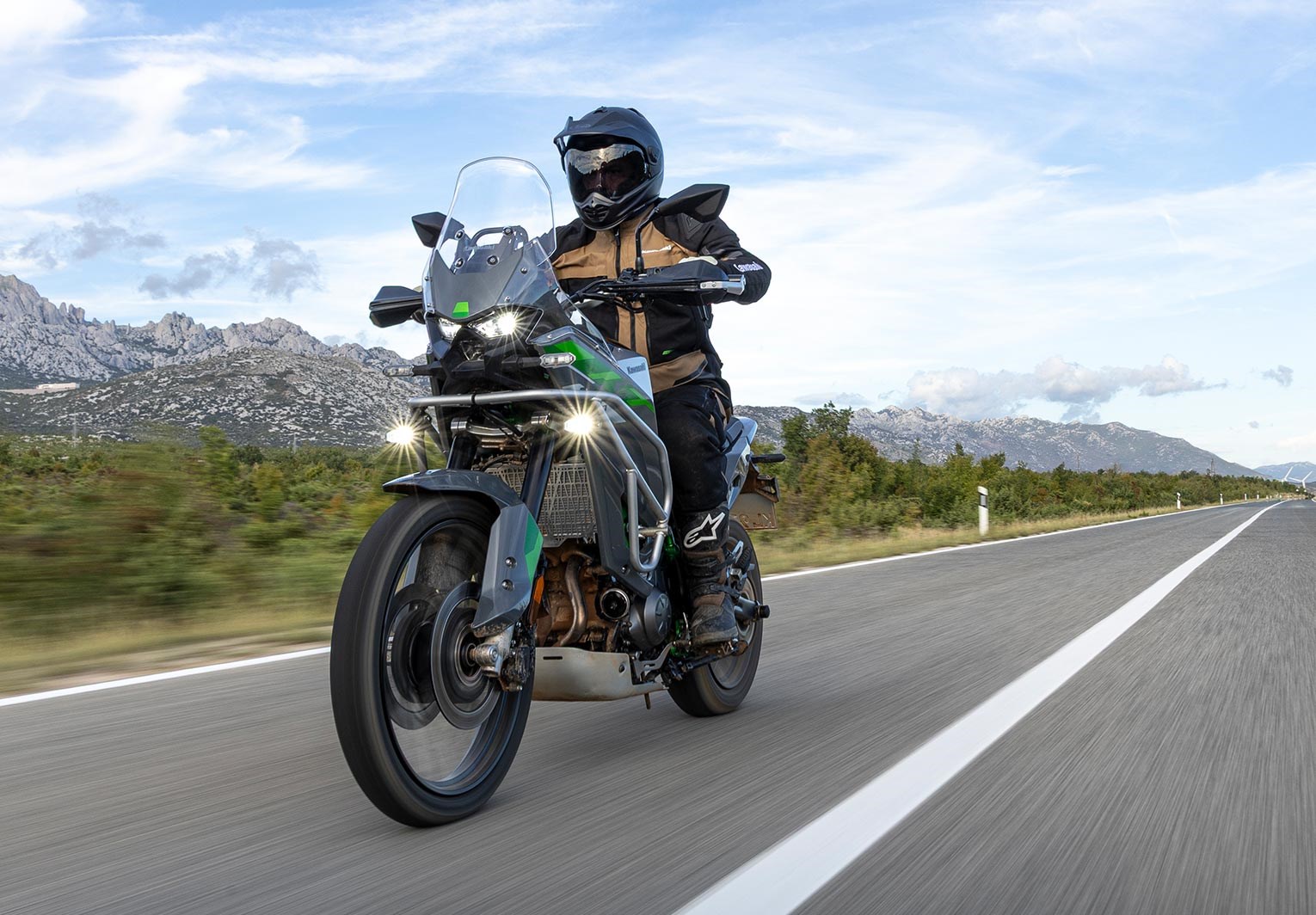
We like the idea of a KLE with extra motorway punch and cruise control. But we’re equally interested in whether Kawasaki has addressed the smaller bike’s limited clearance for harder off-road work. The KLE650 might be a more accomplished tourer without necessarily being a more capable trail bike. That’s the question we’ll be taking into our first ride: is bigger actually better?
For more info: Kawasaki KLE650
Images supplied by Kawasaki.