

- 95hp triple now revs to 12,650rpm — a major performance boost
- Still easy to ride, with improved tech including quickshifter and cruise
- Fun, accessible naked that now packs a more exciting top-end
Quick Facts | Triumph Trident 660 (2026)
Engine | 660cc inline triple, 95hp, 68Nm
Key Update | 17% higher rev ceiling (now 12,650rpm)
Weight | 195kg (wet)
Seat Height | 810mm (785mm low option)
Fuel Capacity / Range | 14L / approx. 250–290km
Tech | Riding modes, ABS & TC, quickshifter, cruise control
Price | $15,990 + ORC
More revs, more power and even more fun — Triumph sharpens its entry-level triple without losing the easy-going nature that made the Trident so popular.
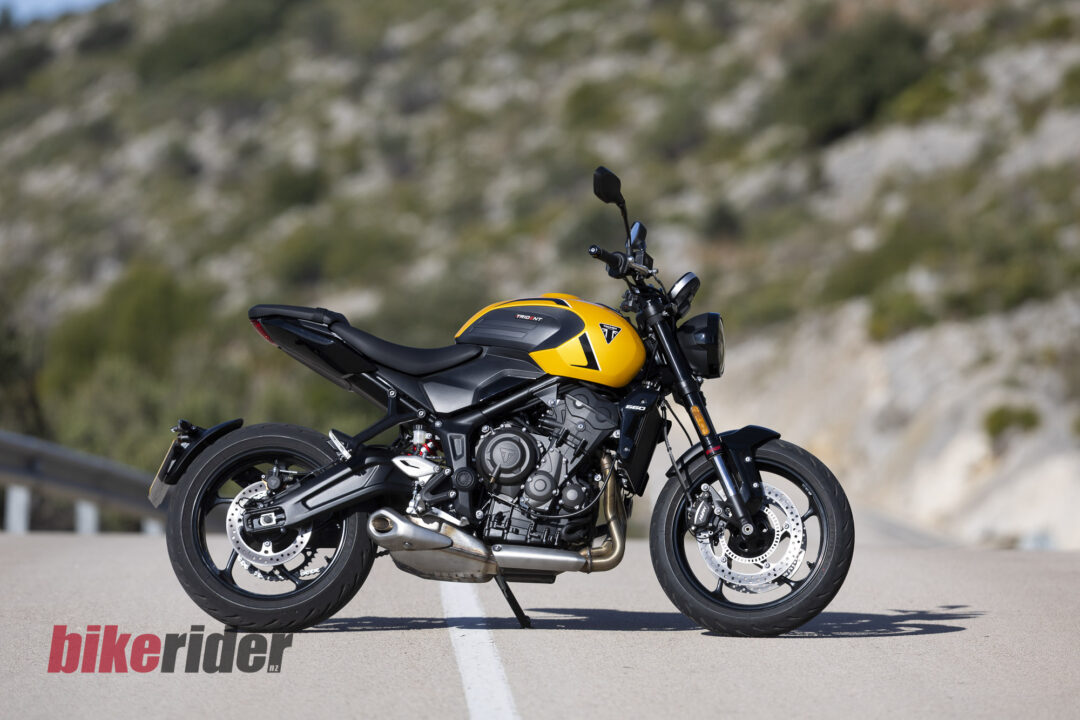
The big news for 2026 isn’t outright power — it’s revs. Triumph’s updated Trident 660 now spins to a lively 12,650rpm, around 17% higher than before, and that’s helped lift peak output from 81hp to 95hp, with torque nudging up to 68Nm. In a class packed with aggressive rivals, that extra top-end could be exactly what the Trident needed.
Crucially, Triumph says 80% of that torque is available from just 3,000rpm, so the everyday usability the Trident is known for remains intact. And with pricing still sitting just under $16,000 — only a small jump over the outgoing model — it looks like a serious upgrade on paper.
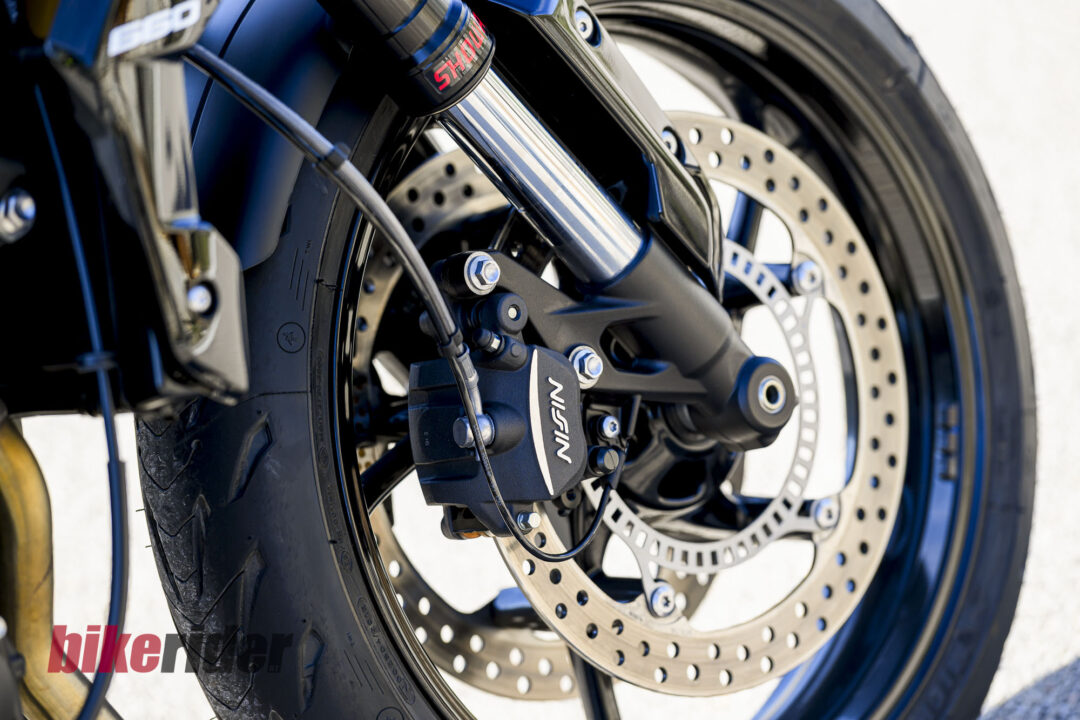
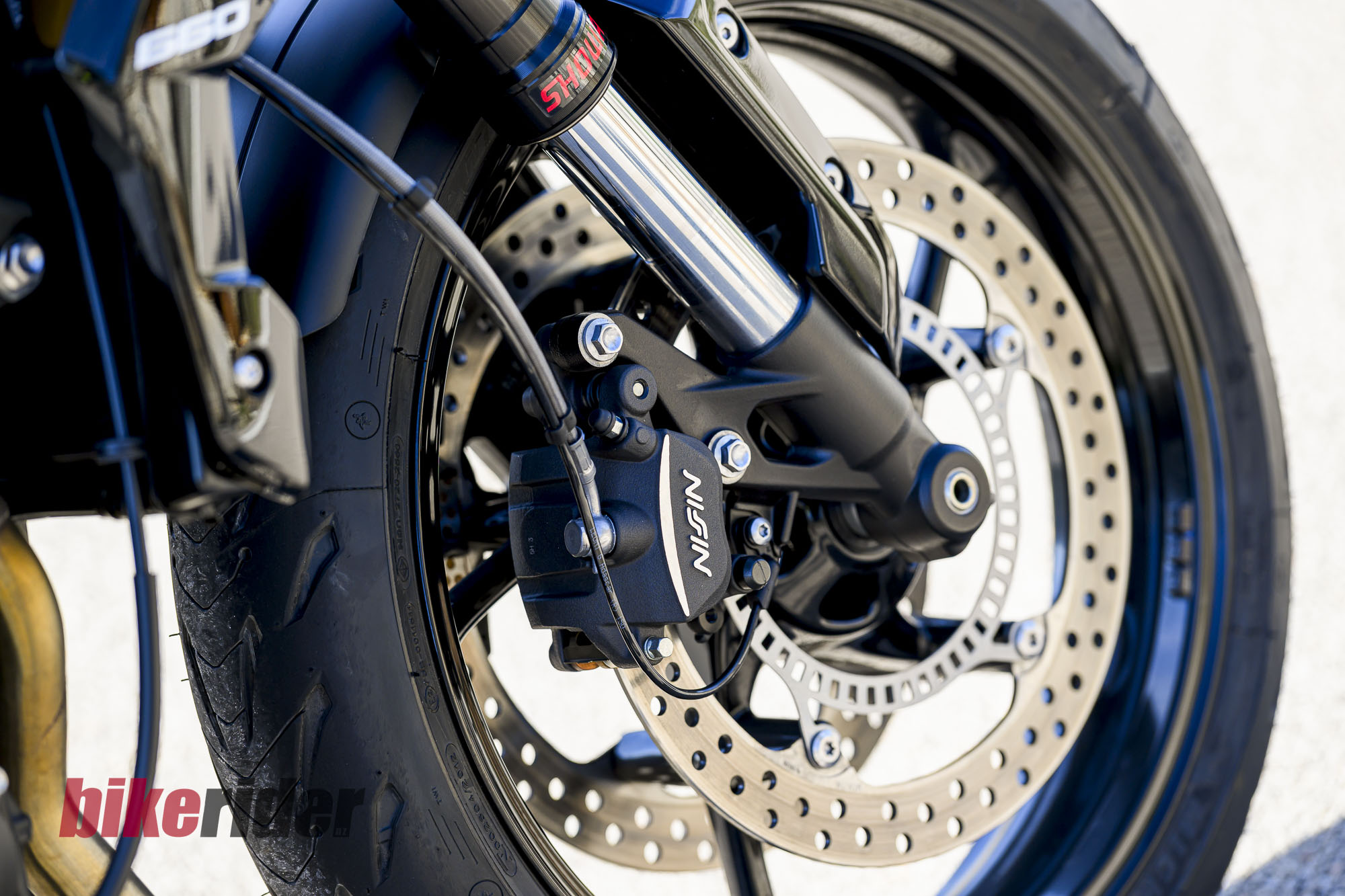
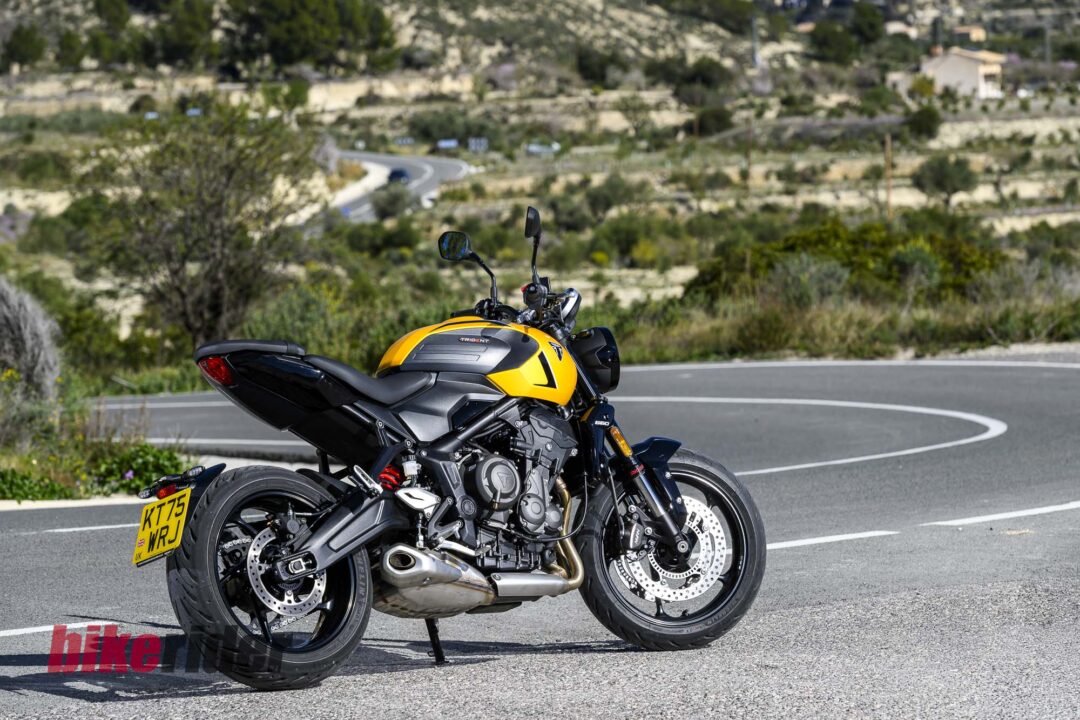
Chassis changes are subtler. The Showa SFF-BP forks, twin 310mm discs, and Nissin calipers stay, but there’s a new Showa rear shock and a small frame tweak to house three throttle bodies instead of one. Weight is up by 5kg, though the key geometry numbers are largely unchanged.
Electronics remain strong, with lean-sensitive rider aids and multiple riding modes controlled through the familiar dash. A few cosmetic tweaks and three new colour schemes round things out.
MORE ARTICLES
On paper, it’s a clear performance step forward without losing the Trident’s friendly nature. We headed to southern Spain to see if the extra punch makes it even more fun on the road.
“Triumph has been careful not to lose the Trident’s easy-going nature. It’s still aimed squarely at newer riders, younger riders and those stepping into the class.”
More Revs, Same Recipe
Southern Spain served up perfect test conditions: sun, warmth and dry roads. Ideal for the updated Triumph Trident 660. I’d already ridden the excellent Triumph Trident 800, so I was keen to see how the smaller bike stacked up. For 2026, Triumph hasn’t just added a couple of horsepower, it’s added 14 more, pushing output to 95hp and raising the redline to 12,650rpm. On paper at least, it sounds like it’s going to be fun.
Easy From The Off
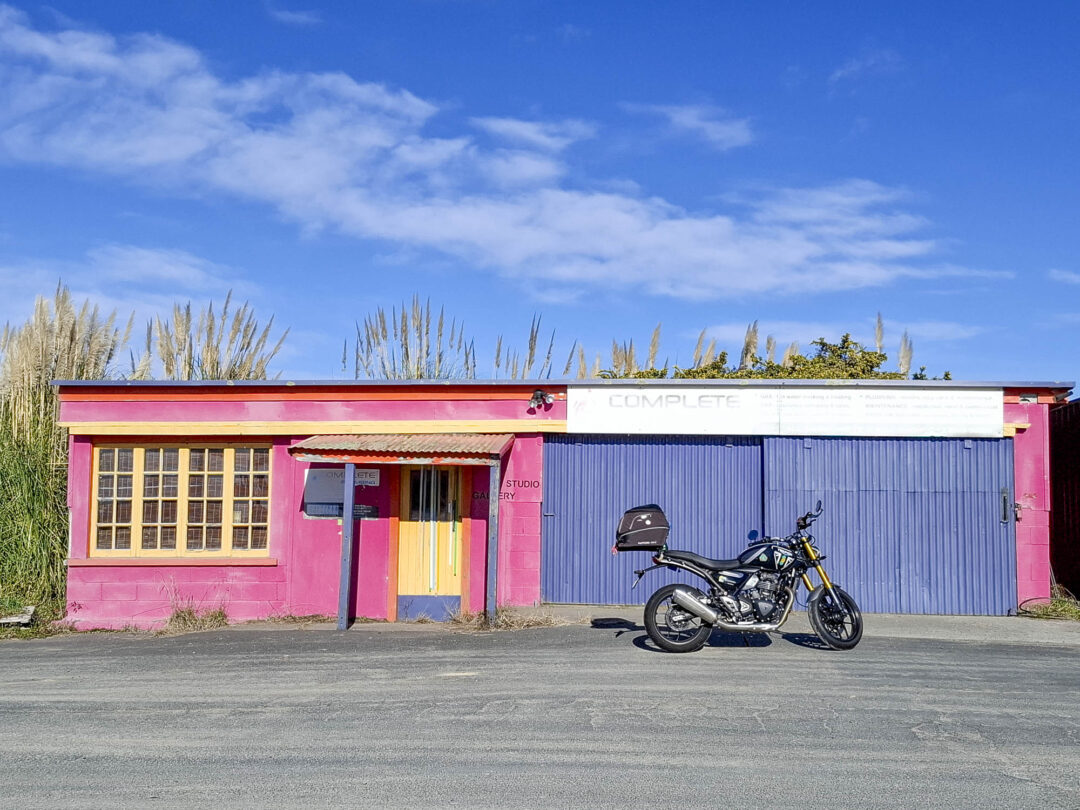
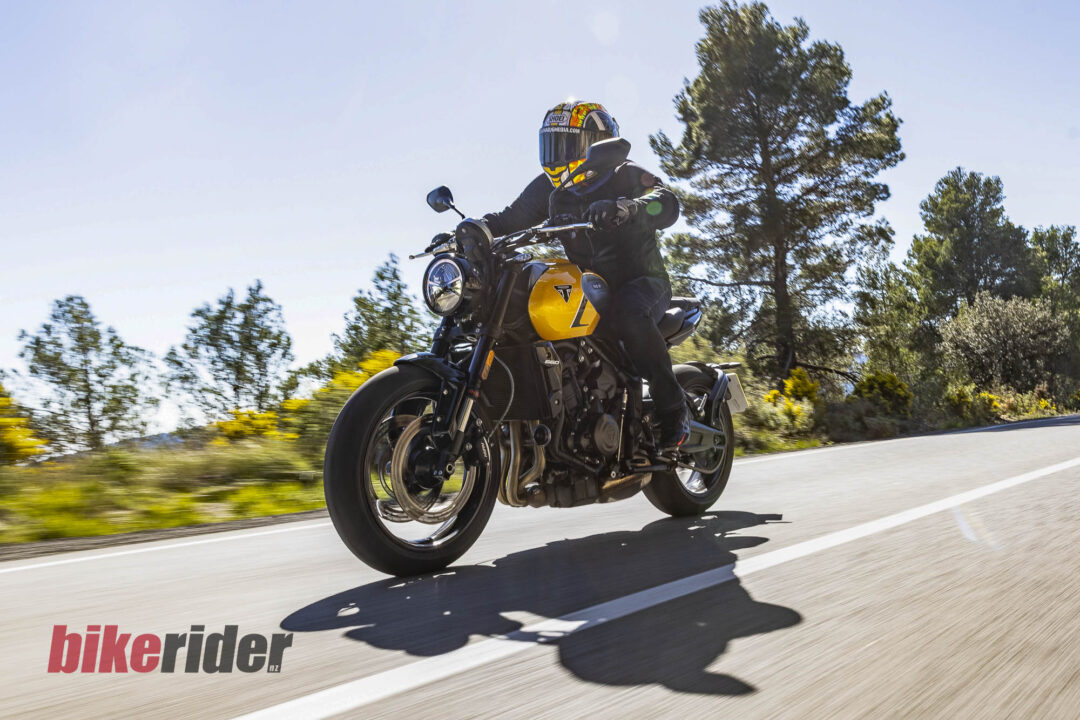
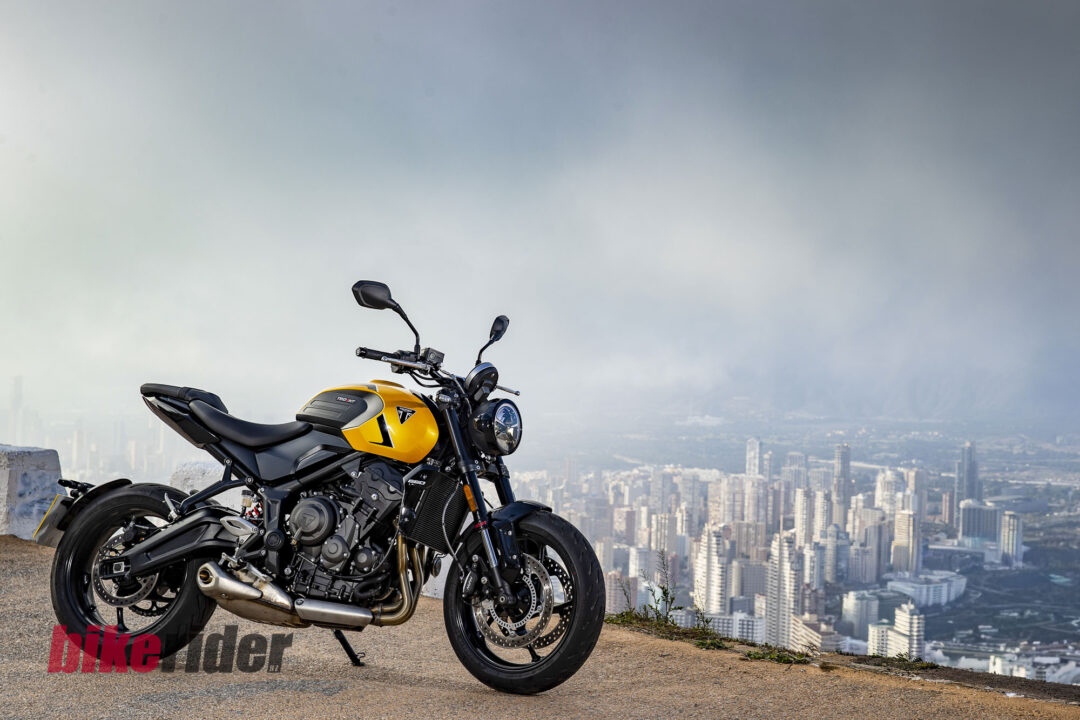
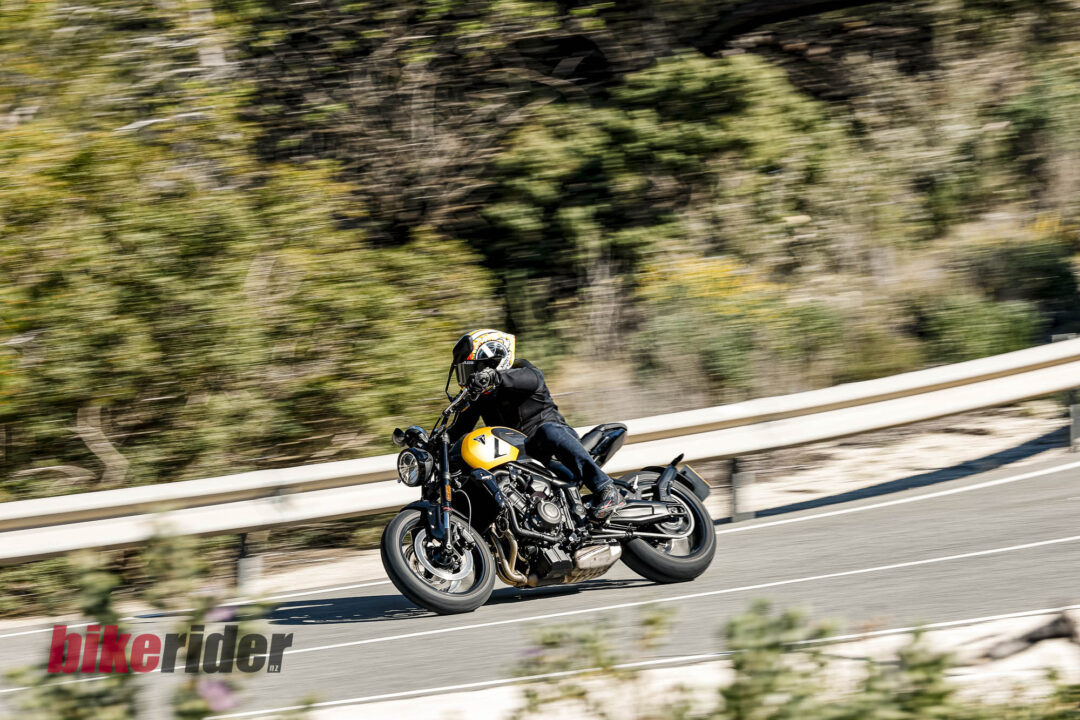
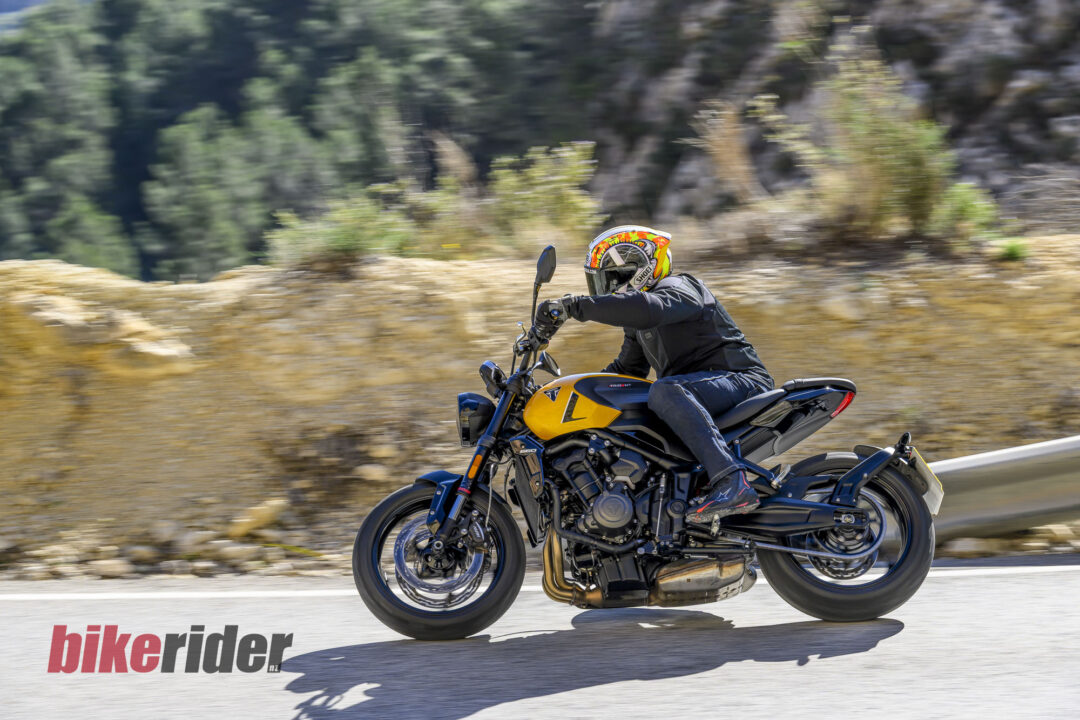
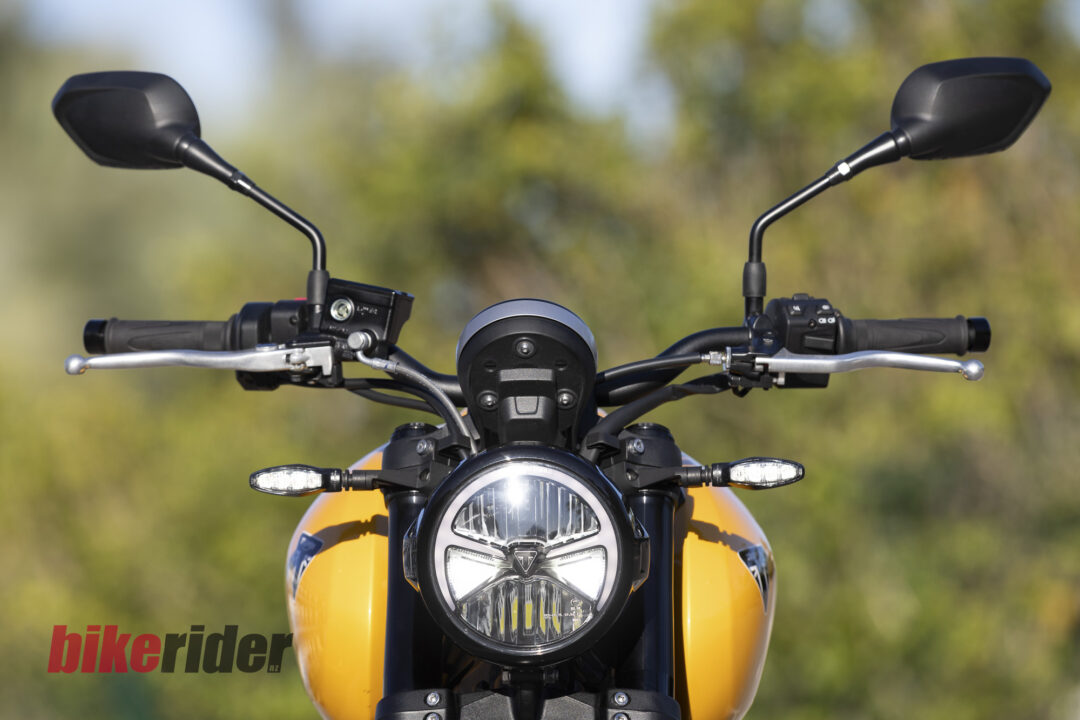
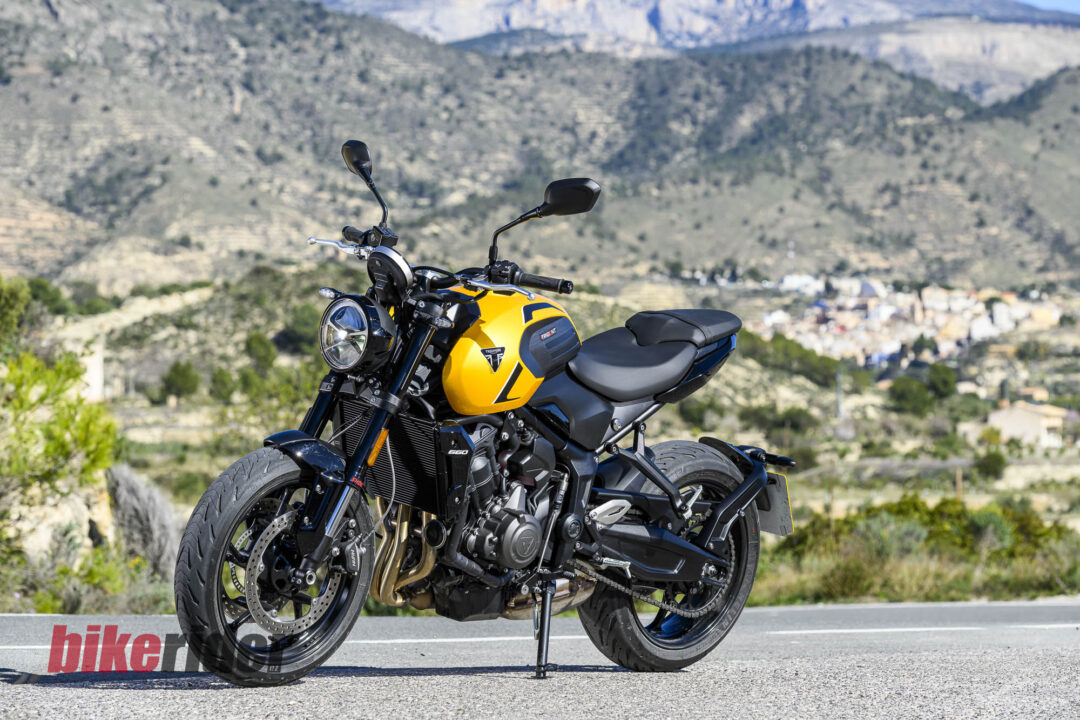
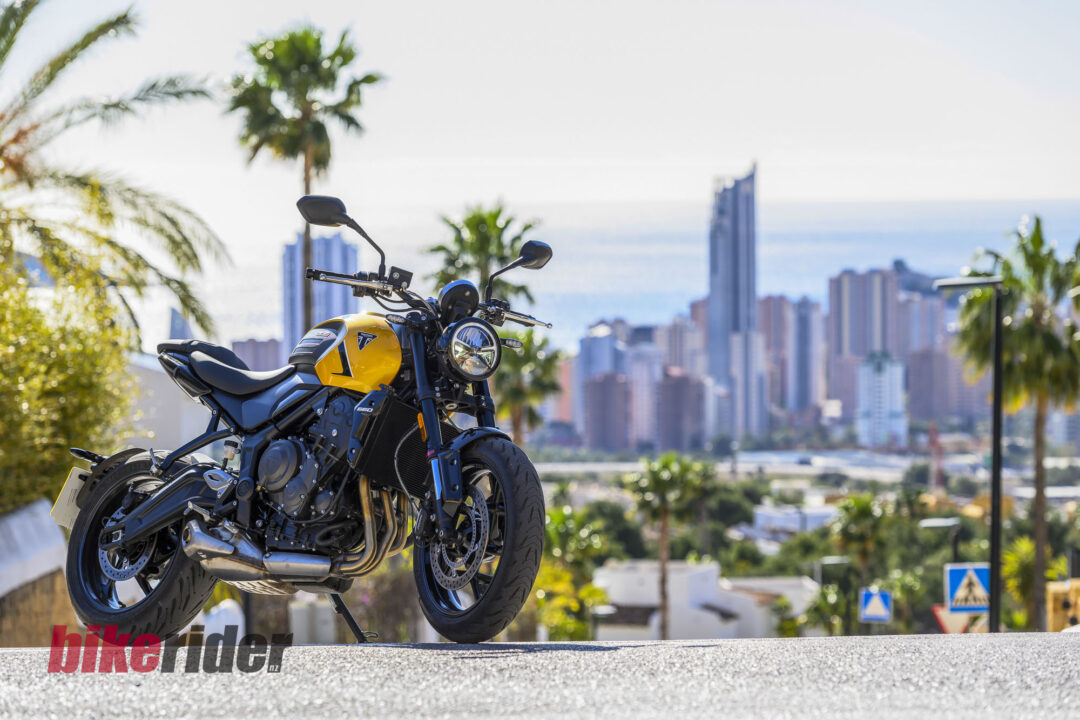
Triumph has been careful not to lose the Trident’s easy-going nature. It’s still aimed squarely at newer riders, younger riders and those stepping into the class. Styling changes are subtle, but the new yellow paint pops, and the bike still looks every inch a proper Triumph, even if it now bears a strong resemblance to its bigger 800 sibling.
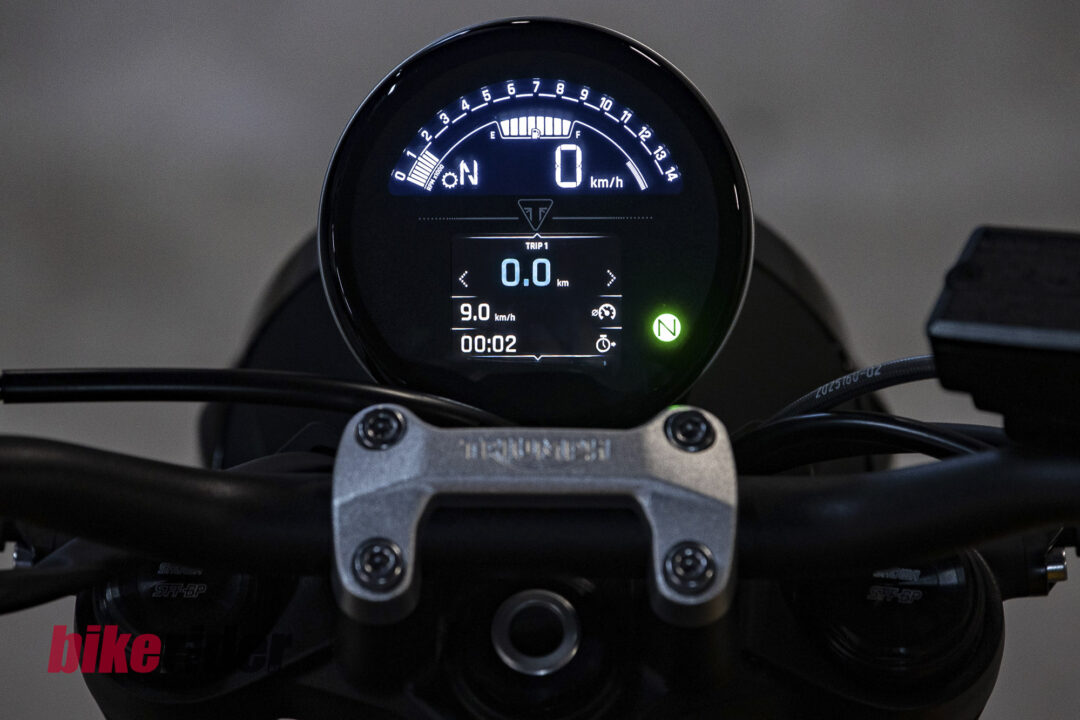
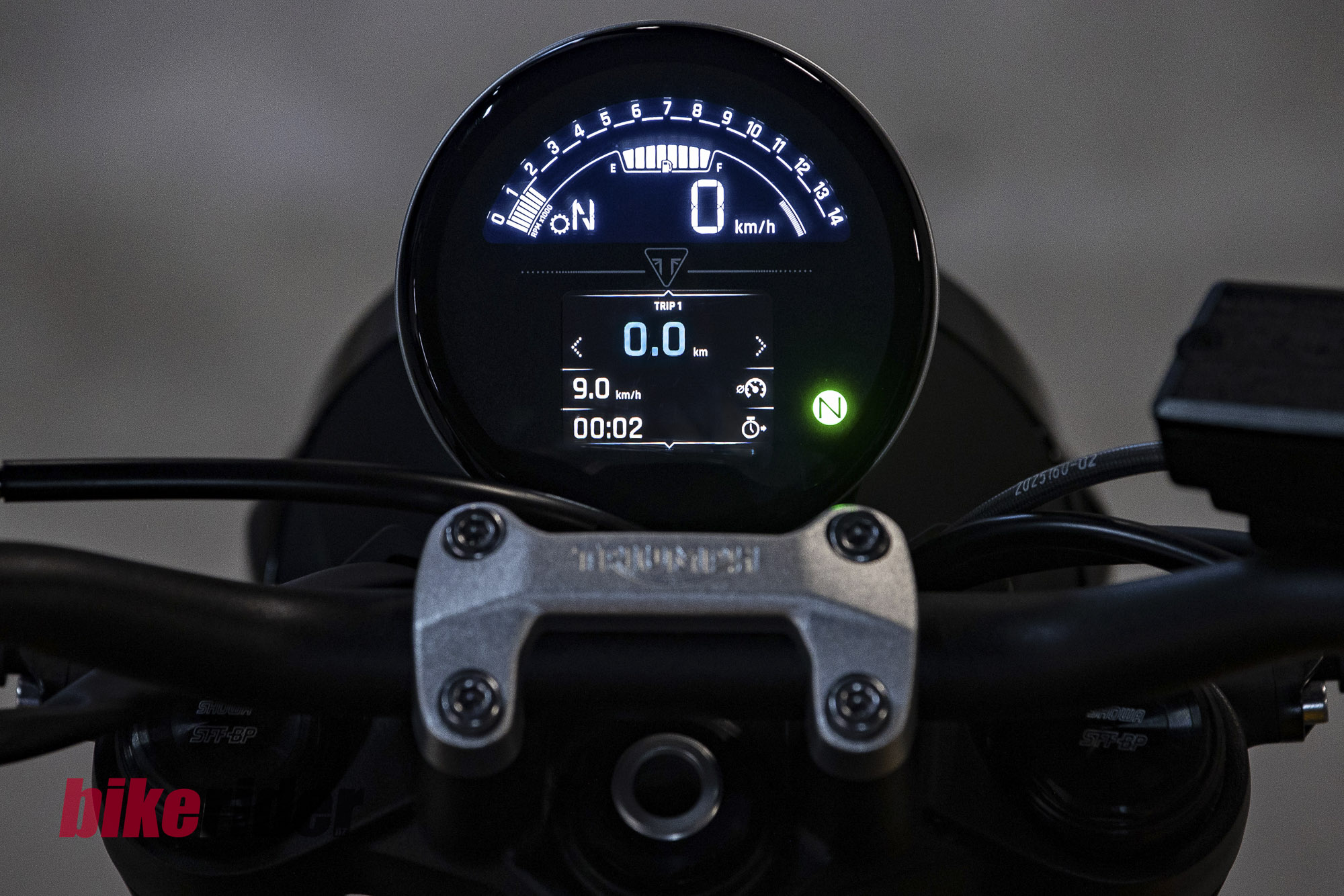
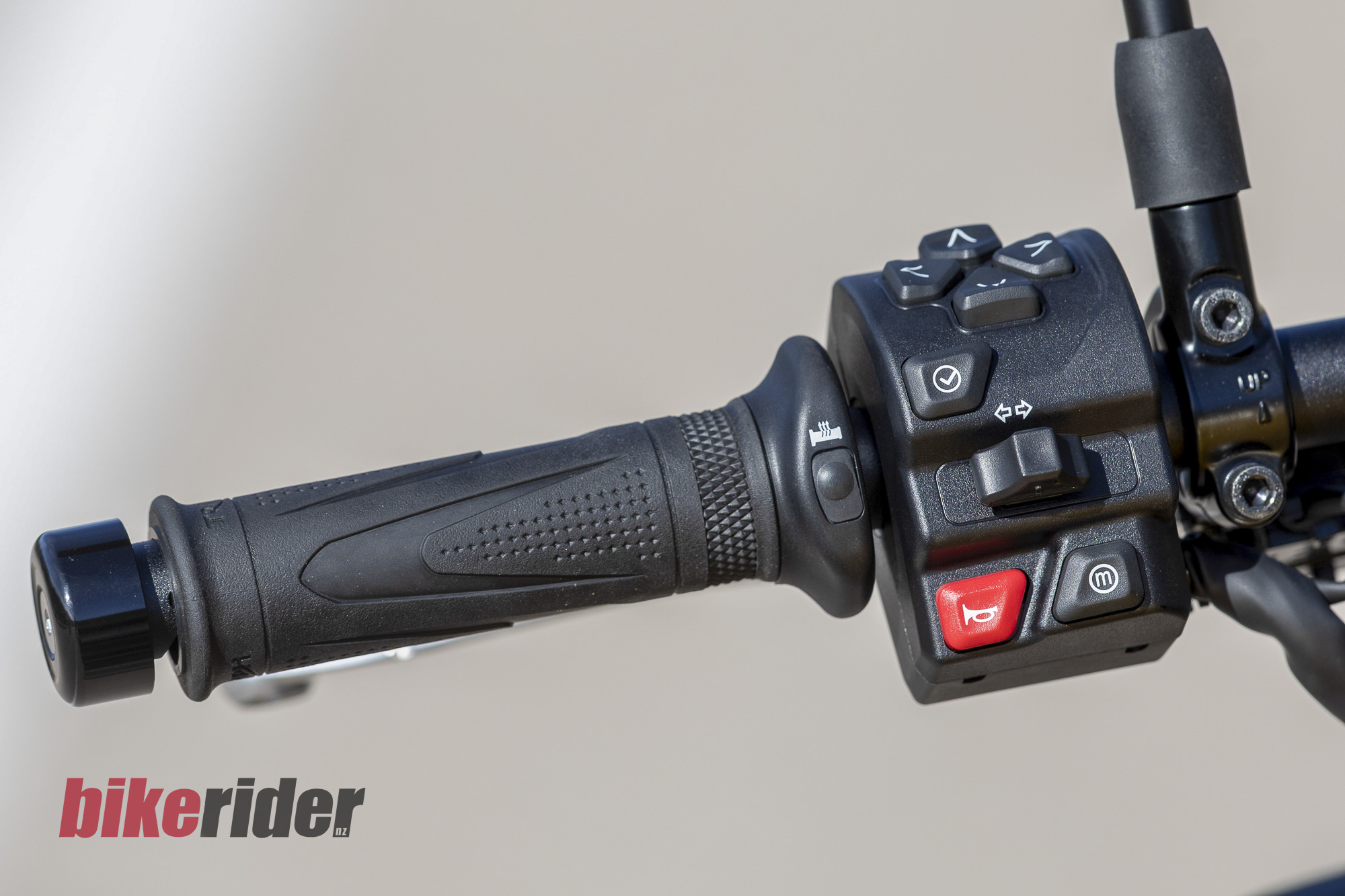
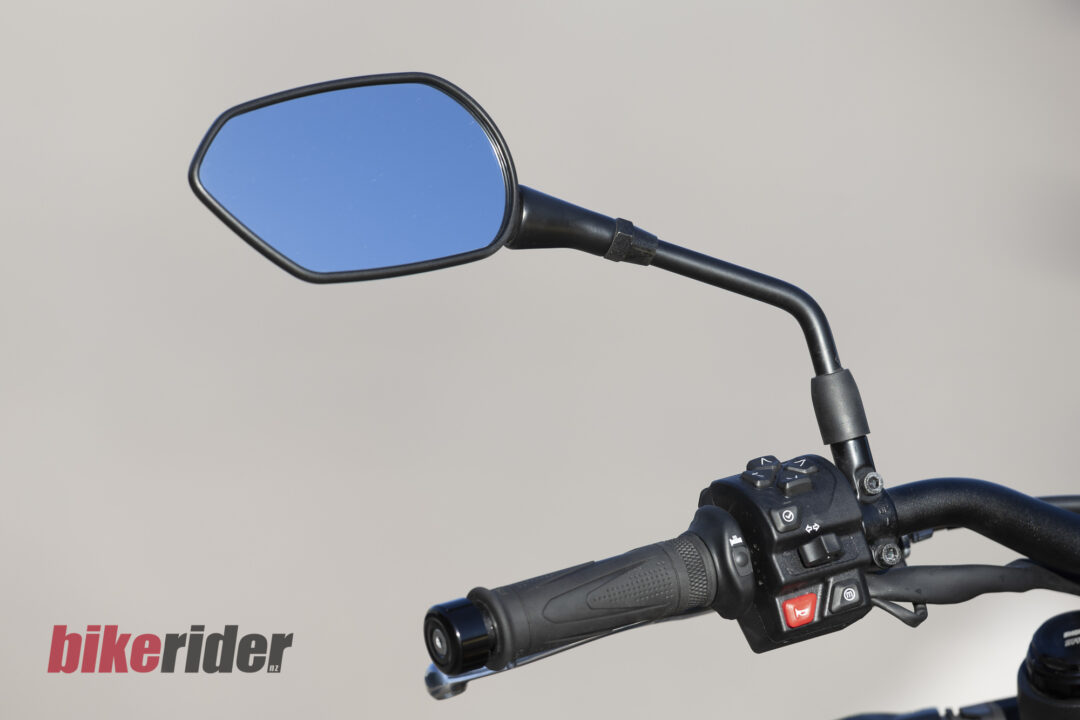
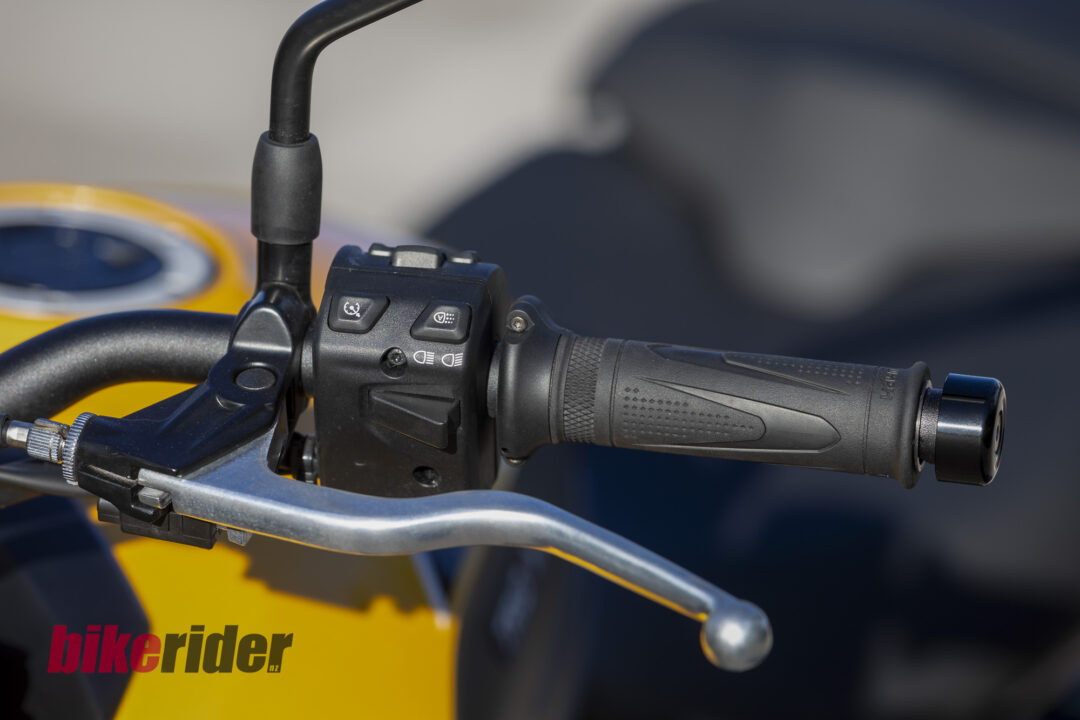
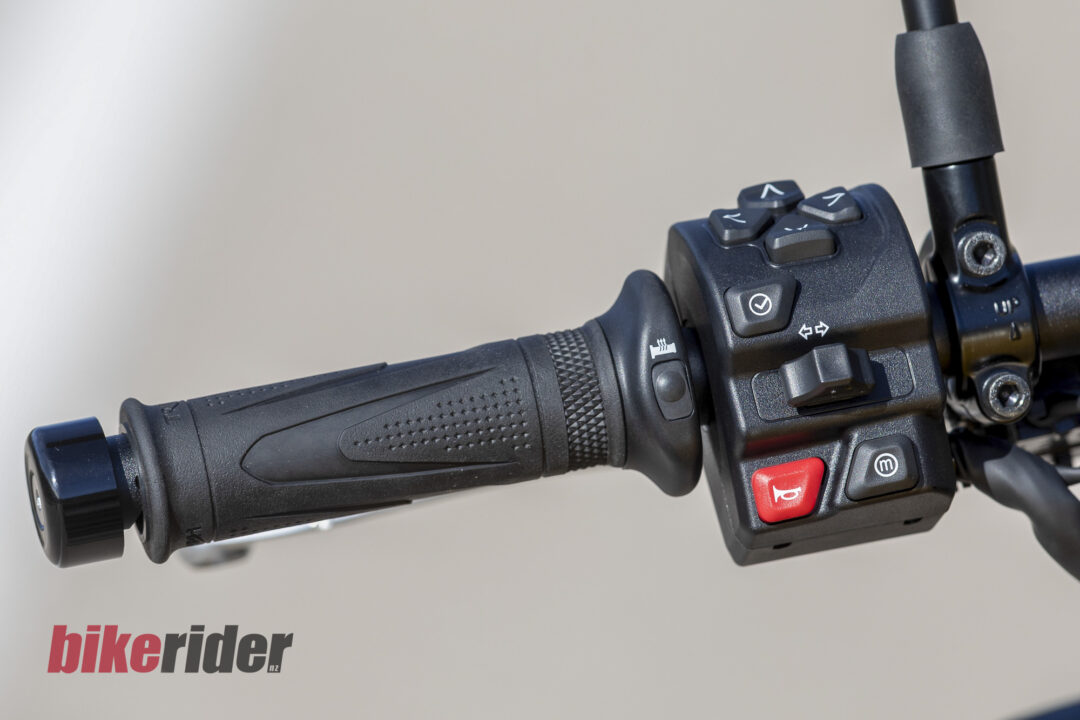
Climb aboard and you’re greeted by the familiar circular dash first seen in 2021. It’s not cutting-edge, but it’s simple and clear. Three riding modes – Sport, Road and Rain – adjust throttle response and traction control, while the standard up-and-down quickshifter and cruise control are welcome additions.
“The throttle response is instant and the quickshifter is addictive – banging through gears at 11,500–12,000rpm makes the Trident feel like a tiny naked race bike. It’s an absolute riot.”
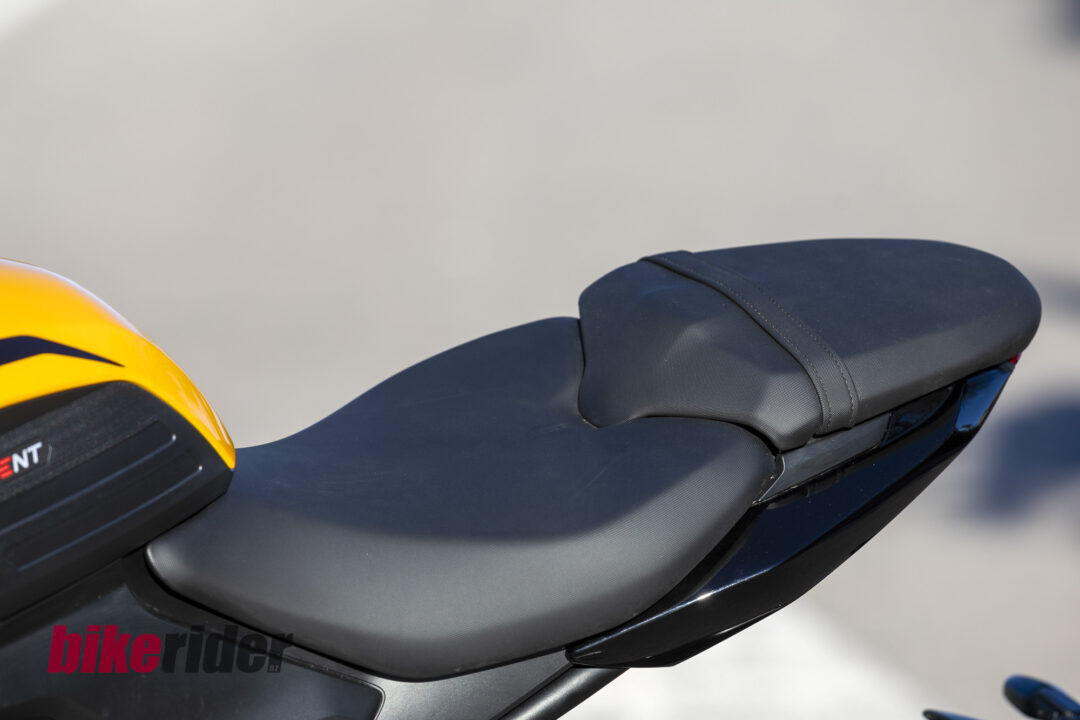
Our ride started in heavy Spanish traffic, which quickly reminded me how friendly the Trident is. The clutch is light, the throttle smooth and the riding position relaxed. With a modest 810mm seat height (or 785mm with the optional seat) it remains incredibly approachable, and despite a small weight increase it still feels light and balanced.
Engine: Now With Attitude
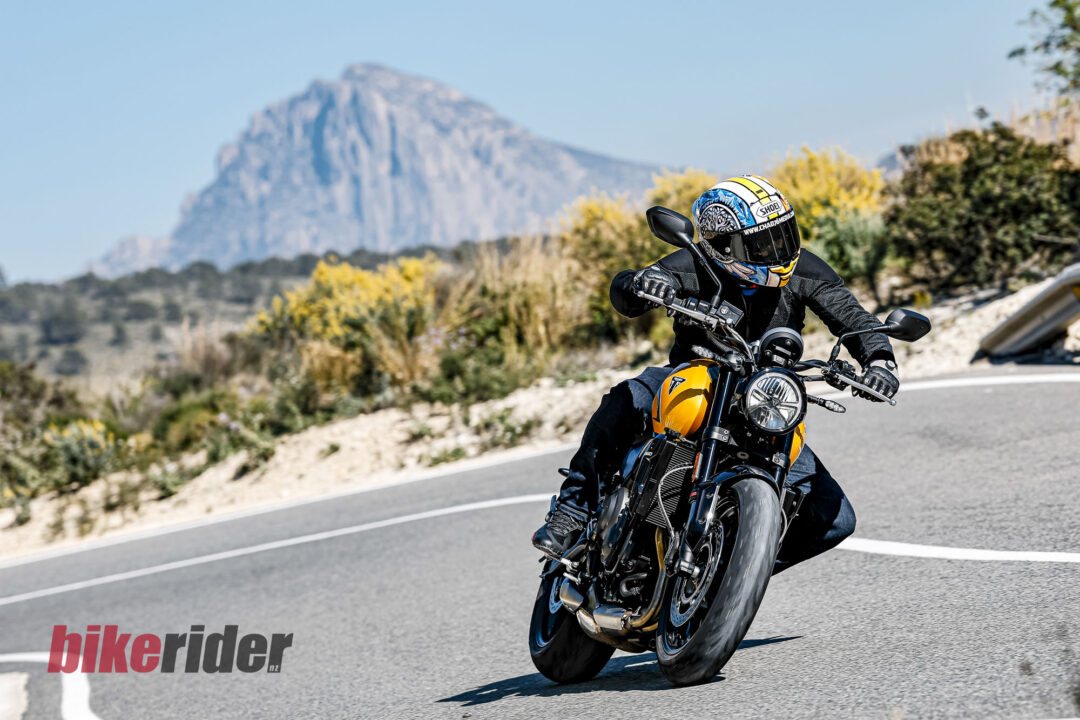
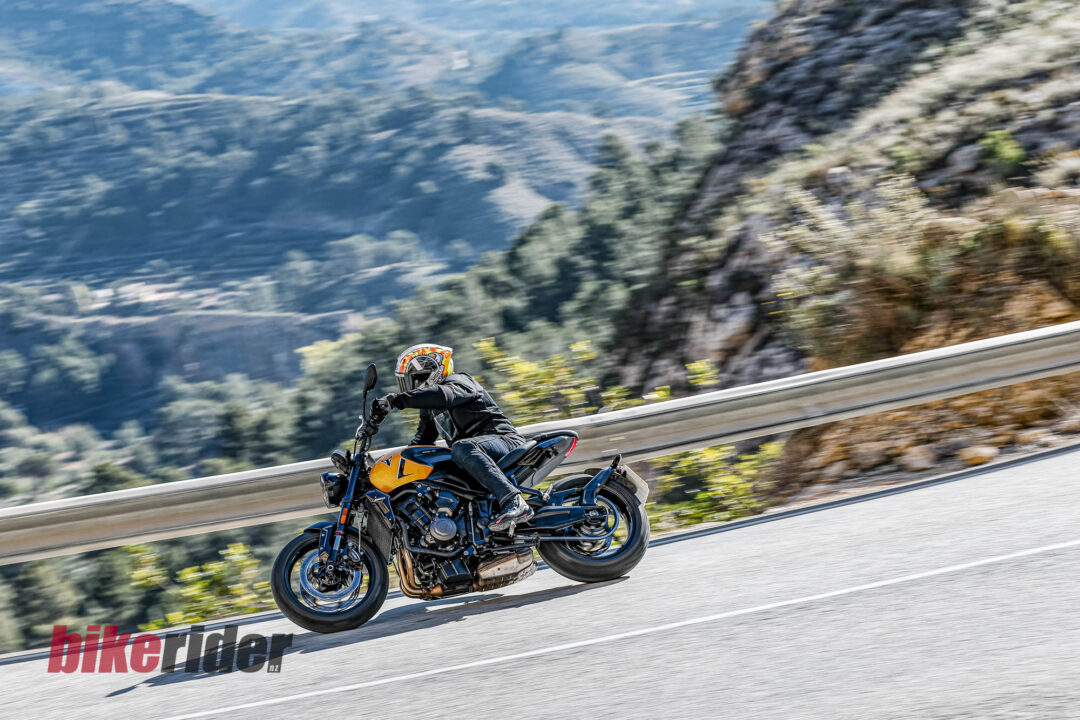
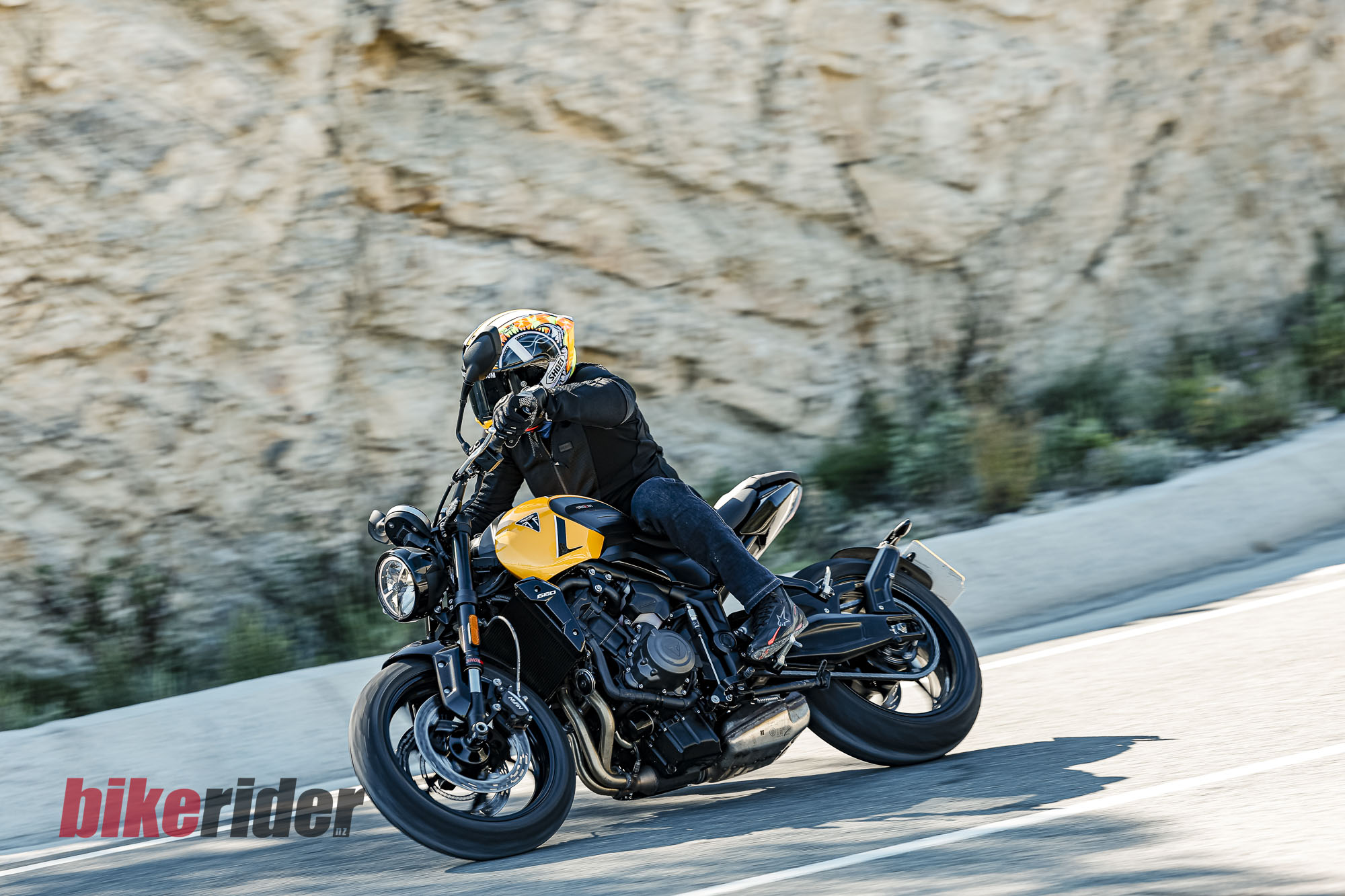
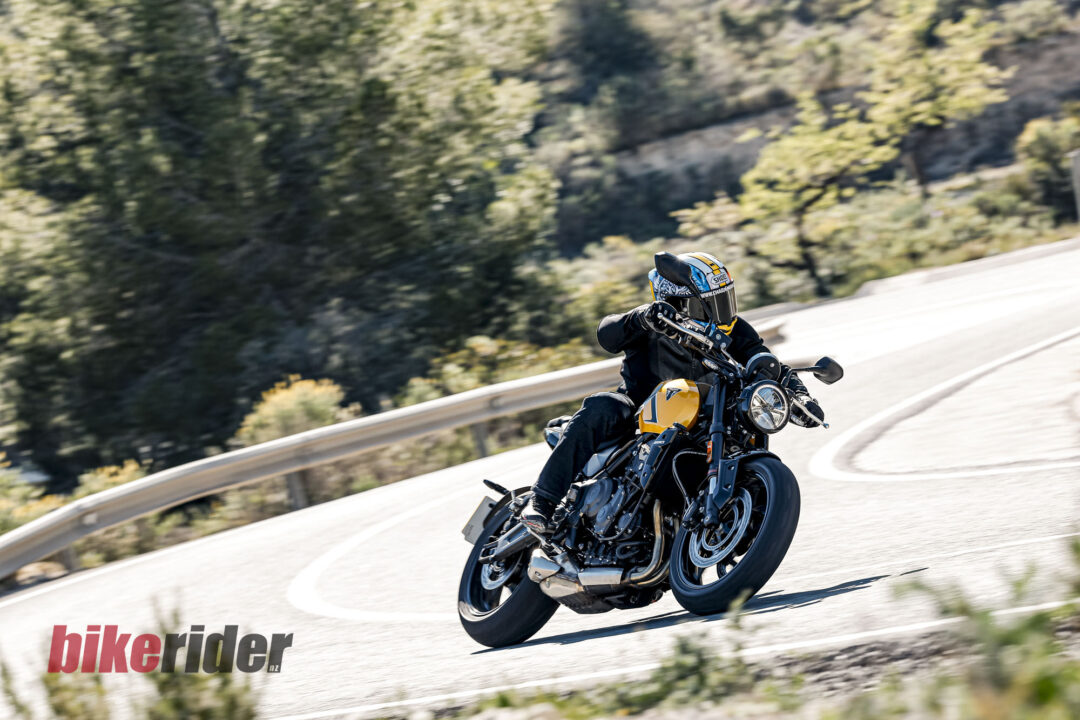
But the real test came in the mountains. The new engine still pulls cleanly from low revs, but now there’s far more excitement up top. You could short-shift and ride the strong midrange, but I preferred not to. Hold on to a gear and let it spin towards 13,000rpm and the bike comes alive. The throttle response is instant and the quickshifter is addictive – banging through gears at 11,500–12,000rpm makes the Trident feel like a tiny naked race bike. It’s an absolute riot.
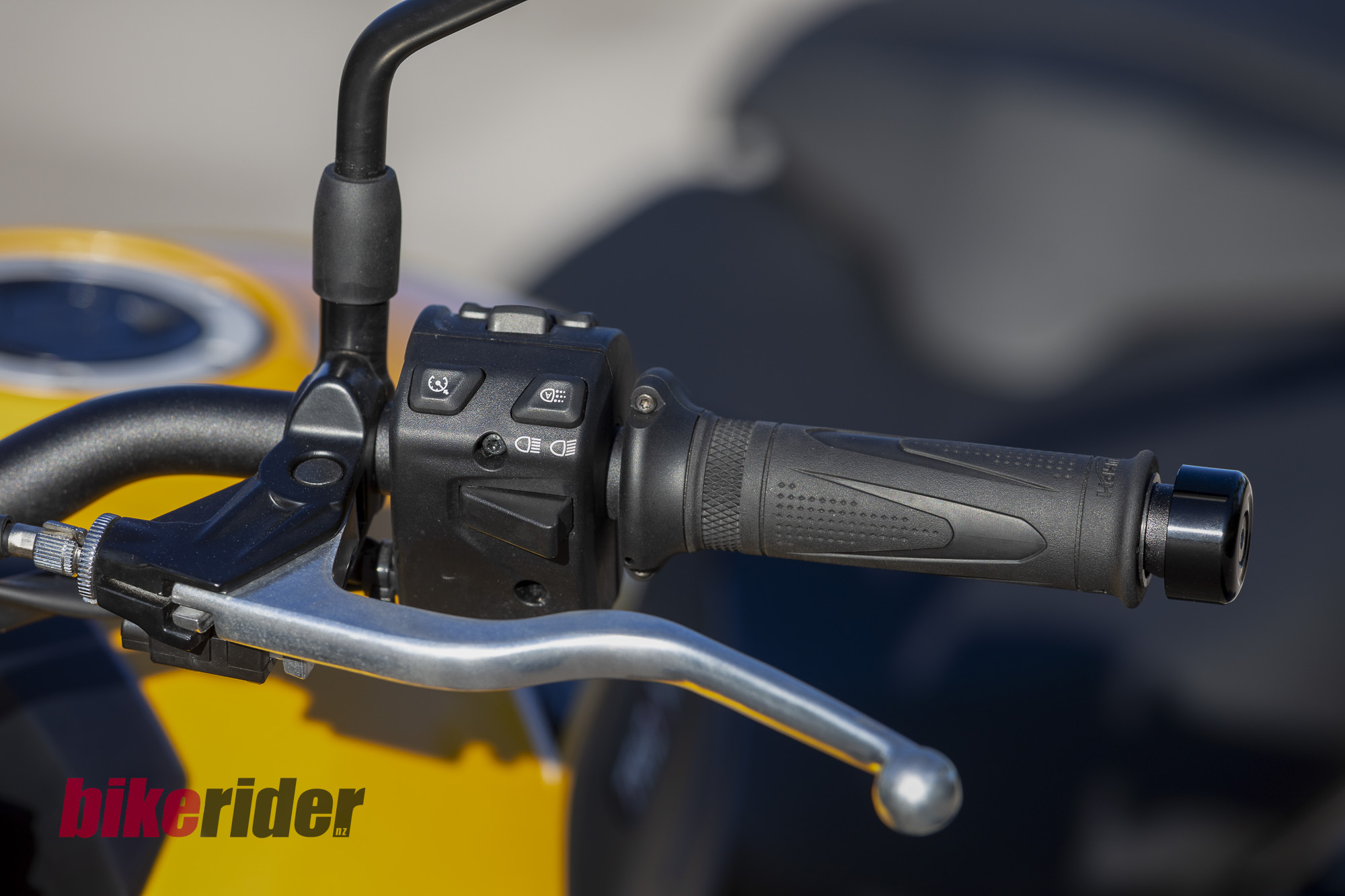
That doesn’t mean you have to ride it flat out. There’s plenty of smooth drive below 10,000rpm, and it’ll happily lift the front wheel in the first two gears with a little encouragement. An upgraded slipper clutch and revised gearing help make the engine stronger and more playful everywhere.
Handling & Chassis
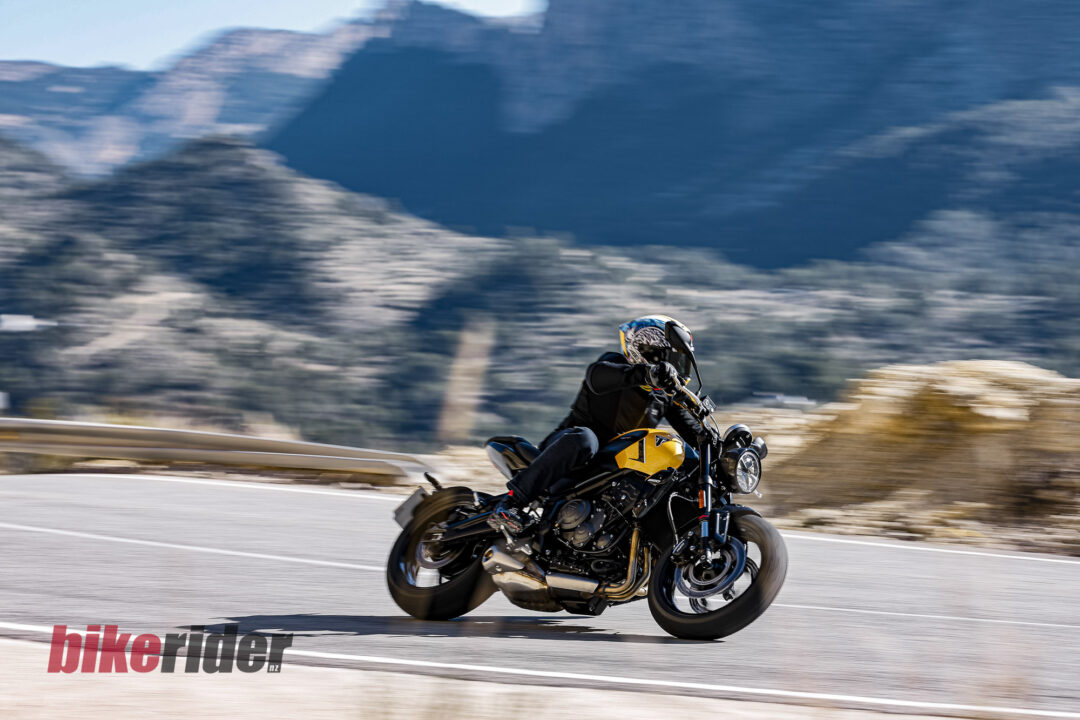
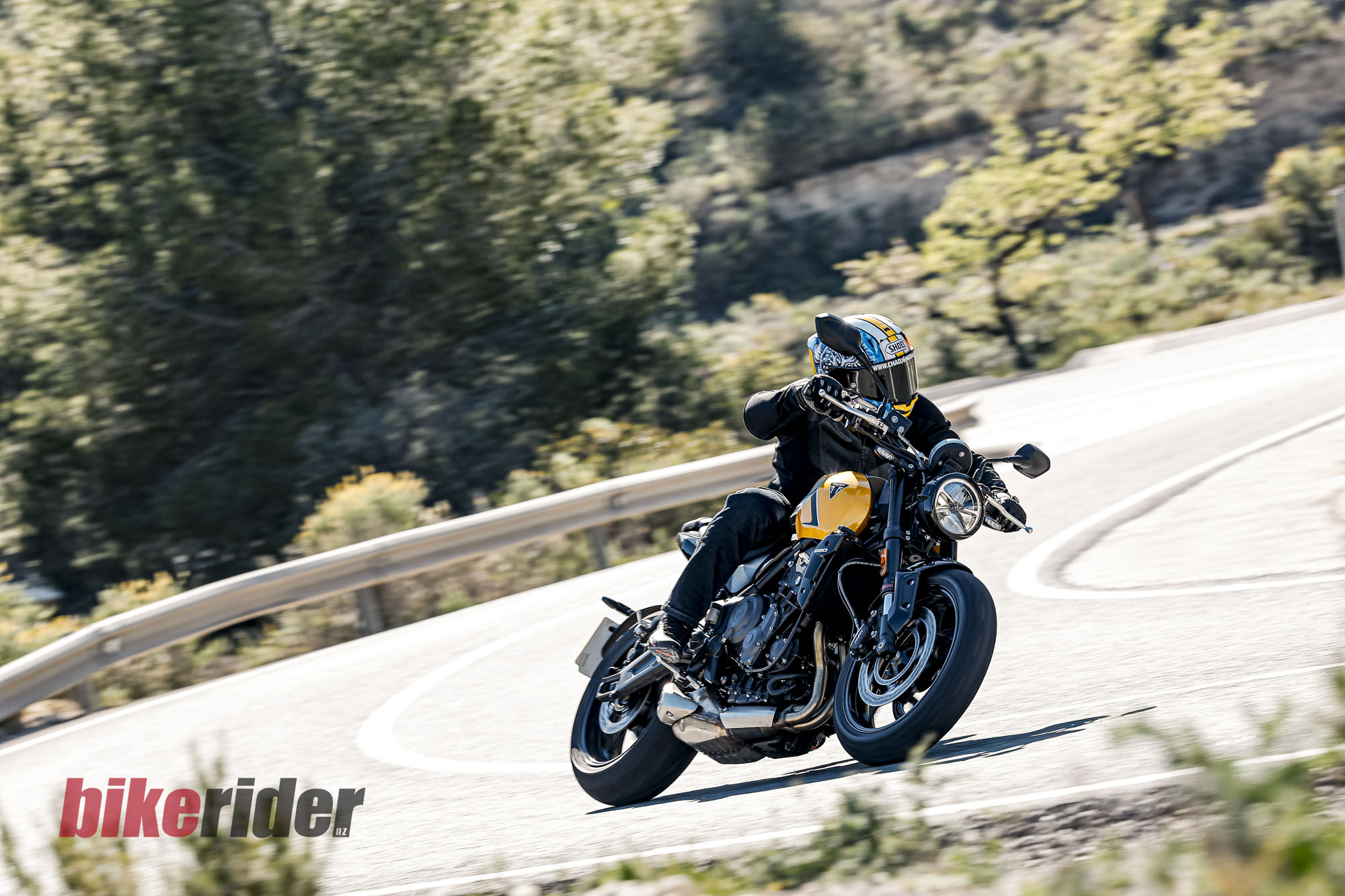
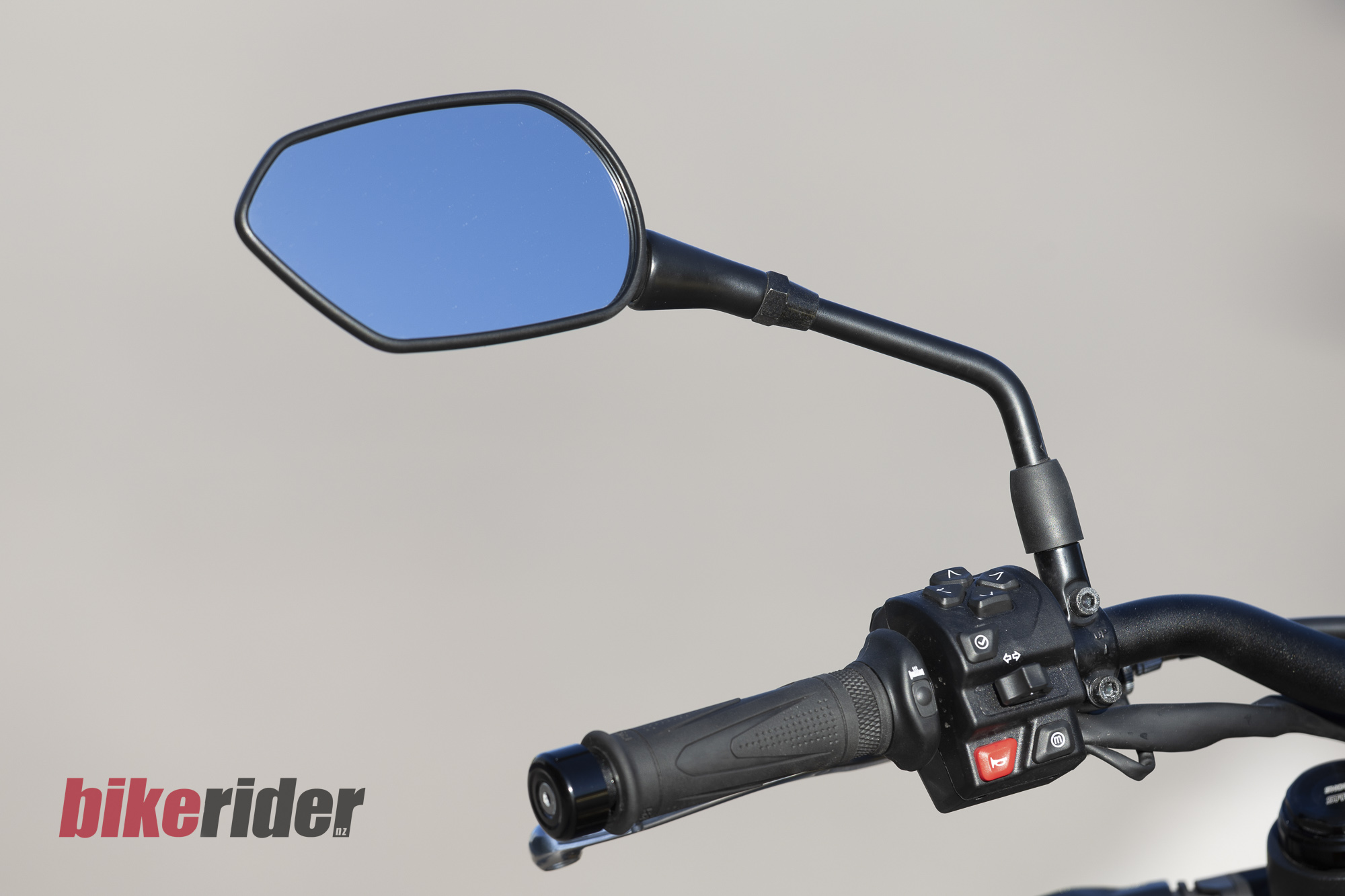
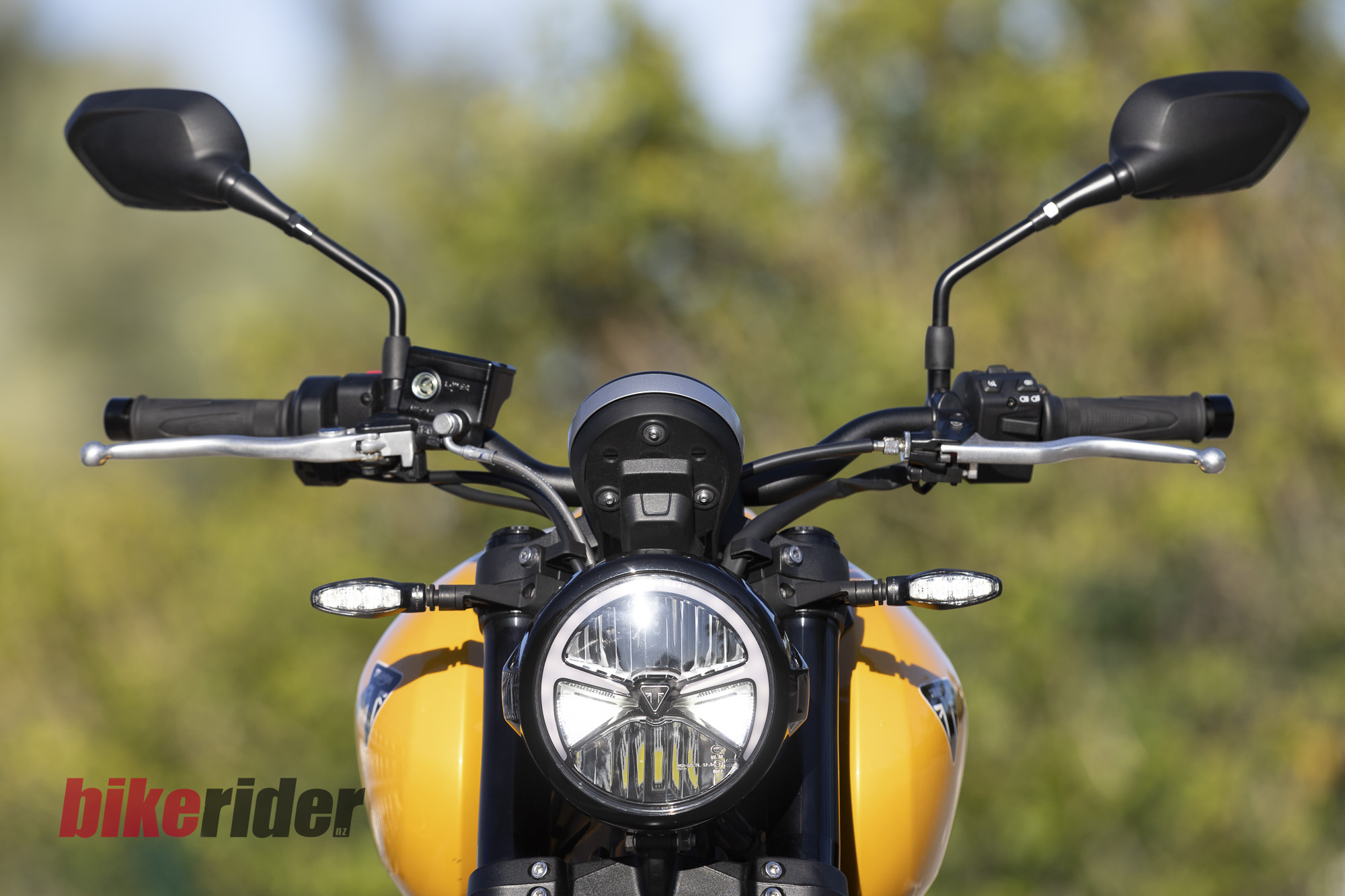
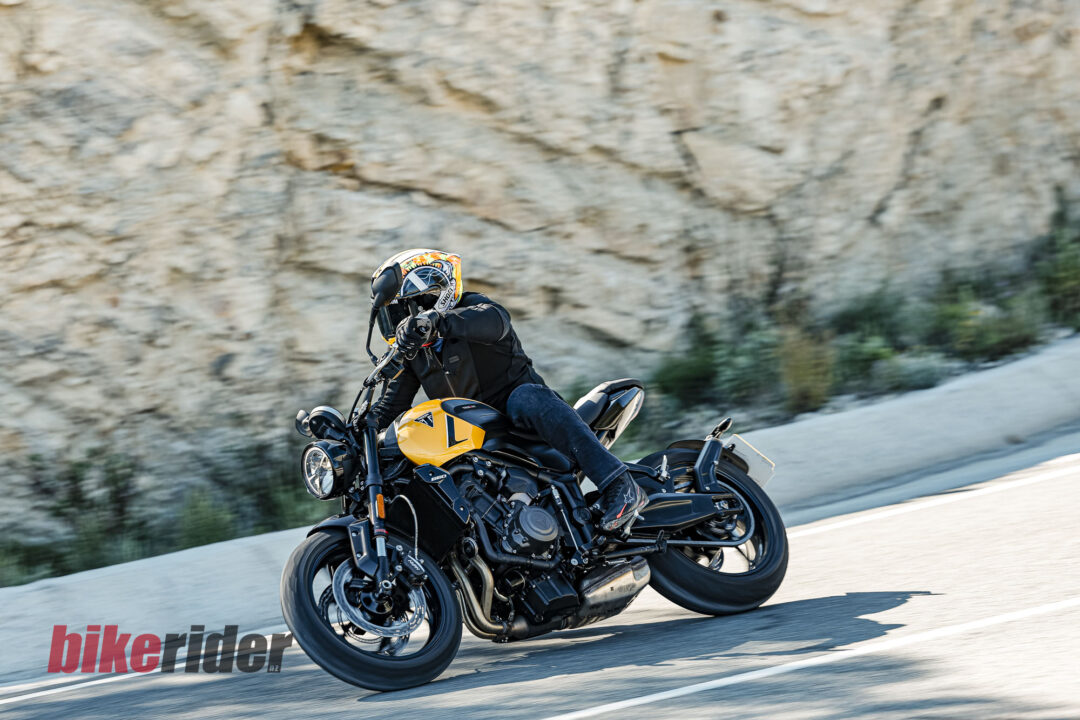
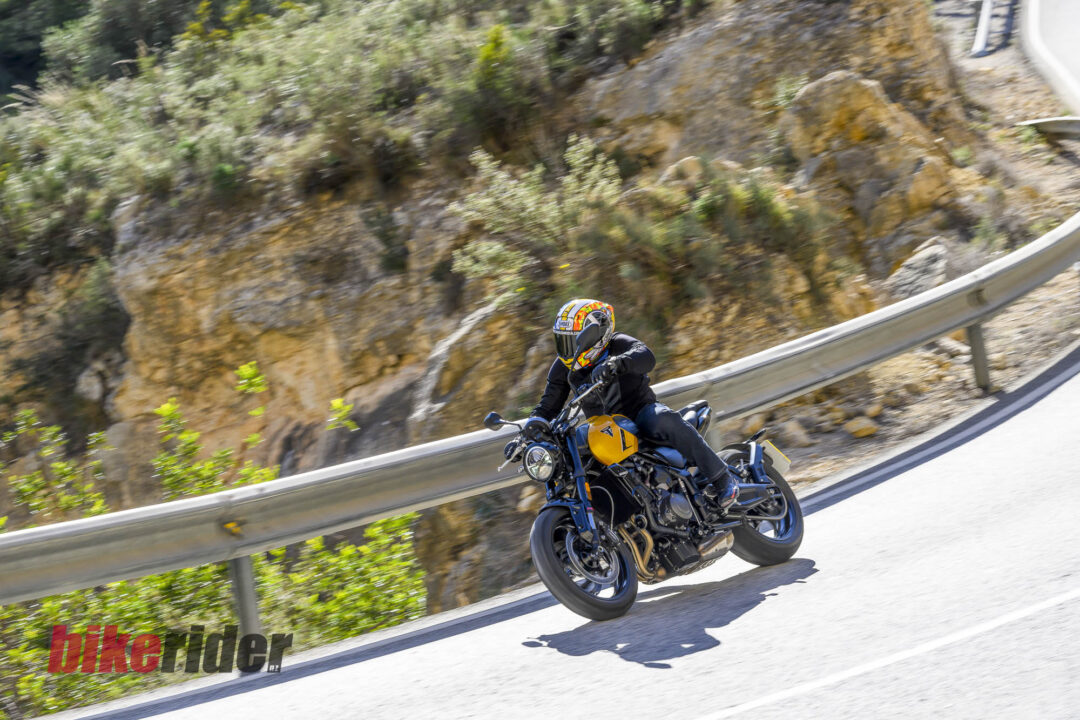
Handling reflects the bike’s target market. Steering is light, agility is excellent and the suspension setup is deliberately soft to keep the ride comfortable. Wider bars help flick it through corners with minimal effort, and the Nissin brakes are progressive rather than aggressive.
Push harder, though, and the limits start to show. The forks remain non-adjustable and the overall setup is on the soft side. Charging into tight hairpins, I occasionally wanted stronger braking and more support from the suspension. The Michelin Road 5 tyres are great all-rounders but lack feel when really pushed.
To be fair, I was riding it harder than most owners ever will. With nearly 13,000rpm to play with, it’s hard not to. And that’s the thing: the engine now feels far more performance-focused than the chassis.
Living With It
On the ride back to the hotel, cruising comfortably with the standard cruise control, the Trident’s easy nature returned. Fuel economy remains respectable at around 4.9L/100km, giving roughly 240–290km of range from the 14-litre tank, and the ergonomics suit riders of all sizes.
The 2026 Trident 660 delivers exactly what many riders asked for: more power, more revs and even more fun, while keeping the accessibility that made it so popular in the first place.”
So the 2026 Trident 660 delivers exactly what many riders asked for: more power, more revs and even more fun, while keeping the accessibility that made it so popular in the first place. The chassis may still favour comfort over outright sportiness, but for its $16k price point, the Trident remains one of the most entertaining entry-level nakeds around.
Verdict
I’ve got a lot of time for the new Triumph Trident 660. The extra power transforms the bike, making it more exciting, more engaging and giving it one of the most entertaining engines in this class.
Crucially, it hasn’t lost the qualities that made the original so good. It’s still incredibly easy to jump on and ride, forgiving, balanced and friendly at low speed, while lean-sensitive rider aids (TC and ABS) keep things safe when conditions turn tricky. Standard kit like the quickshifter, cruise control and Bluetooth connectivity only adds to the appeal, as does the strong build quality.
There are a couple of caveats. Riders keen to exploit the new engine’s full potential might want a little more from the chassis, and the dash – while clear and functional, won’t be to everyone’s taste. But at around $15,990, with a big jump in performance for only a small price increase, the Trident suddenly looks like a bit of a bargain.
Competition from Europe and Japan is fierce, with plenty of LAMS naked bikes on offer. Even so, the Trident feels like one of the most exciting options out there, and just as easy to ride as ever. A proper group test will settle the score, but one thing’s certain: new riders have never had it so good.

2026 Triumph Trident 660 Gallery
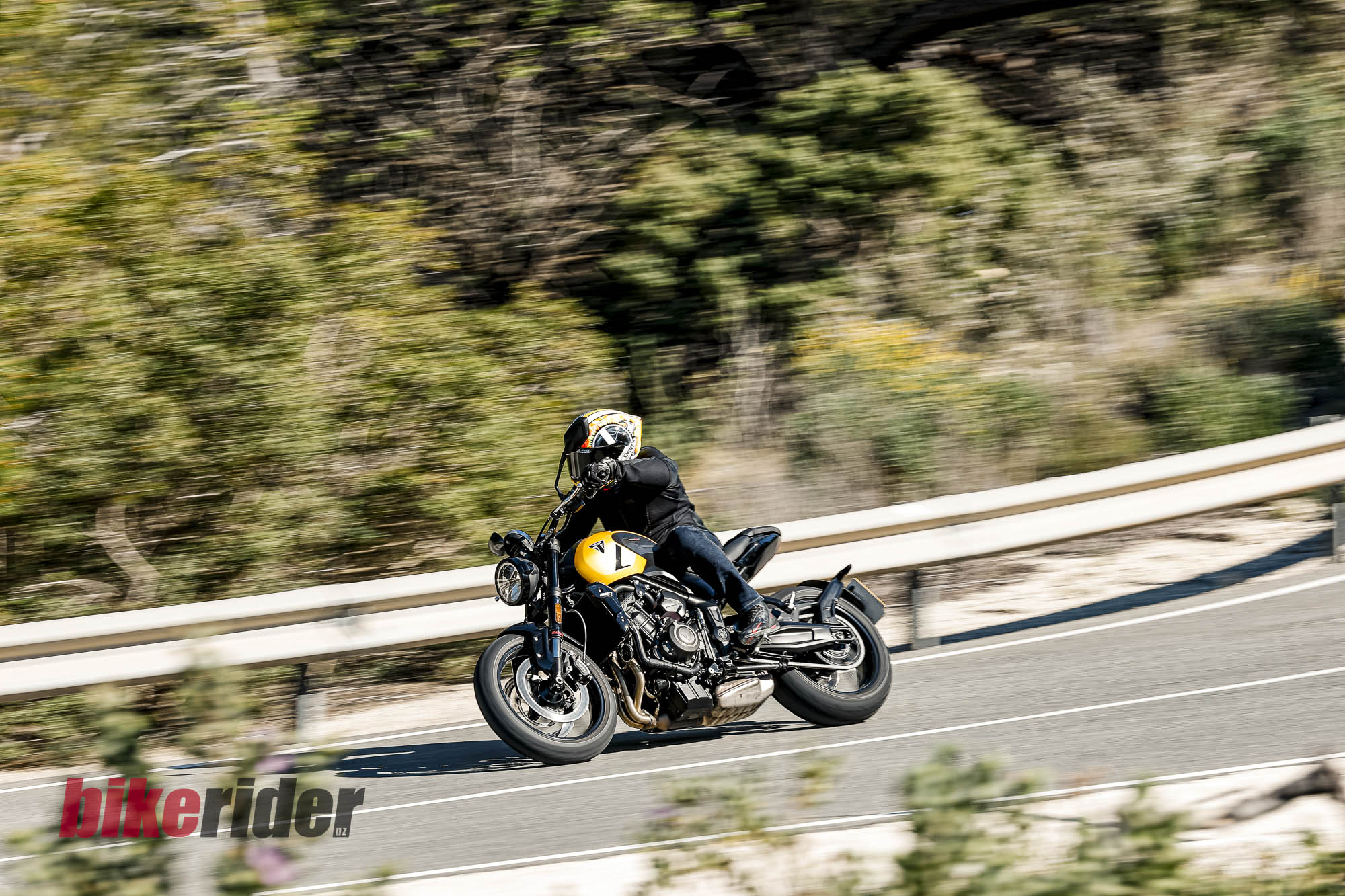
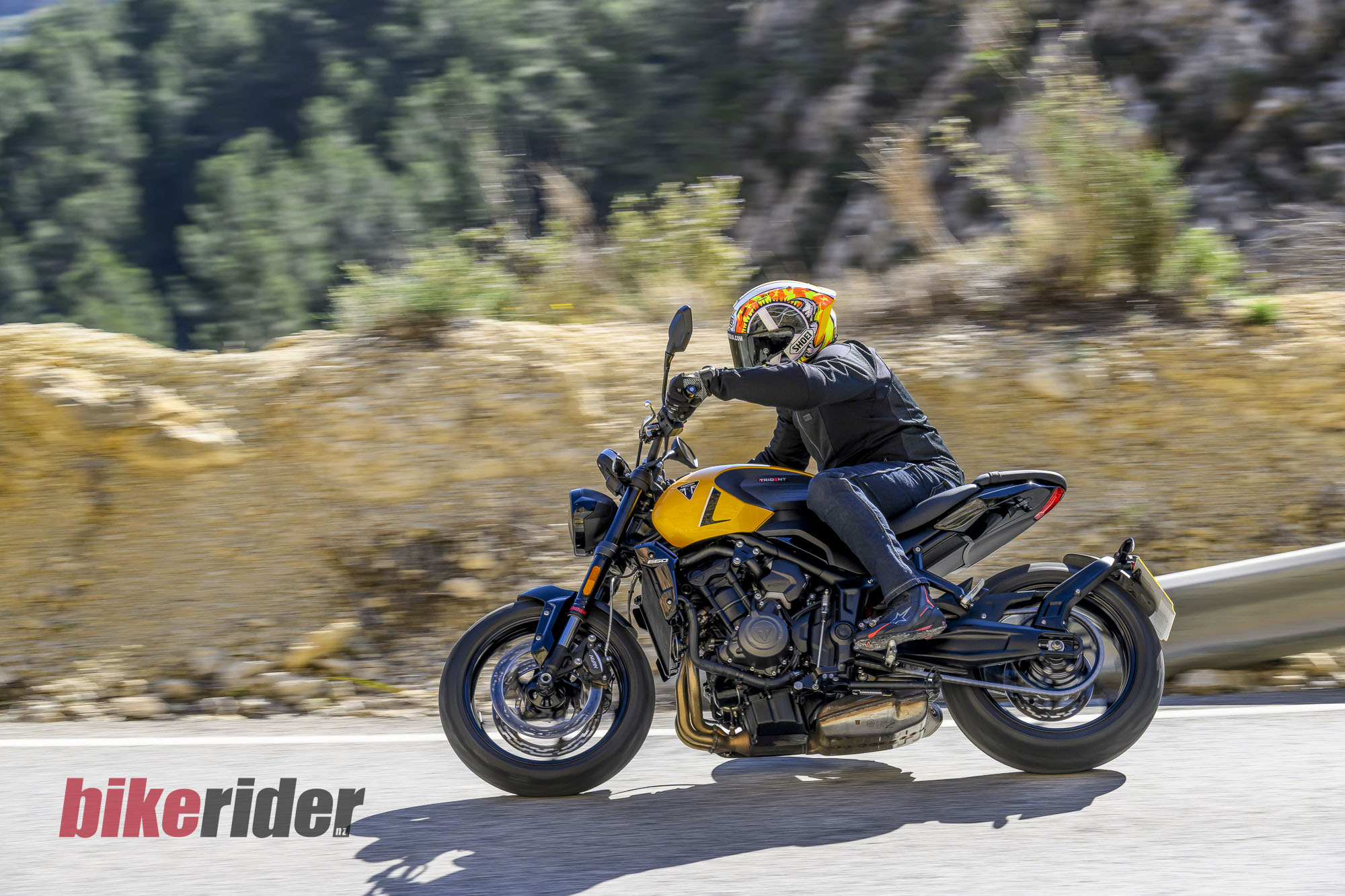
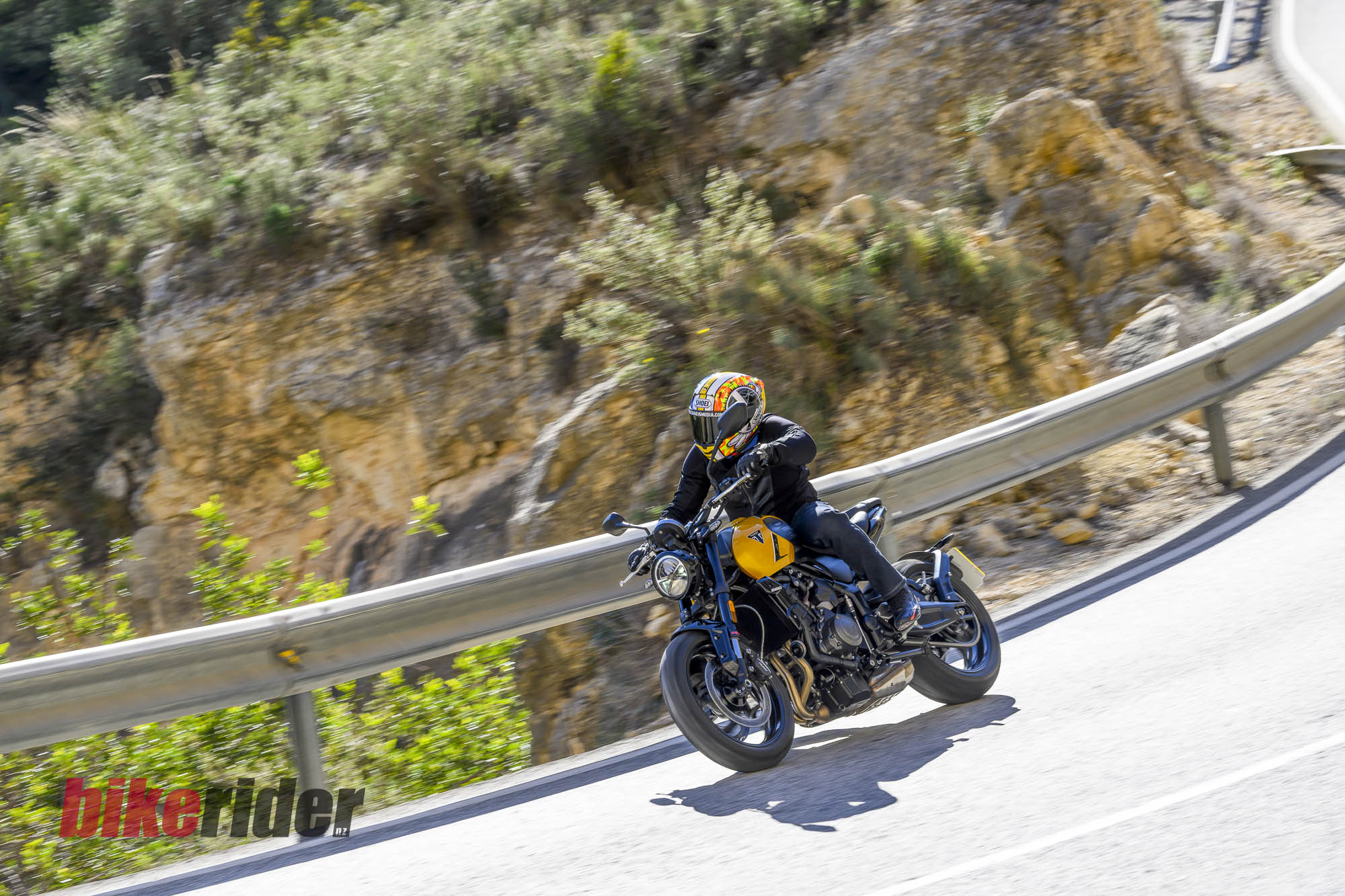
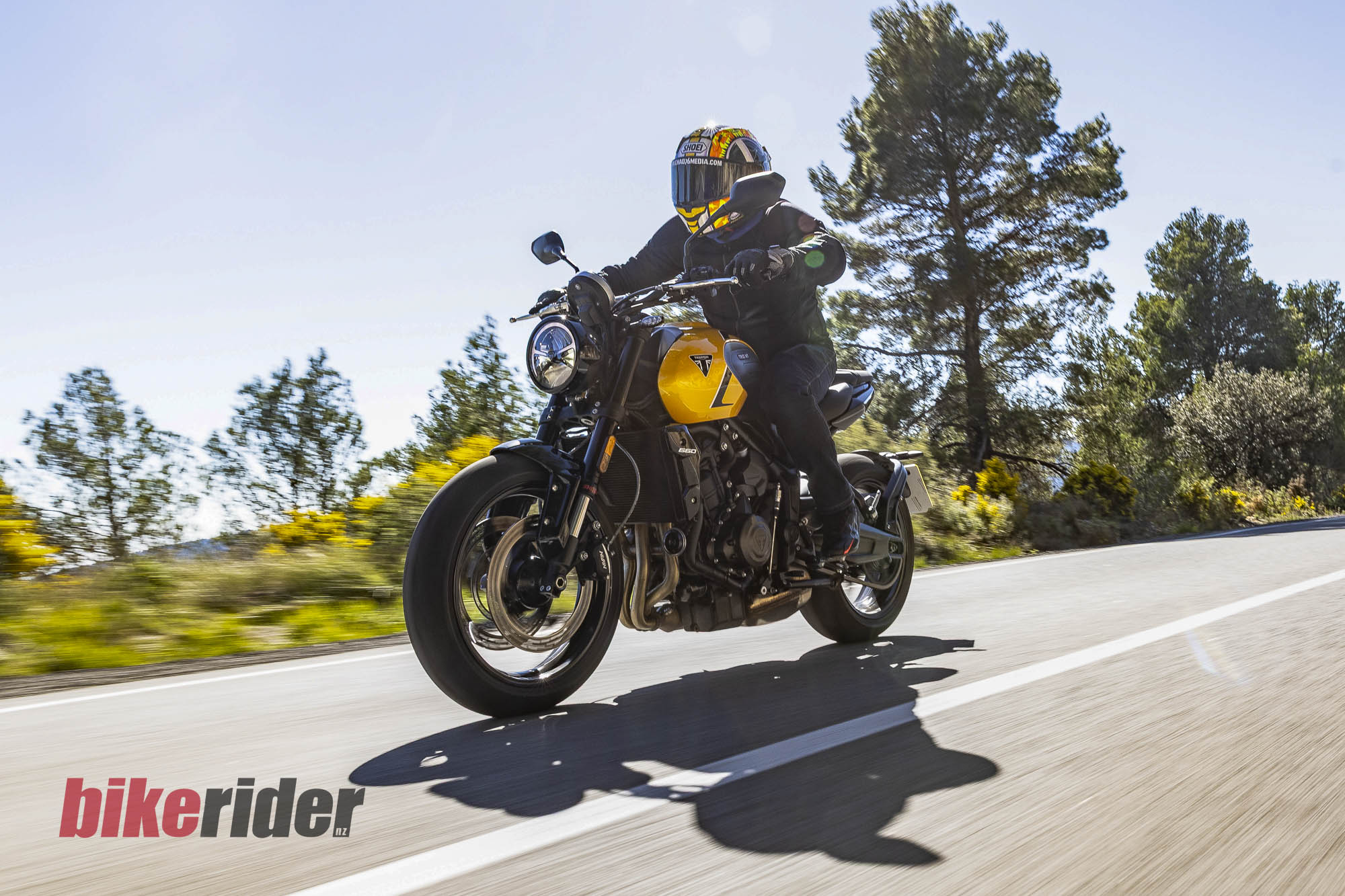
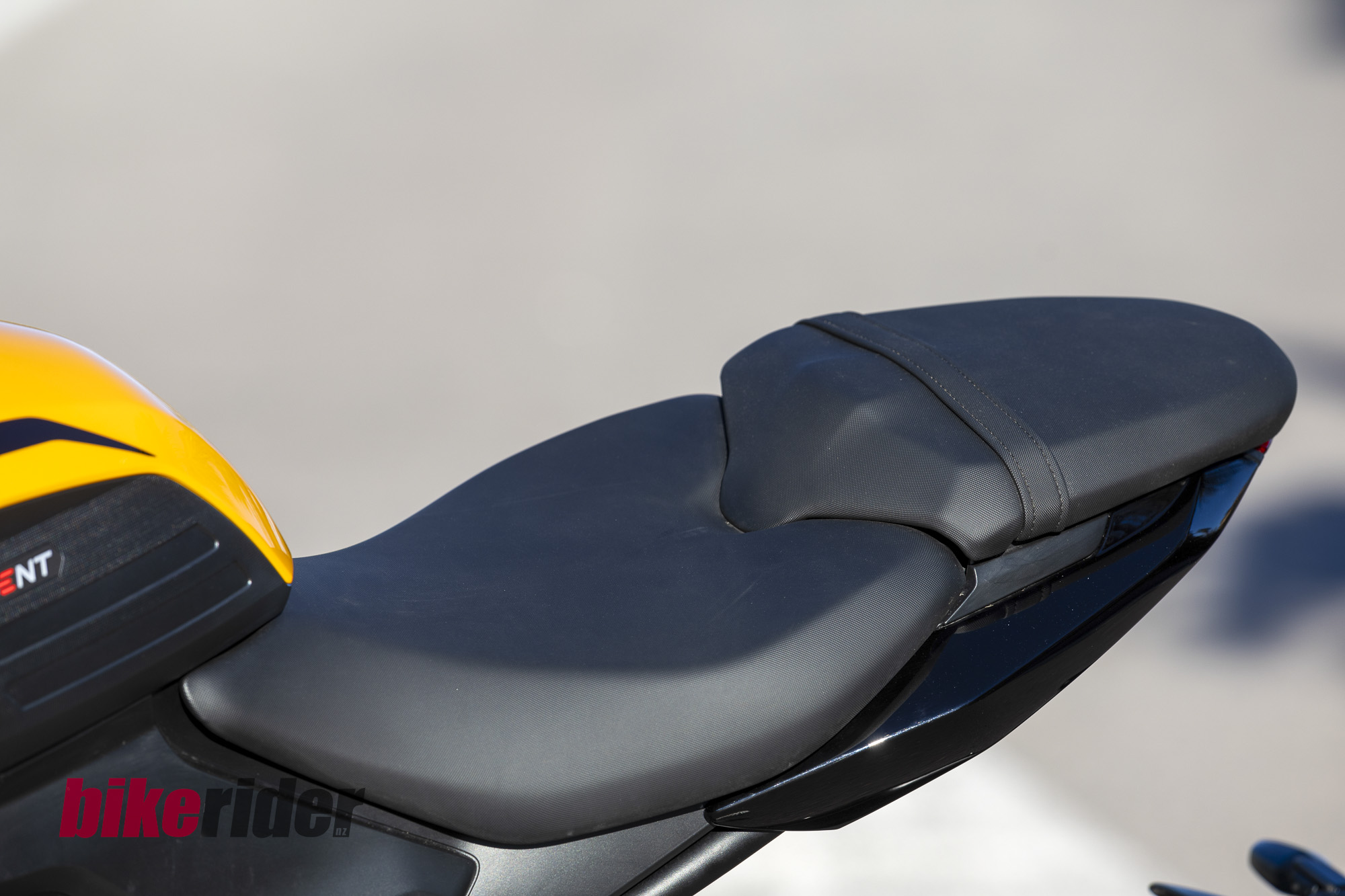
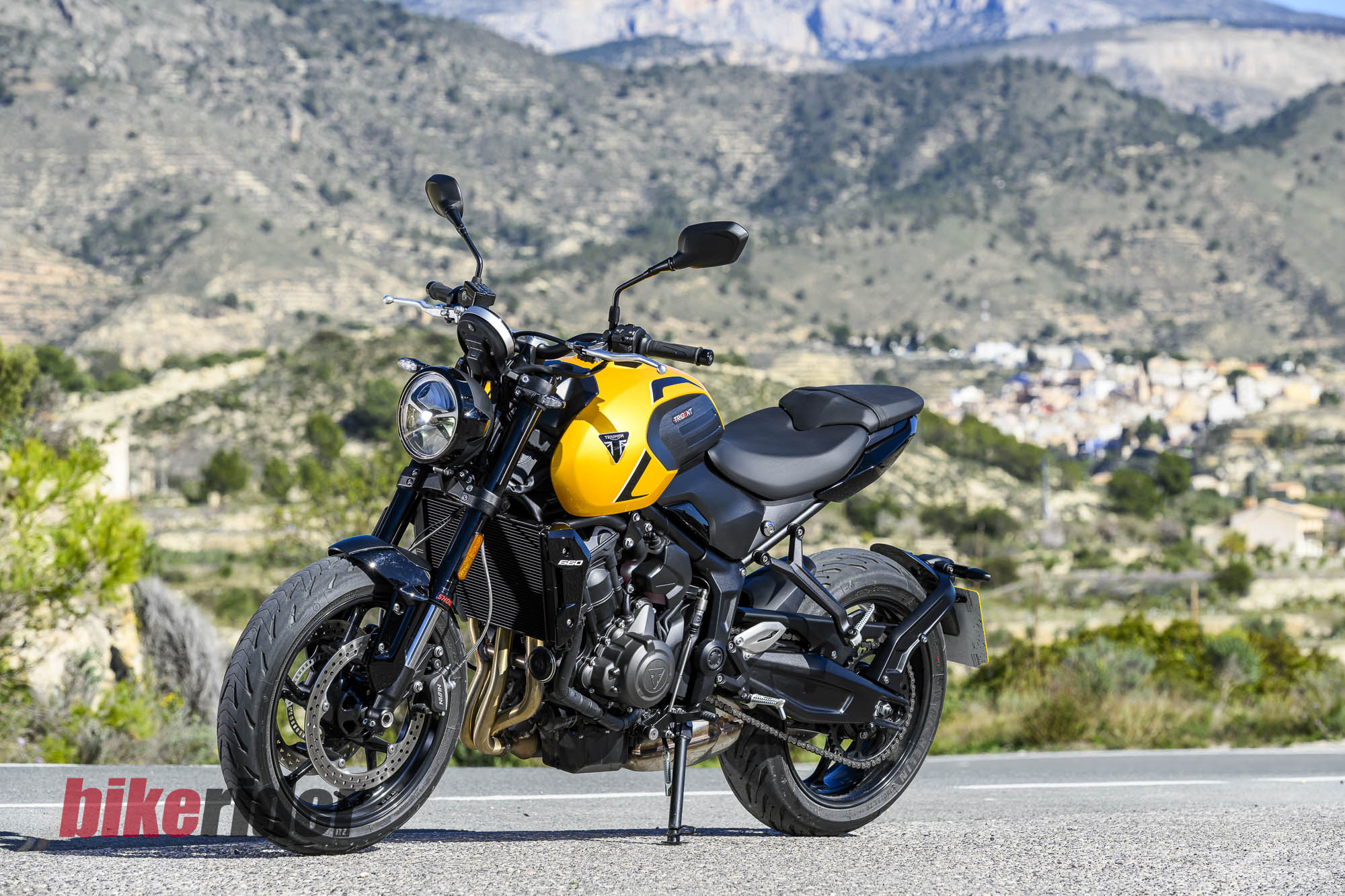
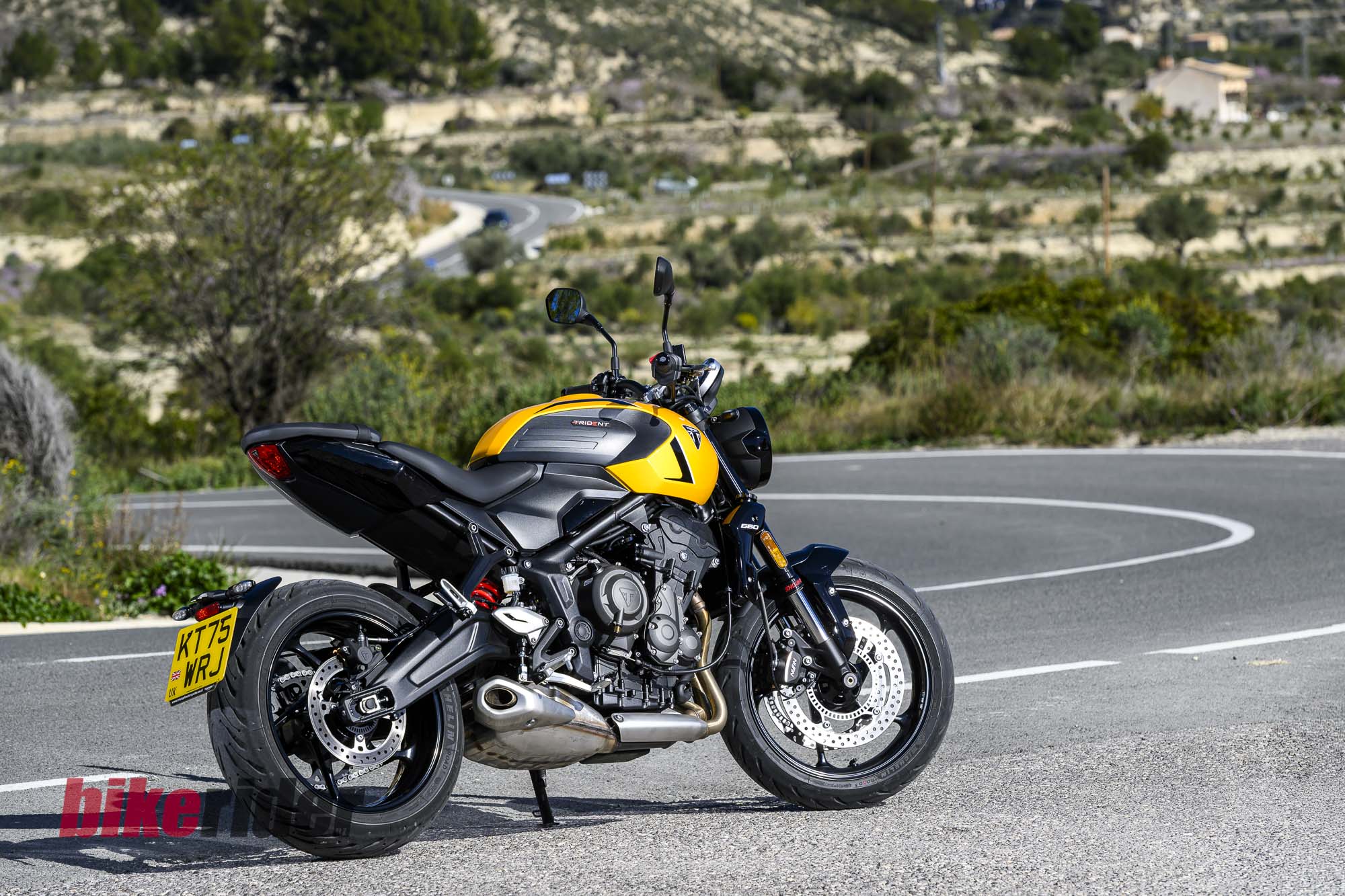
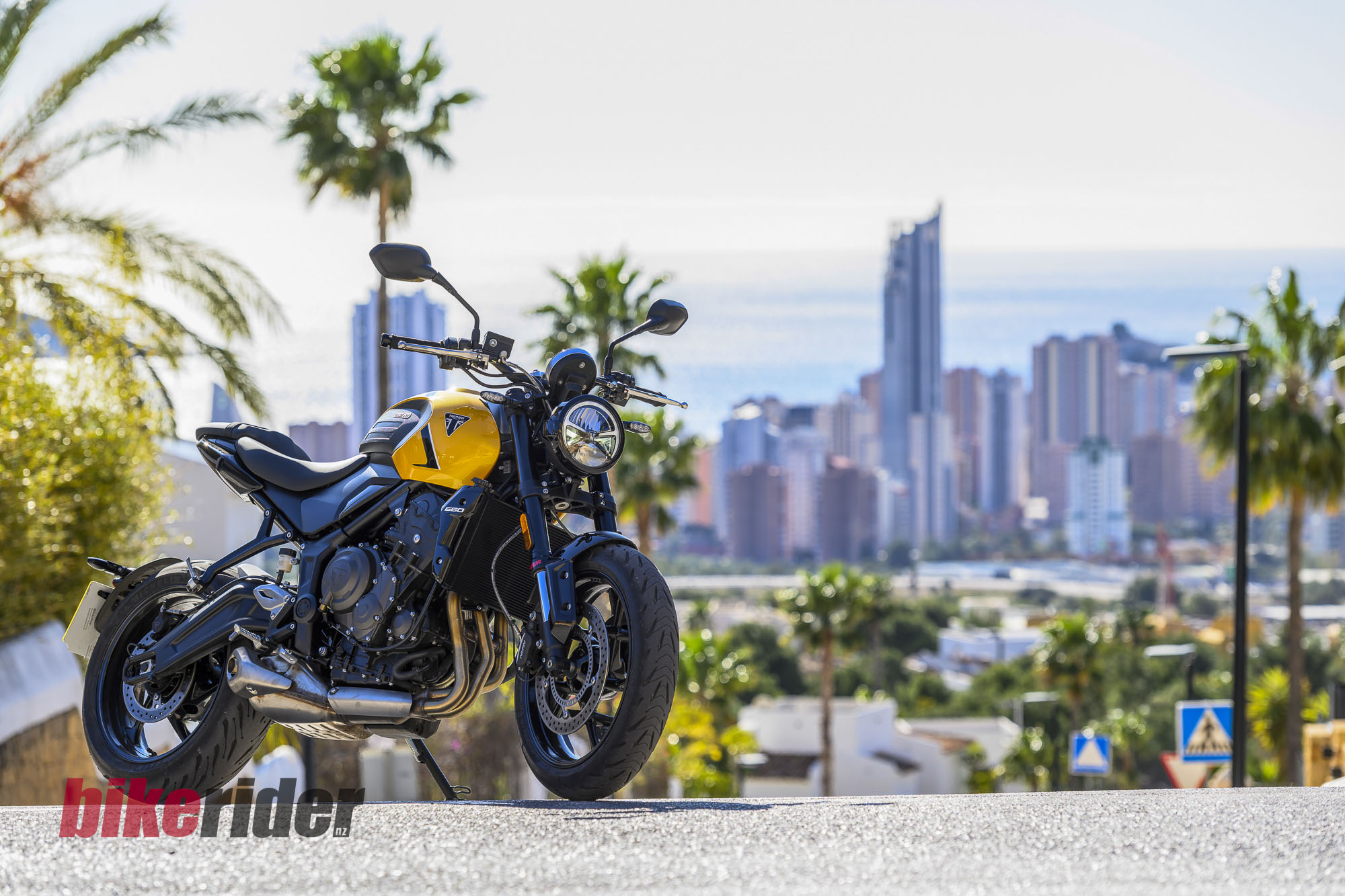
Naked Upgrade
The Trident 660 was always a fun bike, but with the boost in output and rev ceiling it's given it a more wild side. That's not to say it's still not suitable for riders coming into the segment, it just means that this bike will keep them interested for a whole heap longer as their skills improve.
Specifications
| Triumph Trident 660 | |
|---|---|
| Capacity | 660cc |
| Type | Liquid-cooled, 12-valve, DOHC inline three-cylinder |
| Bore x Stroke | 74 x 51.1mm |
| Compression Ratio | 12:1 |
| Fuel System | Bosch electronic fuel injection |
| Power | 70kW (95hp) @ 11,250rpm (claimed) |
| Torque | 68Nm @ 8,250rpm (claimed) |
| Transmission | Six-speed, chain drive |
| Clutch | Wet, multi-plate, slip and assist |
| Frame | Tubular steel perimeter |
| Rake | 24.5° |
| Trail | 108mm |
| Wheelbase | 1,402mm |
| Suspension | |
| Front | 41mm USD Showa SFF-BP, 120mm travel |
| Rear | Showa monoshock, preload and rebound adjustable, 130mm travel |
| Wheels & Brakes | |
| Wheels | Cast aluminium, 5-spoke |
| Tyres | Michelin Road 5 |
| Front | 120/70-ZR17 |
| Rear | 180/55-ZR17 |
| Brakes | Cornering ABS |
| Front | Twin 310mm discs, two-piston calipers |
| Rear | 255mm disc, single-piston caliper |
| Dimensions & Weight | |
| Weight | 195kg (wet) |
| Seat Height | 810mm |
| Fuel Capacity | 14L |
| Servicing & Warranty | |
| Service Interval | 16,000km / 12 months |
| Warranty | 24 months |
| Price & Availability | |
| Price | $15,990 + ORC |
| Colours | Snowdonia White, Cosmic Yellow, Stone Grey |
| Contact | triumphmotorcycles.com |