
- Triple-cylinder performance with real-world usability — sporty without going full Street Triple.
- Confidence-inspiring handling, compliant suspension and strong electronics package.
- Sharp value at $17,495 + ORC, with cruise control and quickshifter standard.
The new Triumph Trident 800 delivers triple-cylinder character, modern tech and real-world performance at $17,495 in NZ. We ride it on Kiwi roads and see where it fits.
The middleweight naked segment is one of the most hotly contested spaces in motorcycling right now, and with the arrival of the new Trident 800, Triumph Motorcycles is making it very clear it wants a bigger slice of that action. Slotting neatly between the approachable Trident 660 and the more aggressive Street Triple range, the Trident 800 is designed to deliver genuine performance while keeping everyday usability firmly in focus.
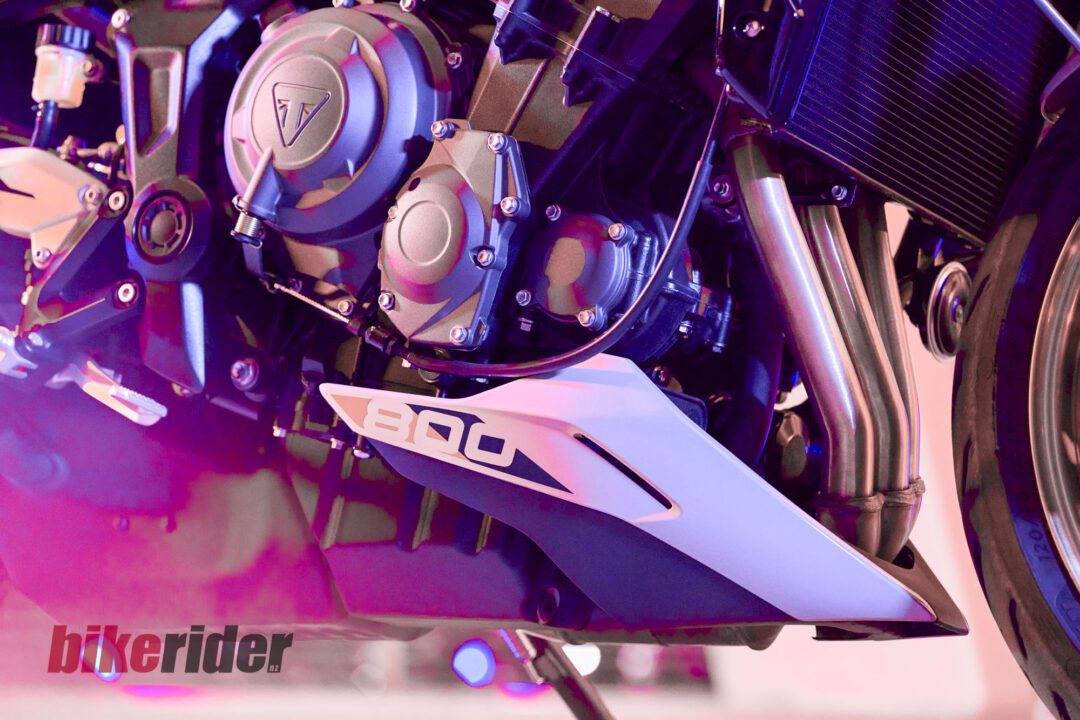
At the heart of the bike is an all-new 800cc inline three-cylinder engine — a configuration that has long been one of Triumph’s calling cards. The triple layout gives the Trident 800 a distinct character, blending strong low- and mid-range torque with a smooth, rev-happy top end. On paper, it promises the kind of flexible performance that suits real-world riding, whether that’s commuting, weekend scratching or longer road trips.
Triumph has paired that engine with a steel frame and quality suspension components, aiming for a balance of agility and stability rather than outright track aggression. The geometry and overall package suggest a bike that’s meant to feel intuitive and confidence-inspiring from the first ride, rather than demanding commitment or experience to unlock its potential. It’s a deliberate move that reinforces where the Trident 800 sits in the broader Triumph lineup.
Electronics and rider aids have also taken a noticeable step forward. The Trident 800 comes equipped with multiple riding modes, lean-sensitive traction control and cornering ABS, bringing it right in line with modern expectations for this class. Add to that a TFT display with connectivity features and cruise control, and it’s clear Triumph is positioning this bike as a genuine all-rounder rather than a stripped-back budget option.
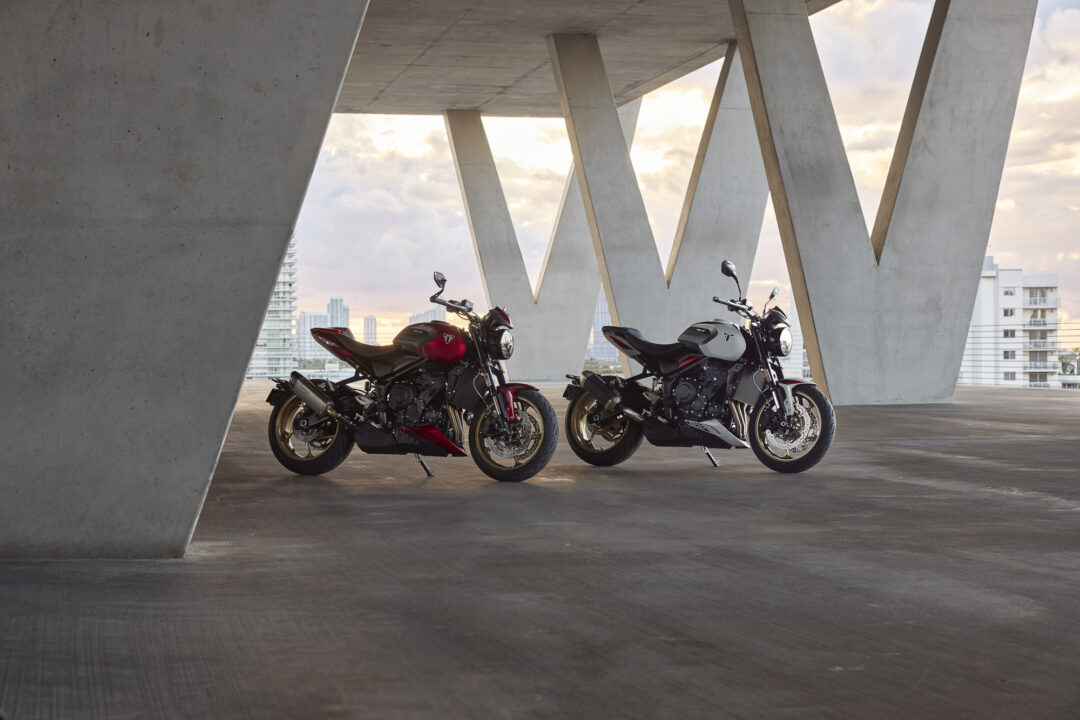
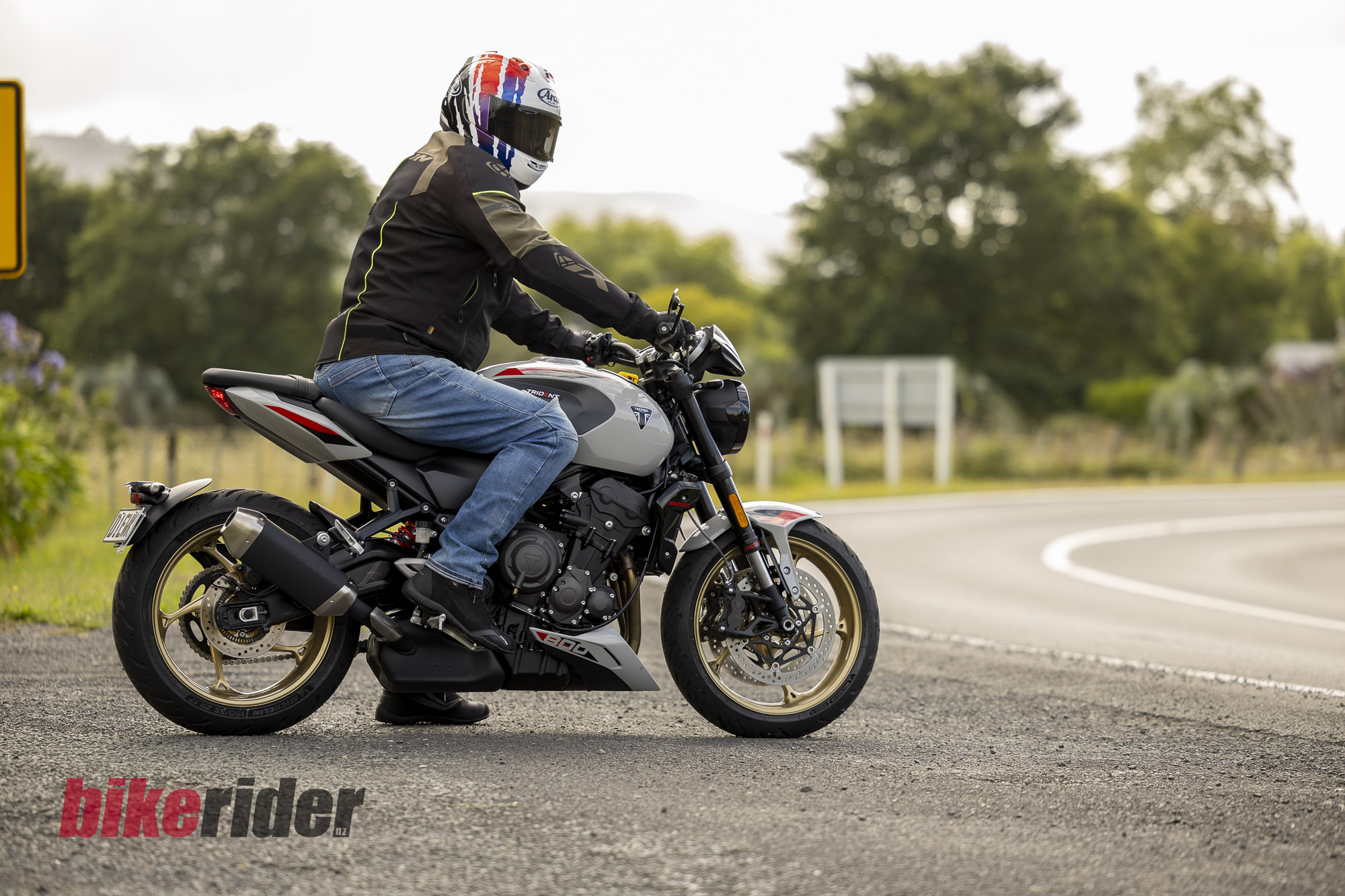
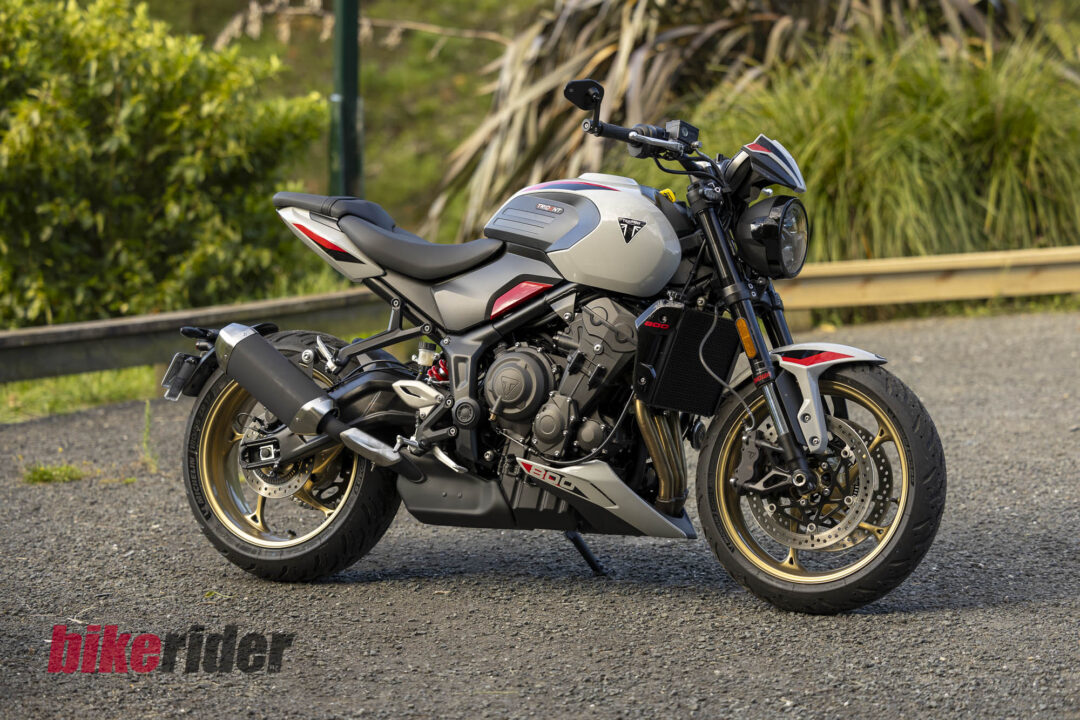
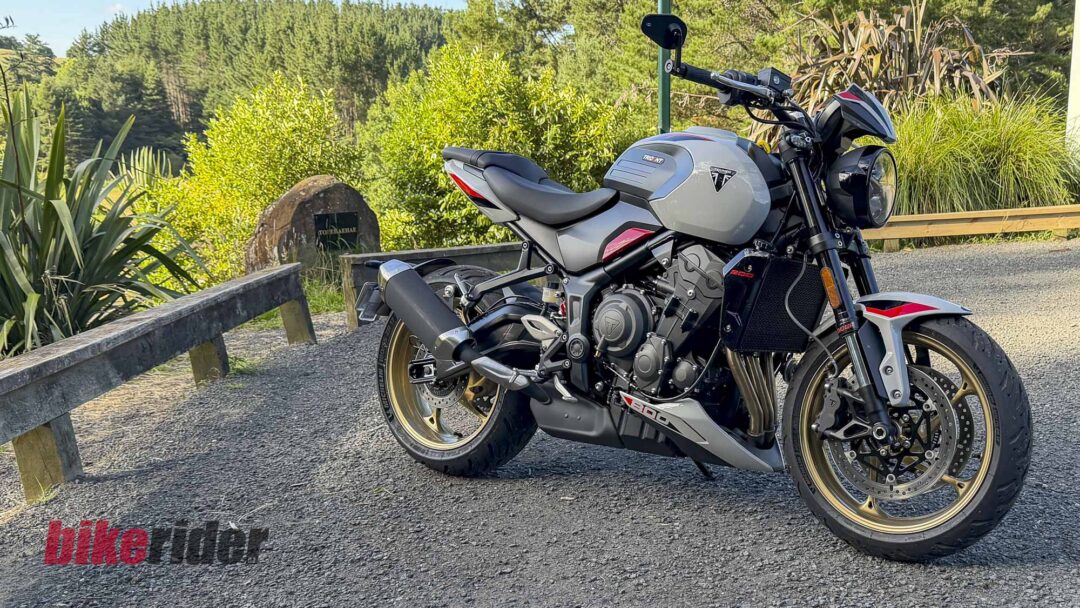
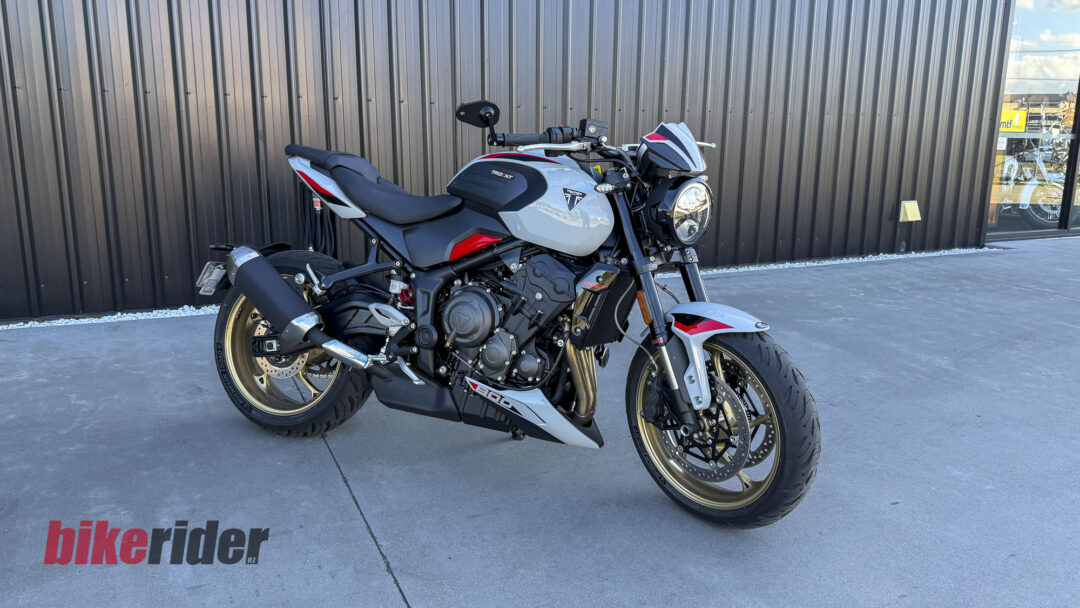
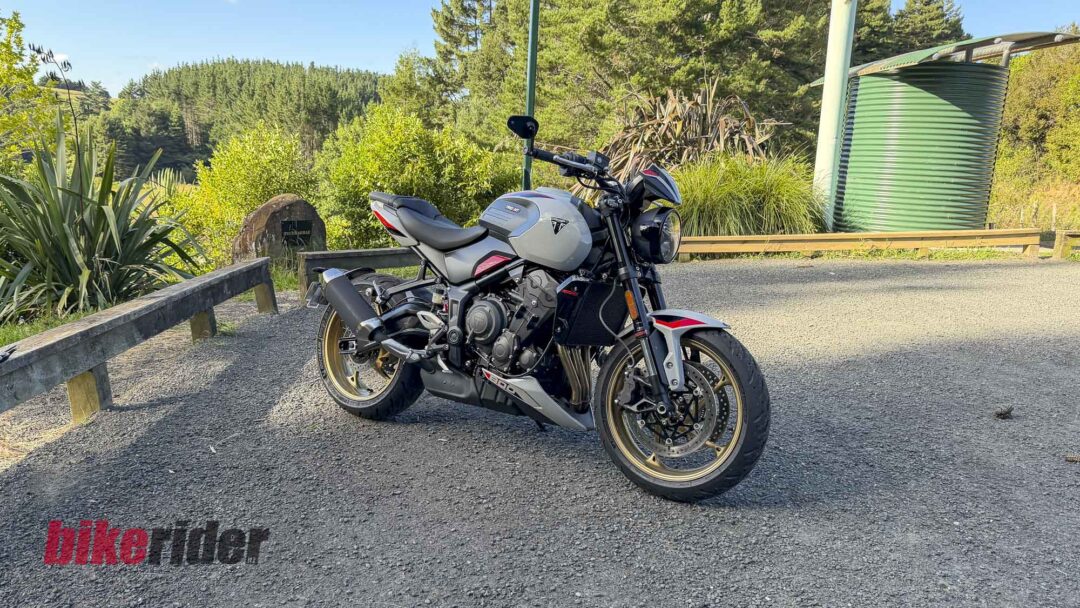
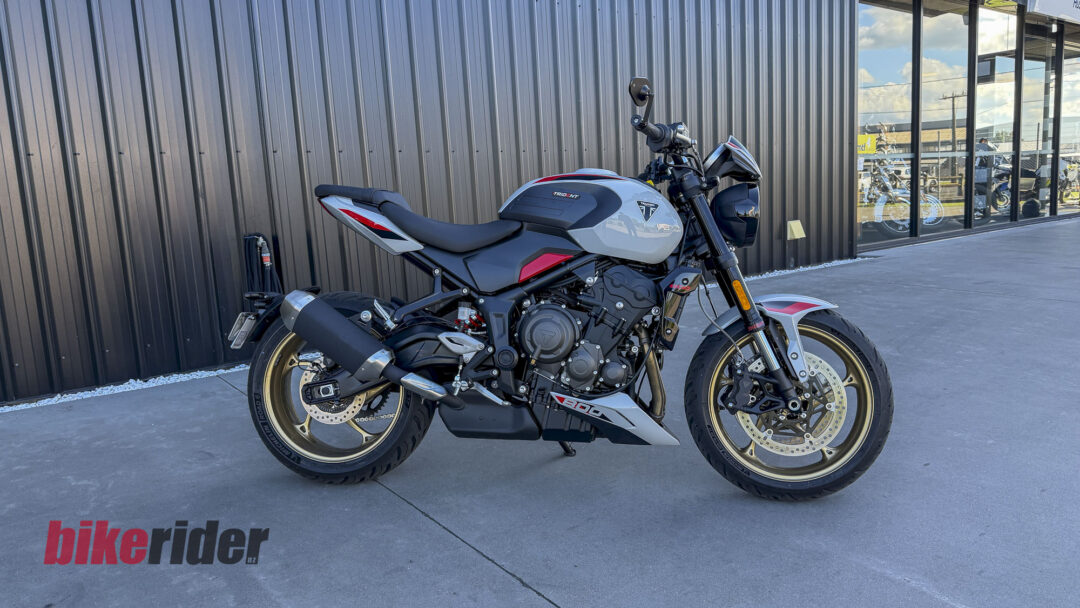
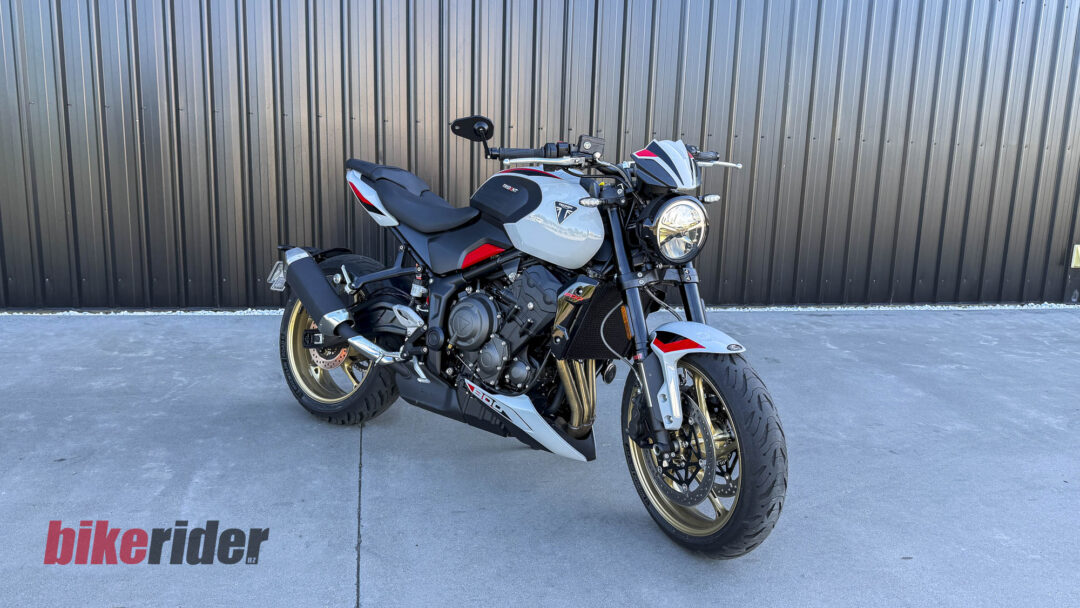
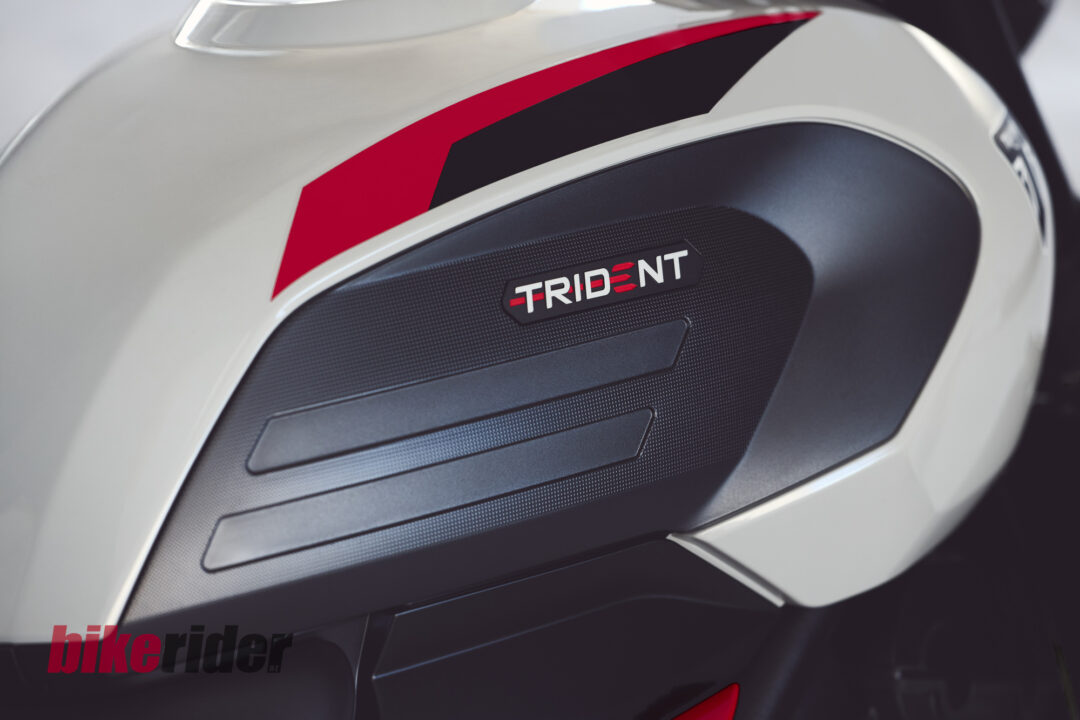
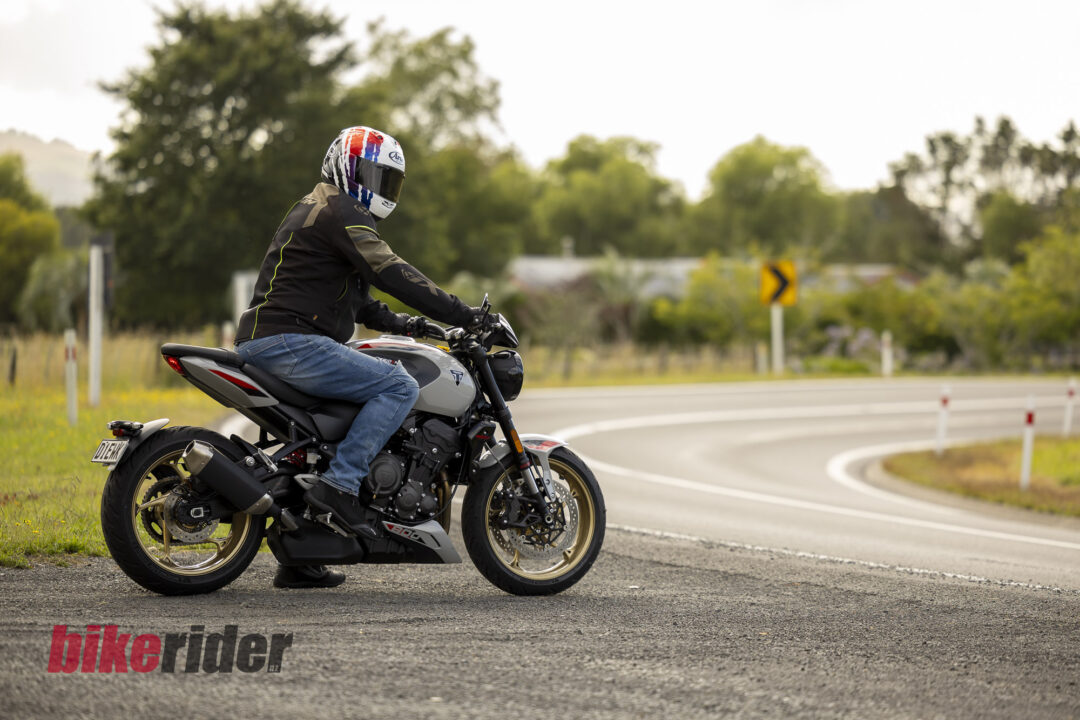
Visually, the Trident 800 stays true to the clean, modern roadster styling that defined the original Trident, but with a little more presence. The proportions are compact yet muscular, with sharp detailing around the tank, lighting and tail that give it a purposeful stance without tipping into streetfighter excess. It’s understated in the right way — modern, premium, and unmistakably Triumph.
On paper at least, the Trident 800 looks like a carefully judged package: more performance and tech than the 660, without the intensity or cost of a full Street Triple. The real question, of course, is how all of that translates once the wheels start turning.
The Ride
It was a slightly unusual scenario, but we were able to ride and review the new Trident 800 before much of the global motorcycling press, with bikes landing in NZ dealerships before Triumph had completed its official launch programme. After confirming with Triumph NZ that, as far as they were aware, there was no embargo in place, we borrowed a demo bike from our mates at NV Motorcycles in Morrinsville and headed out for an evening ride. If you want to see the bike in action, you can watch our video review HERE.
Picking the bike up from a Triumph dealership made it easy to compare the Trident 800 directly with both the Trident 660 and the Street Triple R and RS sitting in the showroom. It’s immediately obvious that the Trident 800 is designed as the natural progression from the Trident 660 — particularly for riders stepping off the LAMS version — without being as focused or radical as the Street Triple. That said, it’s still a pretty sporty machine.
Engine Choices
The 798cc inline-three produces 113hp at 10,750rpm and 84Nm of torque at 8,500rpm, which represents a solid jump over the LAMS-restricted Trident 660’s 55hp at 11,250rpm, and a worthwhile increase over the current full-power 660’s 81hp. For 2026, the Trident 660 will continue with the same output due to regulatory limits, while the updated full-power version is set to produce 95hp thanks to a switch to three throttle bodies — making the move to the 800 slightly less essential on paper.
Then there’s the Street Triple R, the entry point into Triumph’s sharper naked middleweights, producing 118.4hp at 11,500rpm and 80Nm at 9,500rpm. With firmer suspension, a more focused chassis and a sportier riding position — not to mention a taller 826mm seat height compared to the Trident’s 811mm — it’s clearly aimed at riders who want to push harder.
What’s evident, though, is that even with relatively small differences in peak output, Triumph sees a clear place for the Trident 800 within its three-cylinder middleweight lineup. It’s even possible that the Street Triple R could be phased out in future, which would make the Trident 800 suddenly a very important model indeed.
Handling
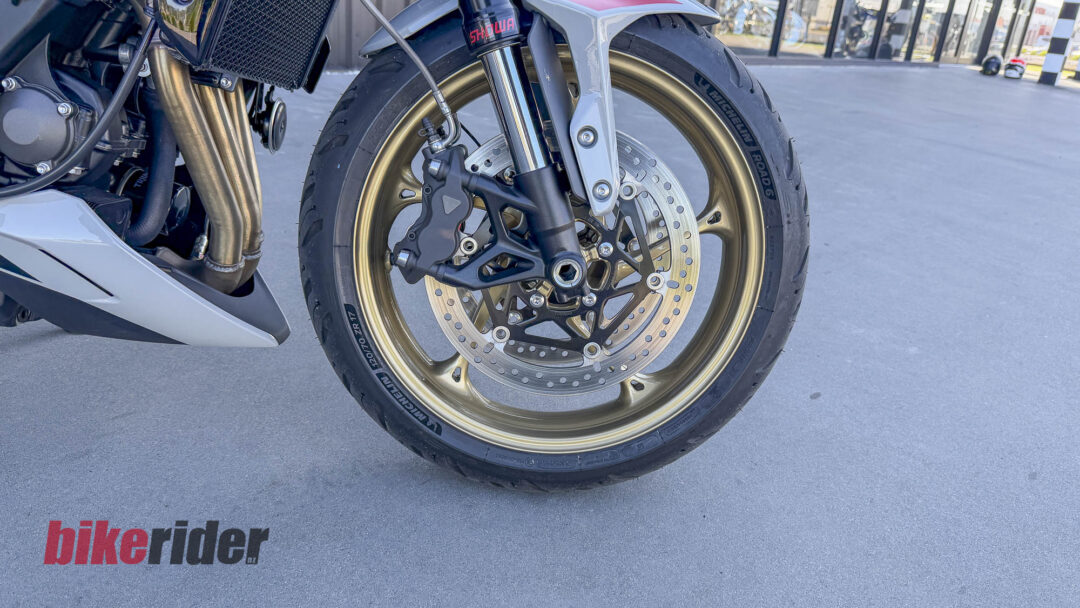
The Trident 800 receives a firmer set-up than the Trident 660, along with Showa 41mm upside-down BP-SFF forks offering compression and rebound adjustment. At the rear is a Showa monoshock, again firmer than the 660, with preload and rebound adjustment carried over from the smaller bike.
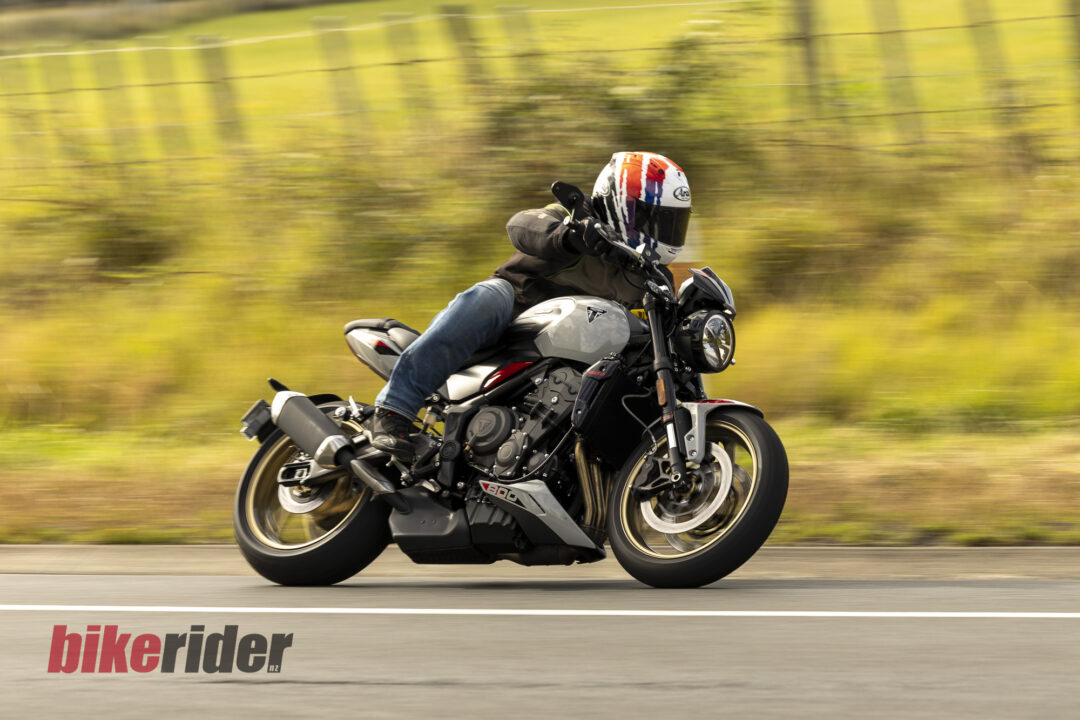
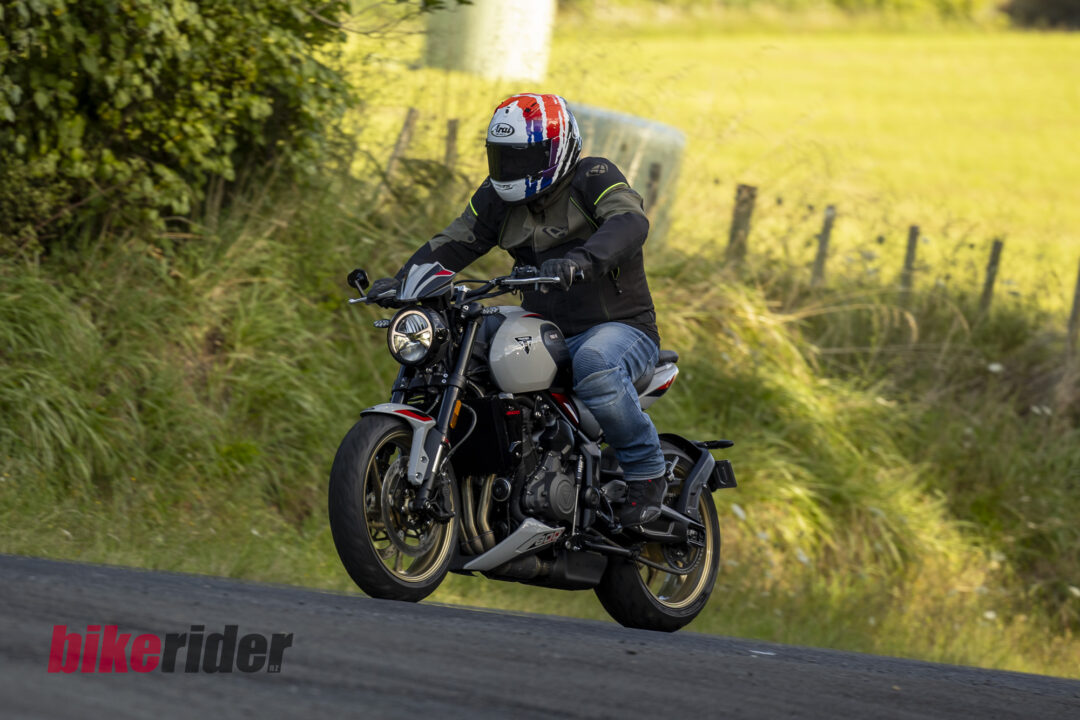
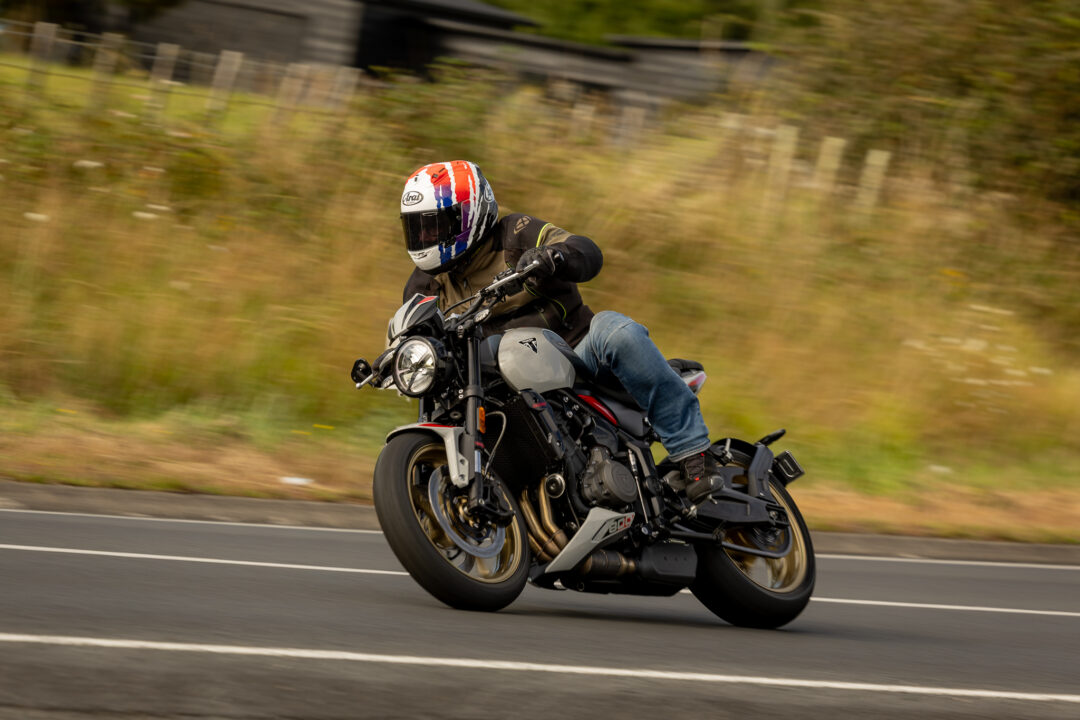
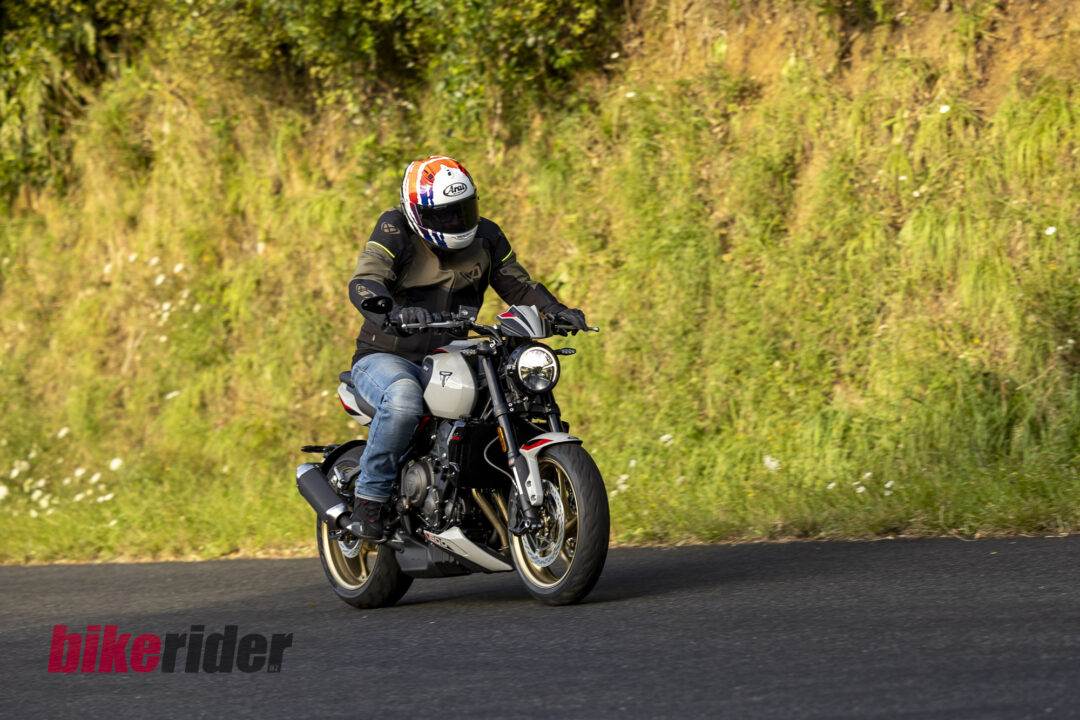
Heading out from Morrinsville into the backroads around Cambridge, we were quickly into proper motorcycle country — flowing twists, bumps and undulations that let the Trident stretch its legs in typical NZ riding conditions. And this is where the bike makes more sense than the spec sheet alone might suggest. Rather than being track-firm, the suspension is compliant, delivering real-world performance that soaks up lumps and bumps. The forks in particular impressed, holding up well under hard braking, while the steering is light enough that even newer riders are unlikely to find the Trident intimidating.
The rear shock felt a little under-damped, although with only an evening ride we didn’t have time to experiment with adjustments. That said, at 100kg before riding gear, I’m probably outside the weight range the engineers had in mind.
Performance
BRM attended an online technical briefing ahead of the launch, where Triumph’s engineers spoke about their approach to engine mapping — particularly their desire to make each riding mode feel genuinely different. Switching modes on the Trident isn’t quite seamless, requiring a press of the ‘M’ button to scroll, followed by a confirmation and a closed throttle, but it’s easy enough to manage.
The payoff is worthwhile. The difference between Road and Sport is obvious, with sharper throttle response and less intrusive traction control in Sport. The front wheel lifts easily over crests or under hard acceleration, and while Road mode reins things in quickly, Sport allows a bit of play before gently bringing everything back under control.
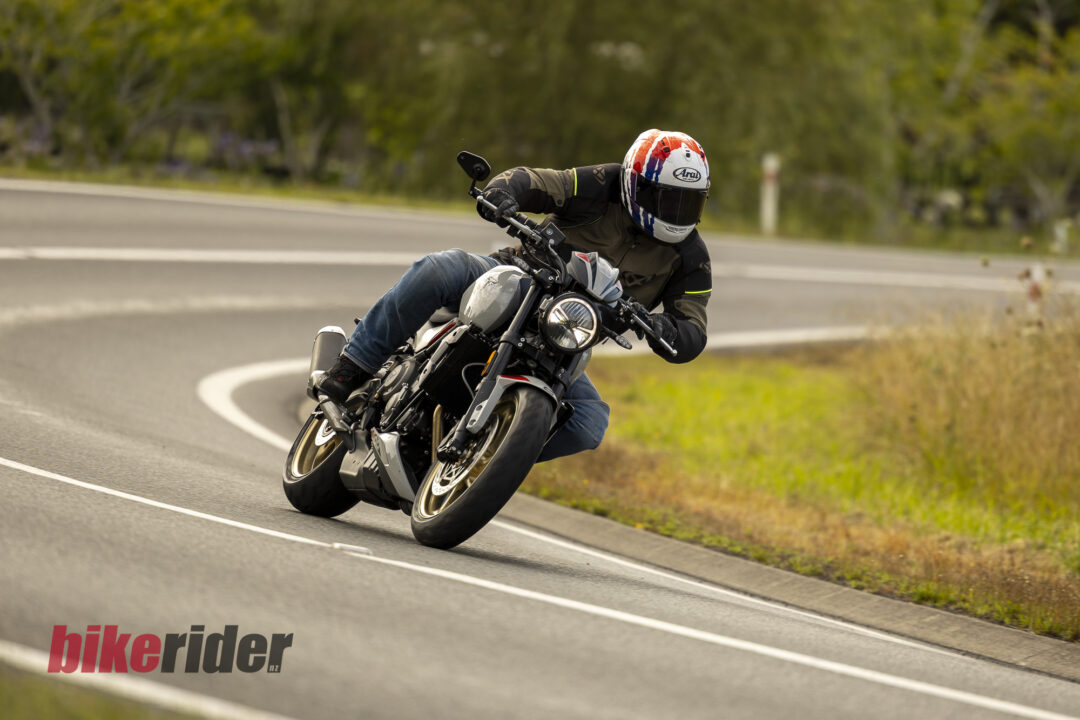
The triple is an updated version of the Tiger Sport 800 engine, complete with triple throttle bodies and model-specific mapping. The result is a punchy bottom-end that makes the Trident a hoot on the road, with a surge of torque low down before things really get moving as the revs climb. Around 6,000rpm the engine develops a proper triple growl, and from there it rushes to the redline with an urgency that feels very familiar to Street Triple fans.
On the road, it translates to a bike that’s just as happy blasting around town as it is howling along your favourite backroads. It’s only when you start thinking about trackdays that the firmer, more focused Street Triple begins to make more sense.
Tech & Size
At $17,495 + ORC in New Zealand, the Trident 800’s spec sheet is impressive. Alongside the characterful engine and confidence-inspiring handling, you get lean-sensitive ABS and traction control, an up/down quickshifter as standard, Rain, Road and Sport modes, and cruise control — a welcome inclusion for longer stints.
The dash is Triumph’s familiar LCD/TFT hybrid, offering smartphone connectivity via the My Triumph app. It does the job well enough, but it’s beginning to feel a little dated compared to some rivals. That said, it’s a minor gripe on what is otherwise a very complete package — and compromises have to be made somewhere to keep the price where it is.
Verdict
The Trident 800 enters a crowded space, both within Triumph’s own range and the wider middleweight naked segment. Thankfully, it’s a strong performer, offering heaps of character, a generous tech package and a genuinely accessible riding experience at a competitive price.
It’s very much a real-world bike — easy to ride, confidence-inspiring and hugely enjoyable on New Zealand roads. The triple engine delivers that unmistakable Triumph soundtrack, and while the low seat height helps newer riders feel at home, taller riders may find things a little cramped.
At $17,495 + ORC, the Trident 800 represents excellent value. It looks great, sounds fantastic and delivers where it matters most. If you want something sharper and more track-focused, the Street Triple is still the pick. But for road riders, the Trident 800 makes a lot of sense.
For further details or to find your local dealer, head to www.triumphmotorcycles.co.nz
Thanks to the team at NV Motorcycles in Morrinsville for the loan of the bike. You can get hold of them by either visiting their awesome shop at NV Motorcycles, 85 Avenue Road South, Morrinsville 3372.
Call them on 07 889 1007 or email: [email protected]
Affordable Kicks
Triumph has produced another great motor with the Trident's 800 triple. The compliant suspension is great for the road and having cruise control and quickshifter standard is great for the money. The low seat height may feel cramped for some, and the dash is kinda starting to show its age.2026 Triumph Trident 800 Gallery

Specifications
| TYPE | Liquid-cooled, inline 3-cylinder, 12 valve, DOHC |
|---|---|
| CAPACITY | 798 cc |
| BORE x STROKE | 78 mm x 55.7 mm mm |
| COMPRESSION | 13.2:1 |
| MAX POWER | 115 PS / 113 bhp (84.6 kW) @ 10,750 rpm |
| MAX TORQUE | 84 Nm @ 8,500 rpm |
| FINAL DRIVE | X-ring chain |
| CLUTCH | Wet, multi-plate, slip and assist |
| GEARBOX | 6 speed |
| FRAME | Tubular steel perimeter frame |
| SWINGARM | Twin-sided, fabricated steel |
| FRONT WHEEL | Cast aluminium alloy, 5 spoke, 17 x 3.5 in |
| REAR WHEEL | Cast aluminium alloy 5 spoke, 17 x 5.5 in |
| FRONT TYRE | 120/70 R 17 |
| REAR TYRE | 180/55 R 17 |
| FRONT SUSPENSION | Showa 41 mm upside-down BP-SFF forks, compression and rebound damping, 120 mm wheel travel |
| REAR SUSPENSION | Showa monoshock (RSU), with adjustable preload and rebound damping, 130mm Wheel travel |
| FRONT BRAKES | Twin, 310 mm Floating discs, 4-piston radial calipers, OCABS |
| REAR BRAKES | Single, 220 mm fixed disc, single-piston sliding caliper, OCABS |
| INSTRUMENTS | LCD multi-function instruments with integrated colour TFT screen |
| WIDTH | 815 mm |
| HEIGHT | 1088 mm |
| SEAT HEIGHT | 810 mm |
| WHEEL BASE | 1402 mm |
| WET WEIGHT | 198 kg |
| FUEL CAPACITY | 14 l |
| FUEL CONSUMPTION | 4.7 l/100km |
| CO2 STANDARD | Euro 5+ |
Summary
The Triumph Trident 800 slots between the Trident 660 and Street Triple as a road-focused middleweight naked designed for everyday riders. Powered by a 798cc inline-three producing 113hp, it combines strong low- and mid-range performance with modern electronics including lean-sensitive ABS, traction control, riding modes, cruise control and a standard quickshifter. Priced at $17,495 + ORC in New Zealand, the Trident 800 delivers a balanced blend of performance, comfort and character, making it a compelling option for riders stepping up from smaller capacity machines or looking for a versatile real-world road bike.
2026 Triumph Trident 800 FAQ
What is the Triumph Trident 800?
The Triumph Trident 800 is a middleweight naked motorcycle powered by a 798cc triple-cylinder engine, positioned between the Trident 660 and the Street Triple in Triumph’s range.
How much does the Triumph Trident 800 cost in New Zealand?
The Triumph Trident 800 is priced at $17,495 + ORC in New Zealand.
How powerful is the Triumph Trident 800?
The Trident 800 produces 113hp at 10,750rpm and 84Nm of torque at 8,500rpm, offering a noticeable step up from the Trident 660.
What rider technology does the Trident 800 have?
It comes standard with lean-sensitive ABS and traction control, Rain/Road/Sport riding modes, cruise control and an up/down quickshifter.
Who is the Triumph Trident 800 best suited to?
The Trident 800 suits riders wanting triple-cylinder performance in a confidence-inspiring, road-focused package — particularly those stepping up from LAMS bikes or prioritising real-world riding over track use.
How does the Trident 800 compare to the Street Triple?
The Trident 800 is less aggressive than the Street Triple, with a lower seat height, softer suspension and more relaxed ergonomics, making it better suited to everyday road riding.