


Helmet technology has moved a long way from the days of basic open-face designs and simple foam liners, but when it comes to racing, road standards are no longer enough.
Certifications such as DOT, ECE and Snell have steadily raised the bar for street helmets, but competition use demands far more. That gap is filled by the FIM Racing Homologation Programme, which introduced its first dedicated racing helmet standard in 2019. Already stricter than road-focused approvals, the rules were tightened further in 2022 with the introduction of FRHPhe-02.
From January 2026, FRHPhe-02 becomes mandatory for top-level championships, including MotoGP, WorldSBK and endurance racing. Riders lining up on the grid will now need a helmet carrying official FIM homologation, not just road approval.
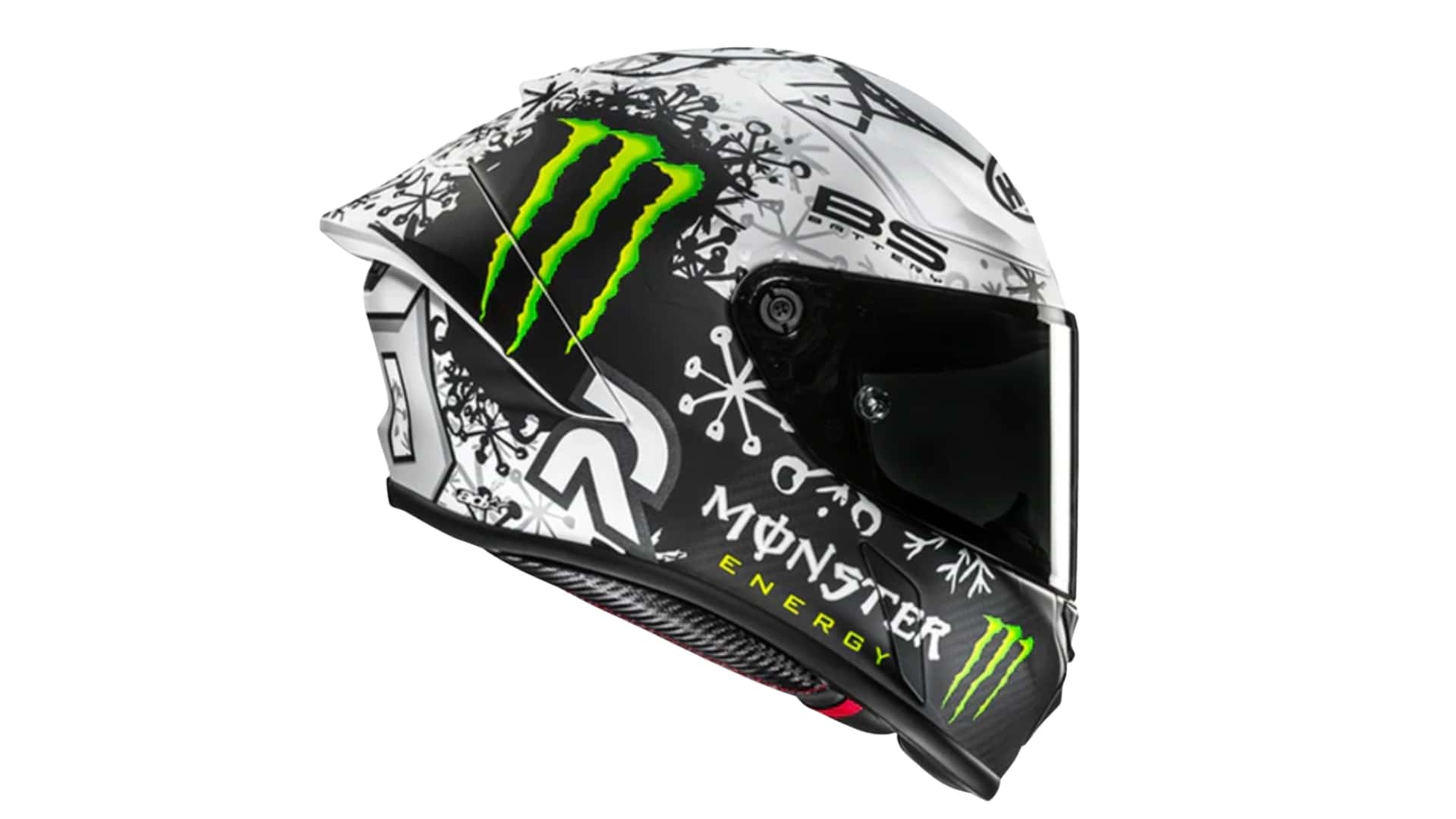
What sets FRHPhe-02 apart is its focus on real-world crash scenarios. Testing goes beyond straight-line impacts, with angled anvil tests designed to simulate glancing blows that generate dangerous rotational forces. Hemispherical impact tests are also used to assess how the brain reacts to curved surfaces. One of the biggest changes is the introduction of the Skull Fracture Criterion, which directly measures the risk of skull cracking under severe impact.
Additional requirements include testing for quick-removal cheek pads, ensuring medical crews can safely remove a helmet after a crash. The result is a standard that goes well beyond ECE 22-06, which is no longer sufficient for professional racing. To be legal, helmets must carry the FIM homologation label stitched to the chin strap.
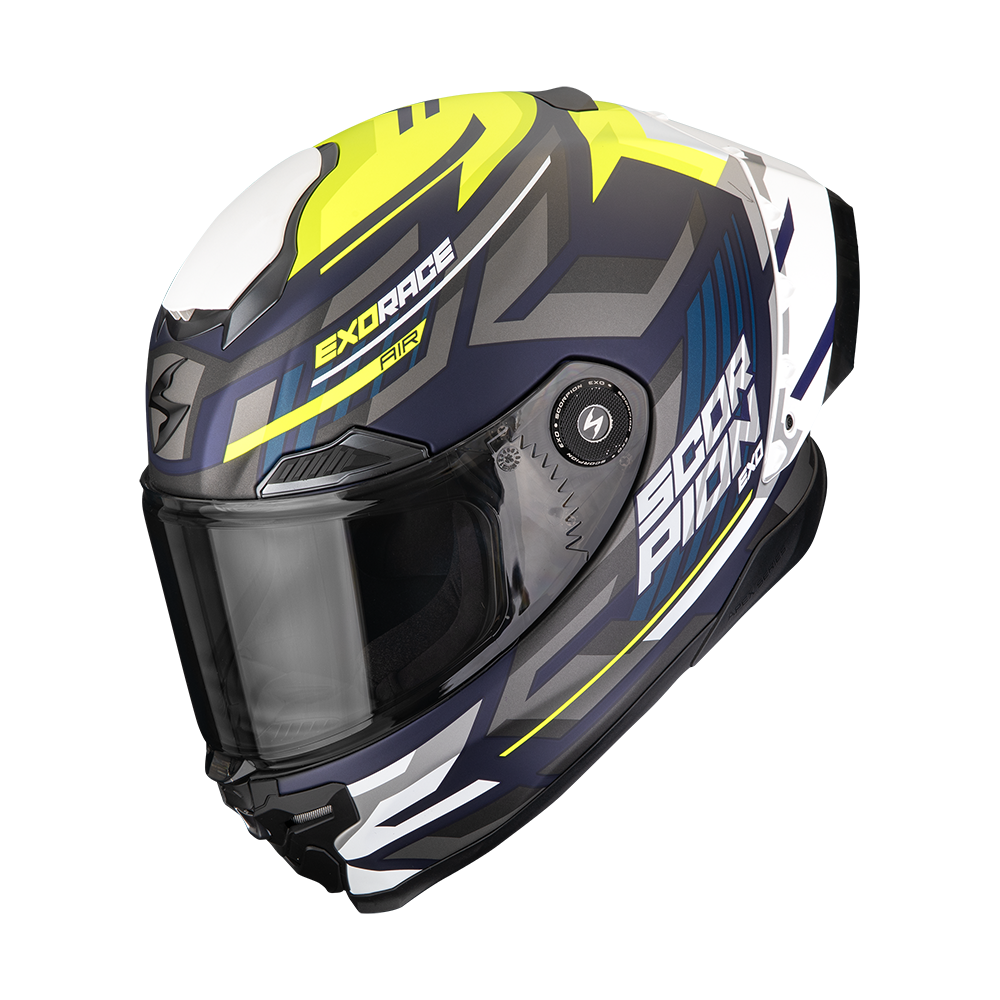
For now, the list of FRHPhe-02-approved helmets remains relatively short. Circuit-approved models include the Arai RX-7X FIM Racing #2, AGV Pista GP RR FIM Racing #2, HJC RPHA 1 V2 Carbon, Scorpion EXO Race Air, Shark Aeron GP, and Just1 J-GP R. In off-road racing, approved options include the Acerbis Airstrike FIM Racing #2, Airoh Aviator 3 Evo, and the newly homologated Arai MX-V EVO FIM Racing #2.
Notably absent from the list are major brands such as Shoei and Nolan, as well as several smaller European manufacturers. According to the FIM, many helmets are still undergoing testing, and further approvals are expected. With the 2026 season now underway, riders are being urged to check their gear. Racers should confirm their helmets carry the correct FIM label, while trackday riders are advised to do the same, particularly where circuits or clubs follow FIM regulations.