- Torque Over Horsepower – Norton’s new Manx V4 superbike is engineered around real-world torque and acceleration rather than chasing headline horsepower figures.
- Six New Models Coming – Norton’s 200-strong engineering team is developing six motorcycles across three engine platforms as part of the brand’s relaunch.
- Racing Still in Norton’s DNA – Gillen hints that a 1000cc version of the V4 could eventually return the historic British marque to international racing.
Five years after TVS rescued Norton from collapse, the legendary British marque is preparing its comeback. CTO Brian Gillen talks exclusively about the design philosophy, future racing ambitions — and why torque, not horsepower, will define the reborn British brand.
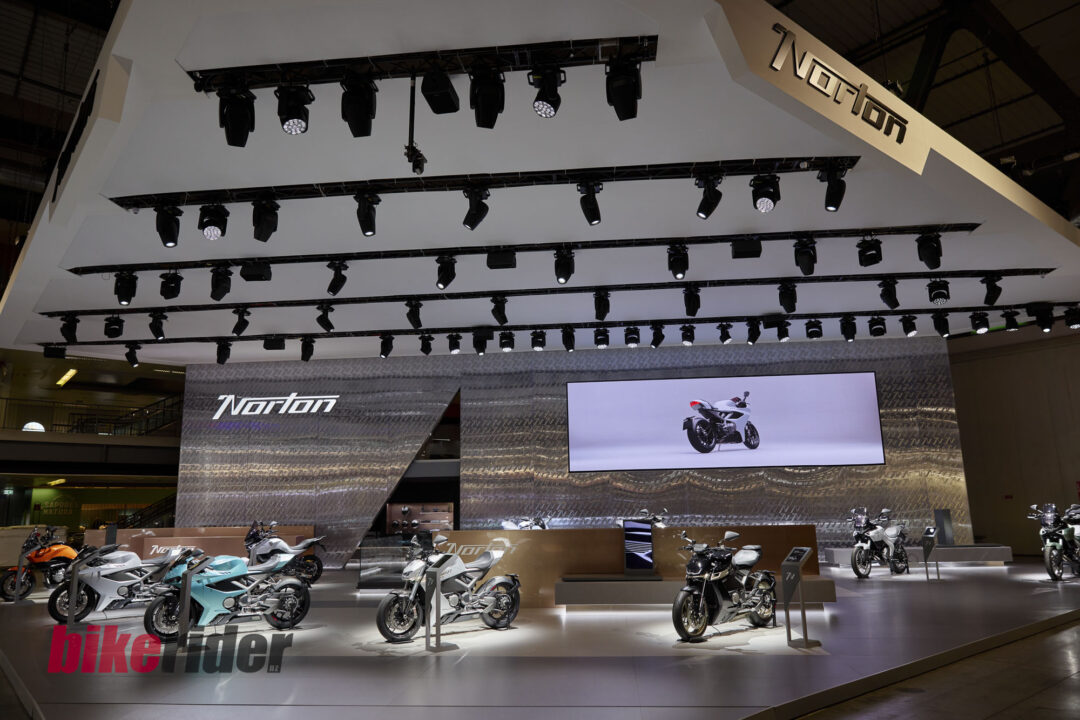
In April 2020, Sudarshan Venu, Chairman/MD of India’s third largest indigenous bike manufacturer, TVS Motor Company, paid £16million in cash to purchase the bankrupt historic British firm Norton Motorcycles from the liquidator.
Five years on, Norton strode back onto the world stage at the 2025 EICMA Show in Milan as a reborn motorcycle brand with significant potential – although its return to the marketplace is being termed a “resurgence” by the company rather than a revival.
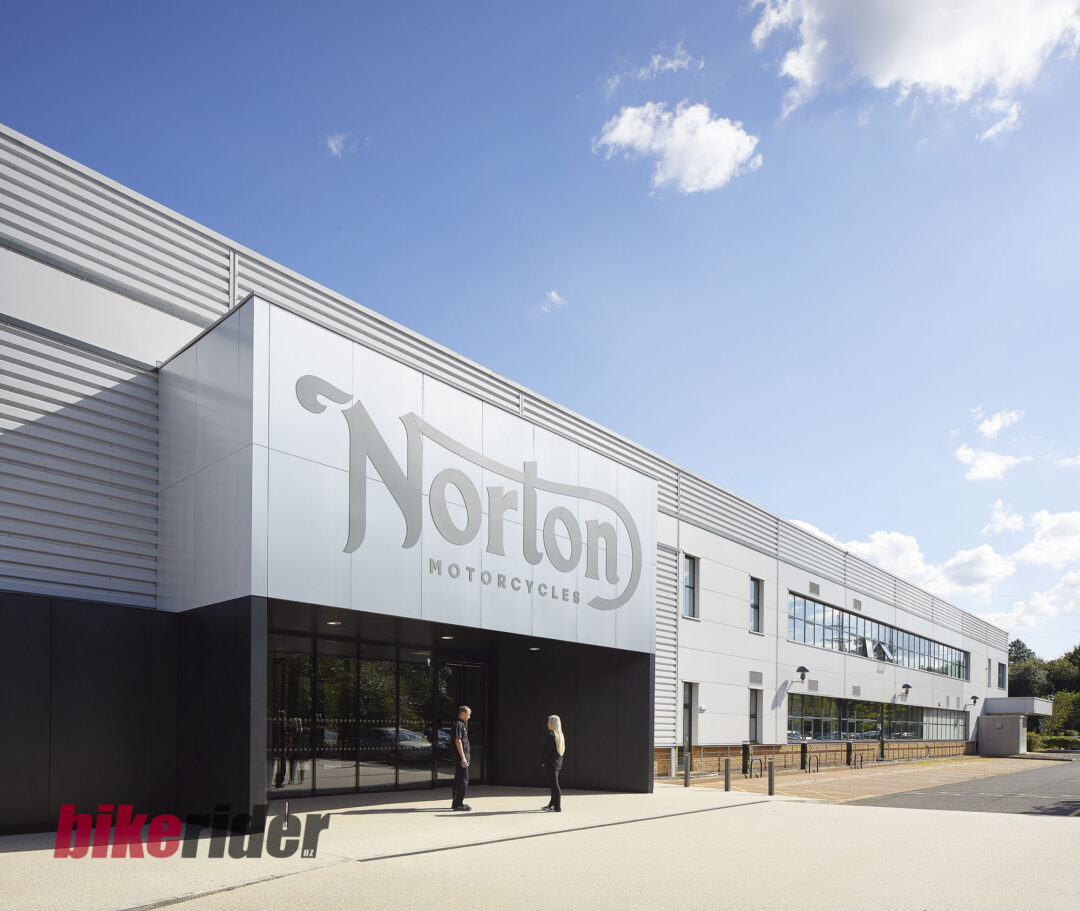
In the meantime, TVS has invested a further £200m-plus in founding and equipping a brand-new 7,000m² (75,000ft²) factory at Solihull, on the southern outskirts of Britain’s second largest city, Birmingham. This is where Norton was founded 127 years ago in 1898, and its new factory is perhaps coincidentally just five miles away from the HQ of another resurgent Indian-owned British automotive icon, but this time on four wheels – Tata-owned Jaguar Land Rover/JLR.
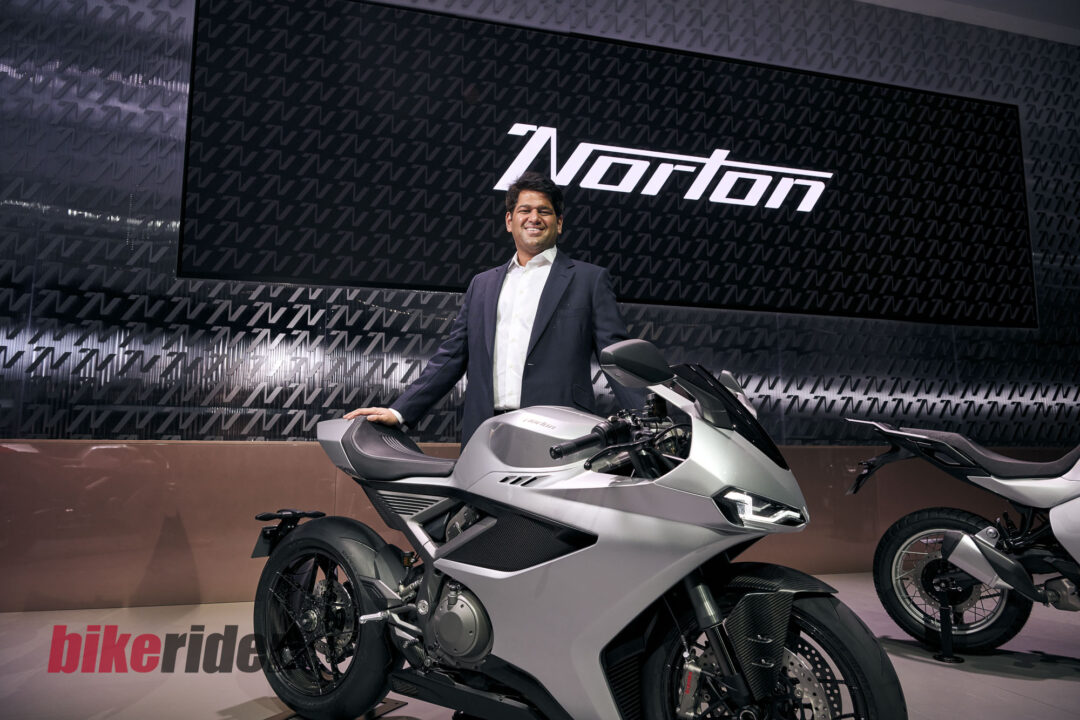
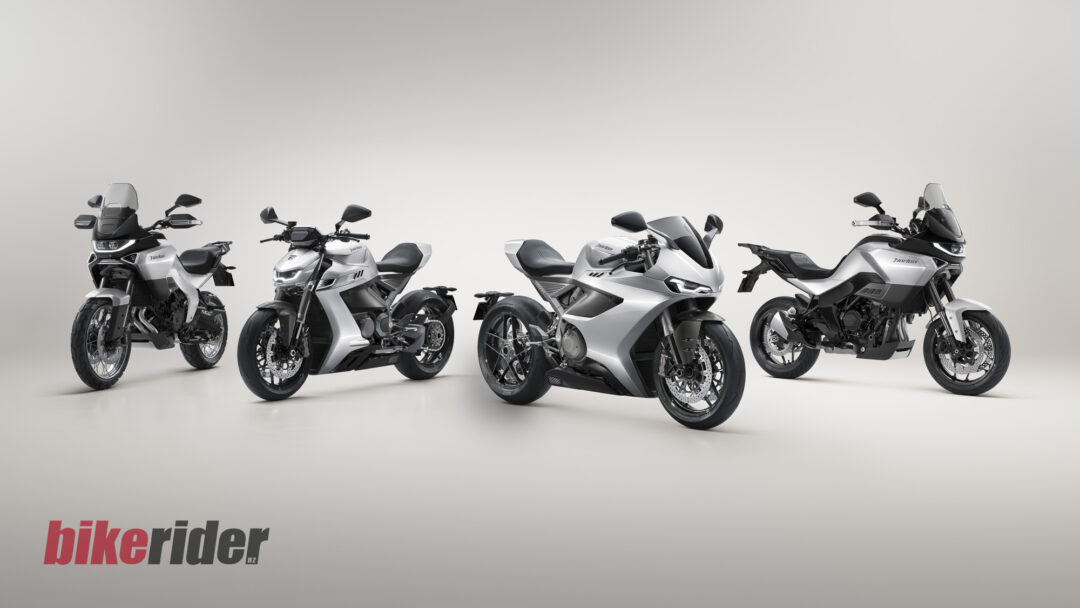
In February 2024, after a two-year chase, Venu enticed American-born Brian Gillen to join Norton as CTO/Chief Technical Officer, after spending 17 years in a similar capacity at MV Agusta. Since then, in the run-up to the brand’s relaunch at EICMA 2025, Gillen’s 200-strong dedicated Norton R&D team has worked tirelessly to develop six new Norton models based on three engine platforms, four of which were unveiled at EICMA, including the new Manx V4 superbike and the Atlas twin-cylinder platform.
Alan Cathcart spoke with Norton CTO Brian Gillen about the engineering philosophy behind the new generation of Norton motorcycles.
Brian Gillen Interview
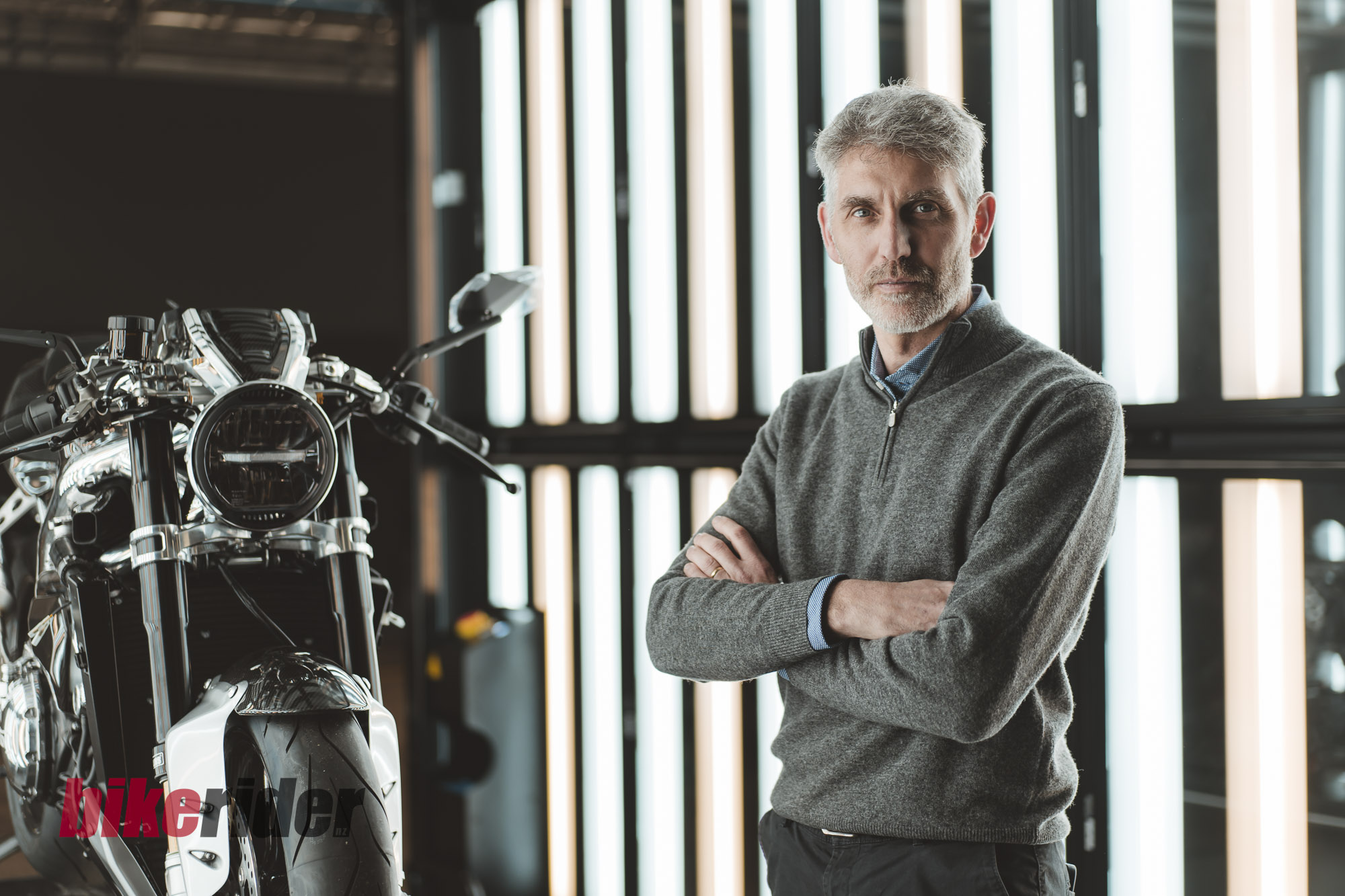
Norton Motorcycles’ American-born CTO/Chief Technical Officer Brian Gillen, 51, was personally head-hunted by company Chairman Sudarshan Venu, owner of Norton since April 2020, to take over the company’s technical direction in the run-up to the brand’s relaunch late last year at EICMA 2025. He joined Norton in February 2024 after spending 17 years at MV Agusta – ironically, Norton’s premier rival in Grand Prix racing during the Classic era 60+ years ago, and sure to be one of its major competitors in the high-end of the sportbike market in dealer showrooms today.
Since then, Gillen has led Norton’s 199 dedicated development engineers (plus himself, equals a round 200!) split between the UK (73 people), India (69) and Italy (57) in their drive to create an array of new generation Norton models, starting with the Manx and Atlas families launched at EICMA 2025. The opportunity to quiz him about their evolution revealed a very specific design strategy aimed at enabling Norton models to carve out a distinctive place in the market.
3 Things We Learned from Norton CTO Brian Gillen
• The new Norton Manx V4 was completely redesigned to prioritise torque over peak horsepower.
• Norton has six new models coming across three engine platforms.
• Racing could return to Norton, with the possibility of a 1000cc V4 race version in the future.
Engineering the Manx V4
AC: Brian, let’s talk about the Manx V4 first. Why a 1200, and not a 1000?
BG: Torque. Everything that we’re doing at Norton is about bringing the most positive experience possible to the people riding the bikes on the road. So the percentage of owners who actually take premium category Supersport bikes like the Manx R to the race circuit for track days is very small. Most people are riding them on the road. This means the element that delivers them with the most exciting, the most thrilling experience on their motorcycle is not outright power, but torque. Yet with all the hypersports bikes today, everyone’s in a document war to say I’ve got 220bhp, or 230 bhp or even 240bhp. But that’s not what delivers customer enjoyment in real world road riding, it’s torque – as expressed through acceleration. And the Manx V4 engine produces 130Nm of torque peaking at 9,000 rpm, of which 75% is already available at 5,000 rpm.
“Everything that we’re doing at Norton is about bringing the most positive experience possible to the people riding the bikes on the road… what delivers customer enjoyment in real world riding is torque.”
We did over 30,000km of riding all over Europe with capable riders of different levels of experience, from Italian National Supersport champions to normal everyday people. After analysing all the data we recorded, we discovered that on bikes with a redline of 12,000 rpm upwards, they were using more than 8,000 rpm just 1% of the time, so they were getting most pleasure by riding the torque curve – therefore it’s our mission at Norton to bring that torque to the people, and to deliver it lower down the RPM range. So the Norton Manx V4 engine has a phase pulse firing order, which means the way we set up the crankshaft pulses is to exemplify the torque – this for us is the most important parameter, which also delivers the best dynamics, as well as the best sound! We wanted to focus on bringing that torque lower down the rev range, and letting customers experience what the thrilling acceleration this delivers feels like.
AC: Was this development policy established before you joined Norton two years ago, or was it something that you’ve introduced?
BG: No, it’s something that I brought in. We completely tore up the V4 after my arrival, so it was redesigned, re-developed and re-engineered with this emphasis on torque in mind. I tied the engineering teams together, because back then we had separate engineering groups around the world, got everybody on one track, and above all, aligned engineering and design to have a common philosophy. When I arrived in Norton, there was not that connection.
“We completely tore up the V4 after I arrived.”
Brian Gillen
AC: Did you change the 72° cylinder angle of the V4 motor, and why was that chosen?
BG: So the angle of the Vee was chosen more or less to aid the chassis, via the wheelbase. One of the focuses with Norton is to have the most compact performance bike possible. A 90° Vee would be fantastic in terms of outright power and smooth balance, but in terms of packaging, it’s too difficult to make a compact overall design with that format, and especially to have the longer swingarm we need to harness so much torque. It would have meant moving our swingarm pivot further back to the point that it would have been harder to control the wheelies you inevitably get with so much torque. So based on what we wanted to do in terms of torque output, chassis dynamics and packaging the engine, we ended up with a 72° Vee – which also doesn’t vibrate.
AC: Is that because a 72° V4 has perfect secondary balance?
BG: Exactly right. So with one balance shaft we can get rid of all the primary imbalance, and with the 72° cylinder Vee it takes care of the secondary balance on its own.
AC: But are you able to drop the throttle bodies sufficiently down within the Vee to prevent them resulting in a tall engine, with a high cee of gee?
BG: Yes, we have done that. So the Dell’Orto throttle bodies are quite close together, but compared to another competitor with a 65° V4 [Aprilia! – AC], we have more room.
AC: So after you got to Norton, was the chassis already established, or did you have to rework that also?
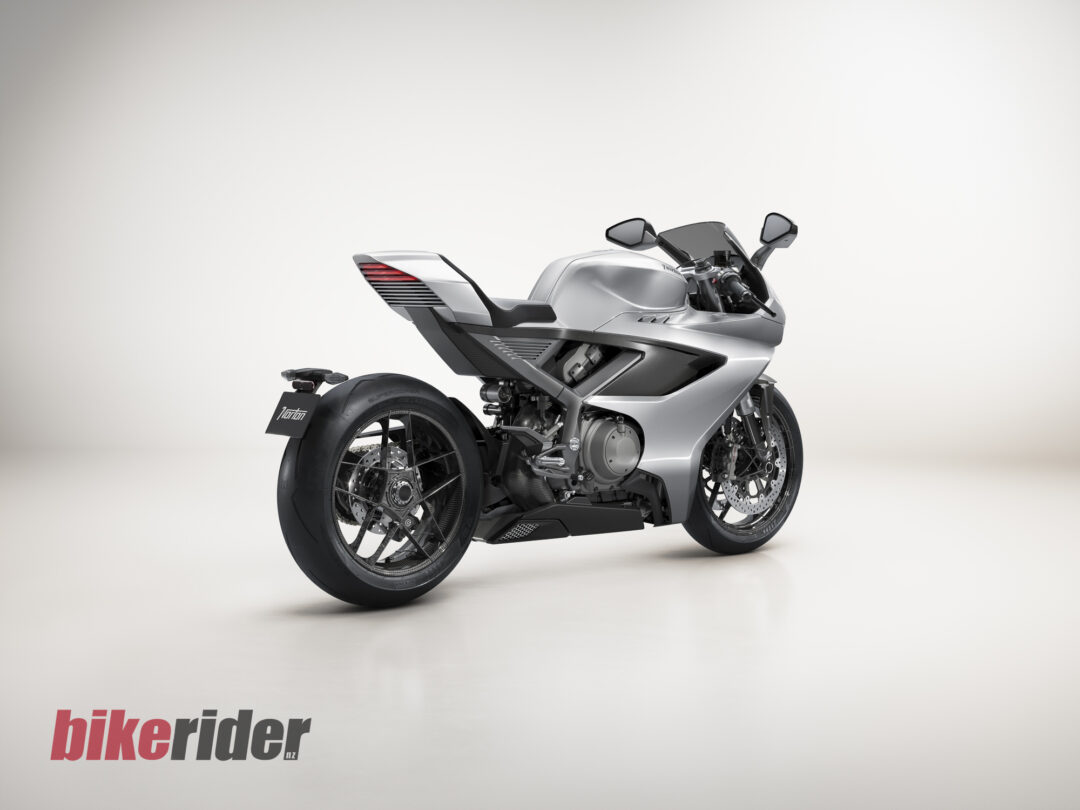
BG: We completely re-engineered the chassis to alter the pickup points, because the target we now had for the engine’s torque – in pursuit of acceleration – meant we needed to pay more attention to torsional rigidity. 130Nm of torque going through the chain to the rear wheel is going to stress the chassis in fact, it’s trying to twist it. So in order to get that torque to the ground, we designed a brand new frame, with characteristics of very stiff longitudinal rigidity, but quite a bit of torsional flex, to allow us to get the torque to the ground in the corners, and get the feedback into the rider’s hands in all road and track conditions.
So we needed to pay close attention to the hard points of the chassis in order to manage the torque, and then once we got the torque and the chassis lined up for acceleration, it was about how we’re going to make it handle, and then how are we going to get the bike to stop, which means paying attention to the centre of gravity, and the position of the engine, and so on. We had to fundamentally redesign the frame. This has a single-sided swingarm which we braced accordingly, and together we have enough flex in the chassis and swingarm to give sufficient feel for riding on the street.
AC: What about suspension?
BG: Suspension is Marzocchi, and was from the beginning, because they have a technology that nobody else has right now in terms of semi-active suspension, with the linear potentiometer inside the front fork. So all of the other suspension manufacturers have a potentiometer on the rear shock, but they’re just looking at acceleration on the front axle, whereas with the Marzocchi system, we’ve actually got the same data that you have on a World Superbike, because we have the linear potentiometer built in. This means we have as near ideal wheelie control as you can get – you know me, I don’t want anti-wheelie, I want wheelie control!
“We’ve actually got the same data that you have on a World Superbike, because we have the linear potentiometer built in. This means we have as near ideal wheelie control as you can get – you know me, I don’t want anti-wheelie, I want wheelie control!”
AC: Are you satisfied with the 204kg dry weight of the Manx R, or were you looking for something lighter?
BG: Alan, I’m never going to be satisfied with it, never. The one thing we can always do is reduce weight, and wherever we are with that when we start production, a year later we’ll be lighter. My mentality is I want torque when you turn into a corner, less weight when you’re accelerating, and less weight when you brake.
AC: Was the Manx and Atlas styling all done in house at Norton?
BG: Yes, 100%. This references what I mentioned earlier about styling and design working together.
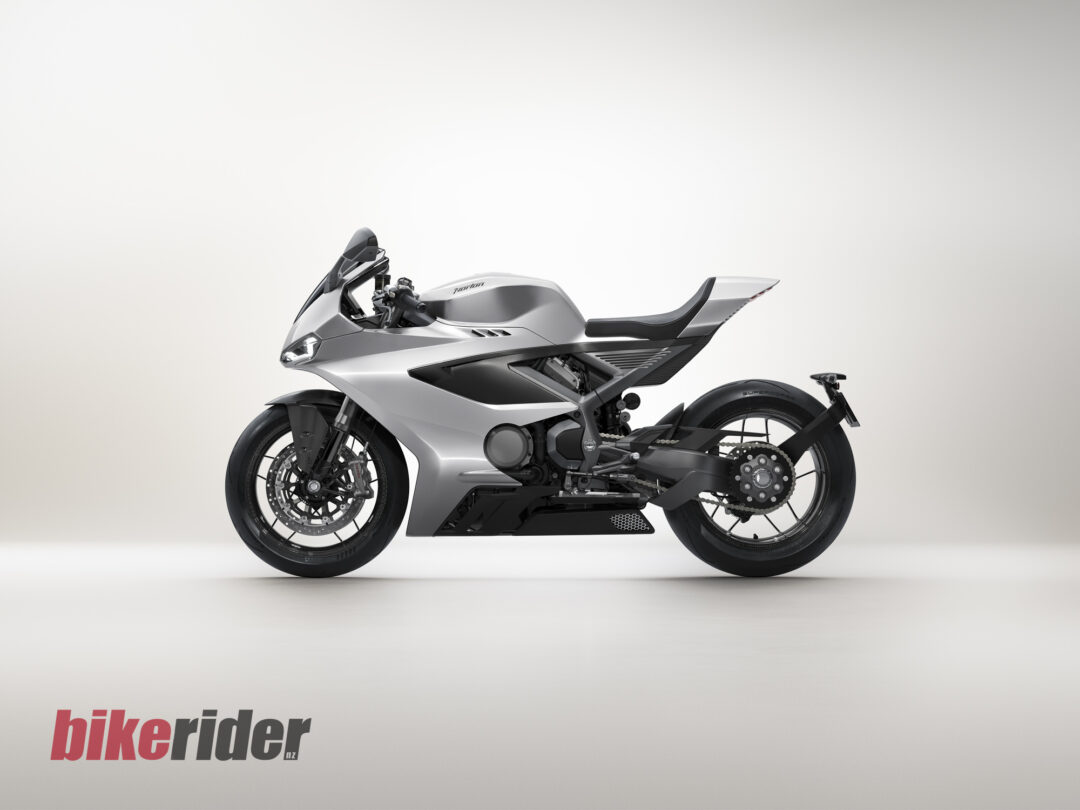
AC: The fact that the Manx R motor is a 1200 means that, in theory, it can only ever be raced in the anything-goes Isle of Man Classic TT. But Norton is a racing brand, so does the fact that you’re using the maximum 82mm bore size that’s permitted in World Superbike racing mean that there might be a 1,000cc version down the line, which you could take racing, with more of an emphasis on power than torque?
BG: Yes, that’s true – we could de-stroke it! Alan, you know how I feel about racing, and you know where my heart lies. Going racing will be in the future of Norton, that’s for sure.
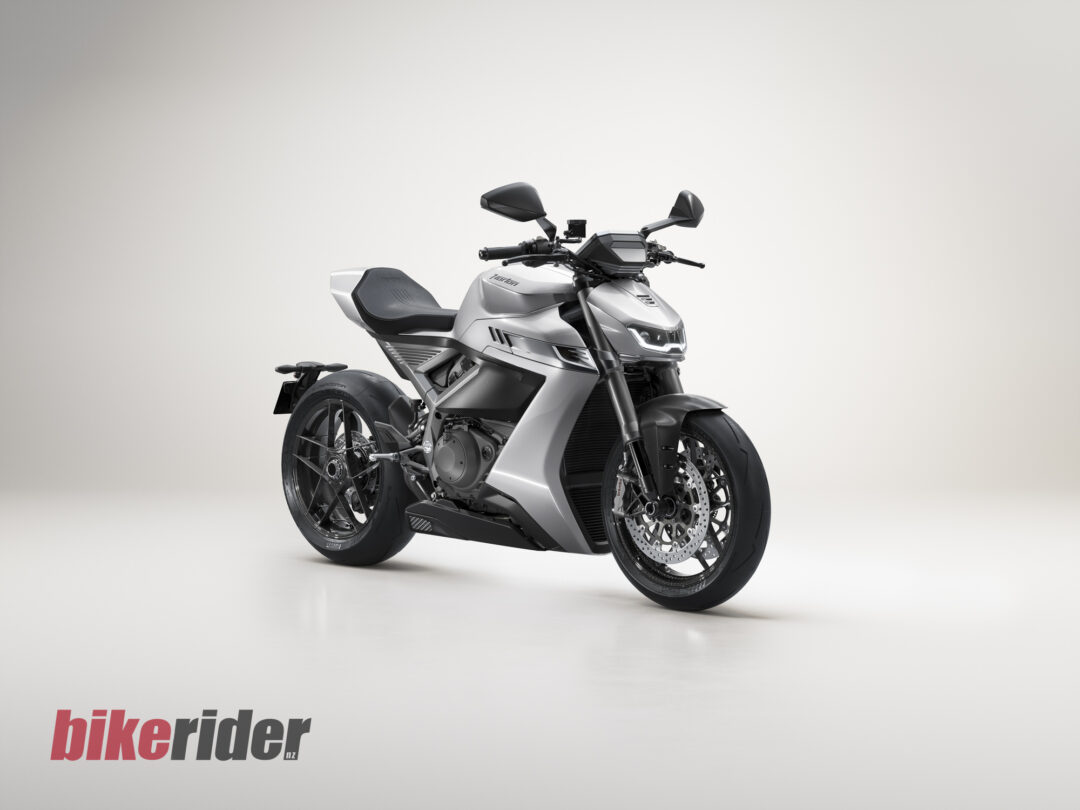
AC: Looking at the Naked version, the Manx, this seems to have succeeded in that very difficult thing, of making a Naked bike look individual. It’s completely non-derivative.
BG: Yes, it’s the most un-naked Naked bike, with really, really unique styling, for sure.
AC: This isn’t a deliberate reference to your recent past, but isn’t it quite similar to the MV Agusta Brutale 25 years ago, in that it’s reinvented the model sector stylistically?
BG: That’s right – I believe it has indeed reinvented the Naked sector. Walking around the EICMA Show and looking at the other Naked bikes, they’re all getting so massive with all the electronics and suchlike that we have on bikes today, with all the homologation hardware like exhaust valves and so on, everything is starting to completely clutter up what was once a really beautiful, minimalist concept. But the Manx feels small and stripped out when you sit on it, and even more when you ride it.
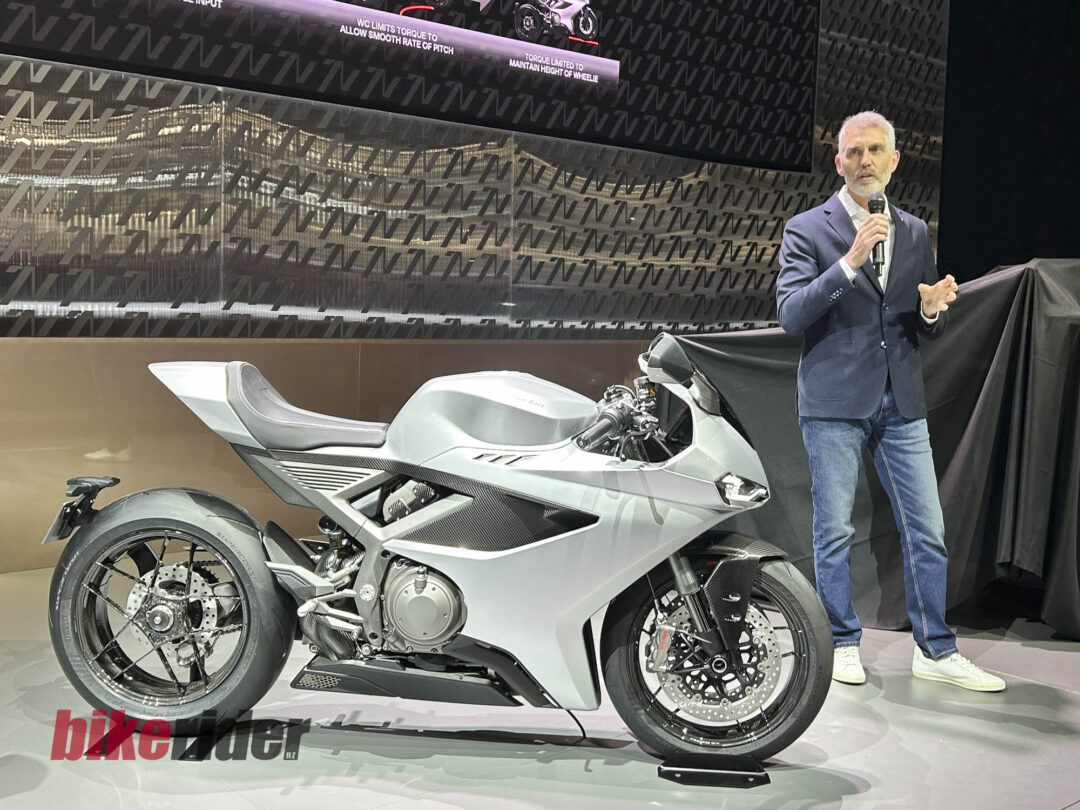
AC: So in order to create the Manx, did you also tear up what you found awaiting you and start again?
BG: Exactly right.
AC: How about the difference between the two versions – is the Manx essentially a re-clothed version of the Manx R?
BG: There’s actually a lot of similarities, but also differences. For example, they’re made up of the same five basic chassis components, but the machining on the frame for the Manx, the Naked bike, is different than the Manx R. The steering angle has been taken out one degree, and we changed the fork rake and trail, in order to have a little bit more stability with the rider sitting so upright, and because the aerodynamic centre of mass changes between the two. Other than that, the powertrain is exactly the same, with the same power and the same torque. The Manx R will start production before the Manx, but let’s say they’re two halves of the same whole.
Developing the Atlas Platform
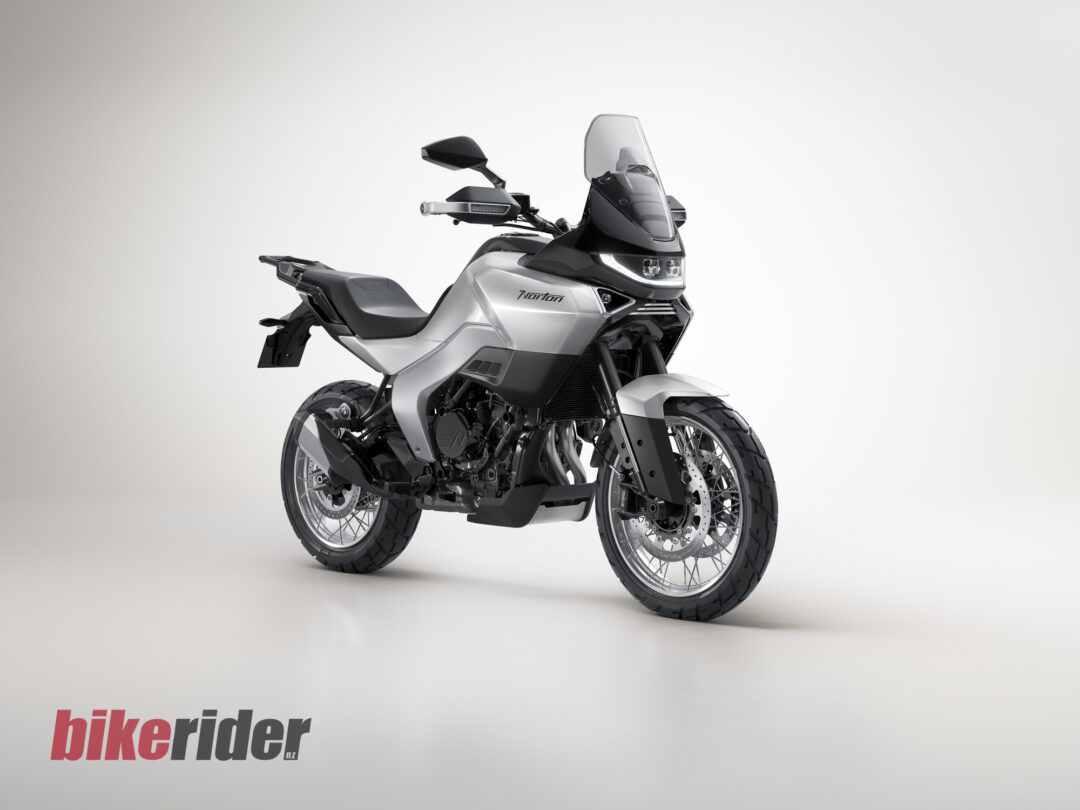
AC: Looking at the Atlas ADV parallel-twin models, how far along the road with that project were they when you arrived? As an expert off-road Enduro rider, you must surely have had your own ideas about how these should be developed.
BG: The Atlas concept was there, the idea of what we wanted to do was there, but the focus on how much we wanted to be on road, how much we wanted to be offroad, had yet to be determined. Because what you do with a street bike is completely different from what you need to do to have off-road capability, in terms of ease of movement on the bike, the contact points you have on it, and so on.
So the GT and the Atlas have the same bodywork, but in order to make the Atlas GT off-road capable, we had to take a very hard look in terms of rider ergonomics, the slimness of the bike, the narrowness of the bike, the ease of movement when you’re standing up on the pegs. The location of the footrest, the footrest/seat/handlebar relationship, and the contact points of your knees, where you’re going to be able to squeeze with your ankles for standing up – all that had to be established, and then of course transferred back to the GT.
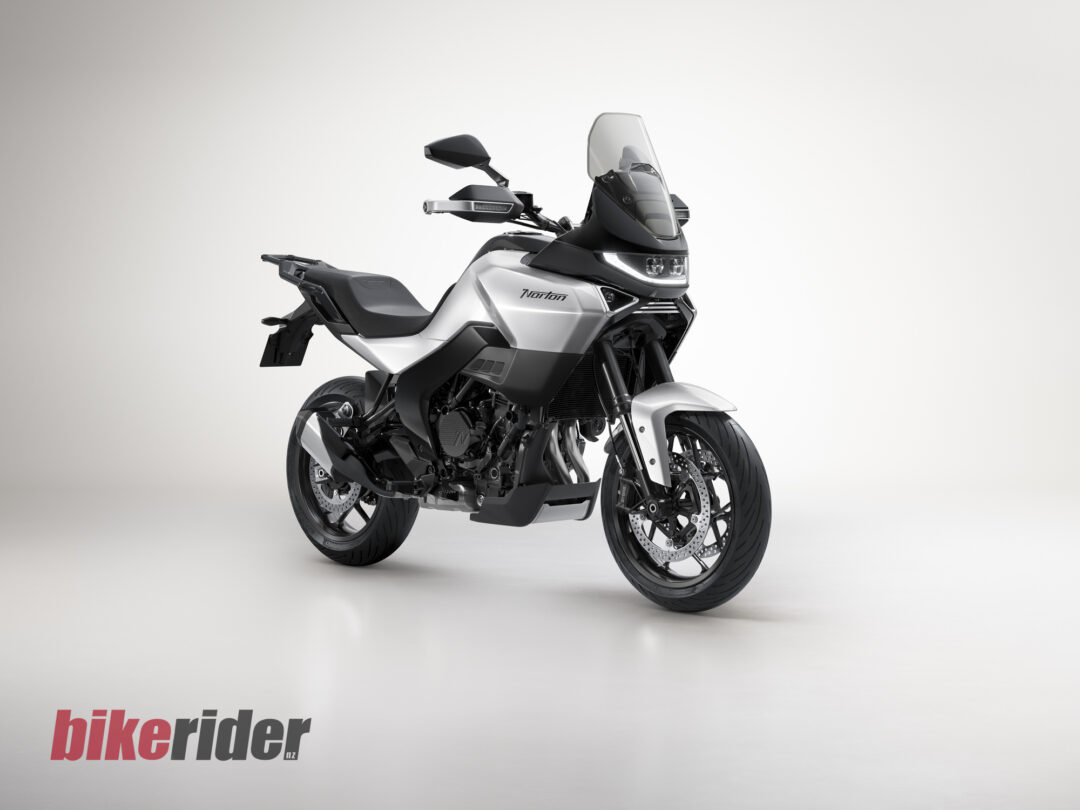
AC: Am I right in thinking that the 585cc engine is an extrapolation of the parallel-twin engine in the new BMW F450 GS developed and built in India by TVS??
BG: You could say it’s a derivative, but the crankcases are completely bespoke for the Norton, and so are the cylinders and crankshaft.
AC: So the lessons that TVS was learning in designing the very first twin-cylinder motorcycle they’ve ever made for BMW….
BG: ….then went into the engine for the Atlas, yes. They had a couple of years of practice working on the BMW before they started on the Norton!
AC: Brian, you made a huge personal commitment to leave MV Agusta after so long there, to come to Norton. Two years on, how do you feel now about having done that?
BG: It was the right choice, for sure. It was a really hard decision to make, not only because of my personal attachment to MV as a brand, but even more than that, because of the people inside of MV. I was there for 17 years, and had such a strong commitment and personal involvement with all the people inside of the business, and especially the engineering team. So it was a very difficult decision to make in that regard, and that’s why it took me so long to say yes to Sudarshan – the best part of two years! But speaking with him personally is what helped me make up my mind – because the commitment that I saw from him to the Norton brand, and the vision that he has for it strategically, looking forward, it all made me realise that this is something that I wanted to be part of. Being with MV was amazing, but being able not only to develop a clean-sheet range of new bikes but also to relaunch a famous, historic brand to the world with the support, power, and vision of TVS and Sudarshan behind us was something that was really hard to say no to. And two years on, more than ever I know it was the right choice. Just wait till you ride the bikes, then you’ll see why…..!
With four new models already revealed and production planned to begin in 2026, Norton’s return to the global stage appears more substantial than many expected when TVS rescued the brand five years ago. If Gillen and his 200-strong engineering team deliver on their promise of torque-rich performance and distinctive design, Norton’s “resurgence” could quickly become one of the most intriguing stories in modern motorcycle manufacturing.
Photo credit: Norton Motorcycles & AC Archives