
- Indian brings King of the Baggers race-winning tech to the road with the new PowerPlus 112 V-twin
- Packed with modern electronics including IMU-based rider aids, radar safety tech and a full touchscreen dash
- Surprisingly strong performance, impressive handling and long-distance comfort for a 300kg+ bagger
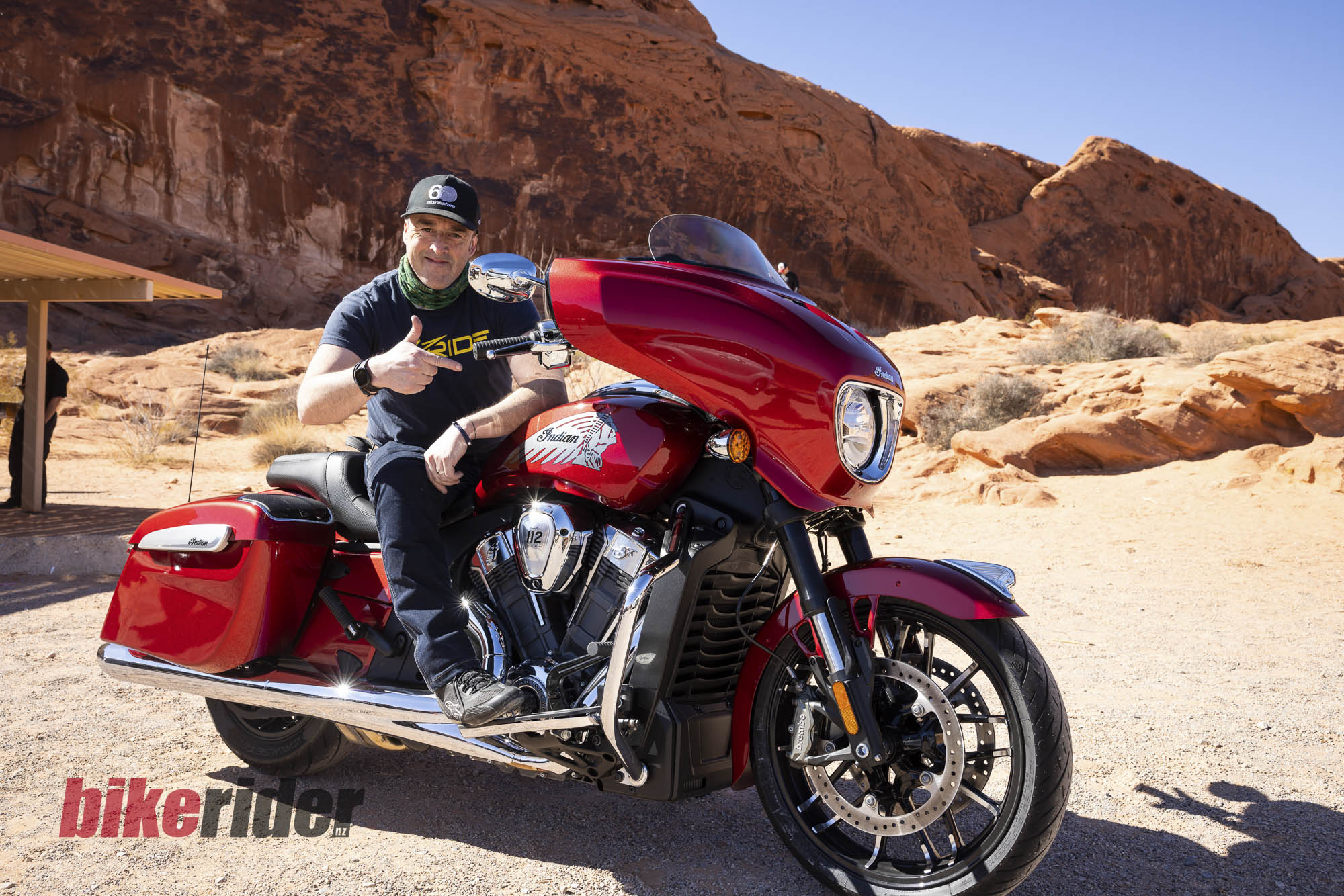
On the back of its King of the Bagger racing success, Indian Motorcycle produce the stunning Chieftain, using the big 112 PowerPlus motor
King of the Baggers Influence
We expect BMW to deploy World Superbike technology in its road bikes, and we expect MotoGP-inspired aerodynamics to appear on Ducati’s street-legal Panigales. But when it comes to the bagger and cruiser market, we certainly don’t associate racing with such laid-back road bikes. That was, until now.
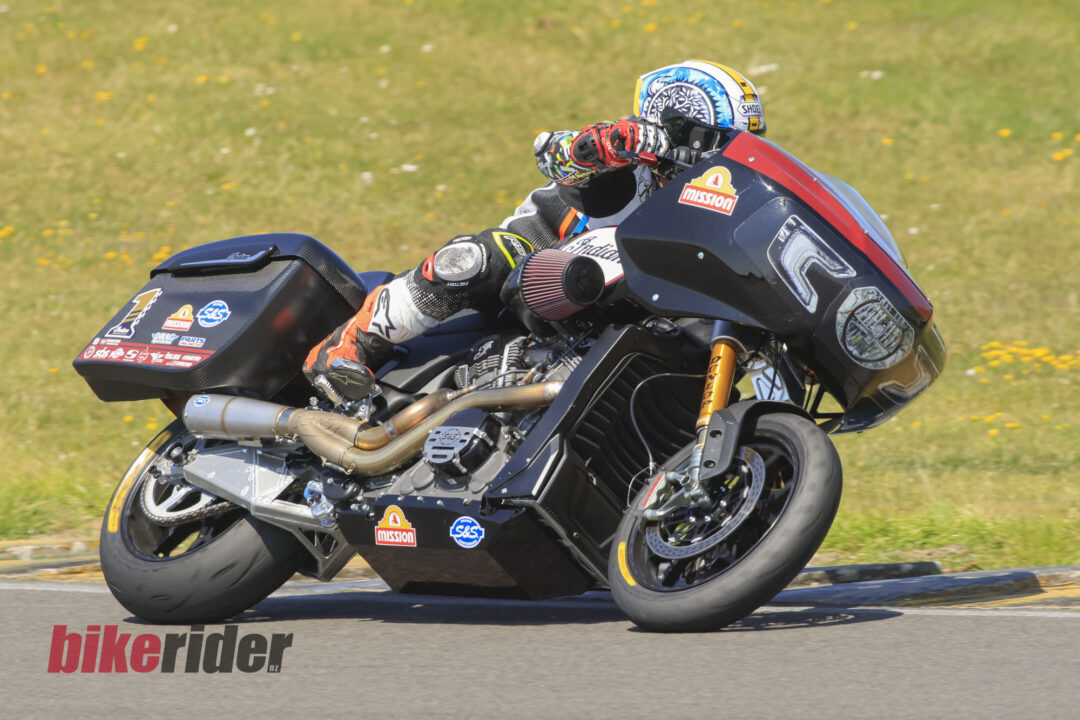
Things changed when the King of the Bagger series was introduced in the US in 2020. Racing big, heavy V-twins designed and equipped for a two-up cruise into the country was a crazy, counter-intuitive idea, but the wild spectacle the racing provided proved a massive hit with the US public – and viewing figures skyrocketed.
Indian Motorcycle has been at the forefront, taking three championships in 2020, 2022 and 2024, and, despite the company’s focus on cruisers, tourers and baggers, we shouldn’t really be surprised. Indian has recently dominated flat-track racing in the USA with the FTR, while the history books are filled both with racing success and land speed records, most notably Burt Munro’s 184mph, set in 1967 on a 1920 Indian Scout Streamliner.
PowerPlus 112 Engine
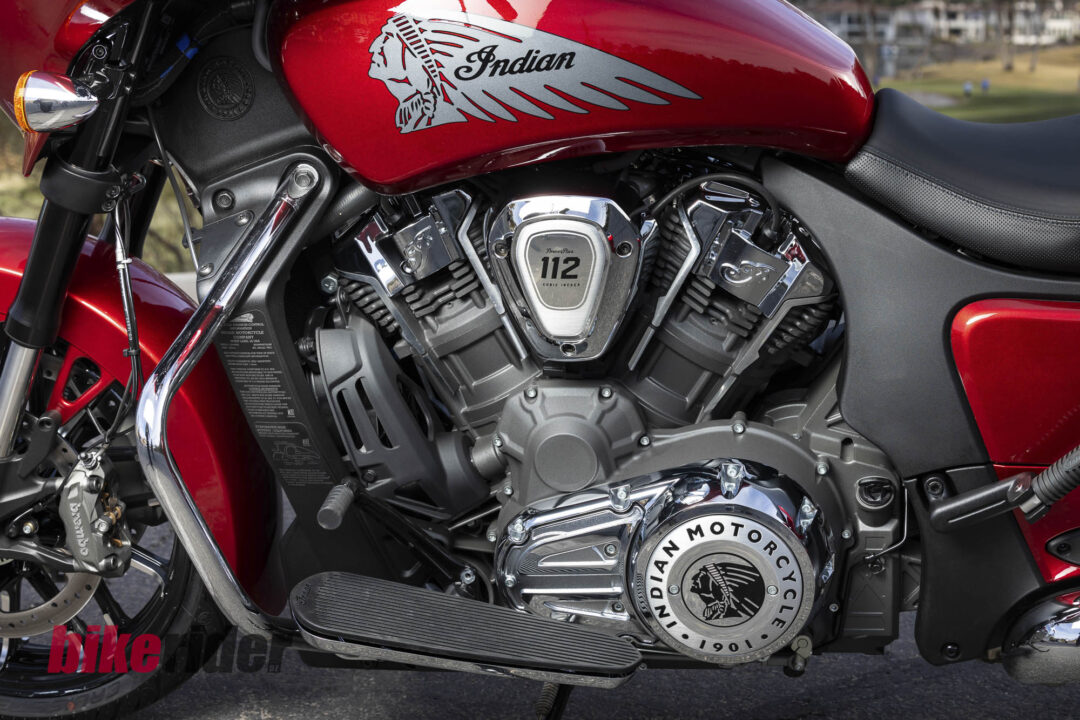
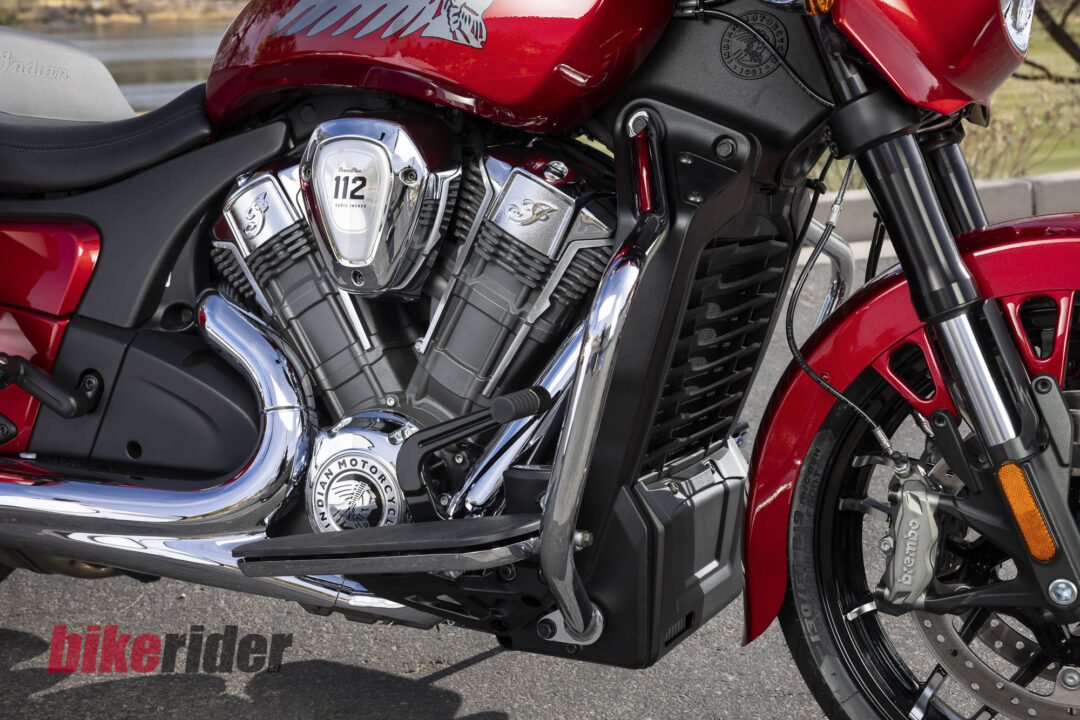
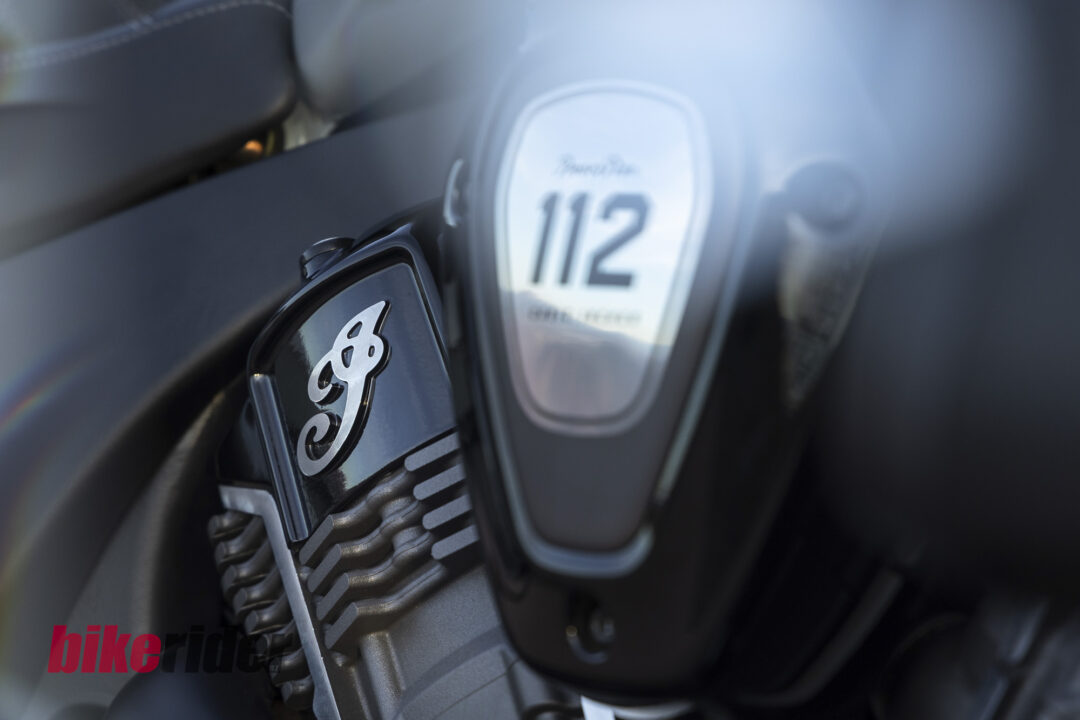
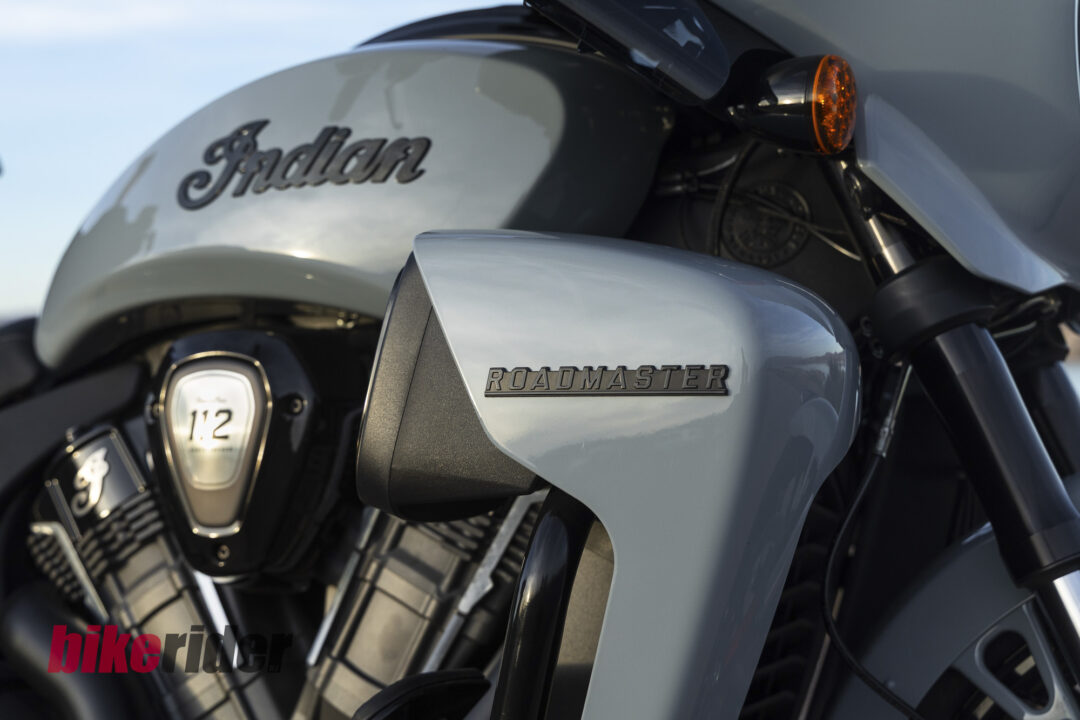
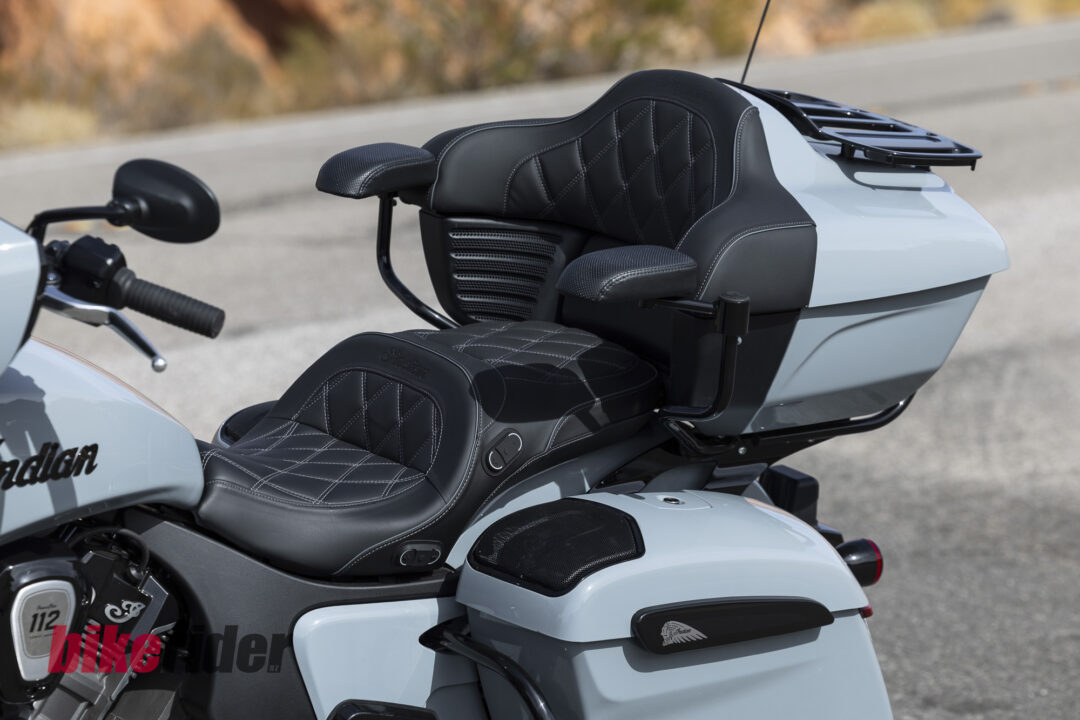
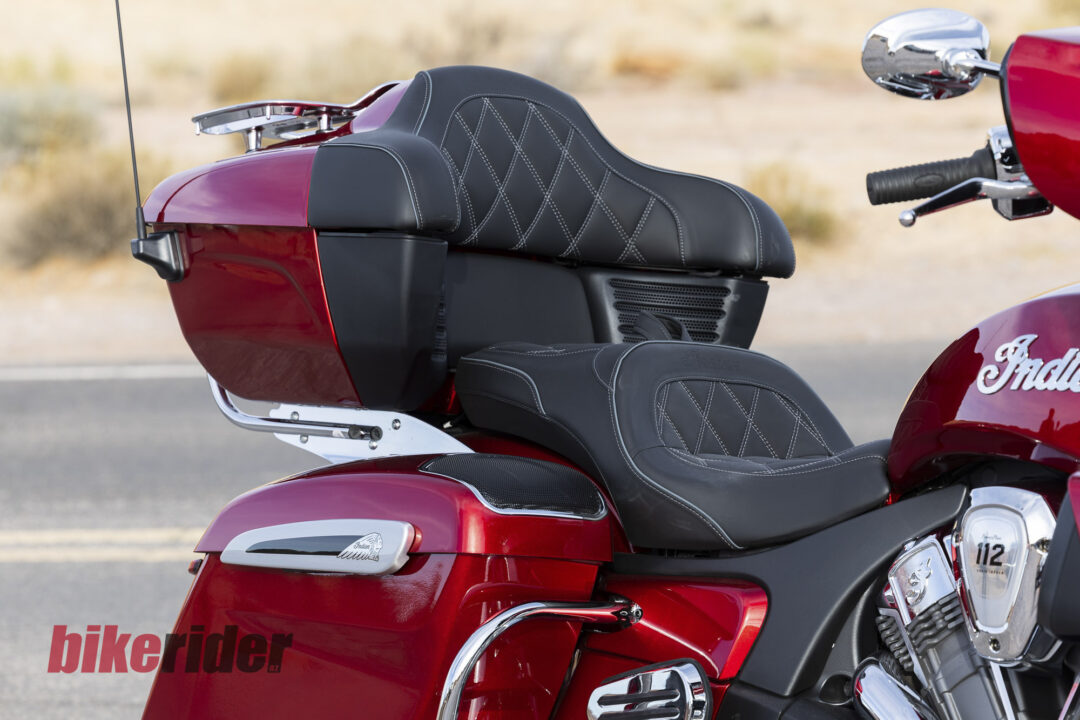
The engine that has taken Indian to recent success in bagger racing is the water-cooled, PowerPlus 112, a single overhead cam V-twin with a capacity of 112 cubic inches, or 1843cc in new money, that churns out 126hp and a gargantuan 182Nm/134 lb-ft of torque. The 112 can now be found in the all-new Chieftain PowerPlus, which we have on test, and its larger sibling, the Roadmaster PowerPlus, which is essentially a Chieftain but fully dressed, with a top box and backrest.
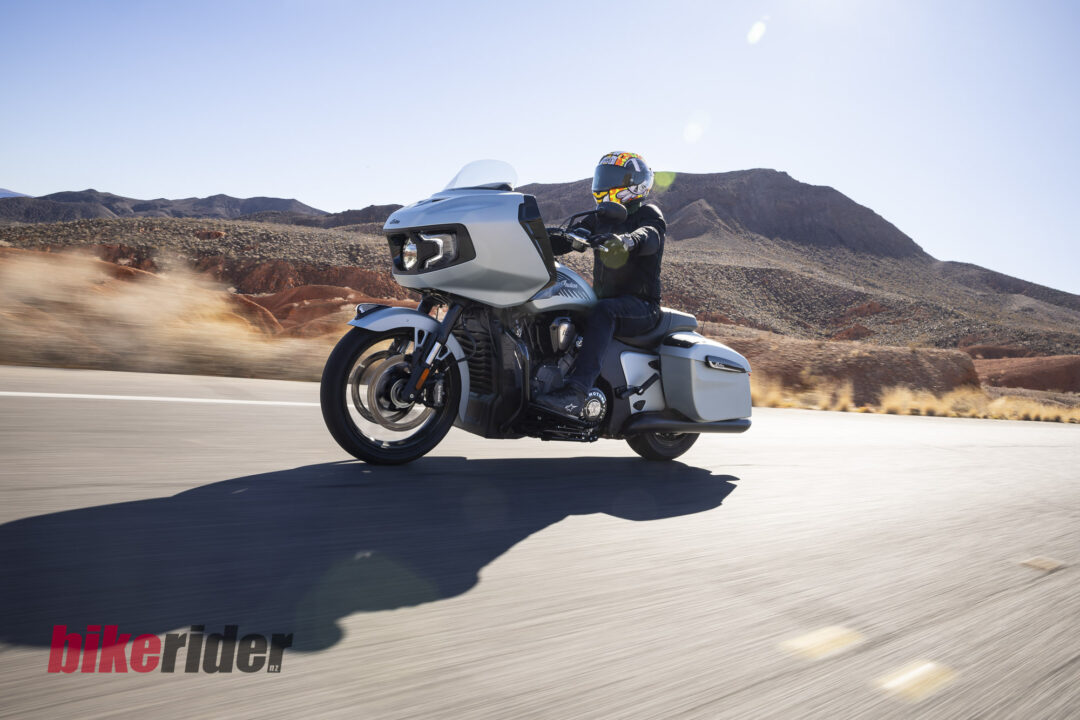
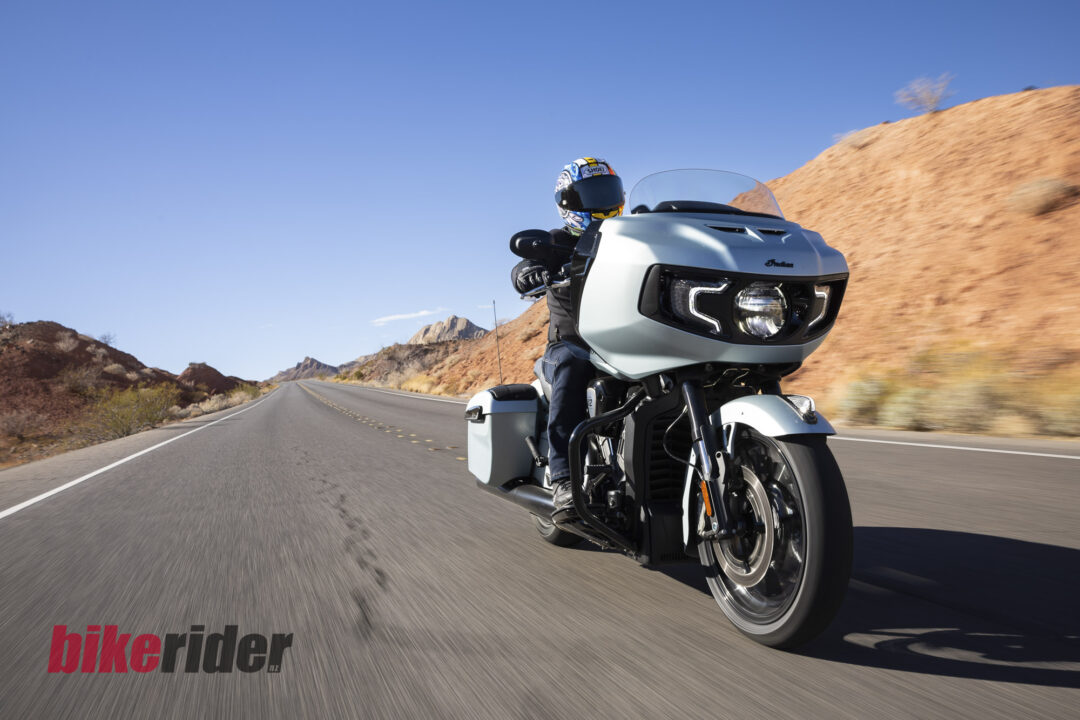
We also had the opportunity to ride the new Challenger (see the box out below), which again uses the same chassis, engine and tech as the Chieftain, but has a larger chassis-mounted fairing, as opposed to the fork-mounted fairing on the Chieftain.
Modern Tech Meets Cruiser DNA
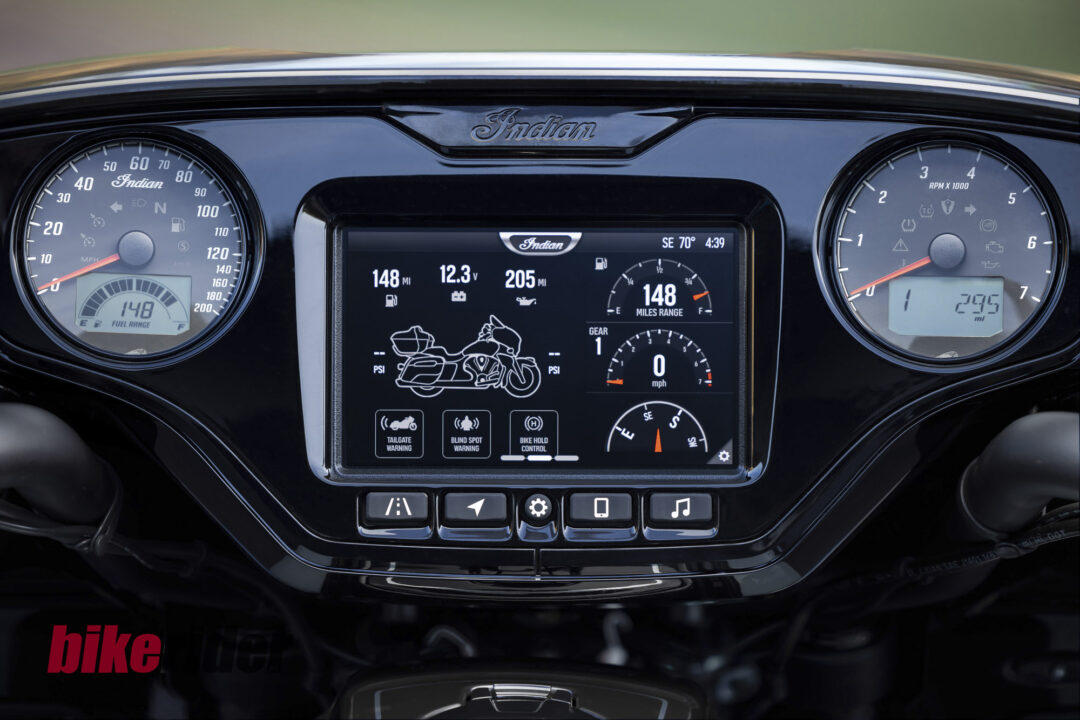
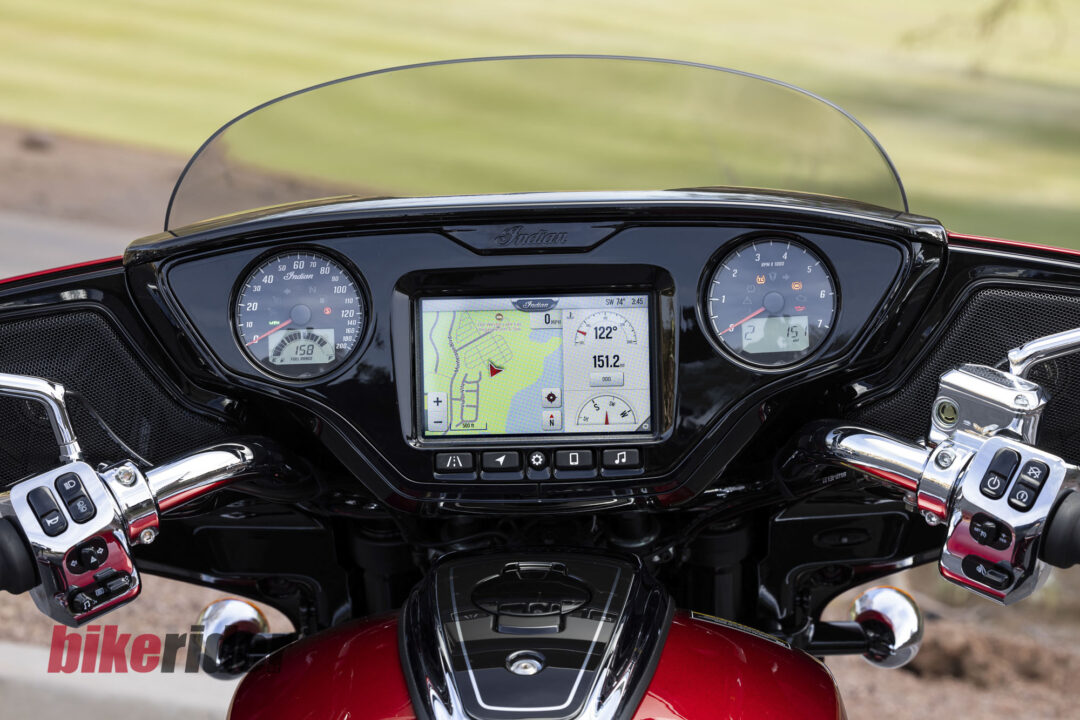
But it’s not just about the new class-leading motor. Indian has introduced technology we would normally only associate with sports bikes, such as a six-Axis IMU, which facilitates the introduction of lean-sensitive rider aids. There are also three riding modes, linked braking, hill hold control, and even a rear-mounted radar for tailgate warning, collision warning and blind spot warning. Add a keyless ride, remote locking for the bags, USB charging sockets, cruise control, a large touchscreen 7-inch dash, an electric screen, rear cylinder deactivation to aid engine heat management, plus the mandatory audio system, and you can see that the Chieftain is embracing 21st century technology in a way not seen on a bagger before.
With its unique styling, sporty new motor and feast of technology, WE needed a full day in the saddle to put the new Indian to the test. Fortunately, Indian had the perfect backdrop: the Nevada desert outside Las Vegas. If the Chieftain was going to succeed anywhere, it would be here.
First Impressions
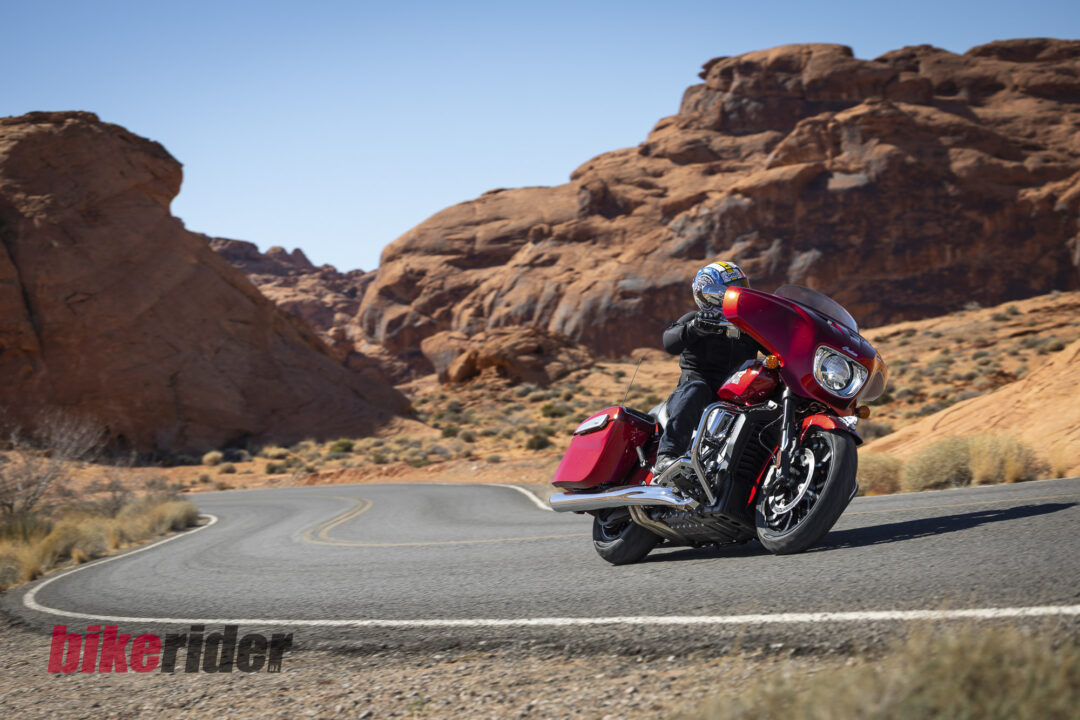
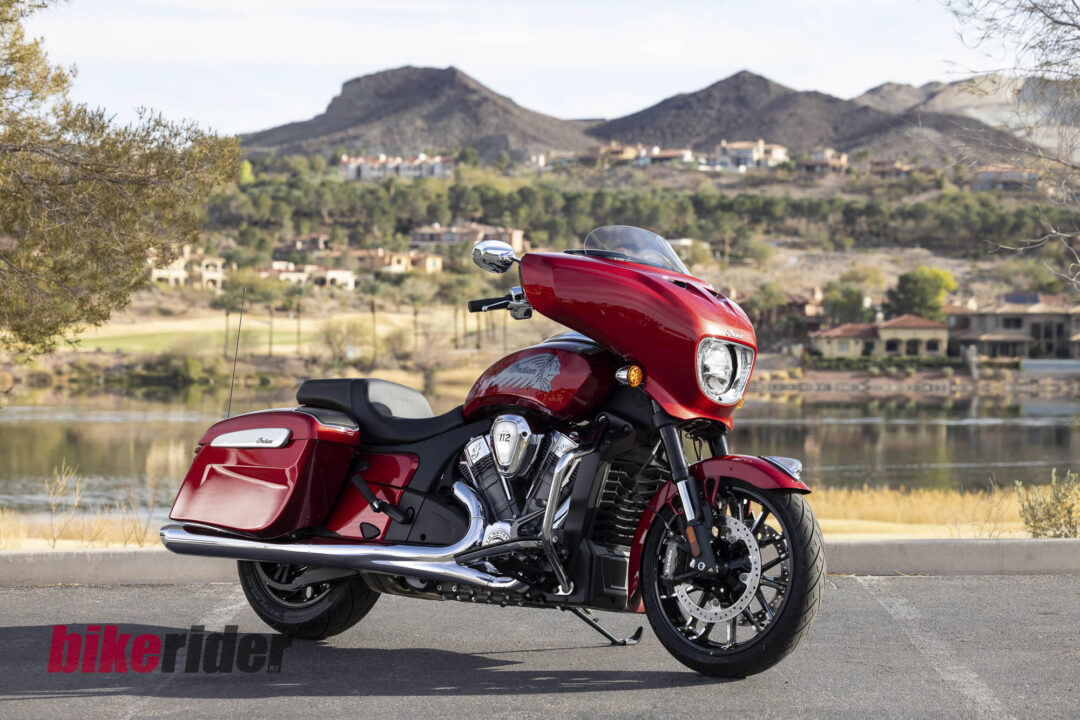
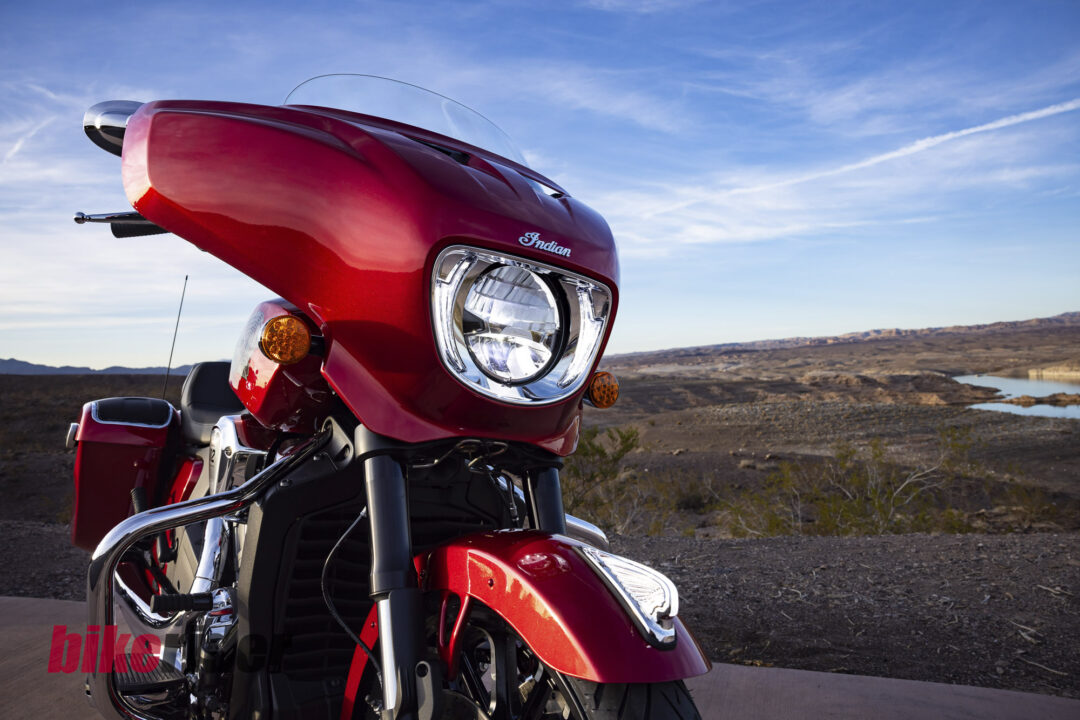
I’ll come clean – the last big American cruiser I rode was the Indian Challenger race bike in the summer of 2023. It was a 180mph, hand-built replica of the bike that took the King of the Bagger championship in 2022 in the hands of Tyler O’Hara. It has also been a while since I’ve ridden an American bagger on the road, although I have recently sampled the European equivalent, BMW’s R18 Roctane. But one thing I know for sure is that certain bikes fit certain styles and environments and, here in Nevada, just outside Vegas and glistening in the early morning sunlight, the all-new Indian Chieftain looked stunning. It is a truly jaw-dropping motorcycle.
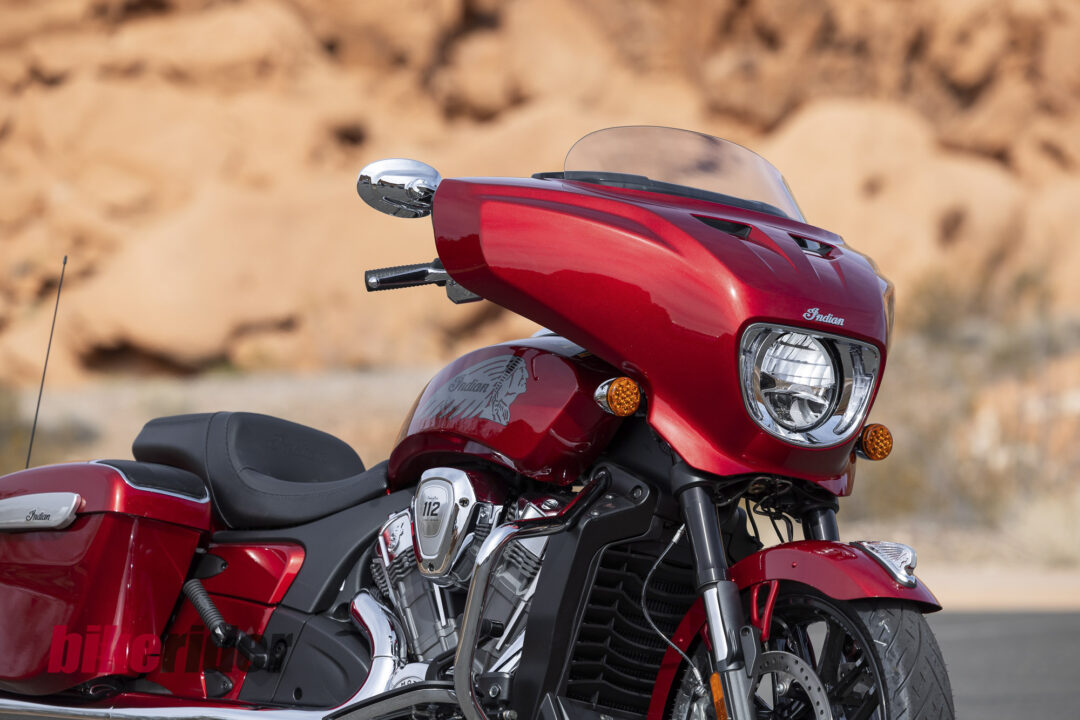
Indian now produce two liquid-cooled bikes with the new 112 motor: the Chieftain and the Challenger. For 2025, both share key components – engine, chassis, electronics, etc ¬– the main difference being the style and fairing. The Chieftain has the bagger-defining twin-mounted panniers – or bags – and a smaller fork-mounted and classic-looking fairing, while the Challenger’s larger fairing is frame-mounted and more modern in look.
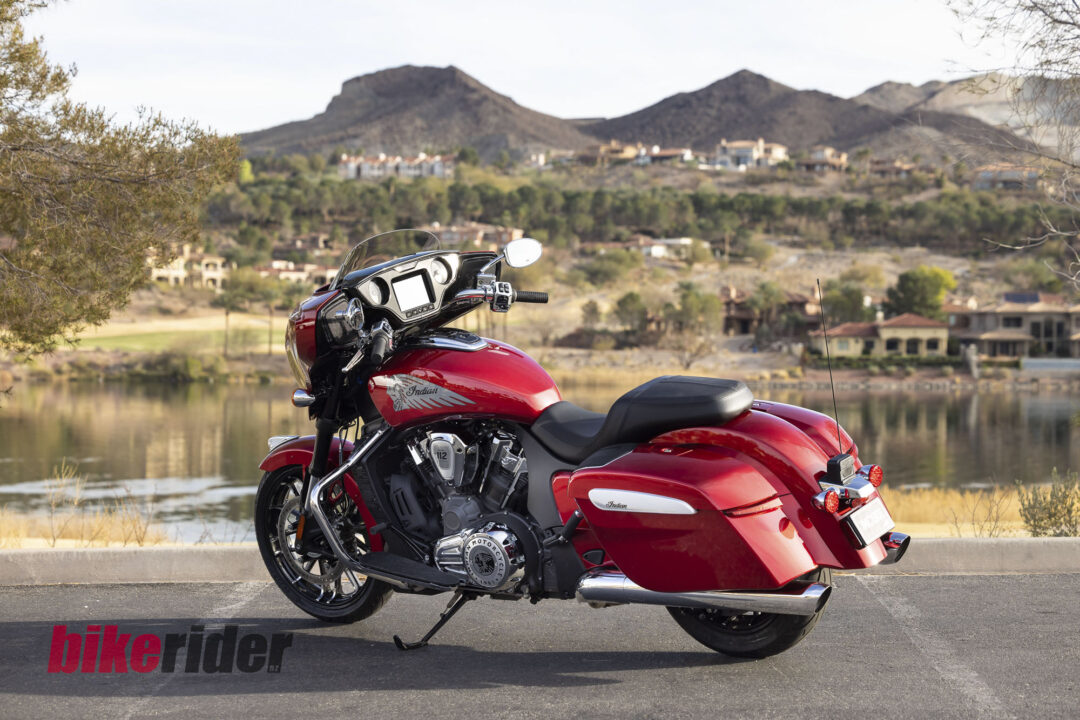
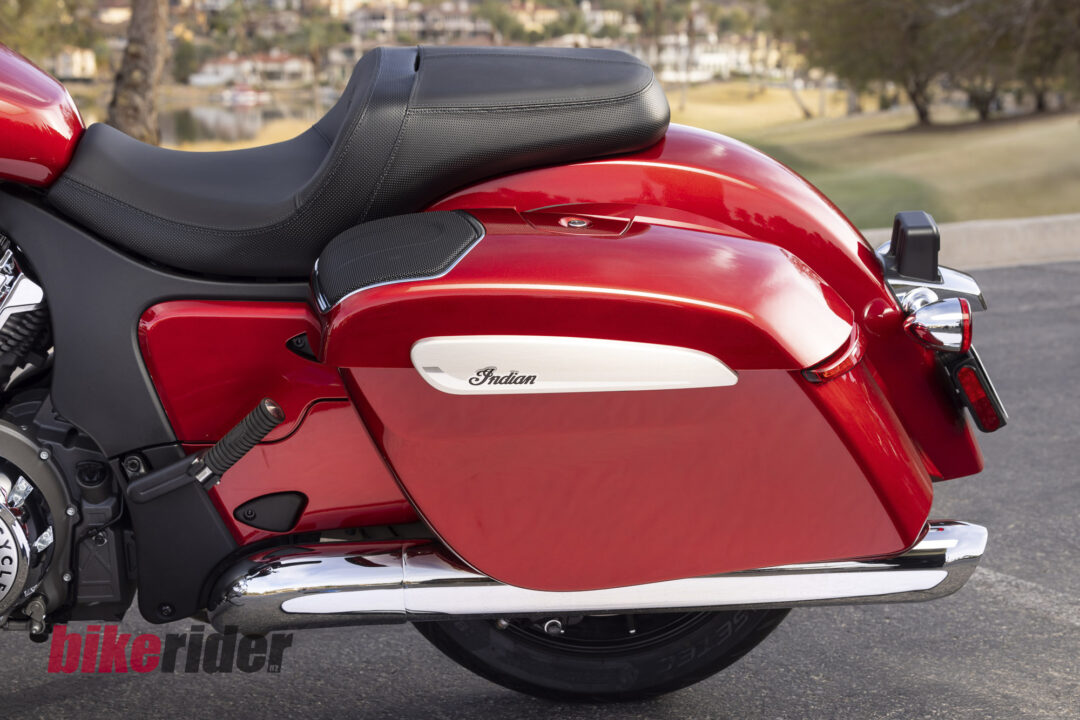
In terms of garage appeal, I prefer the Chieftain, especially in this stunning red paint. The level of finish is exceptionally high, and a sense of quality only increases when you throw a leg over the low (672mm) seat. The switchgear is well thought out, with cruise and screen control on the right bar, screen navigation on the left. The seven-inch full-colour touchscreen dominates the handlebar-mounted fairing with a pleasing-to-the-eye analogue speed and rev counter on either side.
Living with the Tech
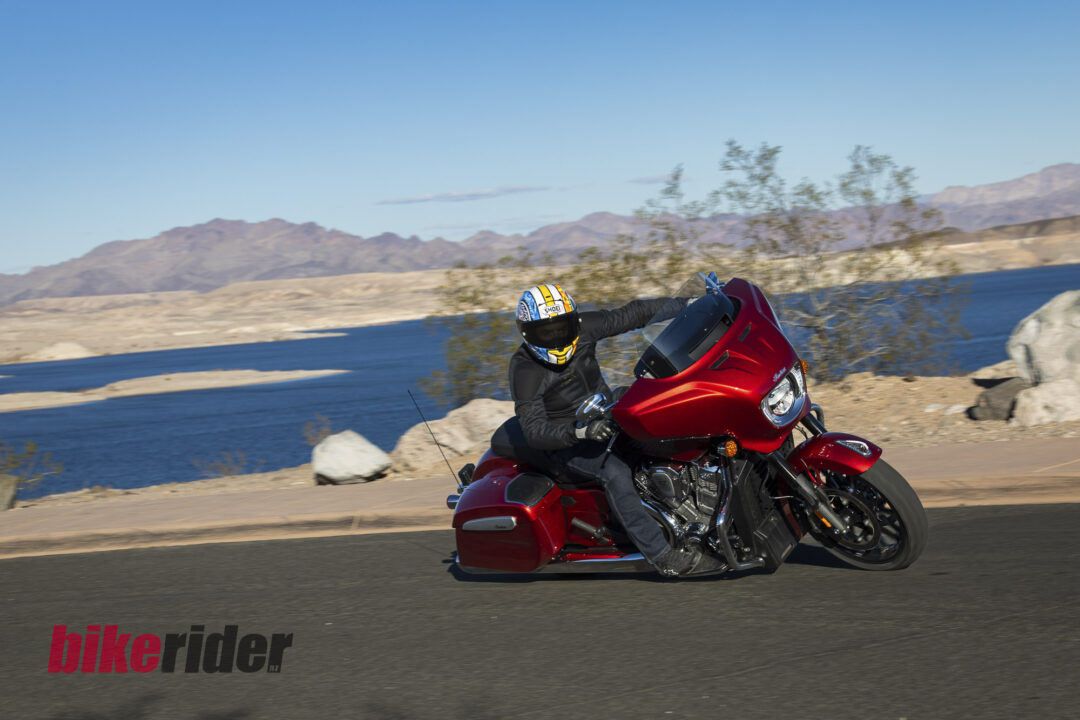
Sat in the parking lot, big V-twin purring away, I was a little overawed. Not by the enormous weight (366kg dry), which is positioned manageably low in the chassis, but more by the huge amount of information and data on hand, including full touchscreen navigation. Once we got rolling, though, and were cruising steadily into the traffic-free desert, it all became second nature. Within 15 minutes of riding, I had saved two radio stations (Radio X and Best of Country), the electric screen was fully upright, I was in the middle riding mode of three (Sport, Standard, Wet), and had played around with the integrated satnav. That touchscreen is intuitive to use, while four large buttons and one single button are simple shortcuts to make life even easier.
Other manufacturers could take a lesson from Indian here; the Chieftain has one of the most informative and easy-to-use displays I’ve used. A lot is going on – you can change the stereo settings, turn on and deactivate the rear collision warning, even switch off the traction control on the move – but it’s all doable without too much thought or risk of becoming distracted. Admittedly, we were riding in an empty desert and things might be different in the city rush hour, but 30 minutes into our ride I was already falling in love with the Chieftain.
Long-Distance Comfort
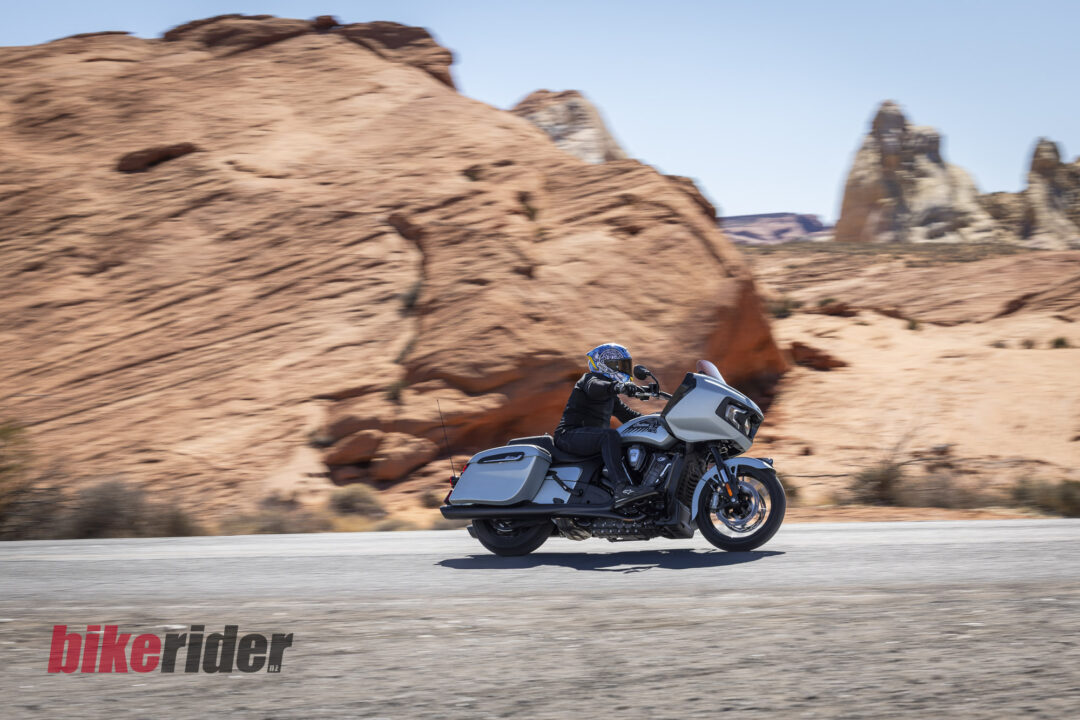
Relaxed into the Chieftain’s plush seat, an arrow- straight road stretching for miles into the distance, I couldn’t have been happier or more comfortable. With the relatively small, electrically adjustable screen fully upright I could ride with my visor wide open at 60mph, making me wish I’d packed an open face in my luggage. Cruise control set, music clear at just half volume, every so often checking the route ahead on the satnav… I mainly concentrated on enjoying the stunning views of the Valley of Fire State Park. The guys at Indian told me that some riders regularly push out 300 to 500 miles in day on their Chieftains, and I can see why.
When it is cruising, everything feels optimised. Just enough cooling air flows underneath the bars to the rider, which in 20-degree temperatures is perfect. The suspension is on the soft side but is not overly soft, the bars have good low-speed leverage but are not too wide, and the footboards are exactly where you want them.
Engine Performance
At a legal- ish cruising speed the motor is having a gentle jog, with the revs hovering at around 3000rpm or below depending on your speed. The 112 is turbine smooth and hardly working. Acceleration in top gear is more than adequate, but when you want that extra kick, cog back to fifth or fourth gear and let all the twin’s horses find their way to the road. There’s serious grunt available from just 2000rpm, while peak torque is at just 3800rpm. Unlike most bikes of the cruiser persuasion, the Chieftain will happily rev past 6000rpm, blending the best of low rpm drive and lively acceleration through the upper revs.
From a standing start, you can simply short-shift and enjoy the tidal wave of torque, or dump the clutch and give the belt final drive and traction control (TC) a proper workout. With the TC removed, the 112 will send the rear Metzler Cruisetec spinning, even in the dry. Don’t be fooled, this bike is quick off the mark, especially once you’ve flicked into Sport mode with its more aggressive throttle map.
Handling and Ride
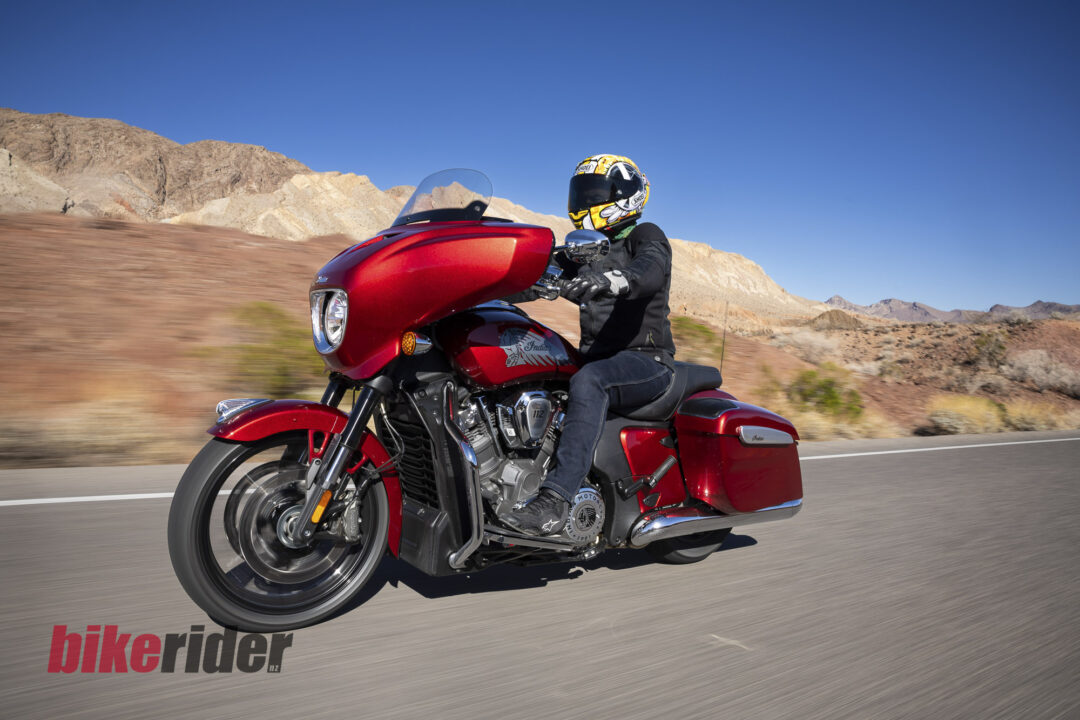
In Nevada’s desert, corners are few and far between, which I thought was probably a good thing as this might be where the new Indian would struggle. The suspension setup is relatively basic with non-adjustable upside-down forks up front and only hydraulic preload adjustable on the rear shock. Wheel diameters, meanwhile, are 19-inch front and 16-inch rear – but it all works.
The suspension holds the chassis and copes with the Chieftain’s 336 kilos (dry) even over undulations and bumps. It’s stable and reassuring, while the rear refuses to sit down like an obedient dog when that immense torque output lets rip – and communication from the Metzelers is decent for this type of bike. All of which encourages you to have some fun when you finally find a corner to play on, the only hint of complaint being when the footboards deck out. That said, with the maximum lean angle quoted at 31-degrees, ground clearance is way better than some of the competition. Increase the preload on the rear and you’ll get even more clearance, depending on the weight of the rider, luggage and pillion.
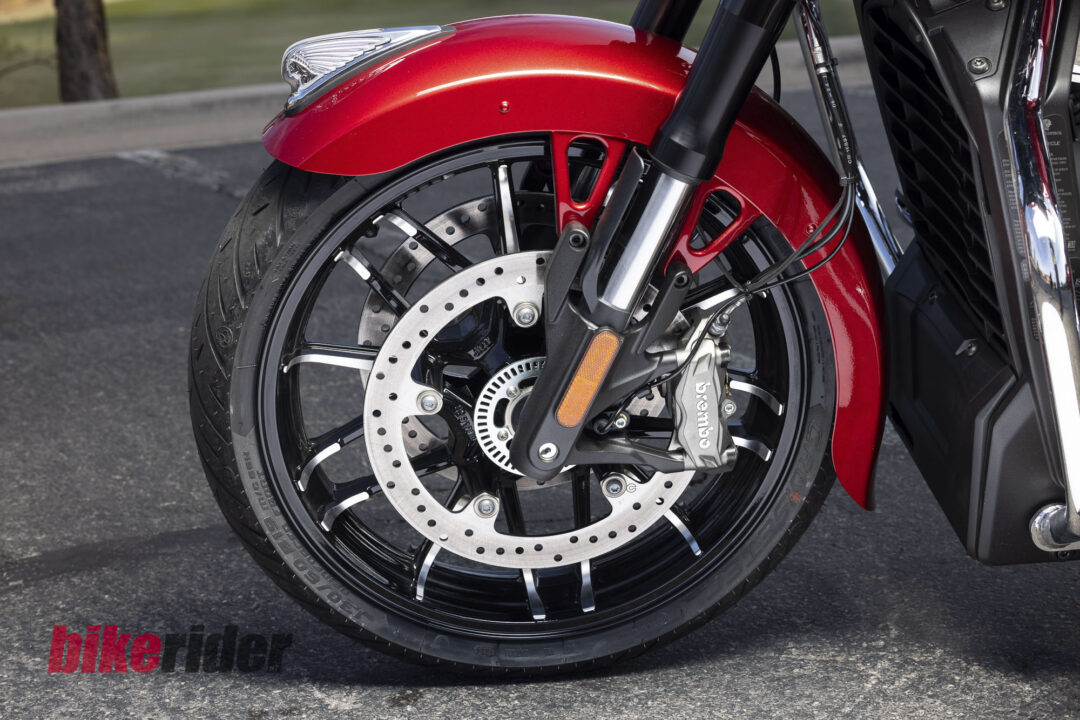
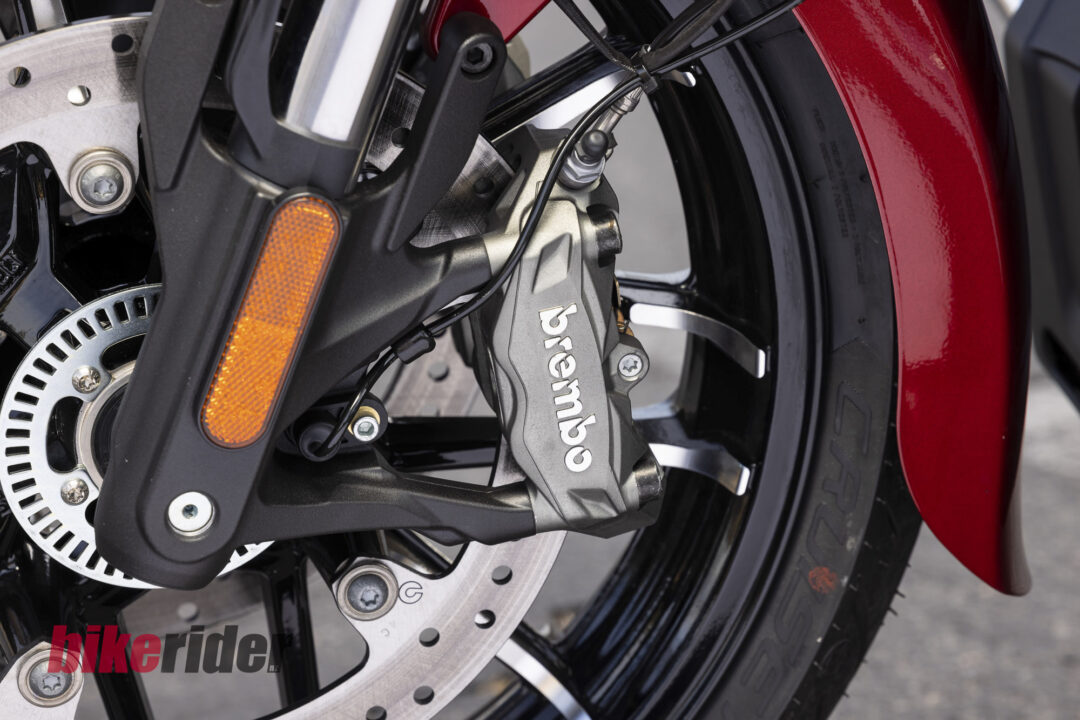
Brakes are usually the Achilles Heel of cruisers, but not so with the 2025 Chieftain PowerPlus 112. Twin Brembo radial stoppers up front pair with 320mm discs. The front and rear systems are linked and supported by lean-sensitive ABS, which isn’t noticeably intrusive for this type of bike. The front brake activates the rear and vice versa, and if you want to be lazy, you can just rely on the rear pedal, which automatically activates the front. It’s an impressive system that’s more than capable of handling that sizeable mass of motorcycle.
Everyday Usability
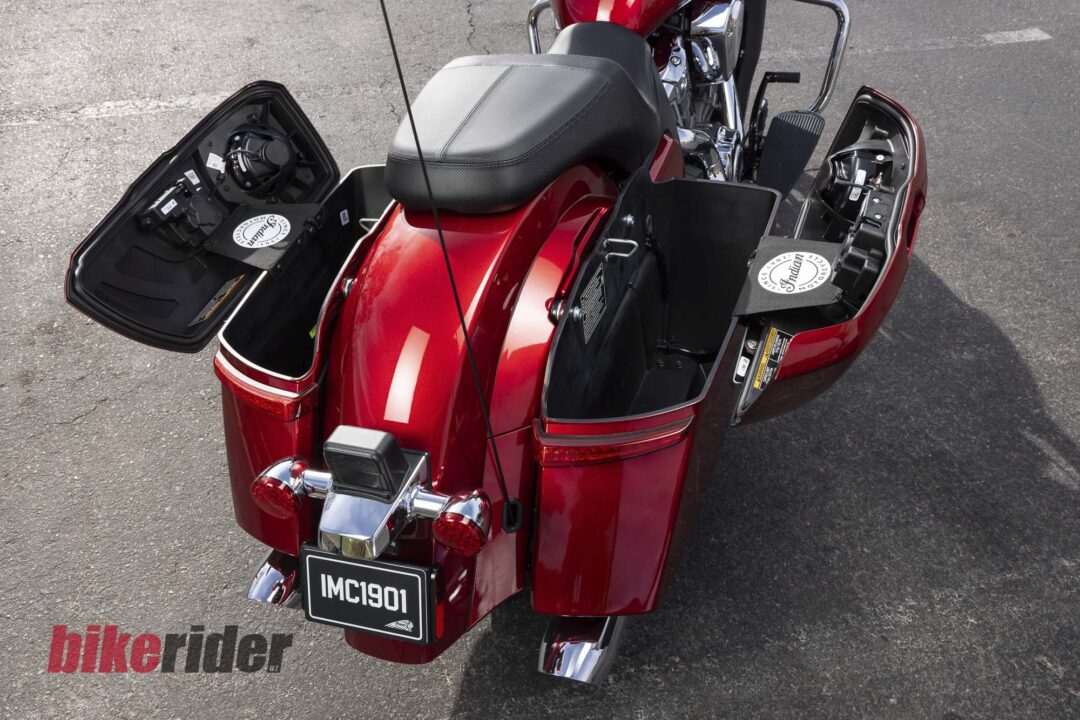
By the lunchtime of our test, the new Indian felt like a bike I’d owned for years, while its detailed approach to making life easy for its rider came to the fore. When stationary in traffic, the rear cylinder deactivates automatically to save fuel and reduce heat reaching the rider and pillion. The linked brakes are not linked at low speeds to make slow speed manoeuvring easier. The automatic hill control makes life on a large bike much less stressful. The rear panniers open easily from the top via a simple push button and are more capacious than they appear – there is even central locking and a useful USB charger at the front. It seems like Indian has thought of everything apart from a reverse gear.
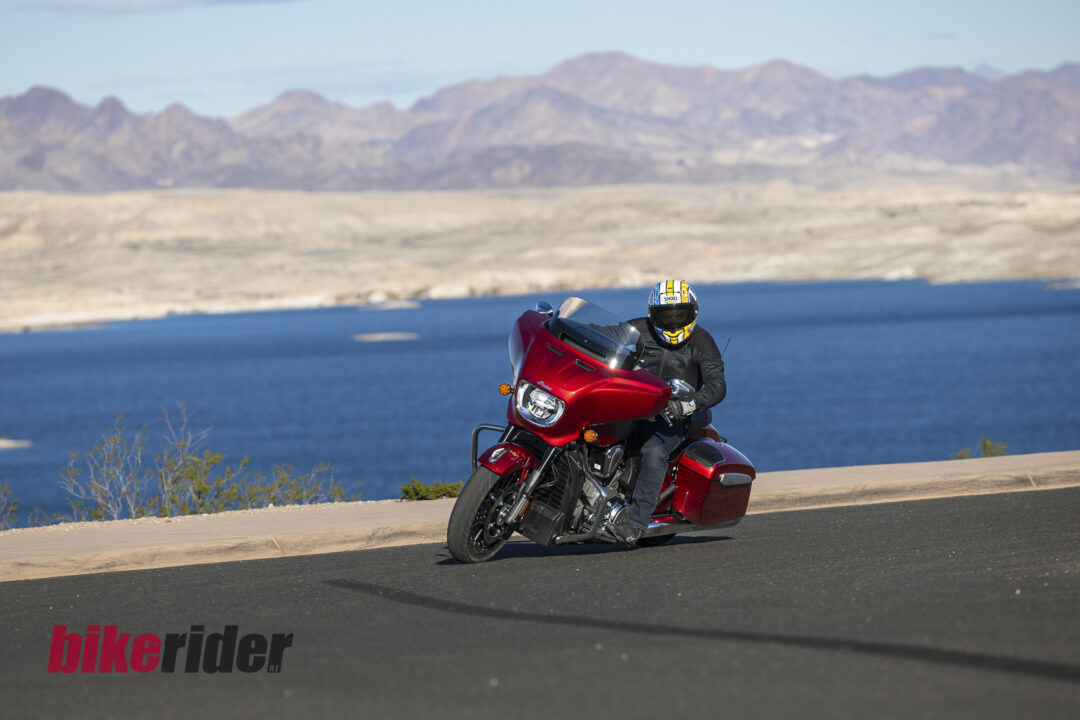
In the warm afternoon, we cranked out more miles. The rear collision warning and blind spot detection works well – there’s a clear indication on the dash or in the mirrors if a vehicle is too close, although when riding in a group, it got a little distracting. Thankfully, you can turn this and other safety aids on and off on the move from the touch-screen dash.
Performance on the Open Road
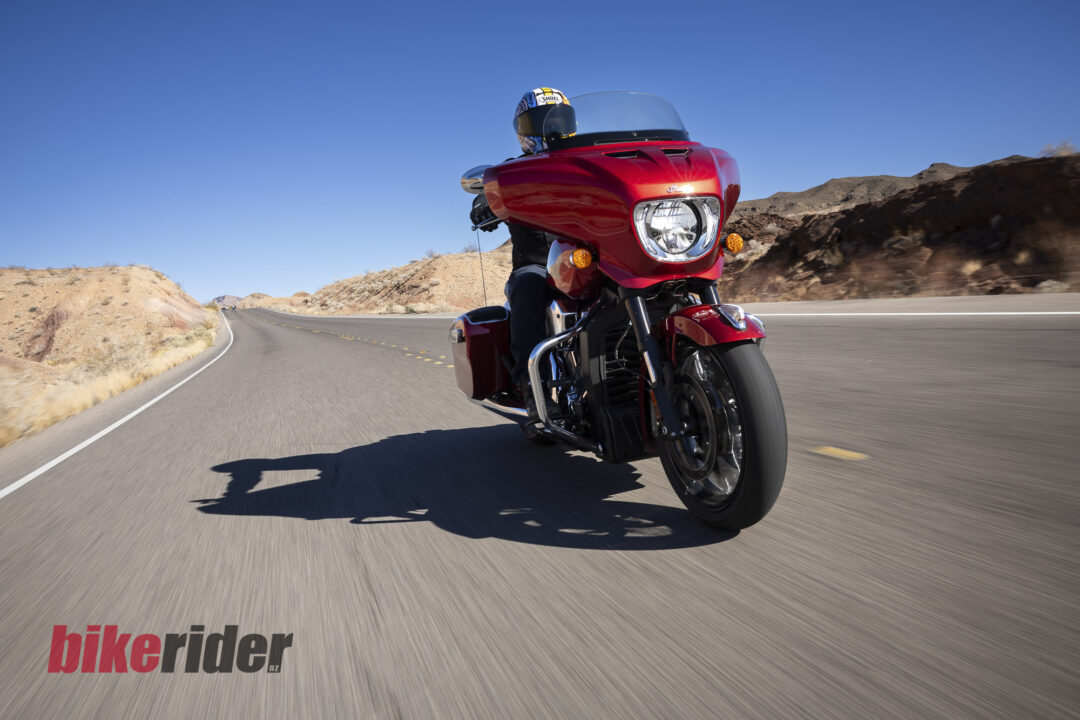
In the middle, seemingly, of nowhere, we also had the opportunity to stretch its legs. The 112 revs freely to its limiter at around 6250rpm. Make full use of the power, and the Chieftain rushes past 100mph before hitting a soft speed limiter at an indicated 107mph to 108mph, which feels a little strange given that it’s still accelerating, utterly stable and clearly capable of more.
At a more realistic 80mph to 90mph, the bike feels smoother and more relaxed than some of the air-cooled competition. There’s still plenty in reserve for overtakes, even, I suspect, when fully loaded, and all the while the exhaust sounds pleasingly businesslike.
Usually, after a long test ride, you’re happy to see the hotel and sink a cool beer, but this wasn’t the case on the Chieftain. I was fresh and not at all fatigued. I’d found a radio station that played classic rock from my beloved 1990s, and I wanted to ride further into the wilds of Nevada. Batting out another 22.7 litres of fuel wouldn’t be a problem, and the dash even looked cool in the dusk. We averaged 5.4l/100km, but at times we were riding hard.
As I said at the start of this test, there is a bike for every occasion, and riding in Fire State Park the sublimely good-looking Indian was the perfect partner. I’m sure all its qualities will also work as well on Auckland’s waterfront as on the long Desert Road. Yes, starting at $49,495, it is expensive and can easily be spec’d up to an ever more eye-watering price, but that is only on par with the competition. If you want a big bagger, you have to pay big dollar.
Verdict
I didn’t have high expectations for Indian’s new Chieftain. The on-paper figures were impressive and the manufacturer has secured multiple championships in the King of the Baggers series, but big baggers usually fall short in some areas – technology, brakes and handling especially. Not this time. The new Chieftain surpassed my expectations and more.
The new PowerPlus 112 V-twin has an easy-to-ride vibe that features an ocean of low-down torque from virtually no revs. It then picks up in a tree-uprooting mid-range before driving hard towards its redline. It has class-leading performance.
Handling is impressive for this type of bike. It has unflappable stability and is easy to ride at a brisk pace. Ground clearance is as good as we’ve seen in this class while the linked Brembo stoppers are strong and manage the bike’s weight efficiently.
Sophisticated, state-of-the-art rider aids such as lean-sensitive ABS, collision and tailgate warning and blind spot detection have moved to the cruiser sector, which could be a tad unwelcome or even intimidating for air-cooled traditionalists. But Indian have made them easily accessible.
And finally, all that oomph and ability is wrapped in stunning styling, with a high level of finish that elevates rider comfort to a new level. Indian certainly haven’t forgotten their core values – ‘make it simple, keep it clean and timeless to create the world’s most desirable motorcycle’.
We also rode the new Indian Challenger
The dramatic, more aggressive-looking Challenger shares many similarities with the new Chieftain. Now both are powered by the PowerPlus 112 motor, share a chassis, brakes, rider aids and technology. The main difference is in the style and styling and the larger fairing-mounted bodywork, as opposed to the fork-mounted fairing on the Chieftain.
This has both advantages and disadvantages.
The larger bodywork on the Challenger offers more wind protection, you are more enclosed and there is more fairing storage. I’d also argue that the audio is a little clearer as there is less wind noise. However, the Challenger is a little heavier on paper, by 6kg, which isn’t much on a 372kg bike, but it feels like more.
The Challenger’s size makes it seem less agile and gives a visual impression of more weight. I prefer the visual classical appeal of the Chieftain, but the bodywork on the Challenger is better.

Might Be The King
I was really surprised at just how complete the new Chieftain is – it is supremely comfortable yet is capable enough for a bit of fun when the road gets interesting. Still, for the price, you'd want a bike like this to be properly sorted. Thankfully, Indian has managed to produce a bagger that is not only easy to ride but is also a heap of fun.2026 Indian Chieftain PowerPlus 112 specifications
Specifications
| Capacity | 1834cc |
|---|---|
| Type | Water-cooled, 4-valve per cylinder, four-stroke V-Twin |
| Bore x Stroke | 110 x 96.5mm |
| Compression Ratio | 11.4:1 |
| Fuel System | Electronic fuel injection, 52mm dual bore |
| Power | 93kW (126hp) @ 5,600rpm (claimed) |
| Torque | 181Nm @ 3,800rpm (claimed) |
| Top Speed | 172km/h (107mph, limited) |
| Fuel Consumption | 6.5L/100km (approx, tested heavy ride) |
| Gearbox | Six-speed |
| Final Drive | Belt |
| Clutch | Wet multi-plate |
| Riding Modes | Rain, Standard, Sport |
| Rider Aids | Lean-sensitive ABS & traction control, Bike Hold Control, Blind Spot Warning, Rear Collision Warning, Tailgate Warning |
| Frame | Cast aluminium |
| Rake | 25° |
| Trail | 150mm |
| Wheelbase | 1668mm |
| Front | 43mm USD forks, non-adjustable, 130mm travel |
| Rear | Single shock, preload adjustable, 114mm travel |
| Wheels | 10-spoke machined cast |
| Front Wheel | 3.5 x 19 |
| Rear Wheel | 5.0 x 16 |
| Tyres | Metzeler Cruisetec |
| Front Tyre | 130/60-19 |
| Rear Tyre | 180/60-16 |
| Front | Twin 320mm discs, radial Brembo calipers |
| Rear | 298mm disc, single-piston caliper |
| ABS | Bosch cornering ABS |
| Weight | 366kg/382kg (wet, no fuel) |
| Seat Height | 672mm |
| Wheelbase | 1668mm |
| Length | 2503mm |
| Width | 1066mm |
| Height | 1237mm |
| Ground Clearance | 137mm |
| Fuel Capacity | 22.7L |
| Service Intervals | 500-mile check, 2,500-mile inspection, 5,000-mile oil change, then every 5,000 miles |
| Warranty | 24 months unlimited mileage + optional 3-year extended (limited: engine, transmission, electronics) |
| Price | $49,495 + ORC (PowerPlus Limited) |
| Colours | Black Metallic / Sunset Red |
| Website | indianmotorcycle.com |