
- The FIM Racing Motorcycle Museum has opened in Mies, Switzerland, showcasing 61 authentic World Championship machines.
- Highlights include the 1949 AJS Porcupine, Márquez’s title-winning Ducati, Agostini’s MV Agusta and Hailwood’s RC166.
- Interactive displays, simulators and rotating themed exhibitions make it a must-visit destination for motorcycle fans.
Motorcycle racing has always lived in moments — a braking marker hit perfectly, a championship sealed, a machine that changed everything. But until now, much of that history has been scattered across private collections, fading circuits and the memories of those who were there. Now it has a permanent address. Words: Alan Cathcart Pics: FIM & AC Archives
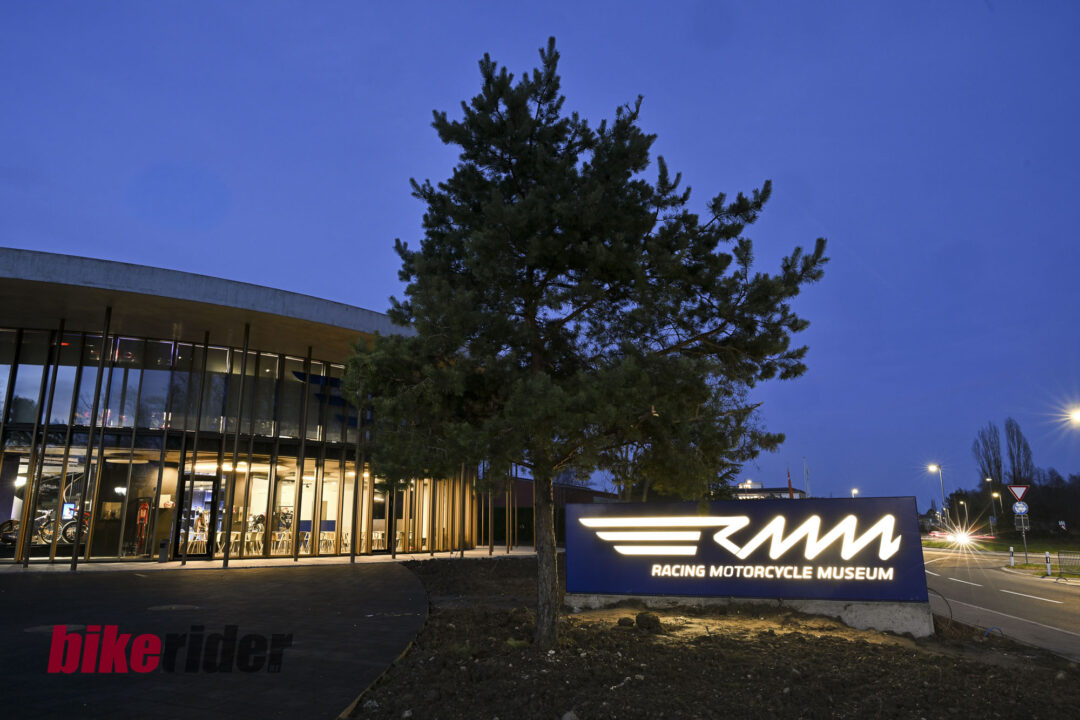
Just outside Geneva, in the quiet Swiss town of Mies, the FIM Racing Motorcycle Museum has opened its doors — and for anyone who understands what a 1949 AJS Porcupine means, or why a MotoGP V4 sounds different to an inline-four, this isn’t just another museum. It’s a pilgrimage site.
From the birth of the World Championship in 1949 to Márquez’s modern-day Ducati dominance, the story of motorcycle racing now lives under one roof.
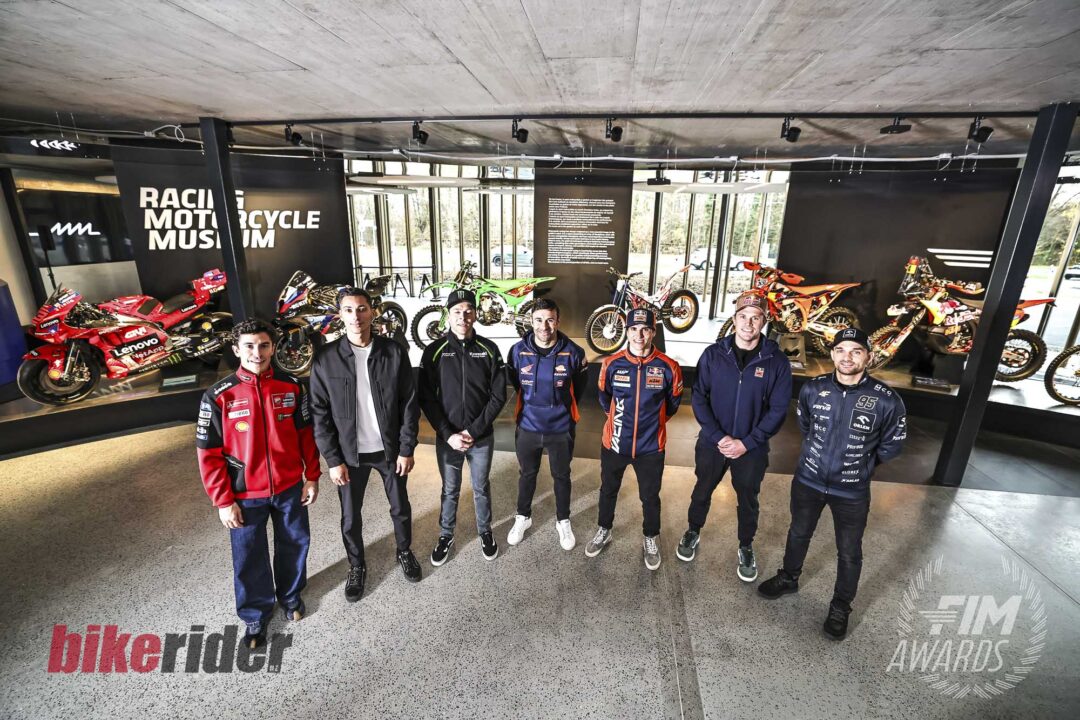
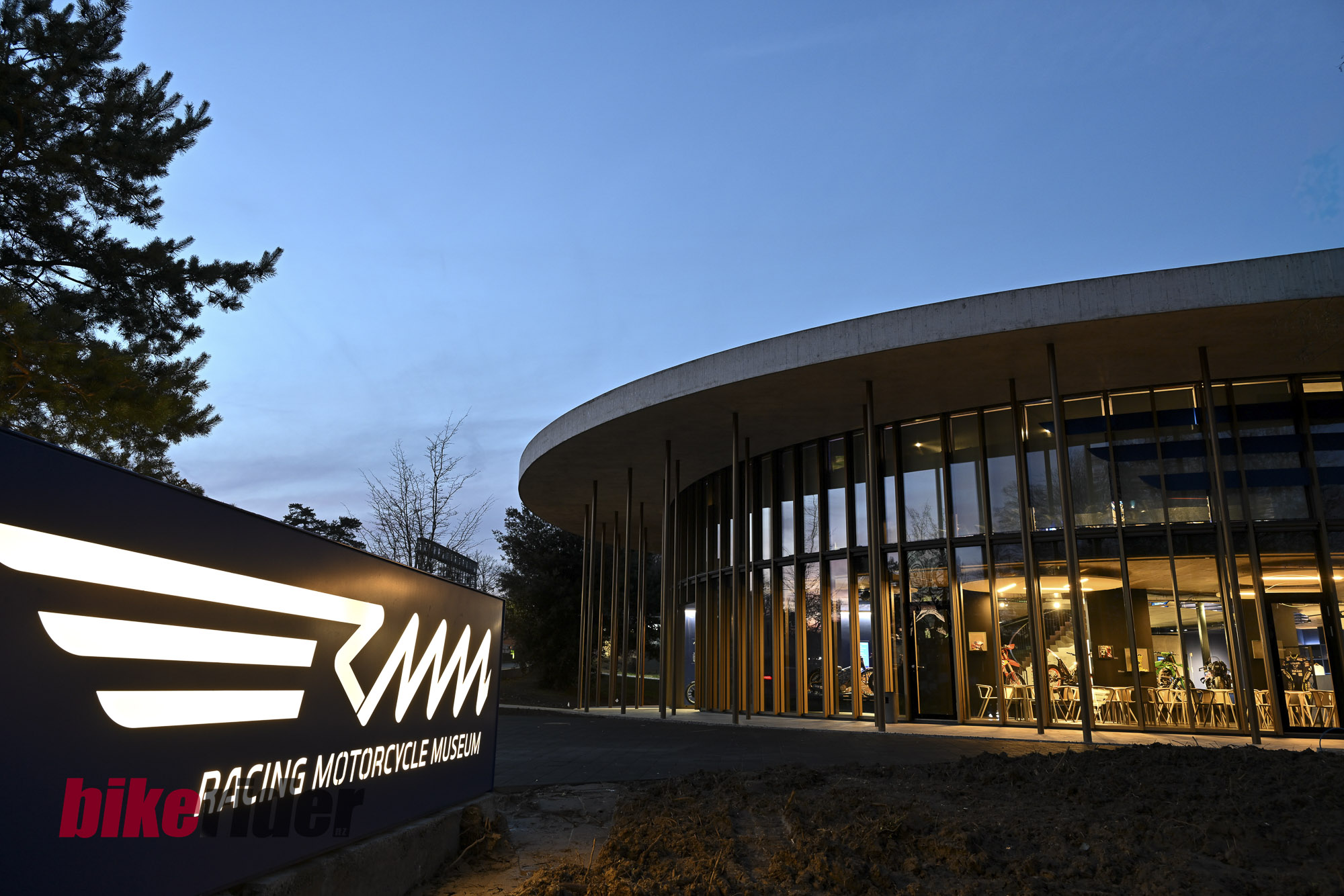
At the crossroads of Western Europe, just 10 kilometres north of Geneva Airport, motorcycle racing has found a permanent home.
The FIM Racing Motorcycle Museum has officially opened in Mies, Switzerland — and for anyone who cares about the history of two-wheeled competition, it immediately joins the Isle of Man TT, Mugello and Daytona as a destination worth travelling for.
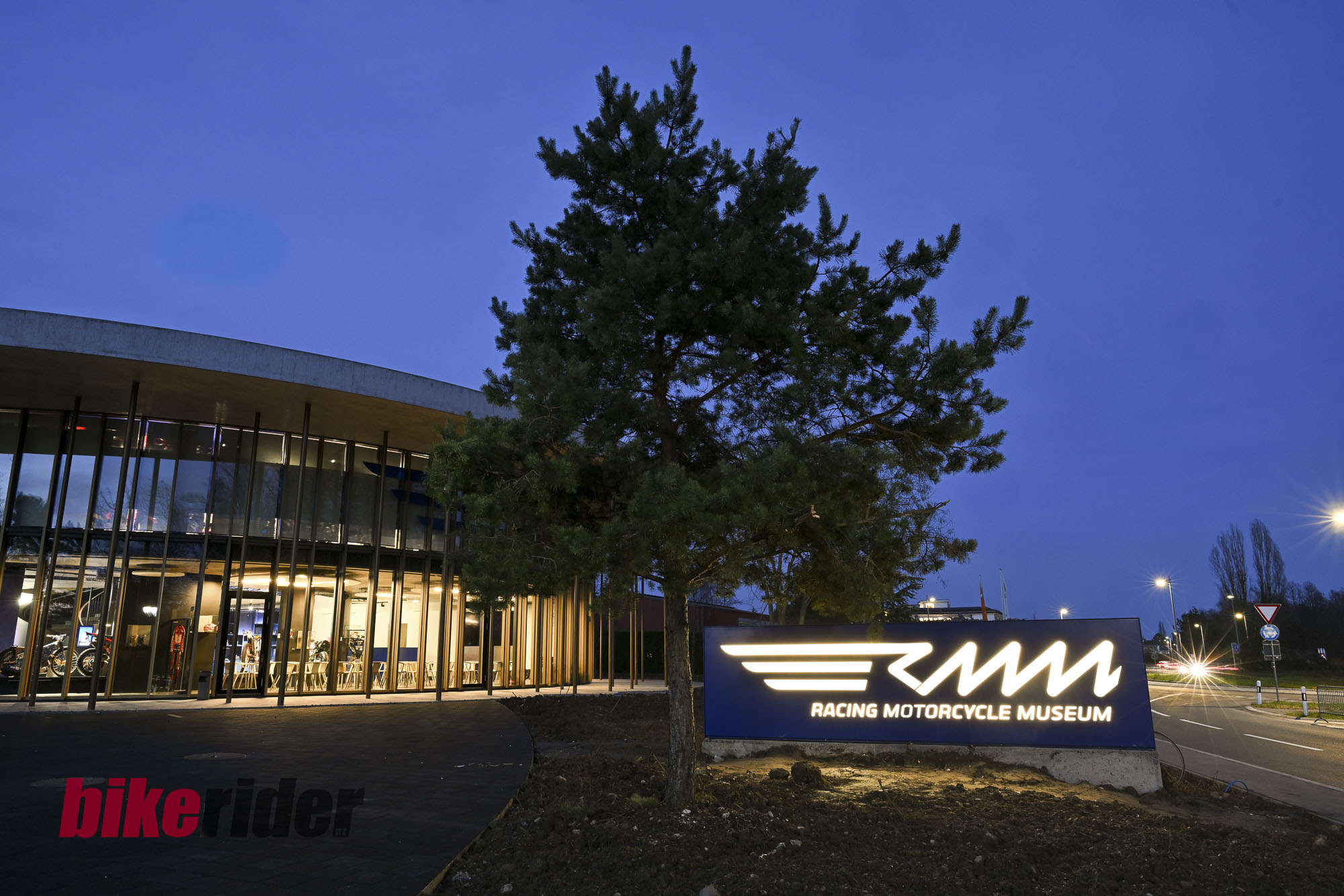
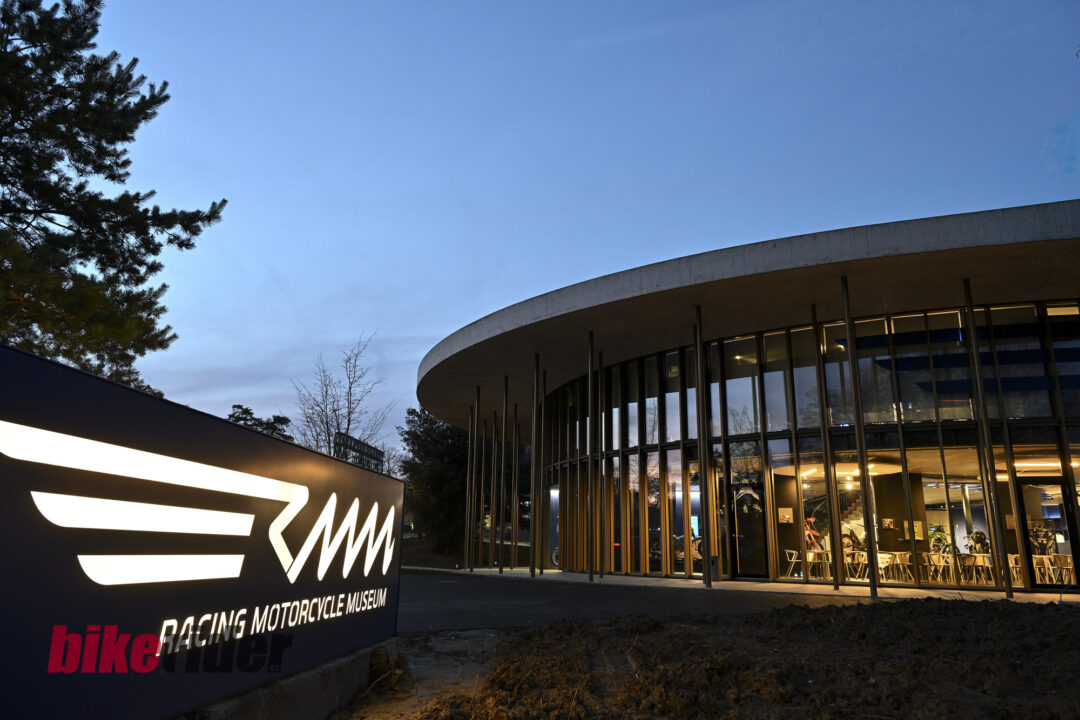
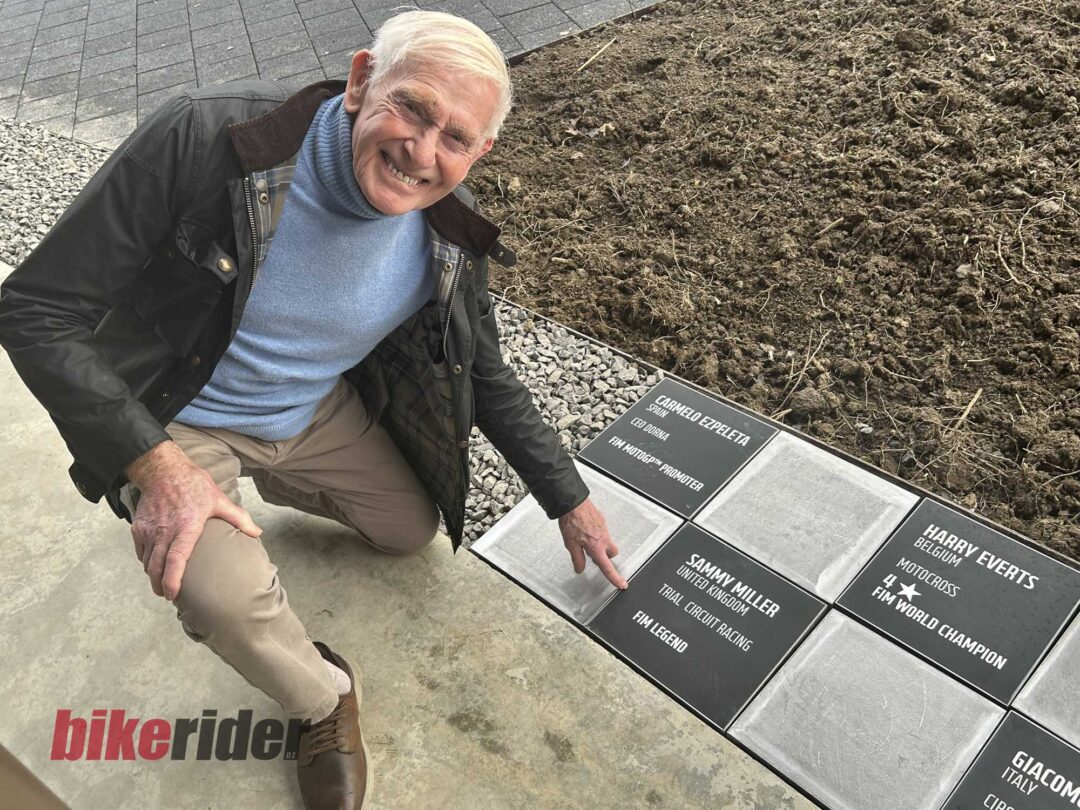
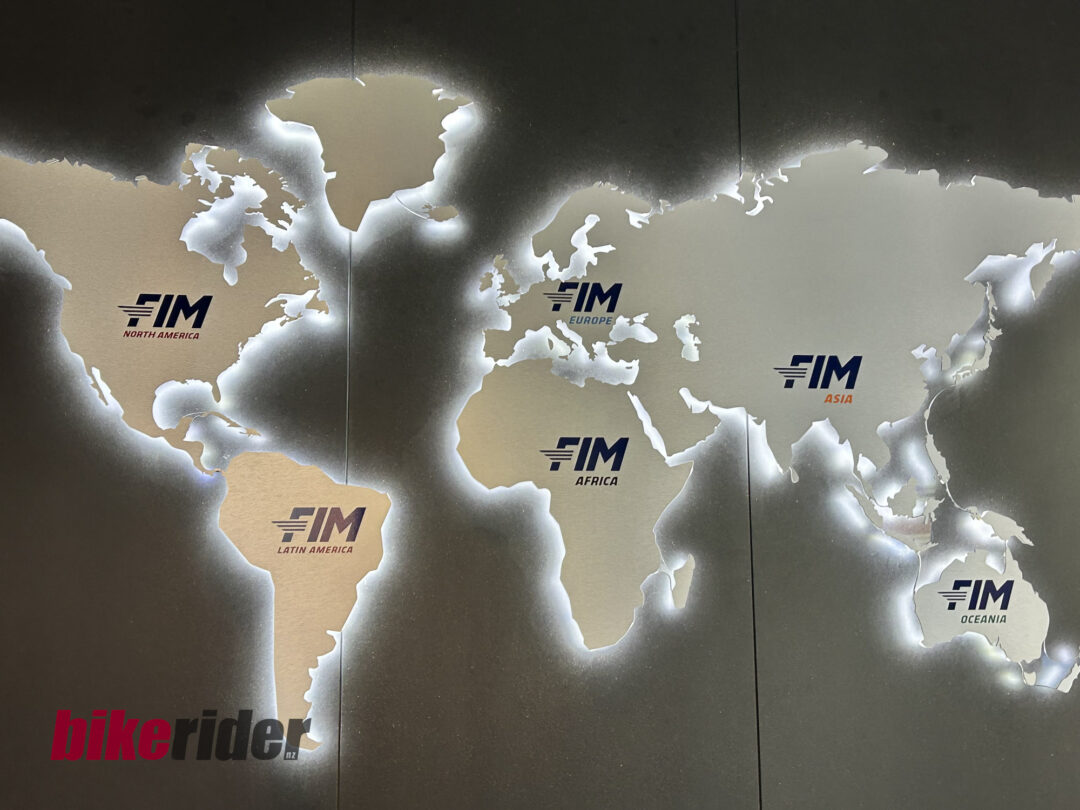
The Fédération Internationale de Motocyclisme marked its 120th anniversary with the unveiling of a new, expanded headquarters complex in Mies. Adjacent to that building sits the former circular FIM HQ, now transformed into a purpose-built Racing Motorcycle Museum — a three-level, partially interactive exhibition dedicated entirely to international motorcycle sport.
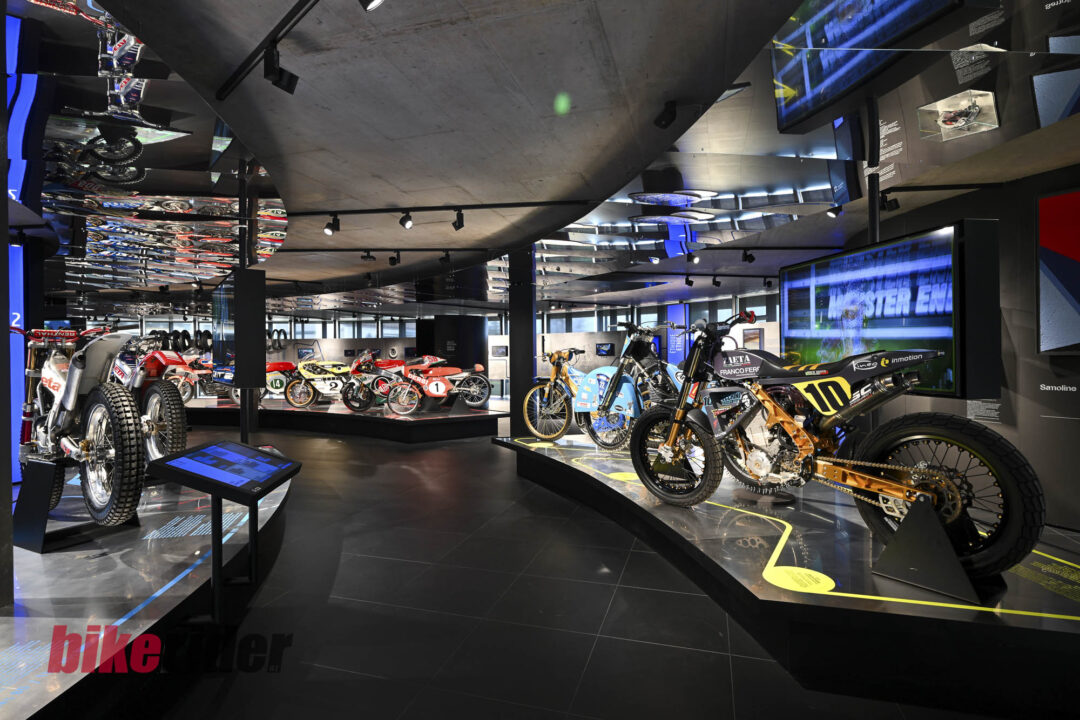
From the Birth of the World Championship to Today
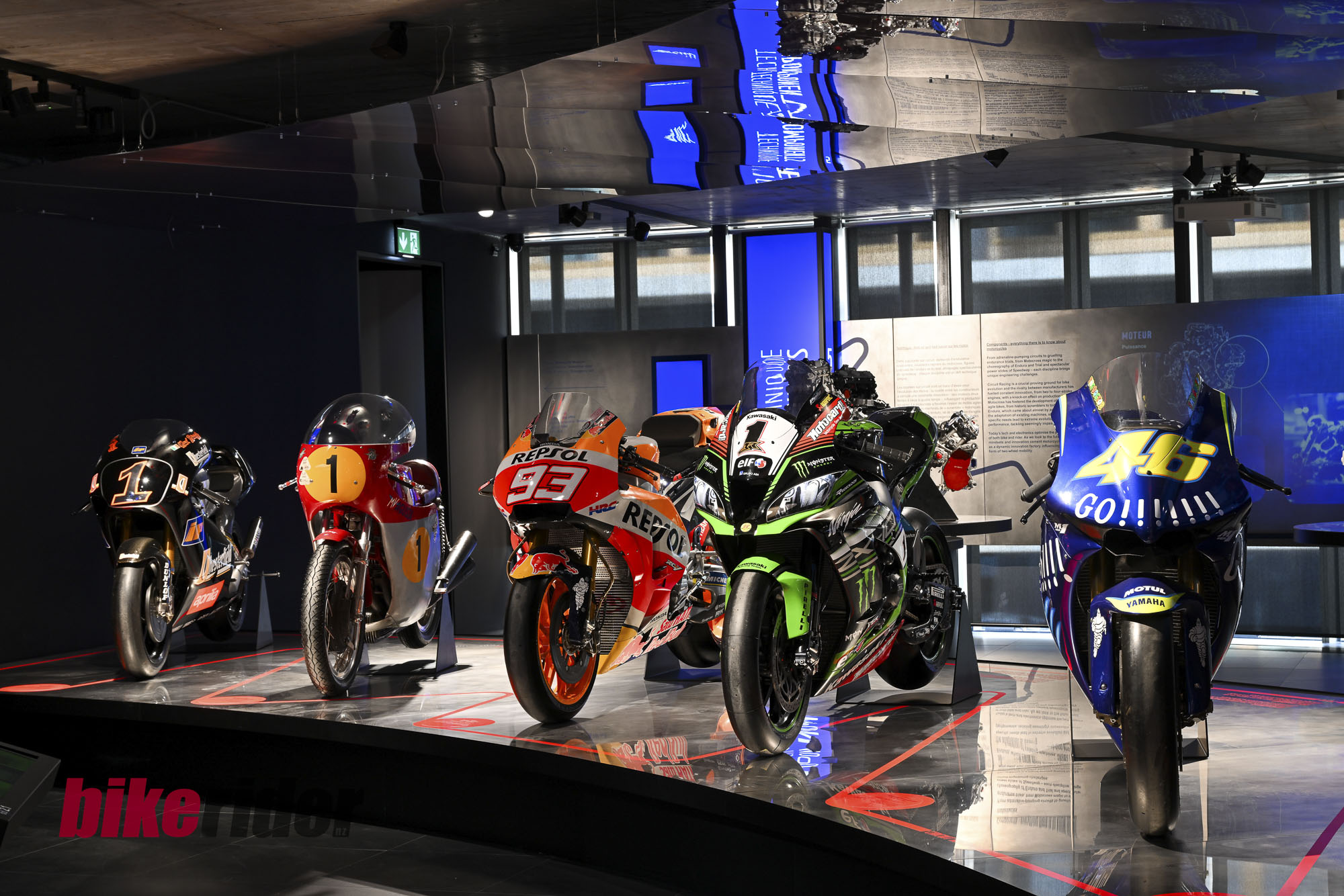
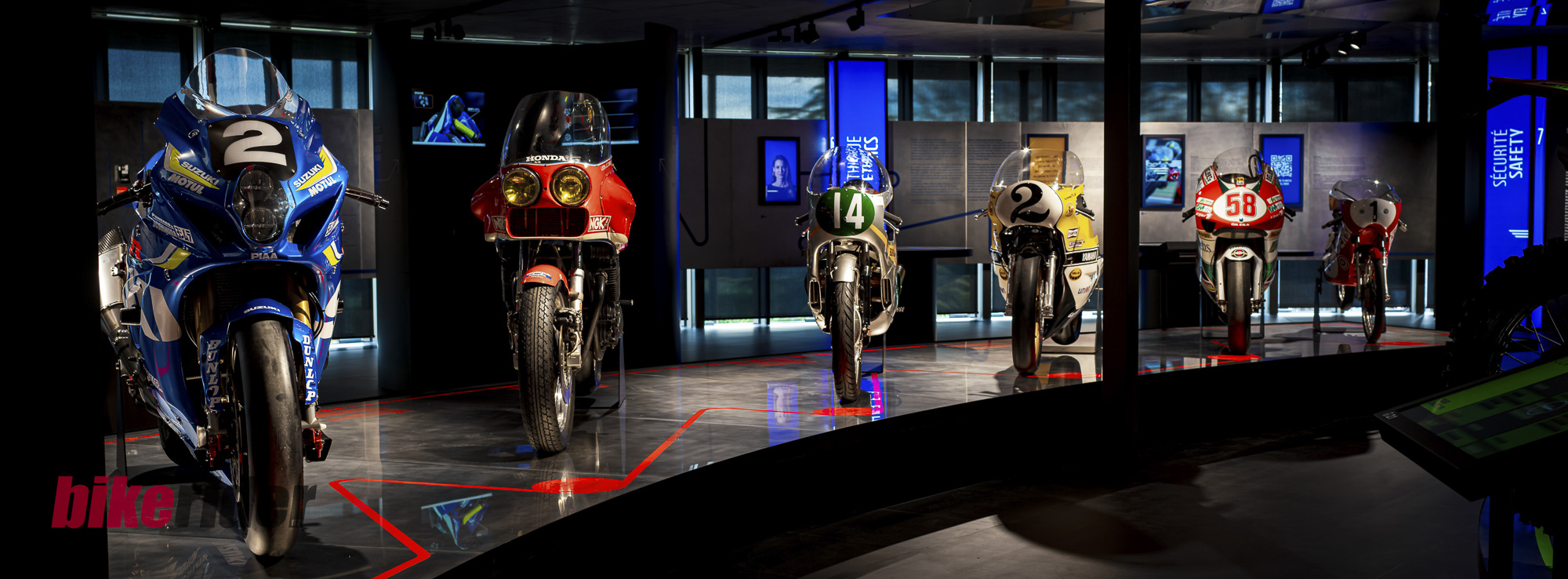
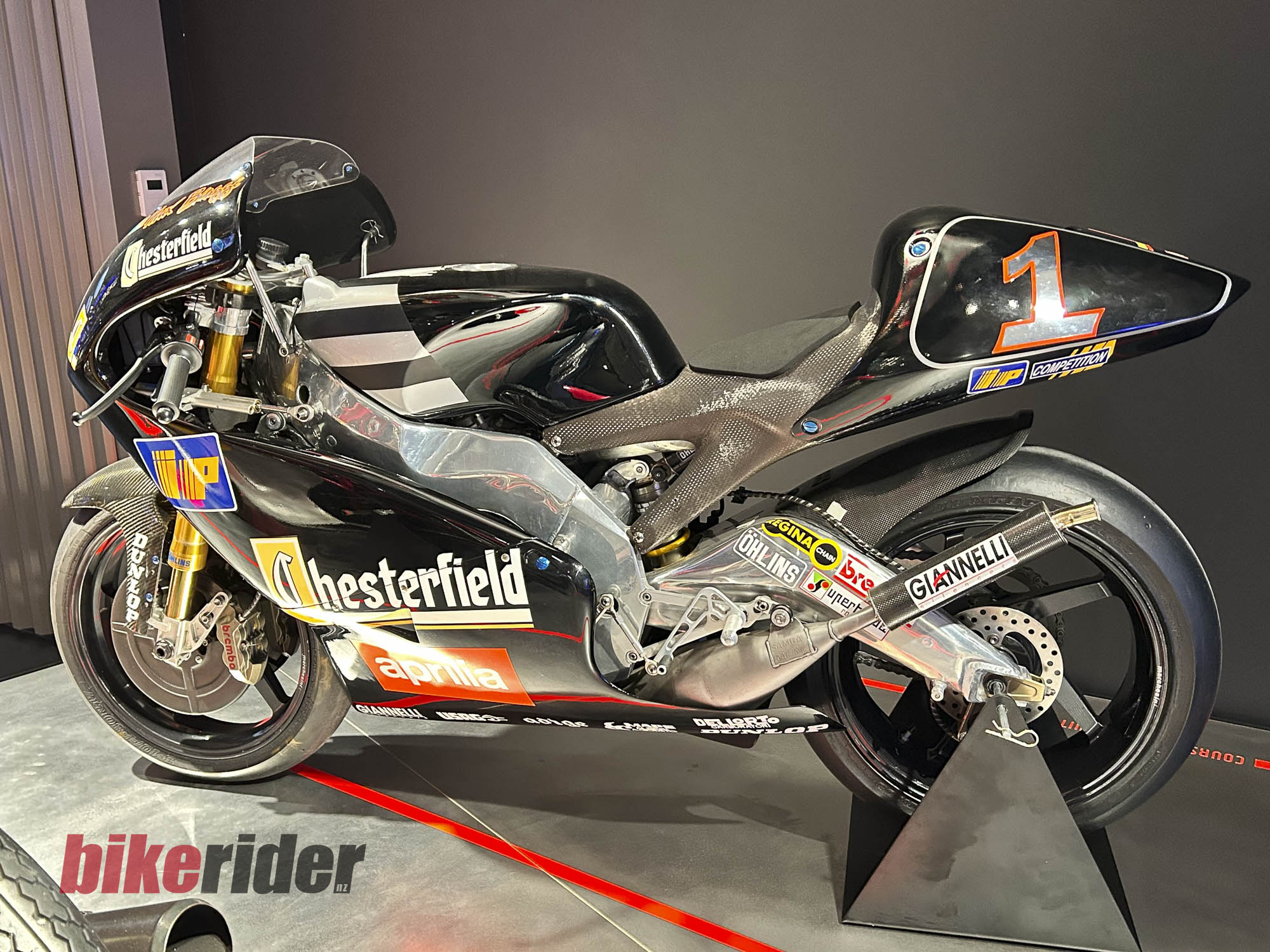
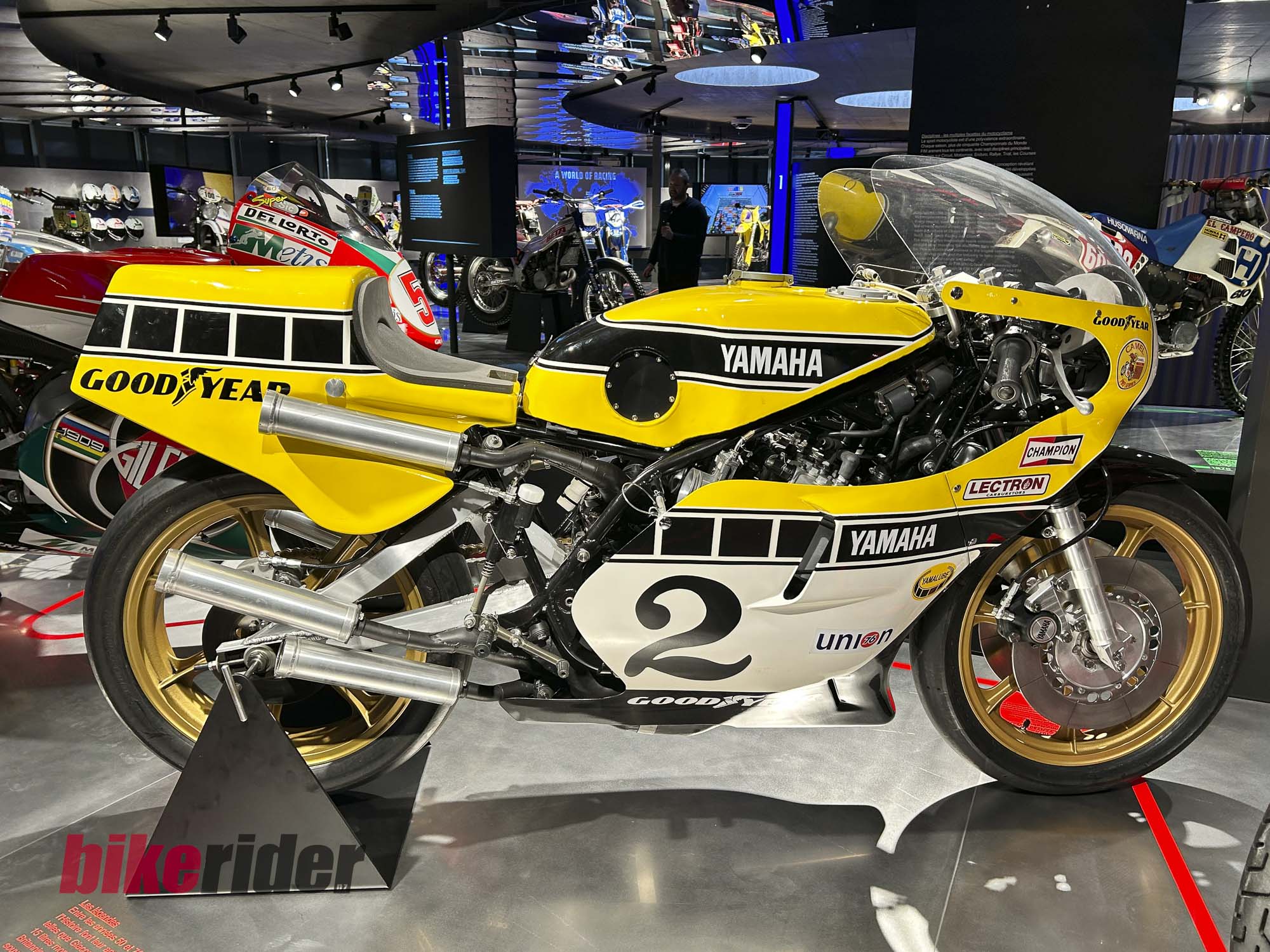
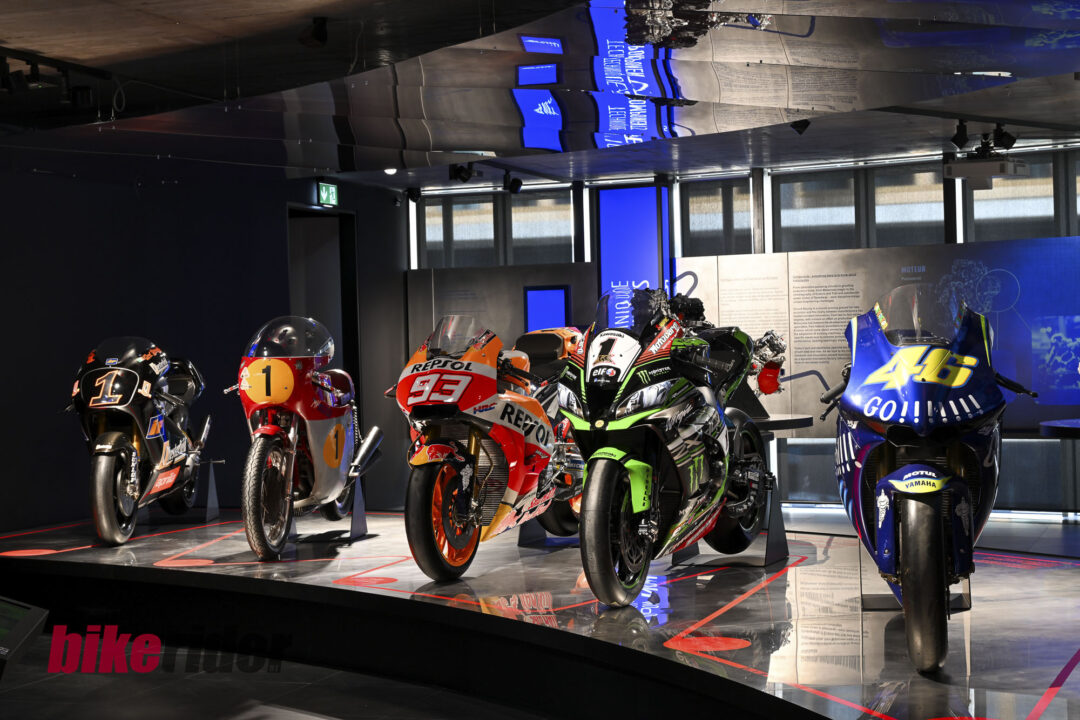
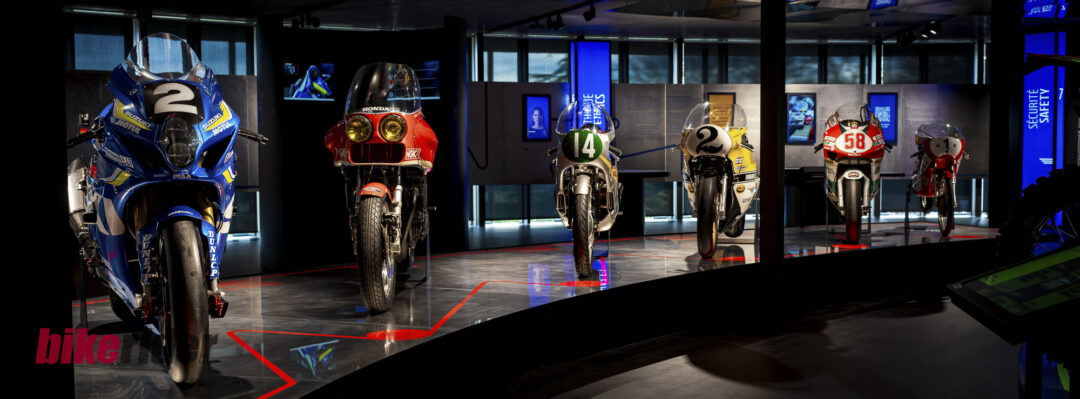
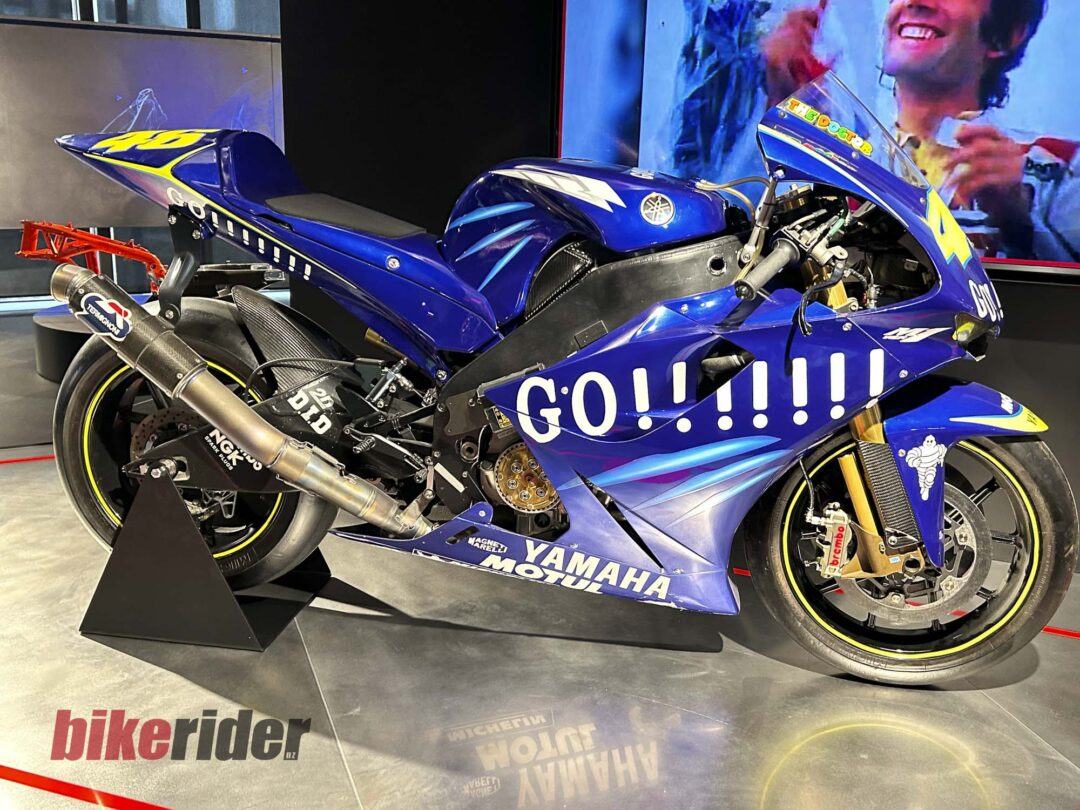
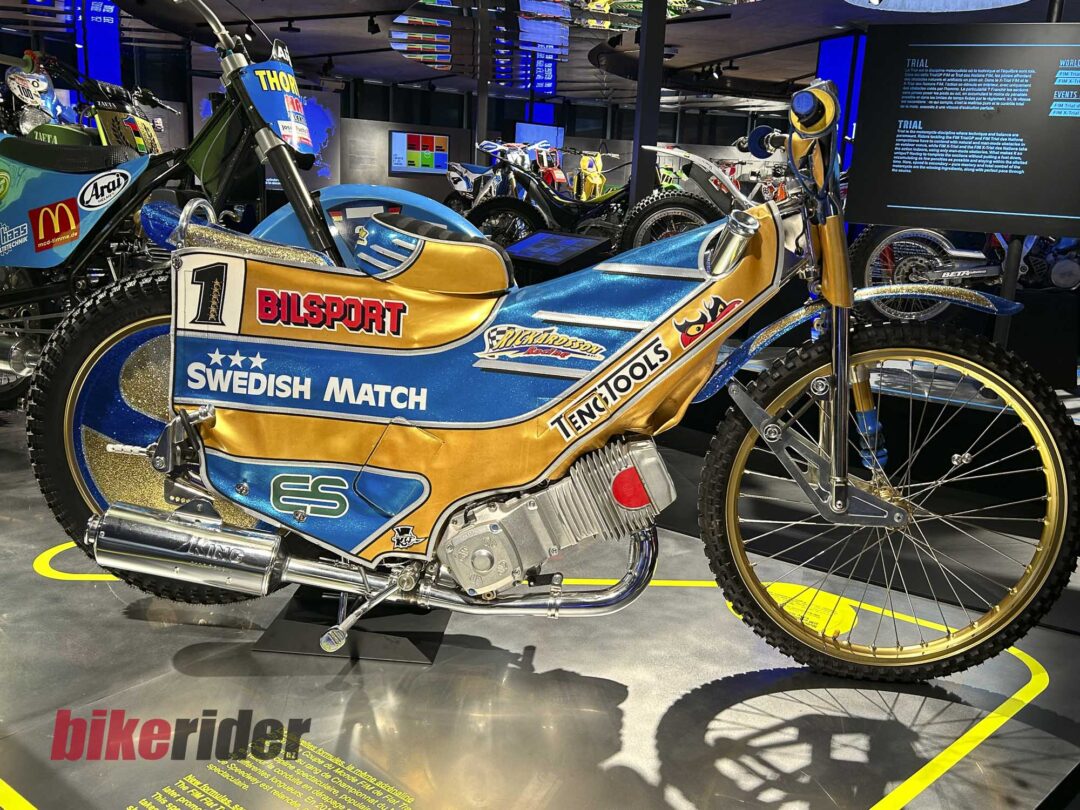
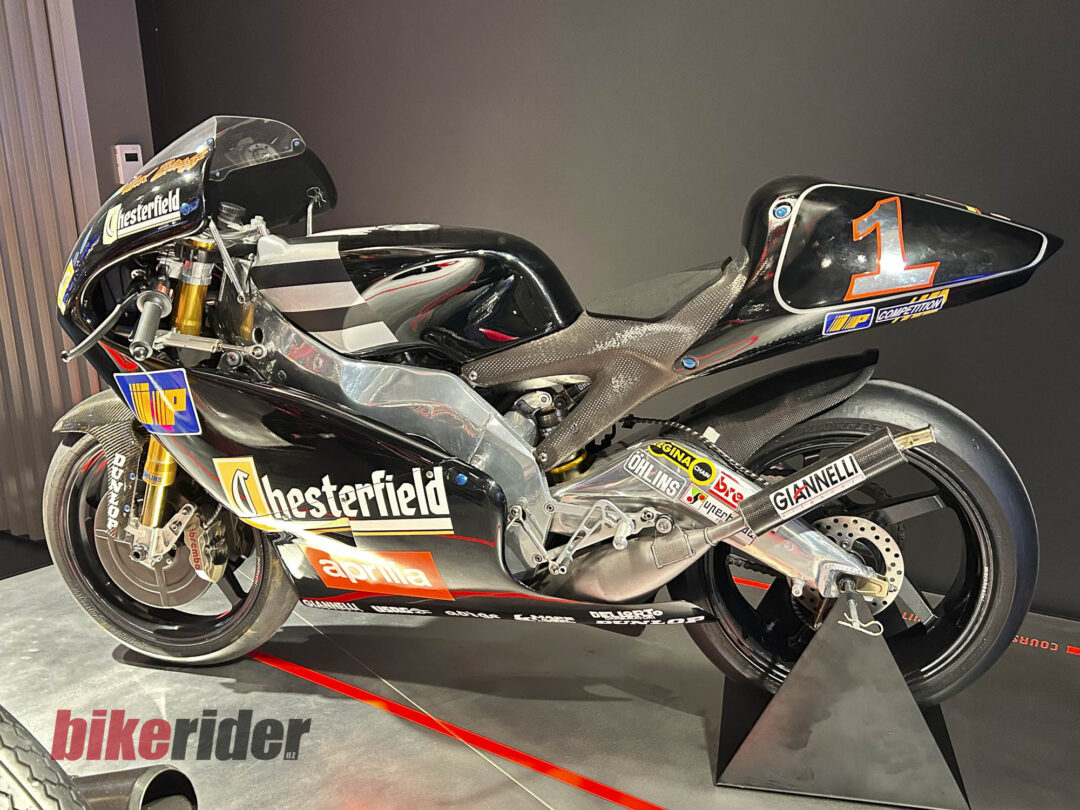
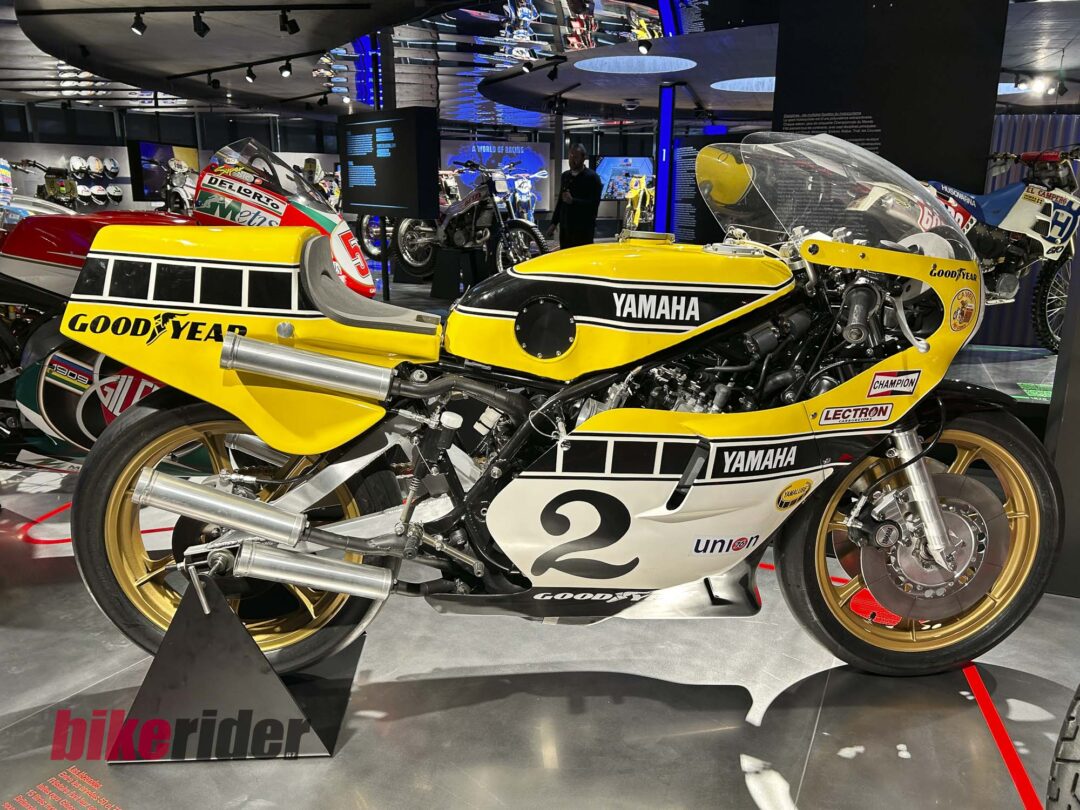
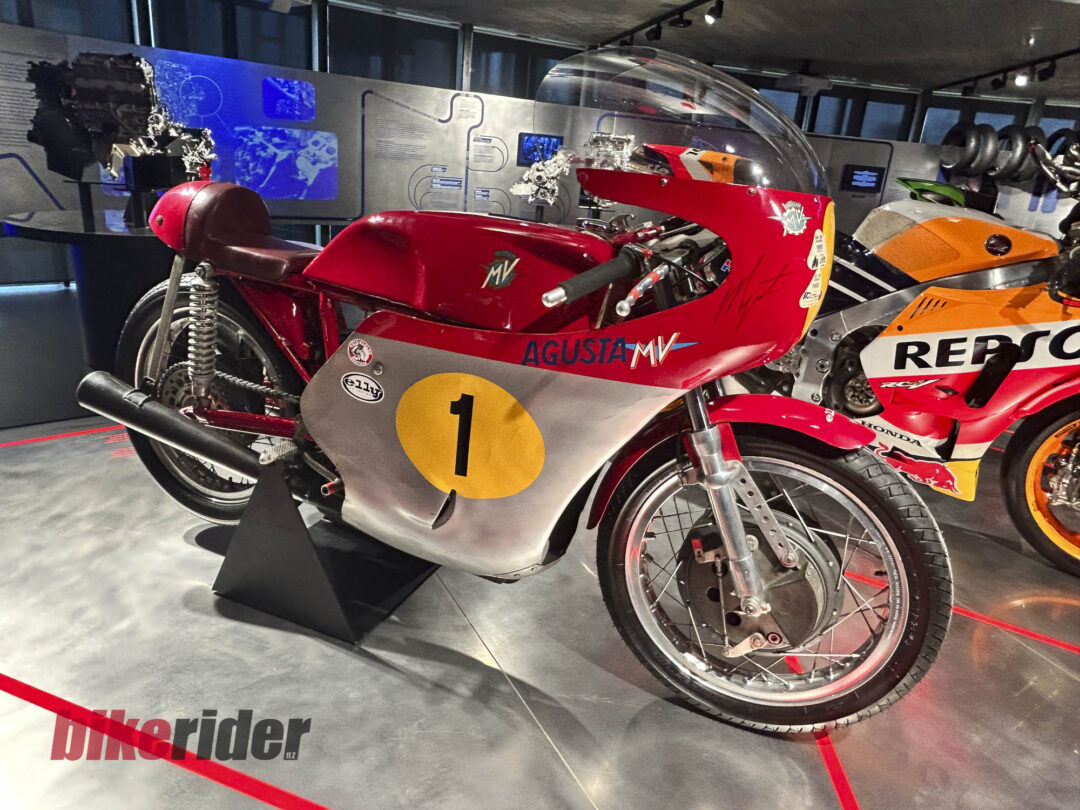
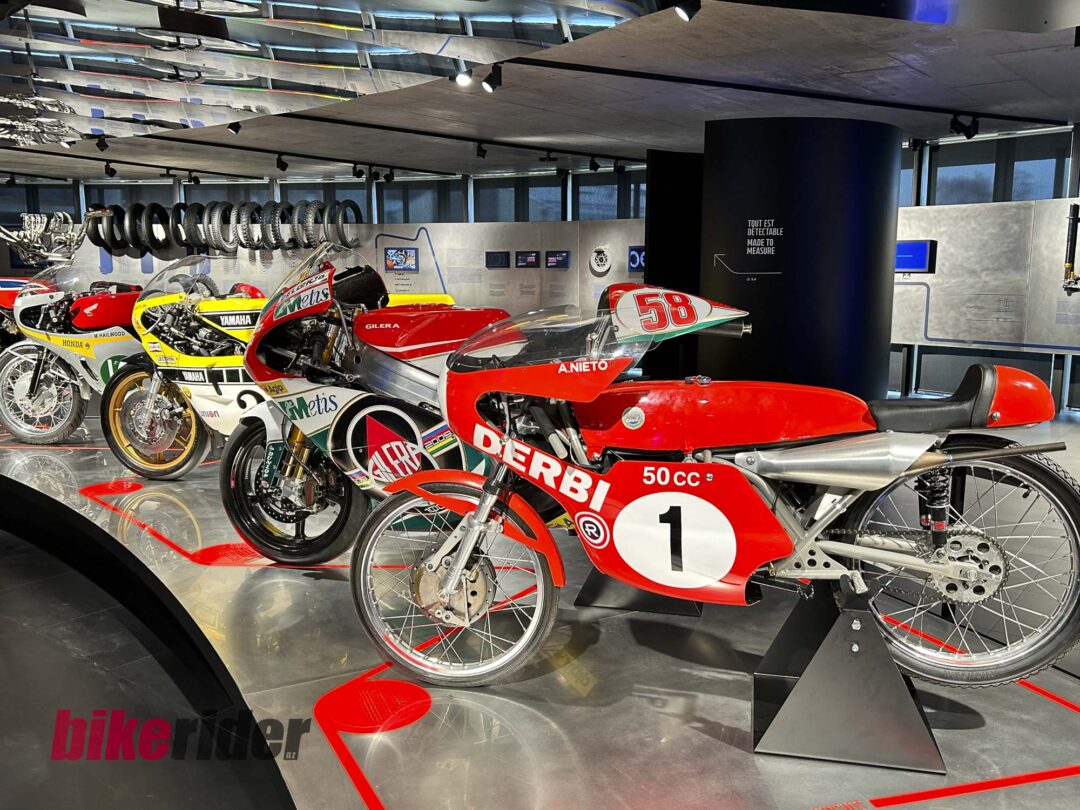
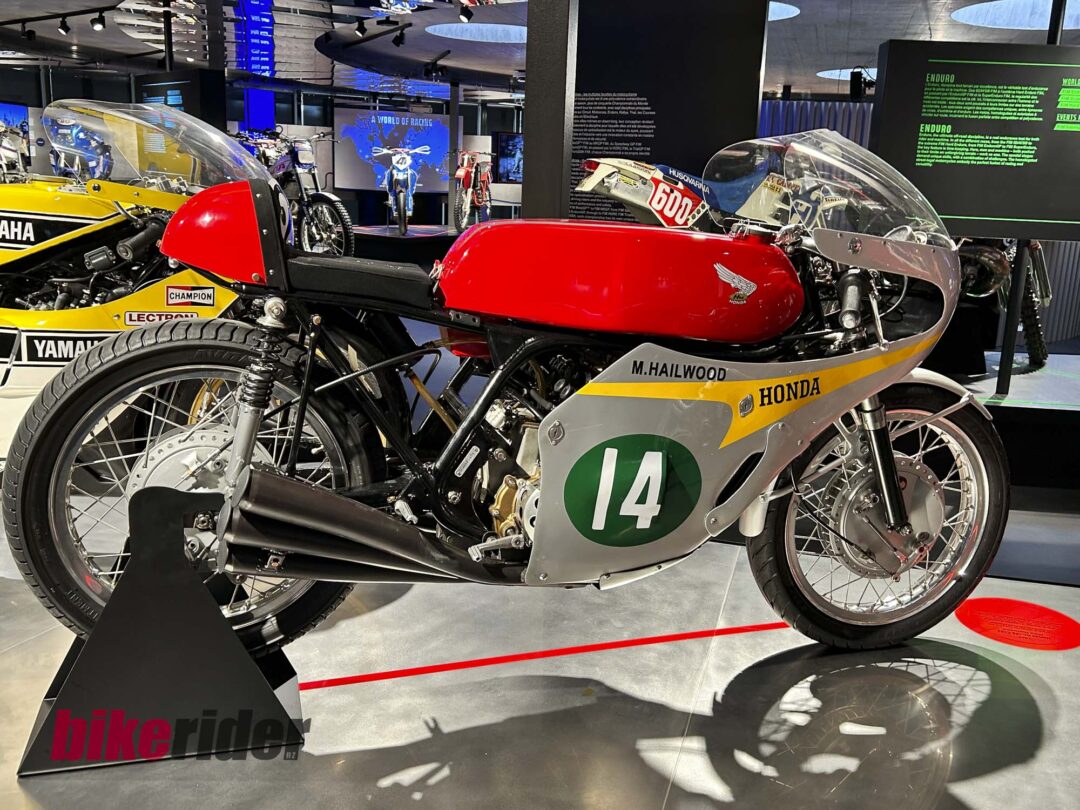
Spread across 1,600 square metres, the Museum houses 61 authentic competition motorcycles. Not replicas. Not static showpieces. Every machine on display carries genuine racing pedigree.
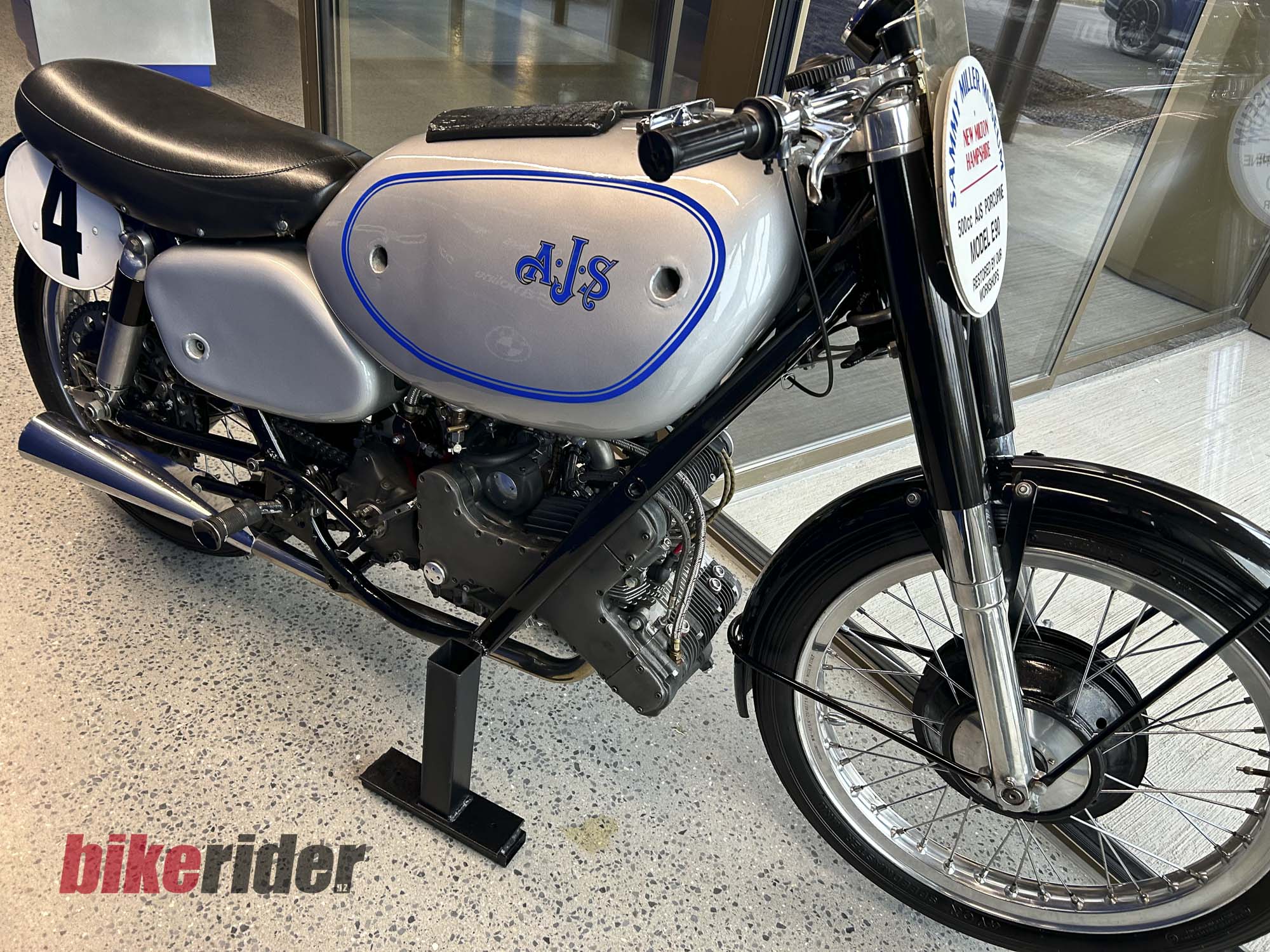
The story begins in 1949, the first year of FIM World Championship competition, and runs unbroken to the present day. Visitors are greeted near the entrance by Les Graham’s 1949 AJS Porcupine E90 — the motorcycle that secured the inaugural 500cc World Championship. Its distinctive finned cylinder head, bristling with cooling spikes, is a reminder of just how experimental early Grand Prix machinery once was.
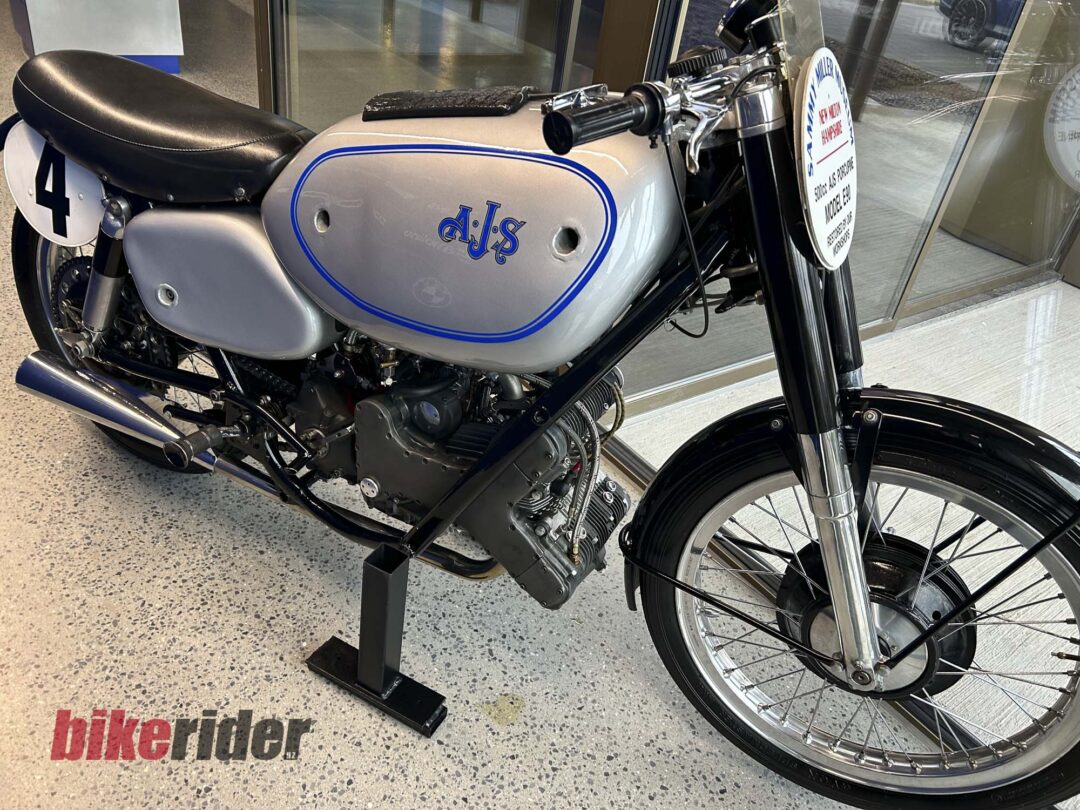
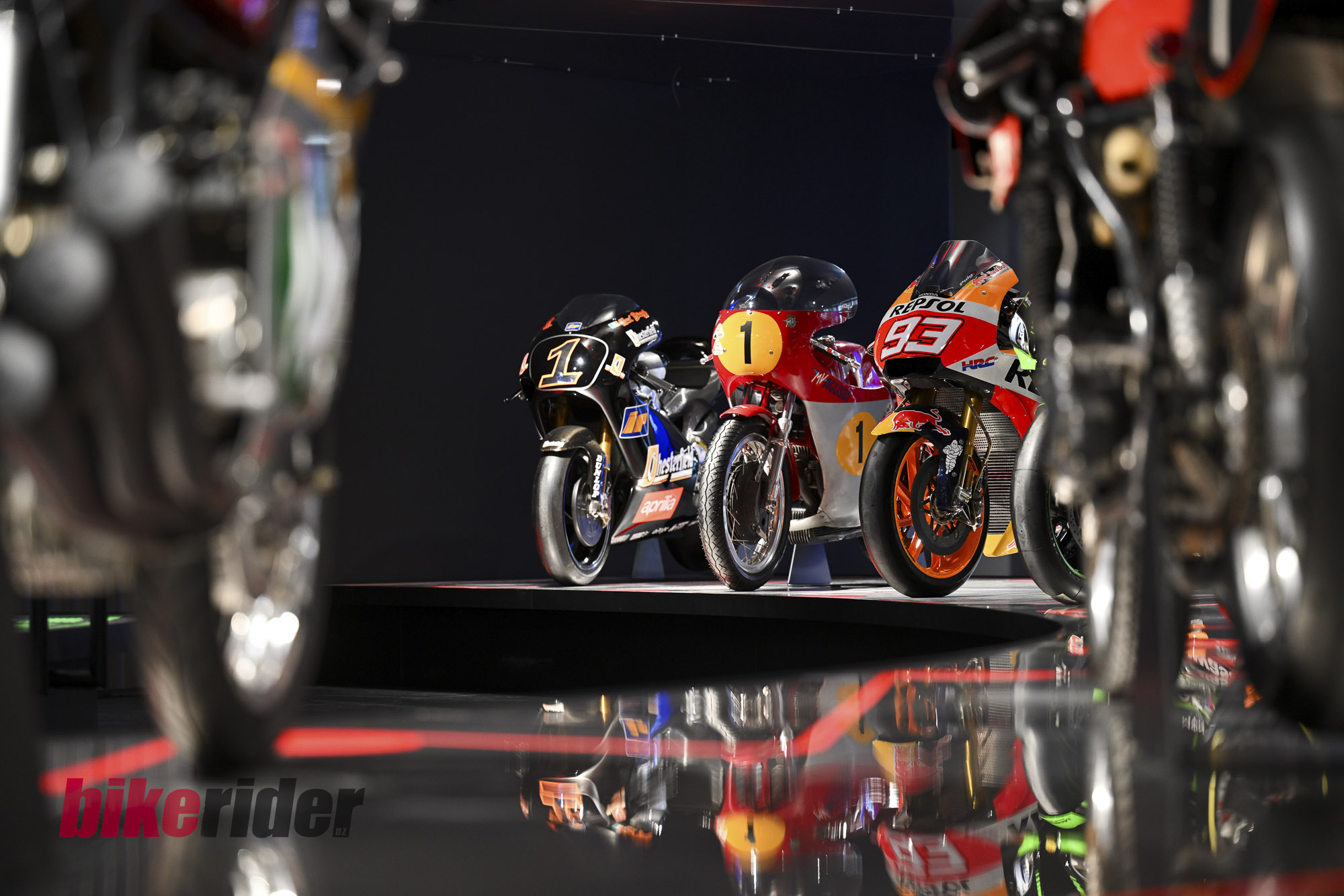
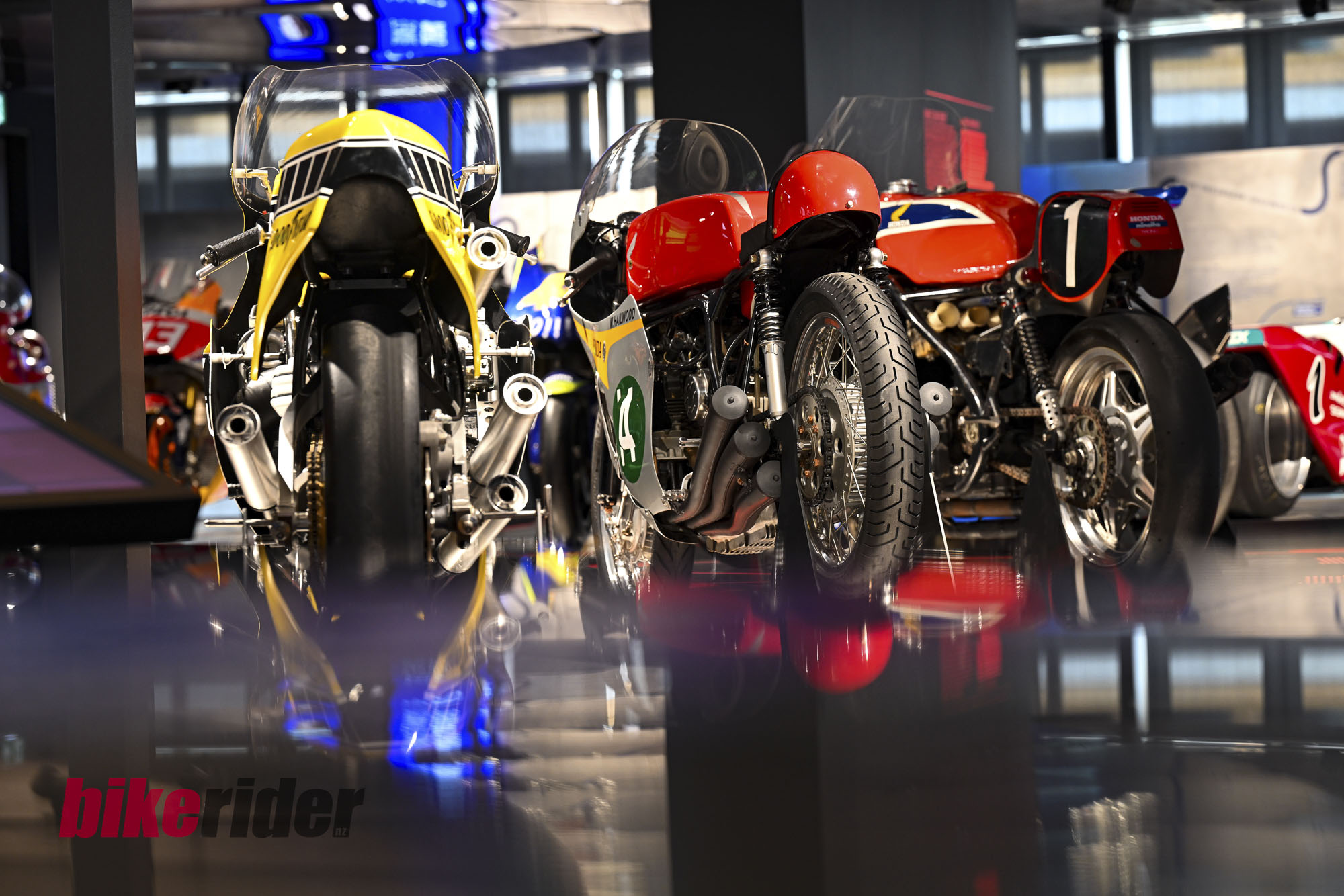
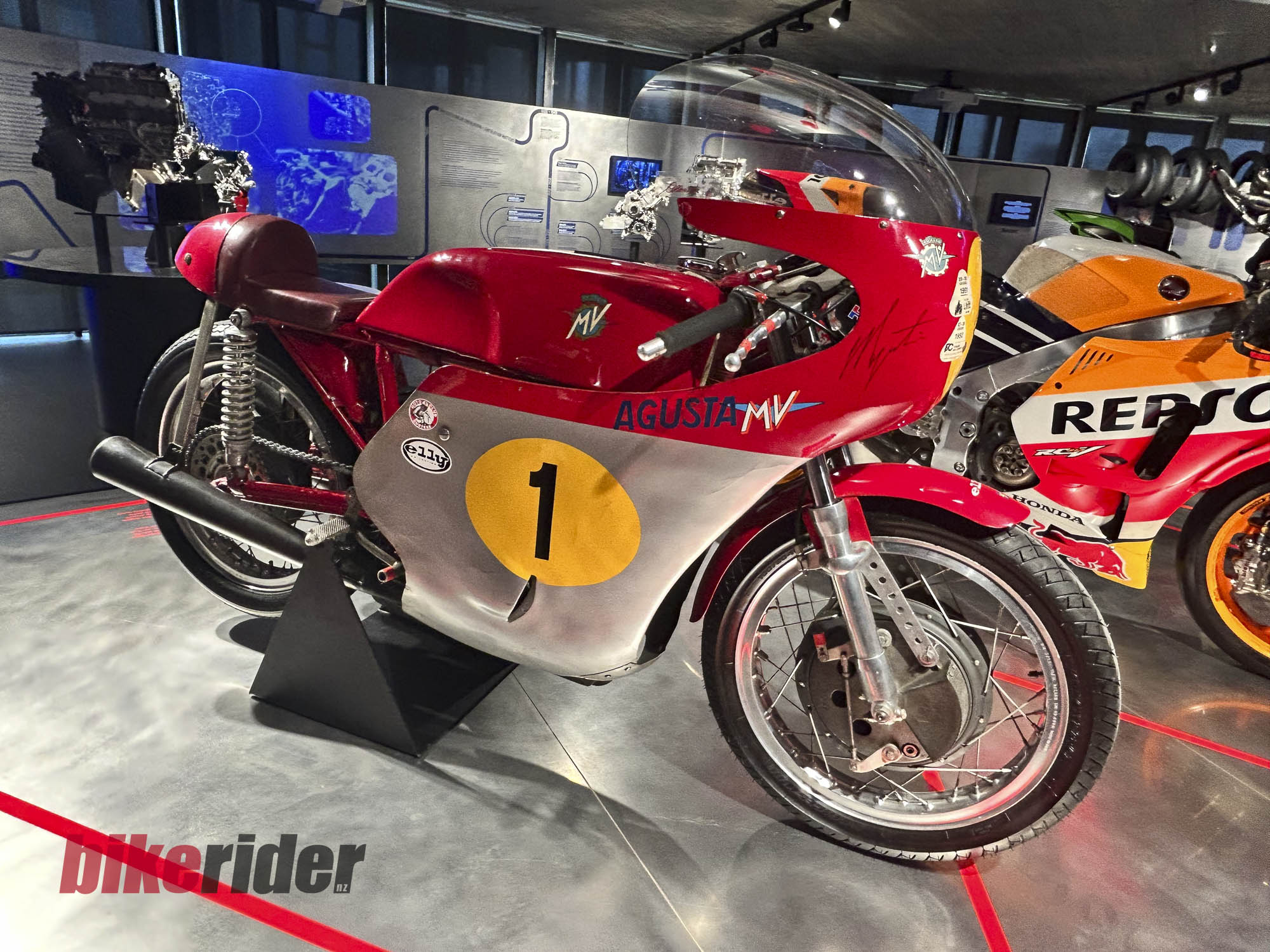
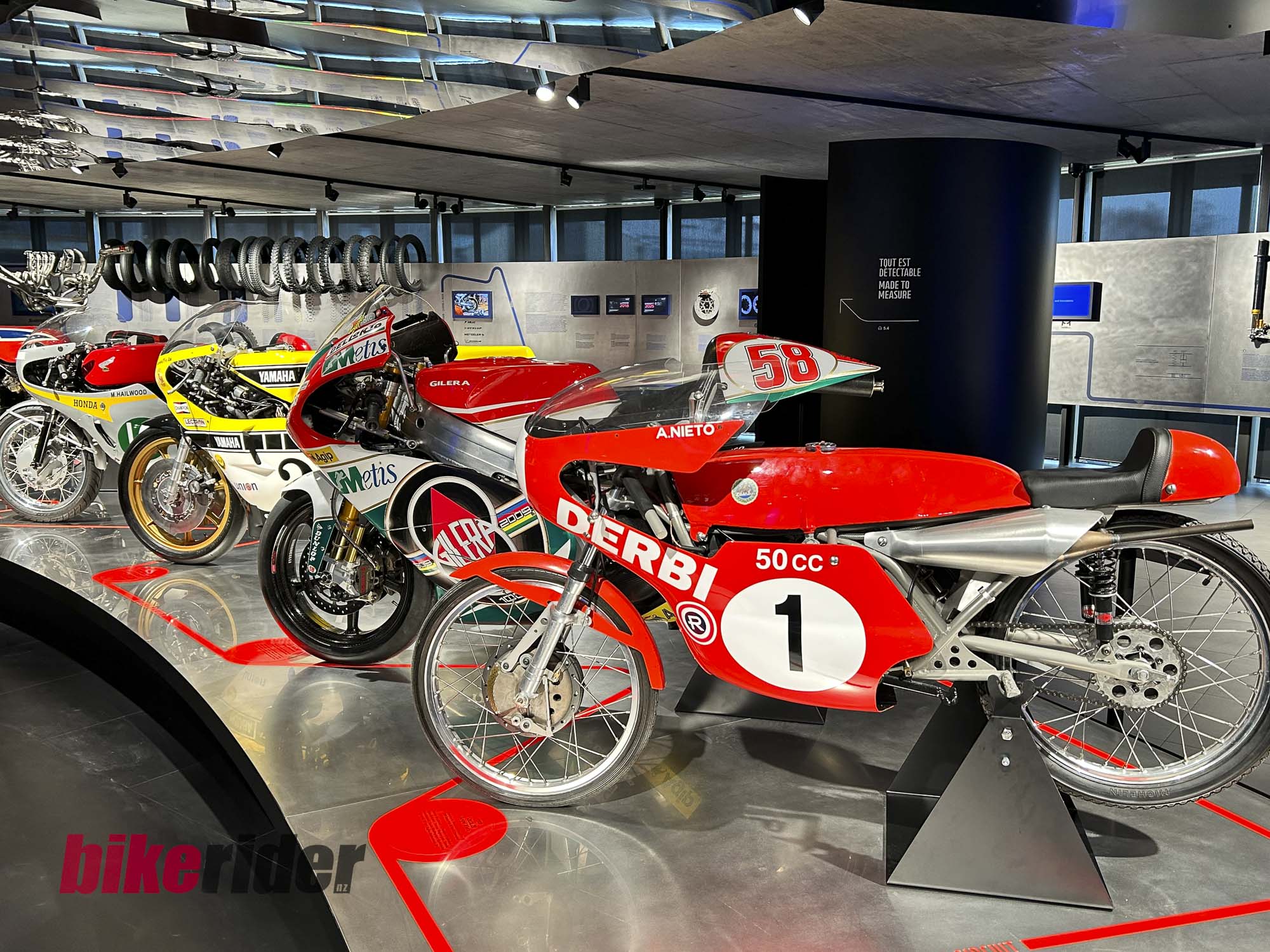
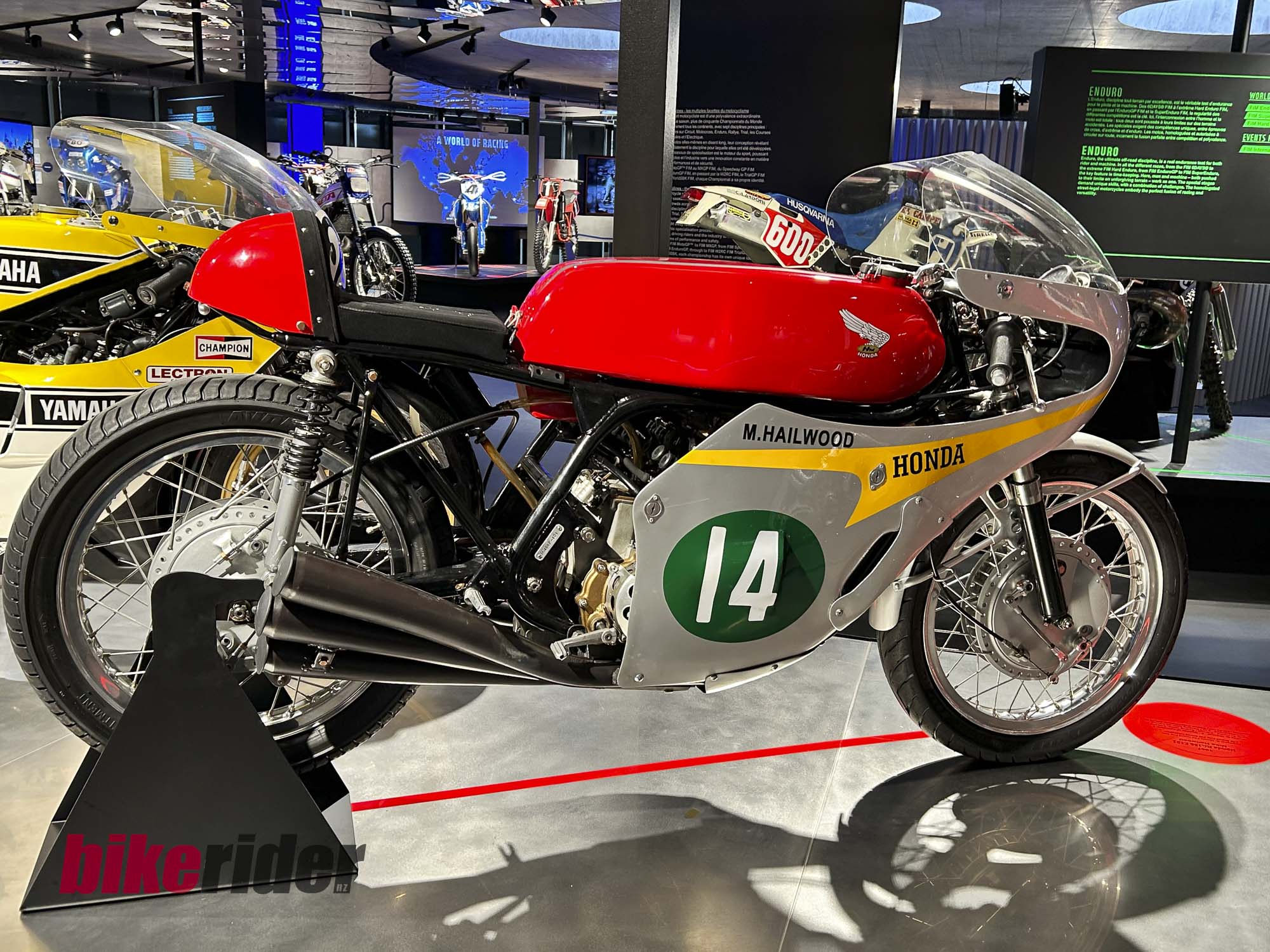
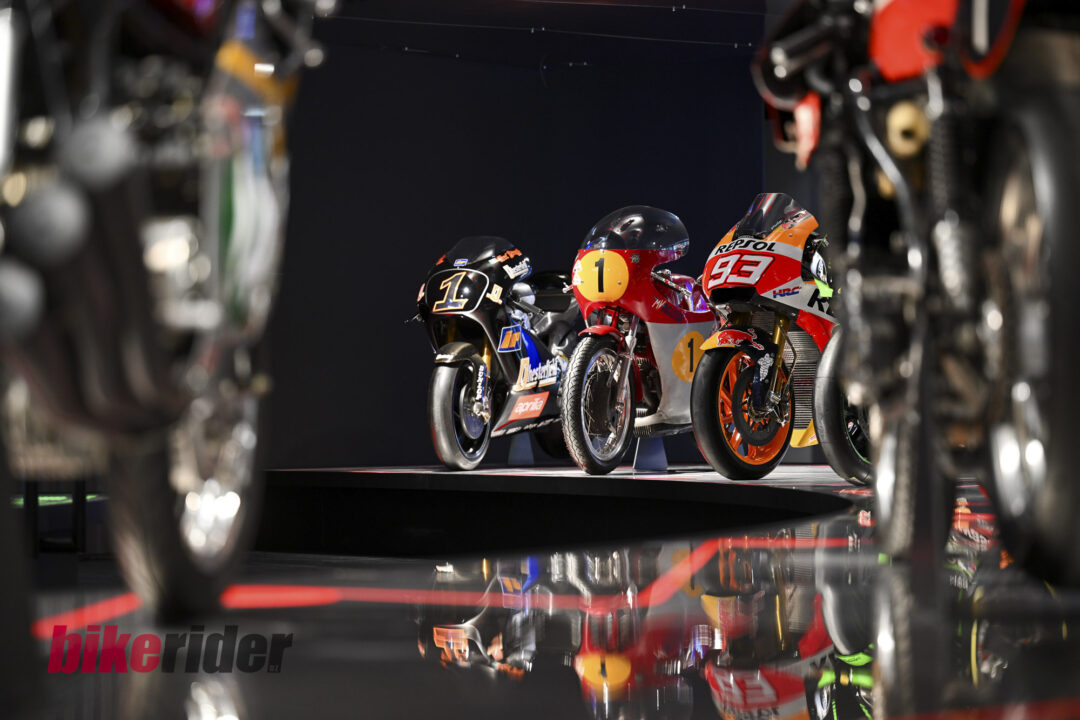
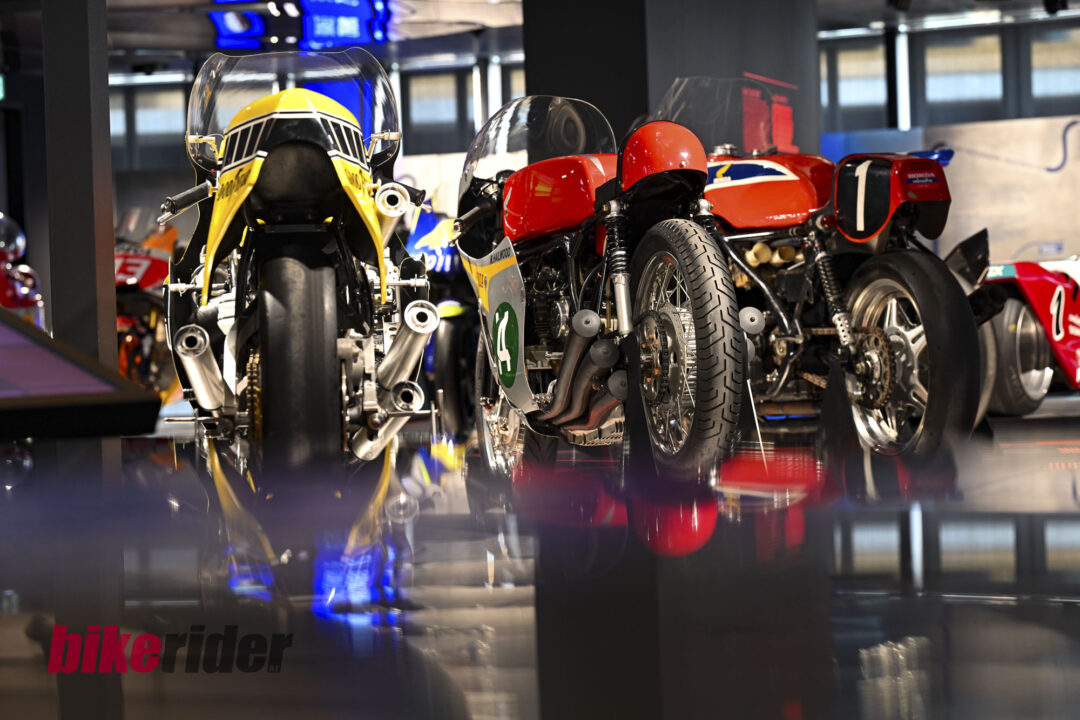
Move deeper inside and the timeline unfolds through icons of the sport. Mike Hailwood’s exquisite 1966 six-cylinder Honda RC166 sits as a jewel of engineering excess from an era when technical ambition knew few limits. Nearby stands Ángel Nieto’s diminutive 50cc Derbi, the machine that delivered the first of his legendary “12 + 1” world titles. Giacomo Agostini’s 1971 MV Agusta 500 reinforces the golden era of Italian dominance.
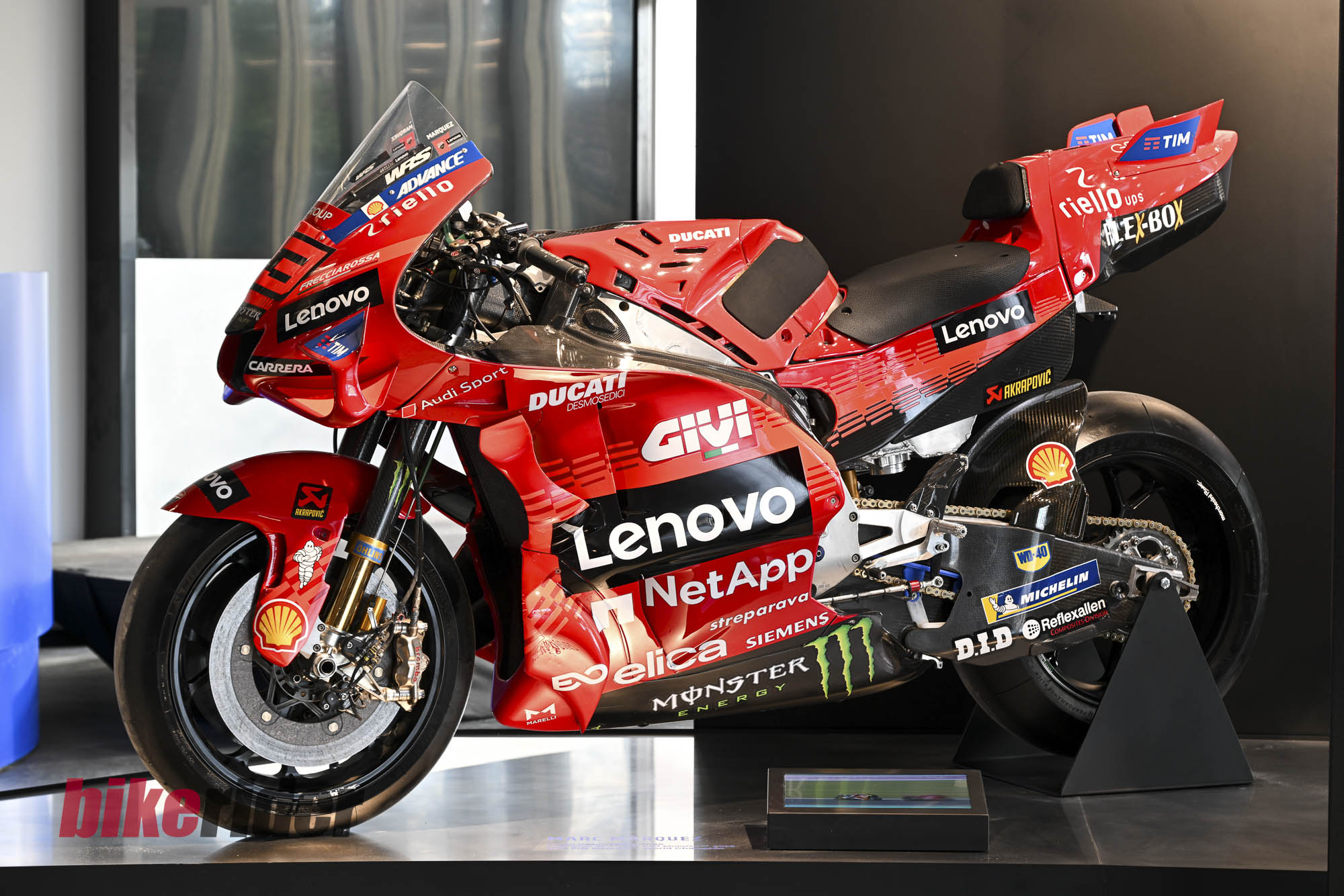
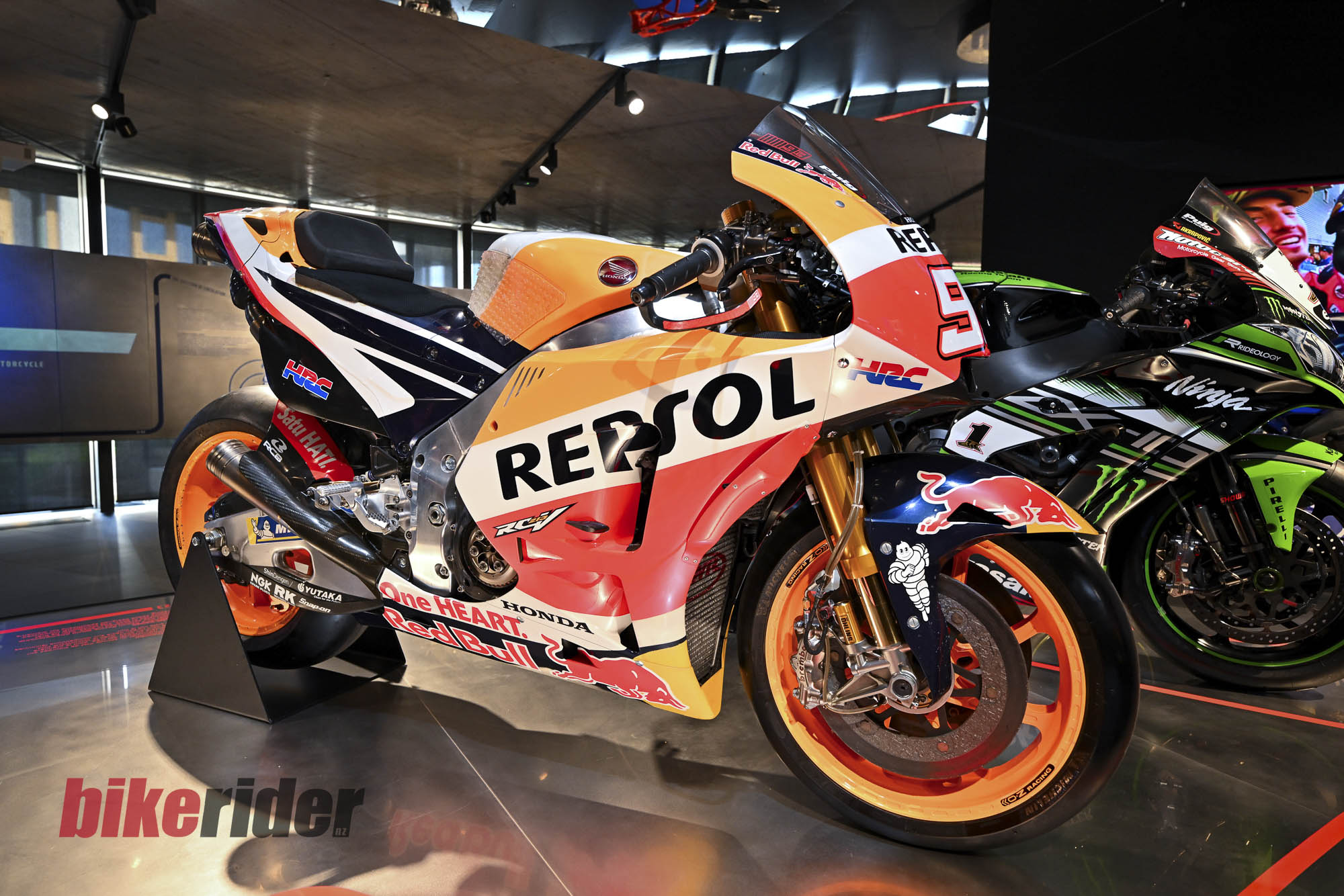
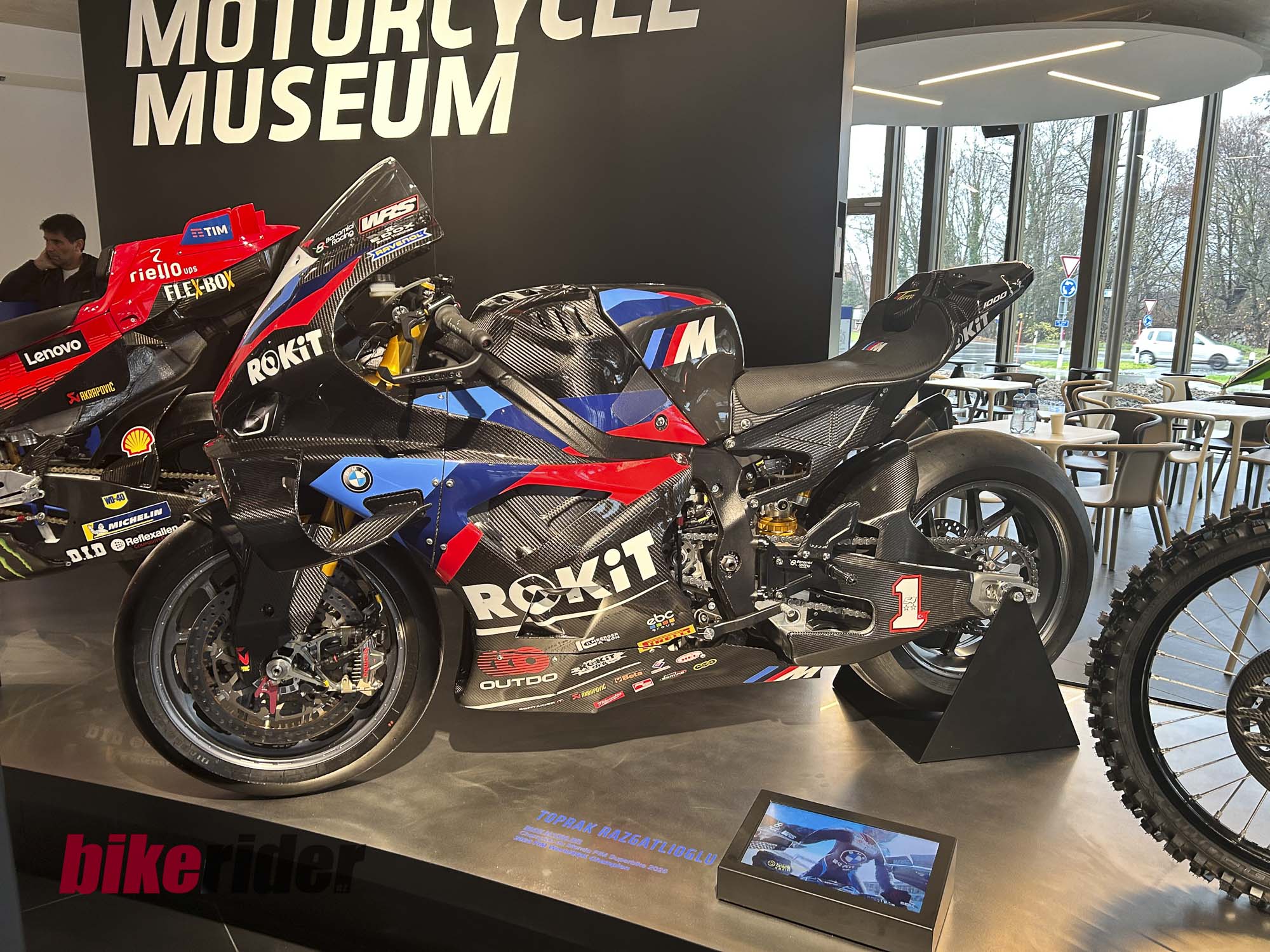
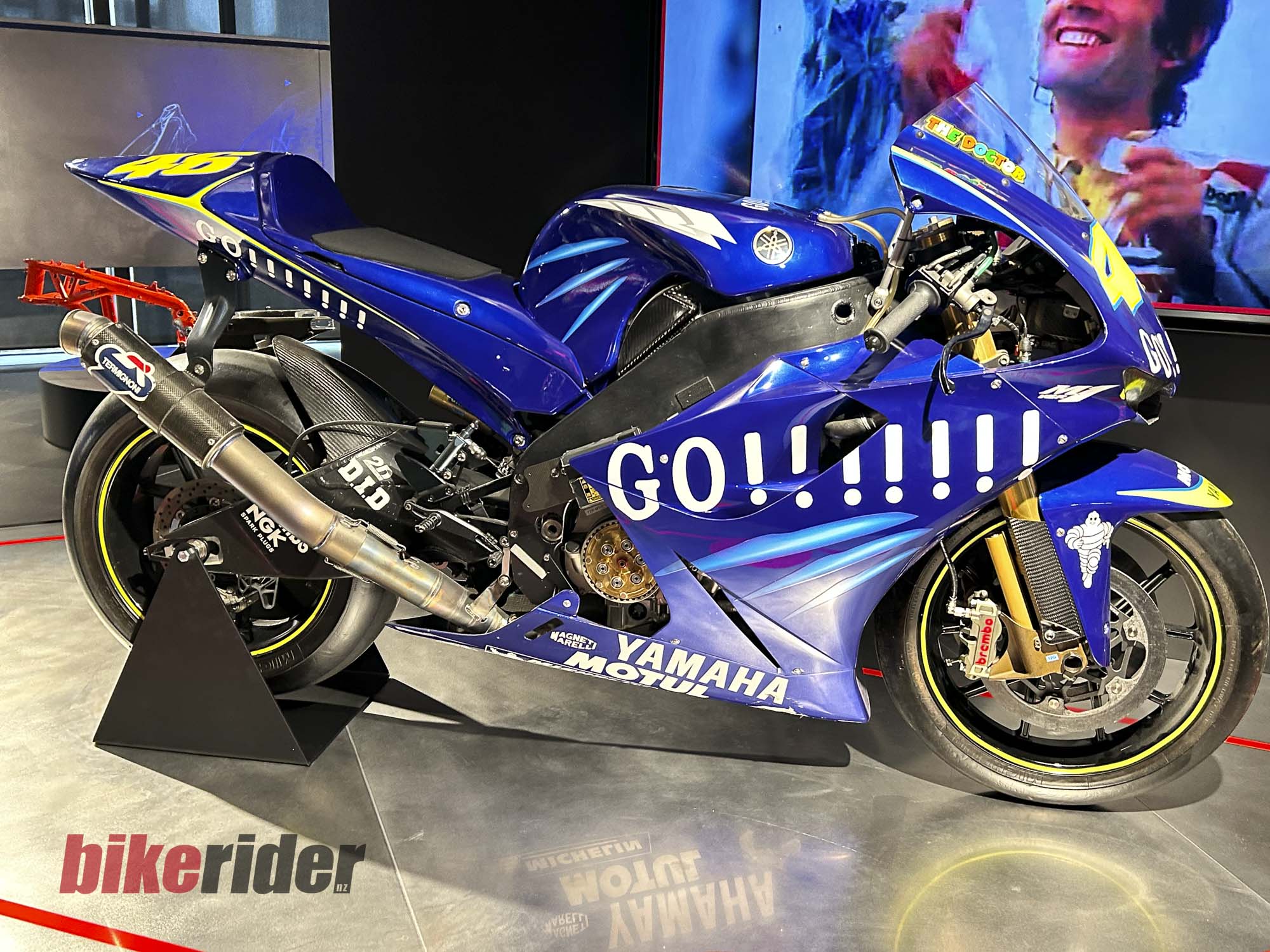
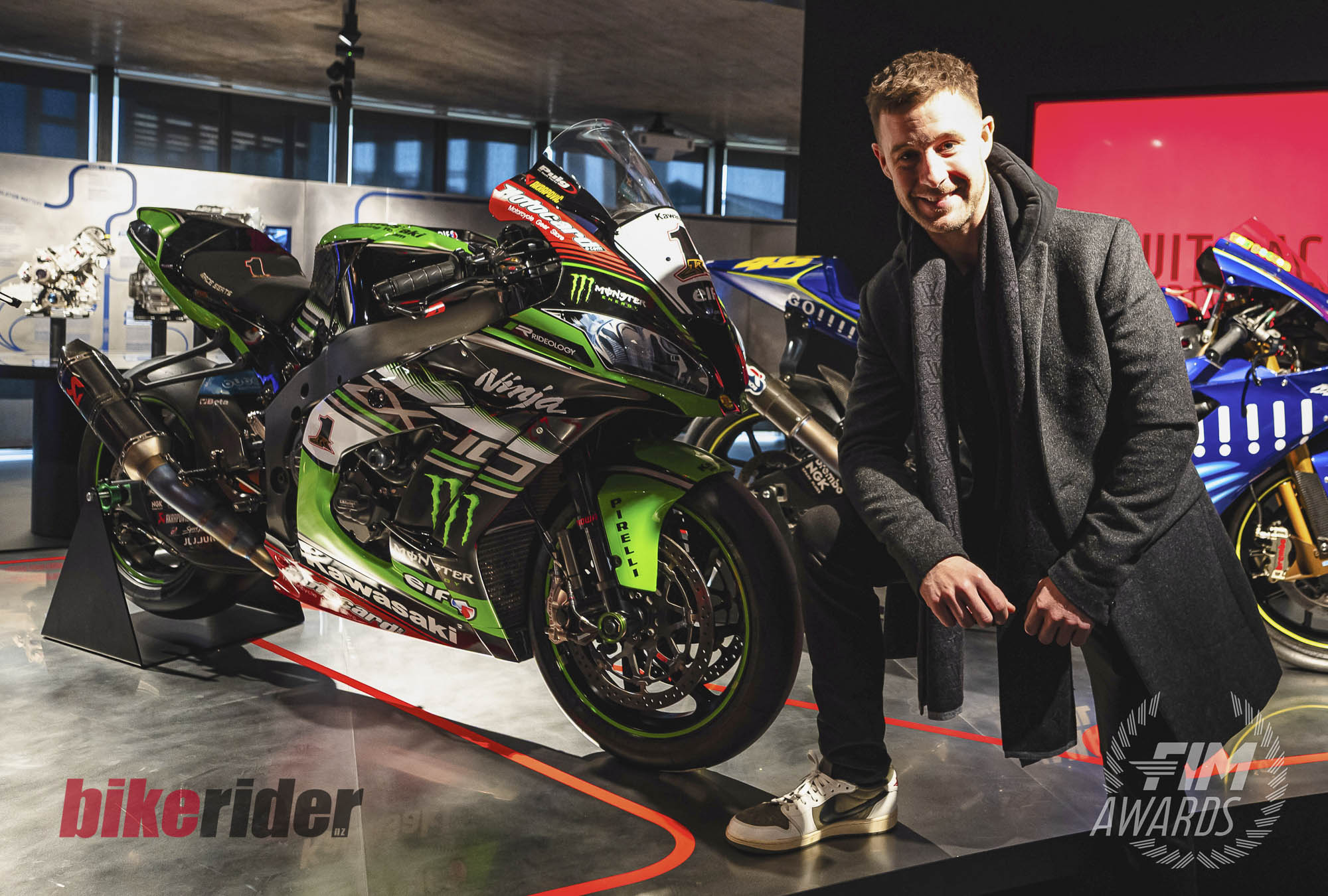
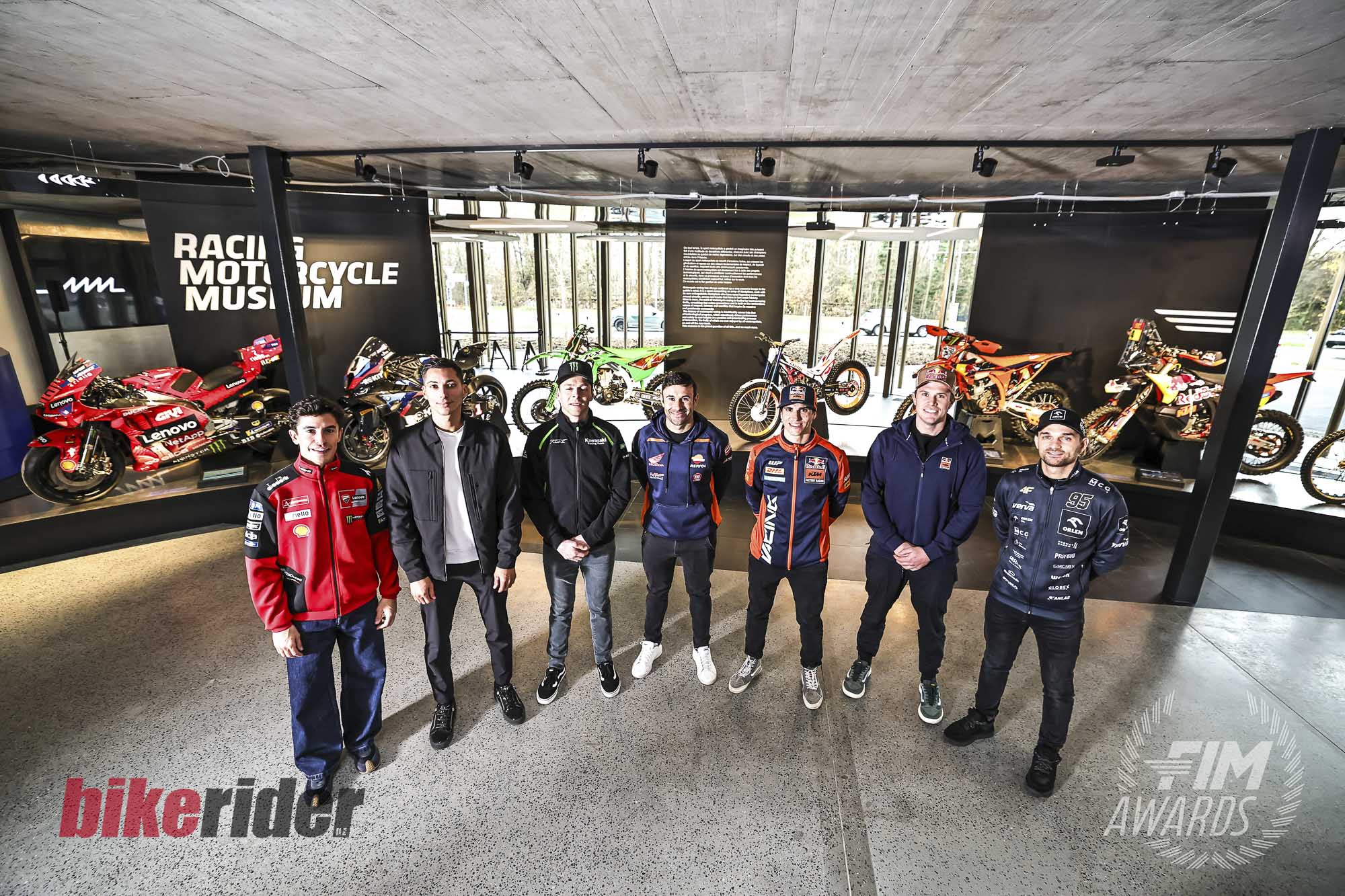
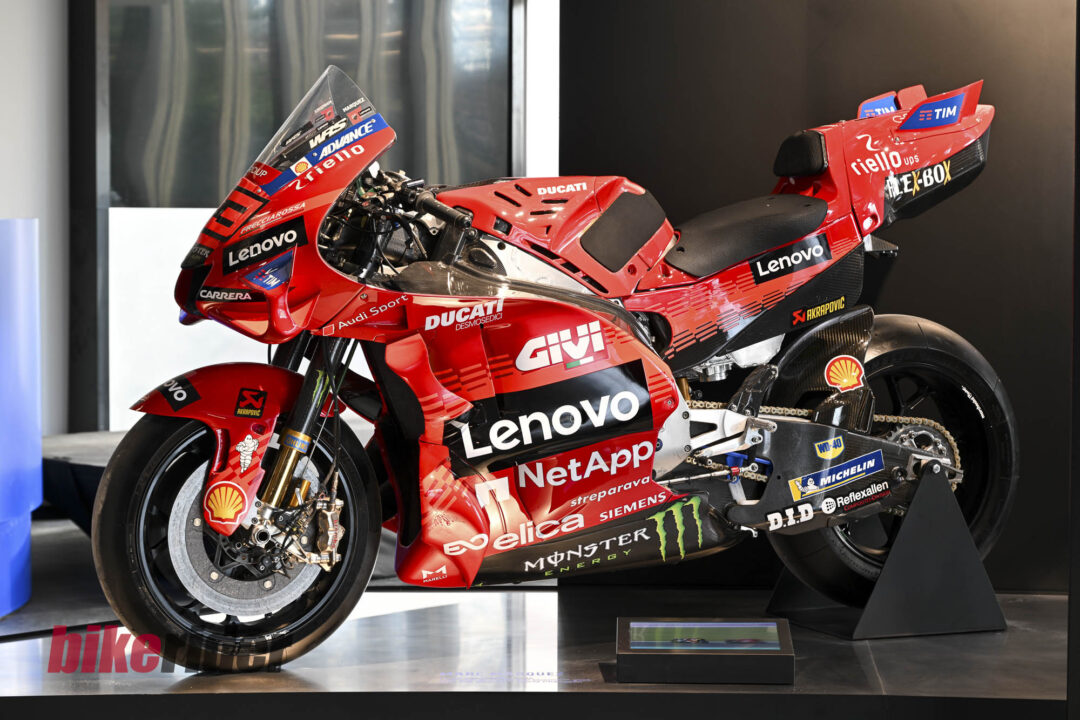
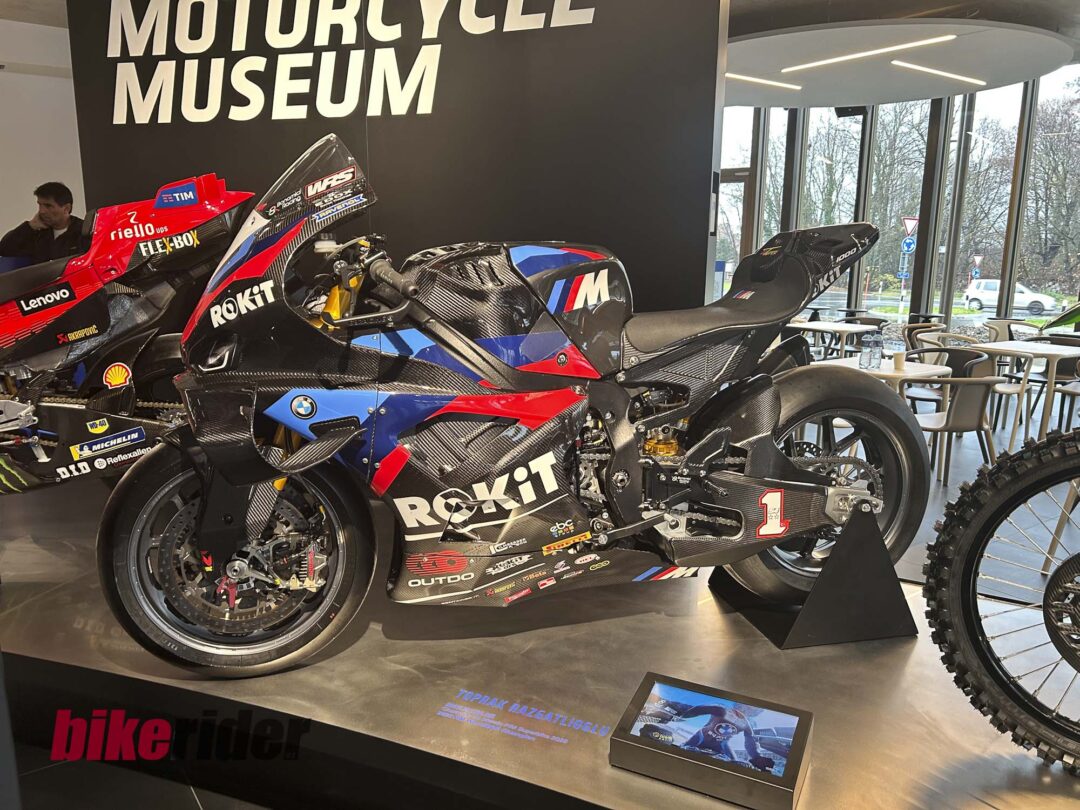
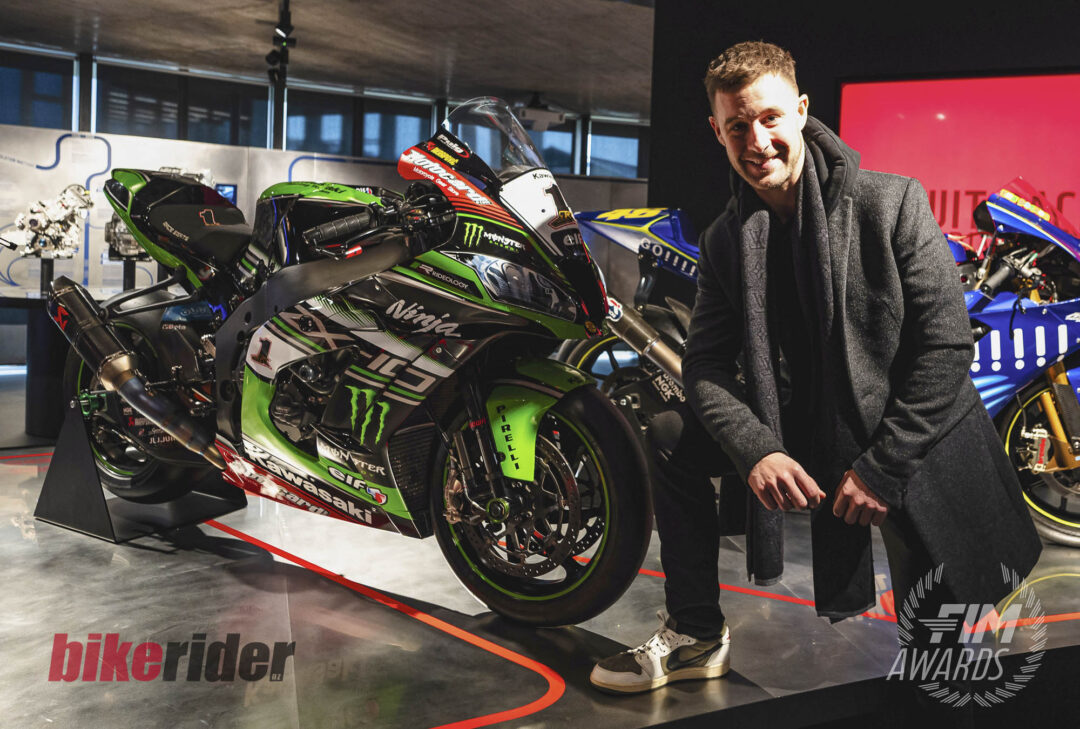
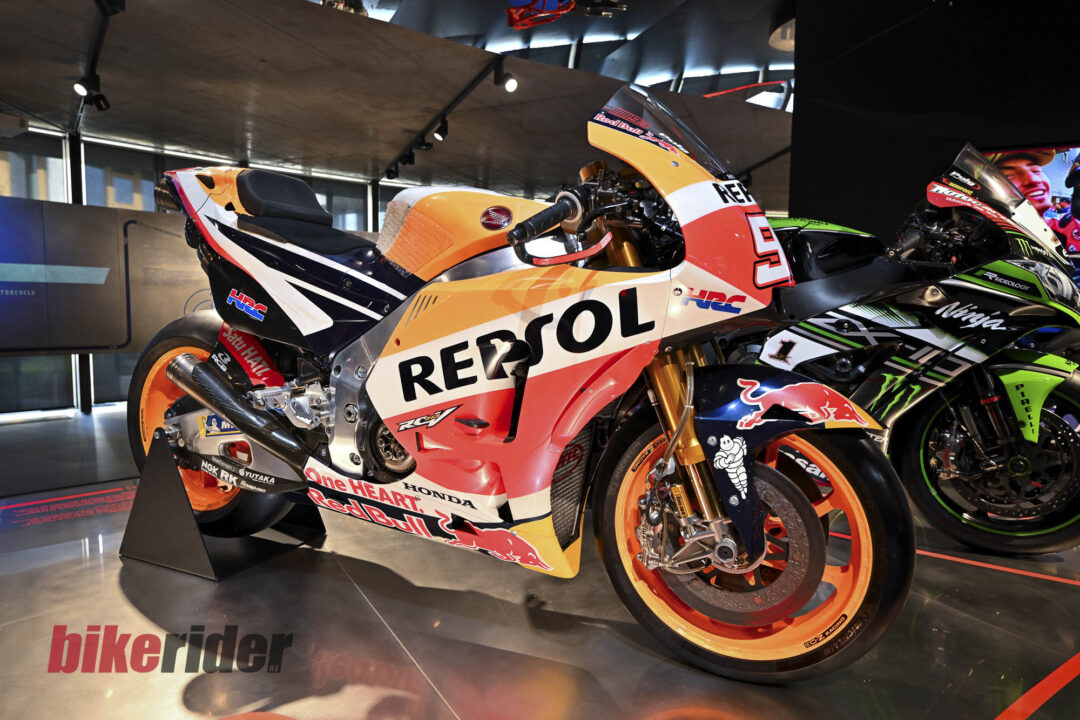
Yet this is not a museum trapped in nostalgia. Modern championship winners stand proudly among the legends. Marc Márquez’s 2025 title-winning Ducati is displayed alongside the 2016 Honda RC213V that carried him to one of his earlier crowns. Machines from Toprak Razgatlıoğlu, Toni Bou, Daniel Sanders, Josep Garcia, Romain Febvre and Bartosz Zmarzlik bring the story right up to date.
There are no ropes or barriers separating visitor from machine. You can lean in close enough to study welds, throttle cables and aerodynamic winglets — a rare intimacy in motorsport museums.
Just look. Don’t touch.
“The FIM Racing Motorcycle Museum is a truly remarkable collection. To walk among the exhibits is to take a journey through the illustrious history of motorcycle racing from its formative years, all the way through to the present day.”
Beyond Grand Prix
Although road racing icons inevitably draw attention, the Museum’s scope extends far beyond MotoGP.
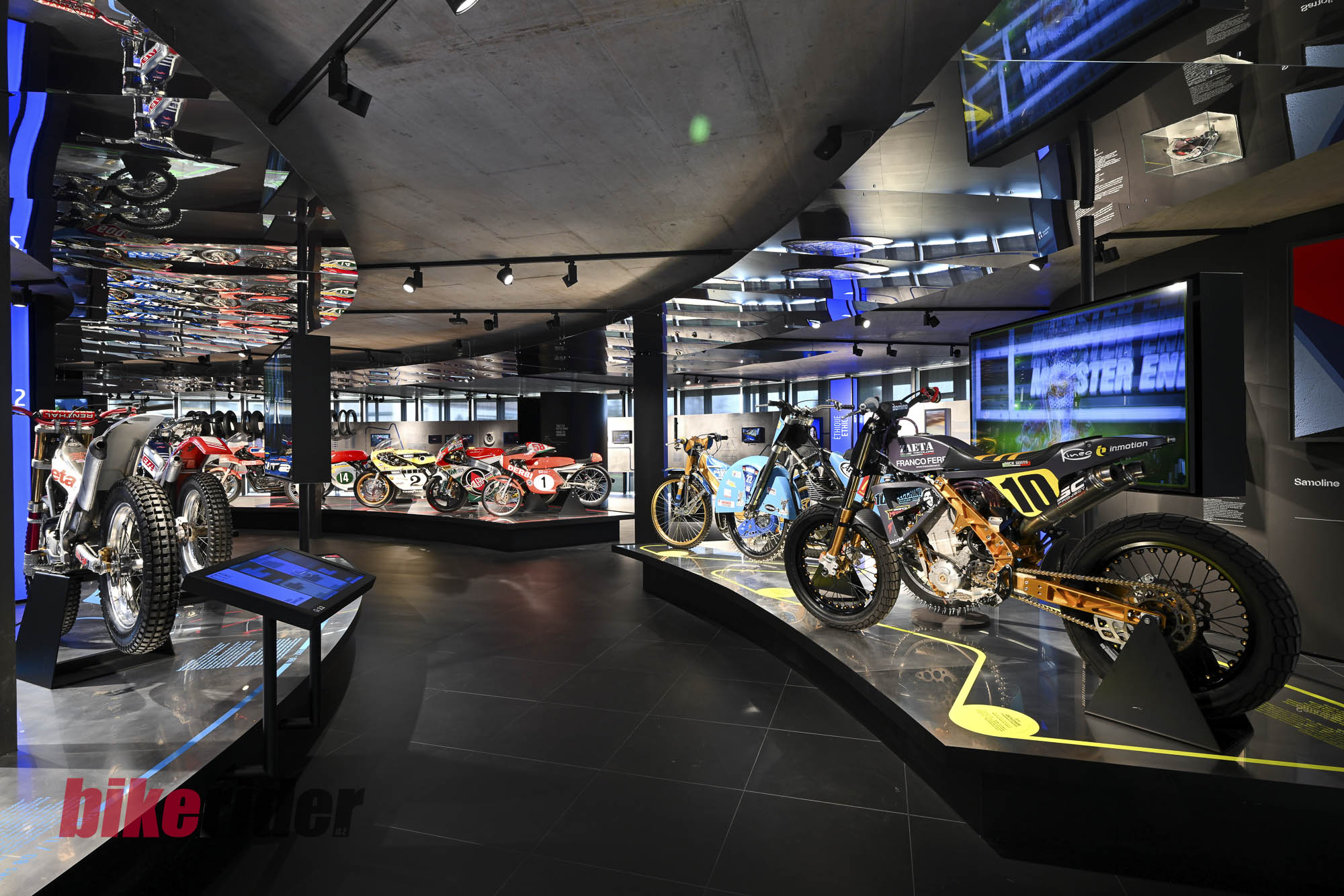
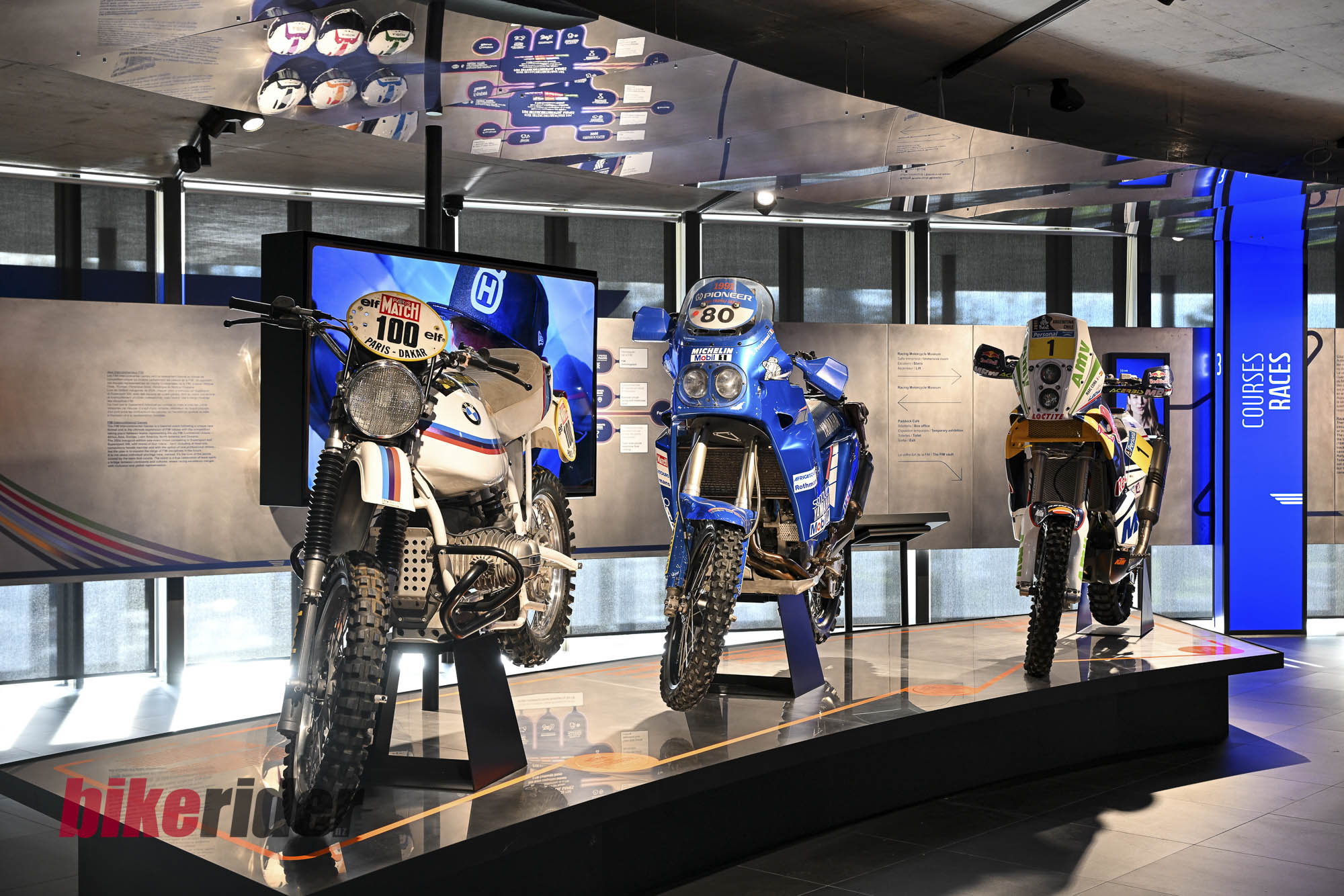
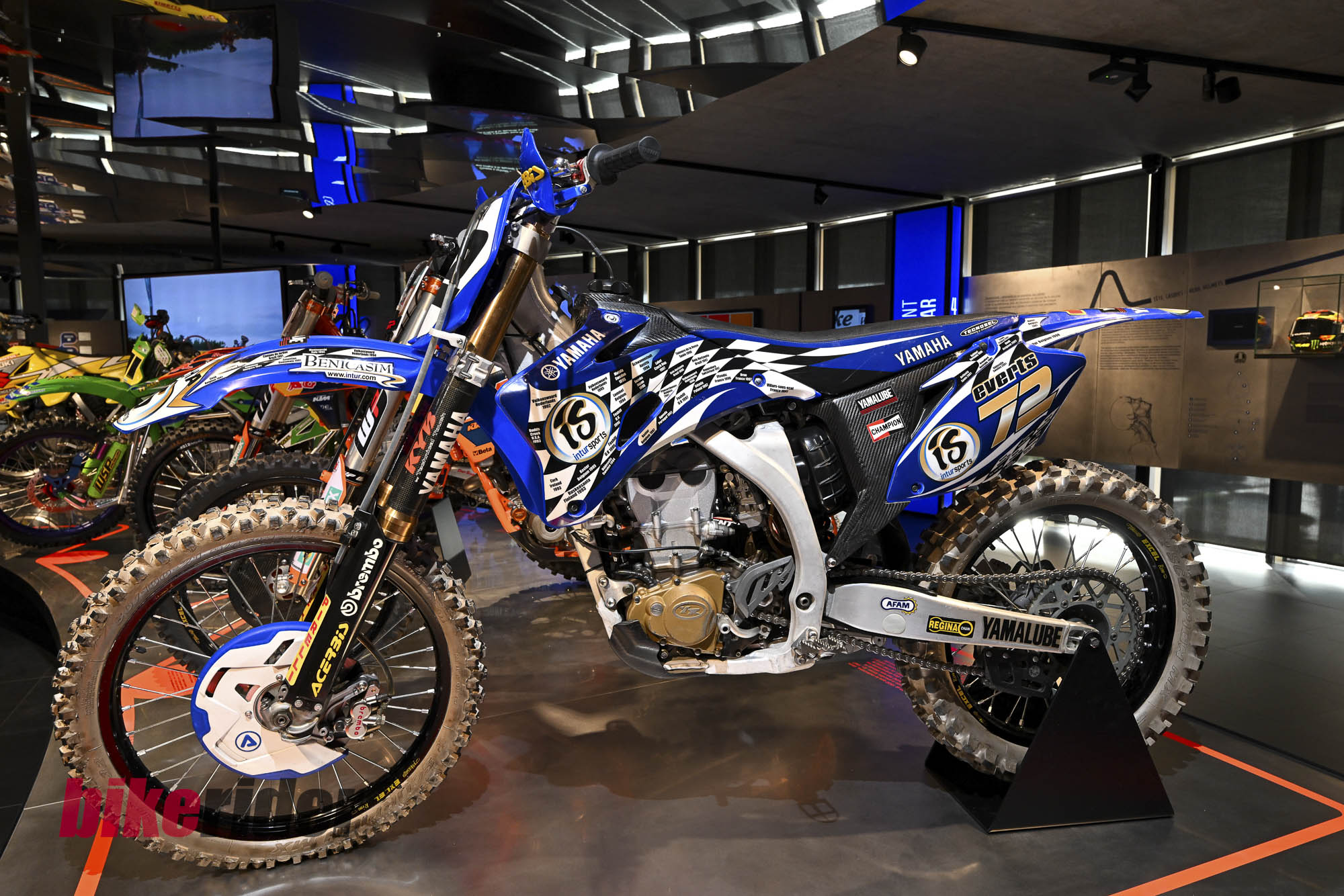
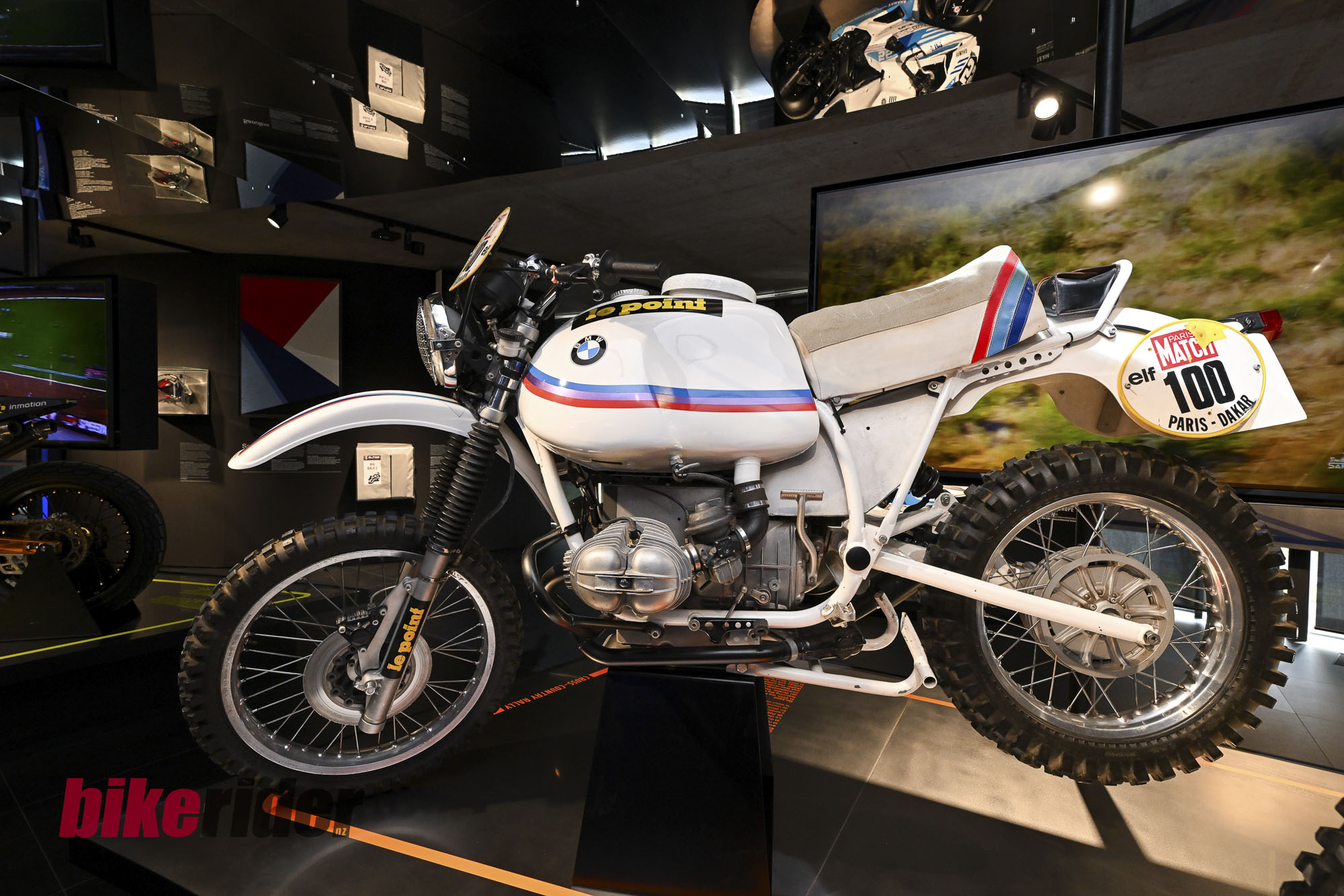
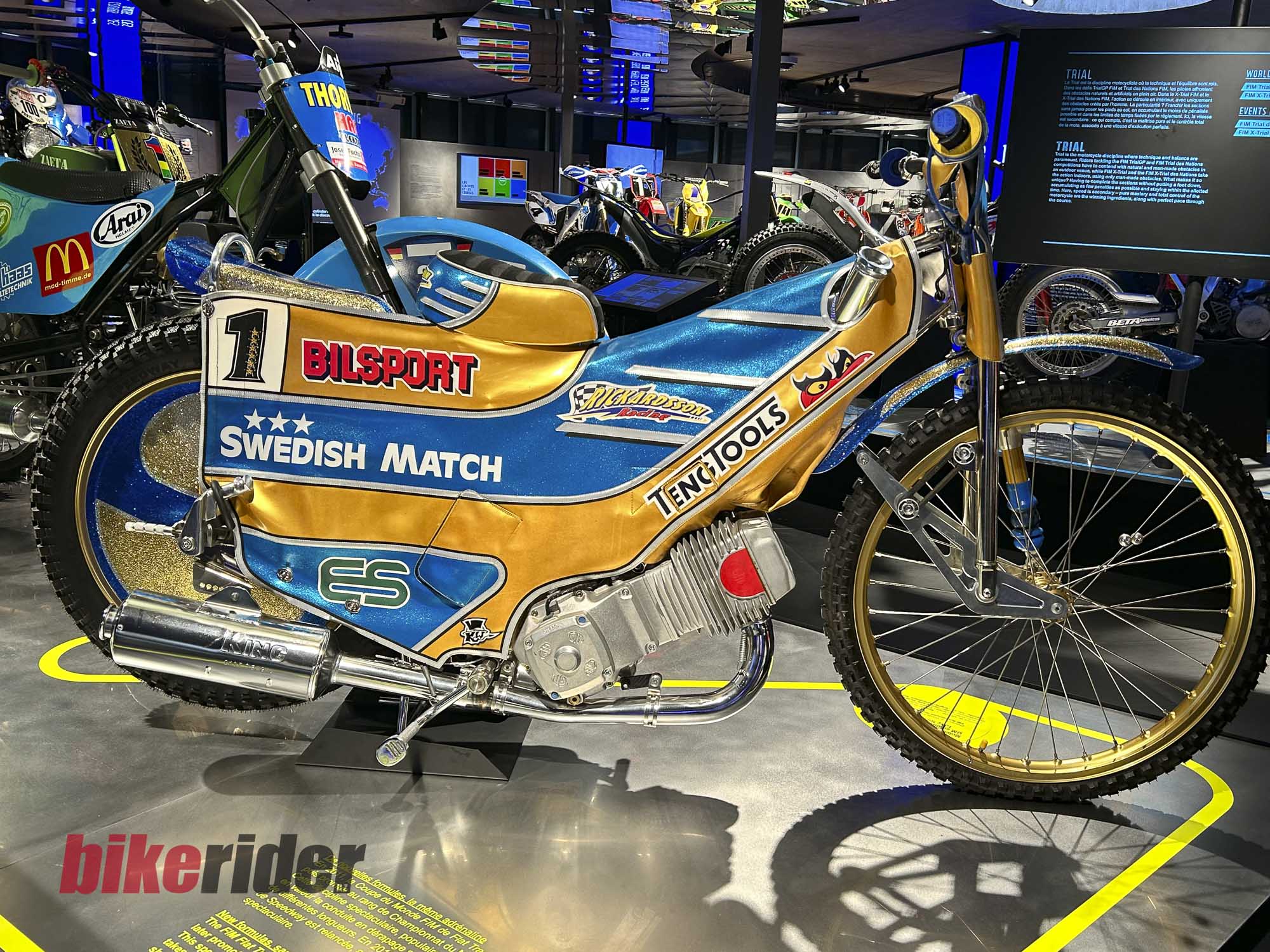
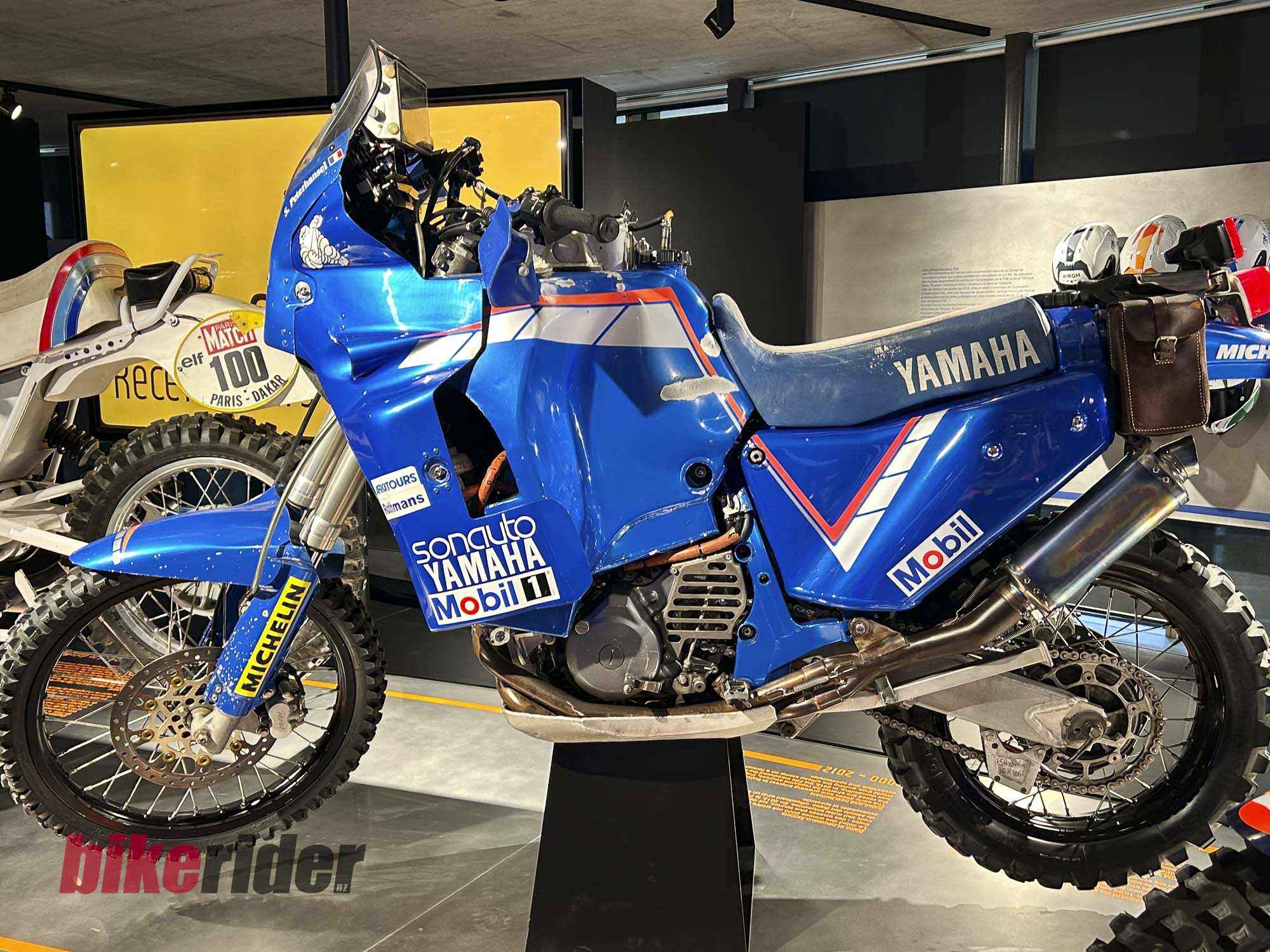
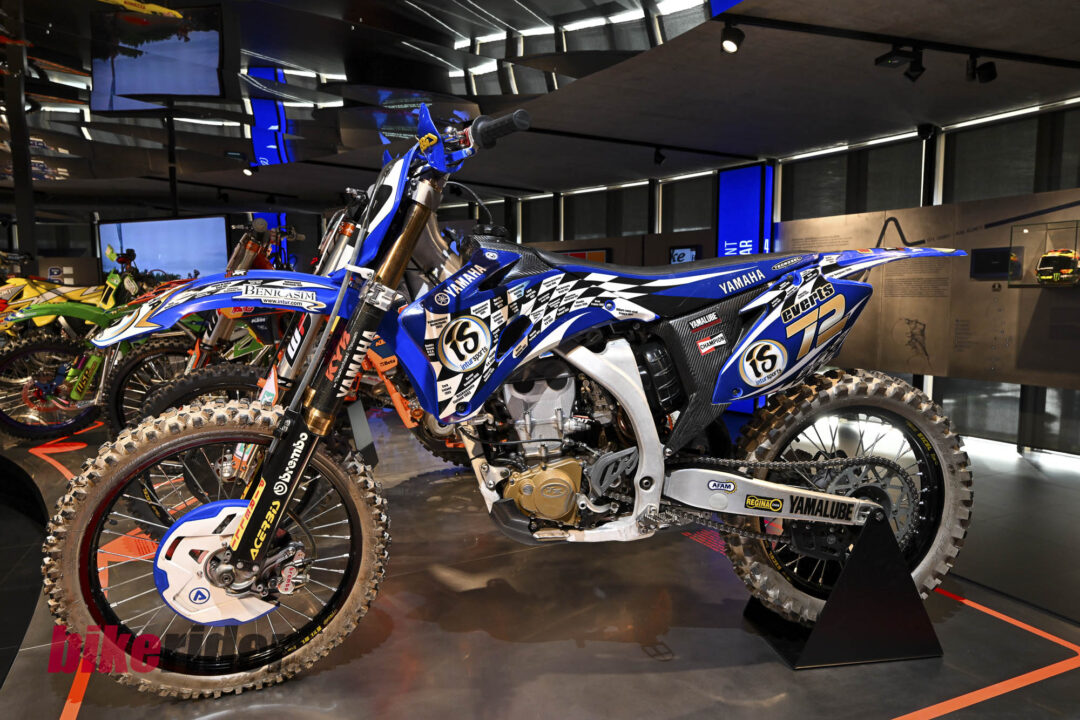
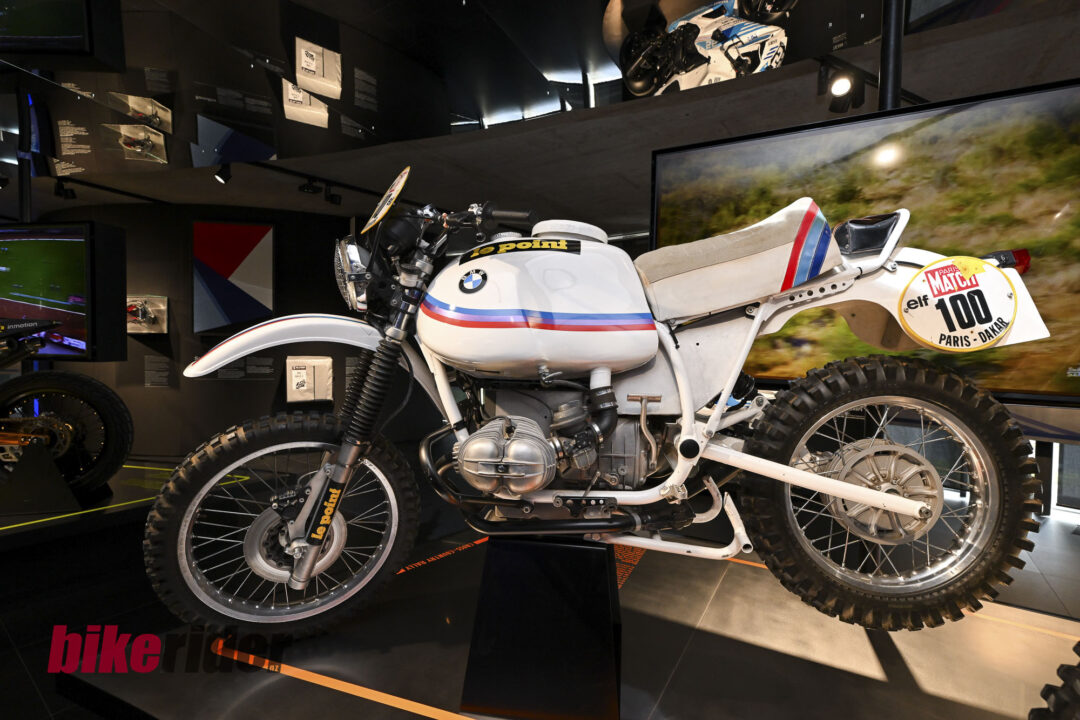
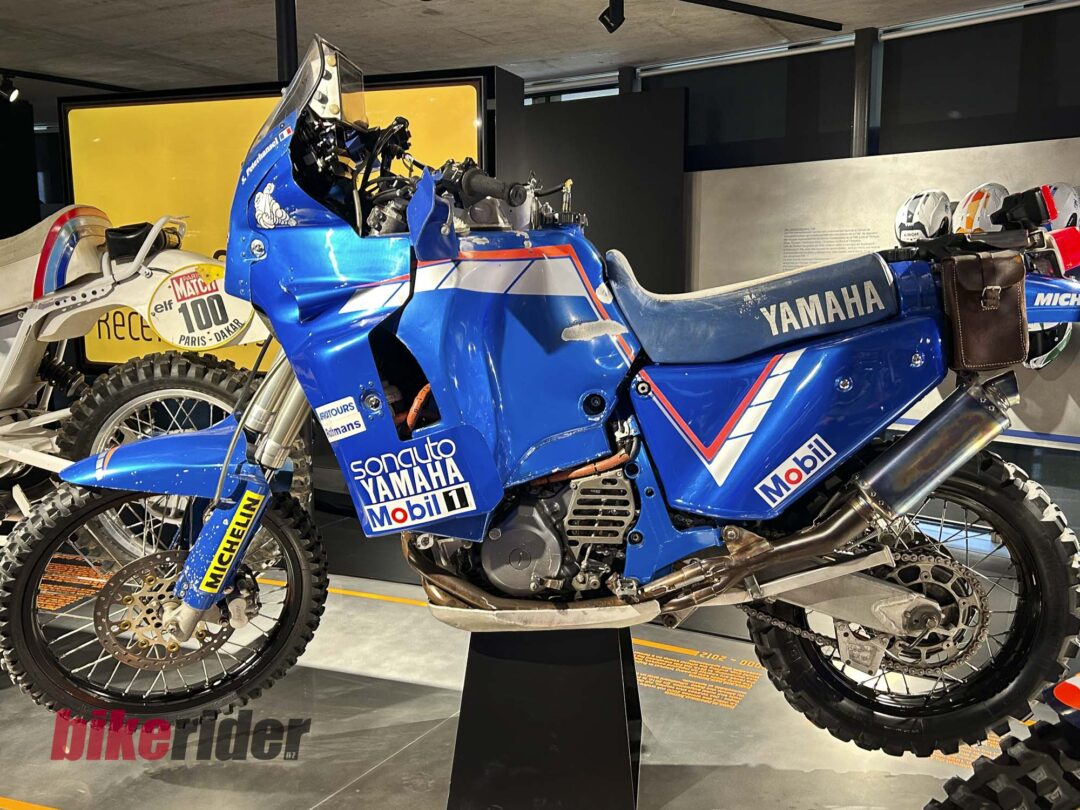
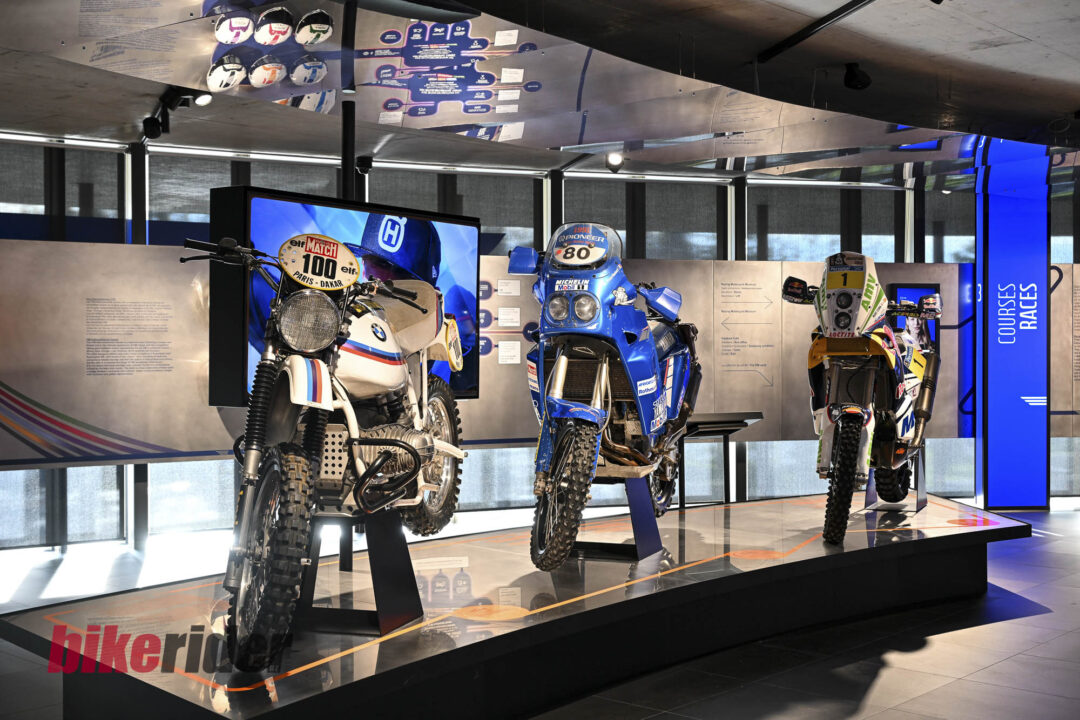
Off-road disciplines are woven throughout the exhibition. Rally raid, motocross, enduro, trials, speedway, flat track and even ice speedway are represented in machinery that charts the evolution of each branch of the sport. Stefan Everts’ 2006 Yamaha YZ450F speaks to motocross dominance, while Hubert Auriol’s 1981 BMW R80 G/S and Stéphane Peterhansel’s 1991 Yamaha YZE750T illustrate the shifting technology of Paris-Dakar glory.
The diversity underlines a key point: the FIM governs a vast ecosystem of motorcycle competition, and the Museum reflects that breadth.
Heroes, Technology and the Road Ahead
The exhibition is built around three themes: Heroes, Technologies and From Races to Roads.
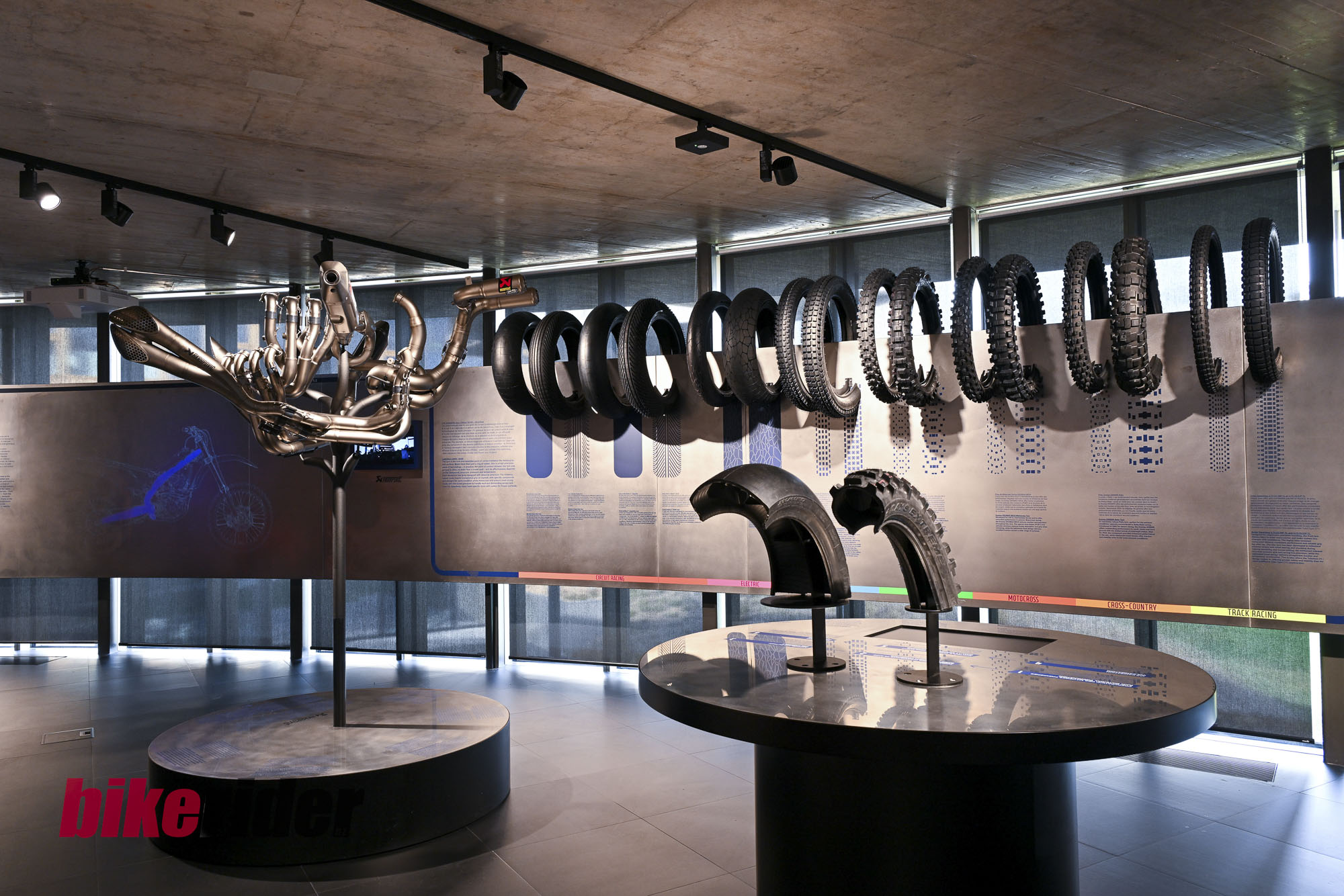
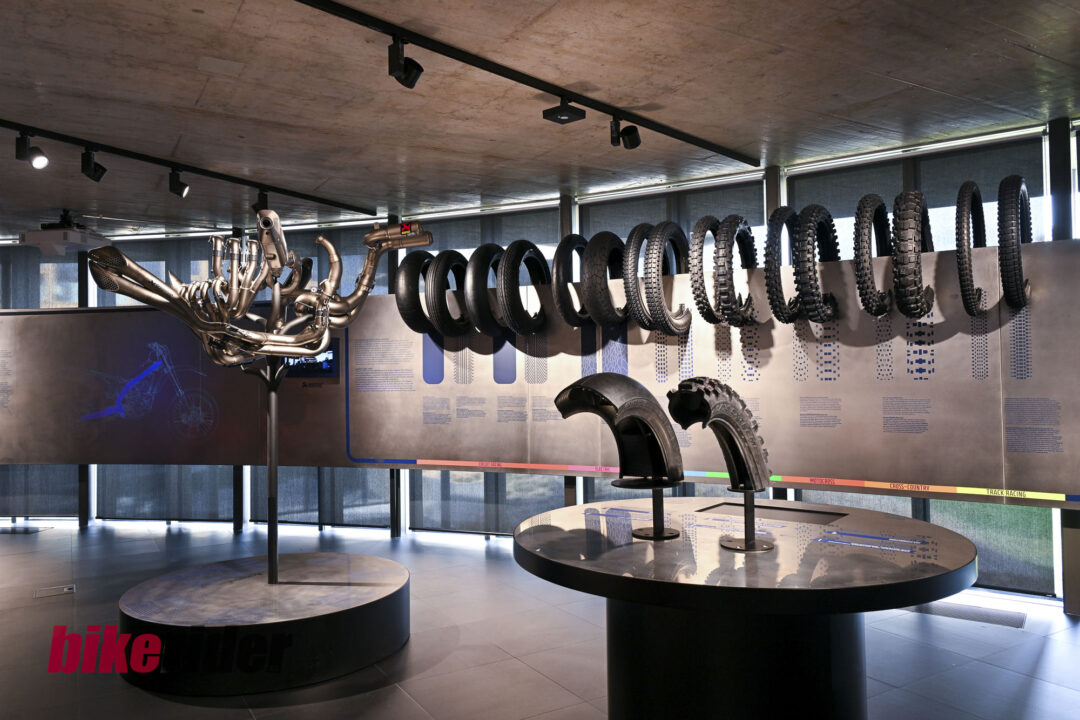
It is here that the Museum moves beyond static display and into education. Dedicated modules explore the evolution of rider safety equipment, from early helmets to modern airbag-equipped suits. Anti-slip track coatings, tyre compounds and electronic rider aids are unpacked in ways that show how racing has functioned as a development laboratory for production motorcycles.
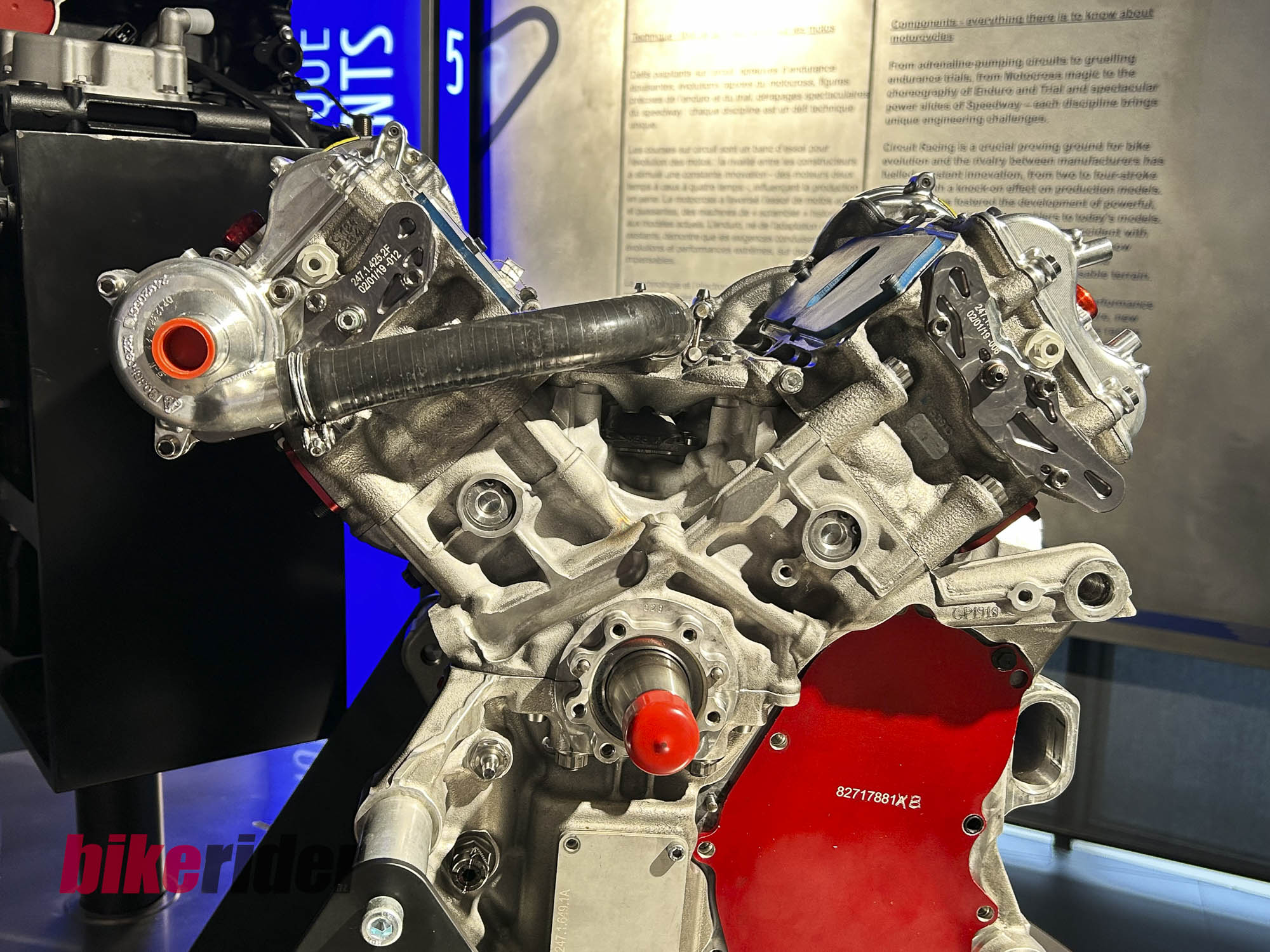
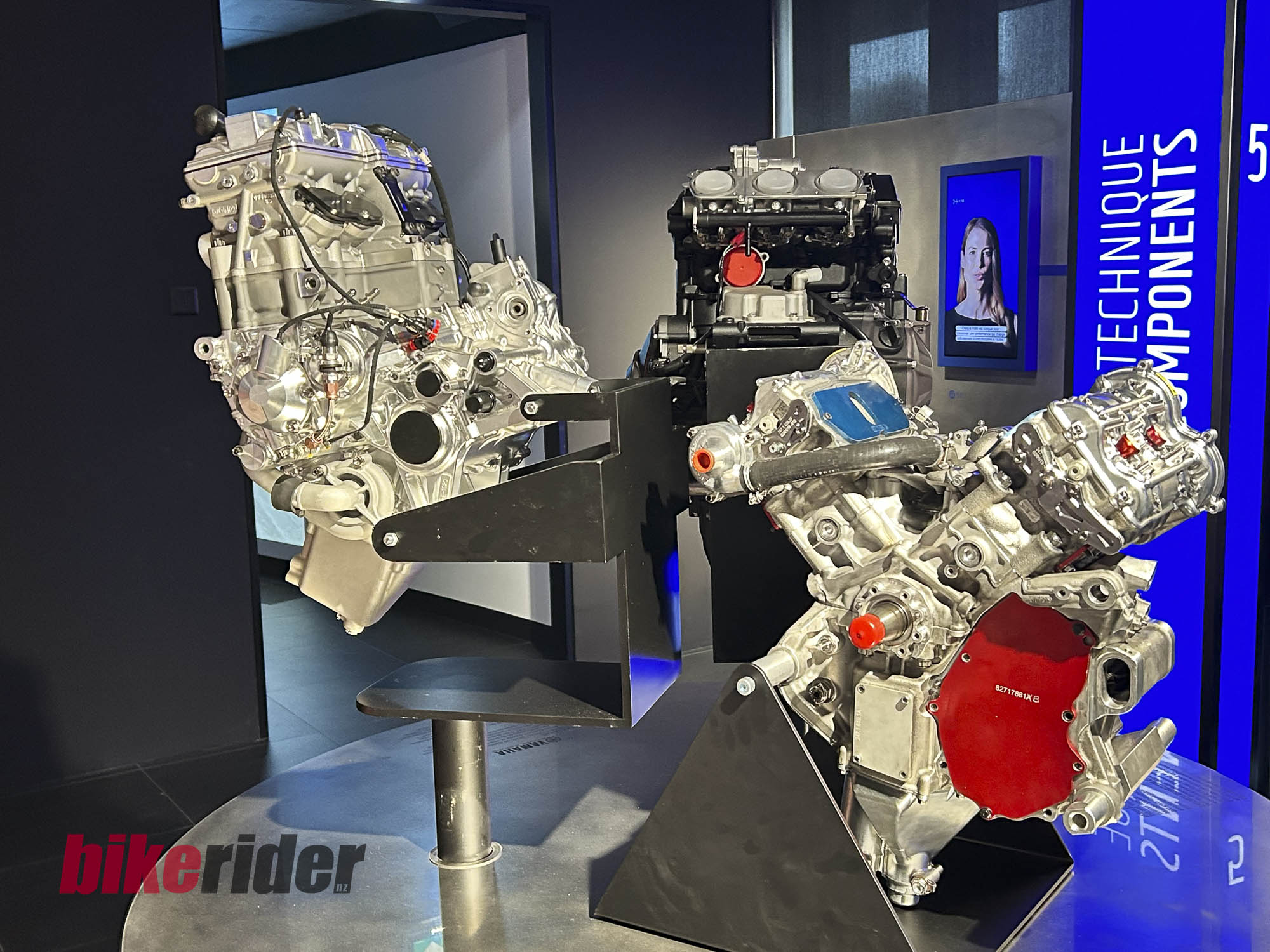
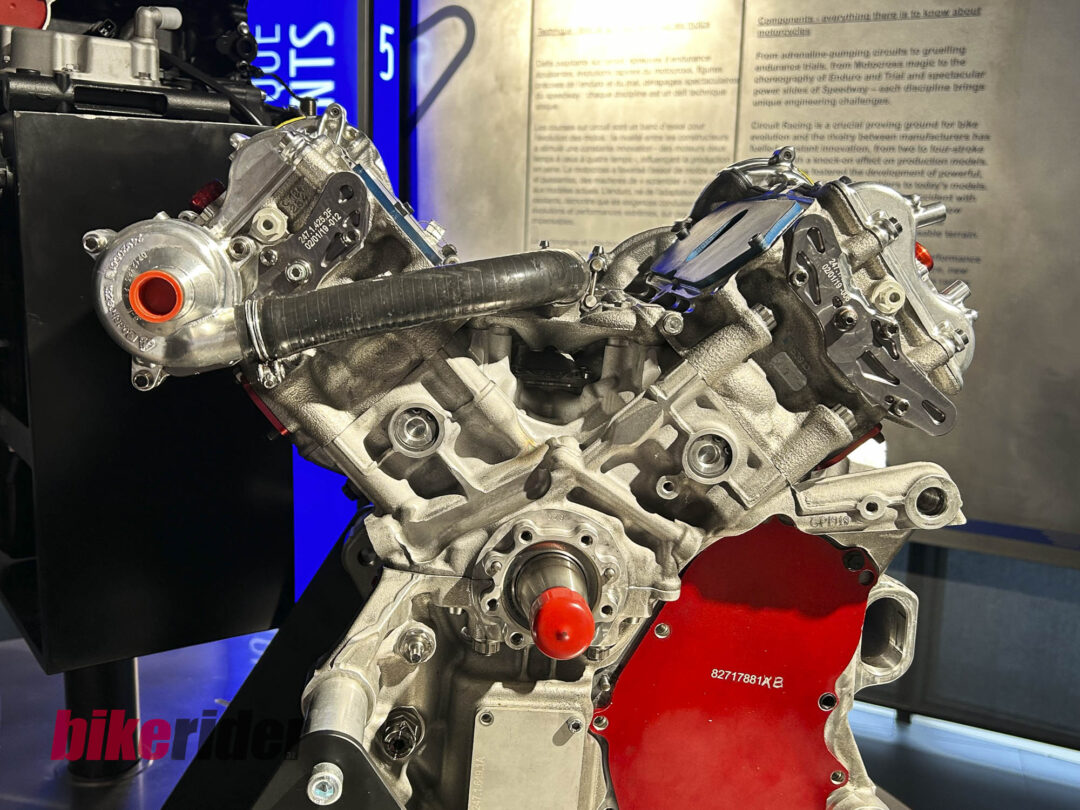
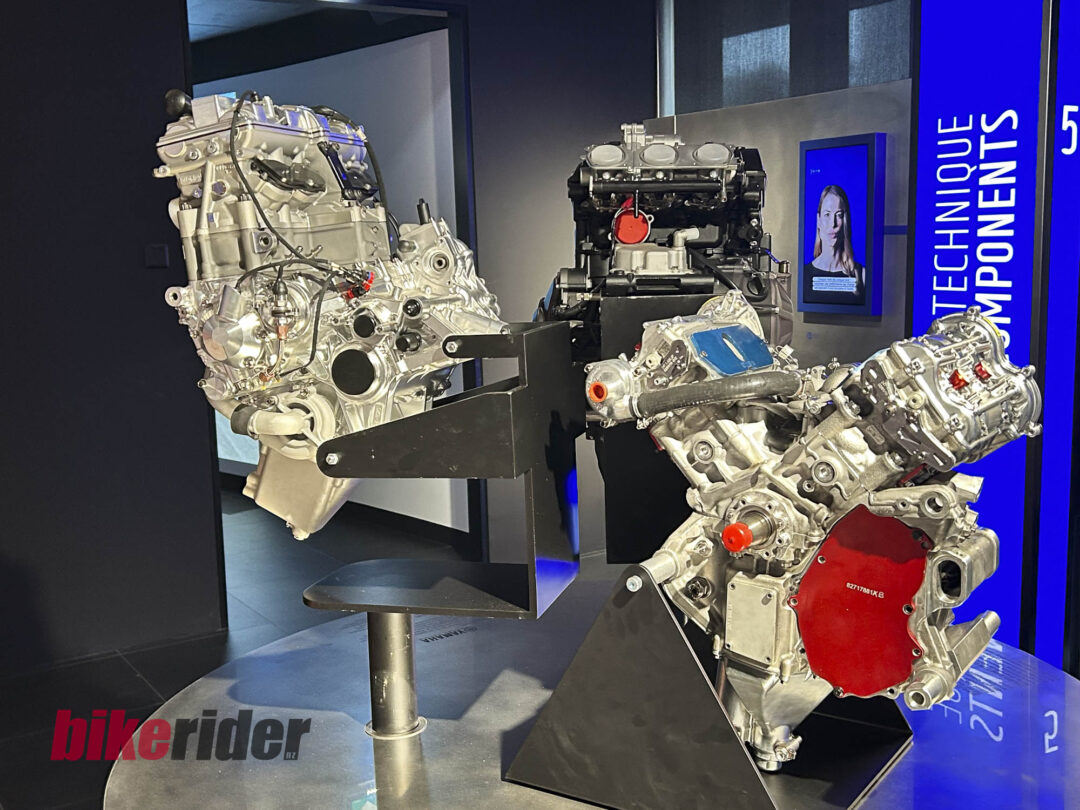
One particularly striking contrast pairs two MotoGP engines: a 2010 Yamaha 800cc inline-four and a 2021 Ducati V4. Side by side, they illustrate how philosophy, packaging and engineering priorities have shifted over a decade of relentless development.
Interactive simulators developed with Triumph Motorcycles allow visitors to experience circuits from the perspective of a racer, reinforcing the physical and technical demands placed on both machine and rider.
Rotating Chapters of History
The permanent exhibition is only part of the story.
A separate ground-floor space is dedicated to rotating themed displays that will change every six to twelve months. The inaugural exhibition features 21 factory motocross machines spanning four decades, drawn from the personal collection of Giuseppe Luongo, the long-time promoter of the MX World Championship.
The next major showcase will focus on the International Six Days Enduro, celebrating its centenary year. As the oldest annual off-road motorcycle competition in the world, the ISDE carries its own mythology — and the Museum intends to tell that story in depth.
The aim is clear: give visitors a reason to return.
A Destination for Riders
The Racing Motorcycle Museum is not positioned as a quiet archive. It is designed as a meeting place.
The on-site Paddock Café screens live FIM World Championship events, turning race weekends into communal experiences. A generous parking area encourages visitors to arrive by motorcycle, and the surrounding Jura mountain roads offer natural incentive to combine a museum visit with a ride.
For touring riders passing through central Europe, it has all the ingredients of a new pilgrimage stop.
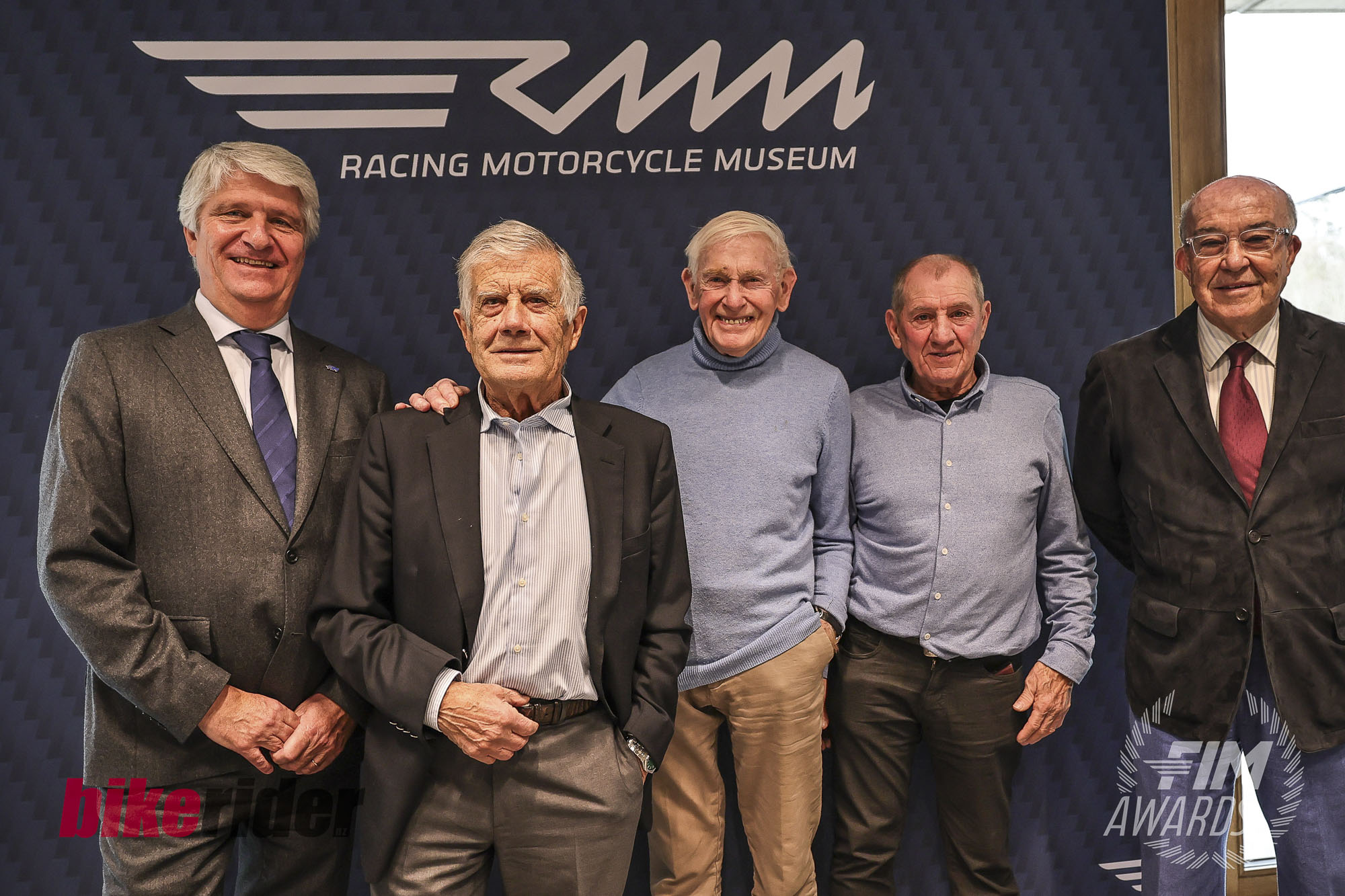
As FIM President Jorge Viegas put it during the opening, motorcycle racing now has a permanent home where its legacy can be celebrated, studied and passed on to future generations.
For a sport built on speed and constant evolution, that sense of permanence feels significant.
FIM Museum
The FIM Museum is open 10am-6pm [1000-1800hrs] from Wednesday to Sunday inclusive, and admission prices are €19 for adults, with children under 16 years old admitted free.
The address is:
Racing Motorcycle Museum,
Route de Suisse 11b,
1295 MIES-Tammay
Switzerland
Email: [email protected] Website: www.fim-rmm.com
It’s a 30min train ride from Geneva Airport, which is an EasyJet hub, and a two-minute walk from Mies Station to the Museum.

FIM Museum Gallery