

- Derived from its MotoGP machine
- Could be offered as an optional accessory
- Likely to come fitted as standard on RSV4
A newly published Aprilia patent suggests that one of MotoGP’s more controversial aerodynamic ideas could eventually appear on production sportbikes.
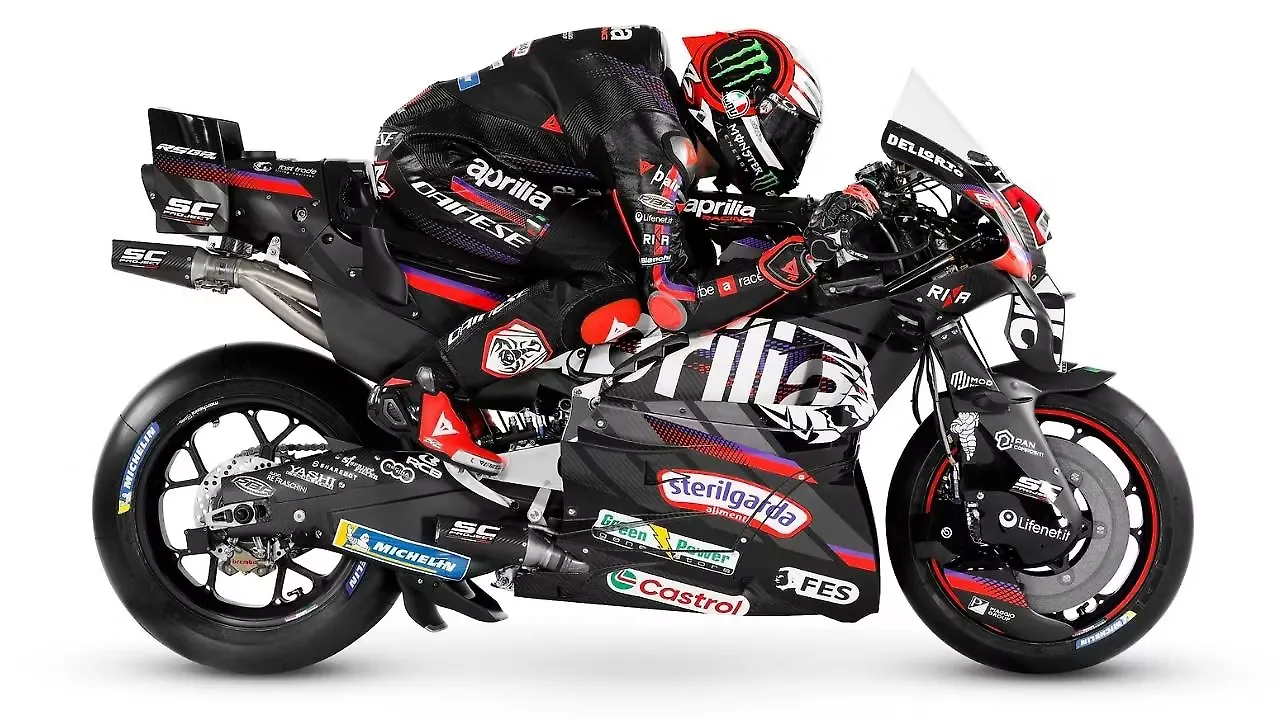
In recent seasons, MotoGP has become a proving ground for increasingly complex technology, from elaborate winglet packages and ground-effect devices to ride-height systems. One of the latest developments to attract attention is the use of so-called “leg wings”, small vertical aerodynamic elements positioned behind the rider’s legs on the rear of the bike.
Aprilia first revealed its version of leg wings during the 2025 British Grand Prix at Silverstone. Since then, similar concepts have appeared in various forms across the grid. The design has drawn criticism due to concerns that the wings could trap a rider’s leg during a crash. Those safety worries led the FIM to propose a ban through the MSMA, but the proposal was rejected. While leg wings remain legal for now, they could still be outlawed under the 2027 MotoGP rule changes, which will also introduce new engines, ban ride-height devices and tighten aerodynamic limits.
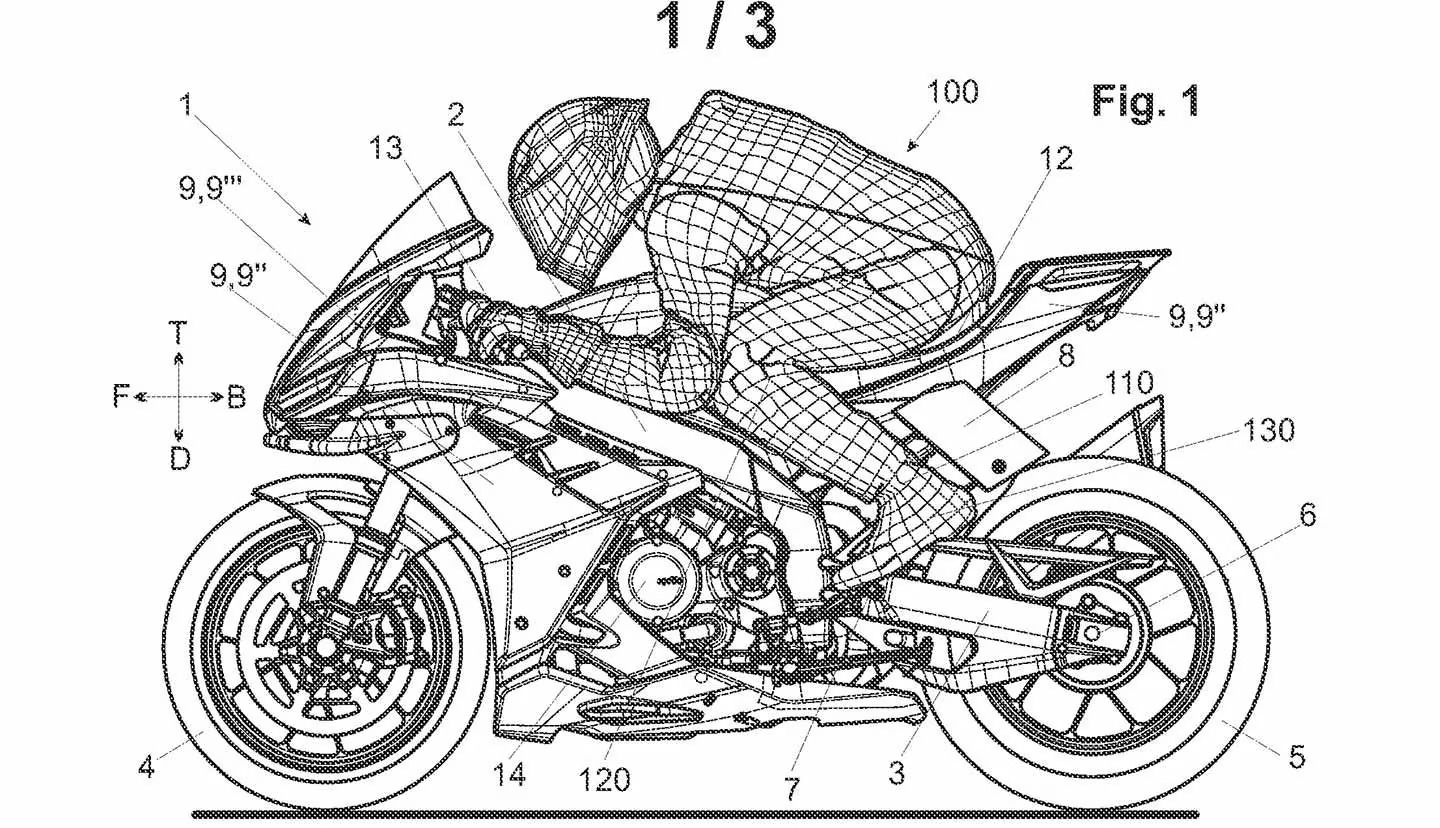
Despite the debate in racing, Aprilia appears to see potential for the concept beyond MotoGP. The company has filed a patent for a road-bike version of leg wings, designed as a bolt-on accessory rather than an integrated race-only solution. Notably, the patent describes mounting the wings to the motorcycle’s passenger footpeg brackets, a component not present on MotoGP machines.
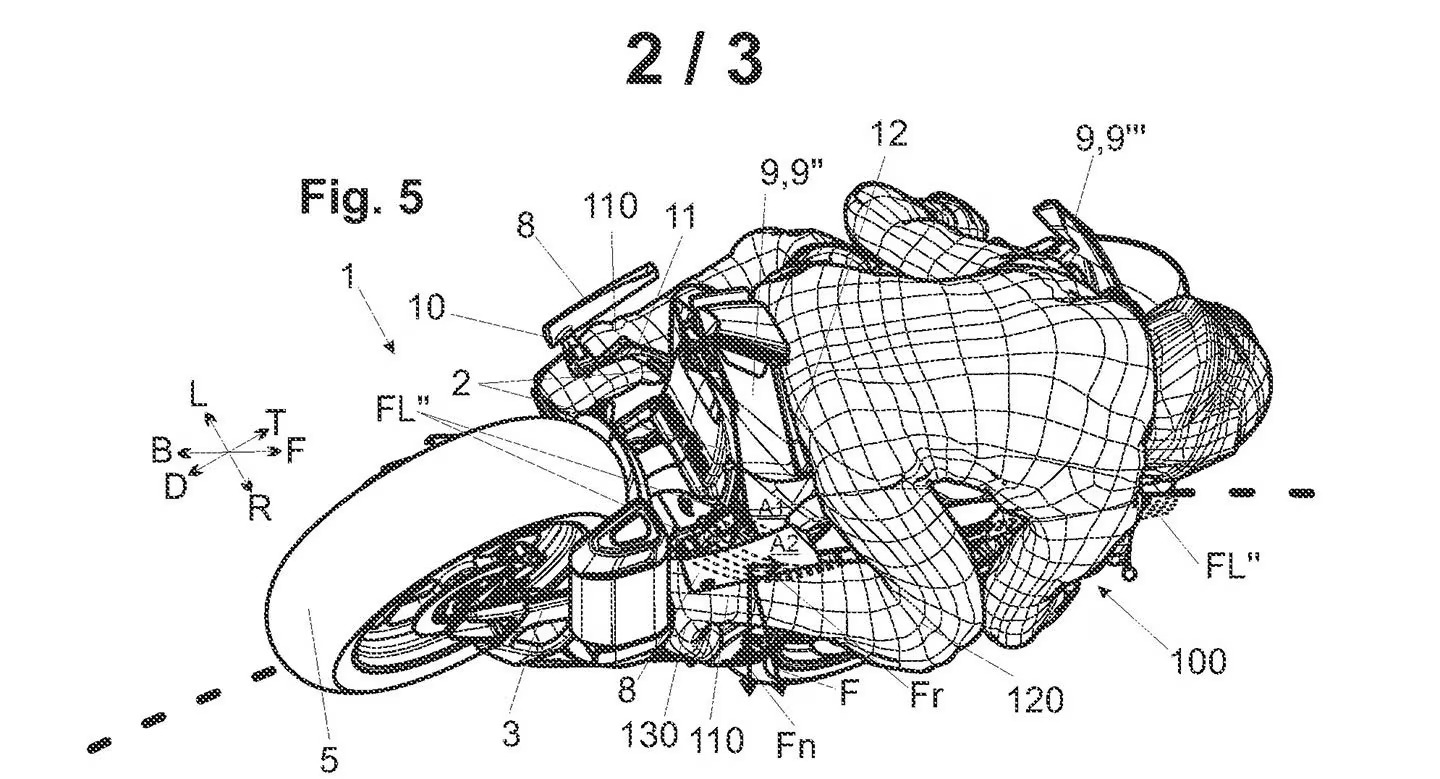
The patent documentation also clarifies how the system is intended to work. According to Aprilia, the leg wings provide both aerodynamic efficiency and increased cornering downforce. While downforce typically increases drag, the design claims to reduce drag overall while improving grip when the bike is leaned over.
The effect is achieved through the rider’s body position. In a straight line, the vertical orientation of the wings produces little to no downforce. However, in a corner, as the bike leans and the rider hangs off to the inside, airflow is able to strike the wing on the lower side of the bike. This generates a downward force that helps push the motorcycle toward the road surface and into the turn. At the same time, the rider’s leg blocks airflow to the wing on the upper side, preventing opposing forces from being created. In practice, the system behaves like a form of active aerodynamics, without requiring any moving parts.
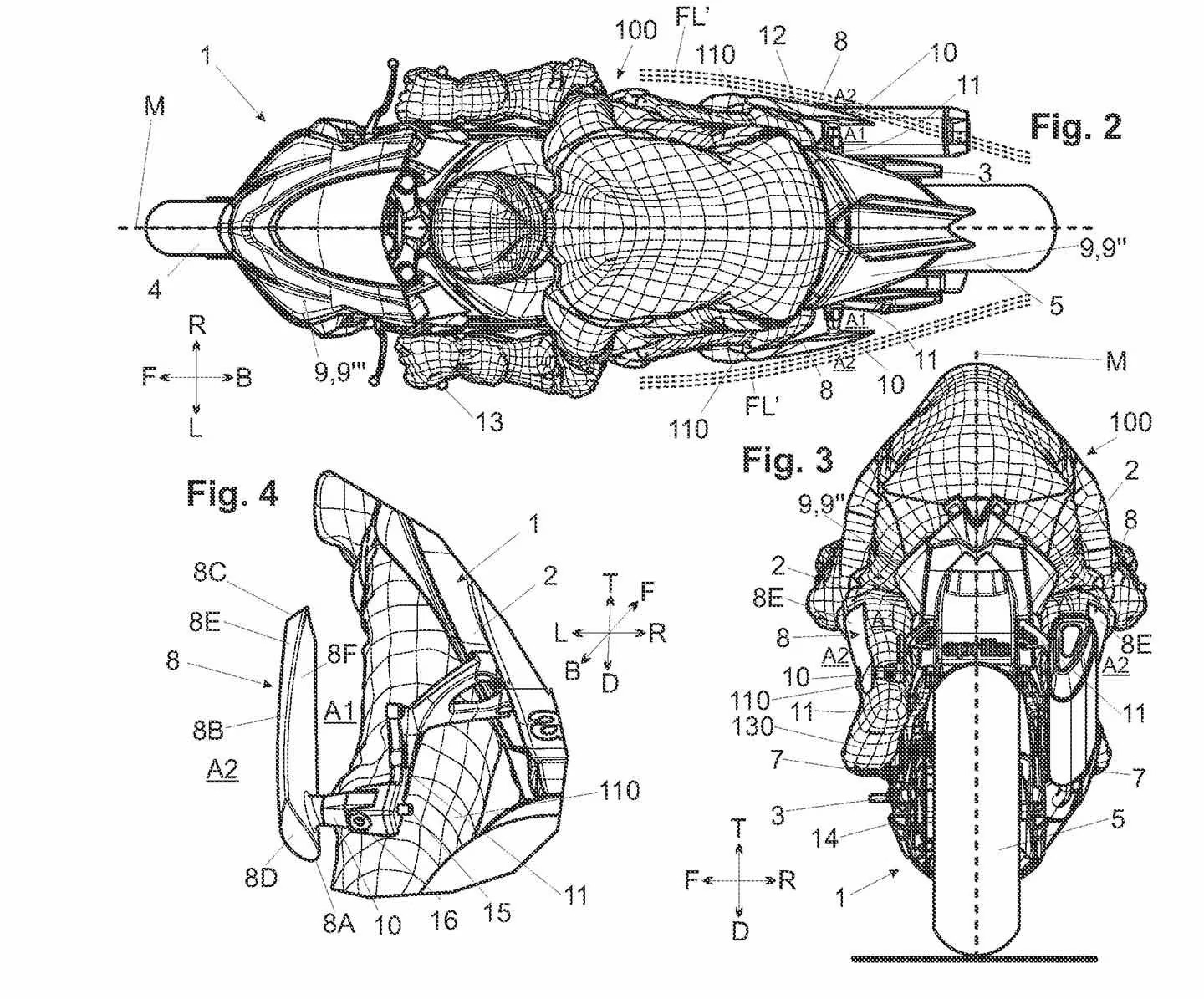
Aprilia’s intention for road use is clearly outlined in the patent. The company notes that when a passenger is not being carried, such as during track riding, the pillion footpegs could be removed and replaced with the aerodynamic wings as an accessory.
From a manufacturing and design standpoint, such a system appears relatively easy to implement. Whether leg wings will appeal to street riders or track-day users, however, remains an open question.