
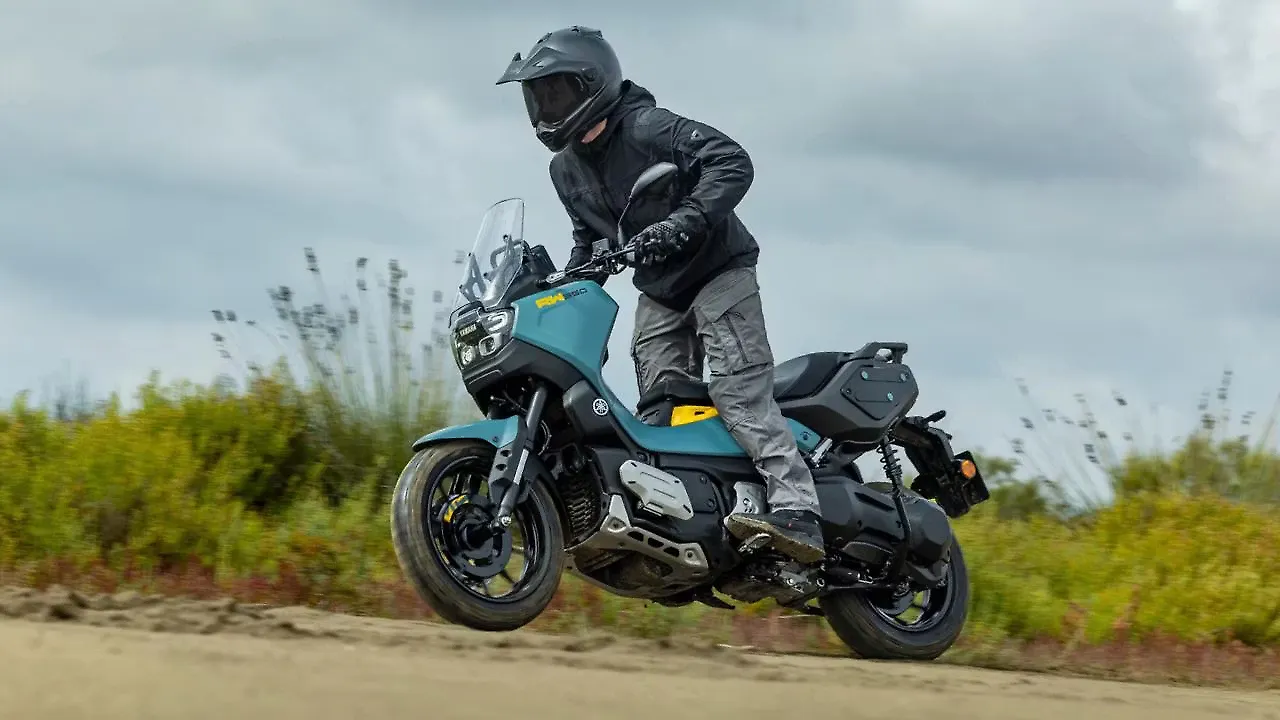
Yamaha has introduced the 2027 RW350, a new adventure-focused scooter that combines the convenience of an automatic transmission with the ability to venture beyond regular city roads. The new model features a 327cc engine, a purpose-built chassis and a range of equipment aimed at improving its touring capabilities.
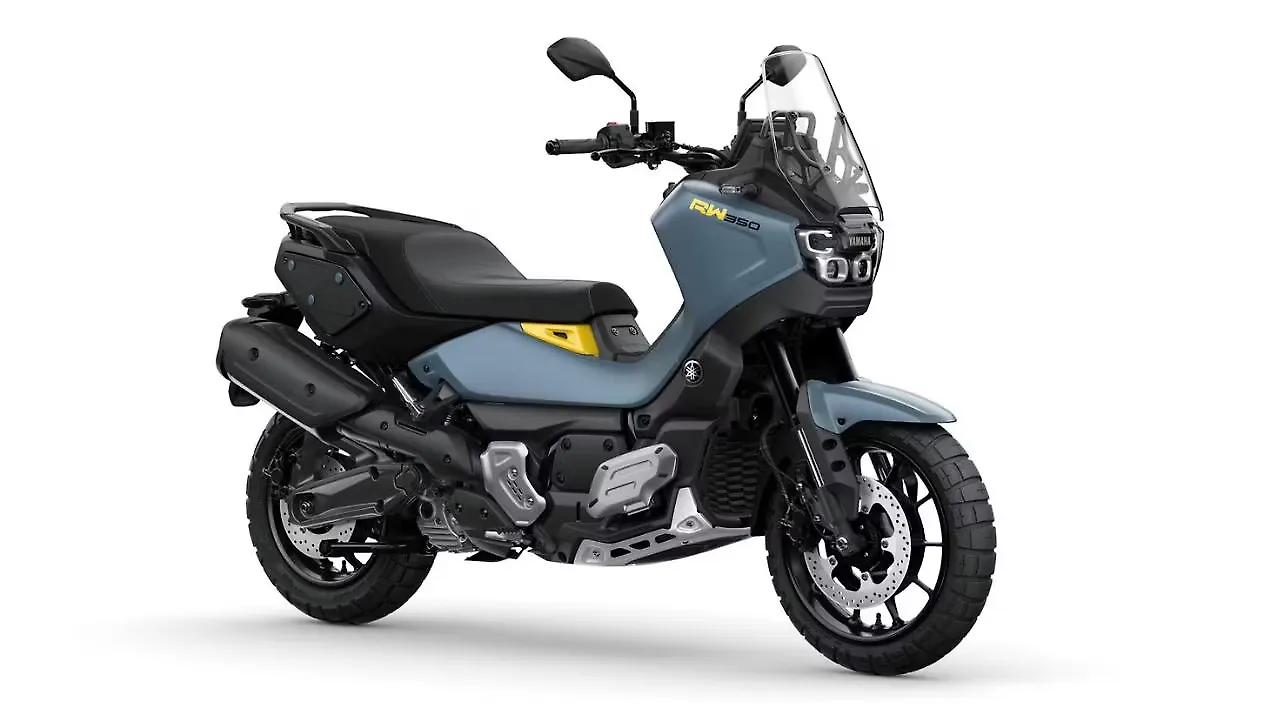
The RW350 takes design inspiration from adventure motorcycles, featuring an upright riding position, tall bodywork, exposed handlebars and a substantial front section. Its adventure-focused setup also includes wide footpegs with heel guards, allowing riders to stand when tackling uneven surfaces. Foldable footboards are another addition, giving riders the option to stretch their legs forward on longer journeys.
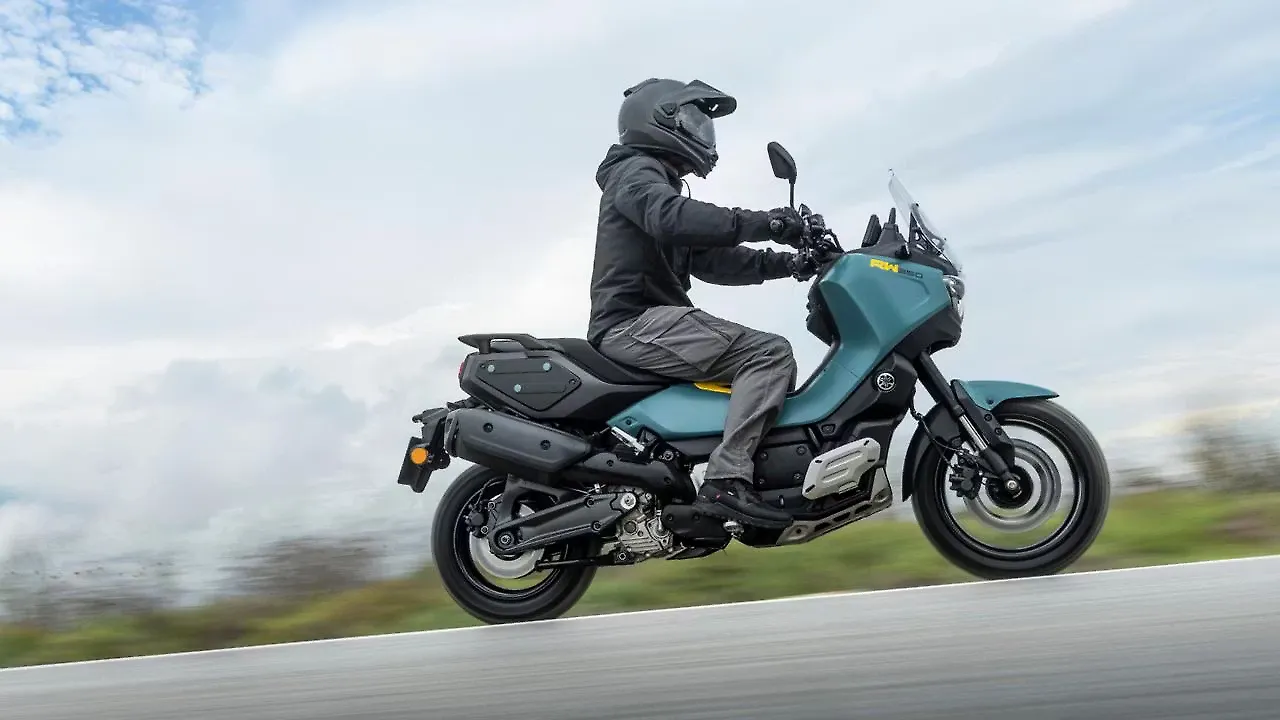
Power comes from an all-new 327cc liquid-cooled single-cylinder engine producing 28.5bhp at 7,000rpm and 31.5Nm of torque at 5,750rpm. The engine uses Yamaha’s Dynamic Ride layout, which is designed to reduce unsprung mass for improved handling and stability. A four-axis balancer has also been incorporated to minimise vibrations. Yamaha claims fuel consumption of approximately 28.6kmpl under its specified test conditions.
The scooter is built around a diamond-shaped, high-tensile steel backbone frame, suspended by 37mm telescopic front forks and twin rear shock absorbers. The rear suspension offers seven preload adjustment settings, allowing riders to tailor the setup according to their weight, luggage or pillion requirements. The tapered seat has been designed to make it easier to reach the ground while providing enough room for riders to shift between seated and standing positions.
Electronics include three Yamaha Ride Control modes – Street, Explore and Eco – which adjust engine power delivery and traction control characteristics to suit different riding conditions. Cruise control is fitted as standard, adding to the RW350’s touring credentials.
The 5-inch colour TFT instrument display supports smartphone connectivity through Yamaha’s MyRide application. It also features Garmin StreetCross integration, providing navigation and real-time traffic information. Other equipment includes a smart key system, self-cancelling indicators and an emergency stop signalling function that activates the indicators during sudden braking.