

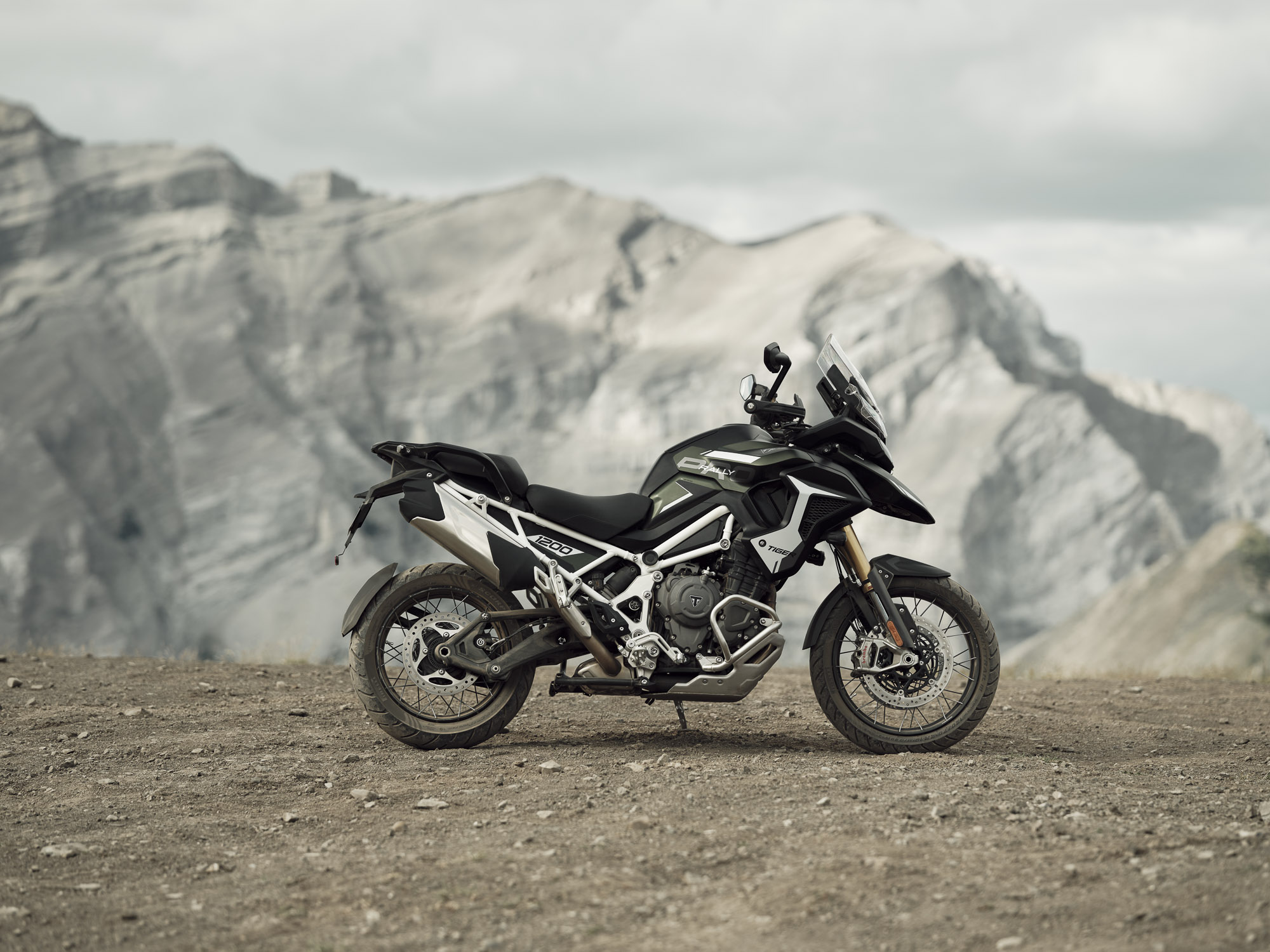
Triumph has given its flagship adventure bike a serious makeover, with 158 PS, clever self-lowering suspension, radar-assisted rider aids and a completely new touchscreen dash. But the Rally models are taking a more road-focused direction.
- 158 PS T-Plane triple, revised gearbox and shaft drive, and stronger low-speed response.
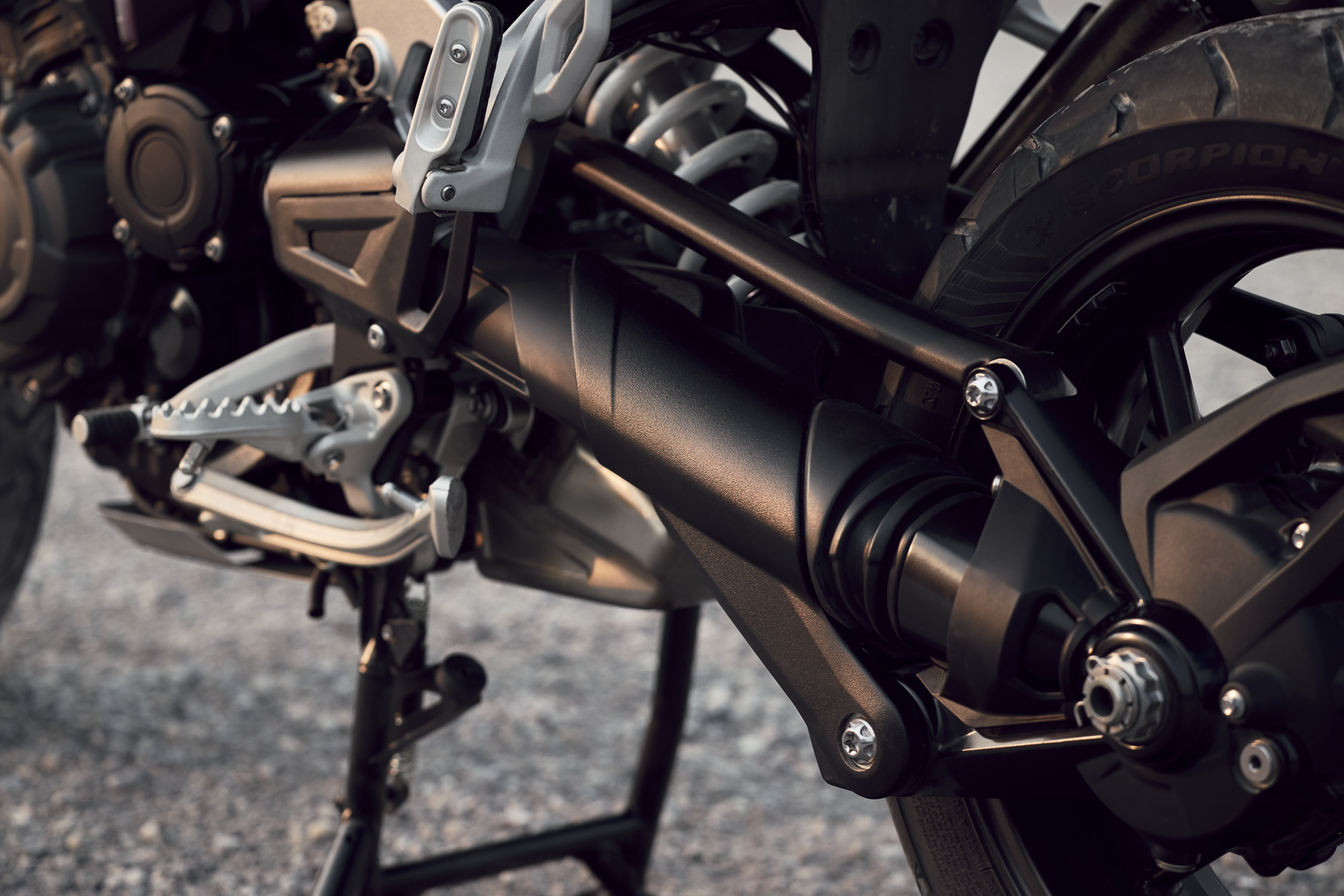
- Showa Heightflex suspension lowers the seat 30 mm when stopping; as low as 790 mm with the optional/market-dependent low seat.
- New 7-inch touchscreen with wireless Apple CarPlay and Android Auto, plus front and rear radar rider aids.
Triumph has unveiled a thoroughly updated Tiger 1200, and while the extra horsepower will grab attention, it’s two more practical changes that could make the biggest difference to anyone who actually spends time riding one: a much more modern dash and suspension that lowers the bike as you come to a stop.
The Tiger 1200 has always been a substantial motorcycle. It’s brilliant at covering distance, but managing that weight and seat height at parking speeds is another matter. Triumph appears to have taken that feedback seriously, while also giving the big triple more punch and adding a substantial suite of electronics.
QUICK FACTS
ENGINE
POWER
TORQUE
WHEELS
SUSPENSION
MINIMUM SEAT HEIGHT
WET WEIGHT
FUEL CAPACITY
NZ ARRIVAL / PRICE
More go from the triple
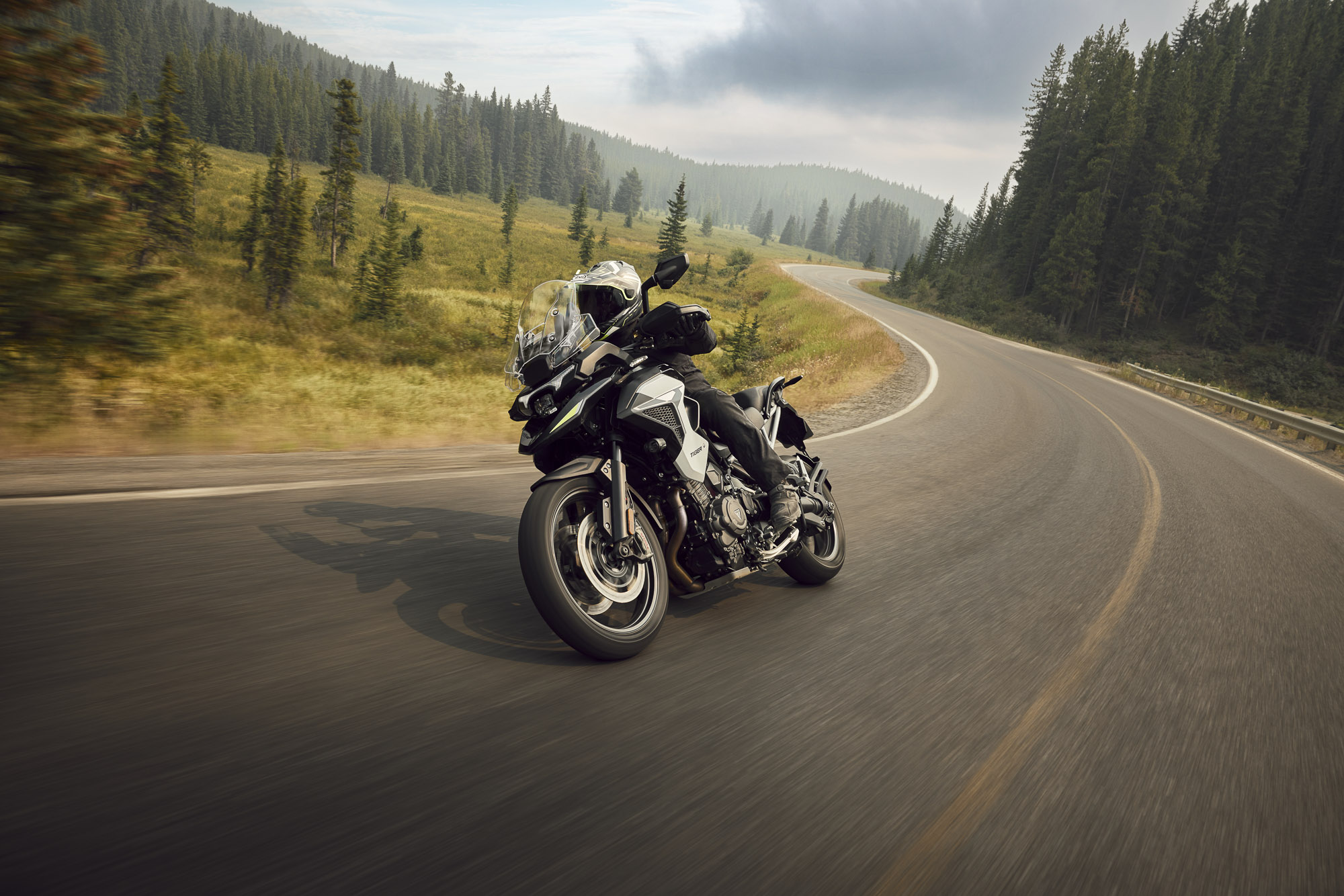
The 1160cc T-Plane triple now makes 158 PS (about 156 hp) at 9,250 rpm, up 8 PS, with 130 Nm of torque at 6,750 rpm. Triumph says changes to the cylinder head, pistons, valves, injection and exhaust improve breathing, while revised lower gear ratios and refinements to the gearbox and shaft drive aim to make it smoother and easier to control at low speeds.
That last point matters. The company claims a 6 km/h reduction in crawl speed, which should help when threading a big adventure bike through traffic or manoeuvring in tight spaces.
A lower Tiger when you need it
The new Showa EERA Heightflex semi-active suspension automatically lowers the seat by 30 mm as the bike comes to a stop, then returns to its normal ride height once you move off. Add the two-position seat adjustment and a low seat, and Triumph quotes a minimum stationary seat height of 790 mm.
MORE ARTICLES
For a machine weighing between 250 kg and 268 kg wet, depending on version, that could be a genuinely useful improvement. Getting a secure foot down on an uneven surface, particularly with a pillion or luggage aboard, can make a big difference to confidence. The system also includes Centre Stand Assist, which temporarily raises preload to make lifting the bike onto its stand easier.
“The easier footing and revamped dash could be the improvements owners appreciate every single day.”
Finally, a dash worth getting excited about?
One change I’m particularly pleased to see is the new 7-inch Bosch HD touchscreen, complete with wireless Apple CarPlay and Android Auto. The previous Tiger display was never one of my favourites: it could feel sluggish, and the menu layout wasn’t especially intuitive. A cleaner interface with proper phone integration is exactly the sort of upgrade this bike needed.
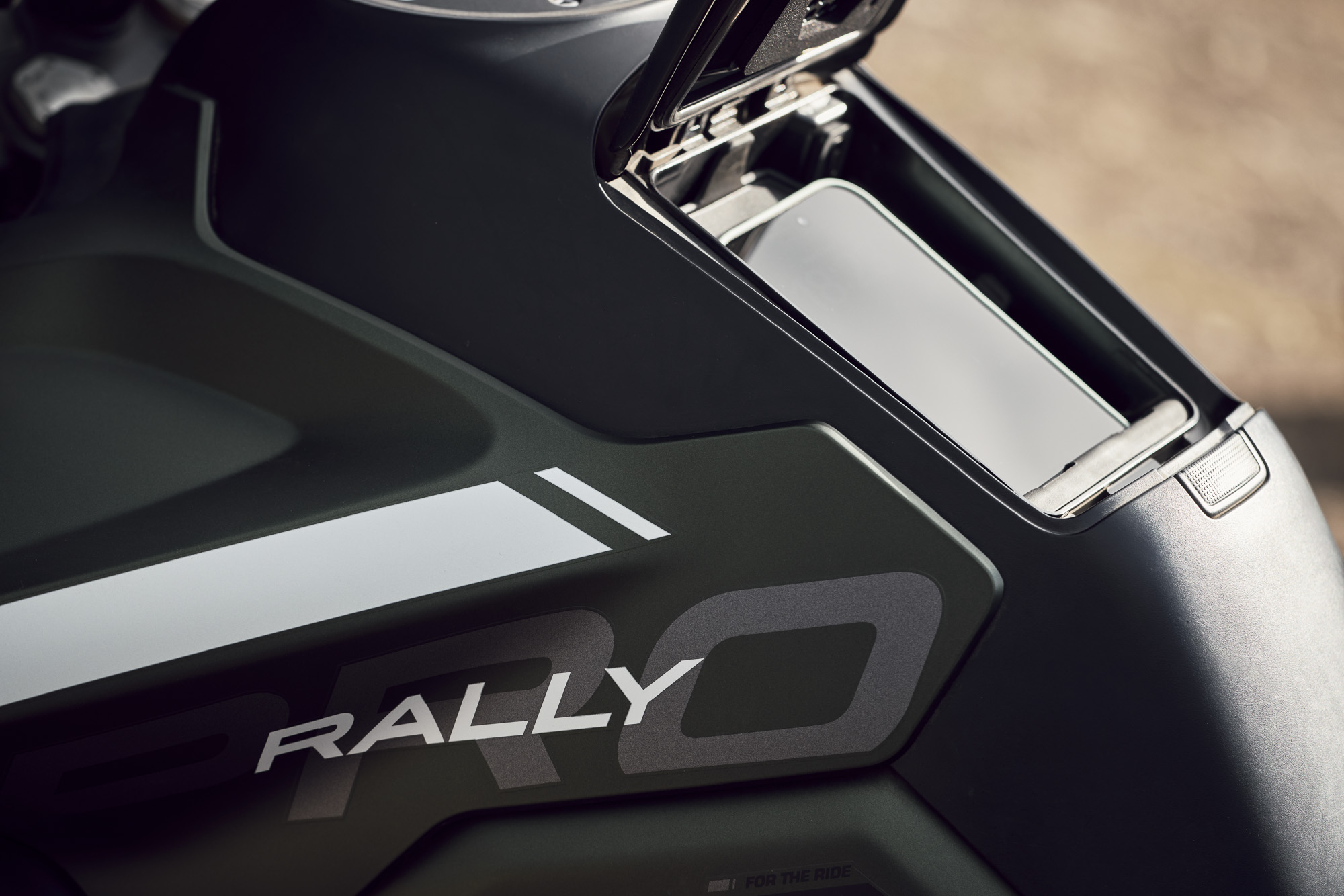
Triumph says the new display can be operated by touch below 2 km/h, through the switchgear while riding, or by voice control. There’s even a waterproof, ventilated phone compartment with USB-C charging in the tank. Whether the new screen is genuinely quicker and easier to use is something we’ll want to establish on a test ride, but on paper it’s a major step forward.
Radar joins the adventure
Front and rear Bosch radar bring adaptive cruise control, blind-spot warnings, forward collision warning and a raft of other assistance functions, including Group Ride Assist. Combined with cornering ABS and traction control, it’s a formidable electronics package. The trick, as ever, will be making all that technology useful without becoming intrusive.
A more road-biased Rally
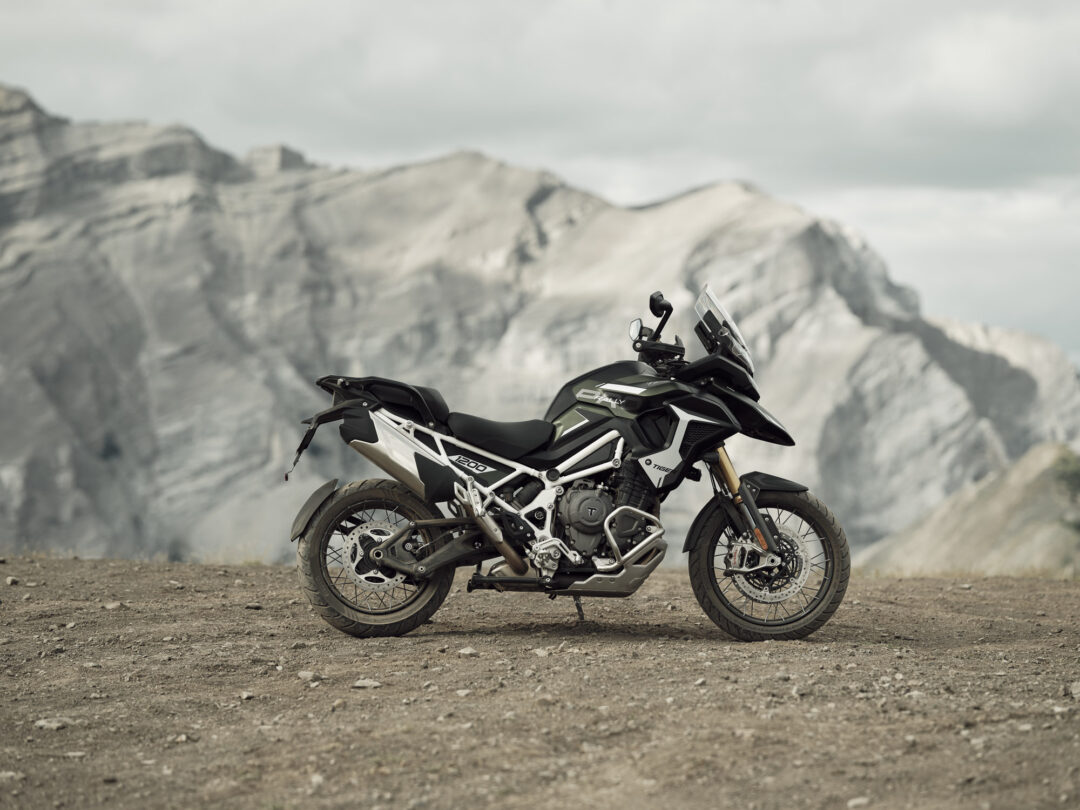
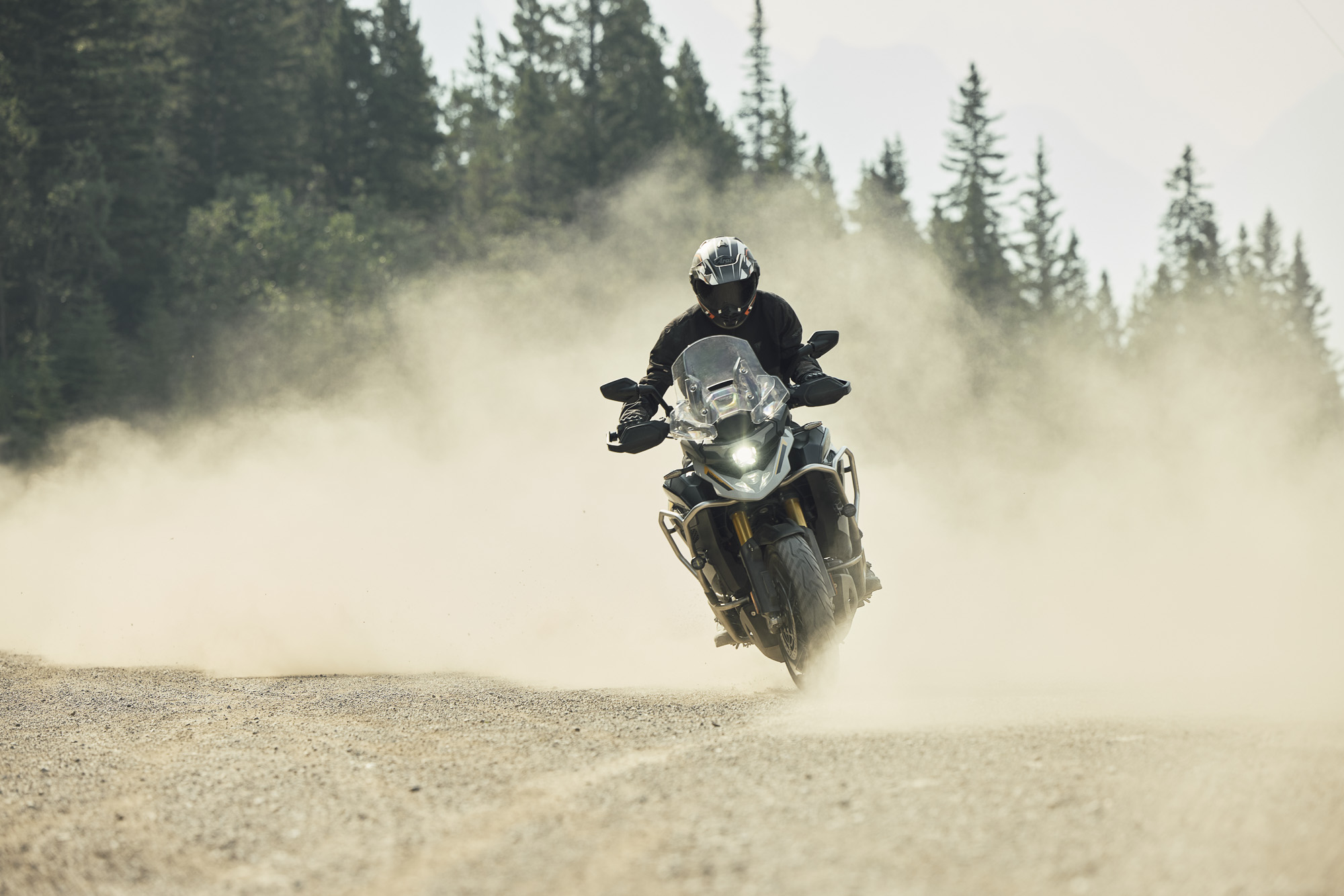
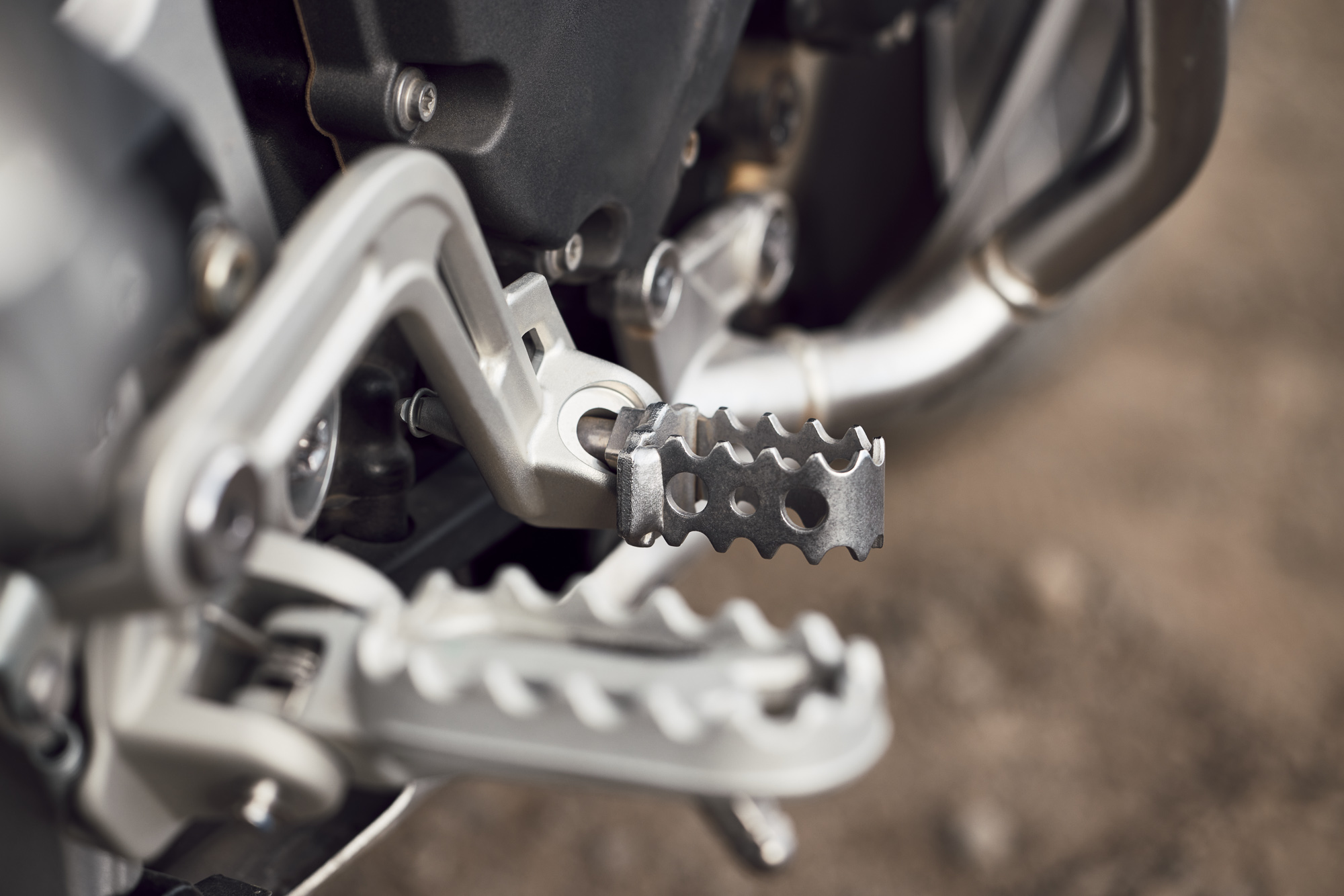
Perhaps the most interesting change is one that might divide adventure riders. All four Tiger 1200 versions now use a 19-inch front and 17-inch rear wheel combination with 200 mm of suspension travel. Previously the Rally models had a 21-inch front wheel and 220 mm of travel.
That suggests Triumph is placing greater emphasis on road handling and touring versatility, even with the Rally name still attached. Rally models retain side-laced spoked wheels and additional off-road equipment, but riders looking for a more dirt-focused big Tiger will certainly notice the change.
Four versions for NZ
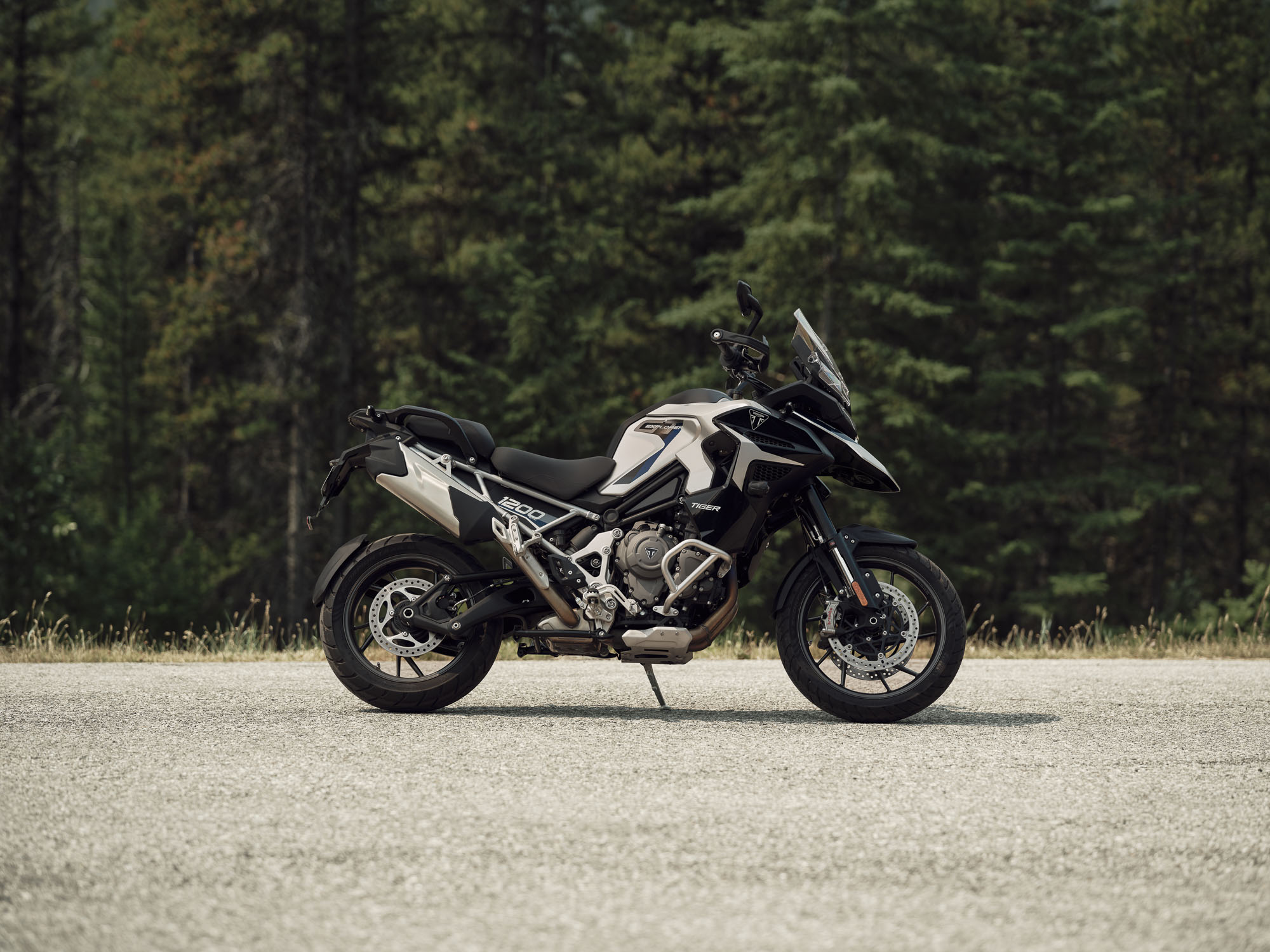
The range comprises GT Pro, Rally Pro, GT Explorer and Rally Explorer. Pro models have 20-litre tanks, while Explorers carry 30 litres. All receive heated grips and seats, shaft drive, Brembo Stylema front brakes and the new semi-active suspension. Triumph says New Zealand dealership arrivals begin in December 2026, with pre-orders open now.
There’s plenty here to like, especially for riders who use their adventure bikes for long-distance road trips rather than serious trail work. More performance is welcome, but the easier footing and revamped dash could be the improvements owners appreciate every single day. We’ll reserve judgement on how well they work until we get to ride one.
2027 Triumph Tiger 1200 gallery
Explore the GT and Rally range below. Click any image to enlarge.
Images supplied by Triumph.