

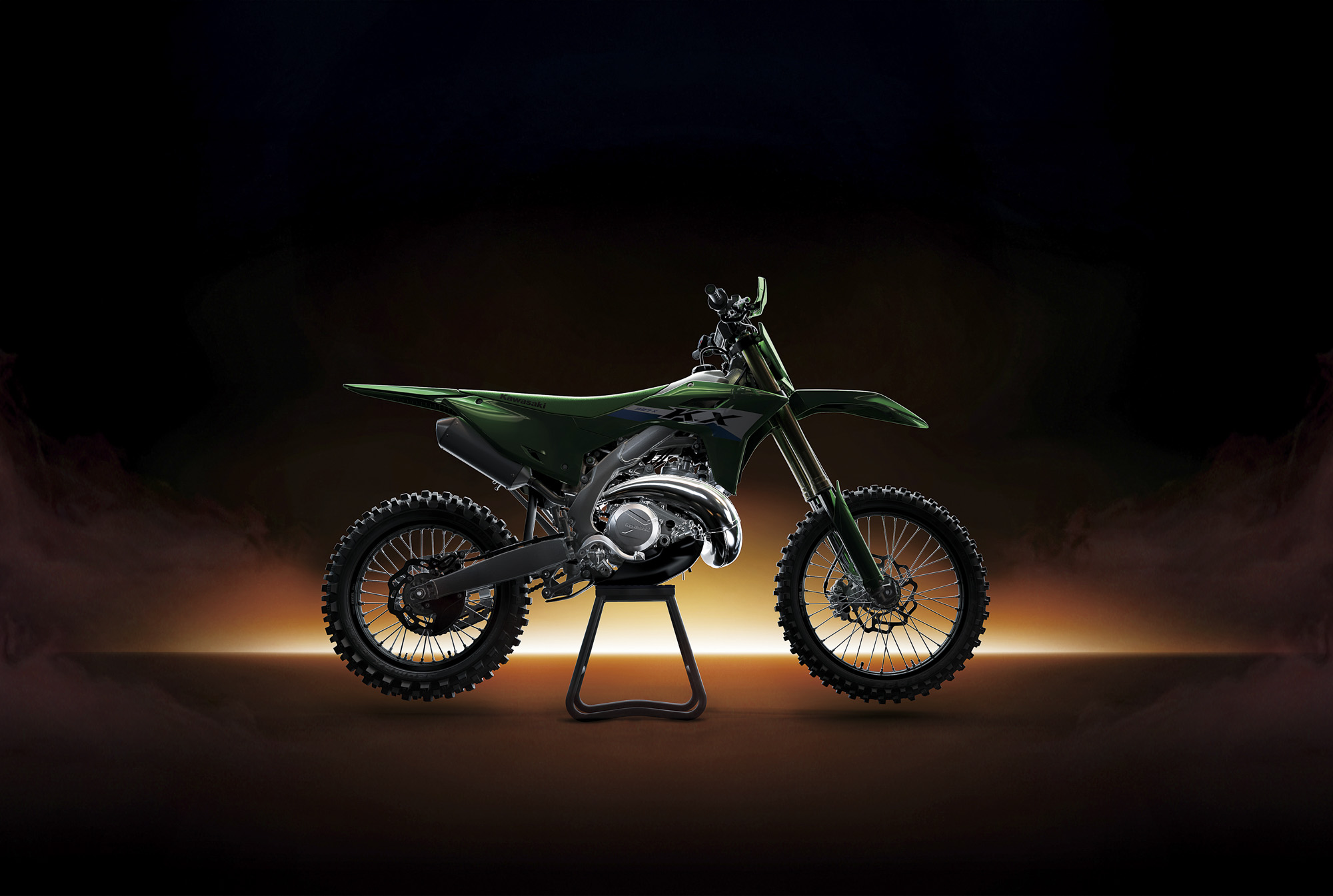
- Kawasaki has unveiled its first fuel-injected two-stroke engine
- The new KX327 and KX327X are powered by a 327cc single-cylinder two-stroke
- It marks Kawasaki’s first new full-size two-stroke motocross platform in more than two decades
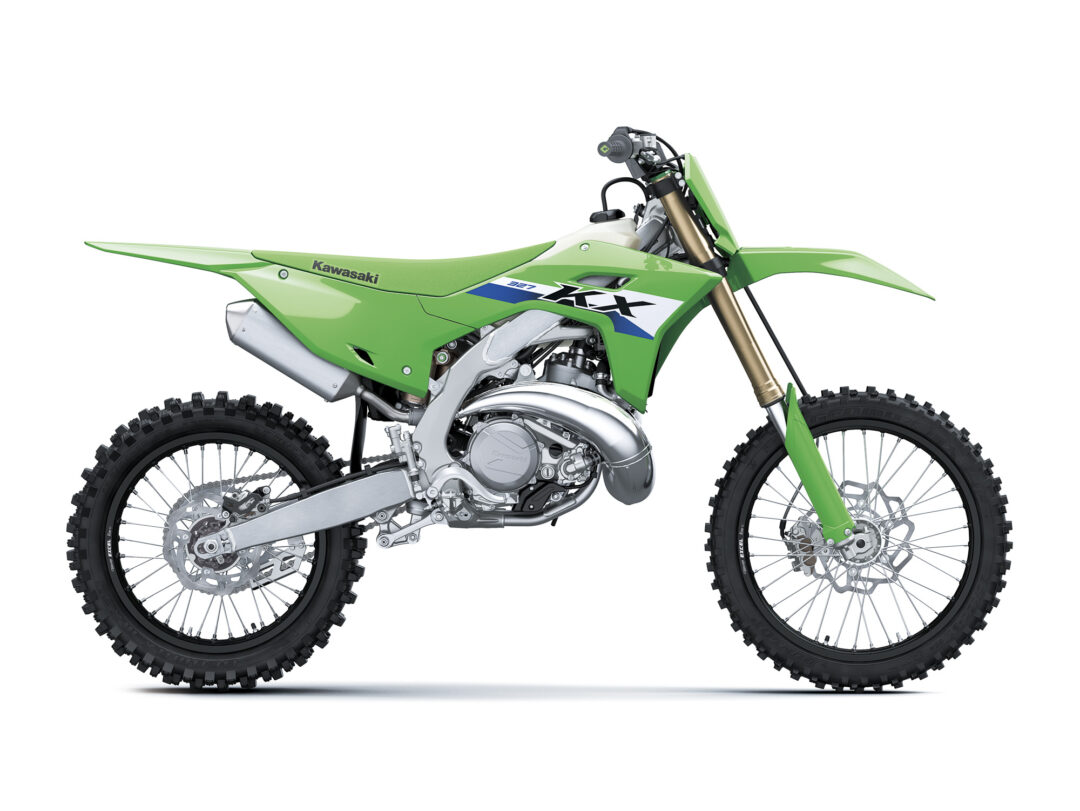
More than 20 years after abandoning full-size two-stroke motocross bikes, Kawasaki has made a dramatic return to the segment with the all-new KX327 and KX327X, featuring the company’s first-ever fuel-injected two-stroke engine.
Quick Facts
Engine: 327cc fuel-injected liquid-cooled two-stroke single
Start: Electric start
Transmission: 5-speed (KX327) / 6-speed (KX327X)
Clutch: Hydraulic
Frame: Aluminium perimeter frame
Suspension: KYB 48mm fork and Uni-Trak rear shock
Electronics: Power modes, smartphone connectivity
Special Features: Exhaust valve system, tool-less air filter access, adjustable ergonomics
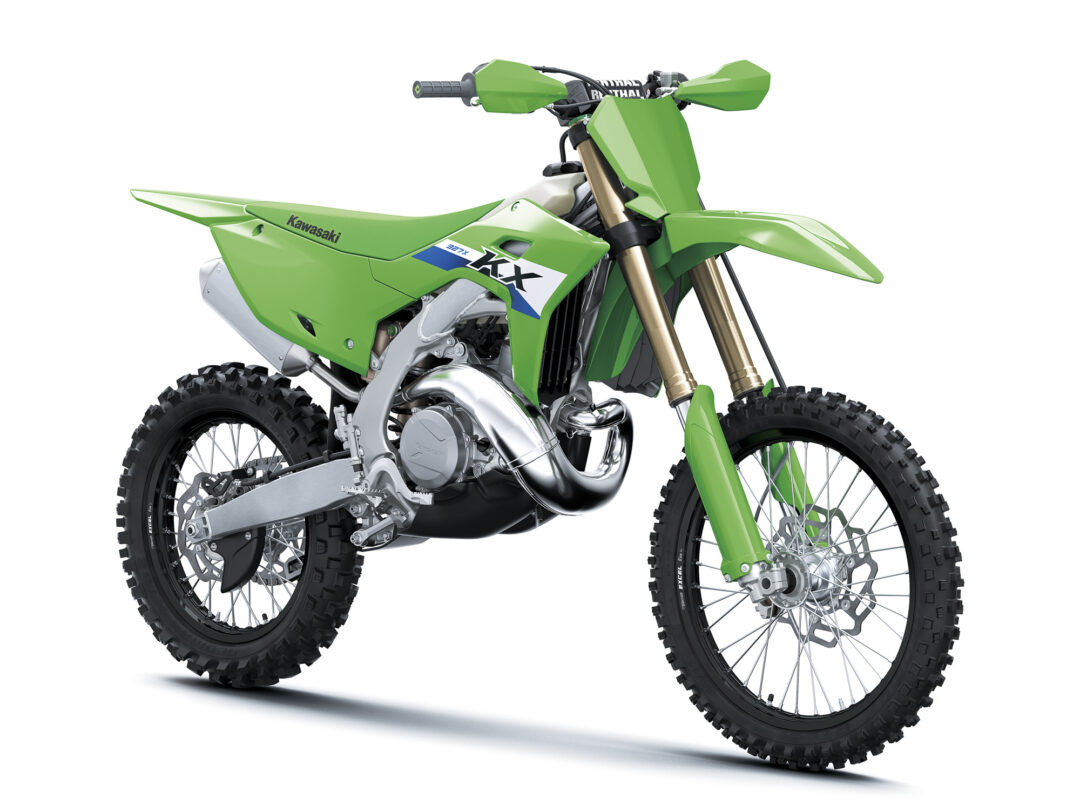
The rumours, teasers and speculation can finally be put to rest.
Kawasaki has officially unveiled the all-new KX327 and KX327X, signalling a return to the big-bore two-stroke market and ushering in a new era for the brand’s off-road range. The new models feature Kawasaki’s first-ever fuel-injected two-stroke engine and represent the company’s first newly developed full-size two-stroke motocross platform in more than 20 years.
At the heart of both models is an all-new 327cc liquid-cooled single-cylinder two-stroke engine featuring electronic fuel injection, electric start, a hydraulic clutch and selectable power modes.
Kawasaki says the engine has been designed to deliver the best characteristics of a traditional two-stroke while eliminating some of the drawbacks riders have historically accepted as part of the package.
MORE ARTICLES
The company claims the new engine offers strong traction at ultra-low rpm, a linear power delivery and crisp throttle response, while fuel injection ensures consistent performance regardless of altitude, temperature or weather conditions.
Kawasaki Joins The Fuel-Injected Two-Stroke Club
While fuel injection is a first for Kawasaki, the technology is no longer entirely new in the off-road world.
KTM was the first major manufacturer to embrace electronically controlled fuel-injected two-strokes with its TPI (Transfer Port Injection) models before moving to throttle-body injection. Sister brands Husqvarna and GasGas followed the same path, while Beta has also entered the fuel-injected two-stroke arena in recent years.
What makes Kawasaki’s move significant is that it becomes the latest Japanese manufacturer to commit to keeping two-strokes alive in a market increasingly dominated by four-strokes.
Unlike many of its European rivals, Kawasaki has spent more than two decades absent from the full-size two-stroke market, making the KX327’s arrival one of the biggest off-road stories of the year.
Designed For Real-World Off-Road Riding
Interestingly, Kawasaki hasn’t chased outright peak horsepower figures.
Instead, the company appears to have focused on creating a broad, manageable powerband that appeals to both motocross and cross-country riders.
A specially developed exhaust valve system continuously adjusts exhaust timing to smooth out the traditional “hit” associated with many large-capacity two-strokes, creating more controllable torque throughout the rev range.
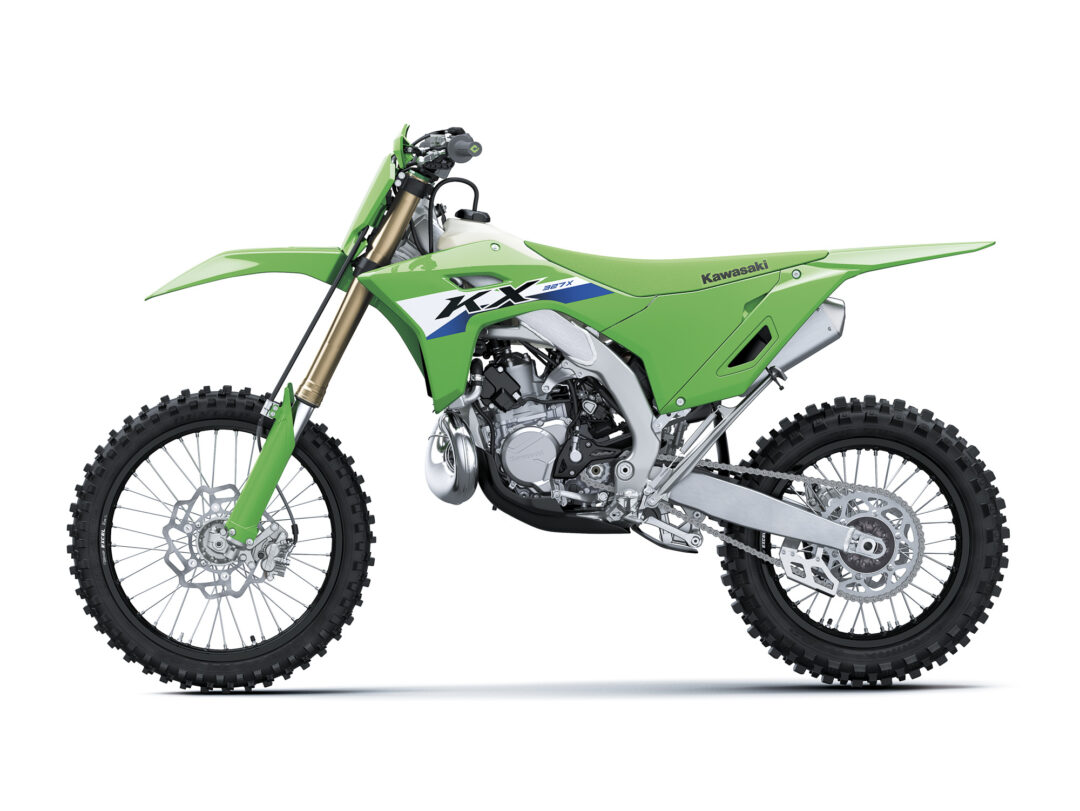
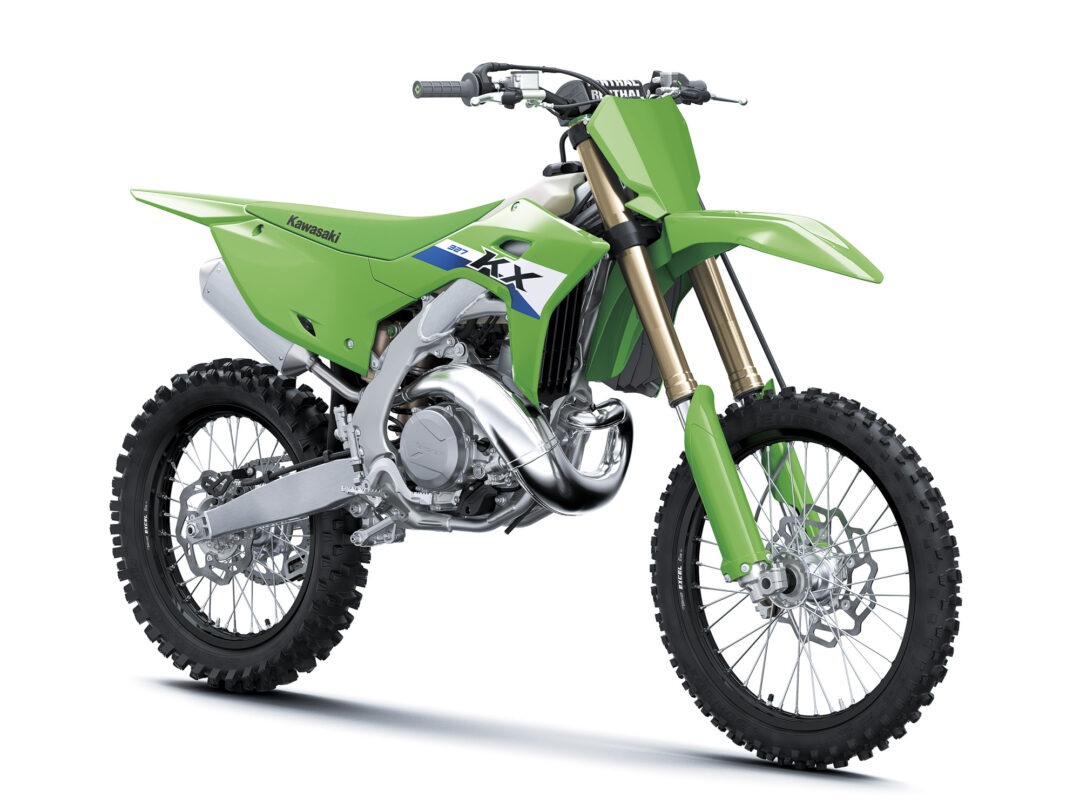
The engine sits inside a lightweight aluminium perimeter frame derived from Kawasaki’s proven KX450 platform, paired with KYB suspension front and rear.
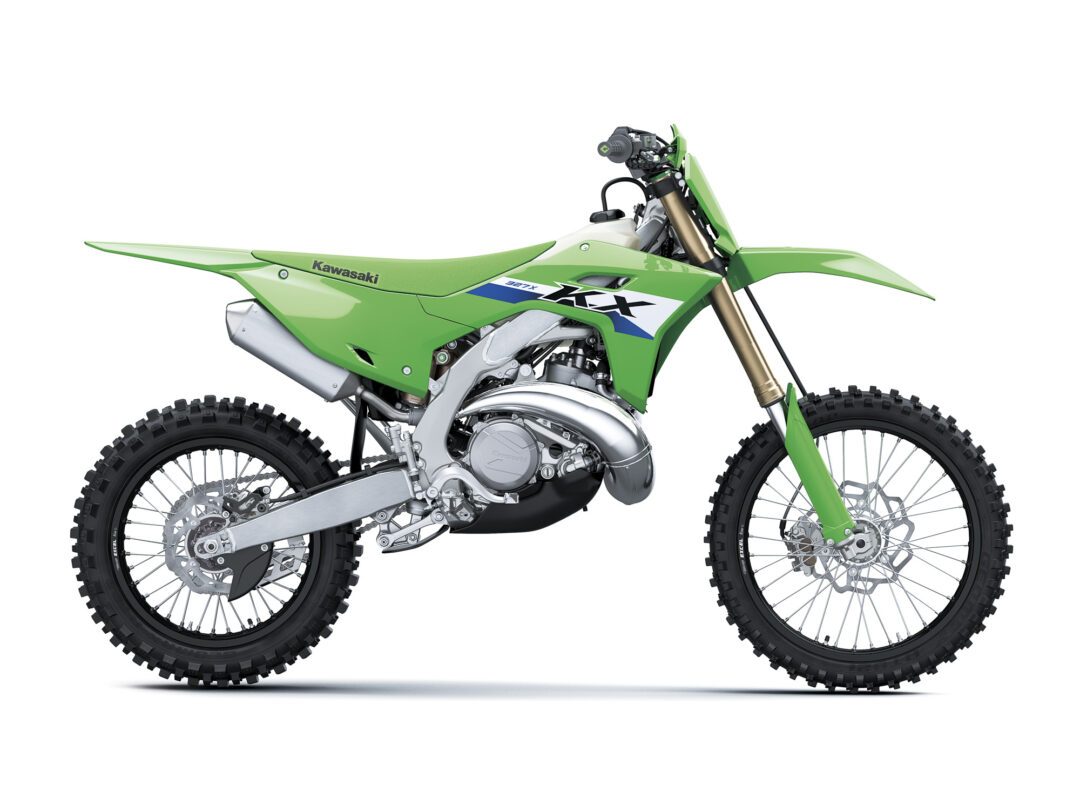
The motocross-focused KX327 receives a close-ratio five-speed gearbox, while the off-road-oriented KX327X gets a six-speed transmission with an ultra-low first gear designed for technical terrain.
KX327X Built For Enduro And Cross-Country
For riders who spend more time in the bush than on a motocross track, the KX327X adds a range of practical upgrades.
Those include:
- Larger fuel tank
- Hand guards
- Skid plate
- Side stand
- Rear brake disc guard
- 18-inch rear wheel
- Cross-country-specific gearing
Kawasaki says the X model has been specifically developed for enduro and cross-country competition, where the lighter weight and low-rpm traction characteristics of a two-stroke can offer significant advantages over a comparable four-stroke.
Modern Tech Meets Old-School Fun
Despite its old-school engine layout, the KX327 arrives with a surprisingly modern feature list.
Riders get:
- Electric start
- Handlebar-mounted power mode selection
- Smartphone connectivity
- Hydraulic clutch
- Tool-free air filter access
- Adjustable ergonomics
- KYB suspension
It’s a level of sophistication that would have been unimaginable on the screaming KX250 two-strokes that Kawasaki riders grew up racing in the 1990s and early 2000s.
A Sign Of Things To Come?
The arrival of the KX327 is likely to reignite debate about the future of two-stroke motorcycles.
For years, many believed emissions regulations would eventually kill the segment altogether. Instead, advances in fuel injection technology have helped manufacturers create cleaner, more efficient two-strokes while preserving the lightweight feel and responsive performance that made them popular in the first place.
Whether Kawasaki’s return sparks a broader resurgence among Japanese manufacturers remains to be seen.
But one thing is certain: the two-stroke is far from dead.
And Kawasaki is officially back in the game.