

- To replace the 390 single with a parallel-twin range
- Expected to offer around 50bhp
- Likely to be unveiled by 2027
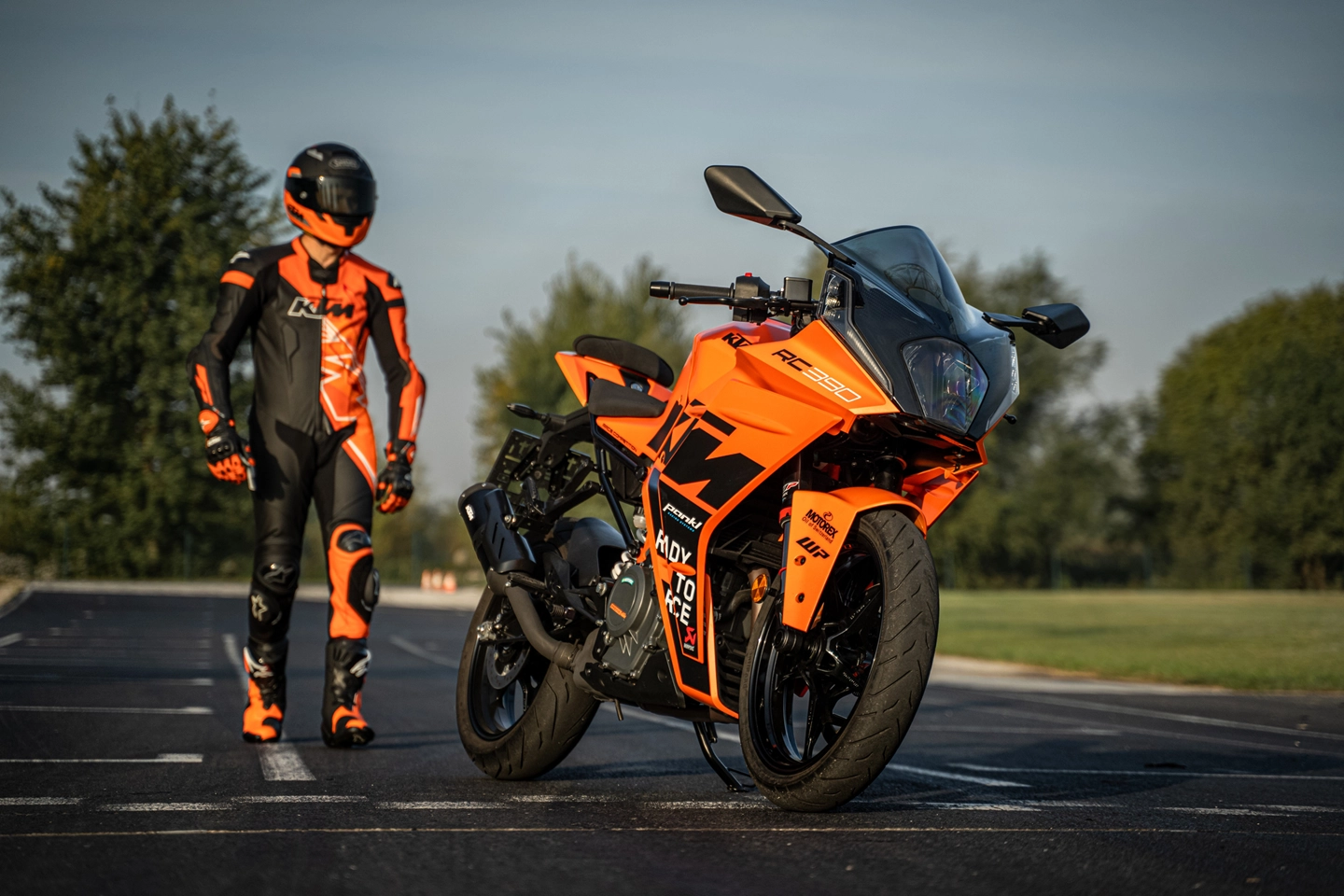
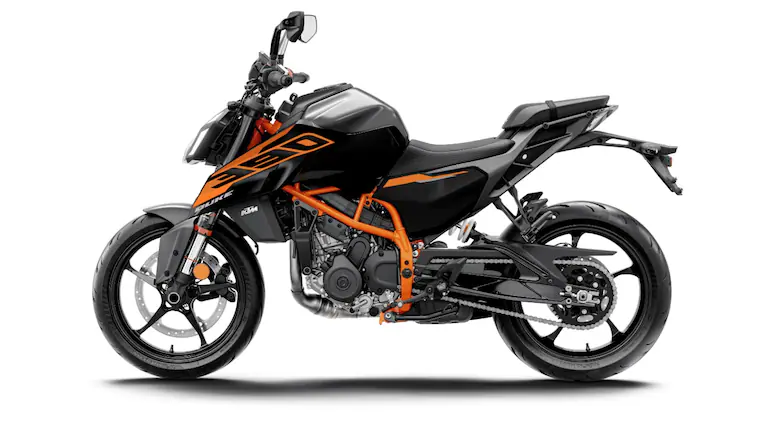
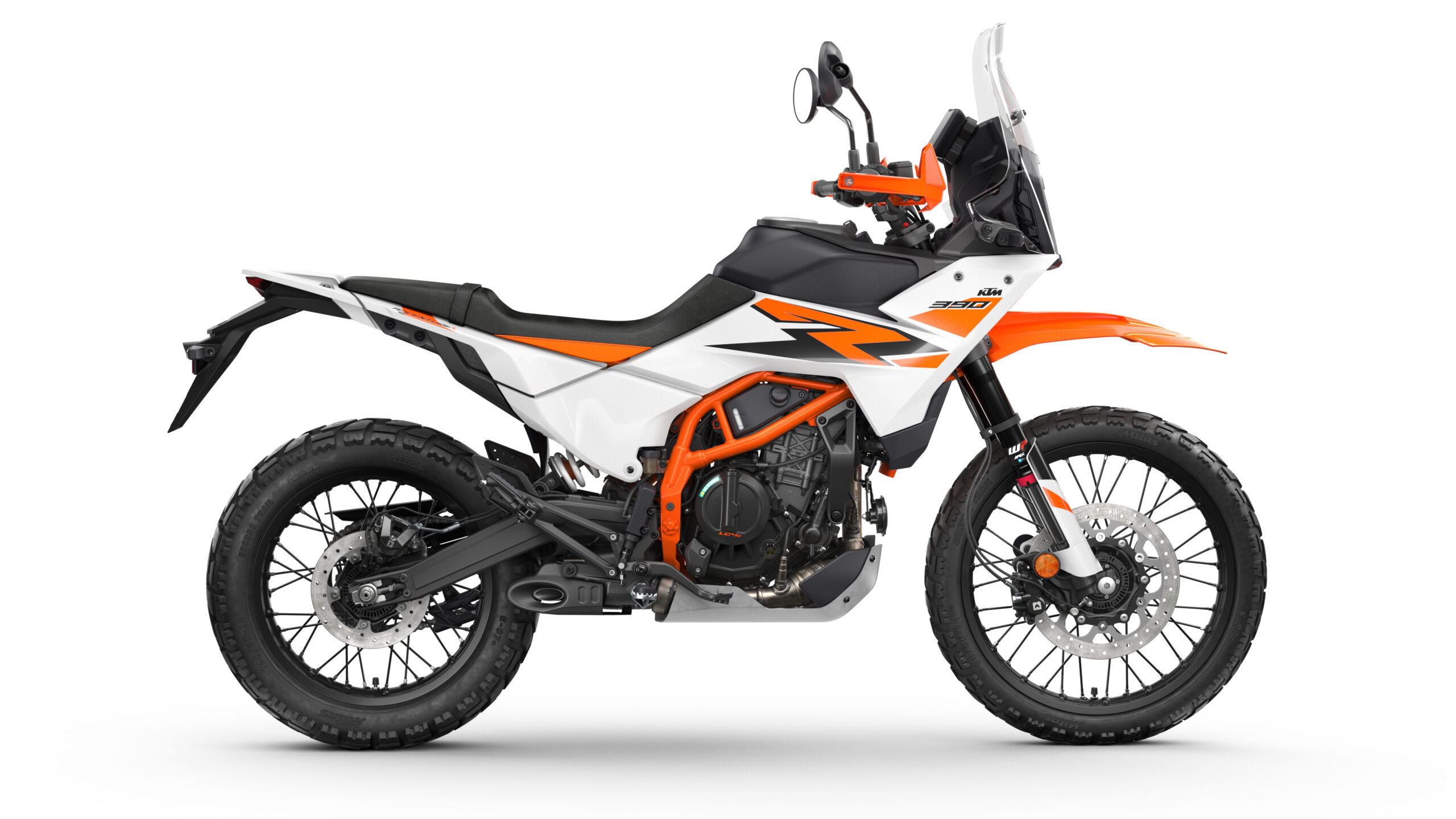
KTM appears to be preparing to phase out one of its most established engines, with the long-running 390 single-cylinder platform nearing the end of its lifecycle. For over a decade, the 390 motor has formed the foundation of KTM’s lightweight A2 portfolio, powering high-volume models such as the Duke, RC 390, 390 Adventure, Enduro R and 390 SMC R across global markets.
The engine first arrived in 2013 as a 373cc single-cylinder unit. Over time, it evolved into the 399cc LC4c version introduced for 2024, now used in the latest-generation 390 Duke and Adventure. However, with emissions standards tightening and limited headroom for further development, reports emerging from India indicate KTM is working on a successor. As with previous small-capacity projects, long-term partner Bajaj Auto is expected to play a central role in its development.
The likely replacement is a parallel-twin engine positioned in the sub-500cc category. While official specifications have not been confirmed, performance is expected to target European A2 licence limits. That would mean output in the region of 45bhp, similar to the current LC4c motor, which already sits just below the 47bhp maximum permitted under A2 regulations.
Moving to a twin-cylinder layout would bring KTM in line with a broader industry trend. In the current A2 segment, parallel twins are increasingly common, offering smoother power delivery and greater refinement. Competitors in this space include the Honda CB500 Hornet, Honda CBR500R and Honda NX500 from Honda, as well as the BMW F 450 GS from BMW Motorrad. Kawasaki previously competed in this bracket with the Kawasaki KLE500.
In terms of timing, the transition is unlikely to happen immediately. Concept versions could make an appearance around the 2027 edition of EICMA, though production-ready motorcycles are more realistically expected in 2028. If confirmed, the move would mark a significant shift for KTM’s entry-level performance range, signalling a broader strategic adjustment to meet future regulatory and market demands.