

- New IMU adds lean-sensitive ABS and traction control for 2026.
- Showa suspension, lighter swingarm and radial brakes sharpen handling.
- Classic 900cc twin remains smooth and torquey.
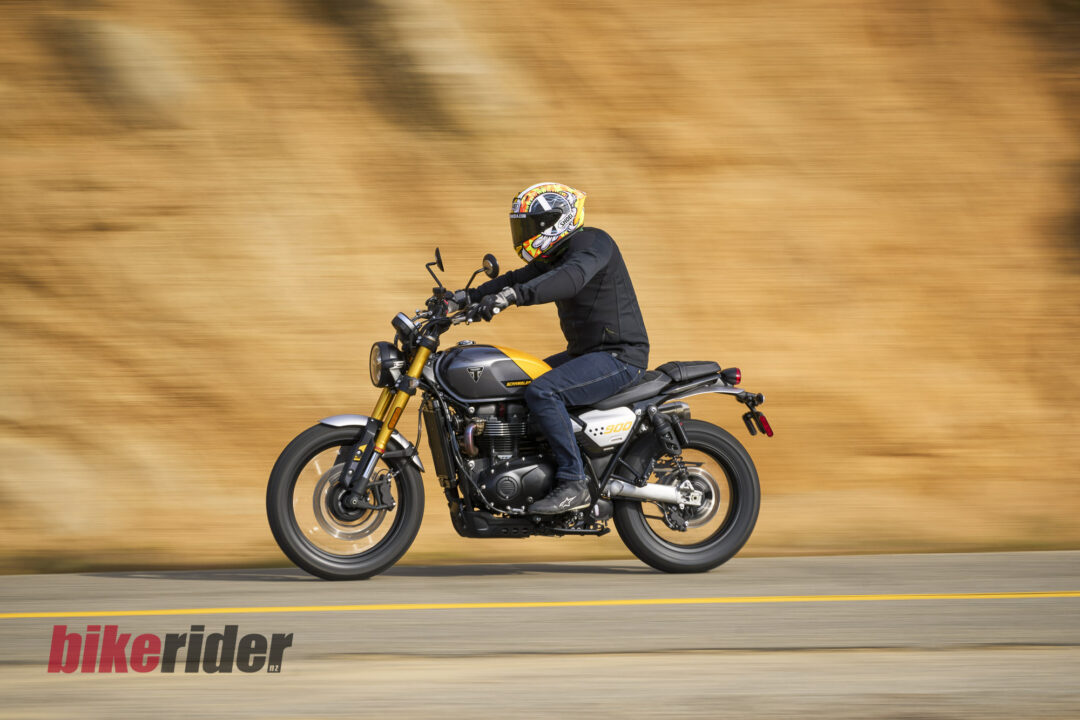
Triumph’s Scrambler 900 gets serious upgrades for 2026, adding lean-sensitive electronics and sharper chassis hardware — without losing its classic desert attitude.
Desert Spirit, Modern Edge
Triumph’s Scrambler 900 has always leaned heavily on its heritage. For 2026, it keeps the look — but adds a meaningful dose of modern technology underneath.
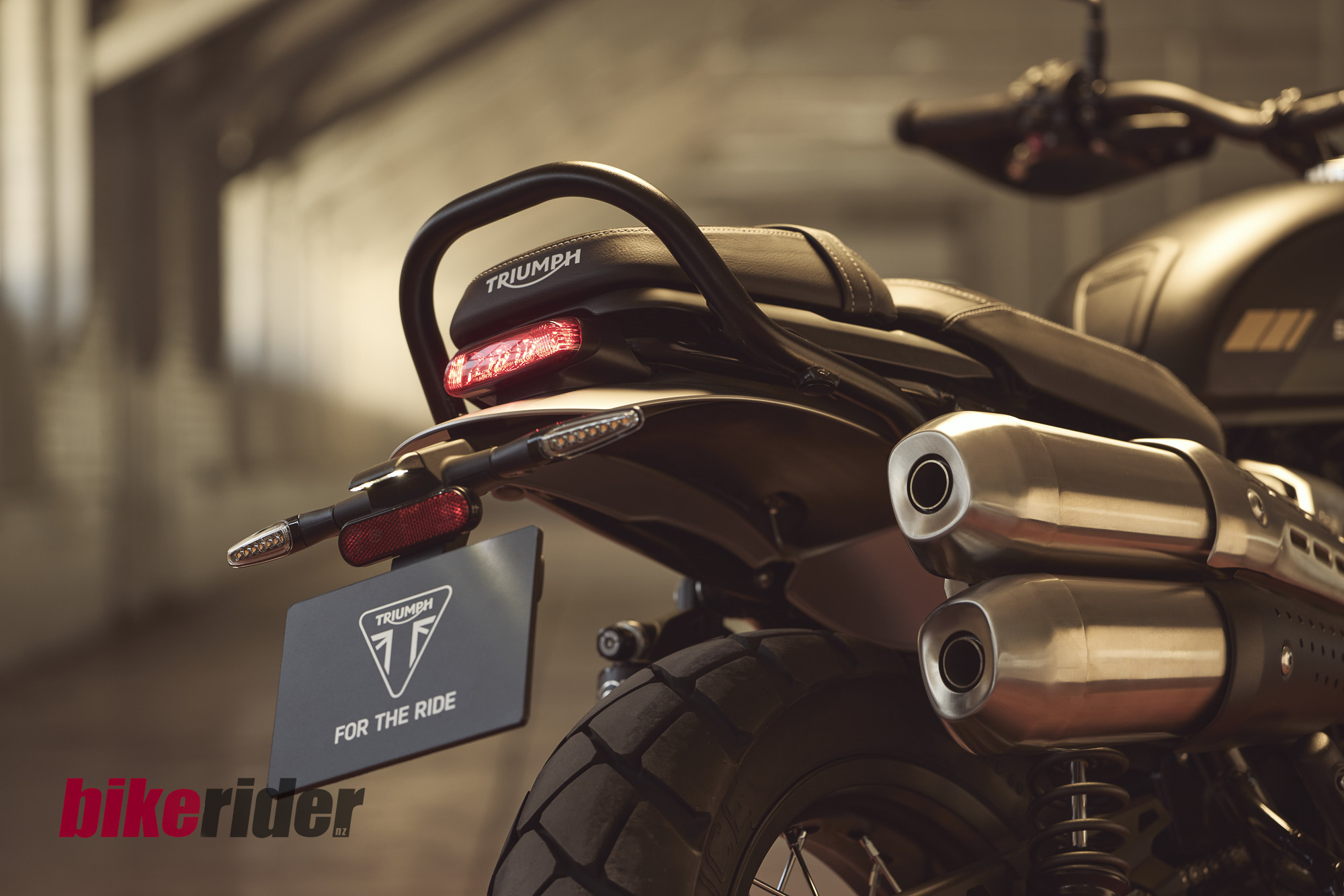
The updates are significant. A new IMU introduces lean-sensitive ABS and traction control. Showa suspension replaces the previous KYB units. A lighter aluminium swingarm and new wheels reduce unsprung weight. Up front, a radial four-piston caliper and larger disc replace the old axial setup. There’s a new dash with integrated TFT, Bluetooth connectivity, full LED lighting, USB-C charging and optional cruise control.
On paper, this is no mild refresh. It’s a substantial upgrade.
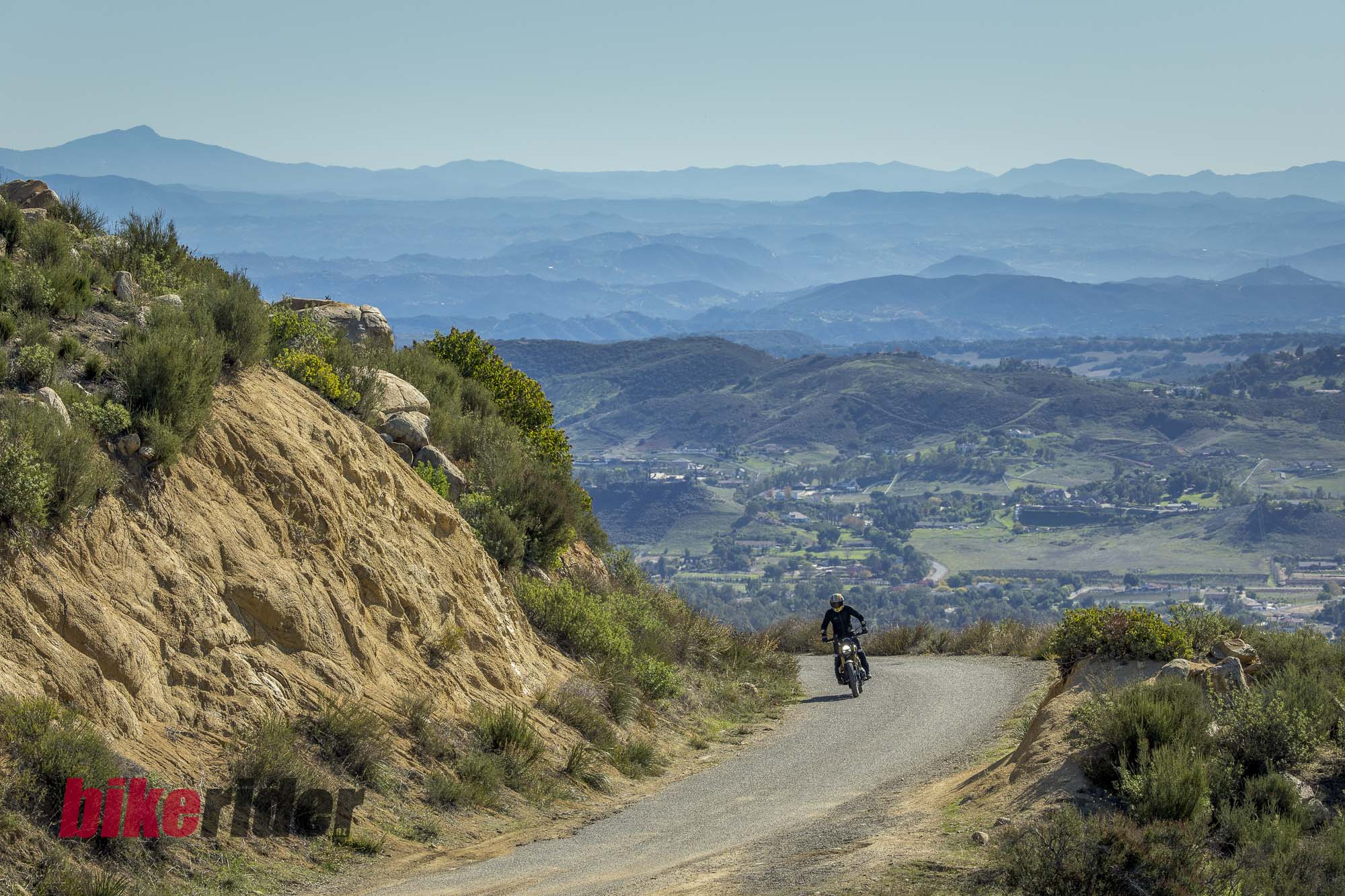
To test it, Triumph flew us to Oceanside, California — and at first I questioned the extravagance. Then I realised we’d be riding near Lake Elsinore, home of the Elsinore Grand Prix and immortalised in Bruce Brown’s 1971 documentary On Any Sunday. Suddenly, the location made perfect sense.
A Hollywood Backdrop
MORE ARTICLES
Steve McQueen didn’t ride a Triumph in On Any Sunday, but he remains synonymous with the marque — and with the desert racing ethos that birthed the scrambler concept.
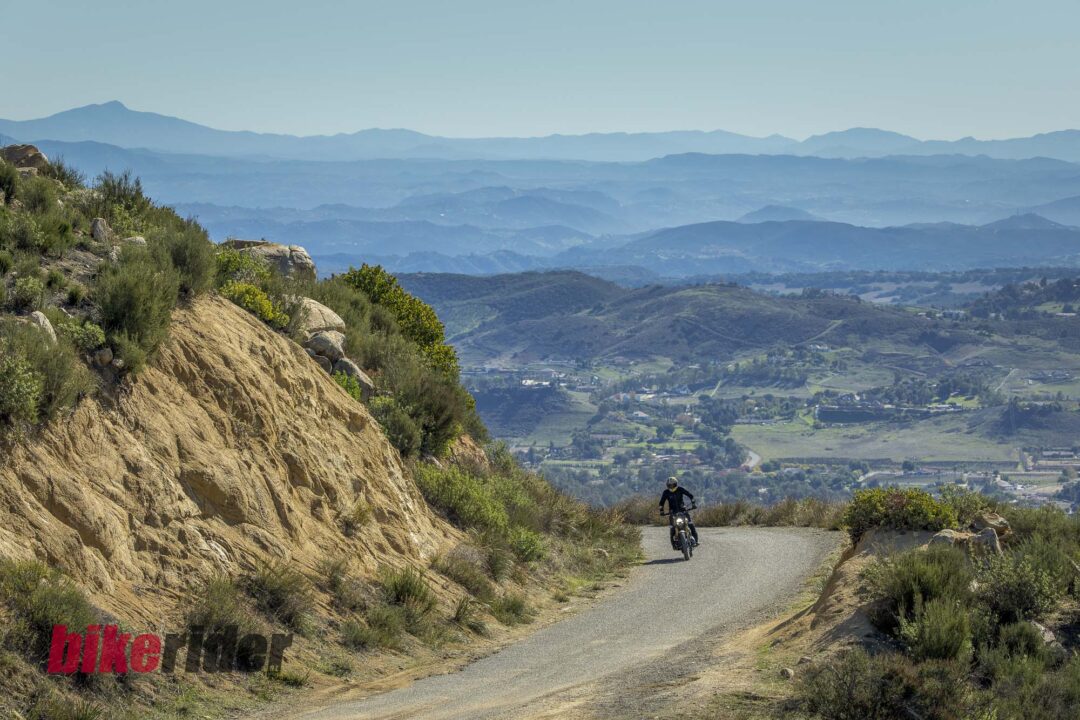
In the 1960s and ’70s, desert racers were stripped-back road bikes with longer suspension and high mudguards, thrashed across Southern California’s sand and scrub. That raw spirit helped inspire modern scramblers, and the Scrambler 900 is arguably the most direct throwback to that golden era.
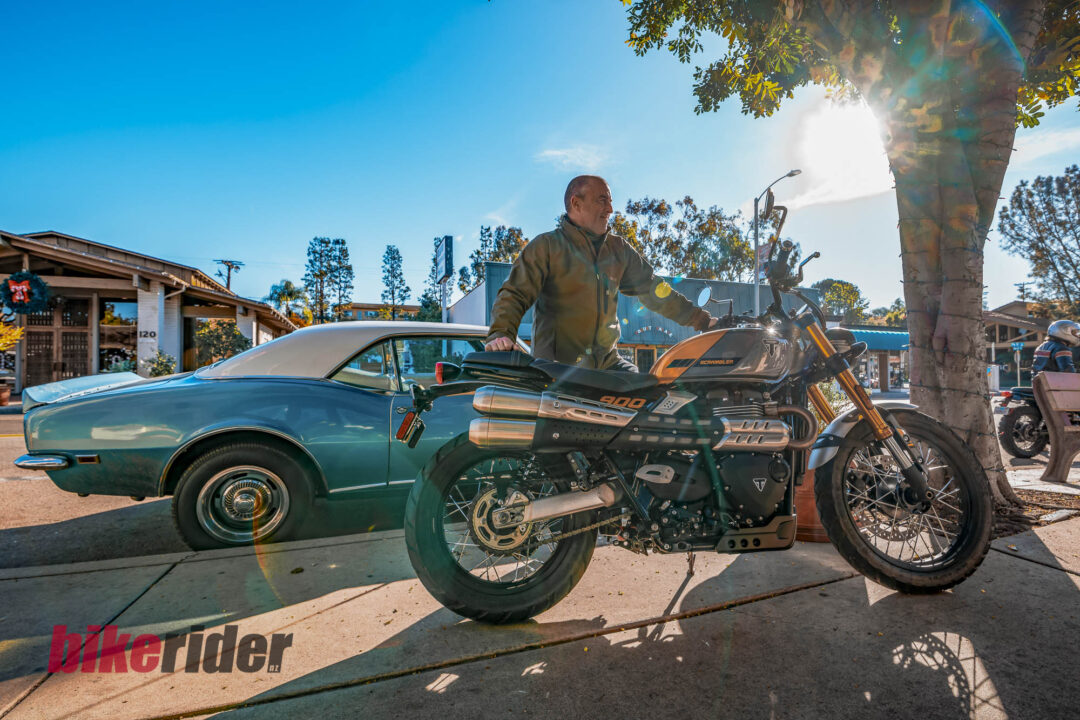
Riding near Elsinore on one feels special.
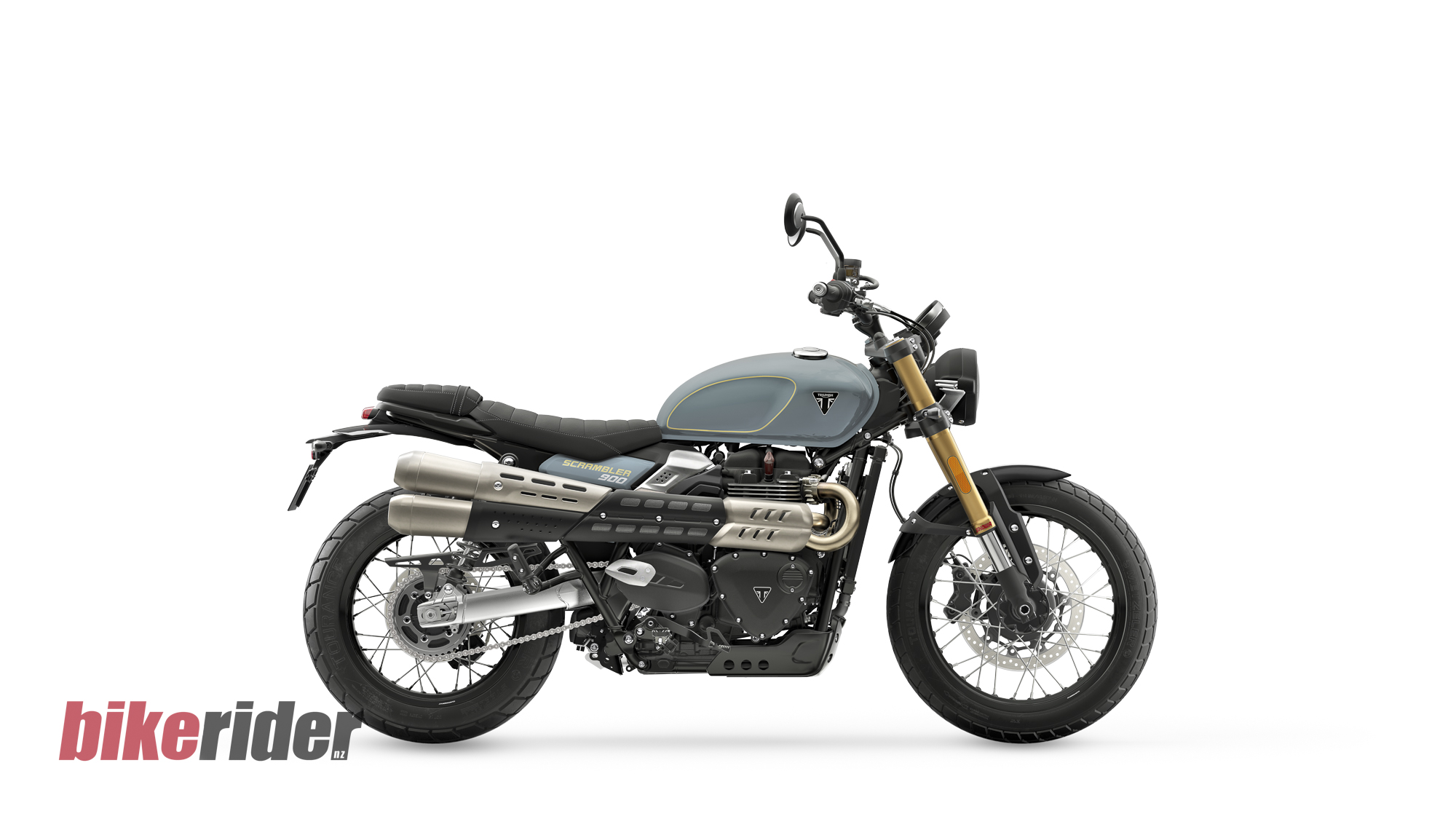
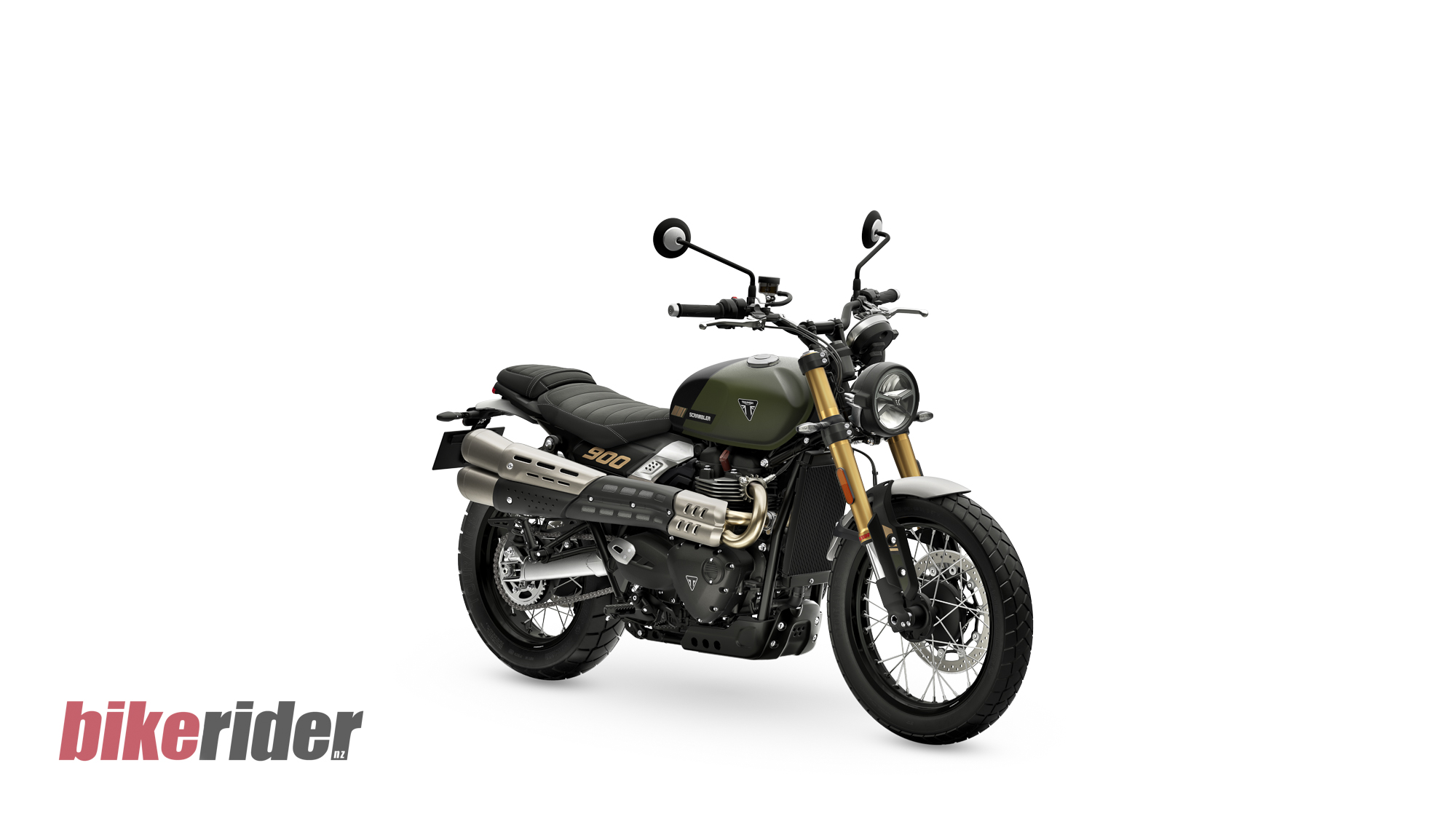
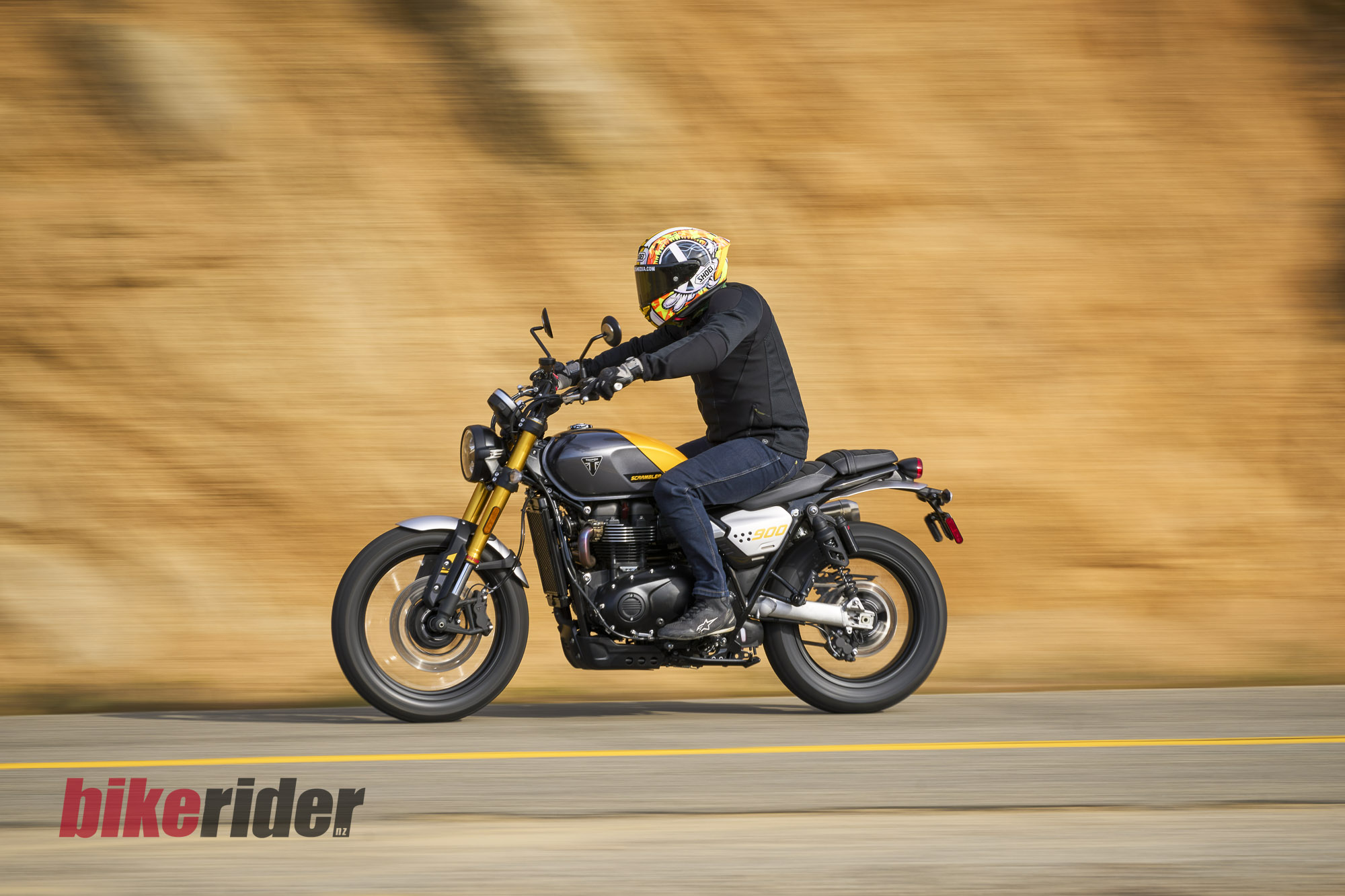
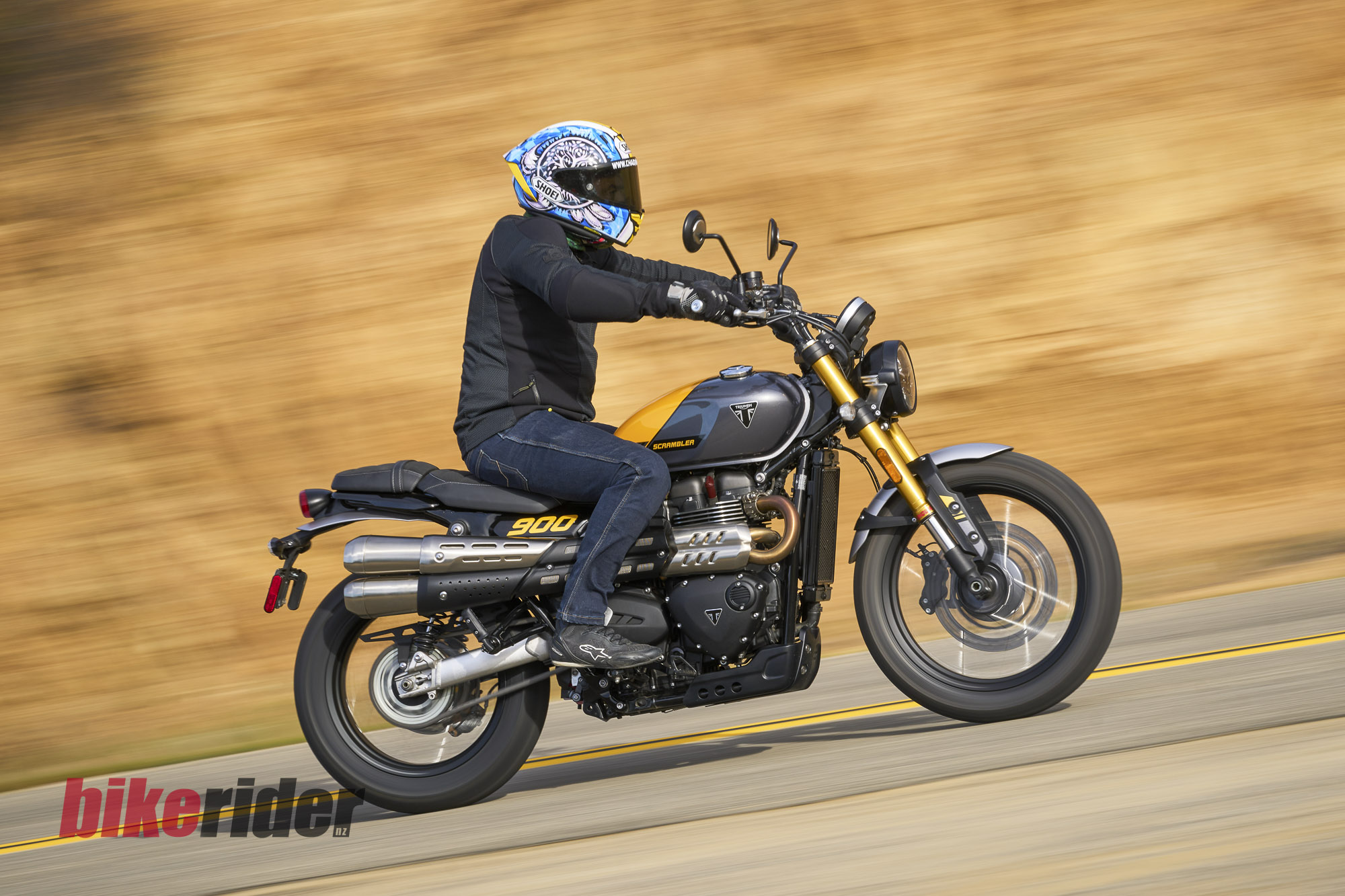
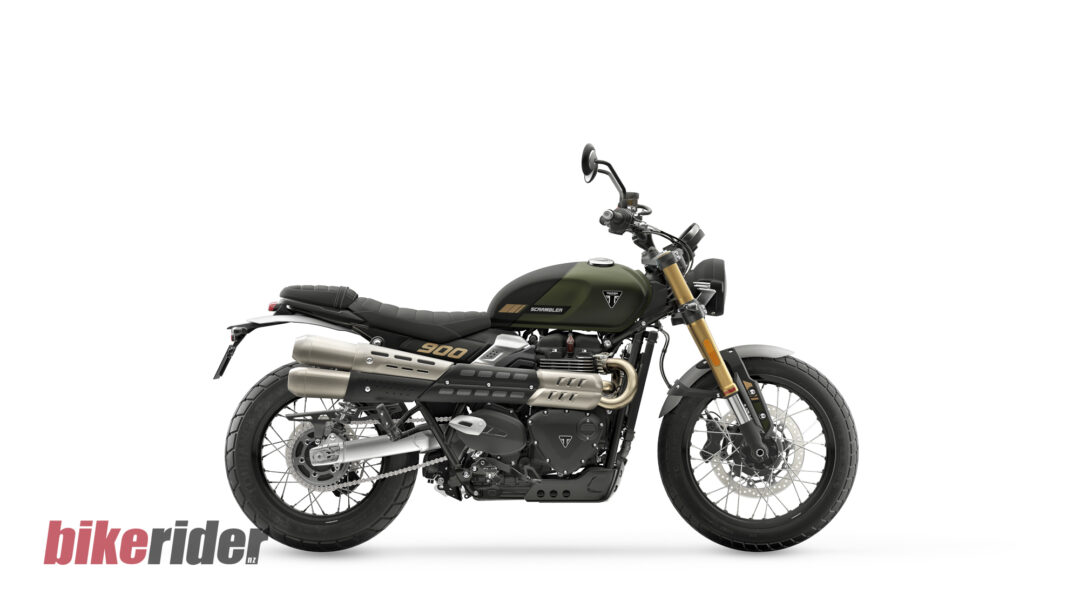
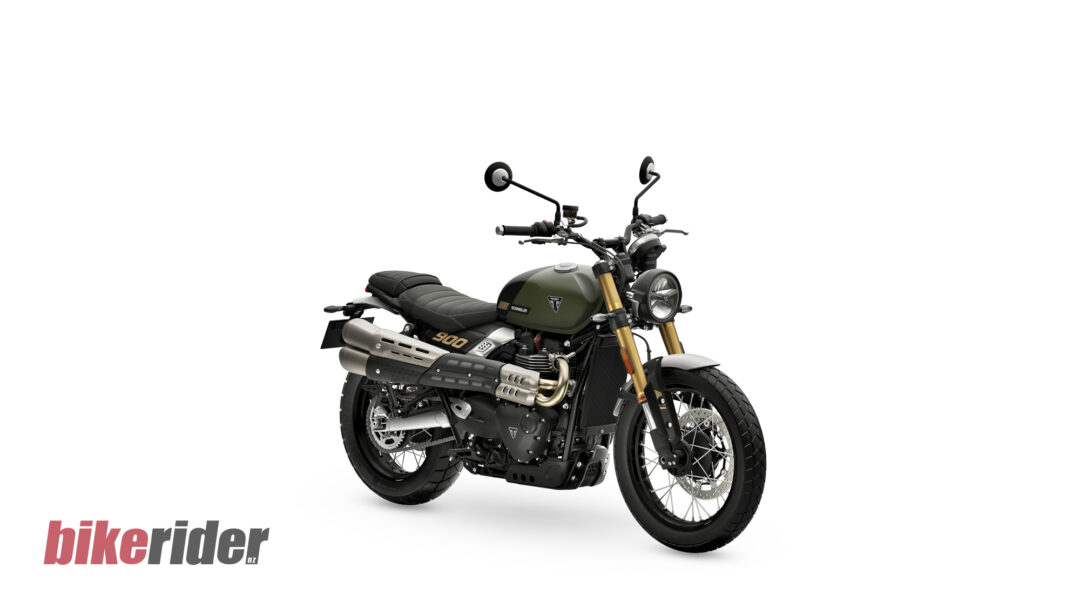
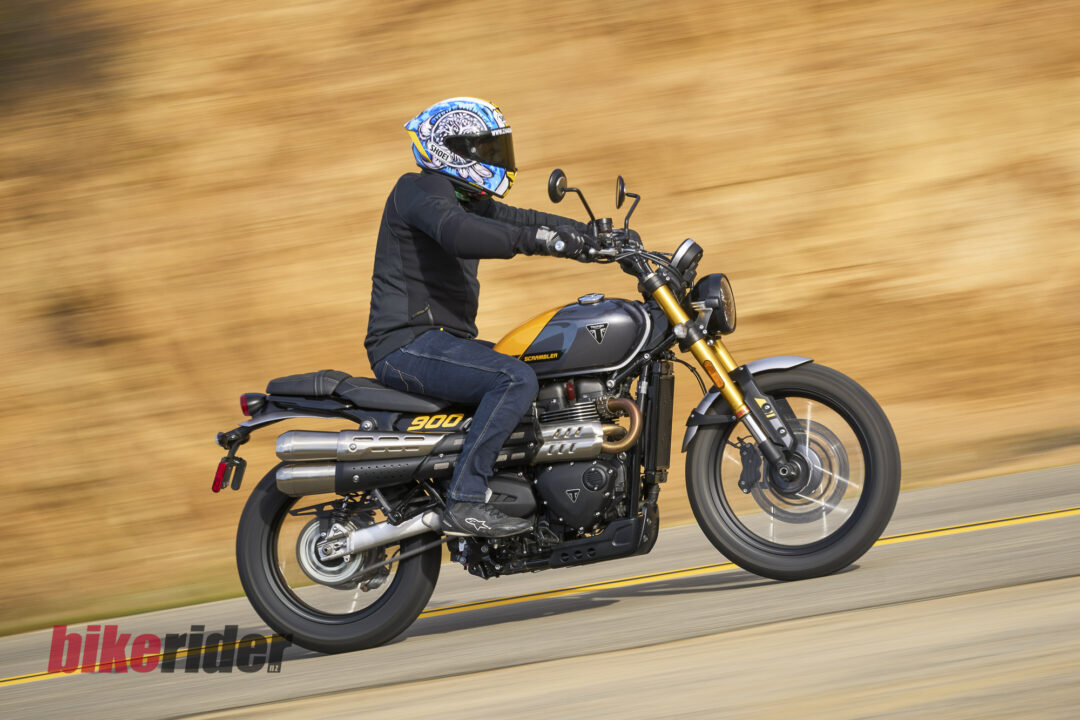
And in the Californian sunrise, the 2026 Scrambler looks sensational — though it would look equally at home in Milan, Munich or Manchester. Triumph continues to excel at blending modern engineering with genuinely convincing retro design.
Despite the addition of an IMU and extra rider aids, the electronics are discreetly integrated. From a distance, you could mistake this fuel-injected twin for something from decades ago.
Climb aboard, however, and the new circular LCD dash with integrated TFT display gives the game away — along with the neatly positioned USB-C port.
Smarter, But Still Simple
There are three riding modes — Road, Rain and Off-Road — selected via clean, intuitive switchgear.
Road and Rain adjust throttle response, while Off-Road disables rear ABS (front ABS remains active, though no longer lean-sensitive). Traction control can be fully switched off, and rear ABS disabled independently.
It’s an interesting blend of heritage styling and contemporary safety. One wonders what McQueen would have made of lean-sensitive electronics.
The 900 Twin: Smooth and Effortless
The 900cc SOHC parallel twin remains largely unchanged internally. It runs a 270-degree crank and meets Euro 5+ through revised fuelling and exhaust updates. Power remains at 64bhp at 7,250rpm, with 80Nm of torque delivered at a lazy 3,250rpm.
And it’s sublime.
Silky smooth, tractable and beautifully manageable, it delivers classic big-twin torque from idle. Around town, it’s effortless. Short-shift and it’ll pull cleanly from low rpm in higher gears with scooter-like ease.
Open the throttle on an open road and the exhaust note hardens into something genuinely characterful.
Despite its near-litre capacity, the Scrambler 900 is unintimidating. New riders will appreciate its forgiving nature, while experienced riders will enjoy exploiting that broad torque curve.
The five-speed gearbox does slightly limit relaxed high-speed touring, but if sustained 80mph cruising is your thing, Triumph’s Scrambler 1200 is the better fit.
Handling: Easier Than It Looks
With a 19-inch front wheel, 120mm of suspension travel and a 221kg wet weight, you might expect the Scrambler to feel tall and hefty.
It doesn’t.
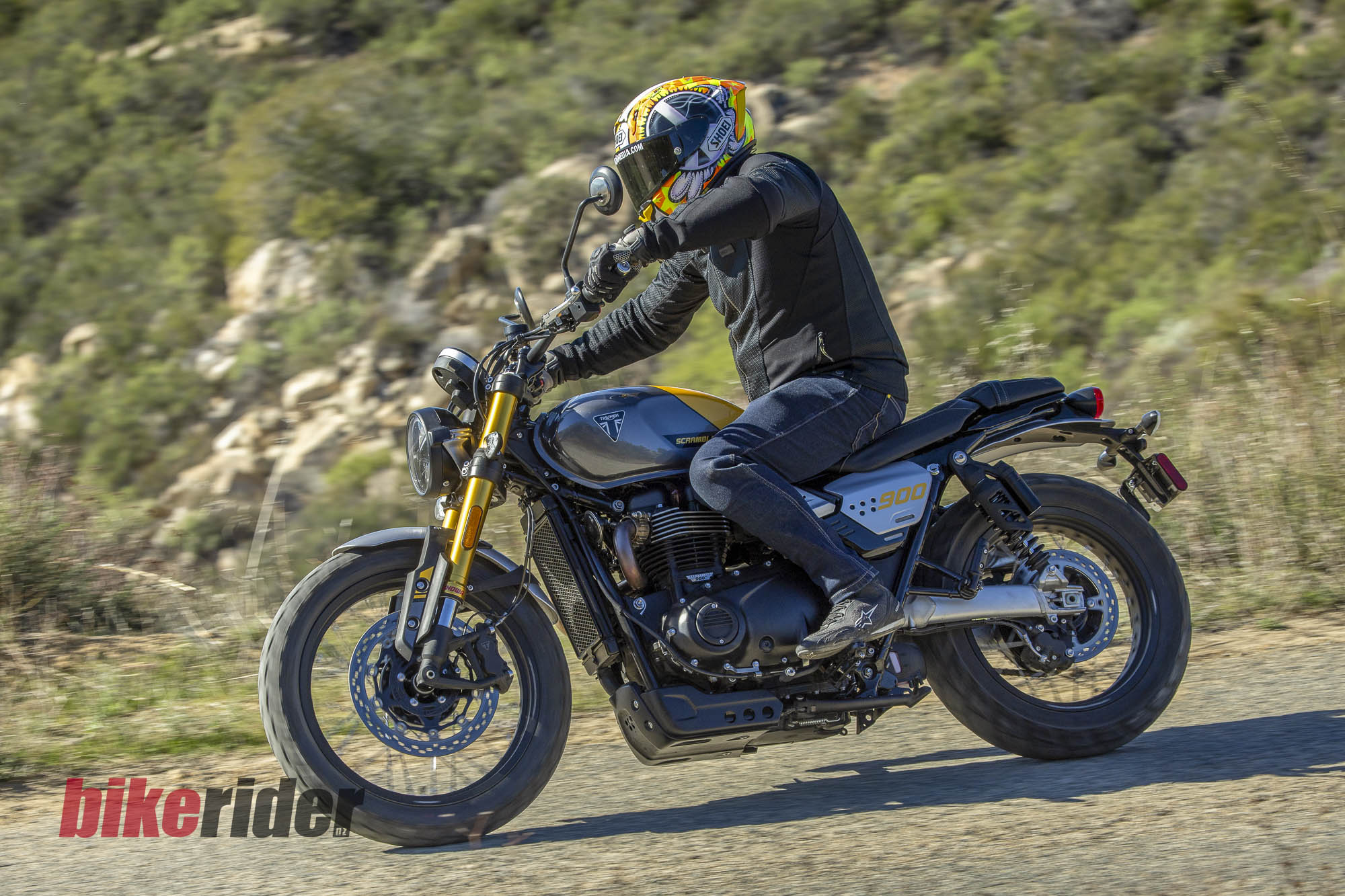
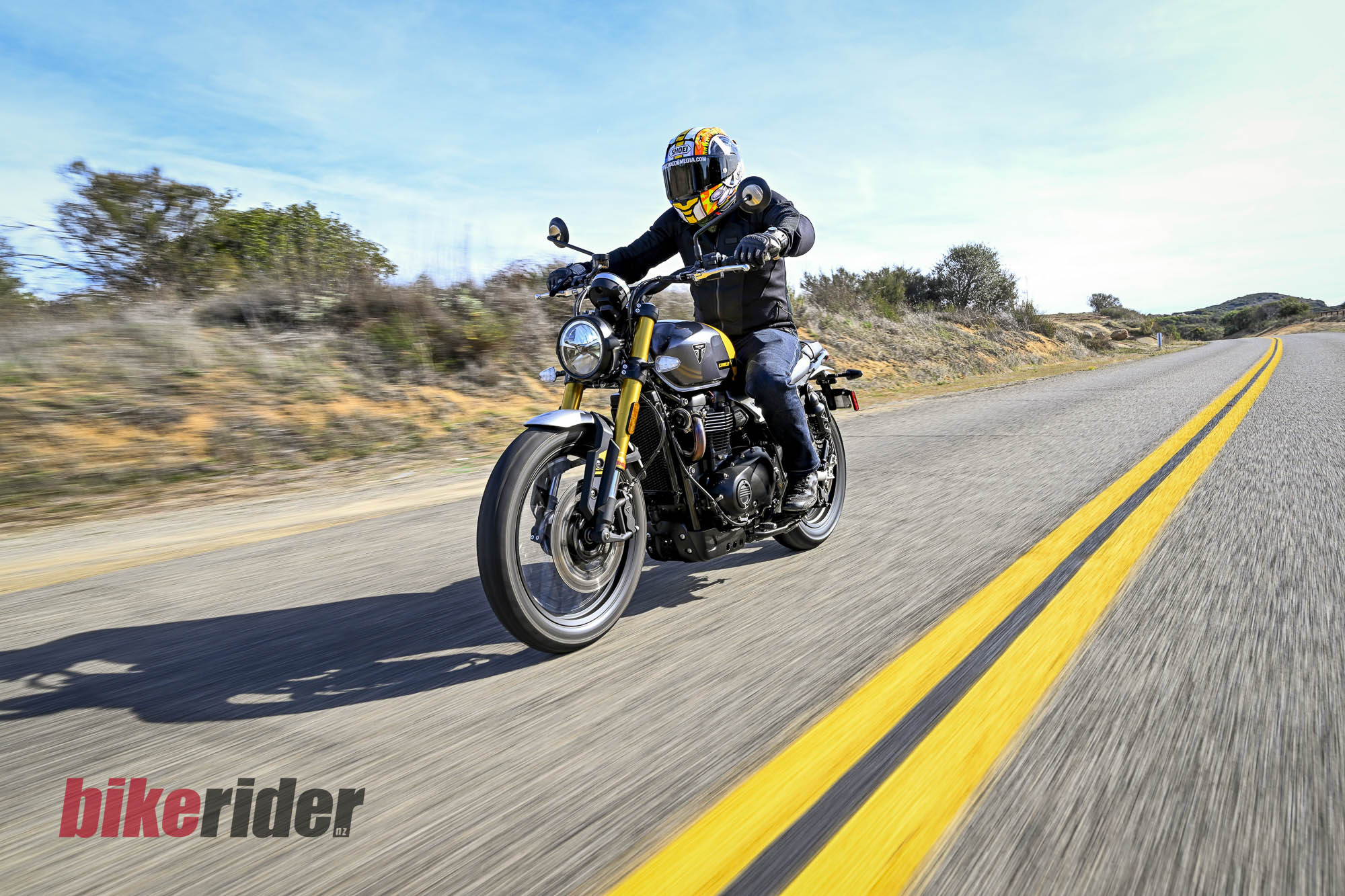
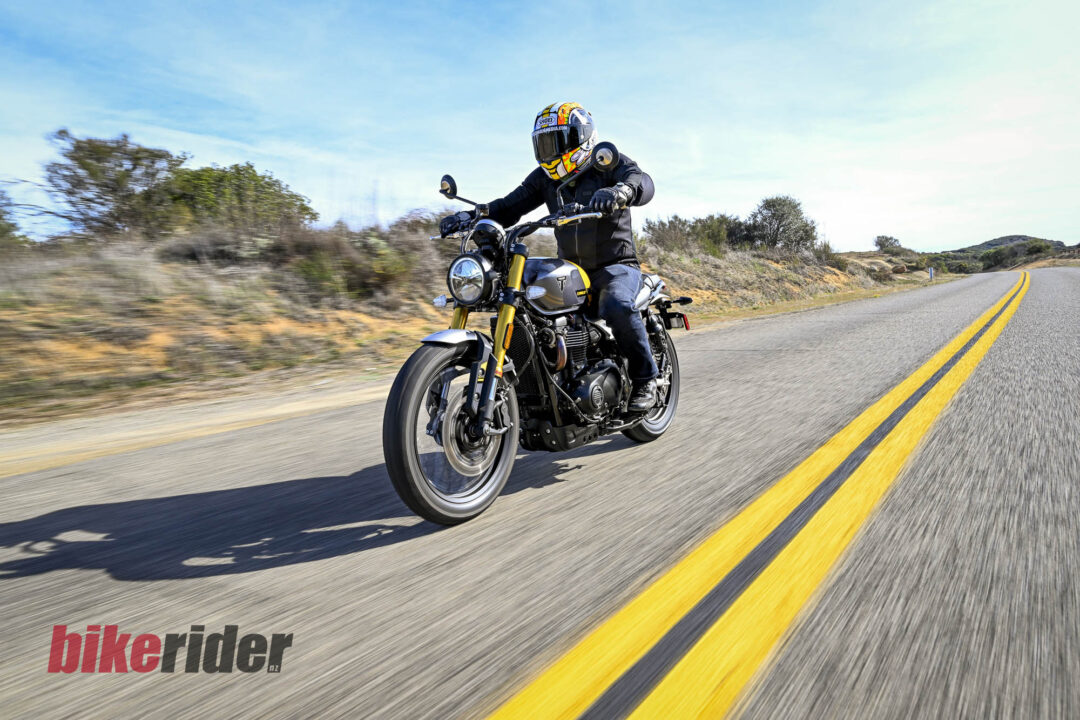
The 790mm seat height keeps things approachable, and the riding position is upright and natural. Wide bars give leverage, while low pegs create a relaxed, confident stance. Shorter riders won’t feel stretched, and taller riders won’t look oversized.
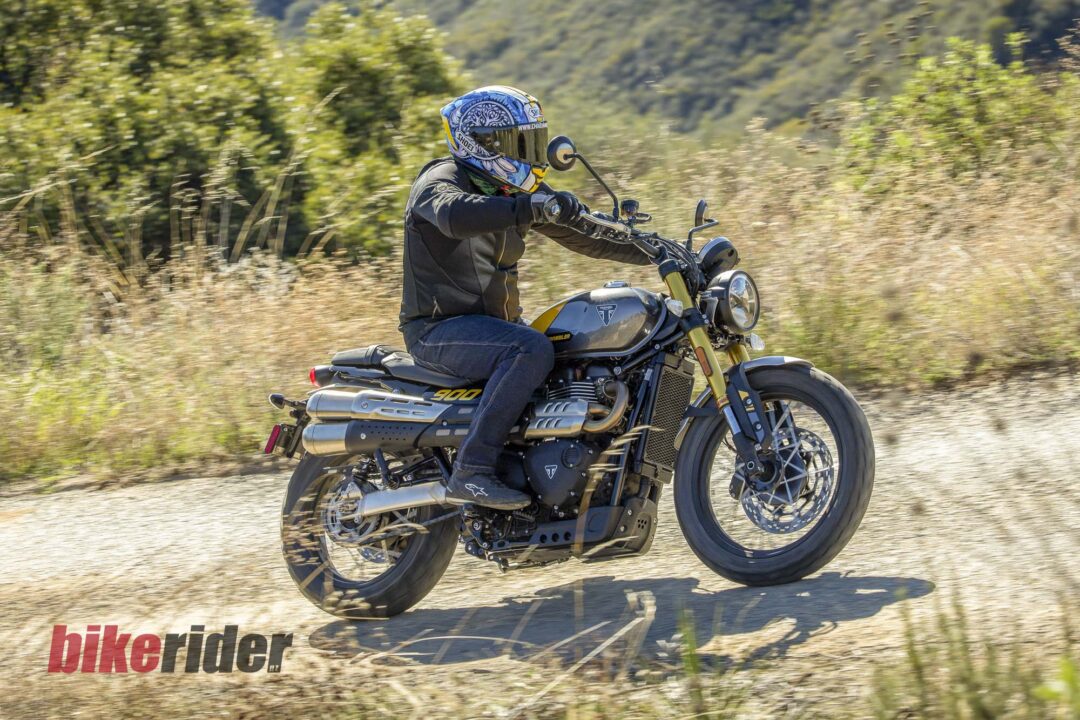
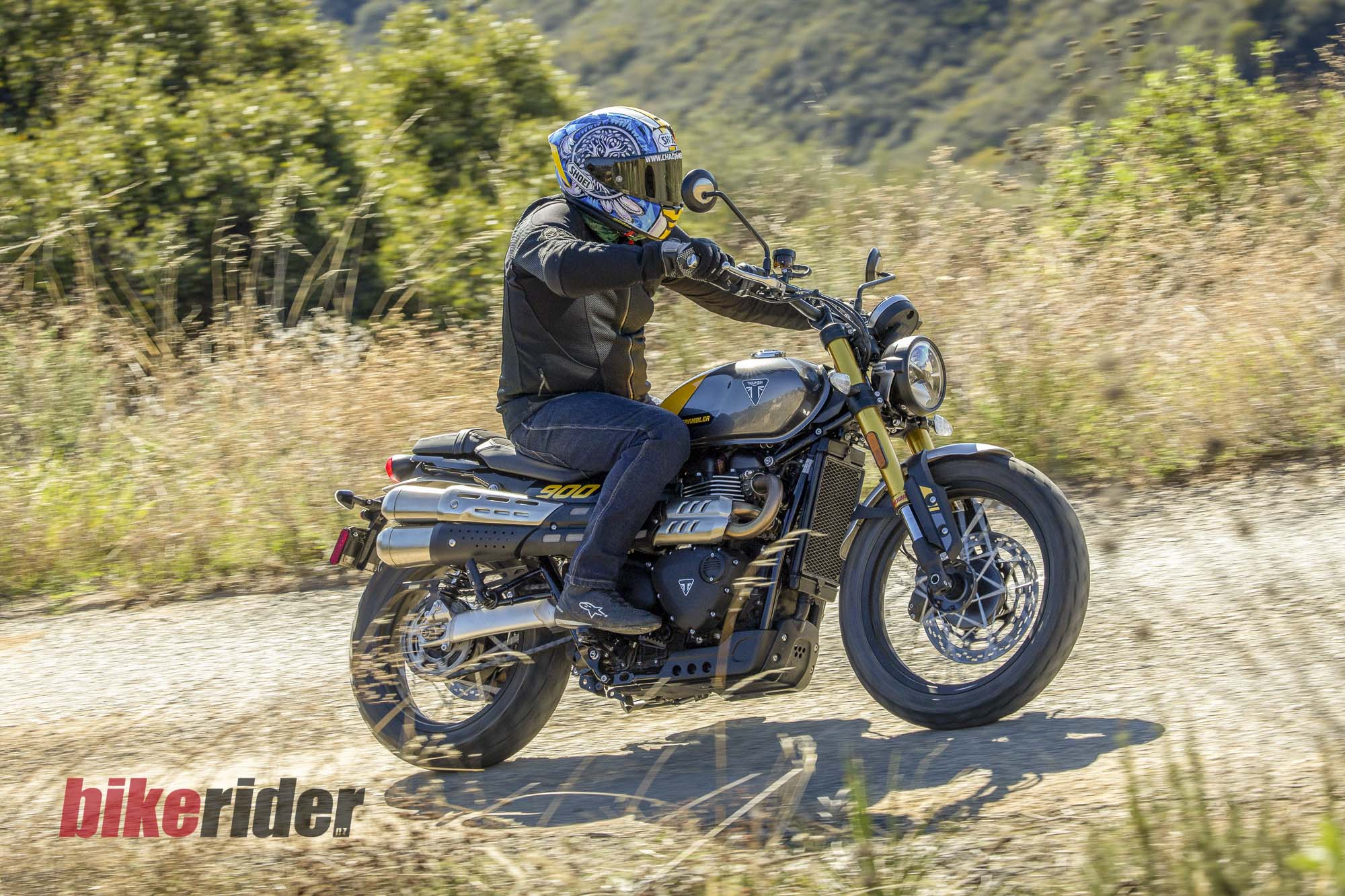
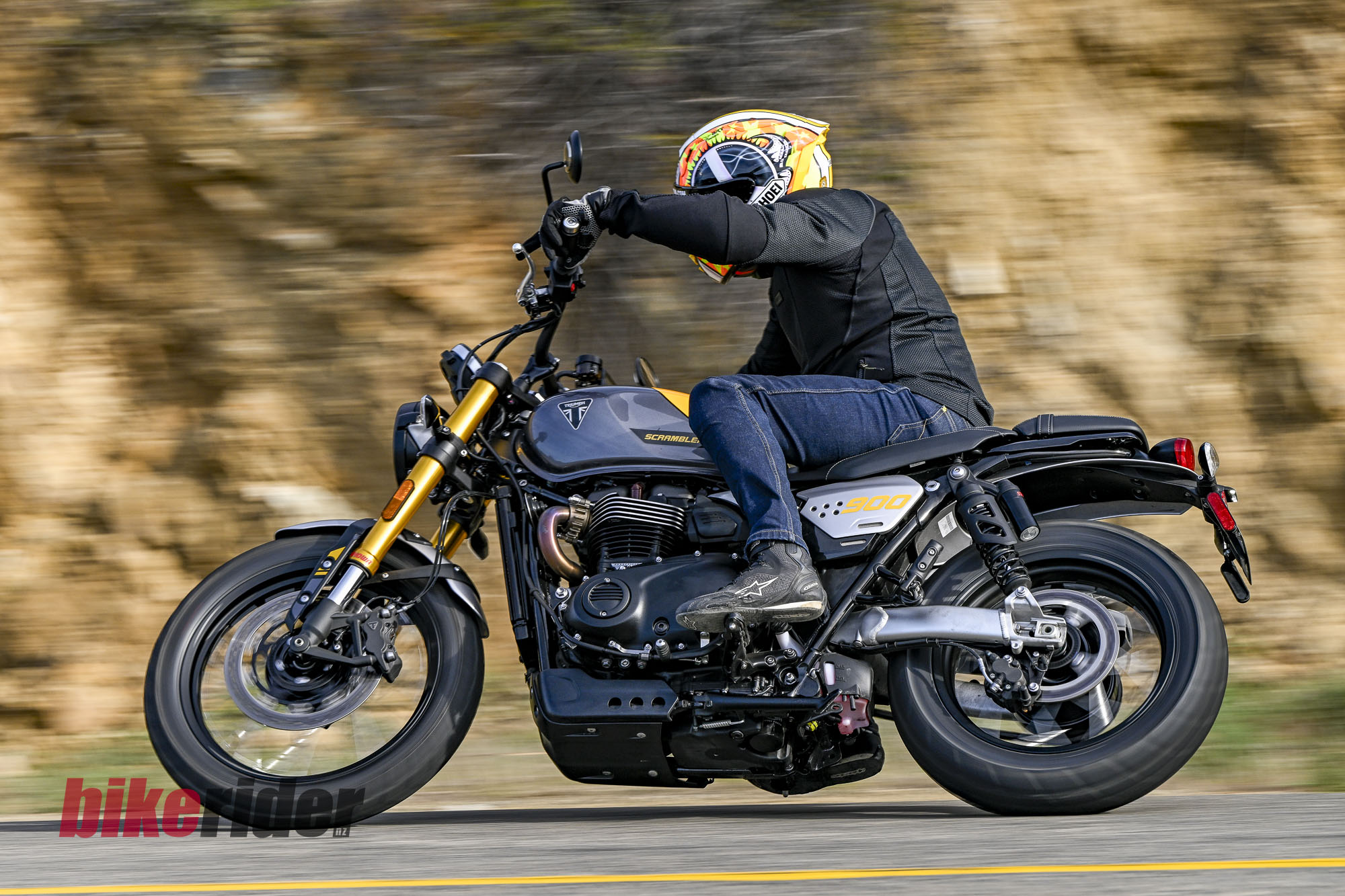
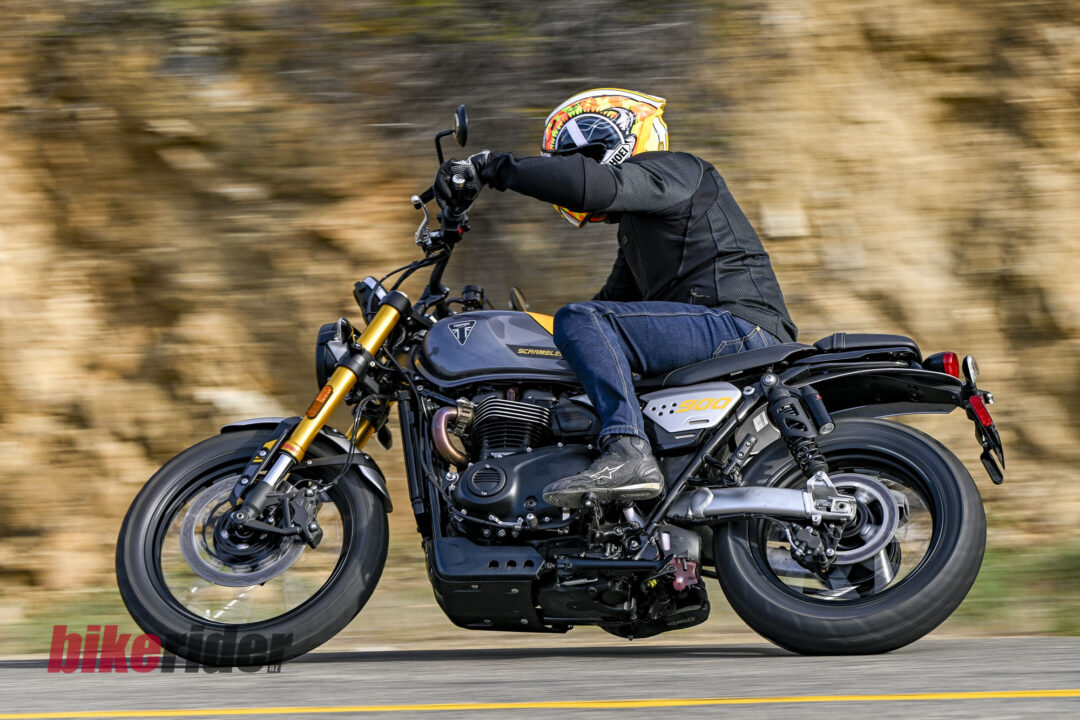
The new Showa suspension, lighter swingarm and reduced unsprung weight sharpen the chassis noticeably. It’s still set up on the softer side, but there’s more composure and better control when pressing on.
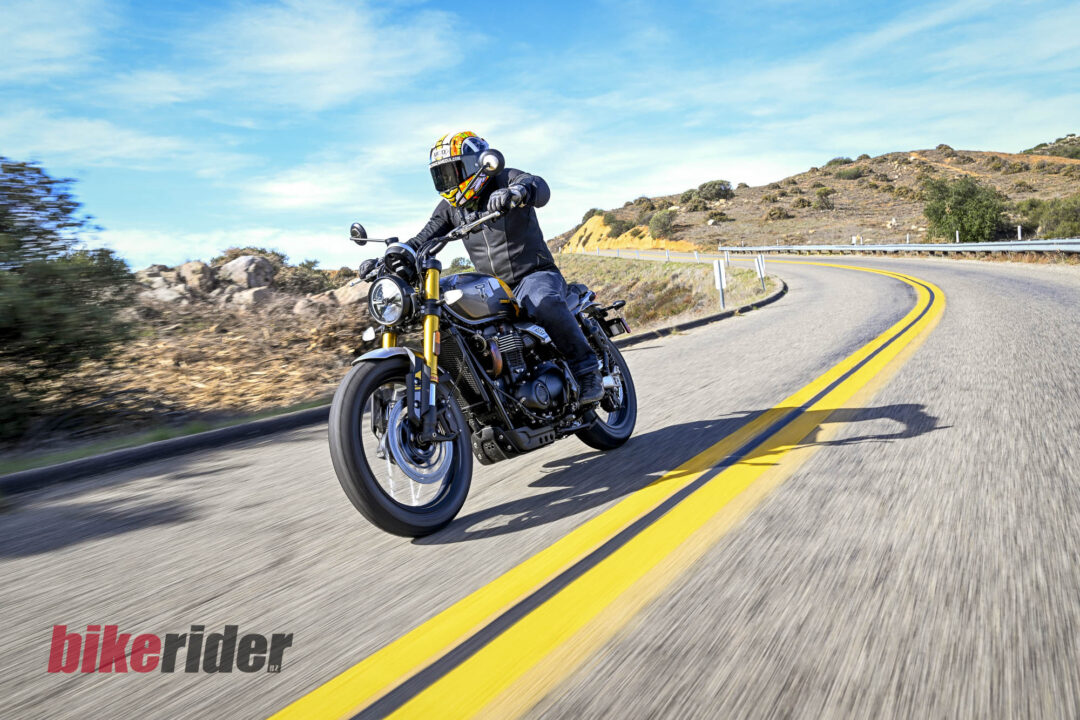
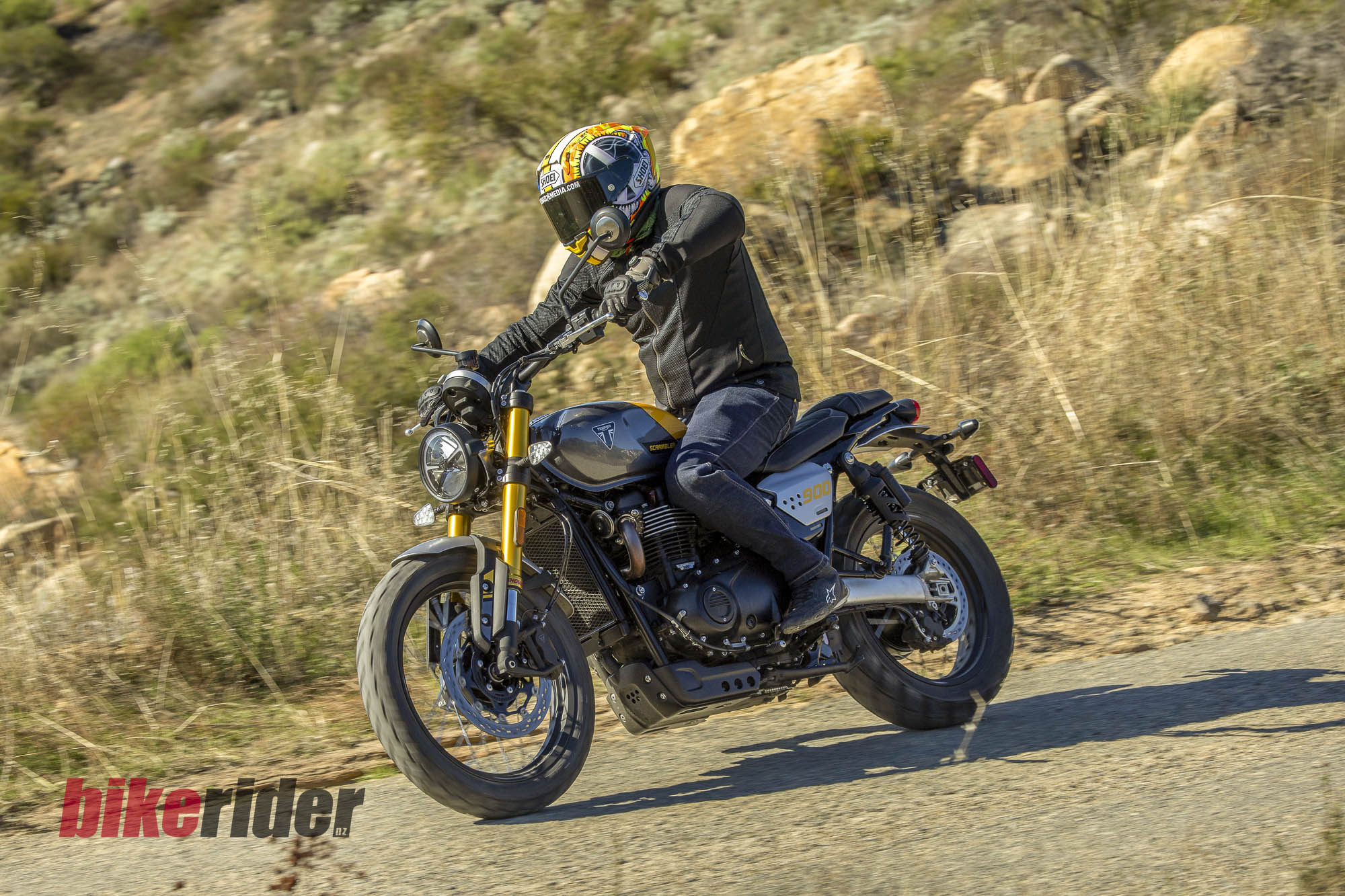
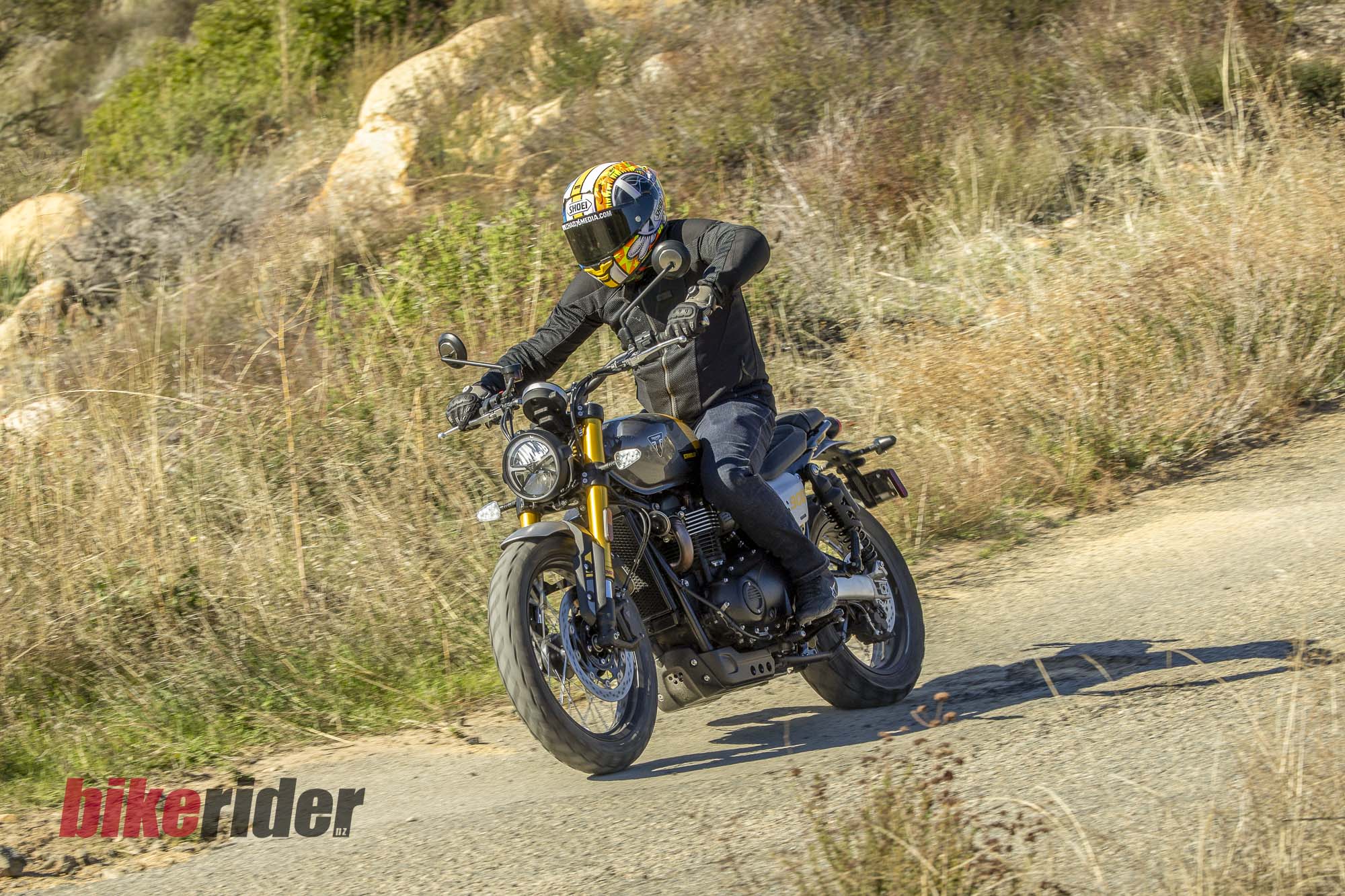
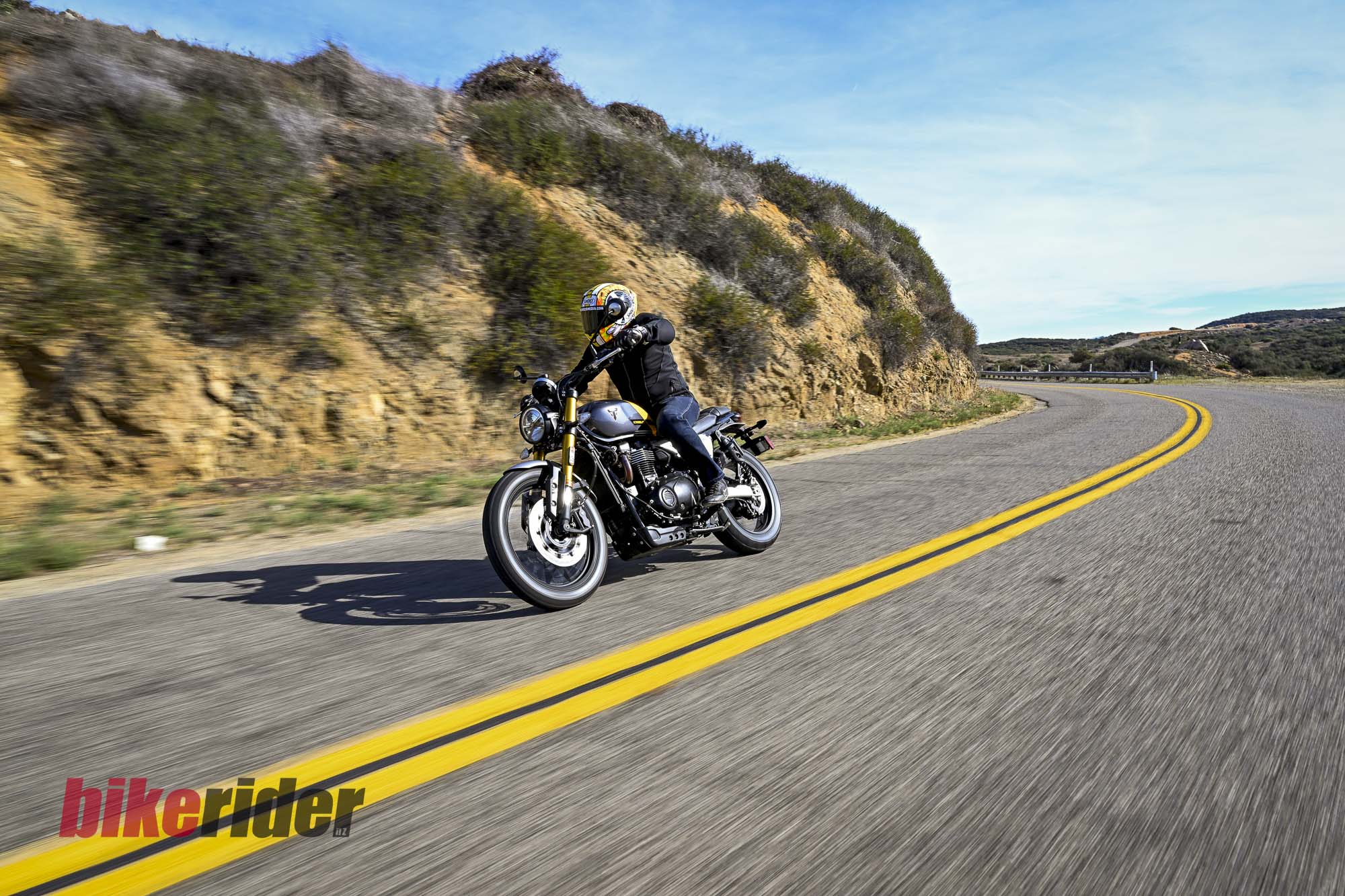
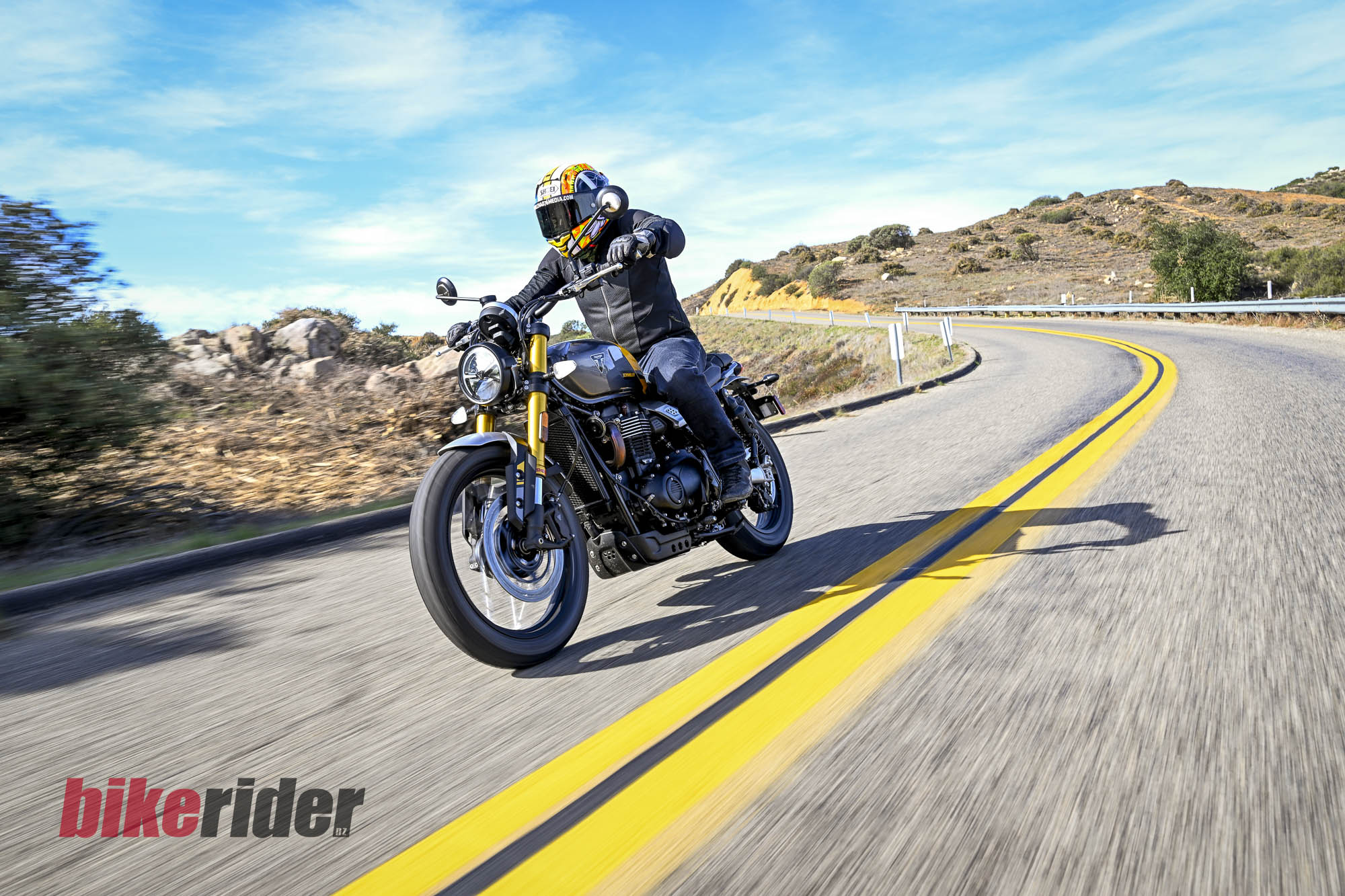
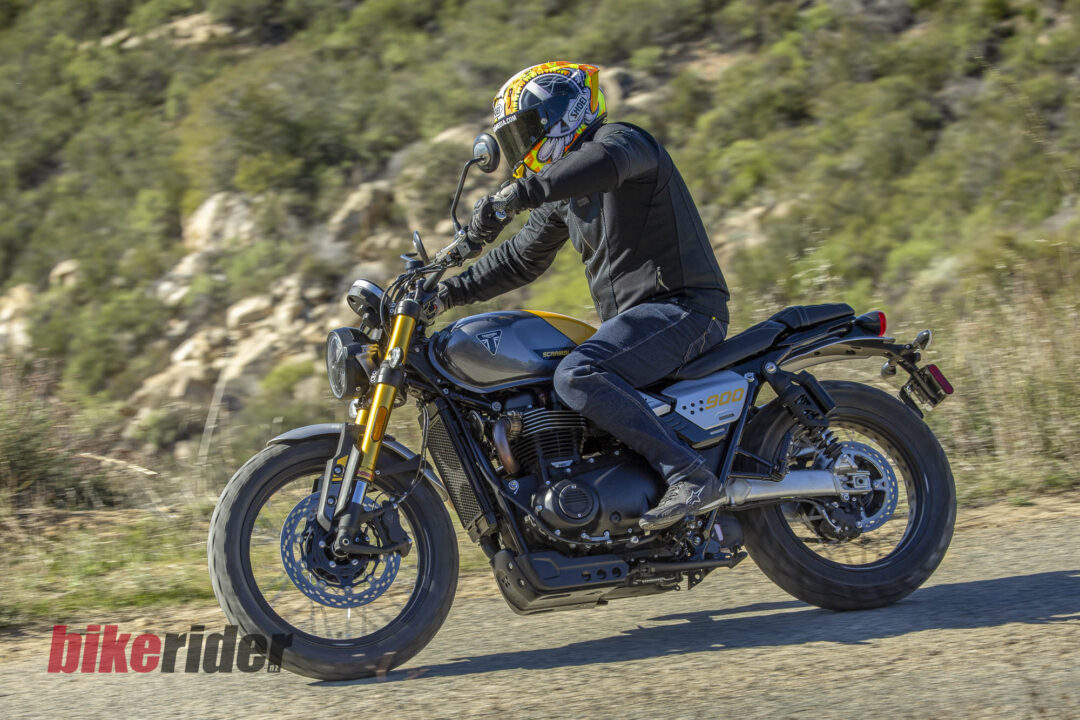
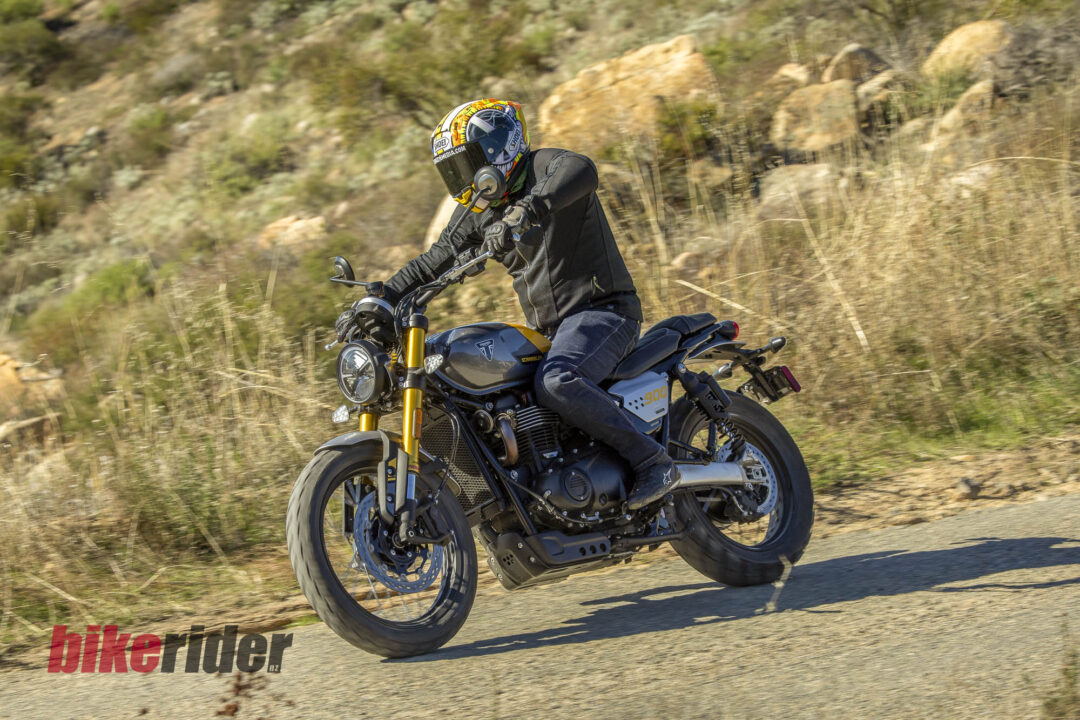
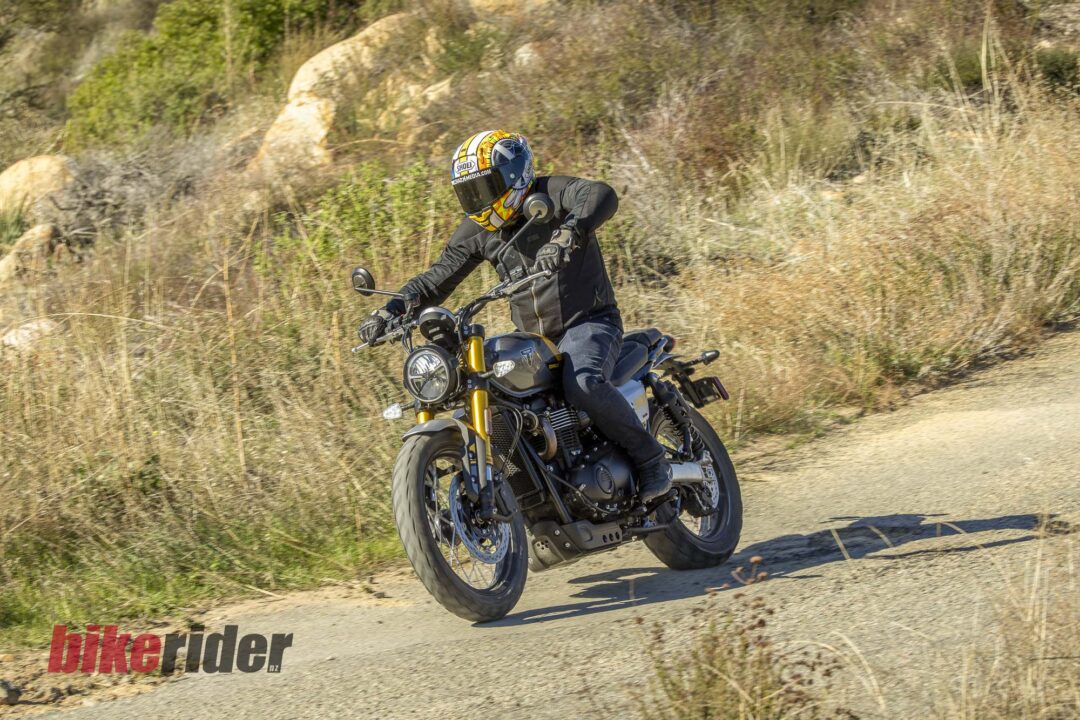
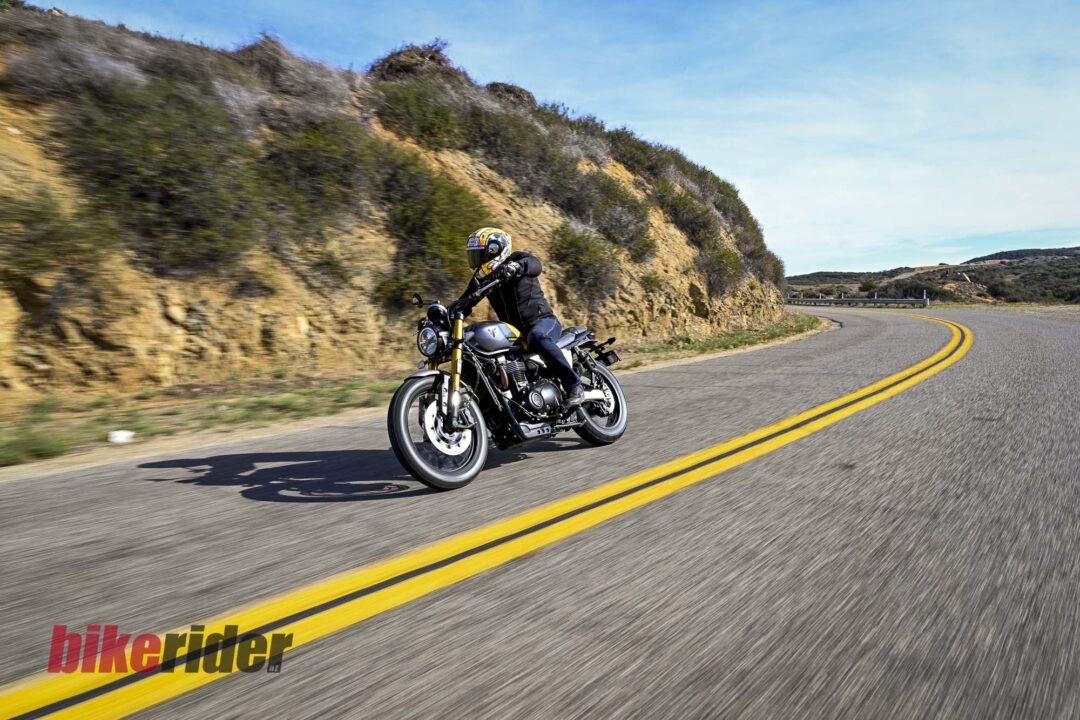
On tight Californian switchbacks, the Scrambler surprised me. The wide bars encourage you to throw it around, and the chassis responds willingly. Eventually the footpegs will brush the tarmac — but you’ll be riding enthusiastically to get there.
Braking: Better, But…
The move to a radial four-piston caliper and larger disc is welcome, and the addition of lean-sensitive ABS in Road and Rain modes adds confidence.
But that single front disc still has a lot of work to do when hauling down 221kg plus rider from speed. It’s adequate — but twin discs would better match the chassis’ newfound composure.
That might sound harsh for a retro-styled scrambler, but when the handling is this capable, you naturally start riding it harder.
Verdict
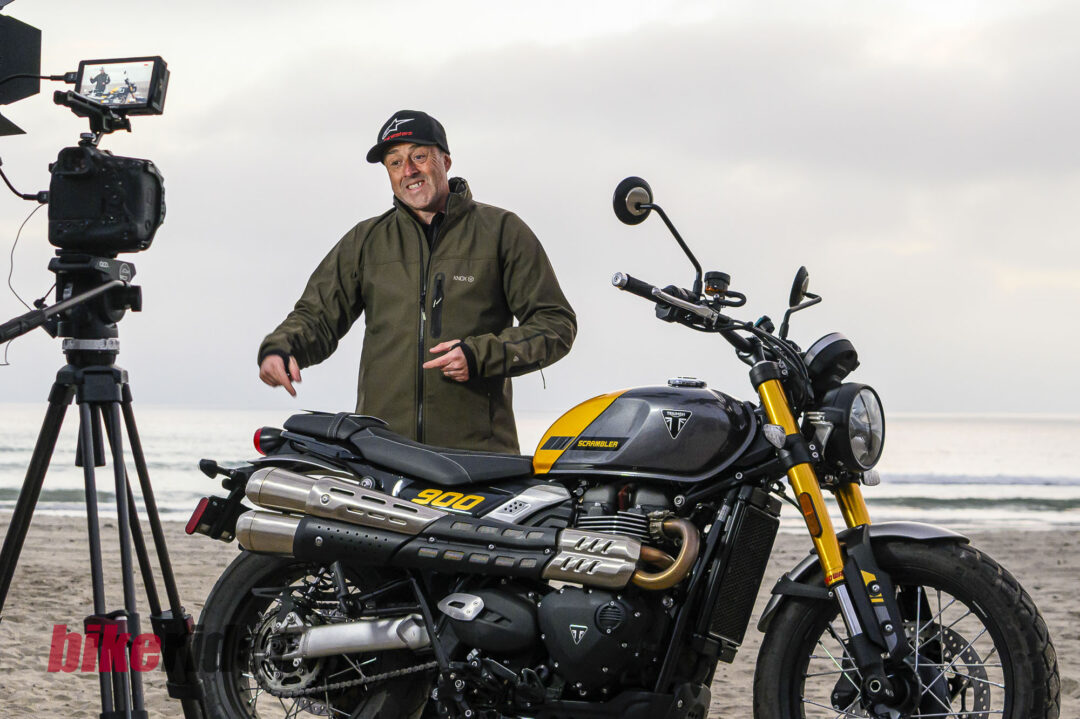
California was the perfect backdrop for the launch — close to where On Any Sunday captured the desert racing spirit that inspired bikes like this.
But while the styling leans heavily on that heritage, the substance is thoroughly modern.
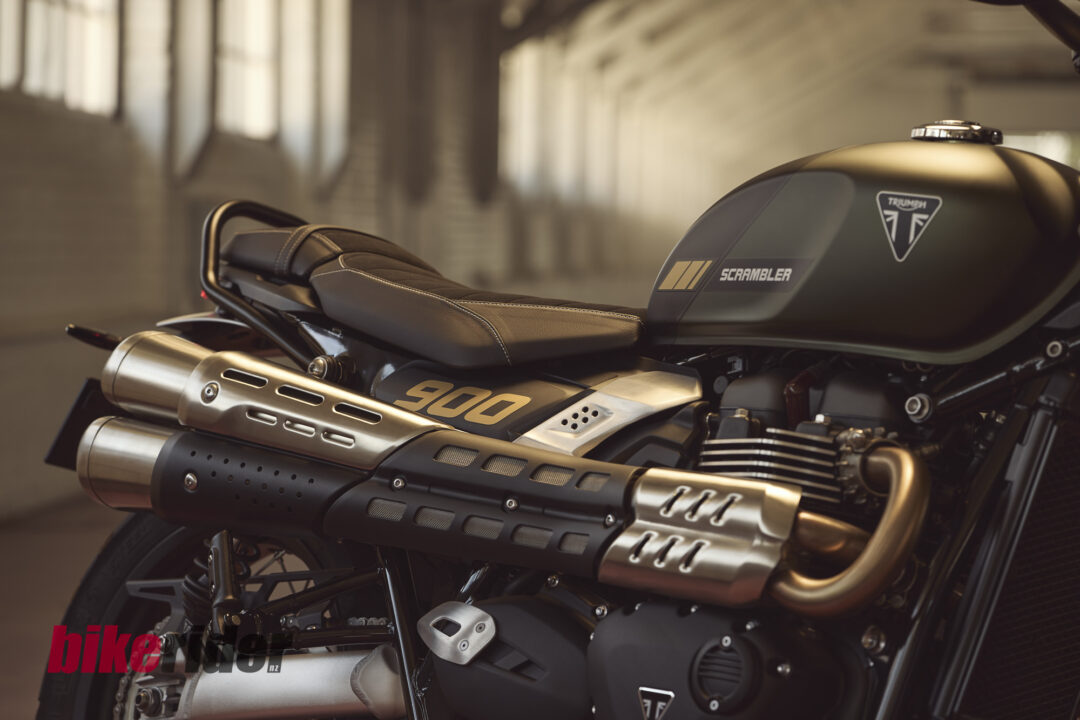
The Scrambler 900 isn’t a serious off-road weapon. At 221kg, it’s too heavy for genuine desert heroics. The high exhaust adds character but restricts movement when standing and could warm your leg in summer traffic.
Yet none of that diminishes its appeal.
The 900cc twin remains torquey, smooth and full of personality despite stricter emissions. The addition of lean-sensitive electronics enhances safety without compromising style. The handling is fluid and engaging, with enough ability to reward an enthusiastic rider.
Just don’t expect full McQueen-level desert theatrics.

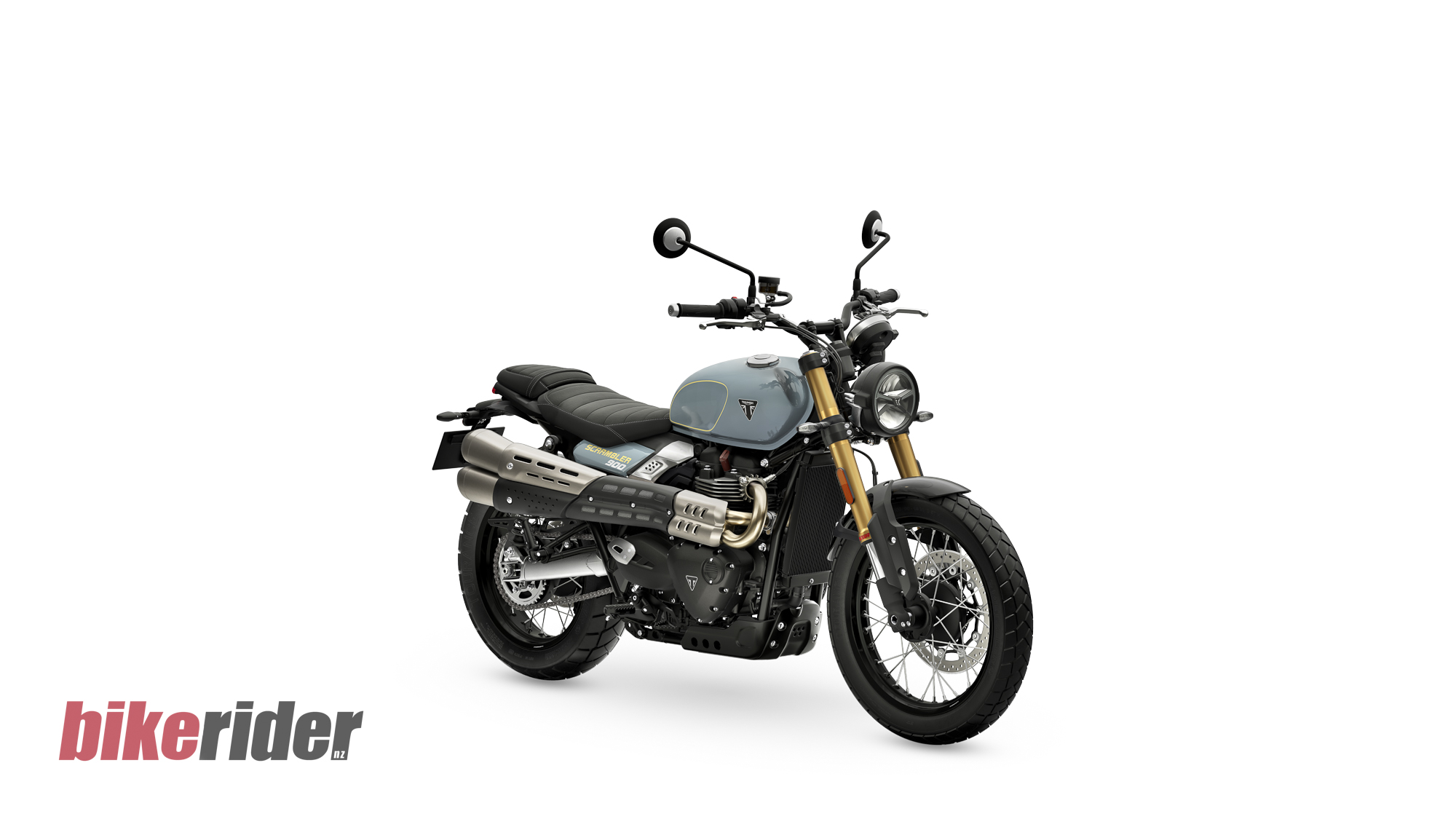
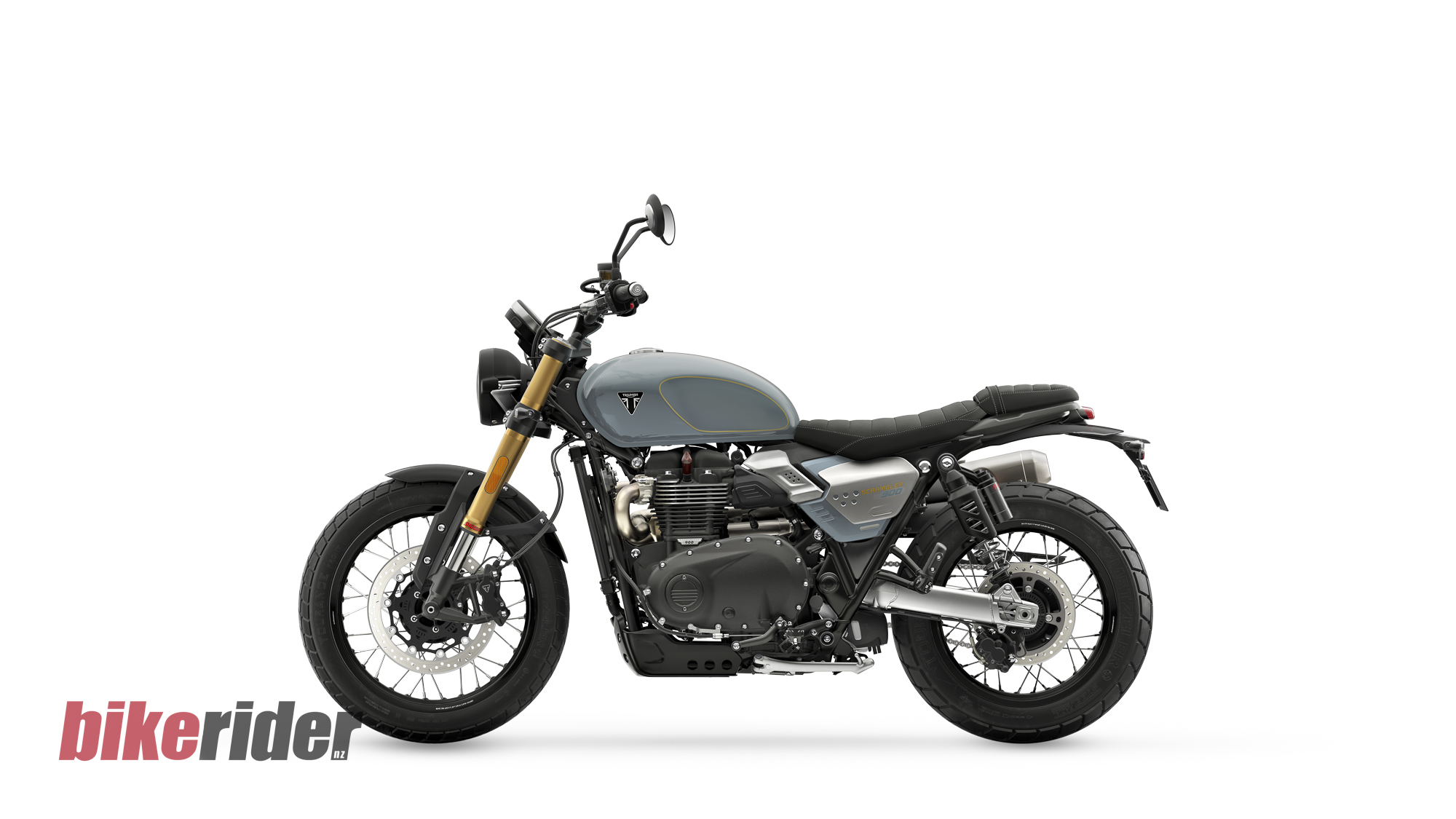
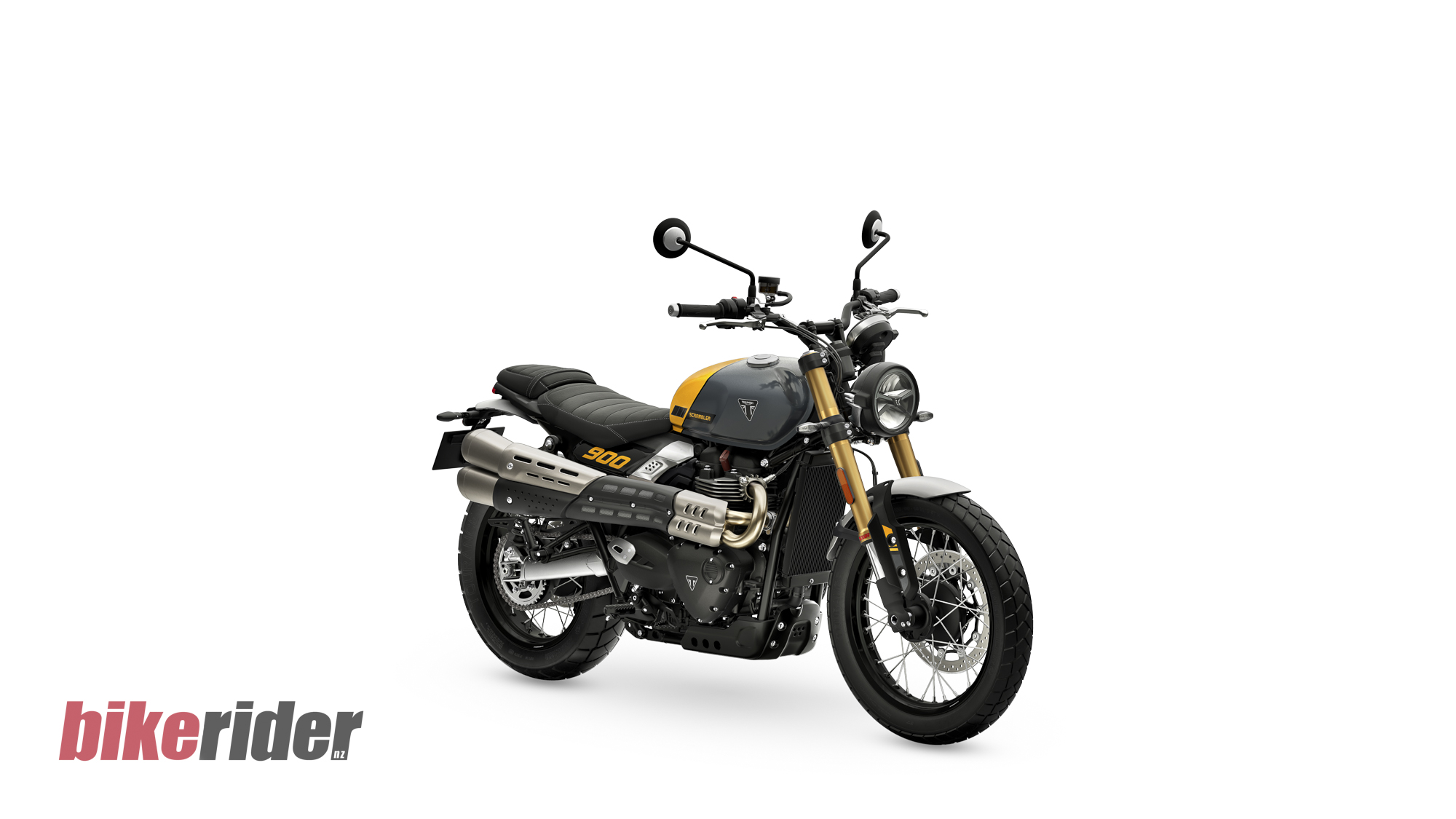
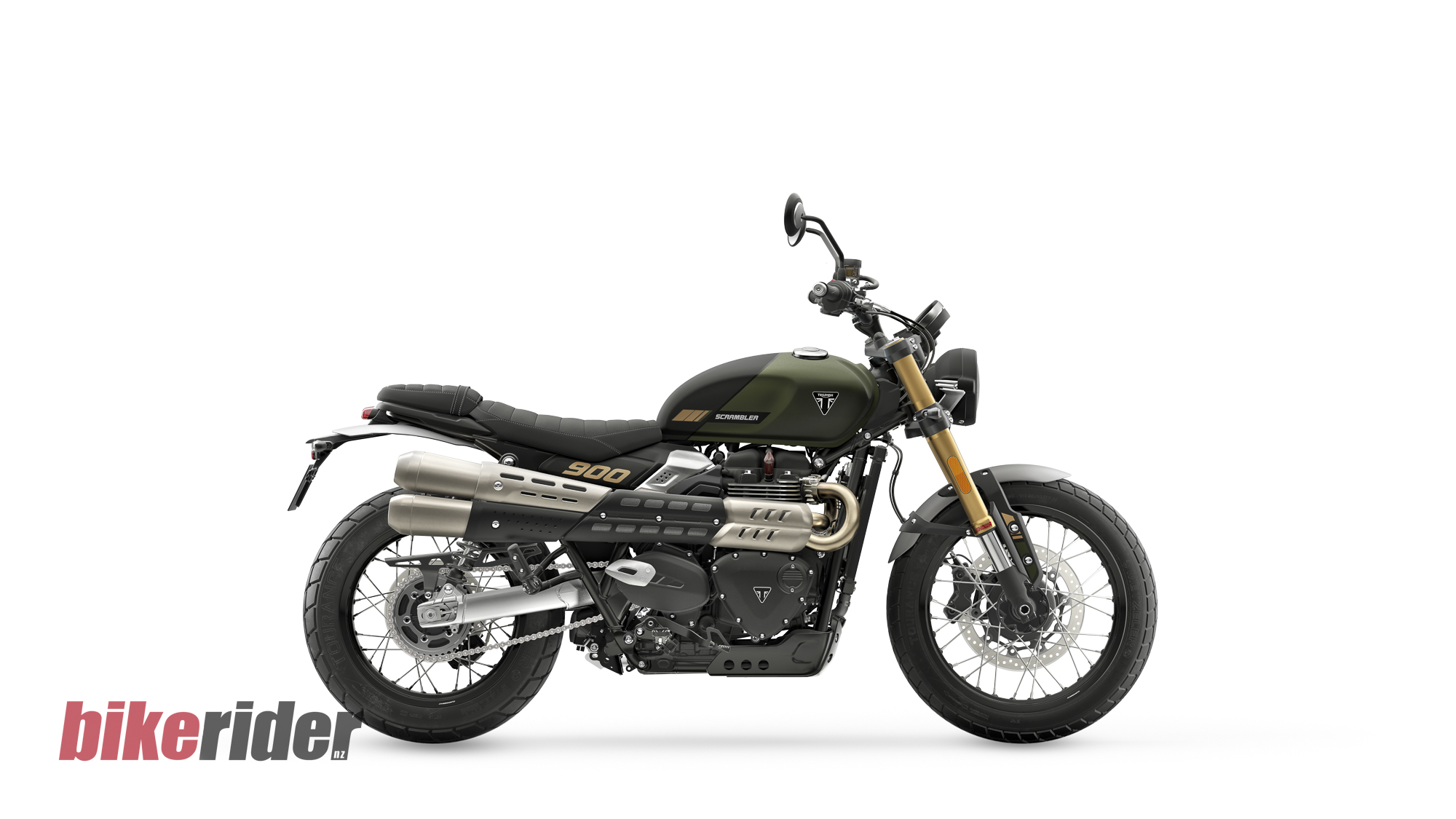
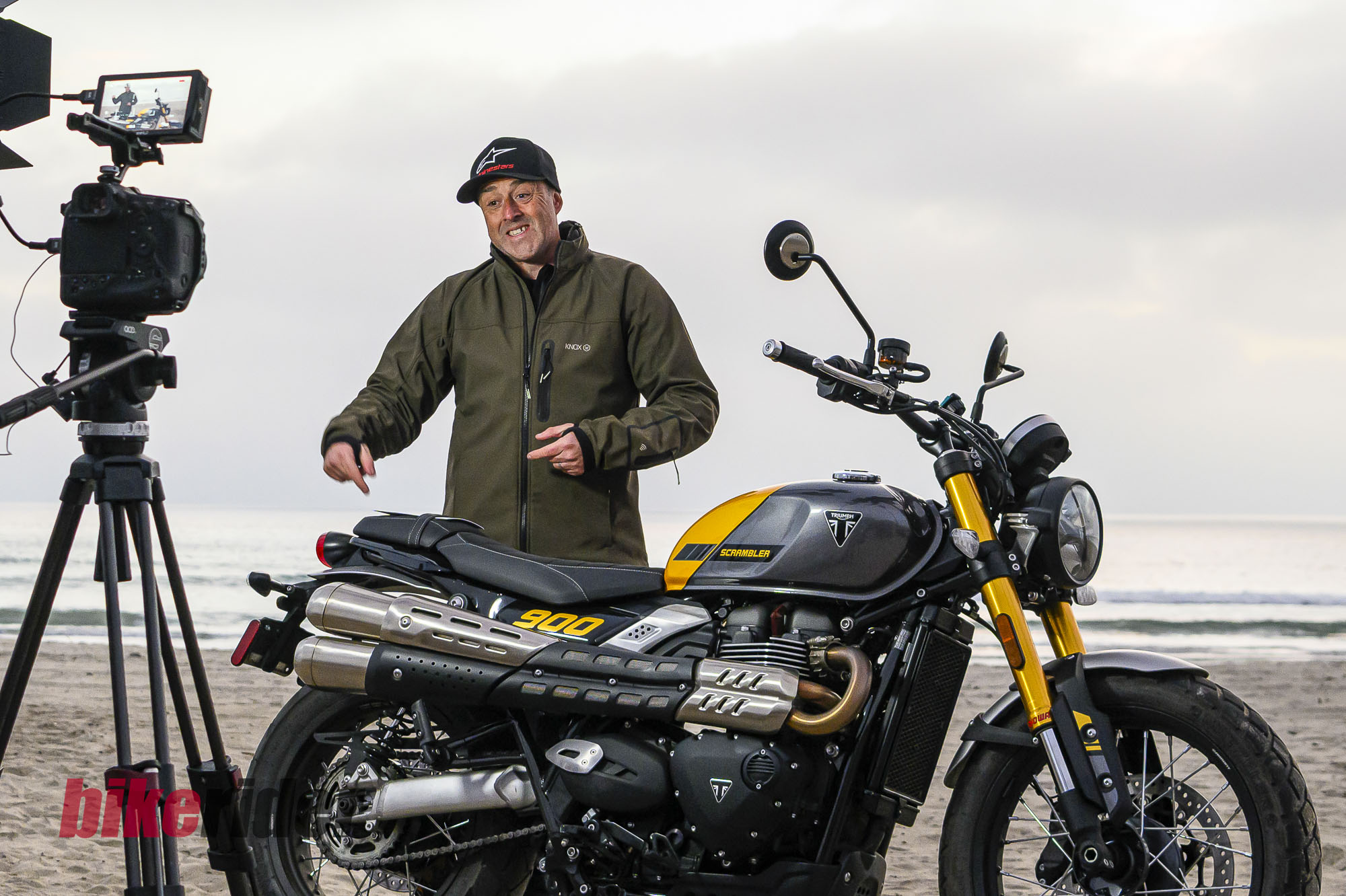
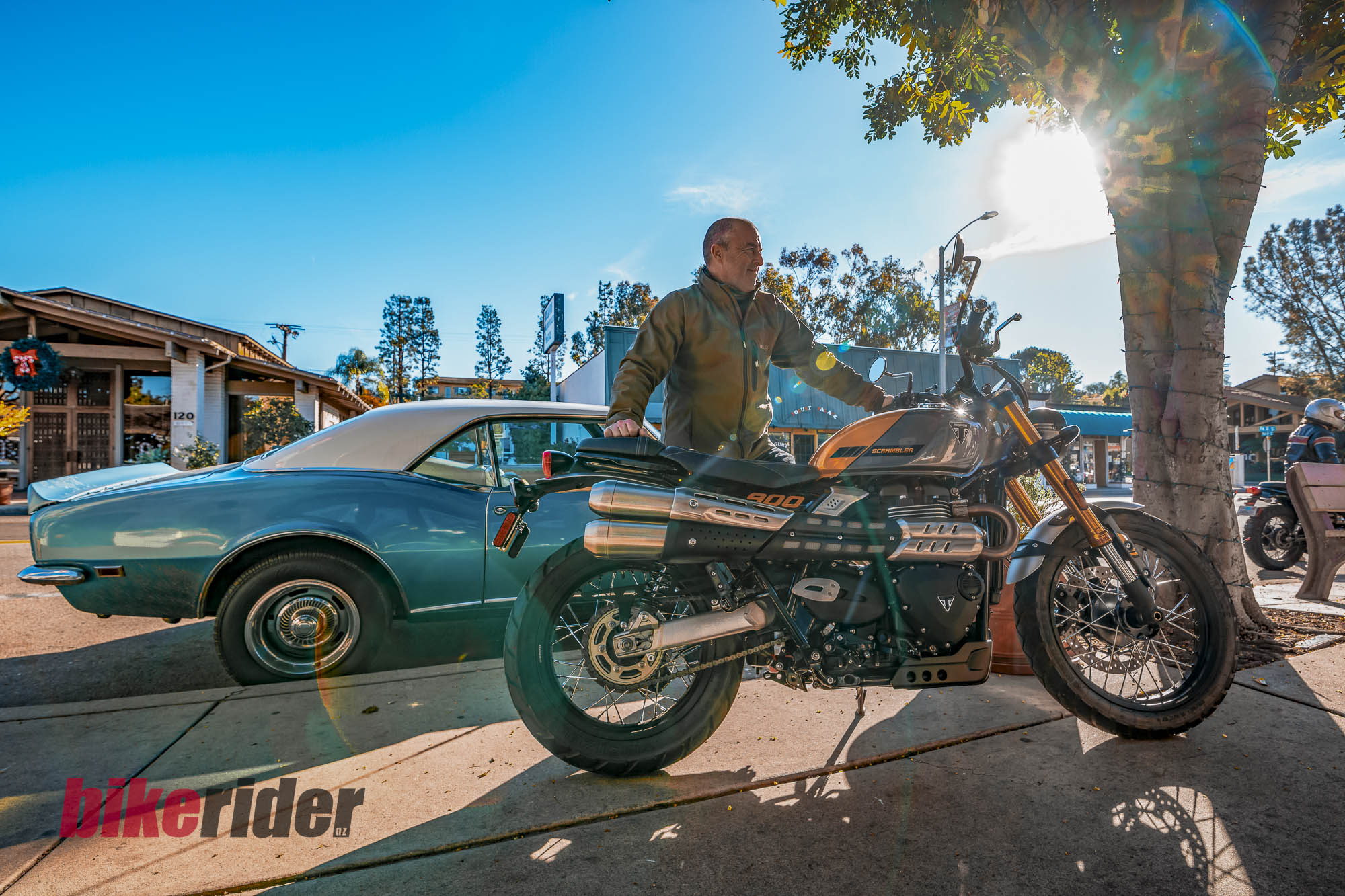
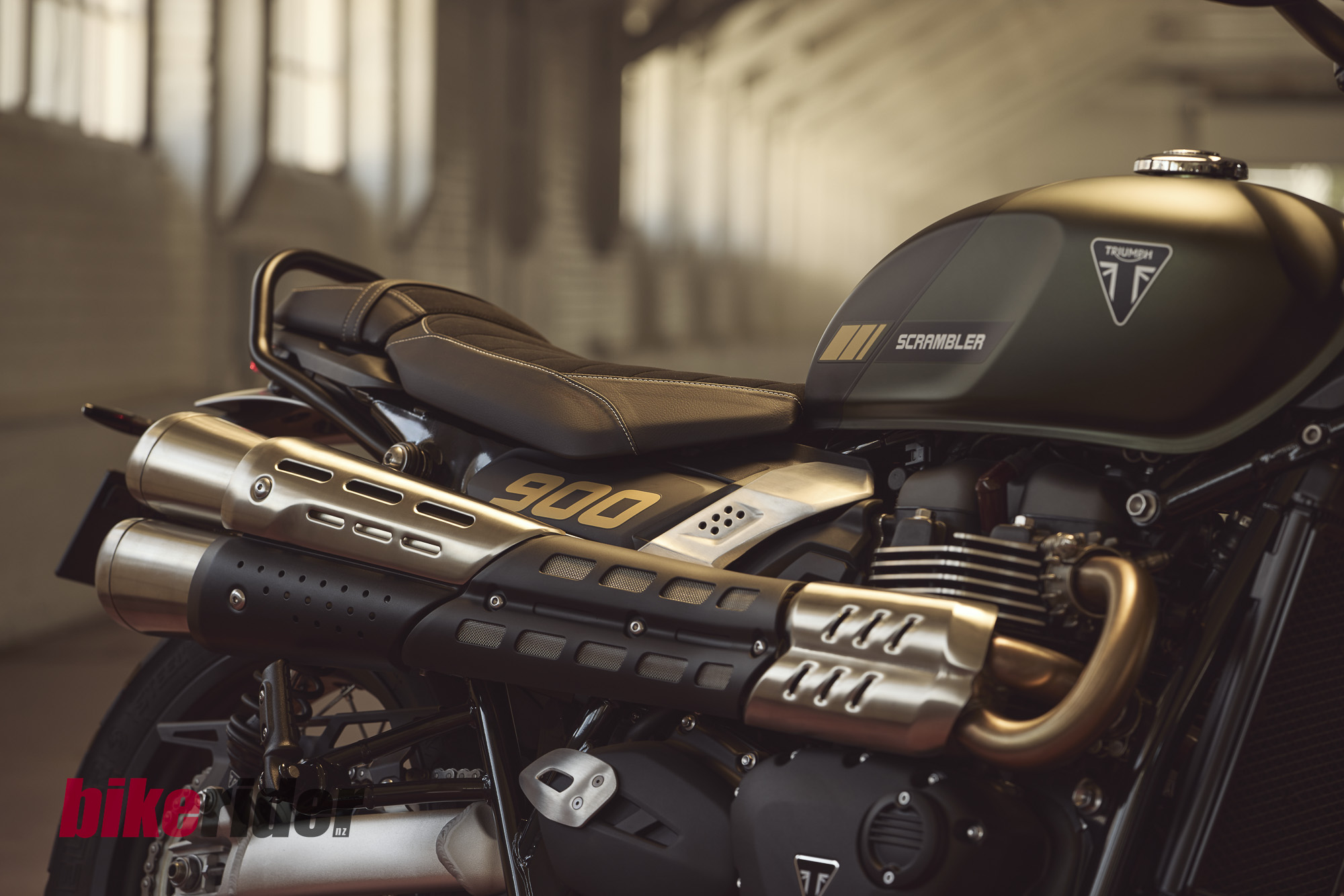
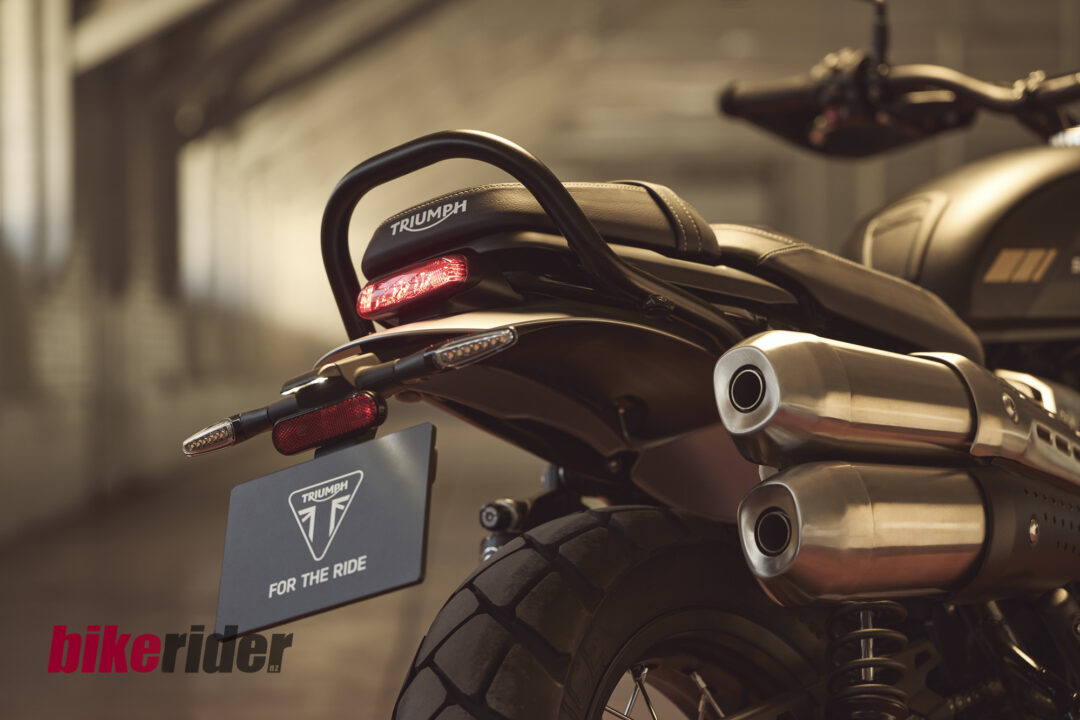
2026 Triumph Scrambler 900 Gallery
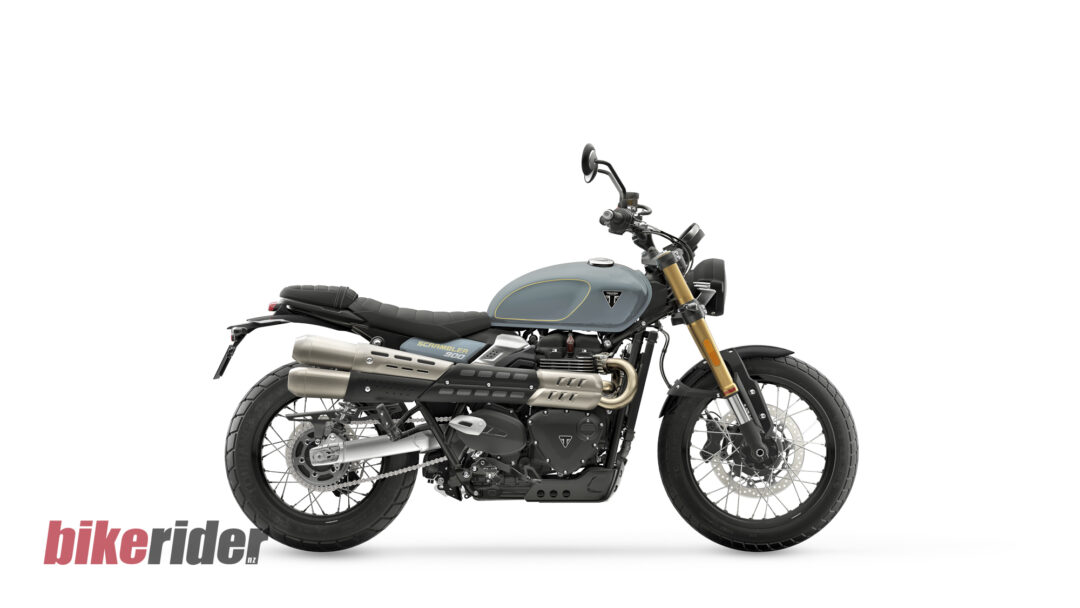
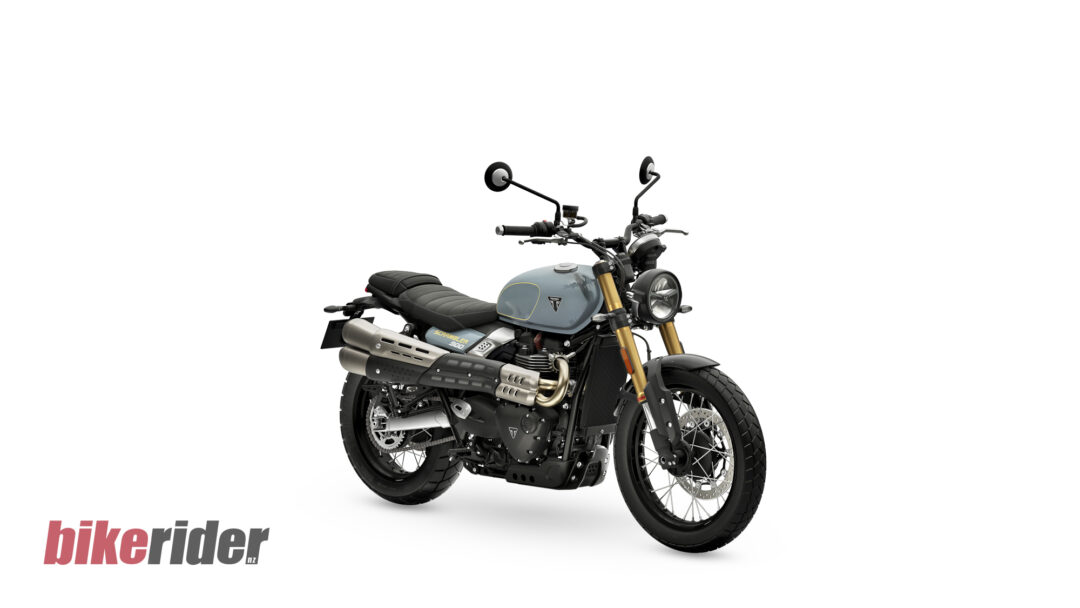
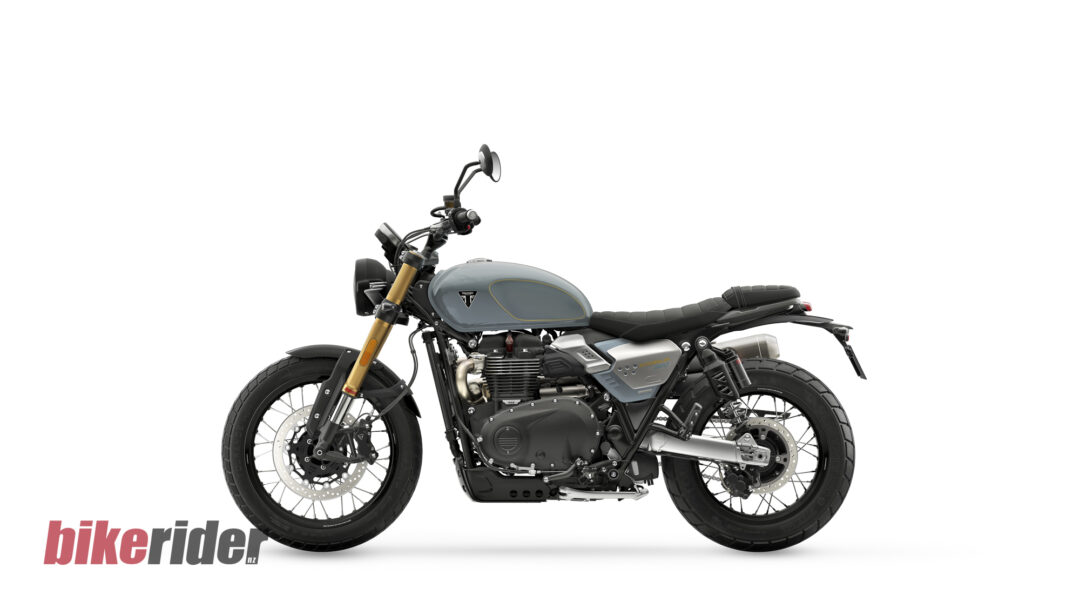
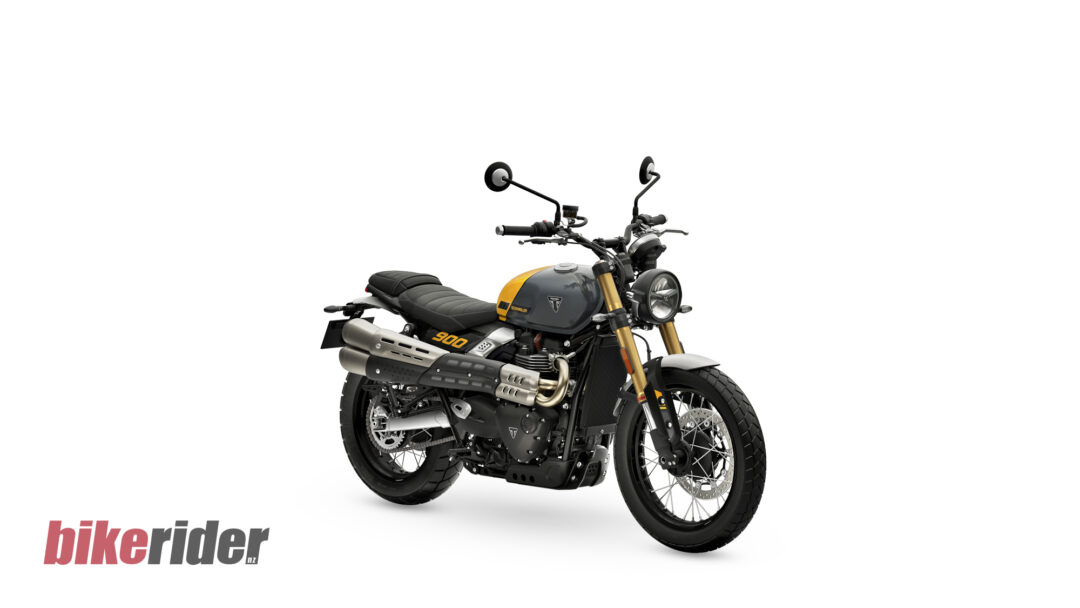
Specifications
| Price | From $21,995 |
|---|---|
| Type | Liquid-cooled, 8-valve, SOHC, 270° crank parallel twin |
| Capacity | 900cc |
| Bore x Stroke | 84.6mm x 80mm |
| Compression Ratio | 11.0:1 |
| Max Power | 65PS / 64.1bhp (47.8kW) @ 7,250rpm |
| Max Torque | 80Nm @ 3,250rpm |
| Fuel System | Multipoint sequential electronic fuel injection |
| Riding Modes | Road, Rain, Off-Road |
| Exhaust | Brushed stainless steel 2-into-2 with twin high-level silencers |
| Final Drive | X-ring chain |
| Clutch | Wet, multi-plate, slip & assist |
| Gearbox | 5-speed |
| Frame | Tubular steel with steel cradles |
| Swingarm | Twin-sided fabricated aluminium |
| Front Wheel | 19 x 2.5in spoked aluminium (32-spoke) |
| Rear Wheel | 17 x 4.25in spoked aluminium (32-spoke) |
| Front Tyre | 100/90-19 |
| Rear Tyre | 150/70 R17 |
| Front | Showa Ø43mm USD forks, 120mm travel |
| Rear | Twin Showa RSUs, adjustable preload, 120mm travel |
| Front | 320mm floating disc, four-piston radial caliper, cornering ABS |
| Rear | 255mm disc, Nissin two-piston caliper, cornering ABS |
| Length | 2,111mm |
| Width (Handlebars) | 853mm |
| Height (Without Mirrors) | 1,178mm |
| Seat Height | 790mm |
| Wheelbase | 1,445mm |
| Rake | 25.8° |
| Trail | 112mm |
| Fuel Capacity | 12 litres |
| Wet Weight | 221kg |
| Service Interval | 16,000km / 12 months |
| Fuel Consumption | 4.0L / 100km |
| CO₂ Emissions | 95g/km (Euro 5+) |
Smarter Style
The updates to the Scrambler 900 are meaningful. Rider aids are a big improvement, while the move to Euro 5+ has been done with some form of magic that makes the Scrambler still look old school cool. A set of twin discs up front really would have completed the package, but otherwise, this is a very cool and very capable machine.